
 then open in external browser

 and click "Open in External Browser"
Hey! Ready for some quick and quirky animal facts that'll make you go "No way!"? We've gathered some of the coolest, weirdest, and most mind-blowing animal tidbits out there. Let's dive right in and have a blast!
This post may include affiliate links.
Think cats just ignore you? Nope! They actually remember your voice, face, and *even* your footsteps for years. That random stare or sneaky cuddle? Your kitty’s way of saying, “Hey, you’re unforgettable.”

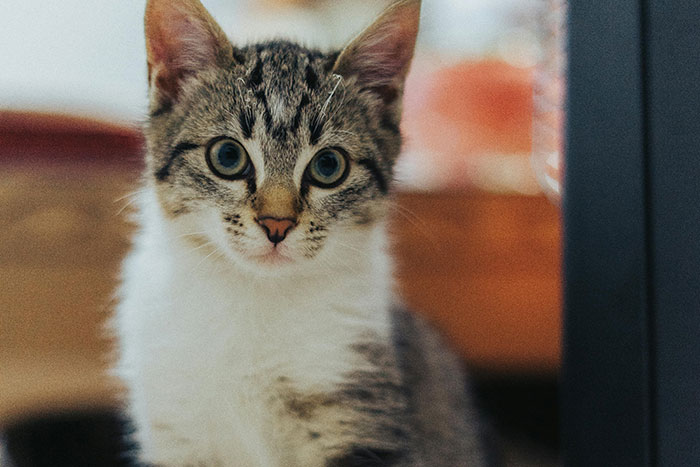
That adorable paw-patting is actually a throwback to kitten days when they pressed their mom’s belly to get milk. Now, it’s their way of saying “I’m comfy, you’re mine” - plus, their paws have secret scent glands, so it’s like marking you as their human.
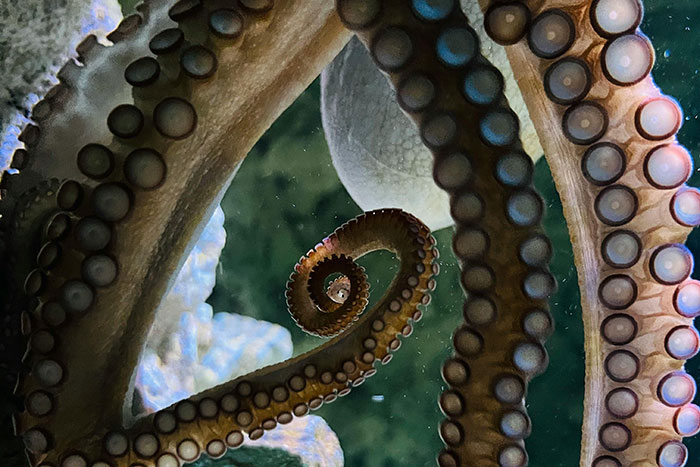
Octopus blood is blue because it’s got copper instead of iron in it. Plus, they have three hearts! Two send blood to the gills, and one does the rest of the legwork. When they swim, one heart takes a nap - making them tire out fast. Crawling’s their cardio.
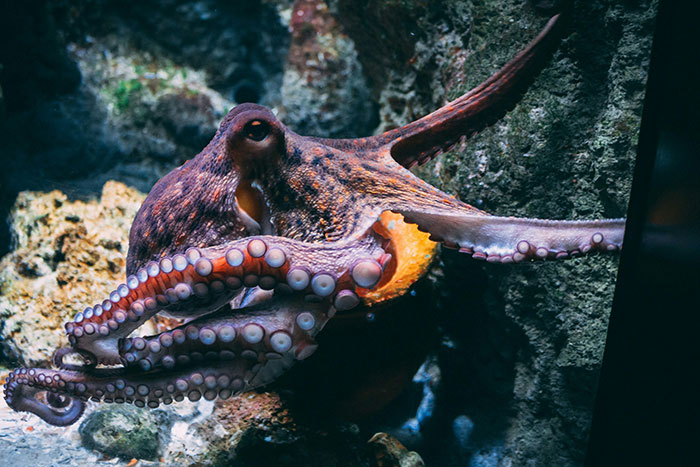
Octopuses rock three hearts, but when they swim, their main heart just quits for a bit. That’s why they get pooped after swimming fast and prefer to crawl around instead. Talk about a lazy heart!
Turns out, having a purring cat nearby can help calm your nerves, slow your heartbeat, and get you to snooze faster. So maybe it’s not just cute - they’re also little sleep coaches!
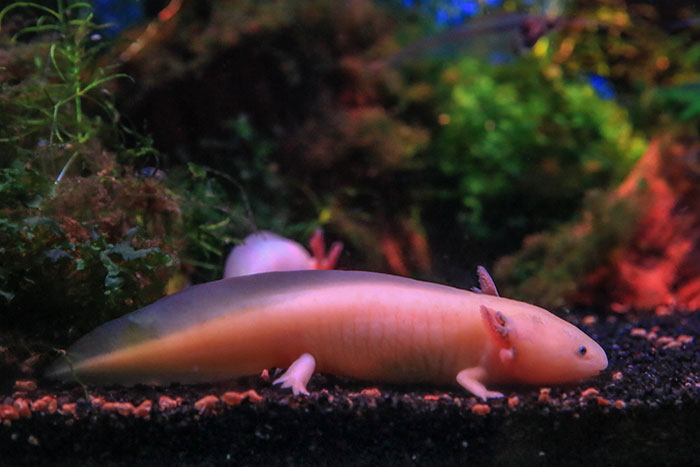
These “walking fish” can regrow their spine, heart, and even parts of their brain. Basically, they’re nature’s superheroes making scientists dream about someday helping humans do the same.

Dogs do that spinning dance to flatten grass, scare off bugs and snakes, and secure a comfy sleeping spot. So even if you’ve got a carpet, they’re just following ancient bedtime rituals.
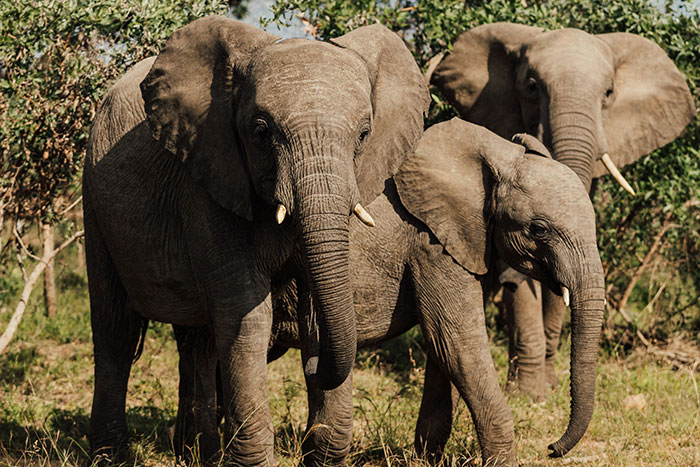
Elephants can sense low rumbles through the ground that signal an oncoming storm way before we even know it’s coming. Sometimes they start heading toward rain before the sky even shows signs. Weather forecast? Pfft, they got this.
Found in Australia, the lyrebird can copy just about any sound it hears - chainsaws, camera clicks, car alarms, you name it. During mating season, males pump out these crazy mixes to impress the ladies. Talk about a show-off!
Opossums are these small, rat-like critters that almost never get rabies, despite what legends say. So yeah, they’re kind of the untouchables of the rabies world.
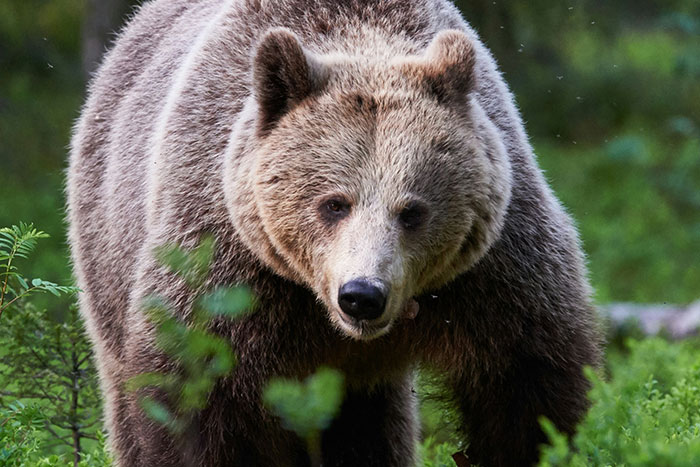
Meet the Grolar bear - a cool mix between a polar bear and a brown bear. They get 74 chromosomes from each parent and can sometimes have babies of their own. Nature loves a good team-up.
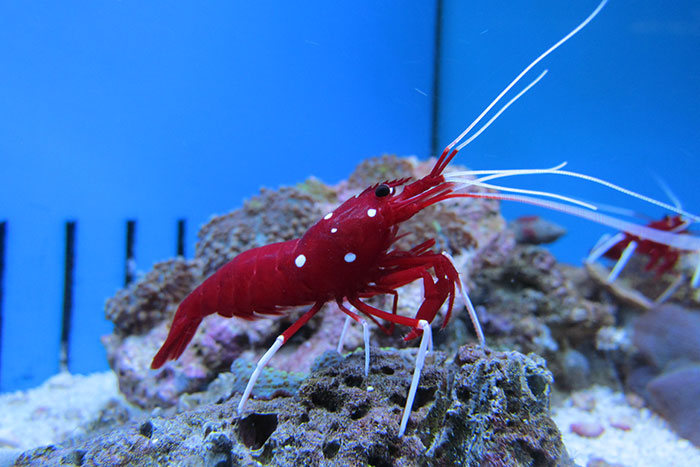
The pistol shrimp snaps its claw so fast it creates a bubble that’s hotter than the surface of the sun for a split second! That bubble stuns prey with a shockwave. Tiny but deadly.

When your dog twitches in their sleep, they’re probably dreaming of you. Those paw kicks and soft barks mean they’re running around having fun with their human buds.
When your cat leaves a mouse, bug, or toy at your feet, it’s actually a way of caring for you. In the wild, they’d share their catch with their family. At home? They’re just trying to be the best (and weirdest) gift-givers ever.
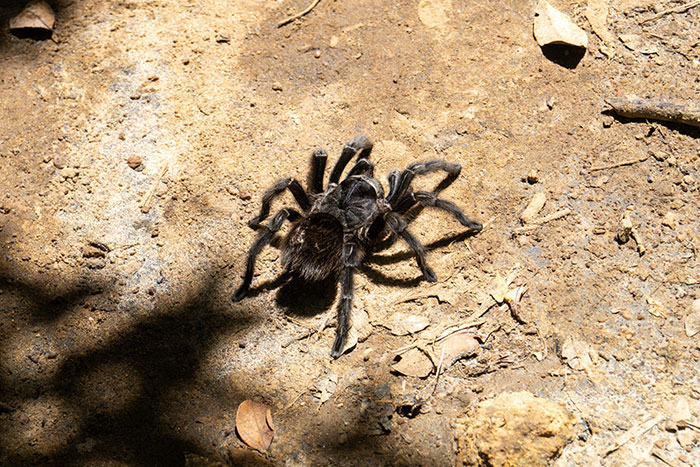
Believe it or not, tarantulas sometimes have tiny frogs living with them. The frogs guard the spider’s eggs from pests, while the spider keeps the frogs safe from predators. Best spider-frog buddy duo ever.
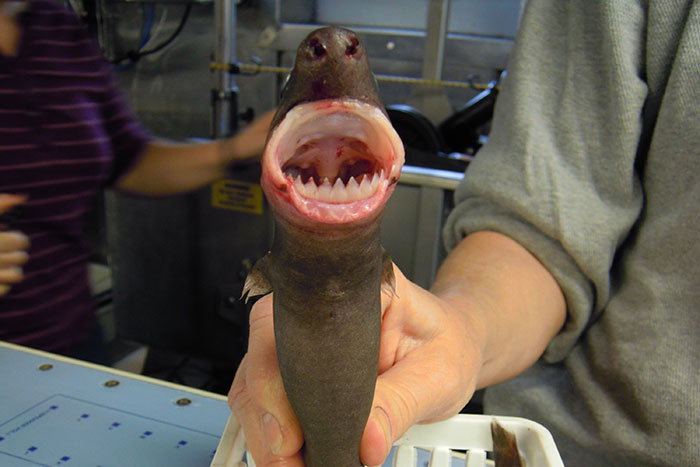
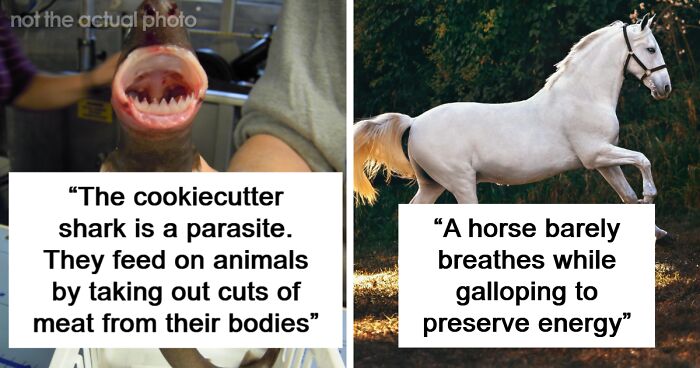
This little shark is one of the tiniest but packs a creepy punch - it’s a parasite that bites perfect round chunks out of animals way bigger than itself. Yikes!
The hooded pitohui from New Guinea isn’t just your ordinary songbird - it has poison in its skin and feathers, like a walking “don’t touch me” sign. Nature’s trickster bird!
Honey badgers got their name from raiding beehives, but it’s not the honey they crave - it’s the protein-packed baby bee larvae inside. Makes you think twice about stealing honey, huh?
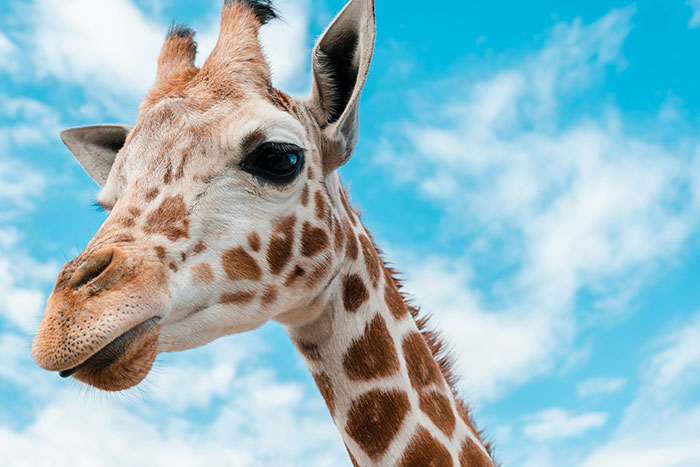
These long-necked wonders only need about 30 minutes of sleep a day, often just quick naps on their feet. Imagine dealing with all that standing and sleeping sleep-deprived!
The giant armadillo’s middle claws grow up to 20 centimeters long - that’s longer than your hand! They use these massive claws to dig out termite mounds and burrows, even walking on their knuckles to protect the claws. Long claws, big job.
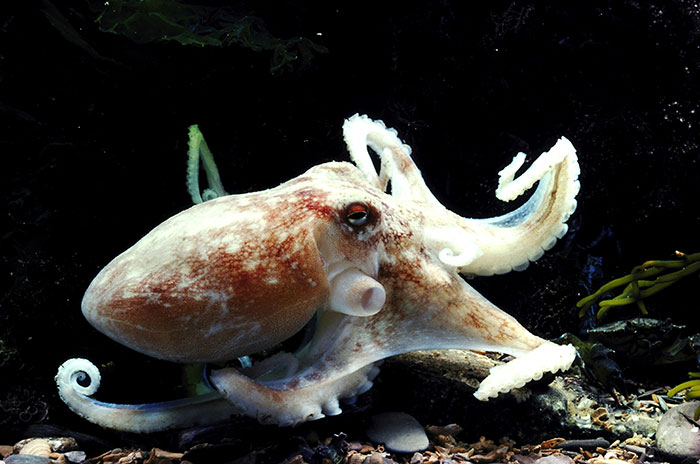
Octopuses keep things brainy with not one, but nine brains! Most of their neurons chill in their eight arms, while the main brain hangs out in the main body. Talk about multitasking!
These eels have a second set of jaws they can shoot forward to snag prey, just like the alien movie monster. Scary and cool rolled into one creature.
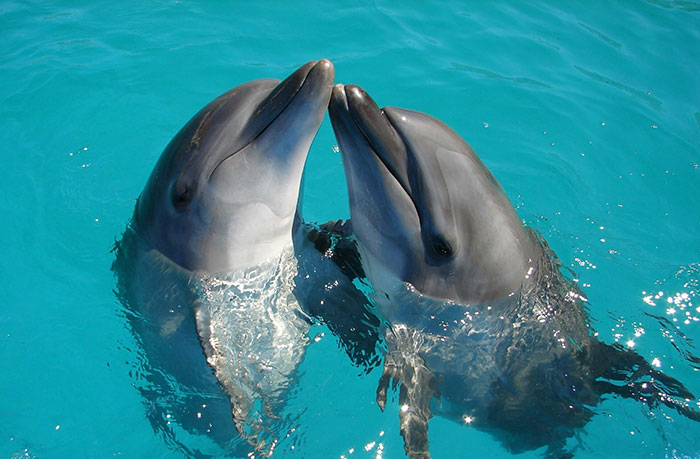
Dolphins snooze by resting half their brain at a time. The eye opposite the sleeping side stays open, so they’re always ready to roll. Half-asleep, fully awesome!
Despite the name, the Velvet Ant is actually a wasp known for a sting so painful it’s earned the nickname “cow killer.” Beware this tiny terror with hallucination-inducing stings.
Yup, rats actually laugh! When they’re playing or tickled, they make high-pitched chuckles only other rats can hear. Science says, laughter isn’t just human!
These creepy critters can survive for days without a head because they don’t bleed out and breathe through body holes. They only die when they get thirsty. Super creepy survivors!
Scientists used to think cuttlefish were colorblind, but they’ve got a secret trick. Instead of different color sensors, they detect colors by how their eye lens bends light. Plus, those w-shaped pupils help. Nature’s optical magic!
Dogs instinctively protect their humans, thanks to thousands of years of teamwork. They can sense danger and even risk their own neck to keep you safe. Your furry bodyguard is real!


Blue whales are massive eaters, chowing down up to 4 tons of krill a day. They gulp huge mouthfuls, push out water, and swallow the snacks. Their giant size needs giant meals - thankfully, nature set them up for it.
Elephants can munch between 150 to 200 kilograms of plants daily. That’s up to 18 hours of chewing! Their trunks help grab the greens while they fuel their huge bodies.
Though they look tough with their bony shells, armadillos actually despise cold weather. Without much fat and a slow metabolism, harsh winters can wipe out entire groups. Brrr!
While flying squirrels and gliding possums just glide, bats are the real deal - they flappingly fly and can outmaneuver birds. True masters of the night skies.



Elephants' trunks are nose and hand in one, packed with over 40,000 muscles. They use them to smell water miles away, grab food, and even hug. Evolution gave them one multitasking mega-nose.
Birds pack a crop to store food for quick eating, then a proventriculus and a strong gizzard to digest and grind food fast without heavy teeth. All this helps them keep light for flying nonstop!
Surprise! Vampire bats don’t suck blood directly. They bite to make a tiny puddle and lap it up. Their saliva has special stuff that keeps the blood flowing. Bonus: it’s being studied to help stroke patients!
In an adorable switch, male titi monkeys carry the babies and keep them close all the time - except when the little ones need to eat. Dads of the animal kingdom for the win!



Guess what? Female mosquitoes are the only ones who bite and drink blood. Boys just chill and sip nectar. Girl power, mosquito style!
Crabs have been around for 200 million years, since the Jurassic period. But the crab in your seafood dish? It probably only lived 3 to 4 years. Talk about being an old soul!
Seals take underwater naps by closing their nostrils so water stays out. Talk about sleeping like a pro!
Pistol shrimp rock a big and small claw. If they lose the big one, the small grows up to be a big one! They snap the big claw to make water jets that stun bigger enemies and can even create crazy-hot bubbles hotter than the sun. Coolest little warriors in the sea!


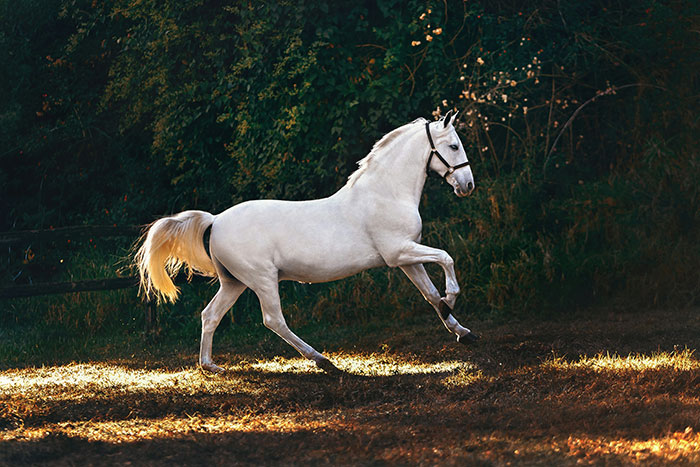
When horses gallop, they barely breathe on their own. Instead, their bouncing organs squish the lungs just right to push air in and out. Nature’s bouncy breathing machine! Just don’t ask about the occasional organ squish problems.
Blue whales sport the largest kidneys on Earth, made up of thousands of tiny parts to filter loads of salty ocean blood. Perfect for the ocean giants that they are!
These tiny newts secrete poison through their skin to keep predators away. Plus, their bright colors scream “Danger!” Thanks for the heads up, nature.
Unlike most rodents, guinea pig babies come out with fur and motor skills. They can basically do grown-up stuff, minus the chores. Plus, they look like fuzzy little adult heads with giant ears and feet - adorable freaks!

This African bird helps animals (including humans) find beehives by calling and flicking its tail. Once the humans get the honey, the bird scoops up the leftovers. Teamwork makes the dream work!
These fish can gulp prey ten times their size thanks to stomachs that stretch clear! Sometimes their meals go bad before digestion, so their tummy becomes a funky science experiment. Bon appétit?
Sometimes penguins get so into parent mode they accidentally adopt snowballs, treating them like their own chicks. Sticky family vibes!
Weighing less than an ounce, pygmy shrews pump their tiny hearts at a blazing 1,200 beats per minute. That’s a serious speed dial!




The blue whale’s tail can spread up to 8 meters wide and powers the huge creature through oceans. Big tail, big splash, big moves.
These amphibious fish spend more time on land than water but need to leave water sometimes or they drown. Mudskippers also throw open-mouthed battles to claim turf. Bosses of the muck!


41
0