
 then open in external browser


 and click "Open in External Browser"
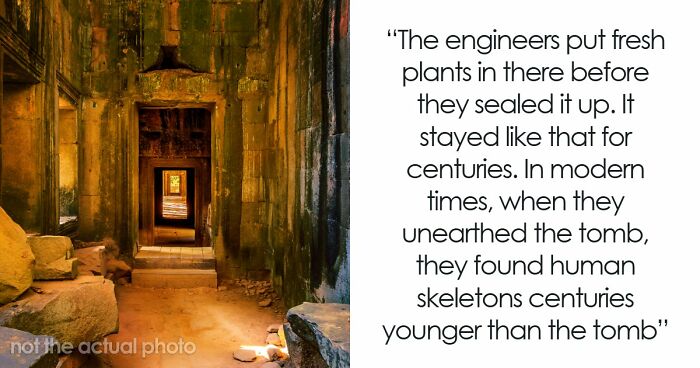
Hey, ready for some wild stories? We’re diving into a world where archaeologists didn’t just dig up relics - they accidentally set off ancient traps, got spooked by creepy surprises, or learned that history likes to throw curveballs. Let’s check out some of the funniest, freakiest, and most facepalm-worthy moments from digging deep into the past.
This post may include affiliate links.

One genius is planning to make their coffin party-ready - spring-loaded lid with confetti cannons! Archaeologists a thousand years from now, get ready for a surprise celebration every time they dig me up.

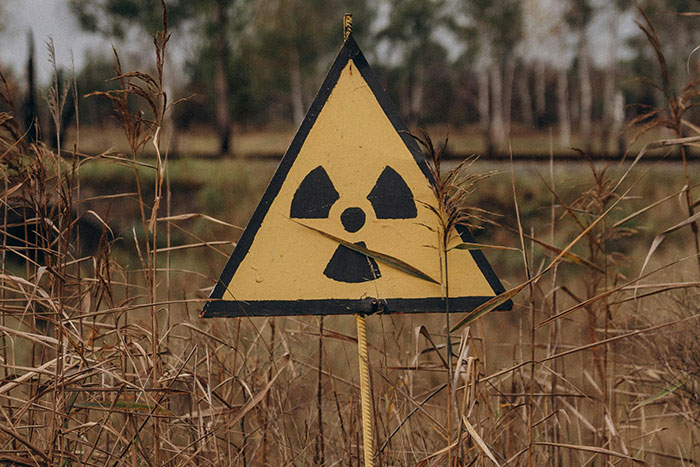
Turns out figuring out how to warn people 10,000 years from now that a nuclear disposal site is super-dangerous is a monster challenge. They want to say “Don’t open, serious deadly dark magic ahead!” without sounding like a bad fairy tale. Spoiler: It’s way harder than it sounds.
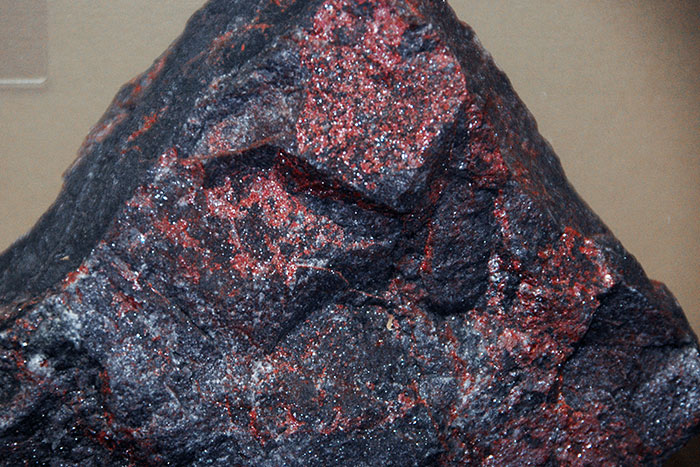
Some South American tombs had a sprinkle of cinnabar (tiny crystals, not the snack) that might be toxic. No deaths confirmed, but still, not your average dusting.
Edit: People were jokingly confusing this with Cinnabon, which made this discussion extra fun.
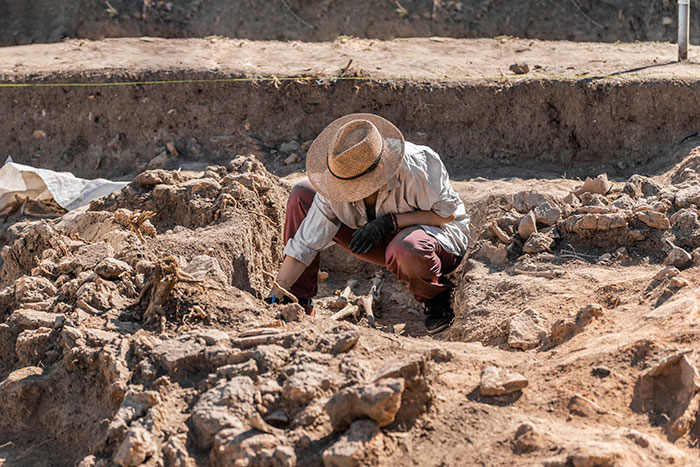
Booby traps in tombs? Yeah, they did exist... just not like Indiana Jones shows you. If any trap still worked after thousands of years, archaeologists would be flipping out way more than over stolen treasure.
One archaeologist buddy was digging in England and found unexploded WW2 bombs right under their pickaxe. Talk about a holy heck moment!
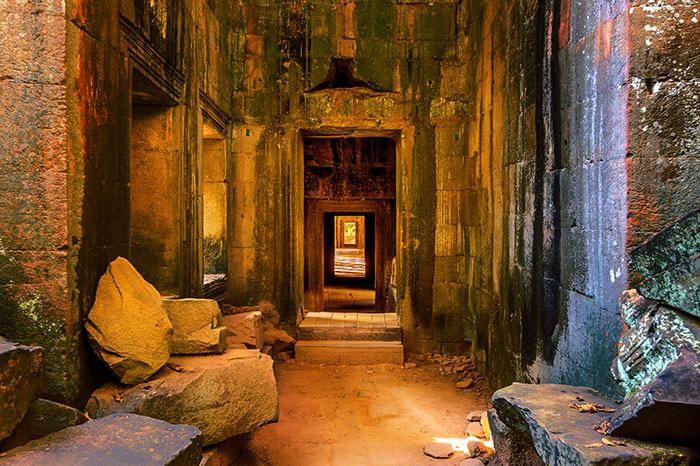
There’s an Egyptian tomb with a sneaky downhill corridor sealed with dead animals and plants inside. This trick created a CO2 trap that killed a bunch of people who tried breaking in centuries later. Ouch!
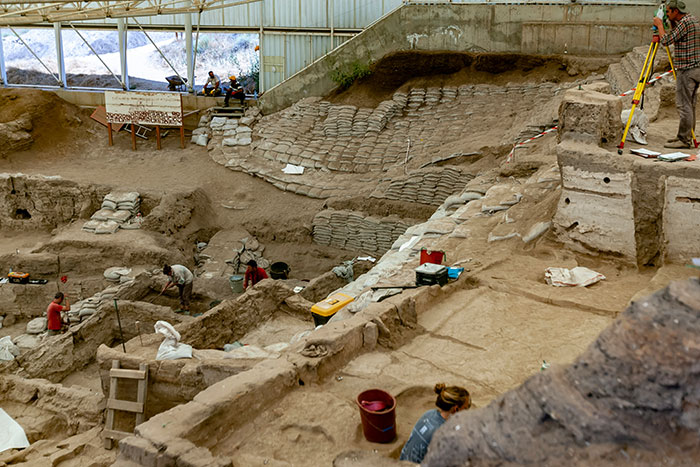
Surprisingly, the biggest threats on archaeological digs? Heatstroke and hangovers. Yep, it turns out archaeologists party hard when they aren’t finding ancient stuff.
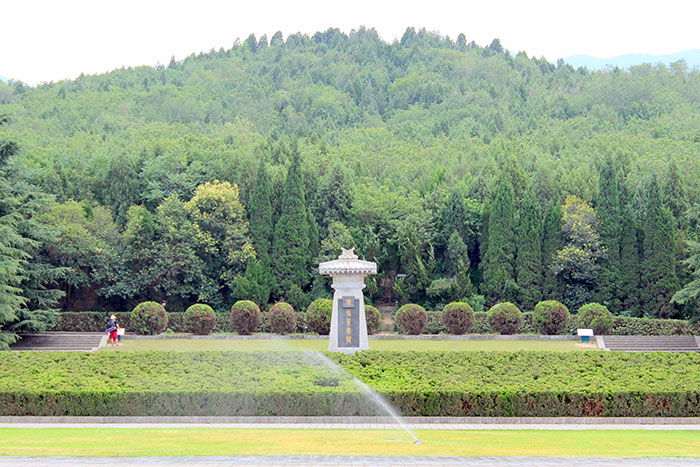
The mausoleum of China’s first emperor is rumored to contain mercury. Probably not meant as a trap, but definitely a toxic surprise for anyone poking around too close.
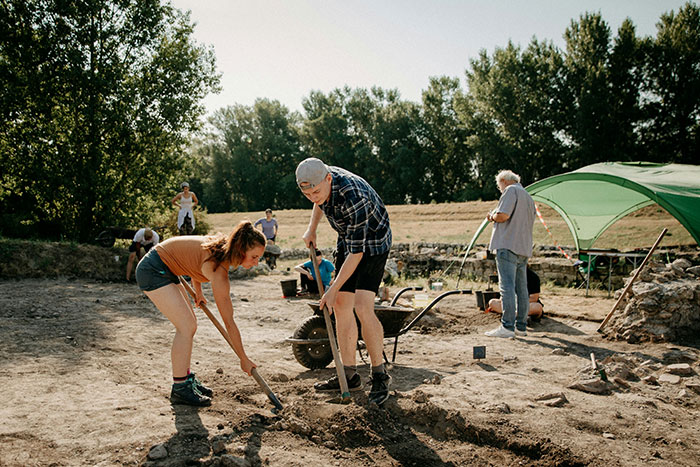
Not a booby trap, but archaeologists getting injured is more common than you'd think. One poor soul was temporarily blinded during a dig. And no, they didn’t even have a cool Indiana Jones story to brag about.
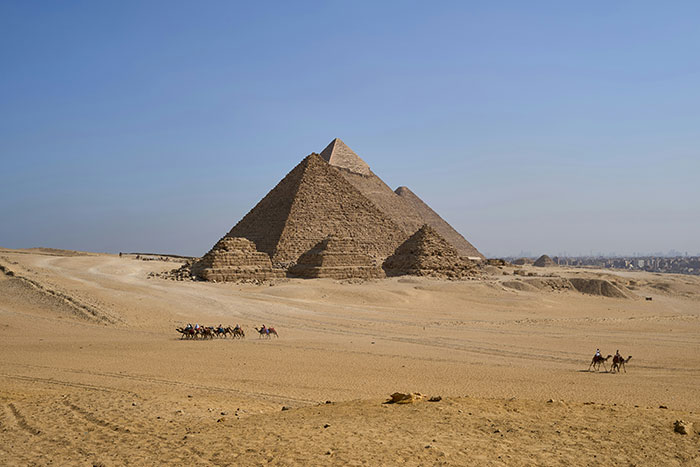
Some Egyptian tombs contained a poison powder called Hematite Powder. It’s super sharp, irritating, and breathing a lot could seriously mess you up. Not to mention, tombs were often raided long ago, so most traps you imagine are more Hollywood than history.
A wild story: some kids found booby-trapped caverns using an old map. The traps actually saved them from a scary criminal family. And somehow they walked away with pirate treasure. Talk about an adventure!
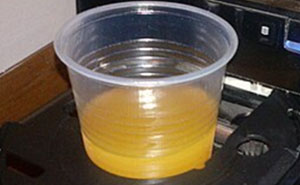
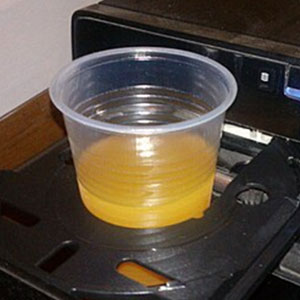
One archaeologist jokes their laptop holds secret financial info - but beware! If you touch it while snacking, your fingers turn orange and sticky forever. Yep, that’s the "Curse of the Cheetos Cheetah."
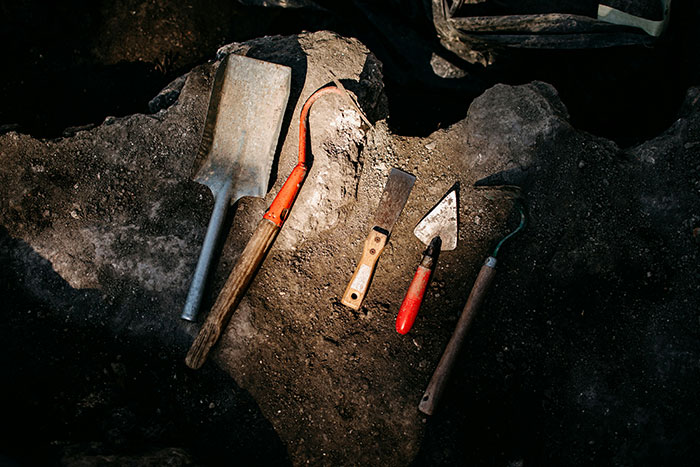
Does a pit loaded with spikes count as a booby trap? Mostly these have been trouble for tomb robbers, not the careful artifact-loving archaeologists.
Oak Island’s famous Money Pit is a man-made pit filled with platforms and booby traps designed to flood the whole thing. Archaeologists have tried digging it up, but the traps keep winning!
Sure, movies show sudden traps springing out, but real archaeology is careful, step-by-step, like a crime scene investigation. So those dramatic traps? Not really something you’ll accidentally set off, but careful anyway!
No ancient booby traps have lasted for thousands of years, they just break down. But beware! Old landmines and unexploded bombs from wars decades ago still cause trouble around the world.
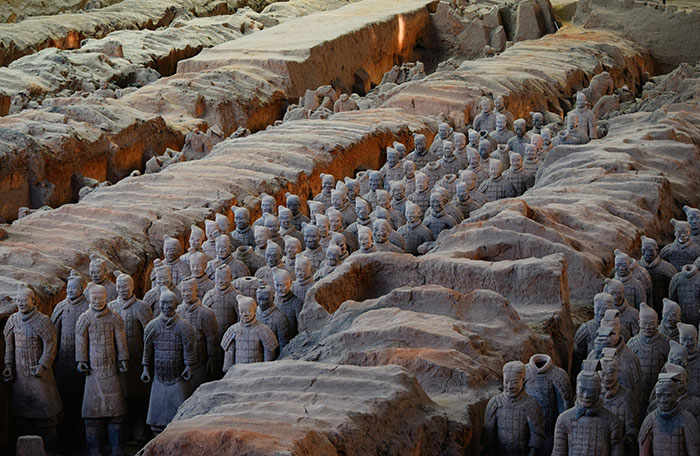
The tomb of China’s first emperor, surrounded by the famous Terracotta Army, is said to have rivers of mercury inside. No one’s gone in yet (and probably won’t anytime soon) thanks to those deadly mercury vibes.
This person’s background is all over the place - from locksmith to WWII tour guide to carpenter, and knows a thing or two about booby traps. Ancient folks loved water floods, drop pitfalls, and giant falling stones to keep visitors out - but most won’t work anymore thanks to time’s slow decay.

When Howard Carter opened Tutankhamun’s tomb, the perfectly dried flowers inside disintegrated instantly after breathing fresh air outside. Ancient beauty gone in a blink.
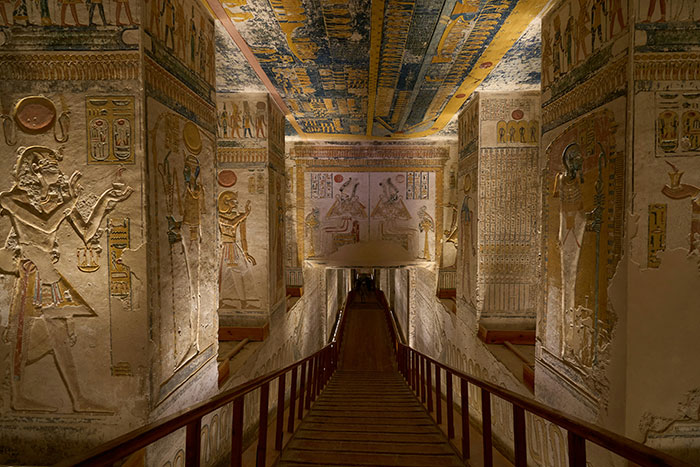
A tomb in the Valley of the Kings has a nasty staircase designed to throw off your balance and make you fall into a deep pit. Anyone unlucky enough to tumble ends up broken and trapped. Sneaky ancient architects!

One prof once stepped on a pressure plate in a Central American catacomb, triggering a cloud of embalming powder so intense it nearly suffocated him. Talk about a close call in the field!
Sure, ancient people could rig traps, but expecting them to still work perfectly after centuries is pretty wild. Like leaving a brand new car in a cave for 500 years and hoping it starts - good luck!
Some post-war zones in Vietnam still hide nasty surprises like spike pits and traps left over from conflicts. Definitely not for the faint-hearted.
During a civil war cemetery dig, the team had to suit up in hazmat gear when they smelled garlic. Turns out embalming chemicals contained arsenic. Digging just got a whole lot riskier!


One trivia champ ran a quiz about famous traps, including mechanical crossbows defending the Terracotta Army and venomous snakes hidden by the Vietcong. Turns out history’s full of trap tales - some deadly, some just downright weird.
Sadly, an archaeologist died while excavating WW1 trenches. Not a trap, but proof digs can get dangerous real fast.
The first Chinese emperor’s mound is packed with traps and rivers of mercury. The government says, 'Hands off!' and forbids anyone from messing with it. Smart move, probably.
During the Vietnam War, a family property had a mystery hole linked to tunnels rumored to be booby trapped with explosives or napalm. Some cousins dared each other to go in and then got busted. Was it safe? Definitely not!


Some say the sudden deaths linked to King Tut’s tomb opening were due to toxic micro dust spread throughout the tomb. When the seal broke, the cursed dust wafted out and messily took out unlucky visitors.
Despite all the drama, most archaeological sites are just plain old square pits. No dramatic traps, no secret passageways - just dirt and history.
Rumor has it there’s a tunnel system under a German city where Nazis stashed gold. Archaeologists stay clear because it might be wired with bombs. It’s like Indiana Jones but more terrifying and less confirmed.
Qin Shi Huang’s tomb isn’t just booby trapped - it might have a ceiling covered in gems to mimic the stars, and rivers of mercury flowing inside. The tomb remains unopened, which feels like the coolest 'keep out' message ever.



Oak Island’s Money Pit is an elaborate flooded trap with platforms stopping every 10 feet. No one’s yet cracked it without getting soaked or trapped. The treasure’s still out there, daring someone brave (or crazy) enough to try.
Two reclusive hoarder brothers lived in an apartment so crammed it basically became booby-trapped. When one brother got killed by a trap, the other was stuck inside and died days later. Terrifying and sad all at once.
Some jungles in Vietnam haven’t forgotten their wartime past. Spike pits, tree traps, and active bombs still hide under the canopy. Tread carefully.
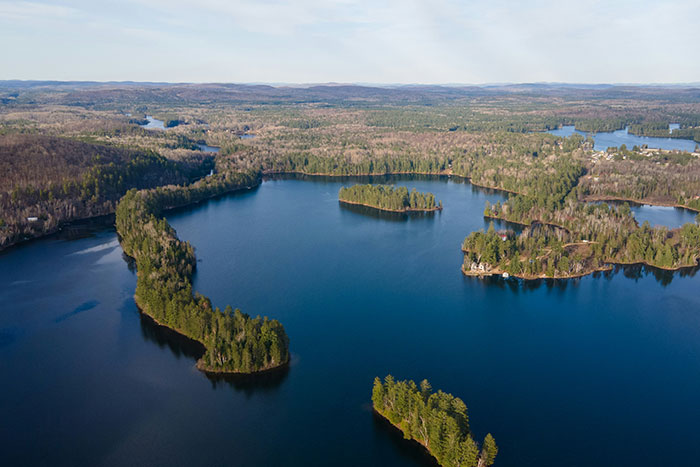
Oak Island in Canada is famous for secret treasure buried deep and booby traps that have wrecked fortunes. Plus, there’s a creepy ‘curse’ saying seven men will die trying to find it. Spoiler: six already have.

The ‘curse of the mummy’s tomb’ might actually be ancient pathogens humans lost resistance to. Opening Tutankhamun's tomb was suddenly linked to a bunch of mysterious deaths soon after. Spooky or science?
Legend says the first Chinese emperor’s tomb holds poison that kills anyone opening it. Archaeologists aren’t scared of the poison, but the tomb might collapse if opened, so it sits untouched.
Someone once dug into WW1 stuff, put on an old gas mask, and sadly died from inhaling residual mustard gas. Shows how even ancient gear can be seriously dangerous today.
Some tombs had lakes filled with algae-made acidic water. Falling in meant gruesome injuries. Nature’s sneaky trap, no Hollywood needed.

There's an unofficial ‘trap’ in Mesopotamia that seems to make armies lose and leave in shame. Maybe history’s way of saying 'don’t mess with this place.'
Ancient Egyptians once protected a tomb with a massive pit full of snakes, reportedly king cobras. A couple of unlucky explorers almost got taken out, but survival skills saved them just in time.
Howard Carter’s buddy died weeks after opening Tut’s tomb. Turns out the tomb was home to ancient fungi, like a biological booby trap. Those spores probably made a few people very sick.


39
0