
 then open in external browser


 and click "Open in External Browser"
Hey! Today we're diving into some absolutely wild stories of companies tripping over their own shoelaces - big businesses that somehow managed to mess things up so badly, it’s like watching a slow-motion train wreck with popcorn in hand.
Ready for some jaw-dropping, 'you've gotta be kidding me' moments? Let’s jump right in!
This post may include affiliate links.
WalMart rolled into Germany thinking, "If it works in the U.S., it’ll crush it here!" Spoiler: nope. They sold stuff Germans didn’t know or want—like bedsheets too small for the beds. Then they tried employee morning chants and snitch squads. Germans? Not fans. Lawsuits piled up, and Walmart decided, "We'll just pack up and leave. Bye!"

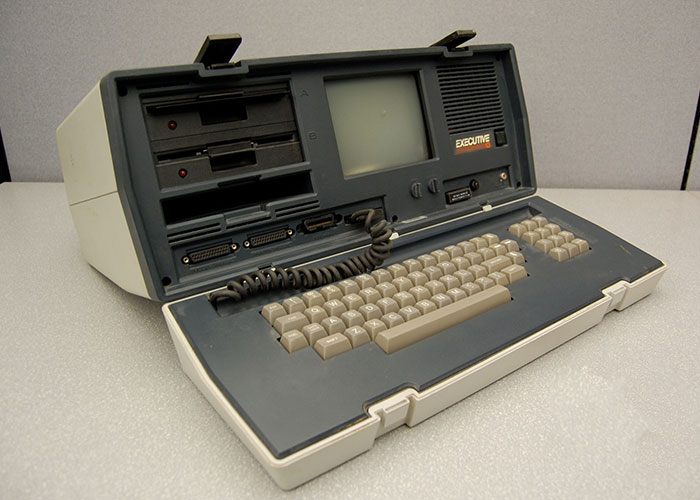
Osborne Computers bragged about their next-gen PC before releasing it. Customers said, “Hold up, we’ll wait for that!” Result? No sales on the current model and no cash for the new one. Boom, business gone. That’s called the Osborne Effect, aka ‘Don’t skip the basics.’
Taco Bell thought it could win over Mexico… and closed all their stores within six months. Turns out, street vendors there sell tastier tacos at better prices. Ouch, Taco Bell!

A new poutine joint opened right as the pandemic hit and encouraged customers to ditch masks for a discount. People went, “Nope!” Boycotted, fined, and shut it down in two weeks. Mask drama: 1, Poutine shop: 0.

Some farmers and small biz folks voted for tariffs that ended up sinking their own companies. Talk about shooting yourself in the foot with a farm tool!
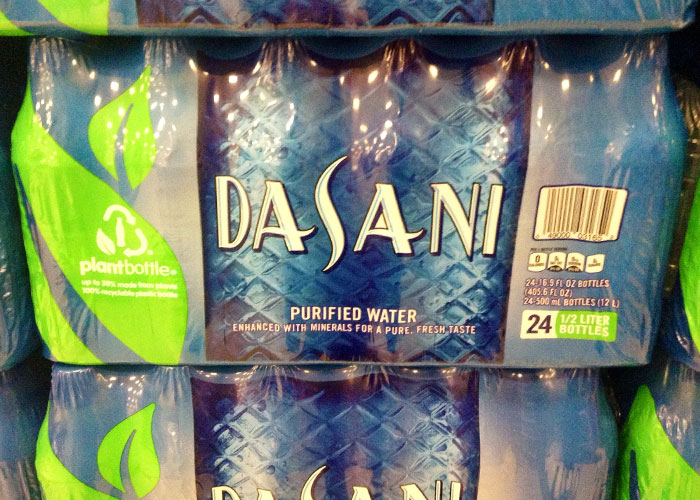
Dasani tried selling filtered city water as fancy bottled water in the UK, where natural spring water was king. Spoiler alert: locals weren't impressed. Newspapers poked fun, and suddenly, Dasani was nowhere to be found.

A casino owner opened a second casino dreaming of double the cash. Instead, the new spot stole customers from the first. Costs doubled, cashflow tanked, and both casinos went belly-up. Math: harder than it looks.
The owner of Ratner’s Jewelers joked about how lousy his own jewelry was—real CEO move. Customers fled and the company lost hundreds of millions. Sometimes honesty isn't the best policy!
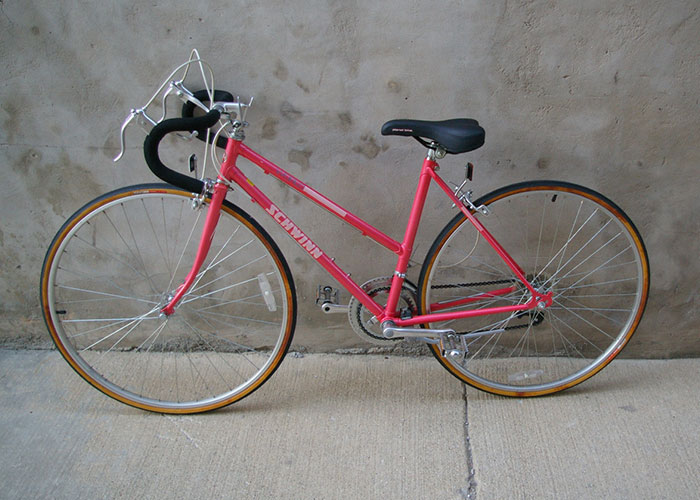
Schwinn outsourced making their bikes to a company in China/Taiwan without any rules preventing them from making their own bikes. Guess what? The contractor started selling their own bikes and Schwinn had no clue how to stop it.
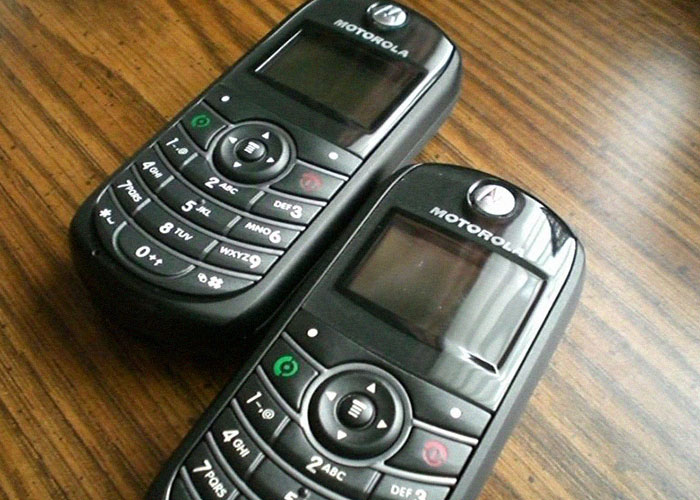
Motorola stuck to analog phones way too long. Their leader said “43 million analog users can’t be wrong,” ignoring digital’s rise. Nokia swooped in and wiped Motorola off the map.
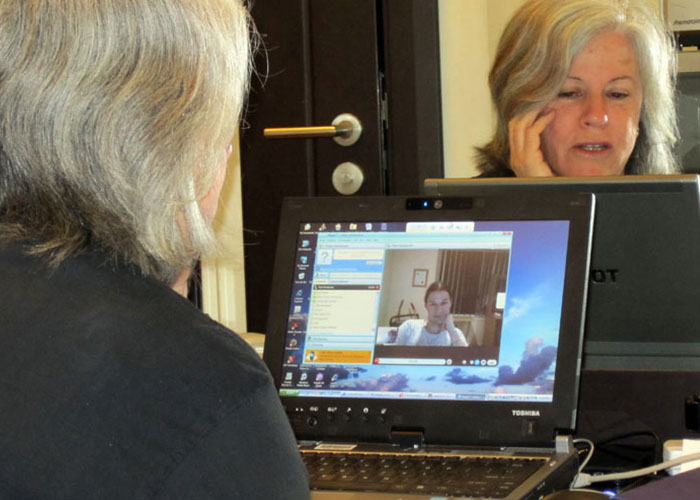
Skype had the perfect setup to be pandemic heroes but got tangled up with complicated tech and user mess. Zoom swooped in and stole the spotlight, leaving Skype in the dust.
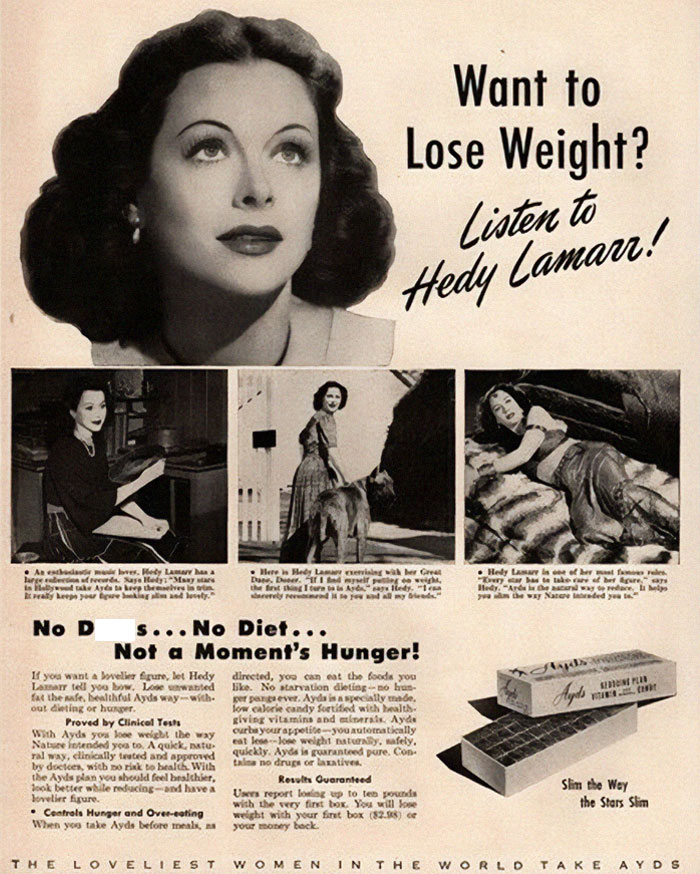
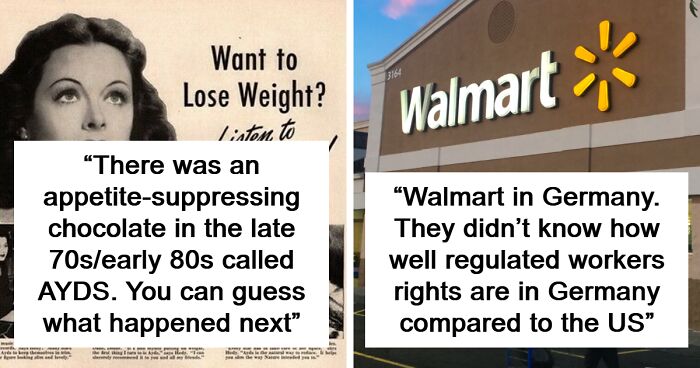
An appetite-suppressing chocolate called AYDS hit the scene in the 70s. Then, well... yeah, you see where this is going. They decided not to change the name despite the obvious problem. Spoiler: sales nosedived.
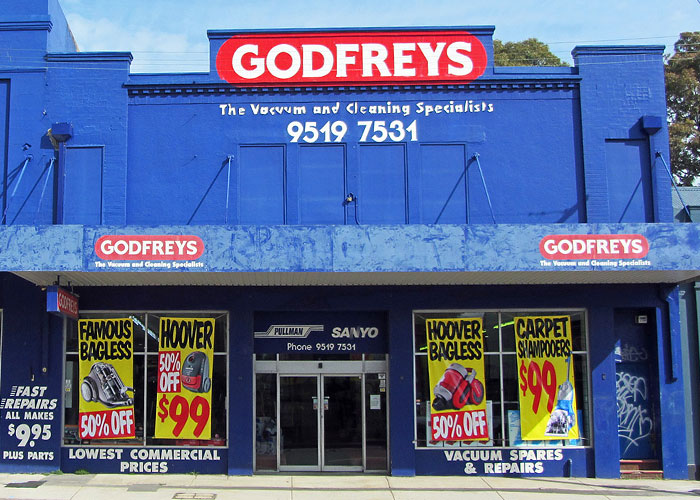
Australia’s Godfreys, a vacuum cleaner chain, had 60 stores but said no to selling Dyson. Years later, they went bust. Dyson went on to vacuum up the market like a boss.
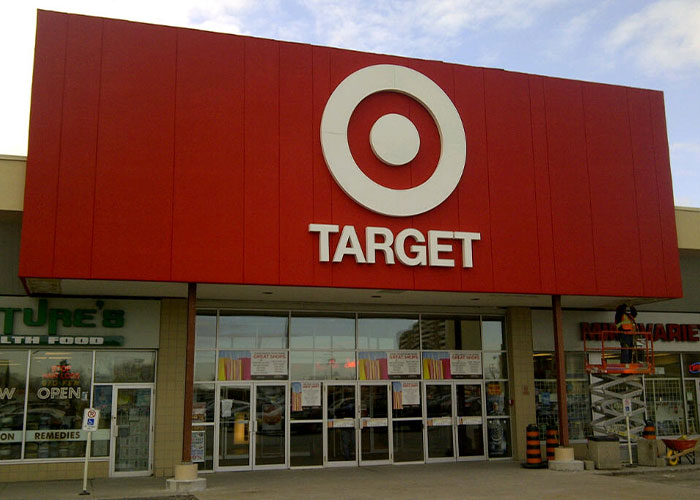
Target bought Zellers’ stores but messed up the supply chain. New Target stores looked like barren ghost towns. Plus, their look was so similar to Zellers, people just didn’t care. Target bailed quickly after losing tons of cash.

Wizards’ CEO decided D&D fans didn’t matter and claimed ownership on third-party content. Suddenly, creators bailed and goodwill vanished faster than a wizard’s invisibility spell.
Kodak saw digital cameras coming but figured they had 20 years to chill. Spoiler: It took 10 years before they went bankrupt. A classic case of ‘denial isn’t just a river in Egypt.’
Sears had all the tools to be the next Amazon but watched the money-comet go by doing... nothing. Their laziness turned them into a retail fossil.
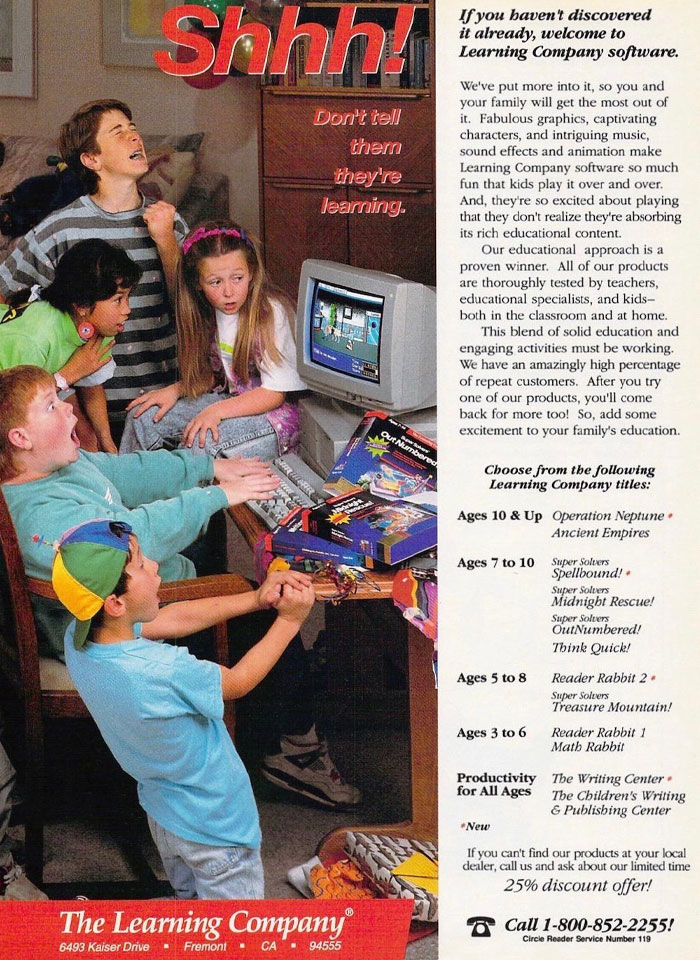
They sold educational software at $10 with a $10 rebate—no limits on how many rebates, no expiration, nada. People claimed rebates like there’s no tomorrow, and the company went broke selling tons but making zero money. Talk about a giveaway!
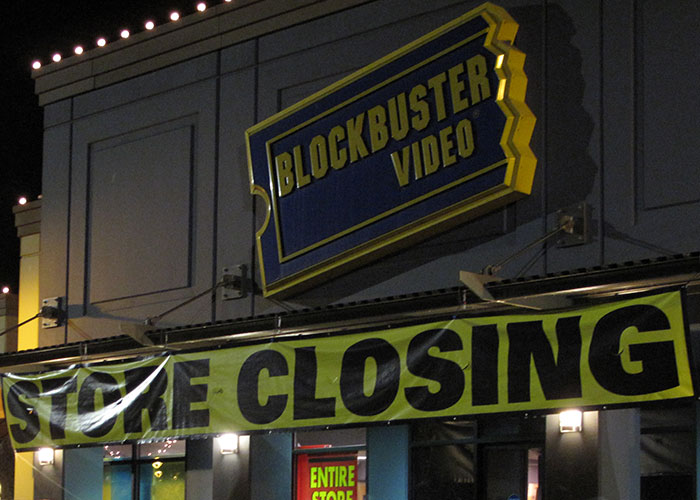
Blockbuster had a chance to buy Netflix for $50 million but laughed it off. Now Netflix is worth billions, and Blockbuster… well, it’s a retro joke.
Toys R Us paid Amazon big bucks to handle their online orders. Amazon got the goods, learned the game, and then went solo selling toys. Toys R Us lost customers and the game.
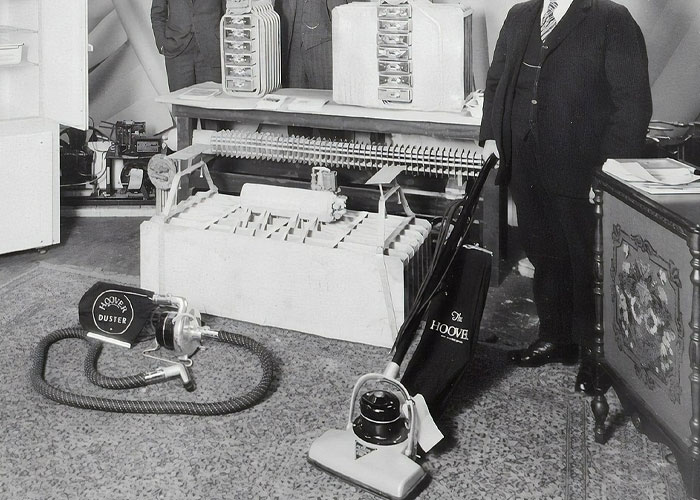
Hoover UK offered free plane tickets for buying their products. People bought vacuums, snagged the flights, then gave away the vacuums. Stores were flooded with near-free secondhand Hoovers for years afterward. Oops.

They made a Super Bowl ad where white guys chase a barefoot black man to put shoes on him. Yep, it caused massive outrage and the company’s reputation nosedived faster than you can say 'facepalm.'
Microsoft’s CEO laughed off the $600 iPhone, then shipped their own touch phone way too late. They lost the smartphone war while everyone else partied.
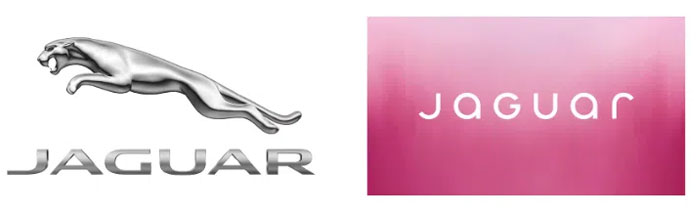
Jaguar’s rebrand attempt? Let’s just say it left a lot of fans scratching their heads instead of applauding.



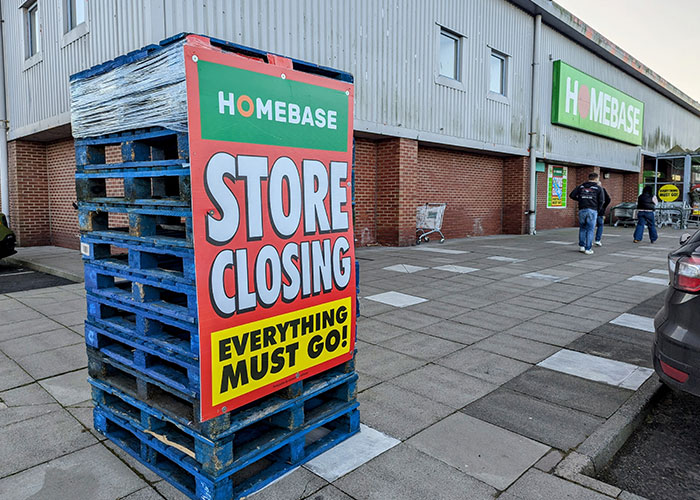
Bunnings bought a UK DIY store and swapped its cozy charm for flashy Aussie outdoor gear. Problem: UK summers are not exactly hot and sunny. Big money lost, stores closed, lesson learned.
Yahoo offered $3 billion to buy Google in 2002, but that wasn’t enough. Google declined, took over the world. Yahoo? Not so much.
Quiznos forced its franchisees to buy overpriced supplies, pushing many to close shop. Not the best way to keep your sandwich shops open.

Many companies sold themselves to private equity only to go kaput later. Money changes hands, but sometimes the business just disappears.



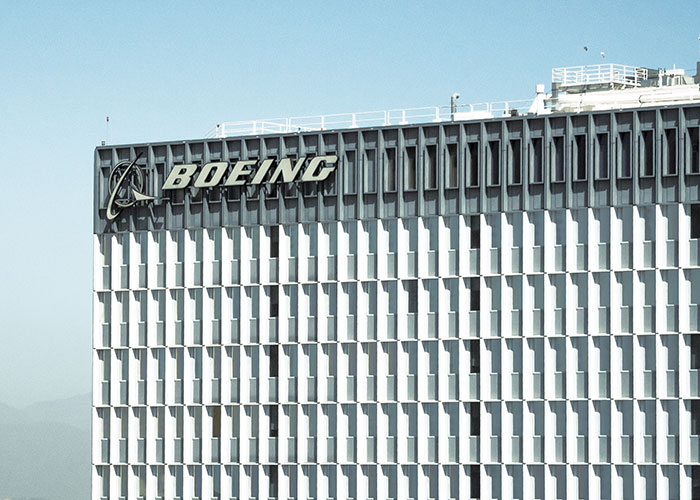
Boeing’s bigwigs moved away from the factories thinking workers didn’t need to talk to them. The new CEO seems to be fixing it, but oof, what a way to ruffle feathers.
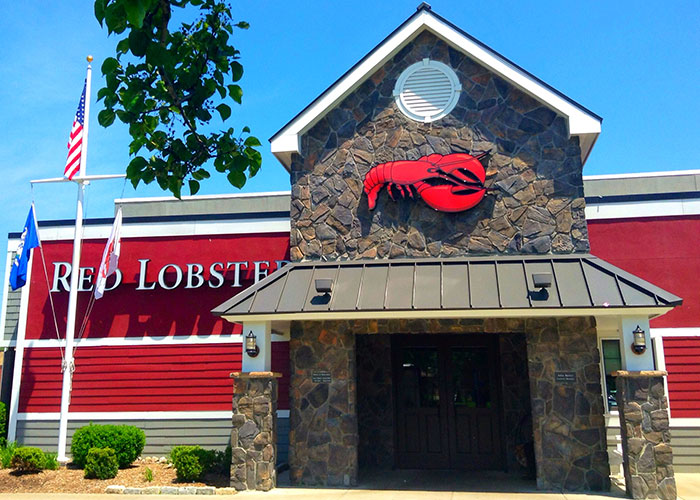
Red Lobster sold off their own buildings for a quick cash boost but ended up paying big rent on their own places. Then pandemic came and... yeah, not great for them.
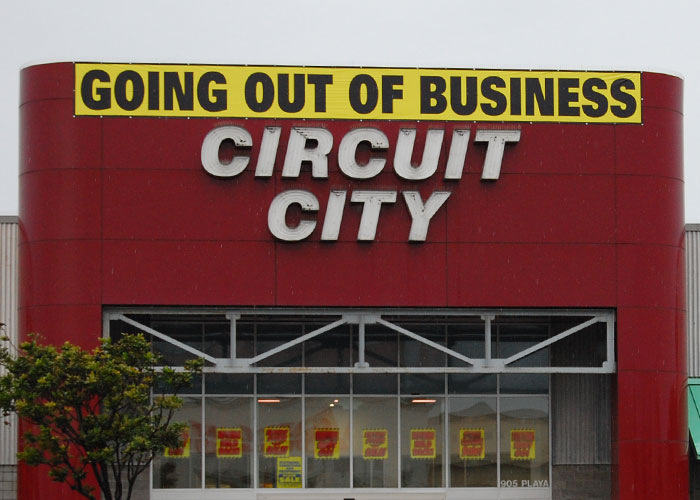
Circuit City backed a one-time-use DVD rental plan called DivX and dumped half a billion dollars into it. Customers hated it and boycotted Circuit City. Oof.



When LED tech hit, Maglite said 'No thanks' and watched their market share plummet. Flashlights aren’t forever, folks.
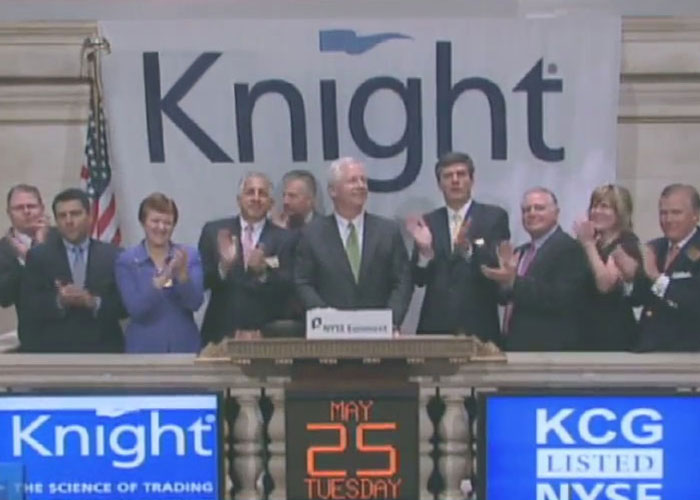
Knight Capital’s trading algorithm went wildly haywire, losing $440 million in less than an hour. That’s what you call a turbo fail.
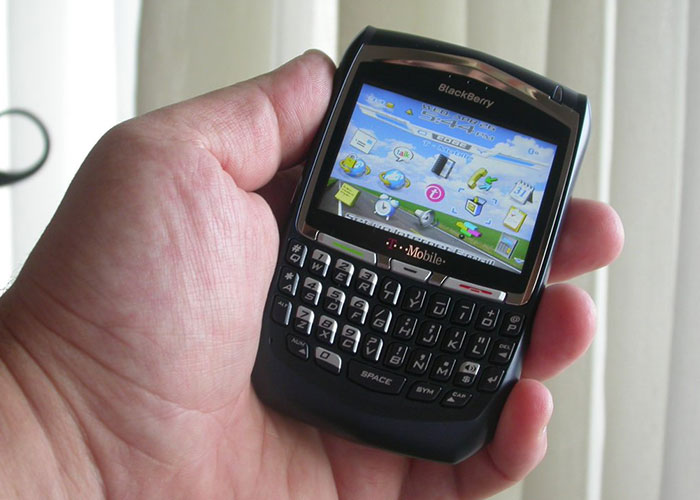
Blackberry took two years off to build a fancy phone while others made decent ones in 12 weeks. They came back to an empty market. Too little too late.
RadioShack could’ve been big in personal computers and cell phones but somehow... wasn’t. Phone home? Not anymore.


Target ditched their diversity charm and lost many fans, while Cracker Barrel tried to ‘upgrade’ its country charm and confused everyone. Moral of the story: know your people!
When AOL merged with Time Warner, their different vibes clashed badly. With Apple launching iTunes the same year, their timing and teamwork were off big time.
Digg tried a redesign, but instead of a glow-up, it was a blow-up. Users bailed to Reddit faster than you can say 'upvote'.





42
0