
 then open in external browser

 and click "Open in External Browser"

Hey! Today, we're diving into some wild stories about everyday words you say all the time without thinking. Get ready for some surprises that'll make your brain say, "Whoa, that actually makes sense?" Let’s jump right into it!
This post may include affiliate links.
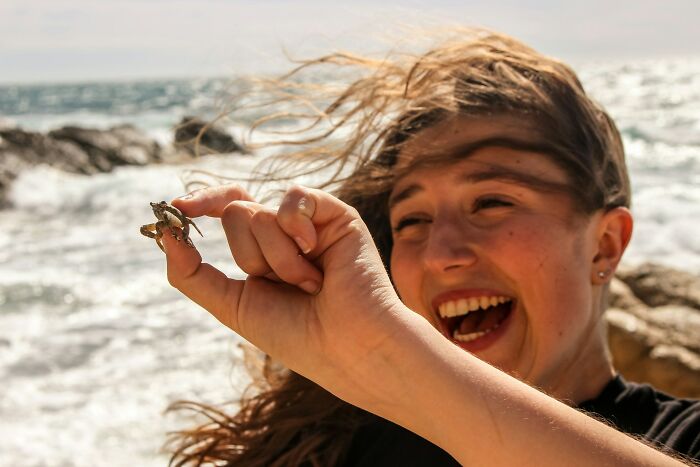
"Serendipity" is that awesome surprise when you find something cool by total accident. It was dreamt up in 1754 by Horace Walpole after reading a fairy tale about princes who always made lucky discoveries. So basically, the word was born from a story about smart princes who stumbled upon neat stuff. Next time you find your lost keys, just call it serendipity and sound super fancy!

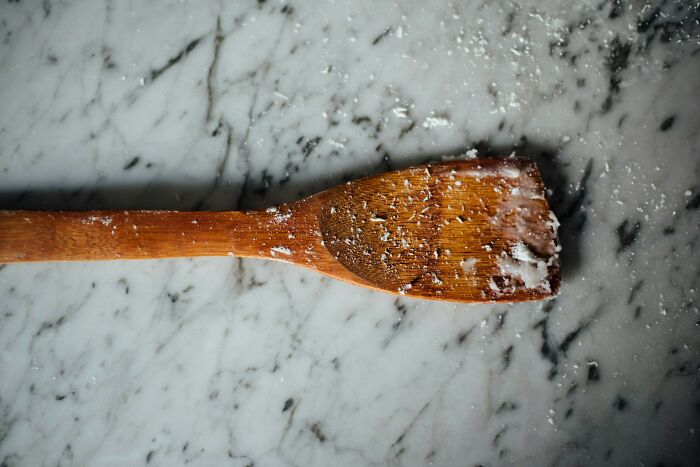
Turns out "spatula" comes from the Latin word for a broad blade or long sword. So, when you flip pancakes, you’re basically wielding a tiny sword in the kitchen! Also, this root gave us "spade" (for digging) and the French "épée" (a fencing sword). So yeah, next time you grab a spatula, feel like a mini knight!
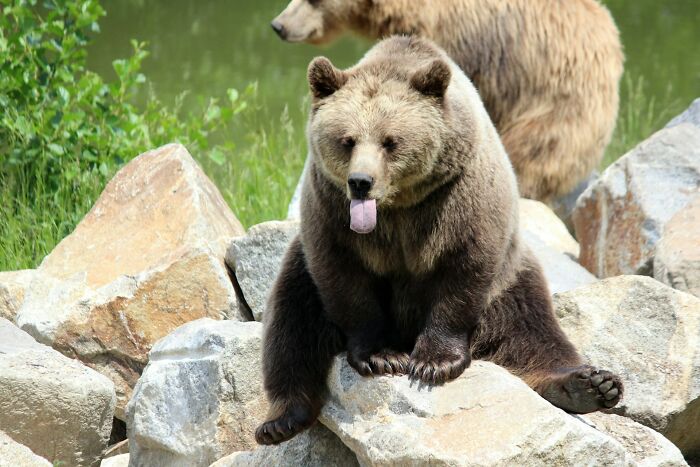
The word "bear" comes from an old English word meaning "brown one." The funny part? People stopped saying the original word because it was bad luck! So they switched to a sneaky nickname which stuck. Language is weird and spooky sometimes!
English has been around for about 1,400 years. It started as a little local language brought by some Anglo-Saxon folks and ended up being spoken by millions. Crazy, right? Some basic words like "man" and "laugh" have been hanging around since medieval campfires. So, next time you say "laughter," remember you’re using a super old party trick!
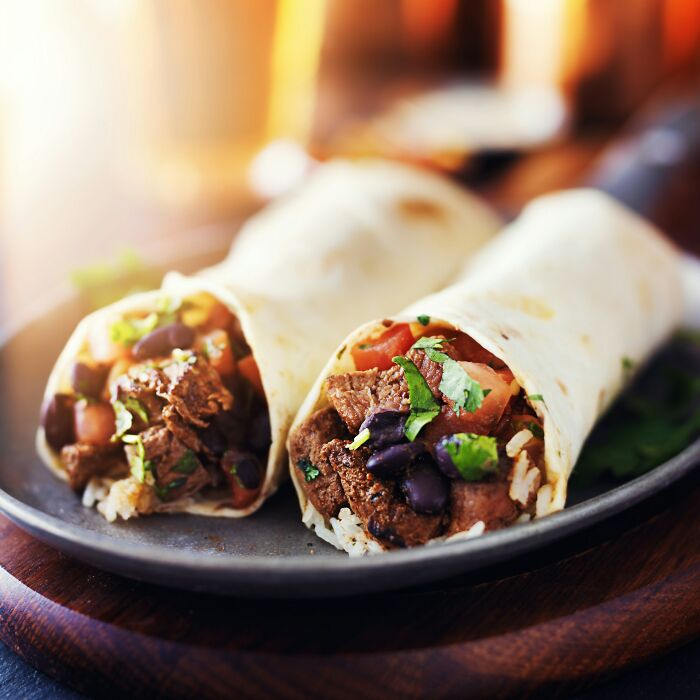
Sabotage actually comes from guys throwing wooden shoes called "sabots" into machines to break them. That’s where we also get "to clog" from! And burrito? It's Spanish for "little donkey" because burritos can carry a ton of stuff, just like donkeys. Who knew your burrito had a hardworking animal nickname?
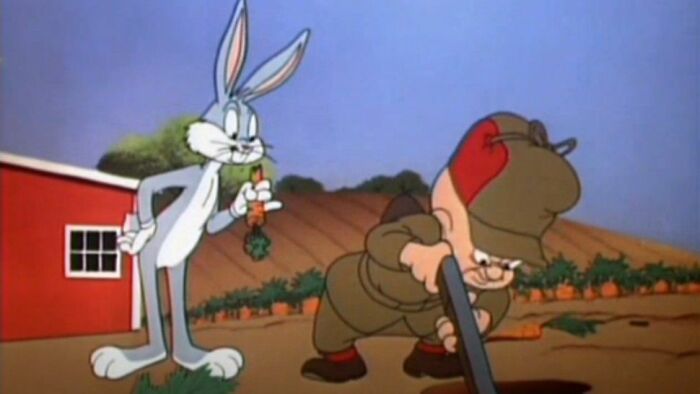
"Nimrod" used to be the name of a great hunter from the Bible. Thanks to Bugs Bunny calling Elmer Fudd "a regular Nimrod" trying to be sarcastic about his hunting skills (but sounding like an insult), the word switched meaning to a silly, clueless person. Bugs Bunny basically rewrote the dictionary. Classic!

"Helicopter" is actually from "helico" meaning helix (spiral) and "pter" meaning wing. So it should sound like "heh-li-coh-tare," but we hacked it to "helicopter." A fun twist where our brains just went "eh, close enough!"
English has changed a ton over the centuries. Old English sounds nothing like what we say now. If you time-traveled and chatted with folks from 1,000 years ago, you'd be totally lost. But deep down, the roots are still there, like a cool secret handshake in language form.

"Awful" today means terrible, but back in the day, it meant "full of awe" and was a compliment! You can still hear this old vibe in phrases like "That was awfully nice of you." Words shift meaning like chameleons!
Words like "bunk" and "debunk" trace back to Buncombe County in North Carolina. A politician once gave a super pointless speech just to get noticed back home, and people started calling nonsense "buncombe" speech. Over time, it shrank to "bunk". Political drama gifting us words? Love it!
When falconers hold their birds, they wrap leather strips around their little finger and tuck it under their thumb to keep control. That's how the phrases "wrapped around my little finger" and "under my thumb" were born. Next time someone says they’ve got you wrapped, just picture a fancy bird handler.
Every year, we get about 1,000 shiny new words! Stuff like “selfie” and “ghosting” didn’t exist a few decades ago. Now they’re everyday slang, showing how we keep remixing language to match our wild world.

Surprisingly, "escalate" comes from "escalator," a brand name for moving stairs. So when things get intense and go up, you can blame mechanical stairs!

"Bank" comes from the Italian word for "bench." Back in the day, money guys literally sat on benches in marketplaces to handle loans and cash. Talk about sitting on your assets!
Believe it or not, "true" and "tree" share the same root, meaning strong or steadfast. So when you say something is true, it’s as solid as a tree’s roots. Bonus pun intended!
Rosemary Joseph, an English teacher from India, told us word origins often get ignored, but they’re actually fun. Knowing where a word comes from can help you understand it better and maybe even use it to sound super smart (or just impress your friends).
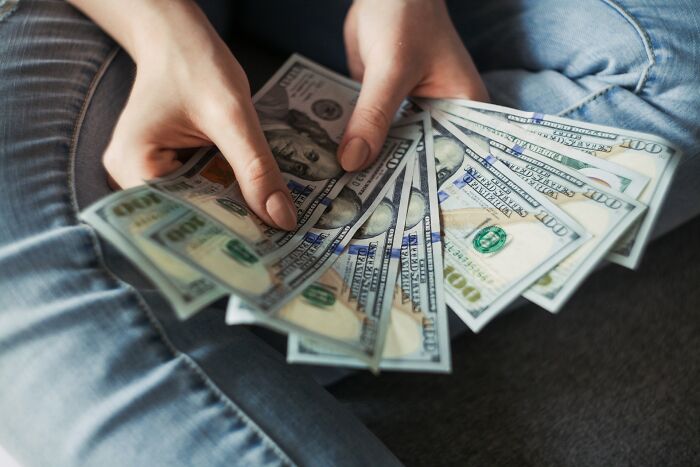
"Salary" comes from the Latin "salarium," which was money Roman soldiers got to buy salt. That’s right, your paycheck’s got a salty history! Also, the phrase "worth their salt" comes from this too — meaning someone deserves their pay.
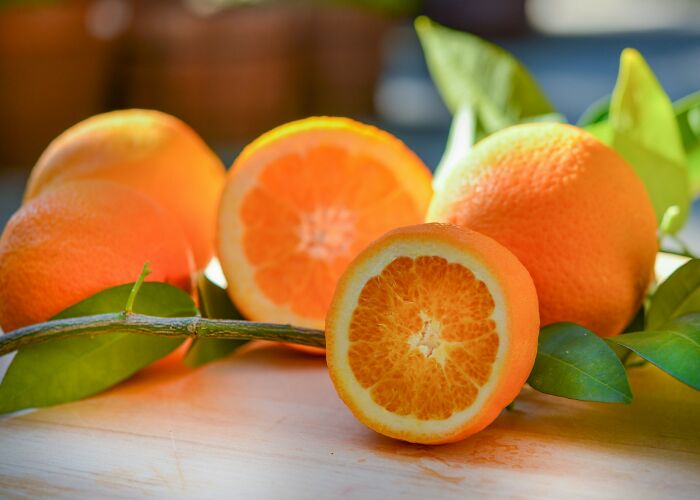
Fun fact: The word "orange" originally referred to the fruit, not the color. The color is named after the fruit, not the other way around. Next time you see an orange, remember it was first just delicious!
"Nostalgia" is a mashup of two Greek words: "nostos" meaning return home and "algos" meaning pain. Coined in 1688 to describe the bittersweet feeling of missing home, this word is basically homesickness with style.
Like, did you know “salary” comes from the Latin word for salt? Yup, Roman soldiers got paid in salt once - talk about seasoning your paycheck! And “quarantine” is tied to the number 40. Words aren’t just words - they're little history nuggets.
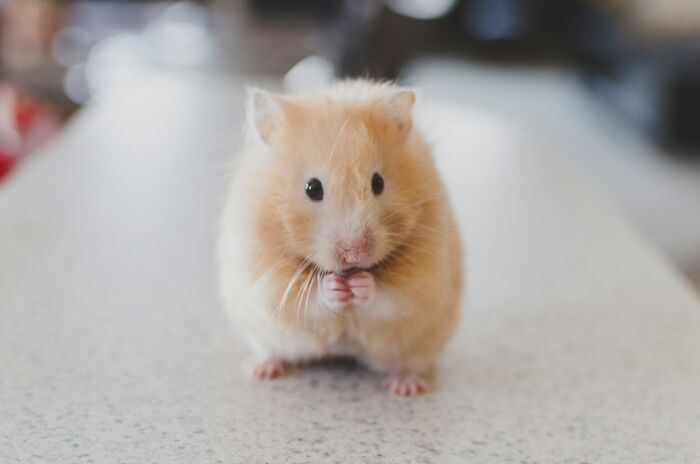
Muscle and mouse come from the same origin because someone thought muscles looked like tiny mice running under your skin! So when you flex, just imagine little mice doing their thing.

"Goodbye" is a squish of "God be with ye." "Taser" comes from a sci-fi character's electric rifle (with a random middle initial to make it sound cooler). And "ampersand" started as the last letters of the alphabet sounding like "and per se and". Language is a mix-and-match playground!

"Sniper" and "to snipe" come from hunting a water snipe — a bird that's super hard to hit because it flies all over the place. So you gotta be sneaky and have amazing aim to be a sniper. Nature’s way of giving language a challenge!
English is like a language smoothie, borrowing bits from Greek, Arabic, Sanskrit, French, and more. The word “guru” is Sanskrit for teacher, “algebra” comes from Arabic math whizzes, and “chaos” descends from Greek. So when you speak English, you’re kind of a globetrotter yourself.

The French words "lieu" (place) and "tenant" (holder) combine to make "lieutenant," meaning a placeholder or someone standing in for someone else. Basically, the person wearing the boss's shoes for a bit.

Donnybrook was a fair in Ireland that got so wild and rowdy with fights and partying, the whole town name became a synonym for a big brawl or riot. Imagine naming your wild weekend after a town!

The word "emoji" comes from Japanese and literally means "picture character." So when you send emojis, you’re basically texting in tiny pictures — no wonder they’re so fun!
Find a new word? Do a quick peek online and you might uncover a secret story behind it. It’s like turning your vocab routine into a mini adventure. Plus, cool word facts stick better than boring memorization.
"Calque" is a fancy word for translating a phrase from another language (like "by heart" from French "par coeur"). "Loanword" is when we borrow a word straight up without changing it, like "haiku." Fun twist: "calque" is a loanword itself, and "loanword" is a calque. Words borrowing words? Language inception!

The modern bikini was named after Bikini Atoll, where the US did nuclear testing back in the ‘40s and ‘50s. So yeah, the cheeky swimsuit got its name from a place famous for big explosions. Talk about making a splash!
"Jack" used to just mean a working guy. That’s why we have "jack of all trades" and tools named "jacks." Basically, Jack was the original handy dude.



Words do more than help you chat, they’re like snapshots of culture and time. Every word has a backstory that can reveal what people cared about or feared ages ago. So the next time you chat, you might be unlocking a whole hidden world.
A "threshold" was originally a plank at your door to keep straw (used as insulation) inside your hut. So it literally was the place where the thresh (straw) held tight! Doorsteps had a tough job.
"Honcho" means group leader and comes straight from Japanese. So the word you use for the boss comes from a different language. Fancy that!
Before the 's' rule took over, plurals used to end in 'en' — like "oxen" and "children". Most words switched, but some stuck with the old way. Shoes didn’t make the cut, though.
From quirky tales to words you say all the time, learning origins is like discovering secret language treasure. Which story blew your mind the most? Got a favorite word you wanna know the origin of? Share it and spark some fun debates!

The word "sinister" originally just meant "left-handed." Super simple, but definitely gave that side a spooky rep over time.


A logbook started as the book sailors used to write down speeds measured by a floating log tied to a rope with knots. Counting knots to measure speed? That explains "knots" we say on boats today.
"Pidgin English" comes from a mishearing of "business English" about 300 years ago when traders with different tongues needed a quick way to speak. So the chill trading language got a snazzy name.
"Lunatic" comes from "lunar" because people thought full moons made folks act a bit crazy. So yes, your weird neighbor might just be a moon person!
Though they sound close, "isle" and "island" come from different roots — one from French/Latin and the other from old Germanic. The silent 's' in "island" is just us messing up because they thought it was related to "isle." Fancy mispronunciation!



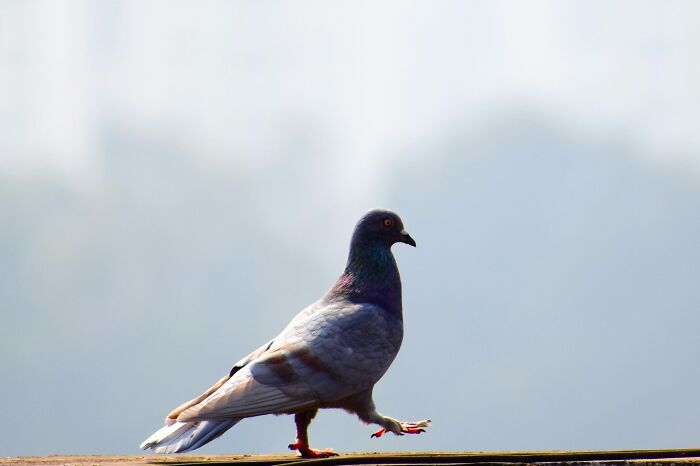
The Romanian word for corn, "porumb," and pigeon, "porumbel," both come from the Latin word for pigeon. So corn and pigeons are linguistic cousins over there!
Funny thing: The periwinkle snail and periwinkle flower developed their names independently, and nobody really knows why they share the same cool name. Language mysteries for the win!
"Cliché" comes from the clicking sounds made by a printing press when plates hit paper. Back in the day, popular sayings were often printed on one plate, so "cliché" is basically a printing term that went social!
Shakespeare made up tons of words, from "swagger" to "lackluster." He flipped nouns into verbs and spilled language magic all over his plays. He didn’t invent "alligator" though — that was a printer’s mistake. Still, the Bard was basically the original word influencer.
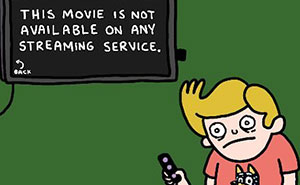
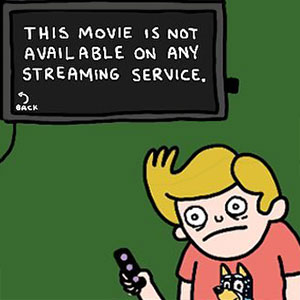
Once upon a time, a sign for "a nice cold water" got crammed so badly the letters ran together and people read it as "an ice cold water." That’s how words like "adder," "orange," and "apron" lost their starting 'n'—thanks to sneaky word breaks!
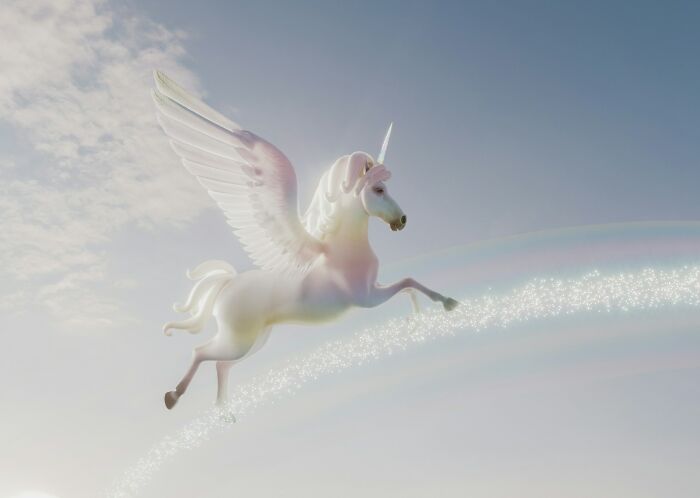
In French, the word for unicorn used to be "unicorne" (from Latin roots). But people misheard it as "une icorne" (an icorn), then "l'icorne," and eventually it became "une licorne". So French unicorns had an identity crisis! Language is a lifelong glow-up.
"Duel" and "bellum" (Latin for war) come from the same Latin root meaning battle. Plus, "duel" got a little help from Latin "duo" meaning two, since it’s a fight between two people. Brainy battles in language form!
Ever think of the perfect retort *after* leaving? The French had a phrase for it: "l'esprit de l'escalier" or "spirit of the staircase." It’s like your brain leaves you on the stairs. Even George Costanza had this problem!
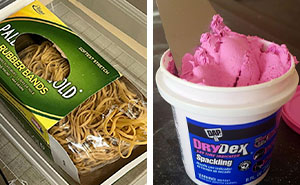


There’s a street next to a brook called "Overflowstreet," but it’s not about floods. It’s named after an important lady from the 19th century named Overloop. Sometimes street names have stories you wouldn’t expect!
English "much" and Spanish "mucho" sound the same but come from different roots. English from Old English meaning big, and Spanish from Latin meaning many. False friends, but both get the job done!
"The bee's knees" phrase started as a quick squeeze of "the be all and end all." It became "the b and e’s," and finally "the bee's knees." Fancy ways to say something’s super special!
"Arctic" comes from the Greek word for bear, "arktos." The funny part? Antarctica means "opposite of bear," because there are no bears there. Nature naming at its best!


Bear traps are named after Frank Conibear, the guy who invented them. So they’re not traps for bears specifically, just bear the inventor’s name. Bet that surprises people!


35
0