
 then open in external browser


 and click "Open in External Browser"
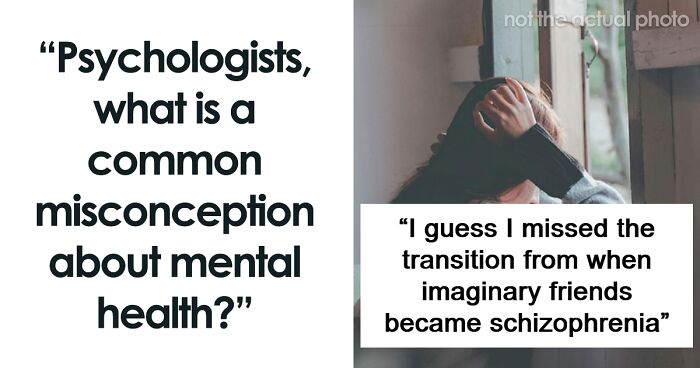
Hey! Today, we're diving into a crazy list of mental health myths that people still totally believe. Brace yourself, some of these will make you go, "Wait, seriously?" Let’s jump right in!
This post may include affiliate links.

Disclaimer: Not a psychologist, just someone who's been dealing with depression and anxiety for quite a while. Spoiler alert: mental illness isn’t those cozy burrito blankets or cute Tumblr posts. It’s more like forgetting to shower for a week and feeling like the world’s eyeballs are glued to you wherever you go. No, it’s not cute or fun, and love alone doesn’t fix it. It’s tough, messy, and definitely not something you can just snap out of with a smile.


Here’s a biggie: mental illness doesn’t always look like a reality show act. People can be hurting miles beneath the surface, nailing the “I’m fine” act while their mind is spinning wildly. A person might look like they’re just impatient, but inside they’re fighting off stormy thoughts. So yeah, often the struggle is way more private than you’d guess.

Think depression is just being sad all day? Nah, it’s a whole mood buffet. It hits different people in different ways, and not all of it looks like tears or wallowing. Sometimes it’s numbness, sometimes it’s tons of other bizarre feelings that don’t fit the usual sad stereotype.

OCD isn’t about just wanting your stuff super organized - it’s more like having a relentless brain bully that hounds you all day, making life miserable. It’s serious, exhausting, and way less funny than jokes about lining up your cereal boxes.

Here’s some free wisdom from a mental health warrior: if you’re struggling, it’s not because you messed up. Sometimes life just throws curveballs that mess with your brain chemistry, and that’s totally okay.

Heads up: just because someone has Autism doesn’t mean they’re a savant like in the movies. Most folks with Autism have a mix of challenges, and social awkwardness doesn’t automatically equal Asperger’s. So, hands off the self-diagnosis!

Most folks either don’t get depression or think it’s just about feeling down. It’s way more intense and real than people who call it "weakness" or "losing it" want to admit. This label stops many from asking for help because nobody wants to look "weak".

A recovery specialist shared a heartbreakingly funny and sad moment: realizing when the line between childhood imagination and schizophrenia got crossed. Mental illness can be wild and heartbreaking, folks.

Forget the crazy caricatures - most psych hospital patients are just regular folks having a rough time. With meds, therapy, and good support, they can totally live normal lives. Mental illness could happen to any of us with just a few bad breaks!
Also, most patients have been hurt by trauma - they’re Way more victims than villains.
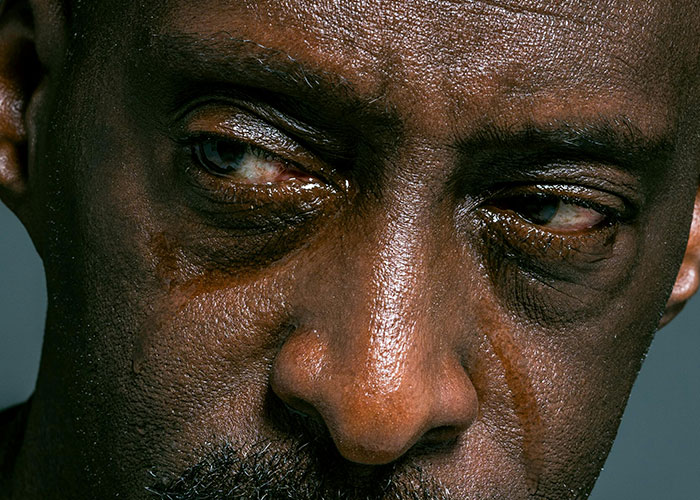
Crying isn’t just for the drama queens! For men, showing those feelings can seriously cut down stress and lower risks for illnesses like heart disease. So go ahead and have a good ugly cry, dudes - it’s good for you.

Turns out psychologists aren’t mental superheroes immune to struggles. Many go into the field because they’ve had their own battles. So yeah, even the helpers sometimes need help.

Forget the pop song - bipolar disorder is mostly about boring, everyday stuff like taking meds on time, getting decent sleep, and trying not to substitute coffee for breakfast. Sometimes, the biggest challenge is just the routine!
Schizophrenia covers a whole bunch of things, and it’s not just tripping balls 24/7 like movies say. And depression? Sometimes it’s so severe it looks like psychosis or catatonia, not just feeling blue.

Having ADHD is like your brain’s got a million tabs open, and none of them are labeled. It’s not that people with ADHD don’t want to do stuff - they literally can’t focus because of the overload. Medication can’t fix it all, but it’s like a blinking light helping you find the important tab again. Still tricky, but way better.

Therapy helps everyone - even if you’re just trying to figure yourself out or dealing with wild voices. Also, yeah, some therapists are like that bad date who talks about themselves the whole time. But don’t give up! Keep swiping till you find one you vibe with.

Yeah, trigger warnings and safe spaces sometimes get made fun of, but they’re real MVPs for people dealing with things like PTSD. They’re not just about feelings getting hurt - they can be a big part of healing.

OCD isn’t just about being a little picky. Imagine having to flip your lights on and off 23 times before leaving a room or needing to touch all kinds of stuff in weird ways or you can’t function. So yeah, it’s a monster that messes with your day and isn’t a joke.

Shockingly, in some super religious spots, people really believe mental illness is caused by demons. Spoiler: it’s not. It’s brain chemistry and life messiness, not spooky stuff.

Got a problem? Asking for help is like flexing your superhero muscles. It’s one of the bravest moves you can make - don’t let anyone tell you otherwise!

Here’s a bummer: a lot of people focus on the mental health label and forget there’s a real person underneath. Diagnoses can feel like a scary taboo, but remember, it’s just a name, not the whole story.

Depression isn’t just chilling on the couch - it’s a constant fight against a loud, nasty inner critic trying to drag you down nonstop. Sometimes friends can't handle the effort it takes to really be there, and that’s pretty darn sad.

Guess what? We all judge people in split seconds - it's an ancient survival hack. The cool part? We've learned to be way more chill and tolerant despite those first impressions.

Is there a secret club where brainiacs are more likely to be a bit sad? Maybe! Not every genius battles depression, and not every depressed person is a genius, but lots of super smart folks seem to do a mind wrestling match with it. Maybe thinking deep about life comes with emotional baggage. Food for thought!

If someone hears voices, the big deal is what those voices are telling them. Are they saying “go hurt people”? Watch out. Are they saying “go hurt yourself”? That’s serious. People miss this important detail, and it’s where knowledge can really help.




Mental health isn’t black and white. You can be a little autistic or have mild OCD and not be the extreme version you see on TV. It’s all a big color palette.

Depression and anxiety aren’t things you can just decide to stop feeling. It takes work, understanding, and sometimes help to get through. So be kind, get informed, and keep trying!

Got a twinge in your knee? You see a physical therapist. Feeling off in your head? Mental health therapists exist for that! So why the stigma? Getting help is just smart maintenance.

Lots of people come in thinking something’s wrong with them before even talking. If kids get used to chatting with school psychologists early on, maybe talking about feelings won't feel so weird later.





Mental health problems aren’t some far-off thing that only happens to "other people." It can cascade into anyone’s life when least expected.

Psych students point out that pedophiles can be helped in therapy if they haven’t hurt anyone - no need for jail right away. But some personality disorders are harder to treat because people might not think they have a problem. Sociopaths may have a rougher path, with some leaning toward crime more.
Also, anorexia kills more than any other disorder. Mental health is complicated.

Mental health isn’t some separate thing living in a different universe from physical health. Your brain and body are BFFs and totally connected.

Ever get stuck biting your nails or picking at your skin? That’s called body-focused repetitive behavior, and it's more than a bad habit. It can get so intense you go into a trance and can’t stop. It’s linked to OCD and sometimes low self-esteem. Hair pulling and nose picking get thrown into this messy group too.





If anxiety or depression has you down, trying therapy isn’t signing a lifetime contract. A quick assessment session is enough to figure out if it’s your thing. Give it a go - what’s the worst that can happen?

Your therapist bases treatment on what usually works statistically, not a crystal ball just for you. And medicines have specific effects that might help some symptoms but won’t necessarily make you feel better right away. You’re unique, so treatments can be a bit of trial and error.

Good news: most people don’t have to be in therapy forever. Lots get help in episodes and then go on with life. Also, therapists don’t all have their own therapists - it’s usually consulting with colleagues and supervisors. So relax, therapists are just folks, too.

Forget the old-school voodoo: therapy today is way more evidence-based and holistic. Professionals have moved past the mysticism and Freud obsessions to get real results.



Just like you’d see a doctor for a yearly checkup, chatting with a therapist every now and then is a brain physical. Don’t wait for a crisis - keep that noggin in shape!

Heads up: about a third of people will deal with a diagnosable mental illness in their lifetime. It’s way more common than most realize.

Don’t think popping pills is the whole story. Meds can help balance brain chemistry, sure, but therapy is key to rewiring thoughts and keeping things manageable long-term. So don’t ditch either!


29
0