
 then open in external browser


 and click "Open in External Browser"
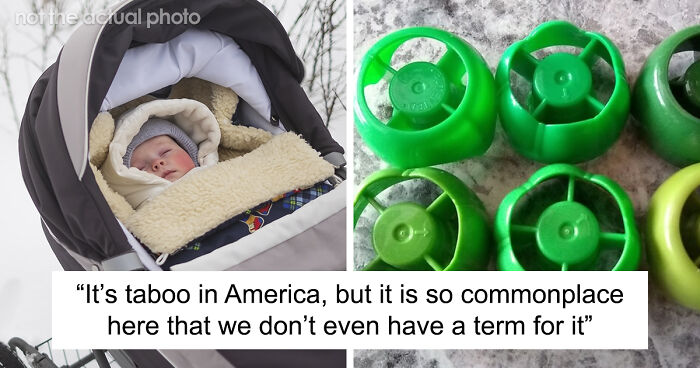
Ready for a whirlwind global tour of parenting? These funny, weird, and sometimes downright surprising parenting habits from around the world will make you see childcare in a whole new light. Buckle up!
This post may include affiliate links.
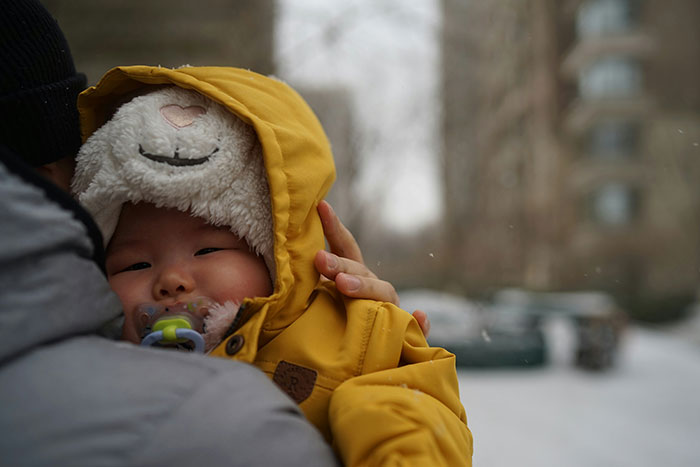
Swedes take breastfeeding super seriously and co-sleeping is so common it might as well be a sport. Sleep training? Nope, that's basically child cruelty there. Spankings are illegal - and frowned upon hard. Kids play outside no matter if it’s snowing or pouring. Babies even nap bundled up outside in their strollers during freezing winters! Plus, parents get up to two years of paid leave, shared almost equally between mom and dad. Talk about parental luxury!

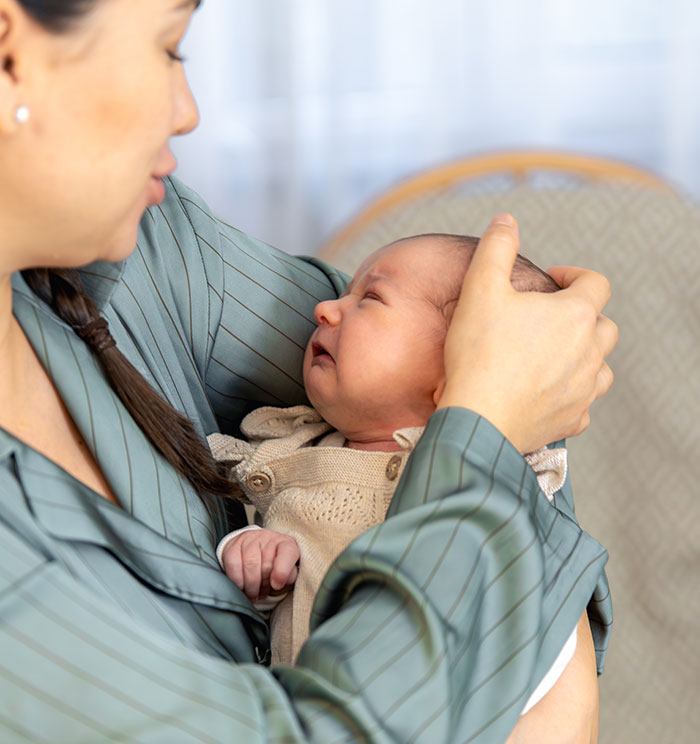
New moms in Korea often check into these fancy postpartum care places called 'joriwons' for two weeks after the baby arrives. Imagine a mix of a boutique hotel and a baby care center with nurses doing the heavy lifting so mom can recover. They offer classes, massages, and all kinds of perks. First-class baby-sitting, anyone?
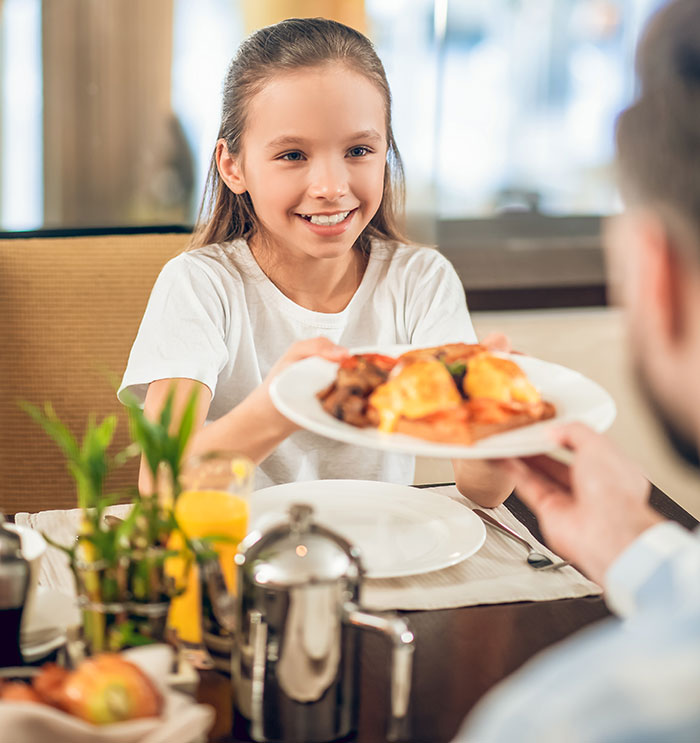
Living in Italy and Albania means watching kids who run around everywhere but somehow manage to stay polite and respectful. Restaurants don’t cater to kids with chicken nuggets - here kids eat smaller versions of adult meals. Kids play soccer in the street and actually pause the game to say hi! Museums? Quiet and well-behaved. Discipline is mostly a private thing, not a public showdown.
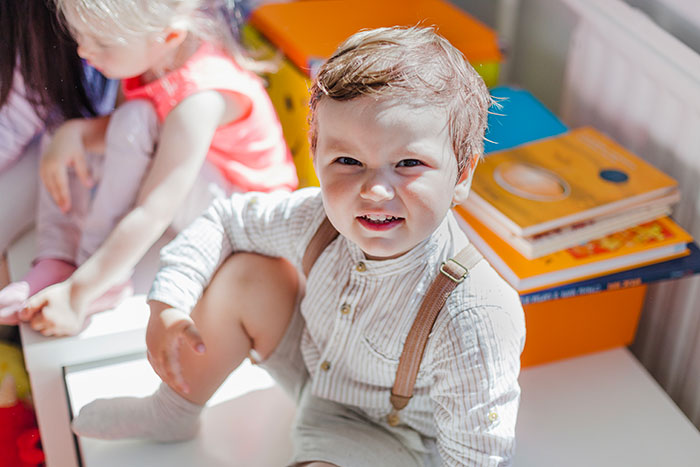
In the Netherlands, kids swear occasionally and it’s no big deal - no one’s clutching pearls here. Politeness rules, but respect has to be earned. The Dutch aren’t shy about nudity (saunas with the fam, anyone?), and sex talks happen way earlier, mostly supervised to keep things safe. Oh, and alcohol? Teens usually try it early and learn to handle it responsibly. Quite the contrast, right?
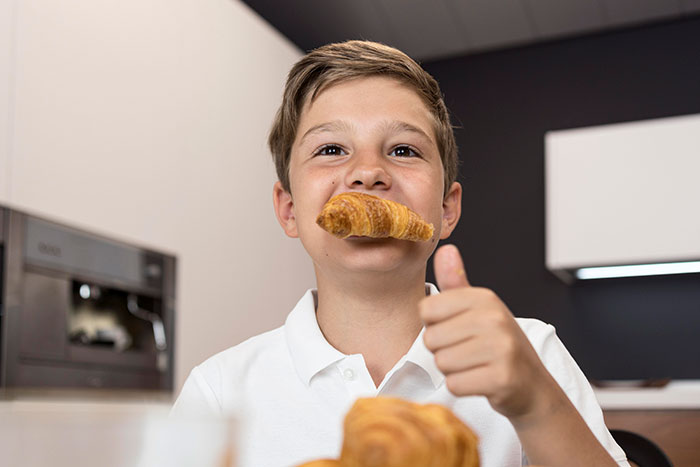
French kids eat exactly what adults eat (no nugget rebellion here) and are expected to try everything at least once - yes, even the weird stuff. School lunches are fancy four-course affairs. Table manners? Taken seriously, especially how to hold your fork. Ever seen adults snobby about knife-and-fork grips? Yeah, that happens. And discipline varies from loving-but-firm to spoiling-your-kid-to-the-max.

In Scandinavia, it’s totally normal for kids as young as seven to walk or hop on the bus to school all by themselves. Independent little adventurers! Parents don’t hover; kids just get around on their own. Freedom level: expert.

German kids get a lot of independence early on. Birthday parties? Mostly drop-offs from age 4. Kids roam freely outside and go to school solo, using public transport if needed. School starts late (lots of kids begin at age 7 or older) and ends early (think: lunchtime). Kindergarten is all play, no pressure to learn to read early. Plus, mommies often work part-time because kids eat lunch at home. Sounds like fun, right?
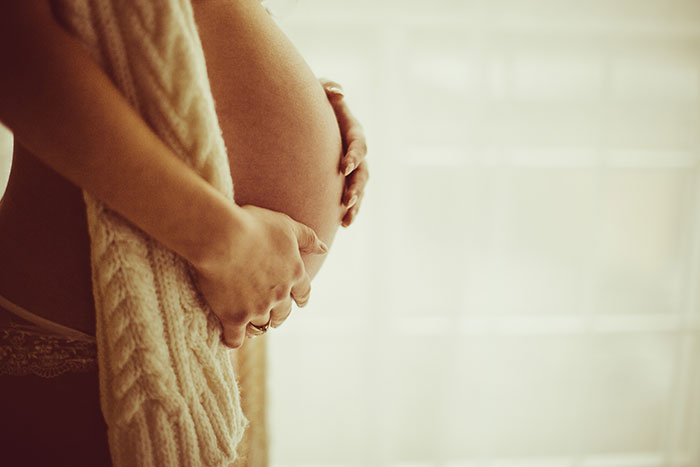
In the Netherlands, most pregnant women never even see a doctor until things get complicated. Specialized midwives handle most of the prenatal care, births (even hospital ones), and postpartum support. Home births are common, and midwives are the real MVPs here.
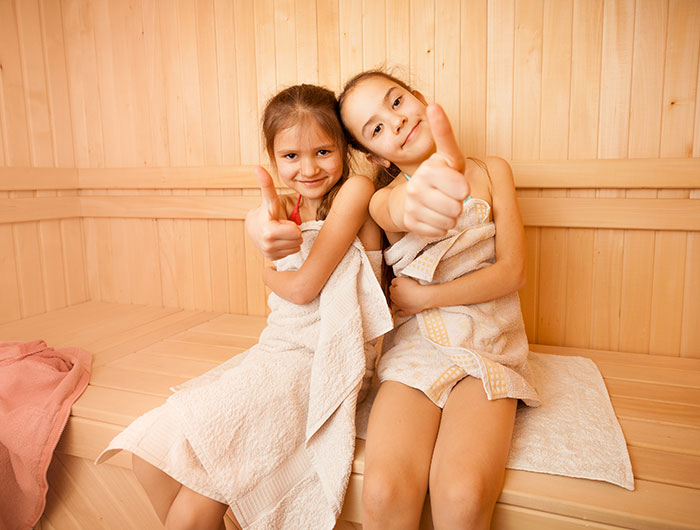
In Finland, nudity is just part of family bonding, especially in the sauna. Everyone goes together, no big deal. When kids hit puberty, they tend to sauna with just their own gender, but until then, naked family fun is totally normal. Seeing your parents or grandparents in their birthday suits? Yup, very Finnish.
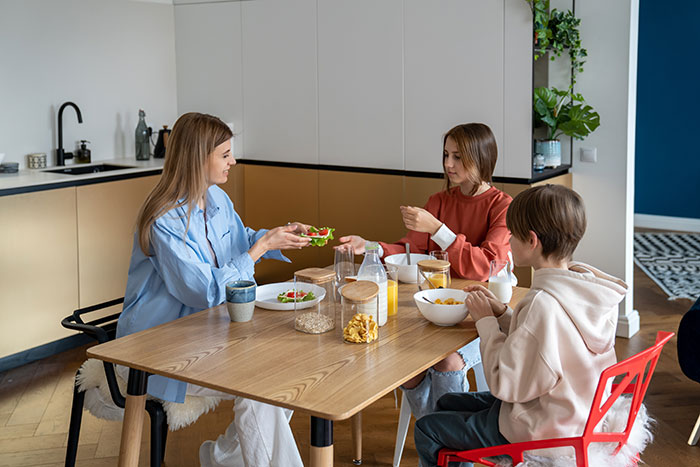
French families hit up museums once kids have their social manners down (usually around age 7). Mealtime is serious stuff with everyone eating the same grown-up food. The kids are turning into people you’d actually want to hang out with. Fancy, right?
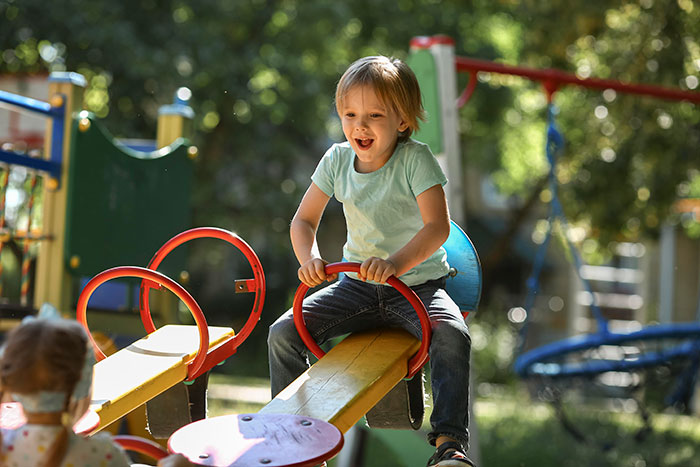
Heading from the UK to Austria? Expect kids playing solo outside and taking public transport like it’s their job. Kids play in the streets, go to parks independently - it’s a nostalgic throwback to childhoods past.
Dutch parents seem to rock the Montessori approach naturally - minimal baby gadgets, lots of outdoor time (rain or shine), and independent play. Mix of purees + baby-led weaning is common. No wonder Dutch kids are reportedly the happiest on the planet!
In the US, parenting often feels like a competition with a heavy dose of "helicoptering." Having a life outside your kid? Job? Night away? Taboo! Parental leave is a quick pit stop (16 weeks, and that’s considered awesome). Plus, everyone has strong opinions, and if you do things differently, be ready for a lecture on how you’re ruining your kid.

In Spain, many 20-somethings live with their parents - not just because of work issues but also culture. Kids use public transport solo, and neighbors keep an eye out for them. No crazy helicopter drama here. It’s a 'village' vibe in full effect.
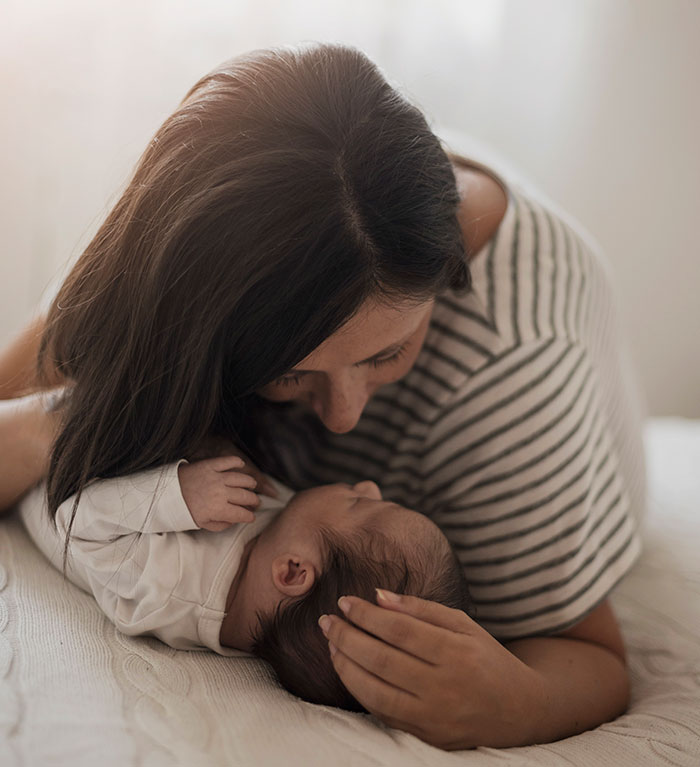
Austrian mamas get a year at 80% wage paid leave, with an optional extra year if you want. Most moms stay home at least a year (no rushing to sleep train). Quiet nights happen because parental leave lets you slow down and enjoy baby time without rushing back to work.
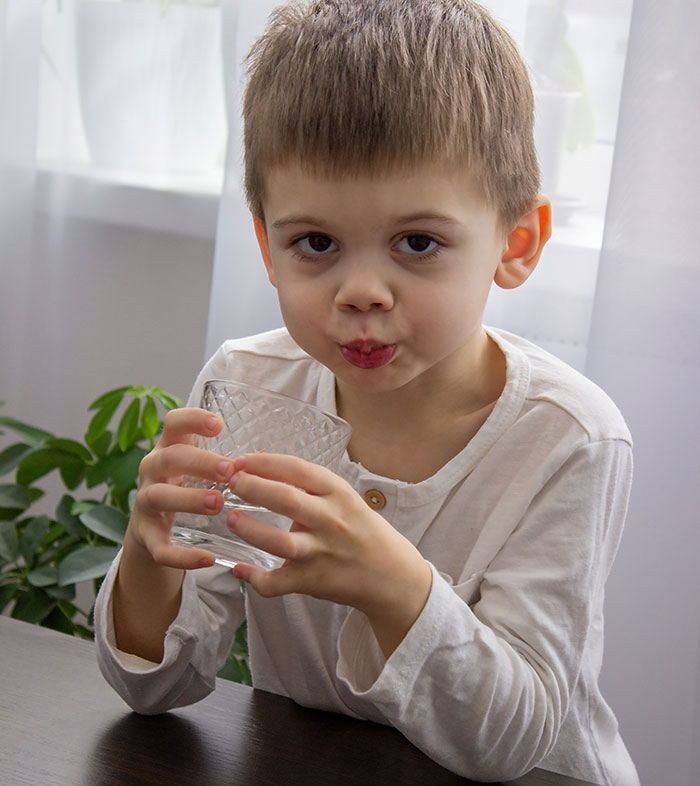
Many Spanish kids get to sip wine or beer during celebrations. Yep, little taste testers in the making!
In Finland, wet wipes are basically banned in parenting circles unless absolutely necessary. They might cause skin allergies because of lipids. Instead, it’s olive oil creams and good old soap and water. Clean and green!
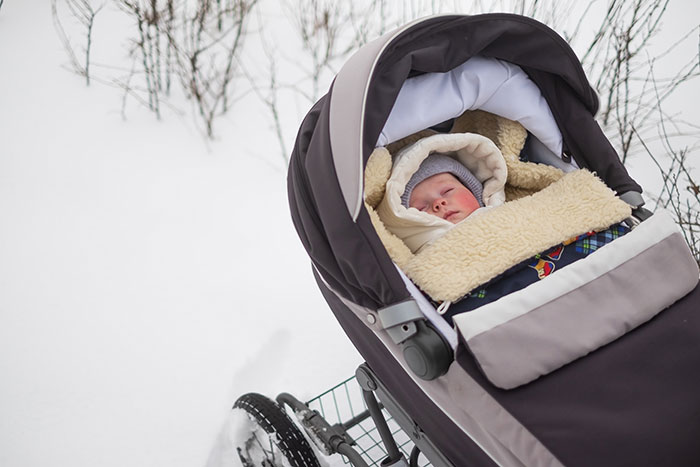
Danish parents take stroller naps to a whole new level - babies snooze outside in strollers all day, summer or winter. Cafe visit? Just leave the stroller parked outside with napping baby. Fresh air + sleep = baby health hack, or so they say!
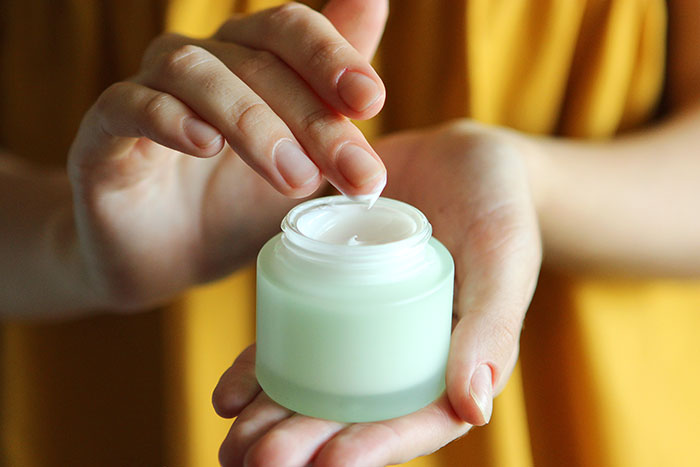
Forget wet wipes in France! They stick to olive oil creams and washing up once a day with soap and water. Nature lovers, this one's for you.
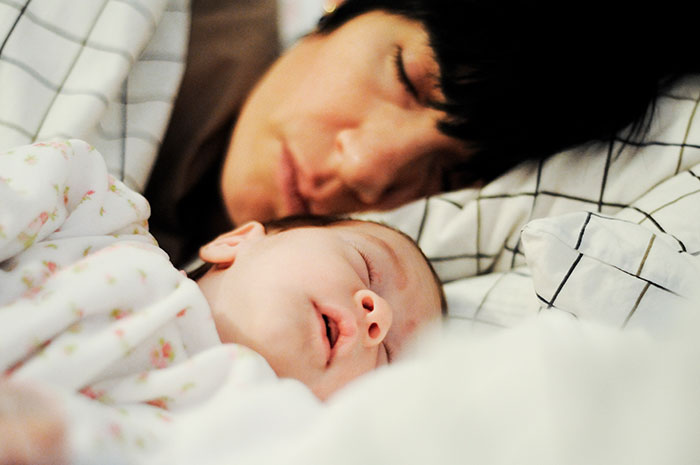
In India, co-sleeping is so normal there’s not even a word for it. Babies nurse to sleep, wake often, and can co-sleep with parents up to 6 or 7 years old. Separate rooms for babies? Nope, unheard of. Plus, grandmas, aunts, and in-laws jump in to help new moms, making sleep training less of a need and sleep deprivation more bearable.
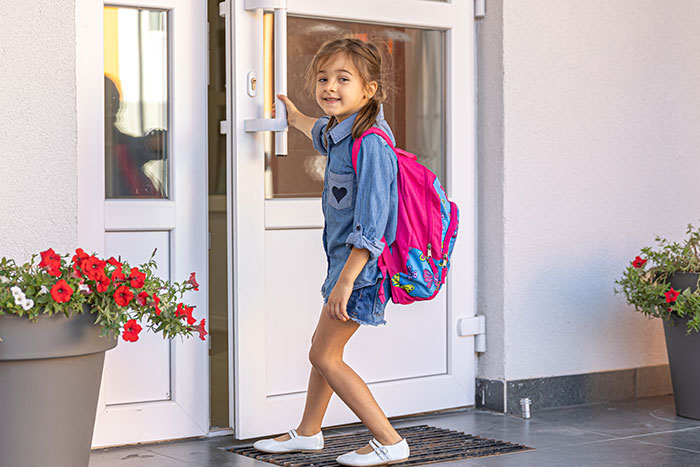
Swiss parenting says no to helicoptering! Kids walk to school alone and handle public transport like pros. Parents? Unbothered. In the US, kids can't even go outside alone anymore. Swiss kids disappear for half the day, no big deal!
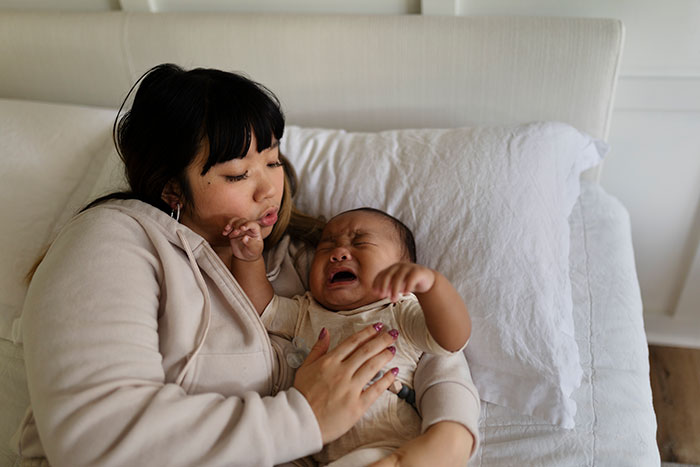
In Japan, sleep training with crying it out? Forget it! If babies cry for a long time, neighbors might call the cops! The idea of leaving a baby to cry on purpose? Unthinkable. Parenting here is all about keeping baby close and calm.
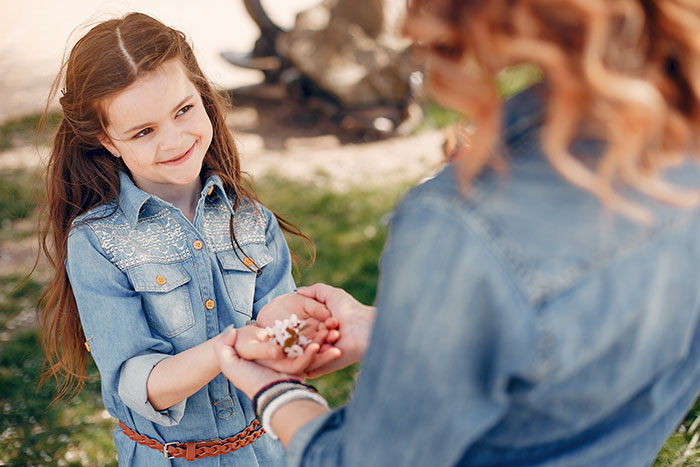
In true French style, parents expect their kids to live up to the bar they set. Simple, elegant, and effective.
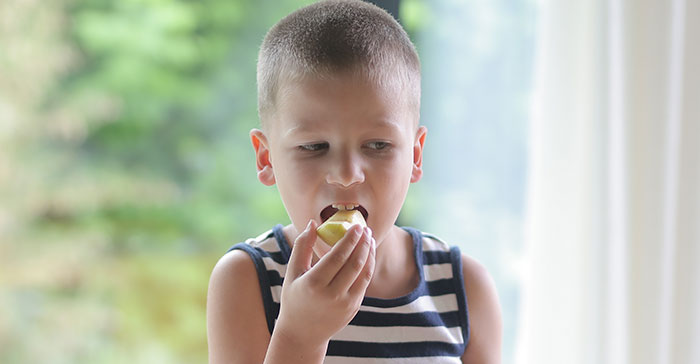
German toddlers? They eat what the rest of the family eats. If your kid doesn’t like a dish, they might get some muesli as backup, but making special meals? Nah, not really a thing.
New Zealand parents tend to push breastfeeding, sleep training, independent play, and pet time. Outdoor air is big! The vibe’s relaxed but dogs are lifer pals. Meanwhile, Turkish parenting is a whole different kettle of fish - co-sleeping for ages, no sleep training, super strict hygiene, indoors only (nature is "dirty"), and a pressured, perfectionist approach that can be pretty intense. Quite the cultural clash!
Scottish parenting support revolves around witty sarcasm and the timeless classic: "Wait until you get to THIS bit. It’s going to be EVEN WORSE." Welcome to parenthood, Scottish style!
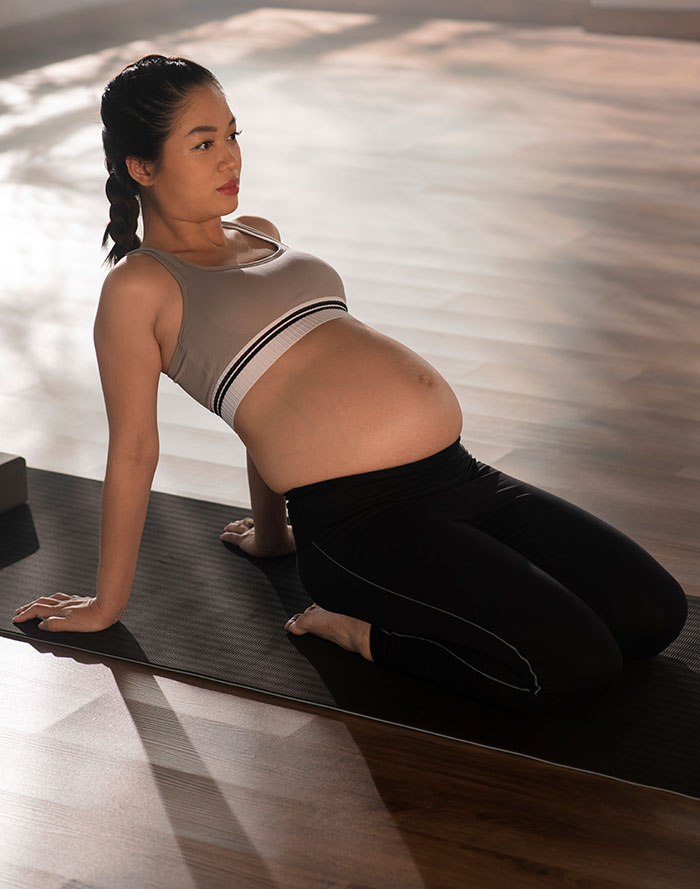
In Japan, pregnant ladies soak in hot baths and eat raw sushi like it’s no big deal. But open shoes? Absolutely not - they believe keeping feet warm keeps the baby warm. Makes sense, right?
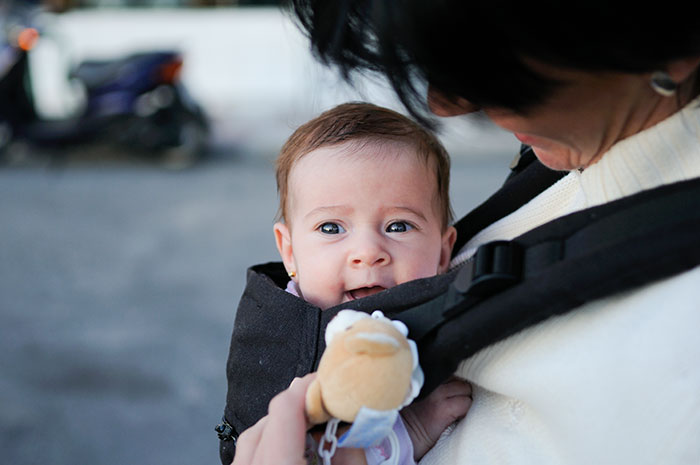
In Brazil, your baby is basically a national treasure. Strangers will squat down, grab their tiny feet, sniff their hair, and feed them everything from cake to half-melted ice cream cones. Personal space? What’s that?




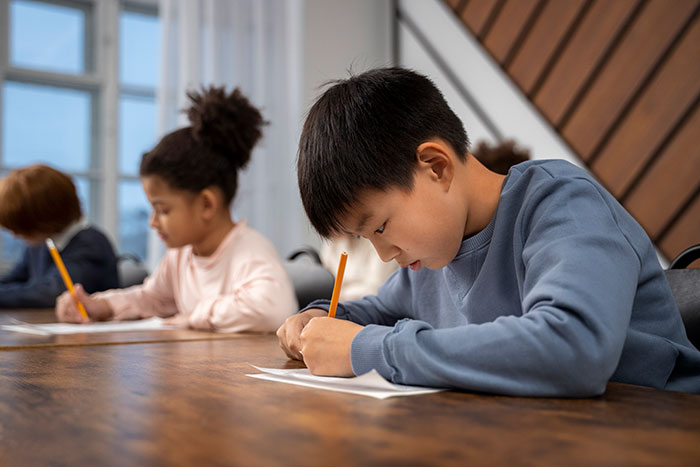
School kids in Japan lug around all sorts of special gear like "landoseru" backpacks, art kits, lunch settings, towels, and shoes just for inside. Discipline is tight, chaos is rare. Oh, and team sports? Super organized but also a lot of parental ‘fun’ and commitment. Soccer practice-only for some. Sounds intense.
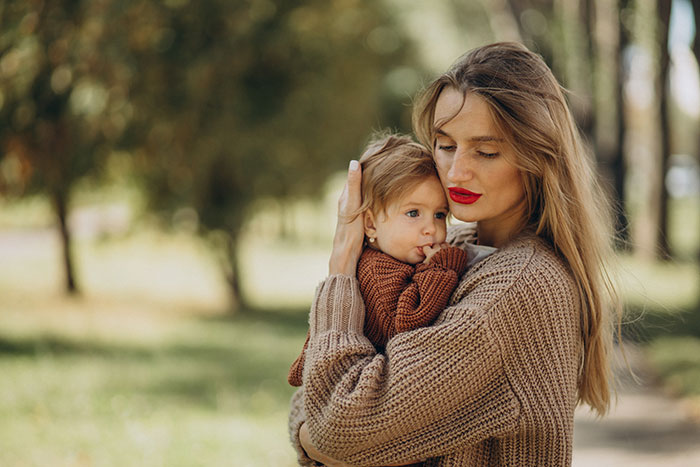
Australian mums are a super chill crew with zero judgment zones. Whether you breastfeed or formula-feed, everyone’s supportive. Popular trends? Toshi sun hats, partners handling night feeds, and skin-to-skin after birth. It’s all about doing what works and not freaking out.
In Poland, babies get way overheated no matter the weather. Hot day? Long sleeves, pants, and hats for babies are the norm to "keep them from getting sick." Sun protection? Nope, just keeping the baby toasty warm anytime.
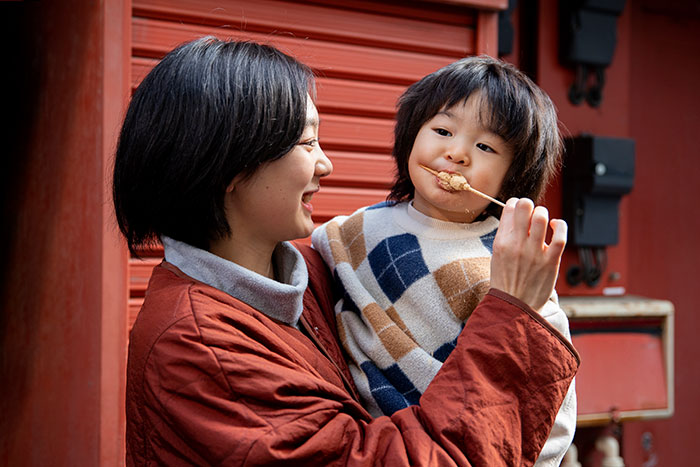
Starting solids in Japan is no joke! Parents count calories, measure every nutrient, and follow monthly guidelines on what foods and textures babies absolutely MUST try. Avocado and mango? Nope, too fatty or allergenic before 12 months. Exhausting but super precise.


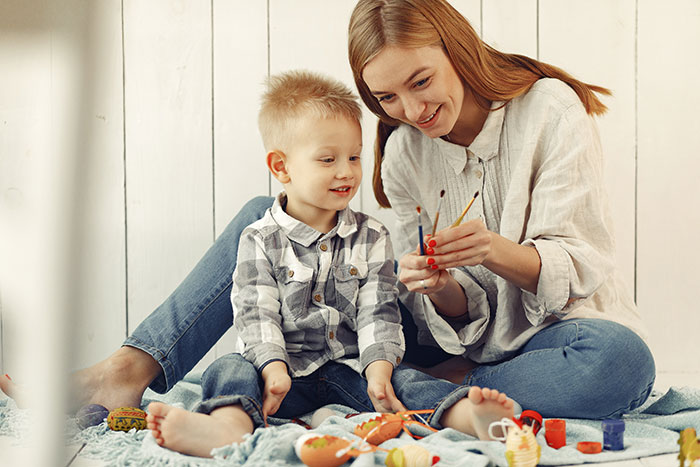
Some places keep kids wrapped in bubble wrap way longer. Here, five-year-olds have nannies who spoon-feed them and insist on doing everything for the kids. Independence? Not until much later!
Japanese moms-of-many-styles: hospitals are like hotels with a five-day stay post-birth. Pain is part of bonding, epidurals are rare, and episiotomies are a given. Babies often hang out apart from moms most of the time during the day and night so moms can recover, with tight visiting schedules. Formula kicks in first while breastfeeding is scheduled. Cozy futons on the floor for co-sleeping are the norm. Welcome to baby Japan!
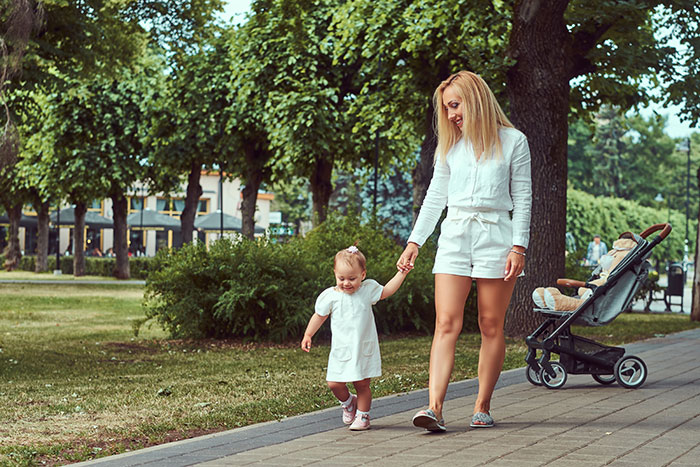
In the Philippines, you don’t need fancy baby gear like cribs or bathtubs because it’s hot and babies get carried everywhere. Bed sharing is common and babies get washed with a clever cup called a 'tabo.' But beware: locals try feeding donuts and forcing screen time, plus peanut gallery strangers love snapping endless pics and even grabbing your kid. Wild times!
Dutch moms roll their eyes at 'neurotic moms' who obsess over pregnancy and parenting. They're laid-back to a fault: kids go to bars, look neat without fuss, and parents call out anxiety as toxic. Yet healthcare and postpartum care rock with free health services and daily nurse visits, plus 4 months paid maternity leave. The best of both worlds?

Third time parenting in the US means no clue about current trends and zero time for drama. Parents in their 30s just do what works and don’t sweat the small stuff. Judgy? Nah, hands-on dads get roasted if they slack, but the tight-knit middle class crowd is all about teamwork.
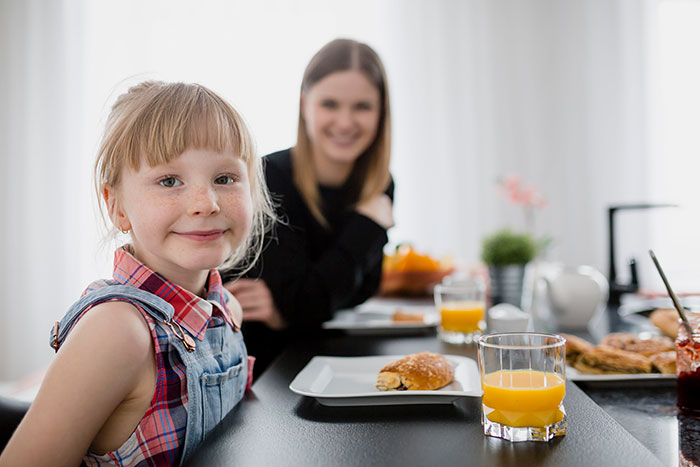
American parents expect their kids to behave and try what’s on their plate. Screen time is a rare treat (usually just on flights). Playful silliness is encouraged, but kids know when to chill. Stricter than some of their friends, but hey, respectful kids win the game.
Canadians ditch sleep training pressures and just go with baby cues. Parenting advice can be intense and judgmental, even in Canada with amazing parental leave. The trick? Block out the noise, find what works for your family, and don’t get sucked into the self-help parenting drama.
In Australia, new moms are relaxed and judgment-free zones. Whether formula or breastfeeding, no one bats an eye. Second-hand baby gear is the norm. Everyone's cool with whatever works - a parenting paradise!


In Mexican culture, parenting leans heavily on mom and grandma support, with strong family ties. But it’s also wrapped in strict, old-school traditions with a dose of machismo. Luckily, some families are open to mixing tradition with modern respect for parents' choices.
Spanish kids get a lot of pampering. Picture 10-year-olds with their food chopped up and 12-year-olds guarded closely by parents who won’t let them solo on public transport. They roam freely in parks but rarely travel alone. Babysitting? Not encouraged for young teens here.
Spoiled kids? Spoiled kids everywhere, no matter the country! Spain has kids running wild late and Germany’s got some unruly teens too. It all boils down to how parents set rules and boundaries more than the country alone. And yes, American museums are full of the little rascals too!
Greek culture meets Canadian modern parenting with a mix of old-school advice (think: crib bumpers, strict feeding, ice on pacifiers) and evidence-based approaches. Family traditions blend with new data, sometimes causing lively debates between generations.




In the UK, grandparents basically double as daycare. Dads get limited leave, moms juggle childcare and work. People love getting new baby stuff (second-hand is less common), and keeping appearances snazzy matters a lot.
French table manners are no joke - how you hold your fork and knife, eat bread and cheese, the whole deal. Marrying into French culture? Prepare for some intense etiquette schooling and maybe a few looks of disdain. Luckily, these expectations are fading bit by bit, but it’s still a thing.
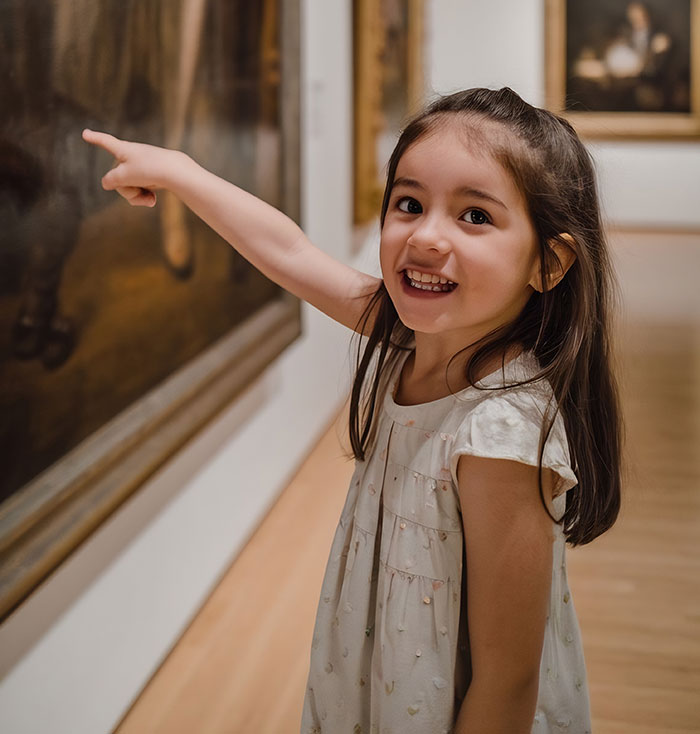
If you think American museums are kid-free zones, think again. Natural history, science, and art museums, like the Smithsonian, are packed with families and school groups on weekends and weekdays. Kids and culture go hand in hand here!


30
0