
 then open in external browser

 and click "Open in External Browser"
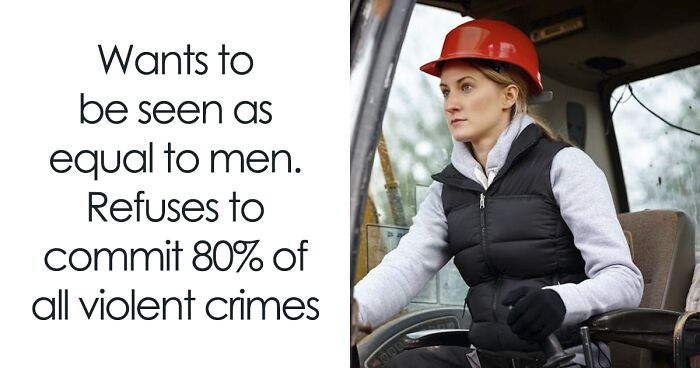
Hey! Today we're diving into some crazy snapshots that show just how weird and wild the world feels right now. Ready for a rollercoaster of thoughts and feels? Let's jump in!
This post may include affiliate links.
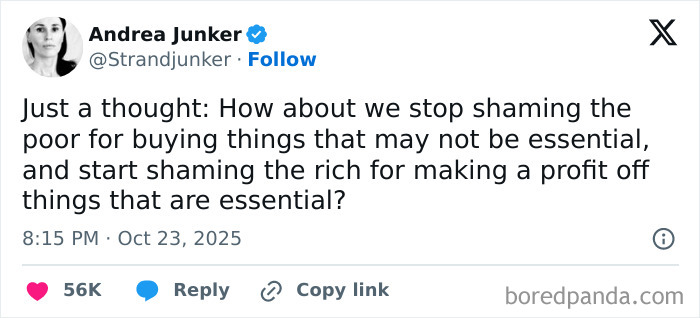

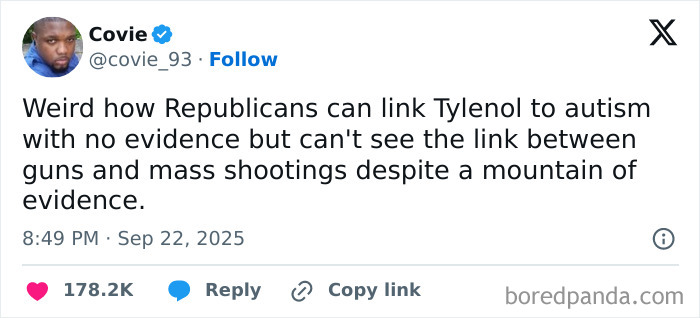
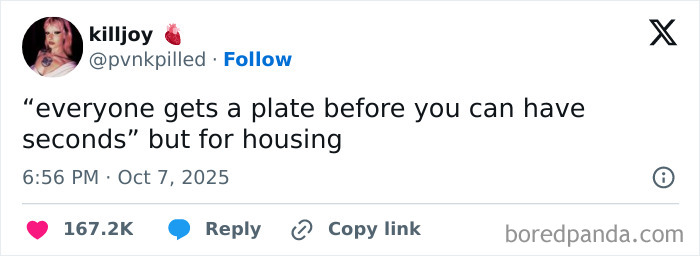
So, 'dystopia' is a fancy word we use a lot, but did you know it popped up way back in the 1800s? Basically, it’s the opposite of 'utopia' - which means a perfect place - but with a twist: dystopia means a terrible place where things have gone really wrong.
British thinker John Stuart Mill first threw this term out there in a speech, mixing Greek roots to make 'dystopia' mean 'bad place.' Neat, right?
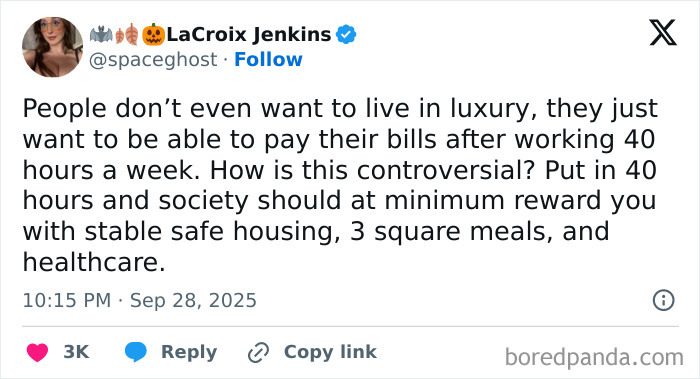
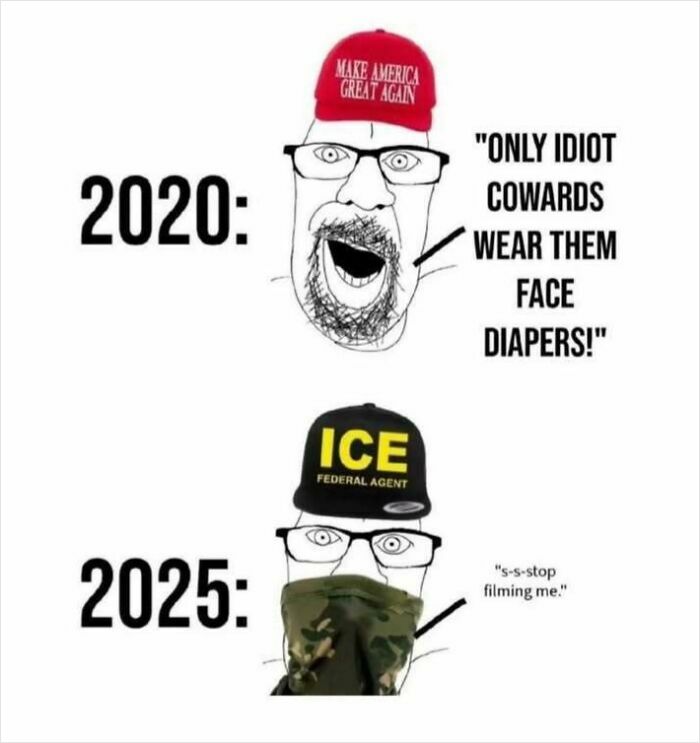
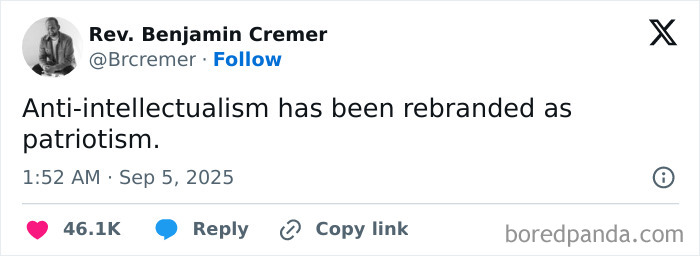
Turns out, people were tossing around similar words even before that. Like 'dustopia' from the 1700s (which sounds like a dusty nightmare!) and 'cacotopia' from the 1800s (basically another way to say a super bad place). None of those stuck like dystopia did, though.
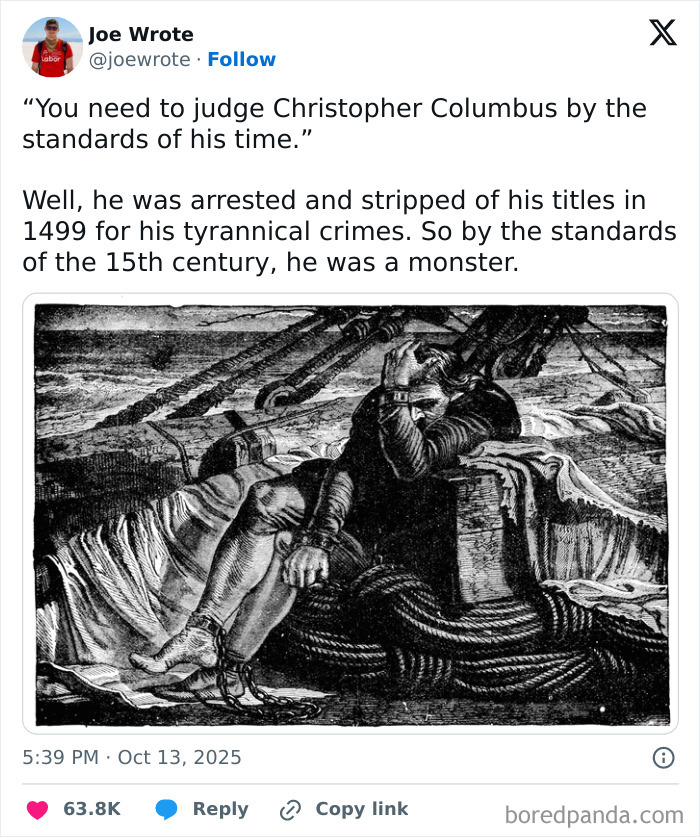
The original 'utopia' was made up by Sir Thomas More in the 1500s to describe a perfect imaginary island. And dystopia? Well, it’s just the not-so-perfect, scary version of that.
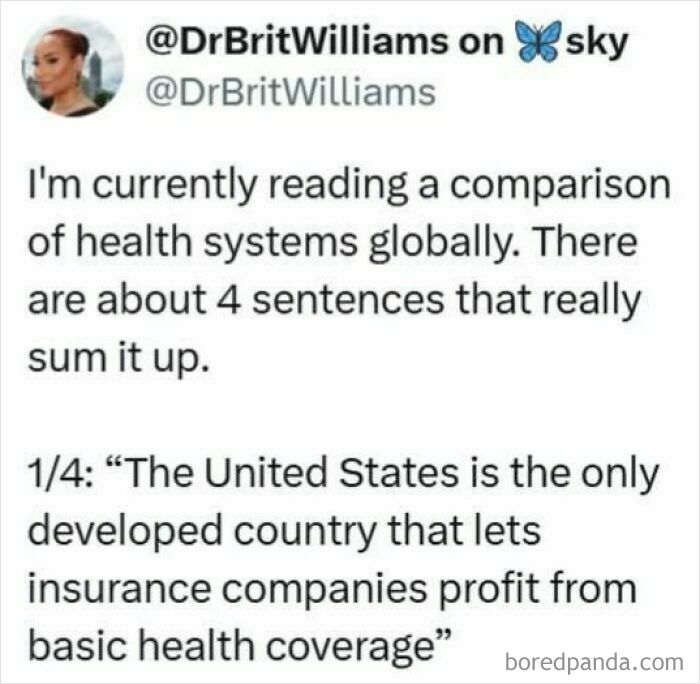
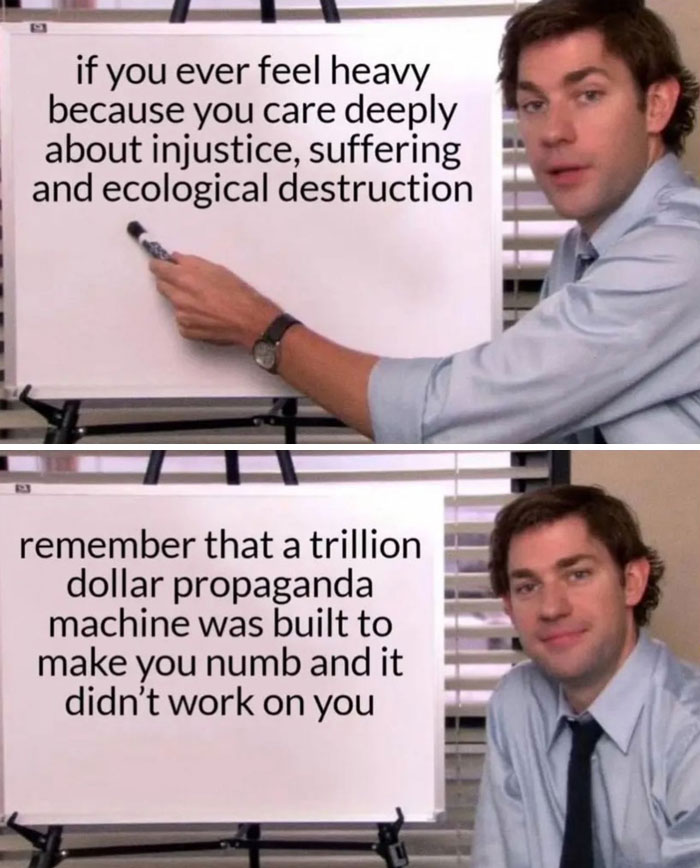
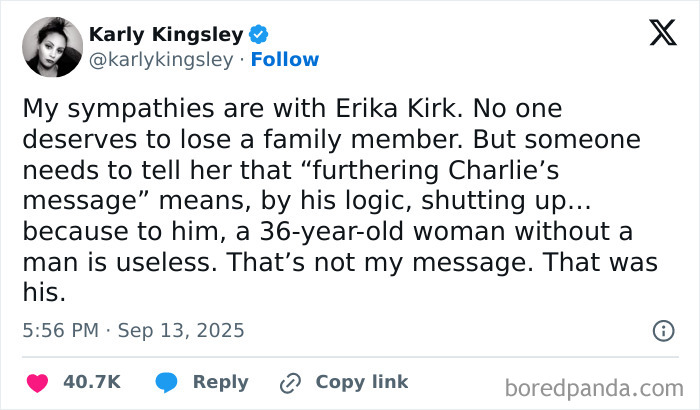
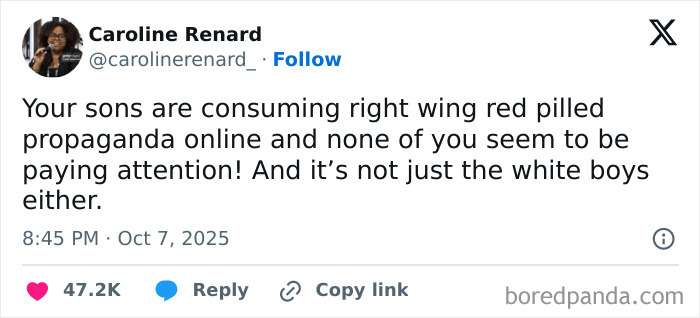
Dystopian worlds usually have some classic vibes: crazy control by the powers that be, brainwashing propaganda, no free thinking allowed, and tons of rules that keep everyone trapped. Imagine Big Brother’s playground on steroids.
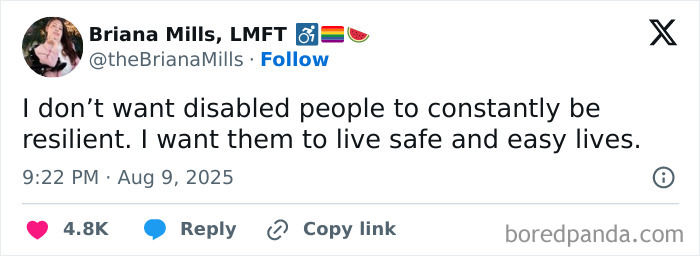
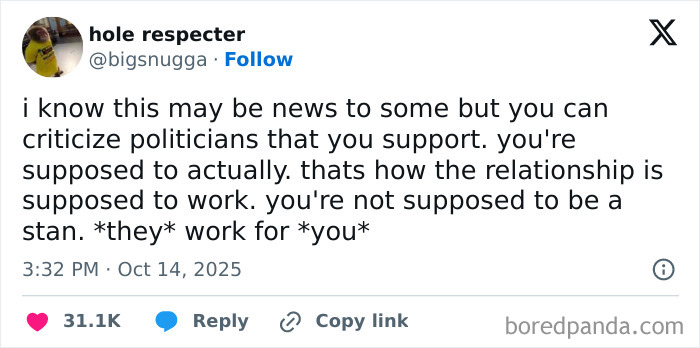
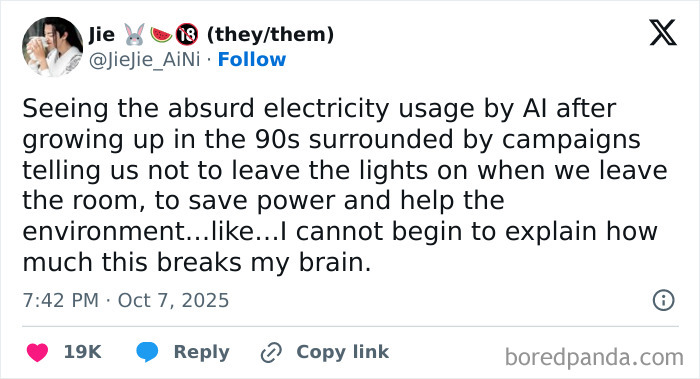
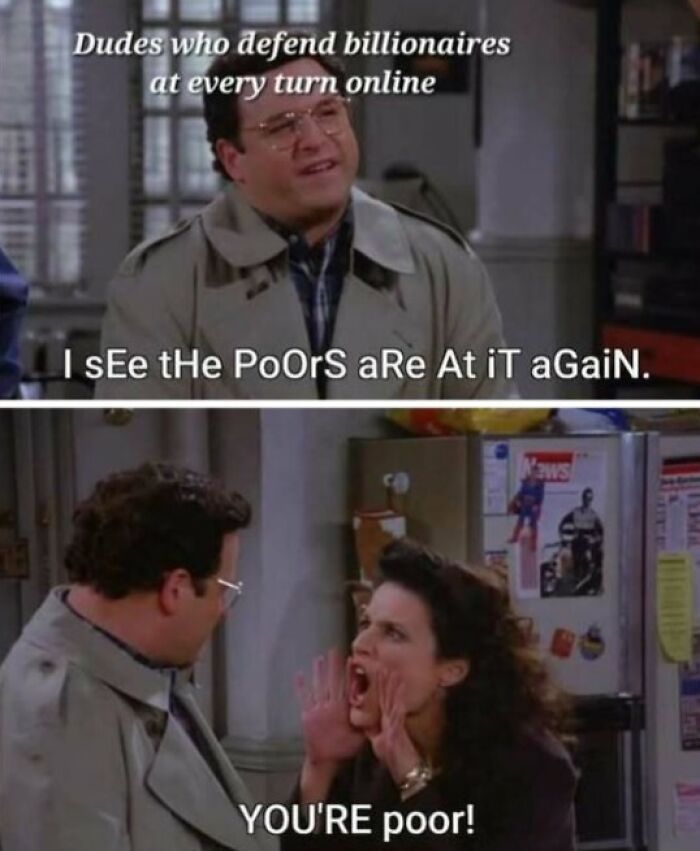
Oh, and don’t forget the constant watching - yep, surveillance everywhere - making sure nobody steps out of line. There’s always a big gap between the rich bosses and the poor working folks, and things feel pretty bleak for most.
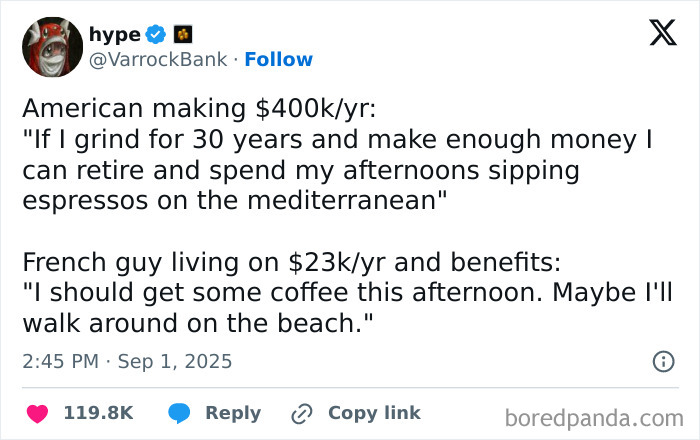
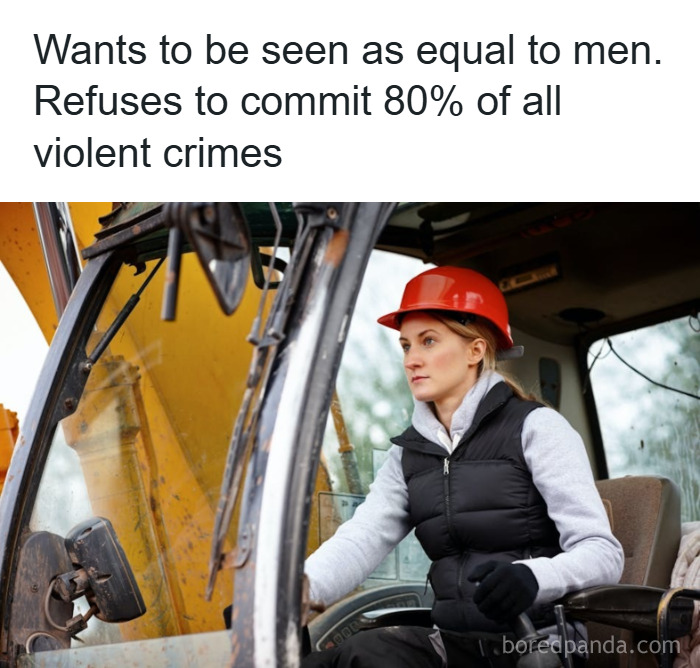
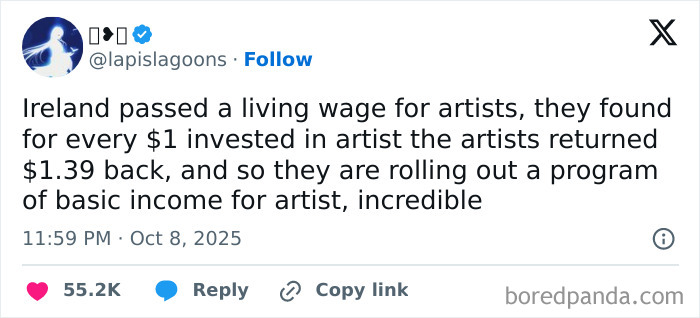
People in dystopias end up losing their uniqueness, forced to be ‘normal’ and follow ugly rules about equality that actually squash any awesomeness or talent. Plus, nature usually gets kicked to the curb, replaced by barren, messed-up environments.
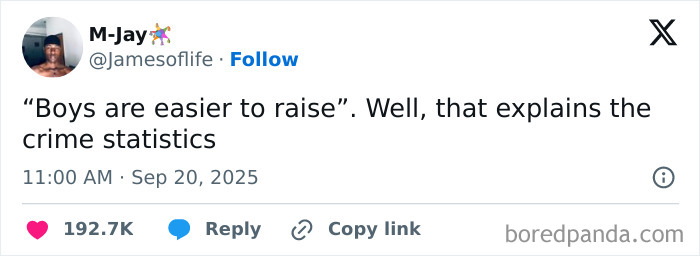
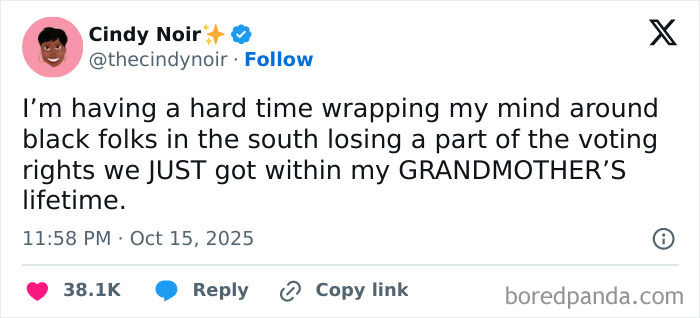
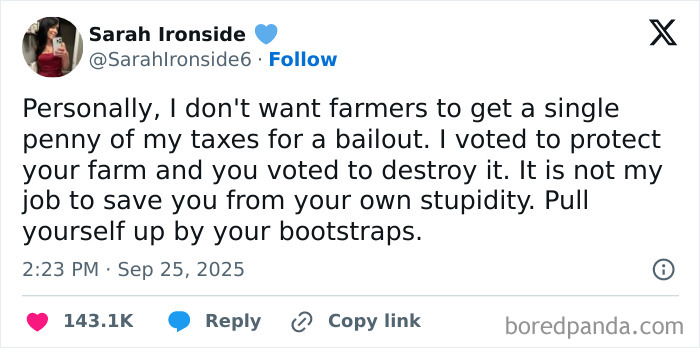
High-tech gadgets in dystopias? Sure, but they’re not for fun. They’re tools for control, keeping the illusion of a perfect society while hiding the messed-up real deal underneath.
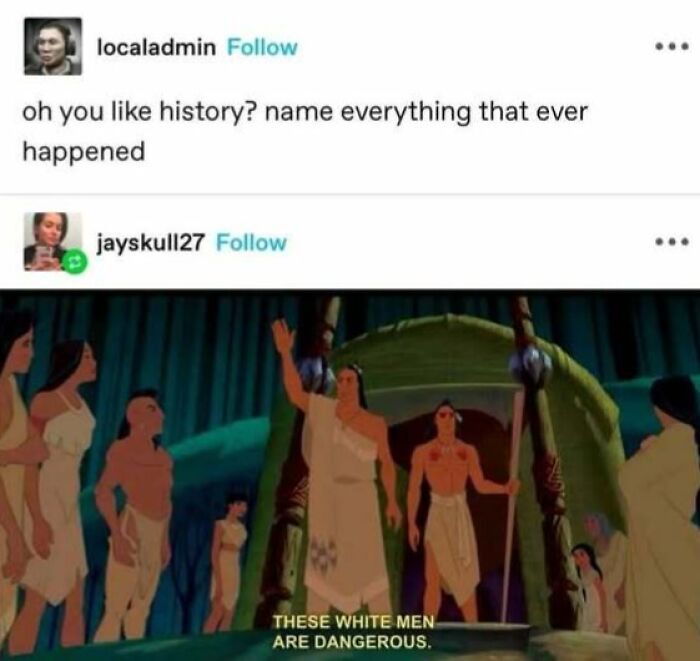
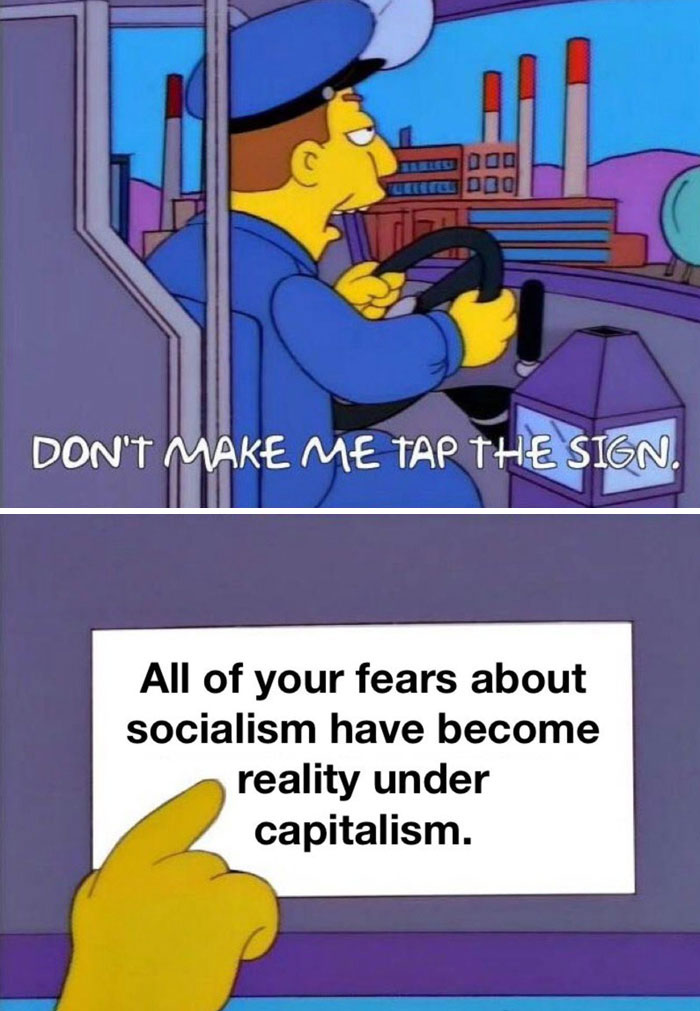
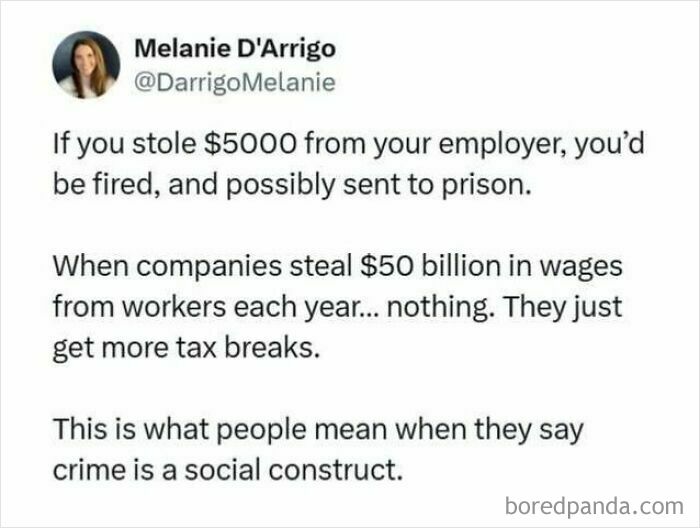
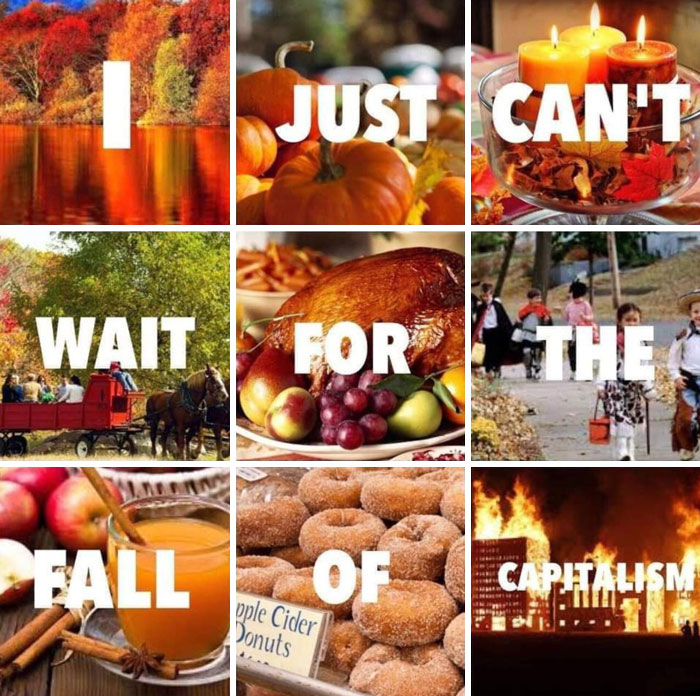
Dystopias crank up the worst-case scenarios to show us what could happen if we don’t watch out - often pointing at real-world problems and fears society has right now.
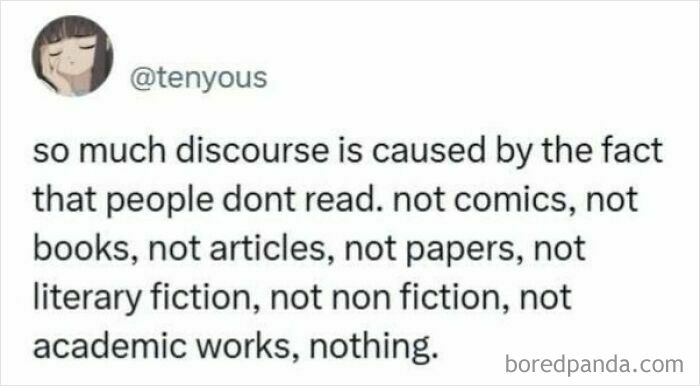
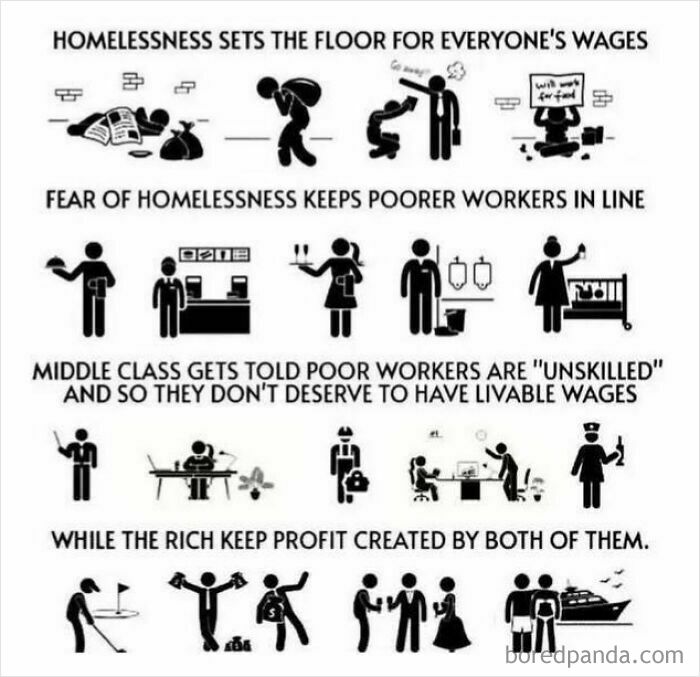
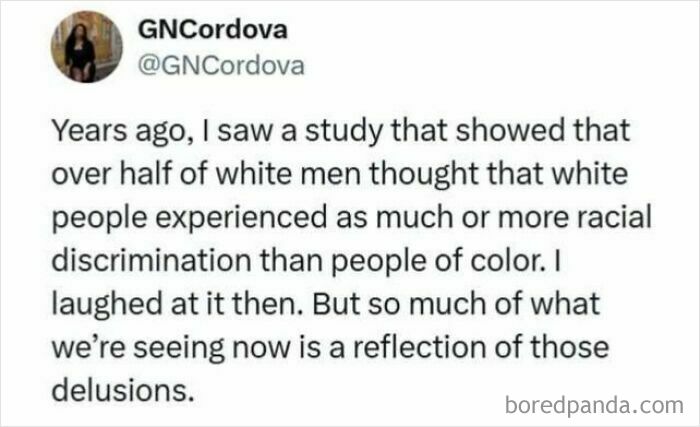
These stories are like warning signs, flashing big bright lights to tell us, "Hey! Don’t let this be our future!" So knowing where the word came from and what it means helps us get what these tales are trying to shout about power, tech, freedom, and us humans.











36
0