
 then open in external browser


 and click "Open in External Browser"
Here's a fun dive into some of the craziest weather moments ever caught on record. From freezing temps that make trees explode to nonstop storms raining down like the sky's throwing a tantrum, get ready to have your mind blown by Mother Nature's wild side. Let's jump straight into these 'no way that’s true!?'-level weather stories.
This post may include affiliate links.
Fargo’s Insane 93-Degree Temperature Drop in Just 15 Hours

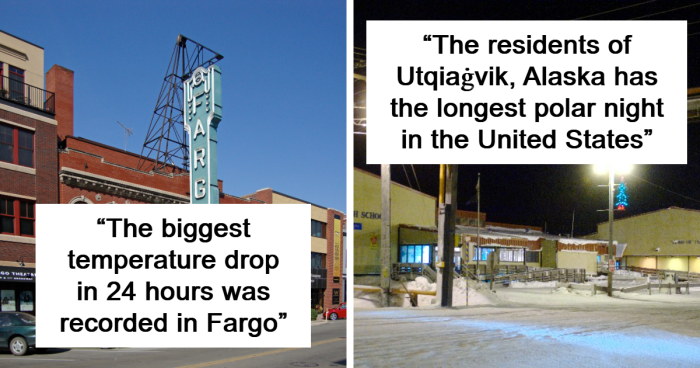
Back in 1972, Fargo, North Dakota went through a temperature rollercoaster like no other. In only 15 hours, the city went from a nice 54°F to a jaw-dropping -39°F. That’s a 93-degree nosedive! It got so cold, trees literally exploded because their sappy insides froze faster than their bark could handle. Water pipes weren’t safe either - they burst everywhere.

A Hailstone That Definitely Didn't Come to Play—Weighing Over 2 Pounds!

Bangladesh’s 1986 storm threw down hailstones so big and heavy you'd think they were giant ice grenades. These bad boys weighed a whopping 2.25 pounds each - about the size of a grapefruit. Unfortunately, they weren’t just impressive; they were deadly, causing almost 100 deaths. Ice balls from the sky? Yikes.
Cyclone Freddy: The Marathon Storm That Just Wouldn’t Quit
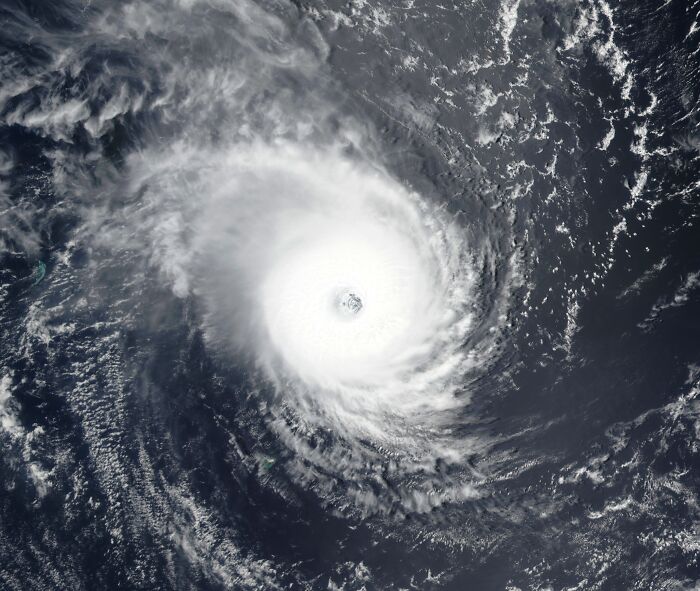
Cyclone Freddy barreled through the southern Indian Ocean for a record-breaking five whole weeks in 2023. It packed more punch than any storm ever recorded and sadly ended up as one of the deadliest cyclones in the Southern Hemisphere. Basically, Freddy was weather’s version of an endurance champion and a hurricane-level headache rolled into one.
Siberia's Super-Heavy Air: The Highest Pressure Ever Recorded
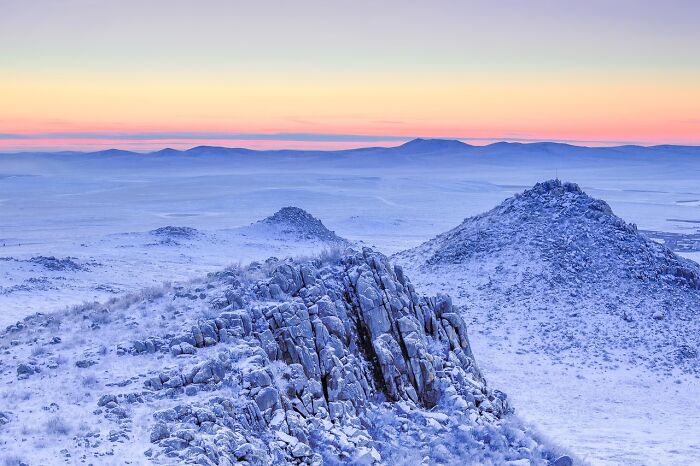
In 2001, Mongolia hit the jackpot of heavy air when it set the highest barometric pressure ever recorded on Earth - 32.22 inches of mercury! This pressure created a crazy cold, dense air dome that could bend light and even make engines struggle. Think of it as the atmosphere hitting the gym and showing off its strength over a huge chunk of Asia.
Fog's Ultimate Fan Club: Newfoundland's Grand Banks
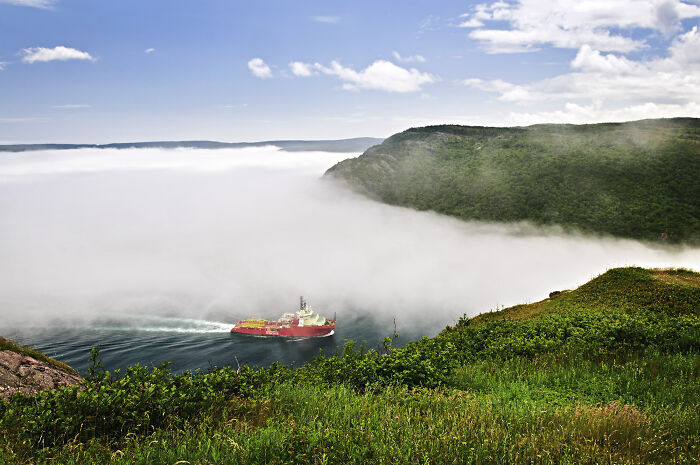
The Grand Banks off Newfoundland is basically the foggiest hangout on Earth. Where freezing cold Labrador meets warm Gulf Stream, it's like fog is playing nonstop. This spot gets fog almost 200 days a year, wrapping everything in a thick, mysterious blanket that gives it that moody, otherworldly vibe.
Alaskan Town Where the Night Lasts for 65 Days Straight
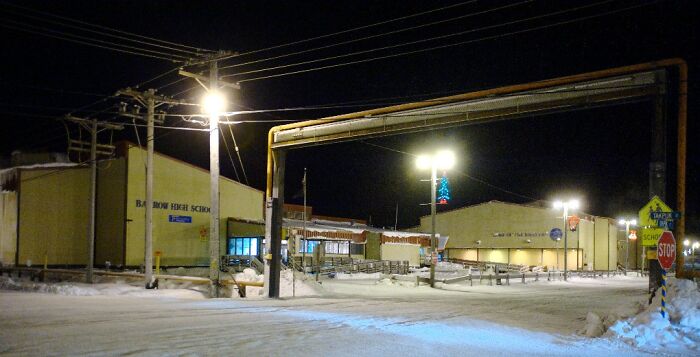
Meet Utqiaġvik, Alaska, where the sun takes the longest vacation ever - hiding out for 65 whole days starting in November! Residents cope with total darkness, battling cabin fever and vitamin D woes, but at least they get front-row seats to epic northern lights shows all winter long.
The Widest Tornado Ever? Yep, Oklahoma’s El Reno
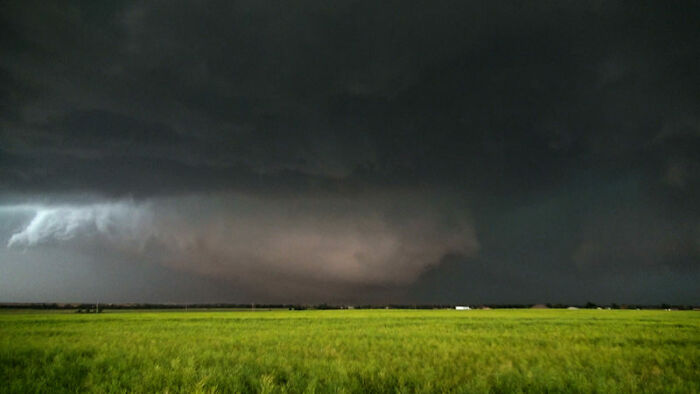
In 2013, El Reno, Oklahoma hosted a tornado so wide it could swallow small towns - 2.6 miles wide! This spinning giant wasn’t just big; it pounded the Earth with 301 mph winds, the fastest ever! It played tricks on storm chasers with multiple twisters dancing inside, making the chase chaotic and downright dangerous.
Venezuela’s Lake Maracaibo: Home to the Lightning Show That Never Ends
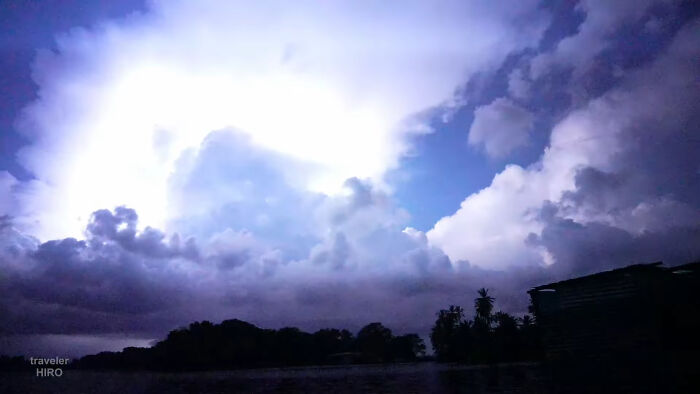
Over Lake Maracaibo in Venezuela, Mother Nature throws the ultimate lightning rave. The Catatumbo lightning flashes up to 160 nights a year, sometimes nonstop for nine hours straight, zapping the sky 40 times a minute. It’s like the clouds are throwing an electrifying dance party - and the whole world’s invited to watch.
Cherrapunji: Where It Rains So Much, Bridges Grow From Trees
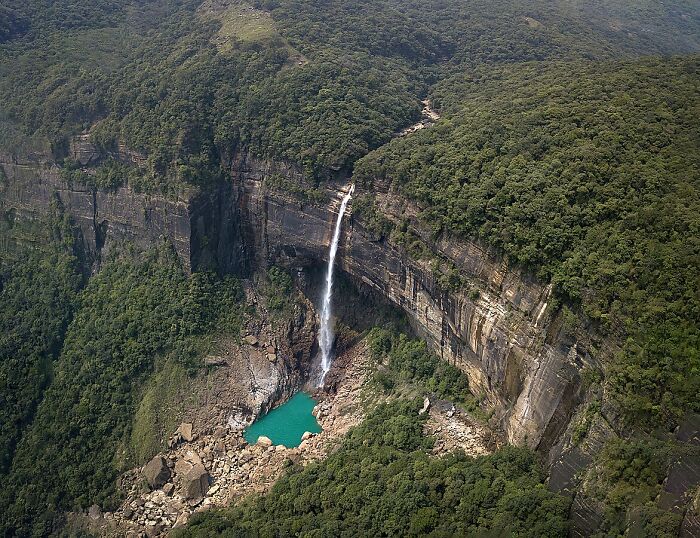
Cherrapunji, India, is basically the rain superstar of the world. It once soaked up an insane 86 feet of rain in just one year - that’s enough to drown a seven-story building! Locals got clever and grew root bridges out of trees that actually get stronger with all the rain. Talk about using nature's swag to your advantage.
Germany’s Cold-Water Geyser That Shoots Like a Fizzy Soda Pop
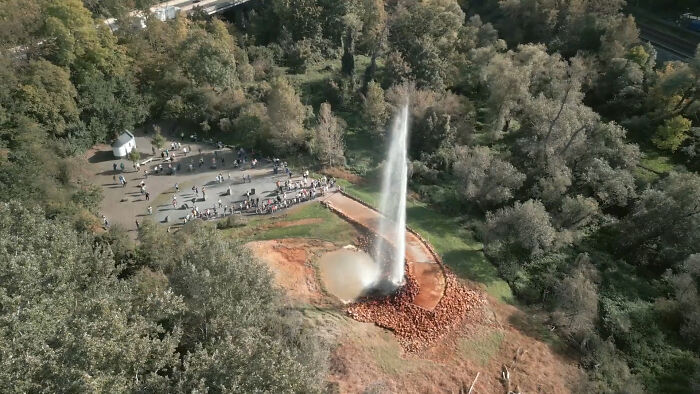
Unlike Yellowstone’s steamy spouts, Germany’s Andernach boasts the world’s tallest cold-water geyser - man-made, but seriously cool. Carbonated like a shaken soda, water gets shot up over 150 feet high, sometimes even hitting 200 feet. It’s like Mother Nature’s fizzy fountain show.
Europe’s Hottest Ever? Sicily Scorched the Thermometer in 2021

On August 11, 2021, Sicily turned up the heat to a new European level, hitting a brain-melting 48.8°C (119.8°F). That roasted Europe’s old heat record and made Sicilians sweat like never before. When you’re melting on an island, you know it’s serious.
Capracotta’s Epic 100-Inch Snow Dump in Just 24 Hours
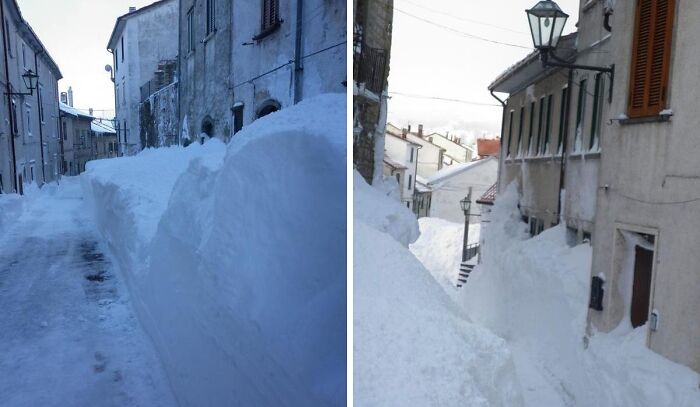
In March 2015, Capracotta, Italy, got buried under a mind-boggling 100.8 inches of snow in a single day. That’s like your car, your house, and maybe your neighbor’s house covered up in a giant fluffy white blanket so thick you’d need snowshoes to get out. Snow day? More like snow never-ending.
The Atacama Desert: Where Rain Took a 500-Year Nap
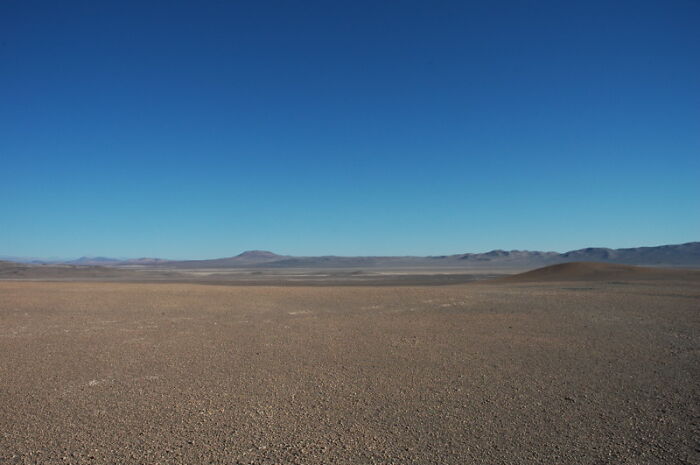
Chile’s Atacama Desert once went about 500 years with zero rain drops - yes, half a millennium without a single splash! Some places haven't seen rain in over 50 years. Nature still finds a way, though, with plants and critters swooping in on fog for a moisture fix. That’s desert survival at its sneakiest.
Montana’s Massive Snowflake: Bigger Than a Milk Pan!

In Fort Keogh, Montana, back in 1887, a rancher spotted a snowflake so huge it blew minds - it measured 15 inches wide and 8 inches thick. That’s not just a snowflake, that’s a snow-moon! Imagine catching that drifting down instead of the tiny flakes we usually get.
Canada’s Ice Giant: The Biggest Non-Polar Ice Field Ever
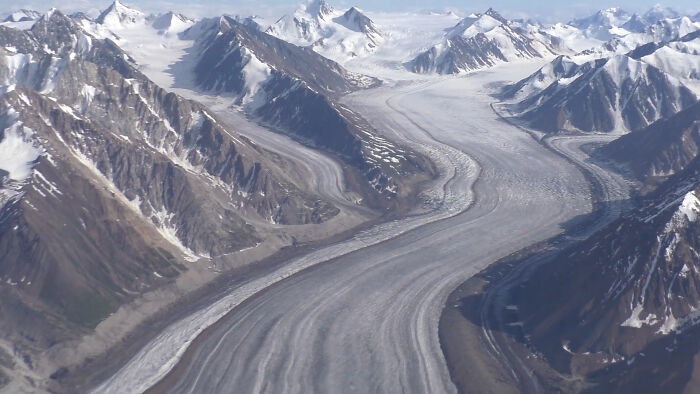
In Canada’s Kluane National Park, there’s an ice field so massive it covers half the park - 8,490 square miles of ice! It feeds glaciers stretching nearly 40 miles long, turning the place into a frozen kingdom that’s like the Big Ice Field boss-level you don’t want to mess with.
Vivian, South Dakota’s Volleyball-Sized Hailstone
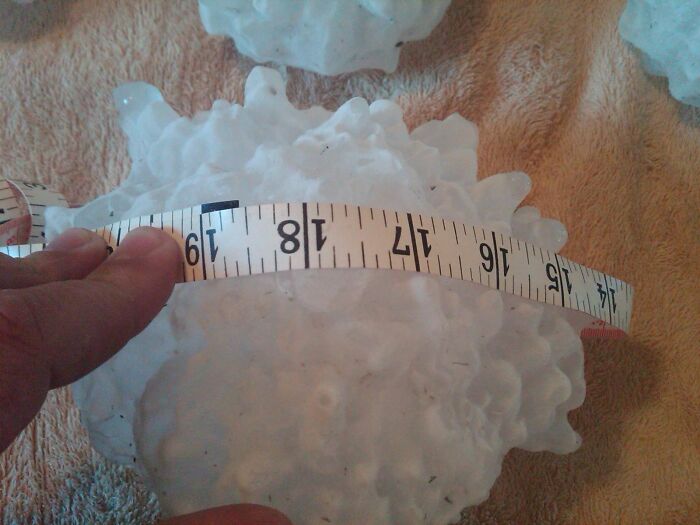
In 2010, Vivian, South Dakota got hit with a hailstone so big it looked like a volleyball dropping from the sky - 8 inches across! It was the biggest hailstone ever officially recorded in the US and was melting by the time scientists saw it. Bet it made quite the sound when it smashed down.
Death Valley’s Sizzling 134°F Heat Record (Yep, That’s Hot!)
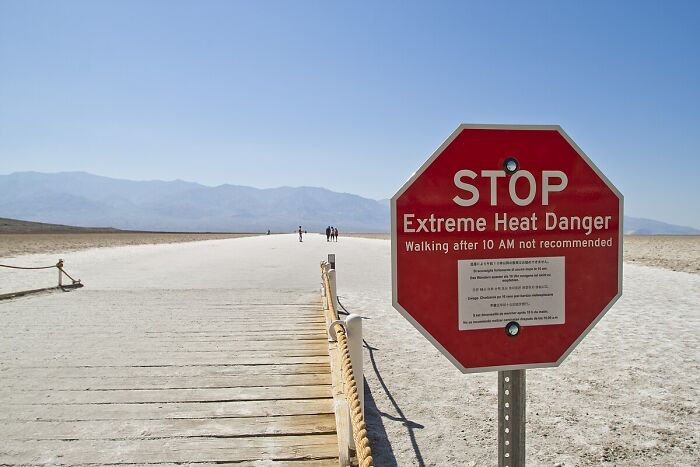
In 1913, Death Valley proved why it’s the desert’s heavyweight champ, hitting a sizzling 134°F - the hottest reliably recorded air temperature on the planet. The ground? It got so hot you could fry an egg on it at 201°F. No wonder even nights didn’t cool off much - it’s like the Earth was on a permanent sauna setting.
Antarctica’s Mind-Boggling -144°F Freezefest
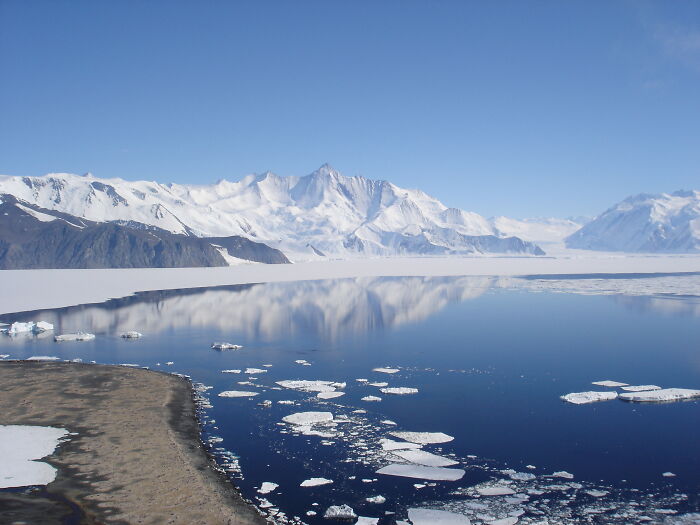
The coldest spot ever? Antarctica, where satellites spotted a brutal -144°F in 2010. That’s so frigid it can freeze CO2 straight into dry ice. Breathing there feels like sucking on ice, and your breath turns instantly into sparkling diamond dust. Talk about chill!
Hawaii’s Mount Waialeale: Where It Rains Forever
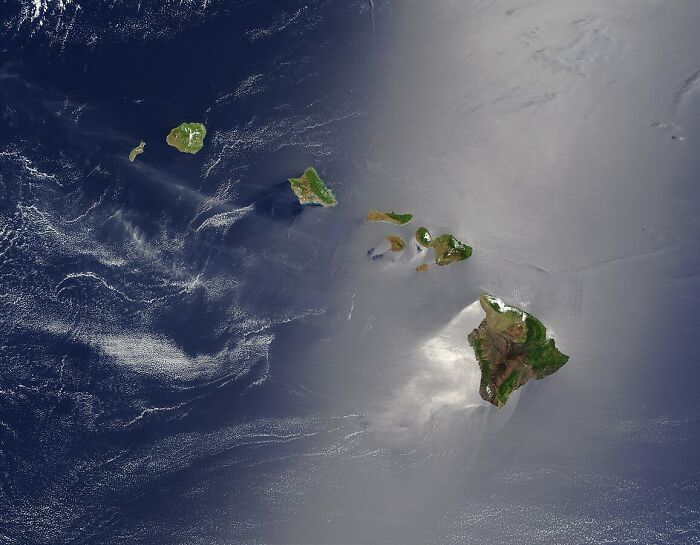
If you think Hawaii’s all sun and beaches, think again! Mount Waialeale on Kauai gets about 350 rainy days a year. That peak traps moisture like a pro and showers the place nonstop, creating super-lush valleys and waterfalls galore. Plants here don’t just survive the wet - they thrive!
Typhoon Tip: The Gigantic Tropical Cyclone That Dominated the Sky
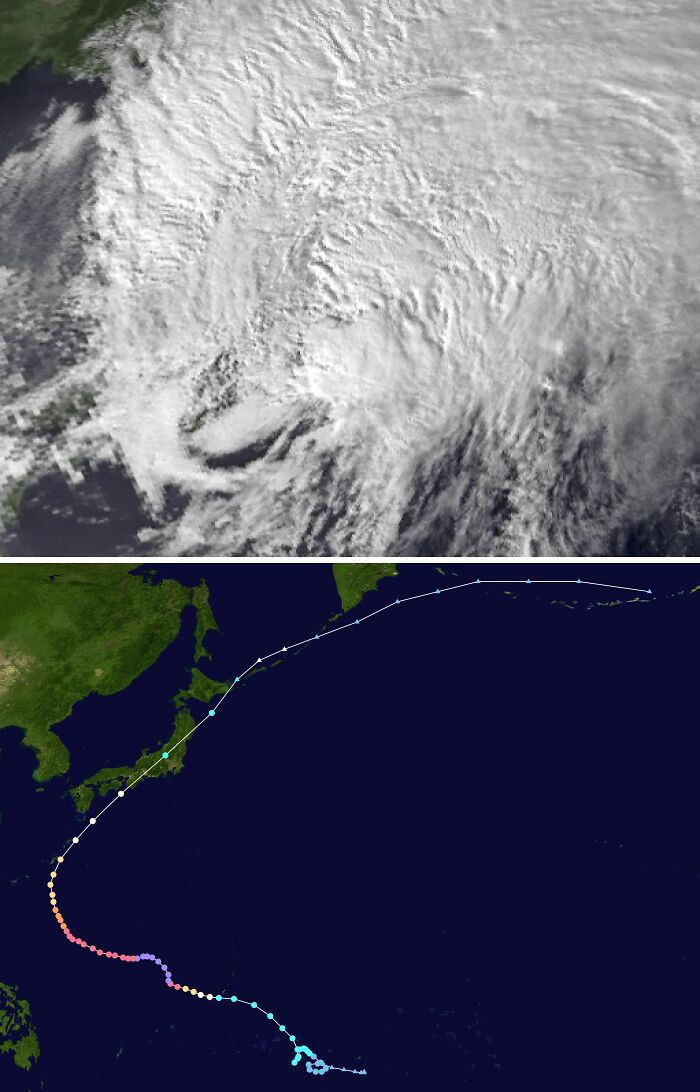
In 1979, Typhoon Tip showed up like a boss - stretching an epic 1,380 miles across! That’s practically half the width of the US. Not only was it enormous, but it also slammed with the lowest sea-level pressure ever recorded, making it the ultimate tropical storm heavyweight.




Réunion Island’s 72-Inches-of-Rain-in-24-Hours Shocker
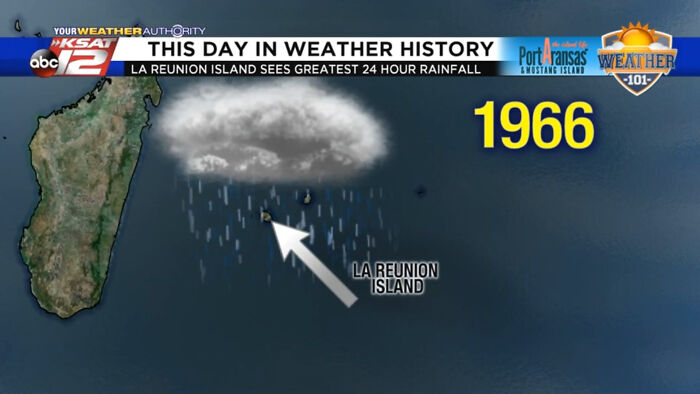
On Reunion Island, January 7-8, 1966, a slow-moving cyclone dumped an unbelievable 71.8 inches of rain in just one day. It’s like the sky opened the faucet and forgot to turn it off - talk about a soggy situation!
UV Alert! Chile and Bolivia’s Epic 43.3 UV Index
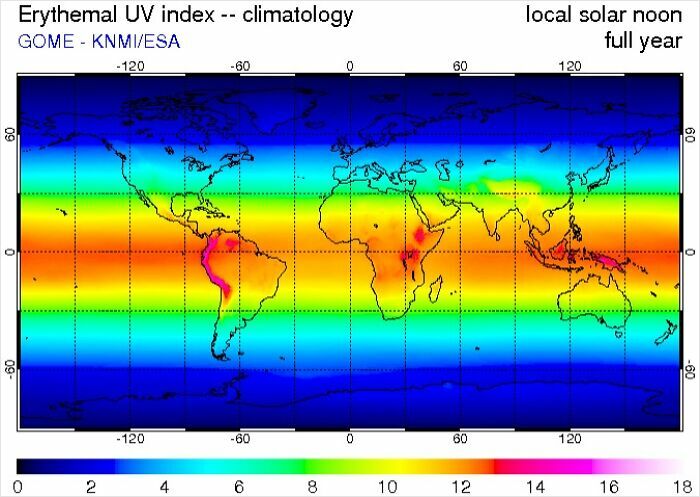
Back in 2003, at a volcano on the Bolivia-Chile border, the UV rays cranked up to a mind-blowing 43.3. That’s so intense you could get a sunburn in four minutes flat. Hats - better grab yours, and slather on that sunscreen!
Cyclone Olivia’s Record-Breaking 253 MPH Wind Gust
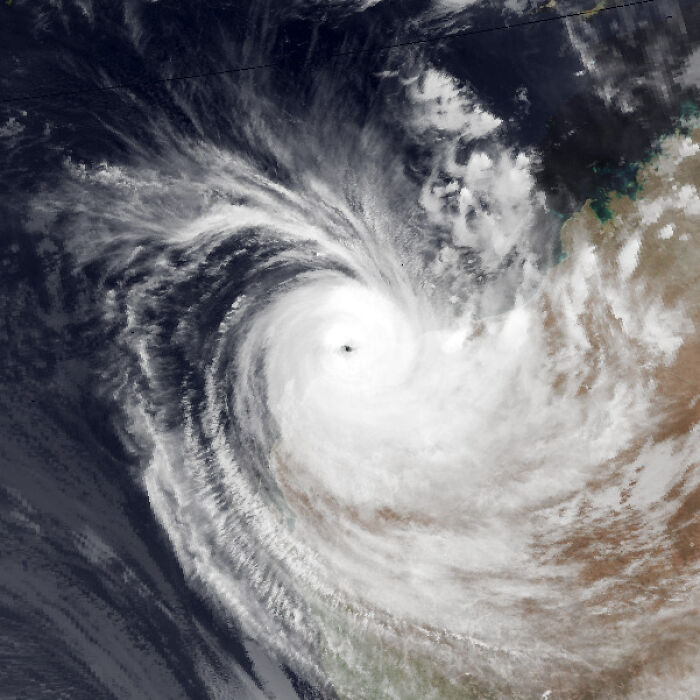
Cyclone Olivia stormed through Australia in 1996 and threw down the fastest non-tornado wind burst ever recorded - a terrifying 253 mph gust. That’s like Mother Nature pressing the turbo button! It was so wild, the World Meteorological Organization gave it the official stamp of crazy.
Unionville’s 1.23 Inches of Rain in Just One Minute
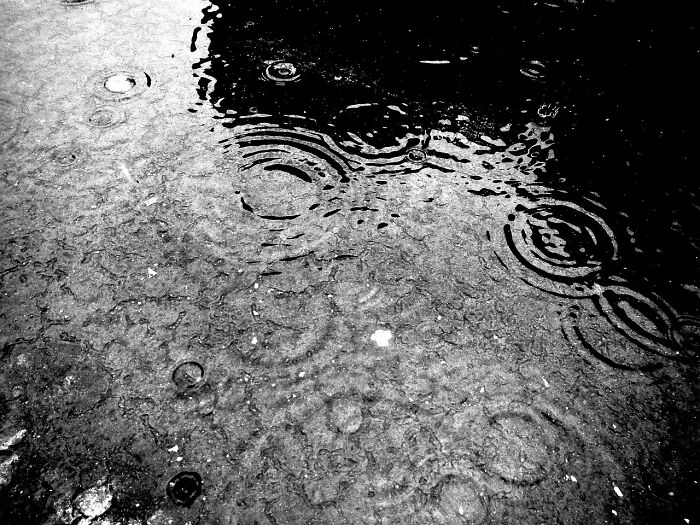
On July 4, 1956, Unionville, Maryland got hit with a crazy rain downpour - 1.23 inches in just 60 seconds! That’s like a mini-deluge falling so fast it’d leave you drenched before you even blinked.




The Tri-State Tornado’s Nightmare Cruise: 219 Miles of Destruction
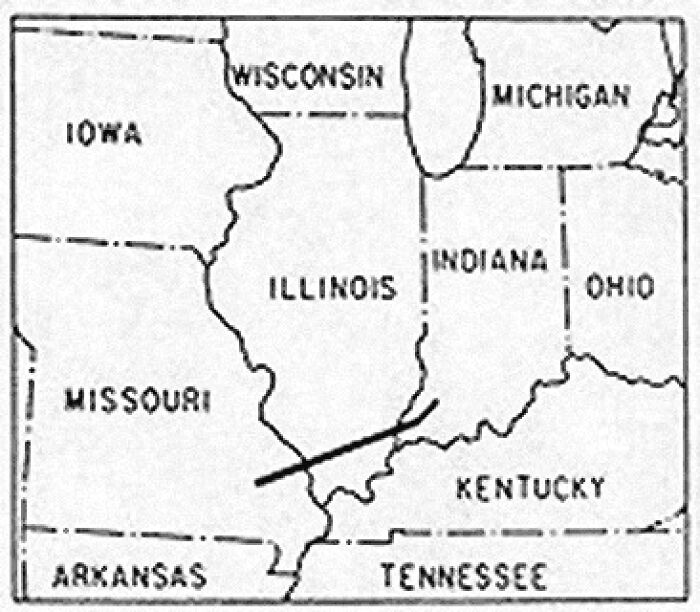
In 1925, the Tri-State Tornado went beast mode, carving a nonstop 219-mile path from Missouri to Indiana in 3.5 hours. It’s the deadliest and longest trail of tornado destruction in US history - a real-life tornado marathon you wouldn’t want to be part of.
Yuma, Arizona: The Place Where the Sun Never Takes a Break
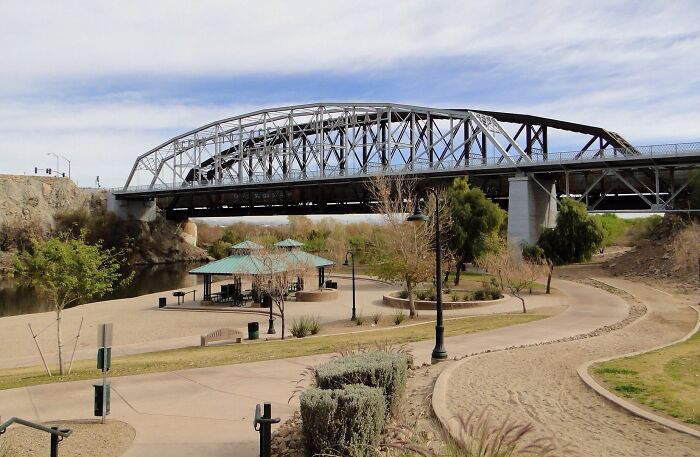
Yuma’s got sunshine in the tank like no other - catching rays an unbelievable 90% of daylight hours yearly. That’s around 4,000 hours of sun, making Seattle’s gloomy days look like a bad joke. Shade is a city’s best friend here, and plants there basically sunbathe all day.
Mount Washington’s Wind That Broke the Speed Limit (Hard)
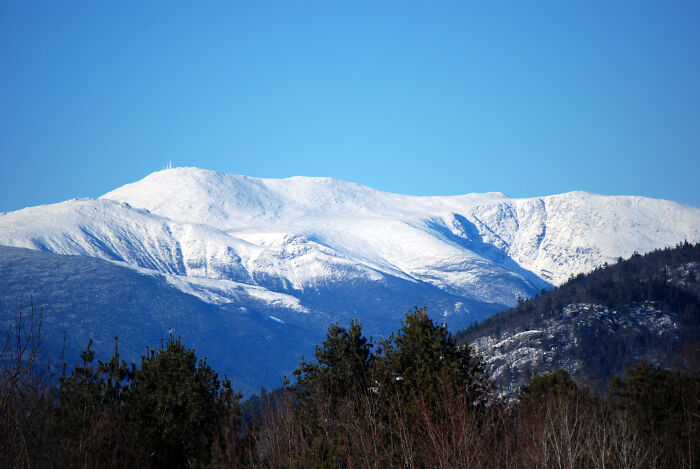
Mount Washington in New Hampshire blew away wind records in 1934 with a 231 mph gust that held strong for 62 years. Its special mountain spot turns into a wind tunnel that’s like the world’s most epic hairdryer. The observatory there is chained down tight - because those winds want to blow everything away!
Death Valley’s Crazy Dry Spot Just 76 Miles from Rainy Peaks
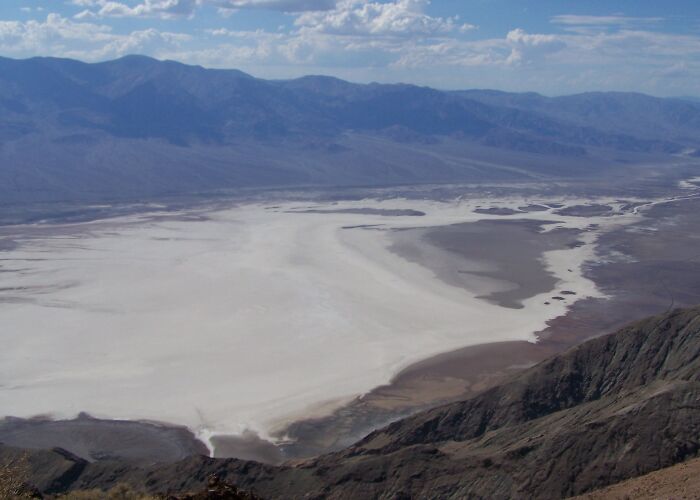
Death Valley sits in a massive rain shadow, getting less than 2 inches of rain a year despite being only 76 miles from Mount Whitney’s snowy peaks. Mountains block the moisture, turning the valley into a sunbaked salt flat where rain is so rare, it just makes salt piles bigger. Crazy contrast in just a short drive!




That Storm Near Greenland That Blew All Northern Records Away
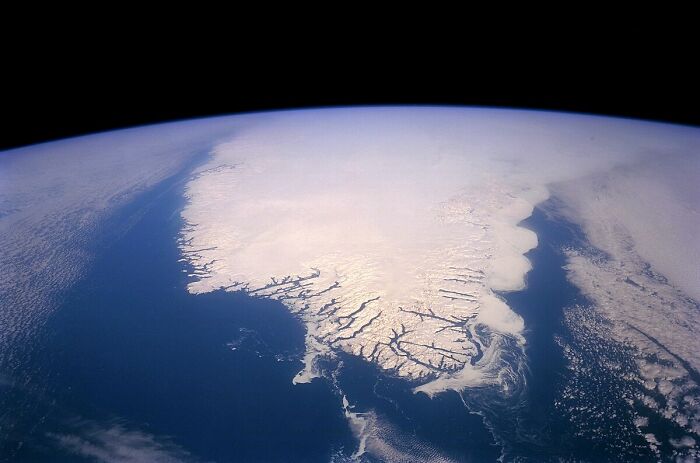
In 2020, a monstrous storm near Greenland set a Northern Hemisphere record for the lowest pressure ever measured, whipping up waves over 100 feet tall and hurricane-force winds. It was so wild it even pulled sea spray hundreds of feet into the air. Nature’s way of flexing? Absolutely.
Tampa Bay: The Lightning Capital of the U.S.
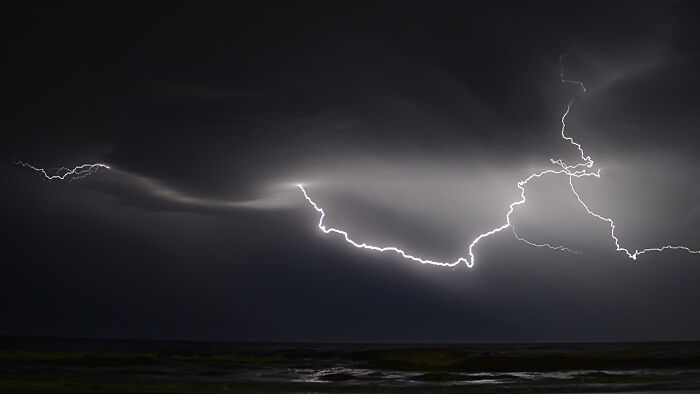
Tampa Bay’s got lightning on lock, averaging 83 strikes per square mile every year. Thanks to its perfect stormy setup, it’s the go-to place for thunder and lightning fans - and a hotspot where buildings have to be ready for bolts at any time. Lightning here is basically a daily guest star.
Texas’ $7 Billion Drought Disaster
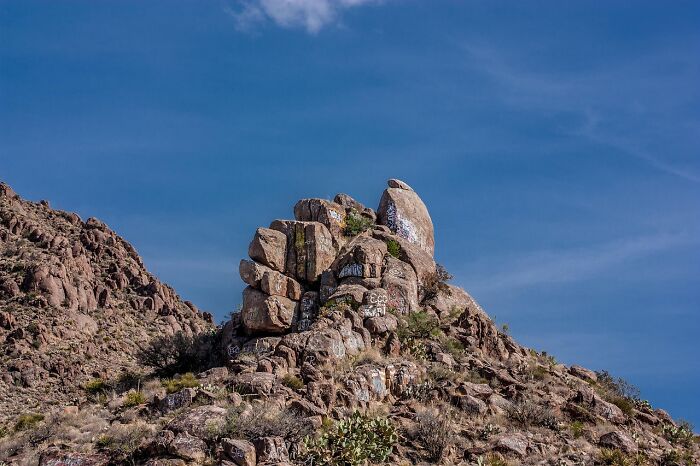
The 2011 Texas drought didn’t just dry stuff up - it racked up a whopping $7 billion in agricultural losses. It brought the driest seven months the state has ever seen and even killed 300 million trees. The ground cracked so much, it messed with building foundations. If droughts were a villain, this one would be a true heavyweight champ.


51
0