
 then open in external browser

 and click "Open in External Browser"
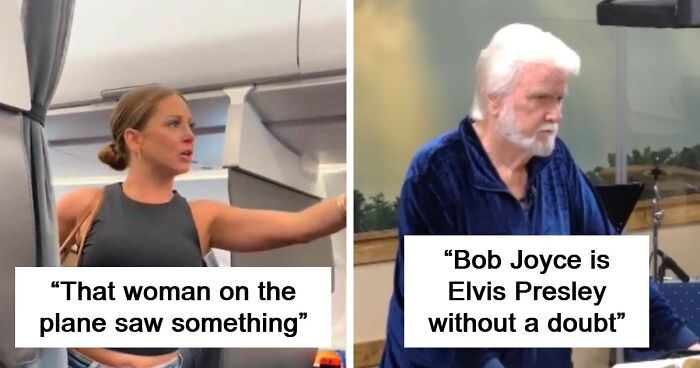
Alright, here’s the scoop: some folks swear there are secret cities under Antarctica. Others think the government is out there controlling hurricanes like a DJ spins tracks. And yeah, some still claim the moon landing was a Hollywood gig.
There’s no shortage of truly bonkers conspiracy theories floating around. The internet’s like a megaphone for these wild ideas, and people just can’t stop sharing them.
We even dove down a few rabbit holes ourselves - and yep, it ate up way more time than we expected. Buckle up, because these are the weirdest, funniest, and craziest theories people actually believe!
This post may include affiliate links.
The theory goes that stuff like homophobia, racism, and sexism are distractions cooked up so regular folks fight amongst themselves instead of noticing what the rich elites are really doing.

Supposedly, the government doesn’t want us getting too smart or thinking critically because it might expose their sneaky moves. So they keep education weak so we buy whatever story they sell.
Back in the day, conspiracy theories were passed along via whispers, late-night radio, or famous tabloid mags. People chatted about UFO crashes in the 40s and wondered if Bigfoot was real. Those stories spread slow but steady.
Today? They zoom around faster than your favorite meme.
Dr. Karen Douglas (yeah, a real brainiac) says social media makes it super easy to find and share conspiracies. If you’re into them, they’re basically handed to you on a silver platter.
Once these theories pop up, they’re hard to squish - especially since there’s still a bunch we just don’t know. And once someone’s in, good luck convincing them otherwise!
Some believe America’s heading down a dark path similar to what happened in 1940s Germany. Yikes.
This one says smartphones aren’t just distractions—they’re like invisible chains holding us back from being better humans.
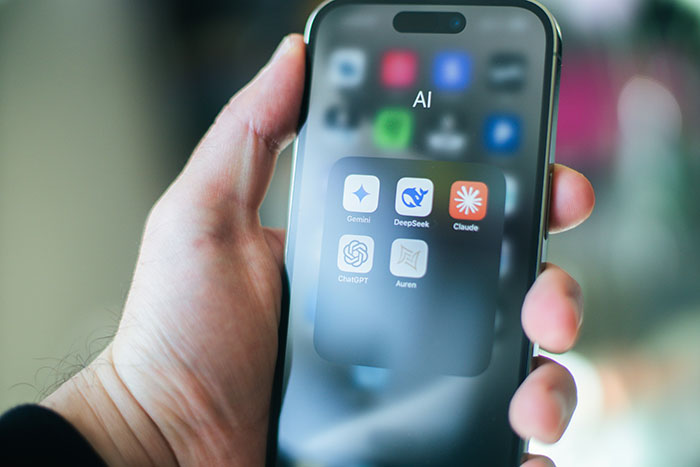
The theory suggests AI is designed to look so insanely real that soon, nobody will trust anything they see anymore. Wild, right?
Believe it or not, buying into conspiracy theories doesn’t mean you’ve lost it. Turns out, it’s more about how we process the world.
Dr. Douglas points out people chase conspiracies to satisfy a need to know the truth, feel safe, or just belong somewhere.
So, when life gets messy, people want answers - even if they’re a bit out there.
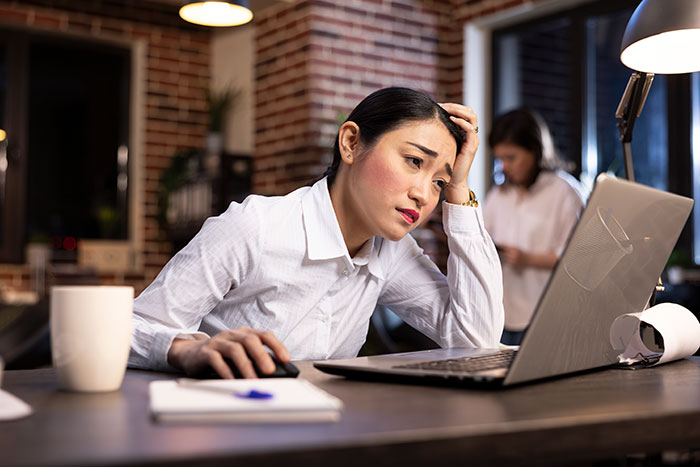
Some say humans’ modern lives are so weird and restrictive, we’ve developed ‘zoochosis’—basically going crazy like animals in captivity.

Turns out, people believe Epstein Island was just the tip of the iceberg. There are supposedly thousands more creepy islands hiding secrets.
Big events like pandemics or elections throw everyone off. Conspiracies swoop in offering a neat villain to blame and simple answers.
Dr. Douglas says that’s why these theories explode when stuff gets wild - people hate not knowing what’s up and assume there’s always a bigger secret.
The claim here? Epstein wasn’t the top dog—he’s just the guy who wrote down all the dirty secrets.
Apparently, celebrities don’t really name their kids those outrageously weird names. Those are just public versions to keep their real identities safe.
Some believe children naturally see and talk to spirits, but they lose this ability thanks to peer pressure and doubt as they grow up.
Surveys show loads of people believe at least one conspiracy. For example, over half of Americans think the JFK assassin didn’t fly solo.
On the flip side, fewer believe the government’s secretly microchipping folks via vaccines. Guess some ideas fly better than others!
The theory says the real 'E files' are so explosive, revealing them would cause worldwide outrage and—gasp—unite everyone, which powerful folks don’t want.


Heads up: these theories aren’t just funny chat fodder - they can actually mess with people’s lives.
Dr. Douglas warns they’ve been tied to prejudice, risky health choices, and even extreme political actions.
So yeah, some of these ideas may seem harmless, but watch out - they can lead folks down a pretty scary path.
The idea here is schools slowly drop important lessons so future generations won’t catch on to what the government’s pulling behind the scenes.

Some say society is training us to stay calm and not freak out when awful things happen, making us numb.
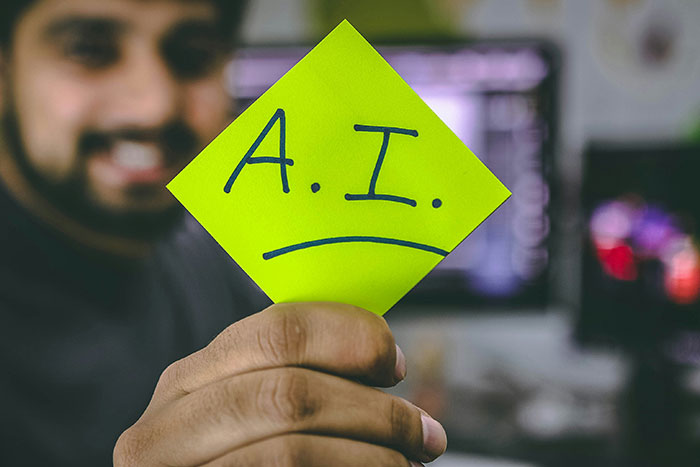
Believe it or not, AI isn’t new—it’s supposedly existed, hidden away, long before the public even heard about it.
If you chat with a conspiracy believer, don’t be a jerk. They can feel pretty left out already.
Dr. Douglas suggests staying calm, listening, and remembering these folks usually know tons about their favorite theory. They’re tricky to convince otherwise - kind of like debating a super fan!
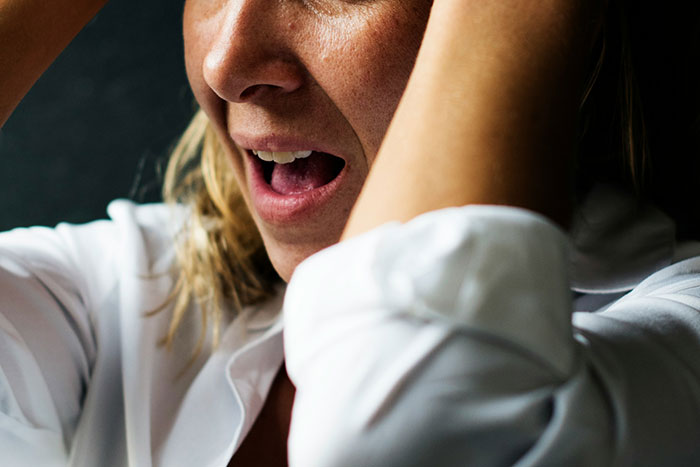
Remember the model who bolted from a party screaming they were eating humans? This theory says she was 100% legit.




Why do bad stuff hit right when things are going great? Maybe, just maybe, it’s because we’re stuck in a simulation and it’s all planned.
Post-COVID vibes say time’s speeding up, everything feels off, wars are popping off—basically, something huge is on the horizon.
Many conspiracy buffs see themselves as truth detectives and think everyone else is clueless sheep.
Dr. Douglas says you might try flipping the script by asking them to double-check their sources - like “Where’d you hear that? Is it solid info?” It might make them rethink things (or at least slow down a bit).
This one’s a big claim that Kenneka Jenkins’ freezer death wasn’t just a random accident or her own doing.
Some folks swear vampires and witches aren’t just stories—they’re 100% real, and there’s proof somewhere.
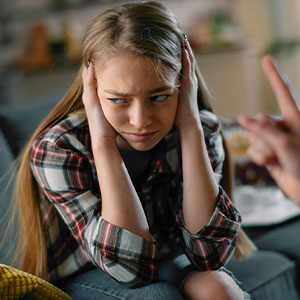
The idea is some celebrities stage their own deaths because it’s the only way to finally get peace and privacy.
Bold, scary claims travel far and wide. Platforms love content that stirs up feelings - even negative ones.
Professor Lewandowsky says this emotional charge helps conspiracies outshine real facts online.
Case in point: the anti-vaccine rumor linking MMR shots to autism stuck around way too long, even after being totally debunked, causing real harm.


30
0