
 then open in external browser

 and click "Open in External Browser"
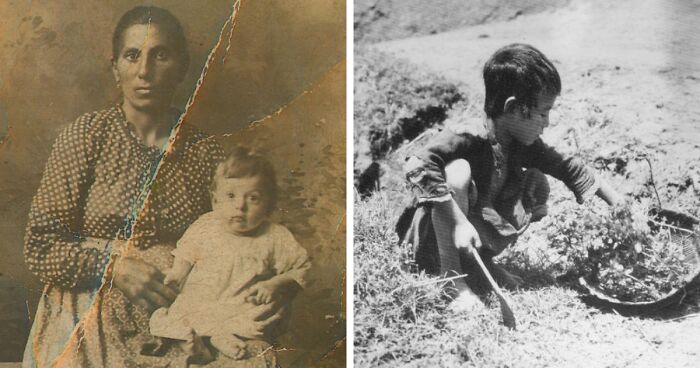
Hey! Today we’re diving into some of the nastiest, roughest years people have ever faced. Spoiler: some of these were absolute chaos, and they make our troubles seem pretty chill by comparison.
Let’s jump right into 20 historical years when everything went sideways - think plagues, famines, volcanoes, and all sorts of disasters that pushed humanity to the edge.
This post may include affiliate links.
The Justinian Plague: History’s Mega-Sickness (541-542 AD)
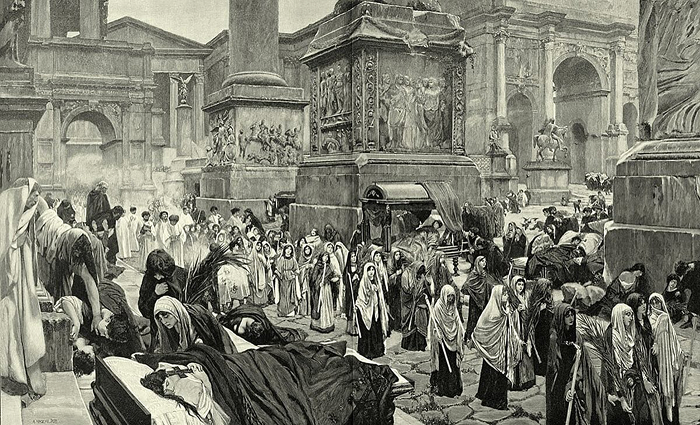
Back in 541 AD, the Justinian Plague crashed the party hard, wiping out tens of millions across the Byzantine Empire. Graves filled up, and bodies were literally stuffed into city walls like it was a grim game of Tetris.
Trade routes and cities? Totally wrecked in just weeks. Families feared each other so much that some even ditched their own relatives.
This plague was the OG of pandemics, so nasty that early quarantine rules were born just to try and contain it all.

Irish Potato Famine: The Spud Disaster that Shook the World (1845-1852)
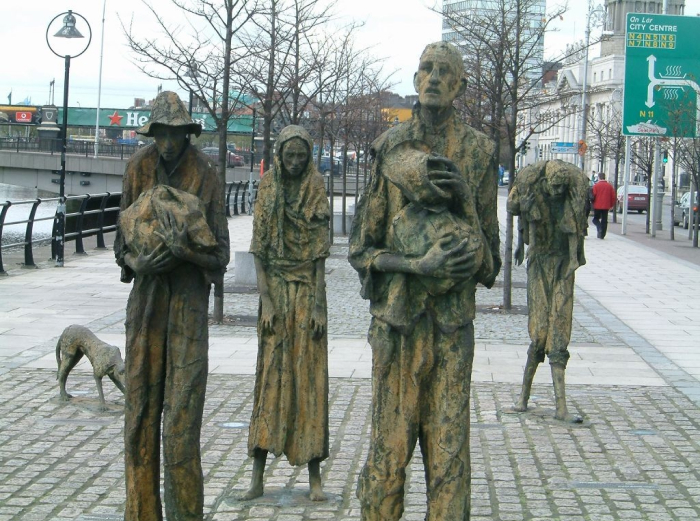
The potato got banned by blight and millions of Irish people starved over a brutal seven years. The British government basically hit snooze while folks suffered and died.
People watched their kids fade away, and bodies sometimes just lay around ’cause folks were too weak to bury them.
This famine uprooted millions, sending waves of Irish to the US, Canada, and Australia - basically a massive forced vacation that shook up the world map.
Great Chinese Famine: The Agricultural Oops (1959-1961)
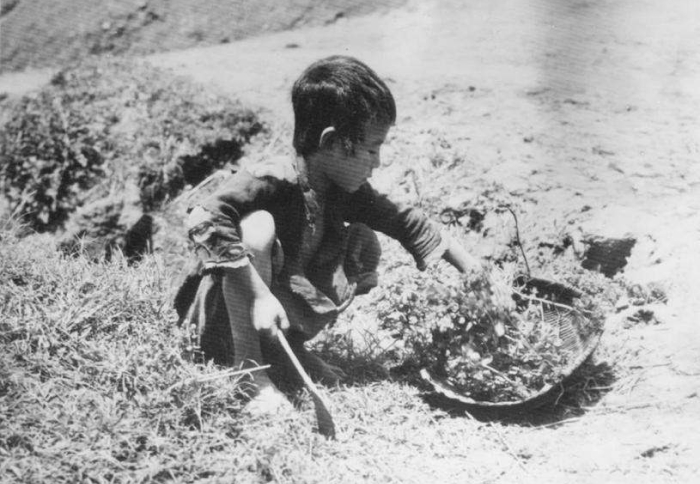
1959 saw China’s ambitious farming plan go sideways in a huge way. Communal farming sounded cool but ended up wrecking crops and starving 30 million people.
People scraped by on leaves, bark, and dirt to survive. It was a man-made food disaster on a scale that’s simply mind-blowing.
After a disaster this big, China ditched the failed farming style and learned just how important honest numbers and good planning really are.
Armenian Genocide: History’s Tragic Darkest Hour (1915)
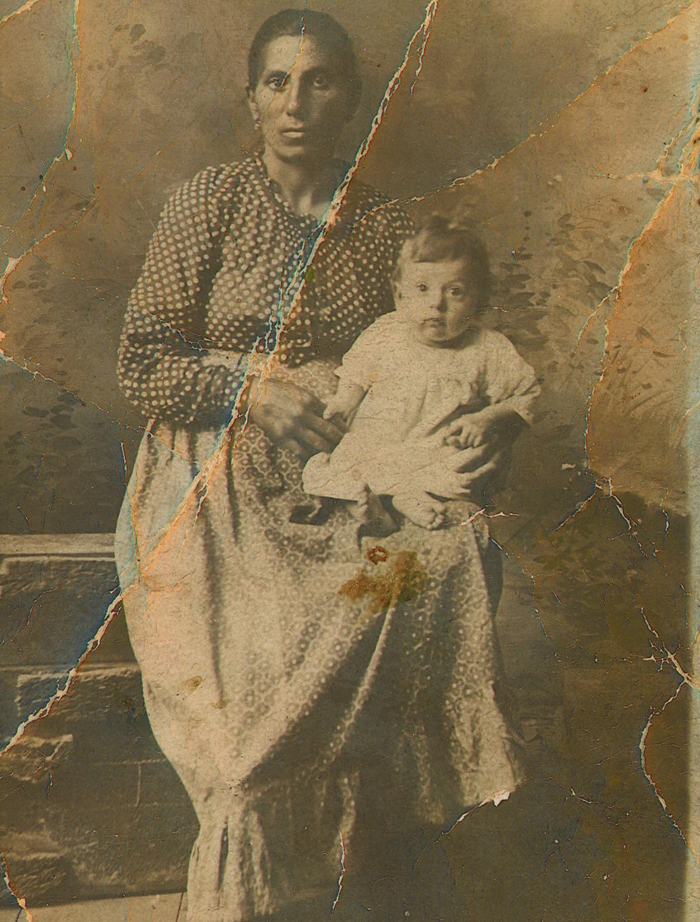
In 1915, the Ottoman Empire decided to go full horror, deporting and killing 1.2 million Armenians. Death marches, camps, and betrayals turned neighbors into nightmares.
Survivors shared gruesome stories of bodies strewn on roads and lost generations. This horror was so intense it actually gave birth to the word 'genocide'.
Rwandan Genocide: Devastation in 100 Days (1994)
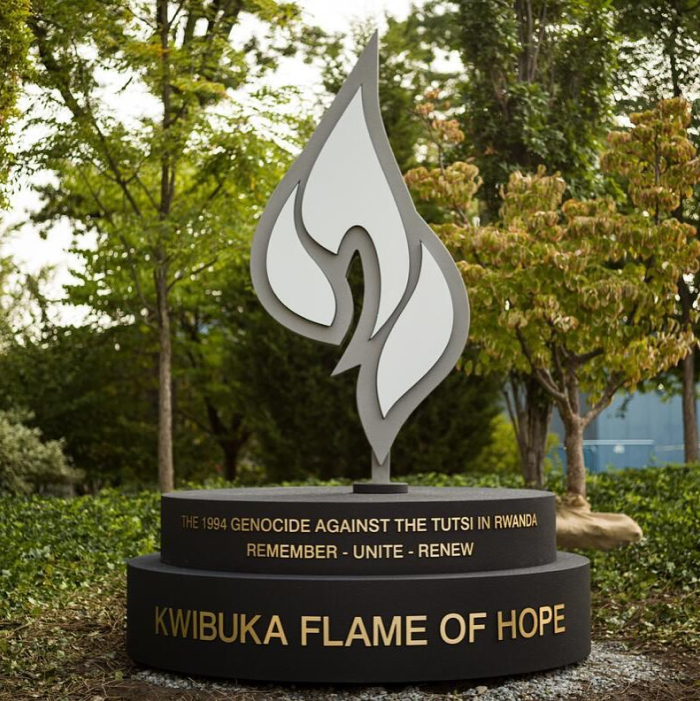
In just 100 days, Rwanda went from neighbors to nightmare, as 800,000 people were brutally killed in a horrific genocide fueled by hate.
People hid, betrayed, and fought for survival. The trauma still echoes today, but Rwanda has since become a shining example of healing and peace-building.
Late Bronze Age Collapse: The Great Civilization Meltdown (1200-1150 BC)
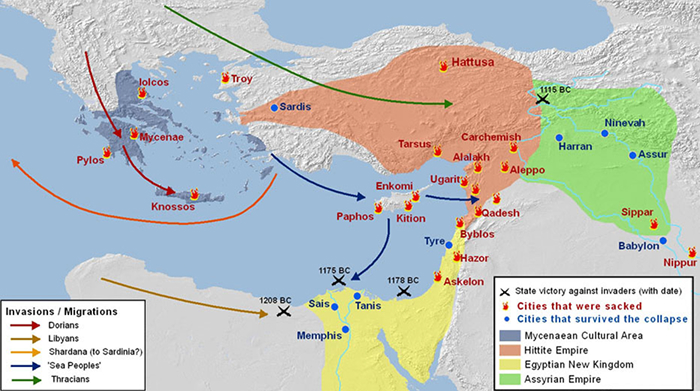
Around 1200 BC, several major civilizations in the Mediterranean just up and vanished. Cities burned, trades stopped, and rulers couldn’t hold it together.
The Mycenaeans and Hittites? History says goodbye.
On the bright side, this ancient disaster cleared the way for the Iron Age, which led to cooler, more flexible societies down the line.
Late Antique Little Ice Age: The World Without Sun (536 AD)
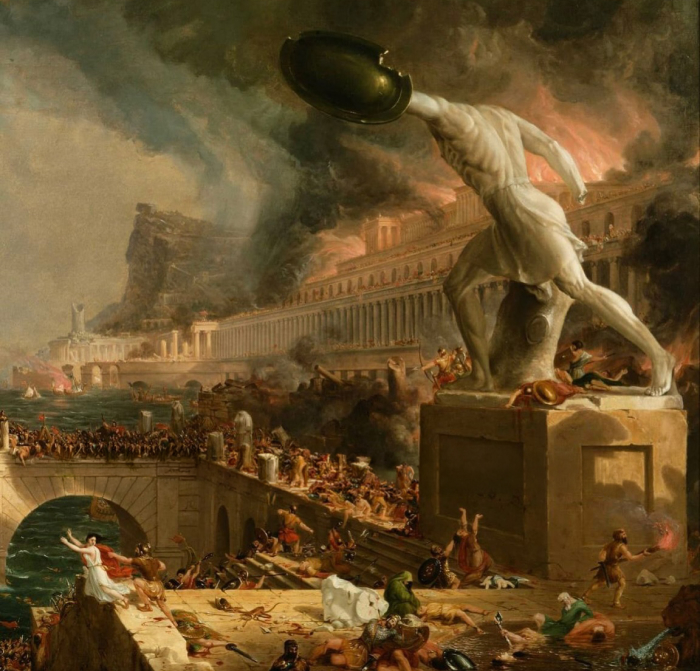
Ever wonder what the worst year ever looked like? In 536 AD, a mysterious fog blocked out the sun, making half the world gloomier than a Monday morning.
Volcanoes were the culprits, crops failed, and people were cold and hungry.
This dark decade gave us the term 'Dark Ages' and kicked off early climate watching, because humans realized nature wasn’t messing around.
Black Death: The 6-Year Plague Party Nobody Wanted (1347-1353)
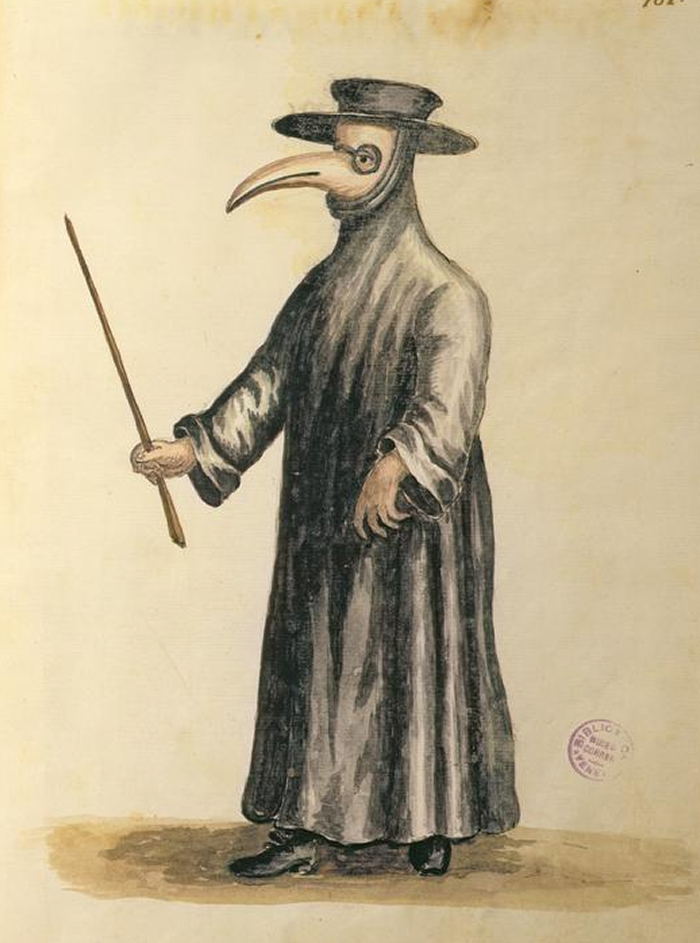
The Black Death went viral in the worst way possible, killing up to 200 million people in just six years.
People dropped like flies, often without warning, and society got flipped upside down.
Thanks to the labor shortage it left behind, feudalism took a huge hit, and Renaissance vibes slowly started creeping in.
The Holocaust: Humanity’s Darkest Lesson (1941-1945)
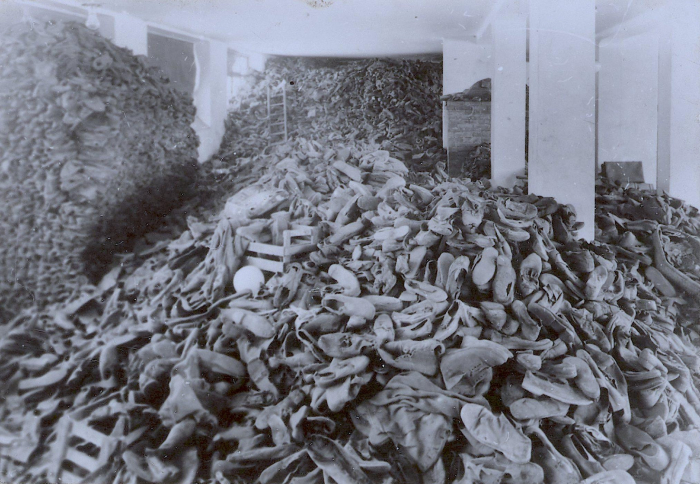
Between 1941 and 1945, millions were brutally murdered by the Nazis in one of history’s most horrific chapters.
The terror was unimaginable, but from this darkness came the birth of the United Nations and the idea that everyone deserves human rights.
Toba Supereruption: The Volcano That Almost Wiped Us Out (74,000 BC)
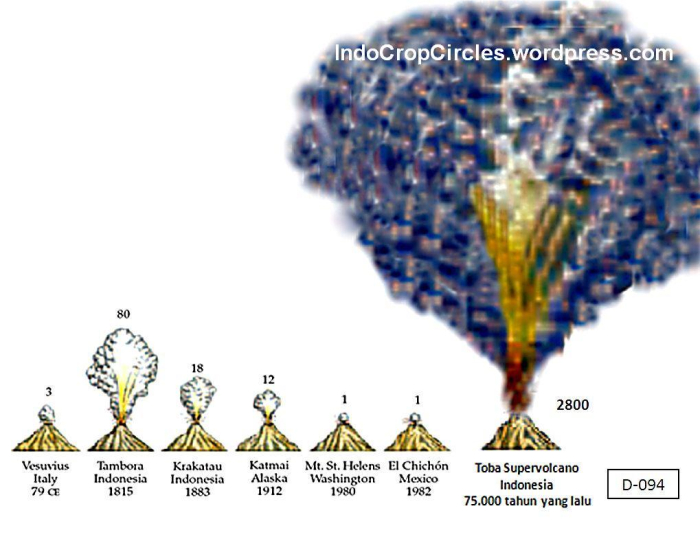
About 74,000 years ago, a massive volcano named Toba erupted and threw the world into a deep freeze that nearly exterminated humans.
Only a few thousand folks made it through, causing a genetic bottleneck that shapes all of us today.
Basically, this eruption was nature’s way of saying ‘brace yourself.’
Great Famine of Europe: When Food Became Myth (1315-1317)
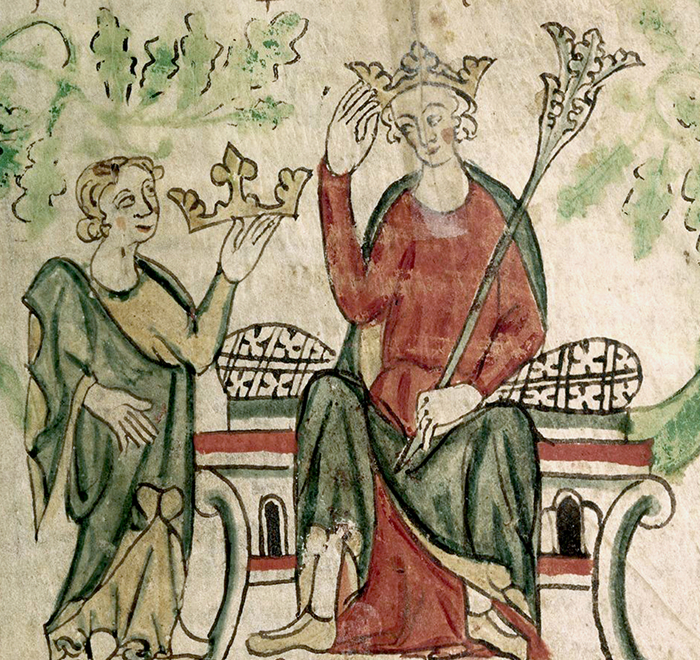
Endless rain and cold ruined crops in northern Europe, sparking a famine that killed millions.
People were desperate enough to steal, abandon kids, and more. Even royalty struggled to find bread.
This famine showed how fragile a food-based economy can be and pushed Europe to up its farming game.
Smallpox in Mexico: The Invisible Invader (1520)
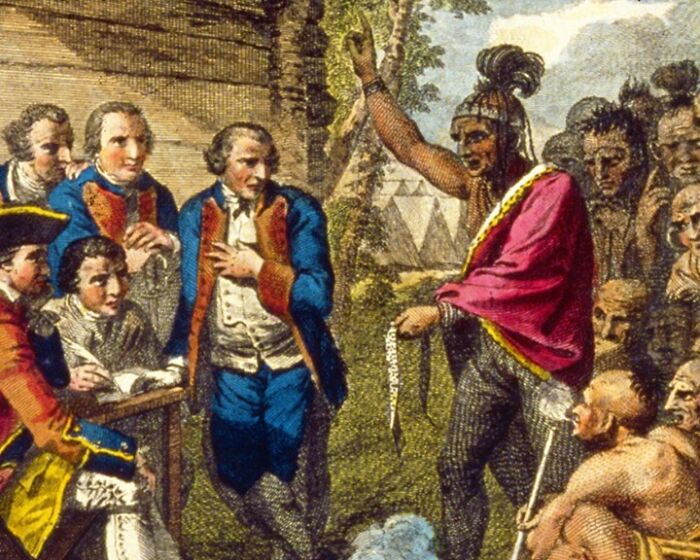
Smallpox crashed the 1520s like an unwanted party crasher, spreading faster than the Spanish themselves.
Indigenous communities had zero immunity, so the disease wiped out up to 90% of people.
This disaster sparked early ideas about inoculation and highlighted how germs change history.




Laki Volcano Eruption: Toxic Air Party in Iceland (1783-1784)
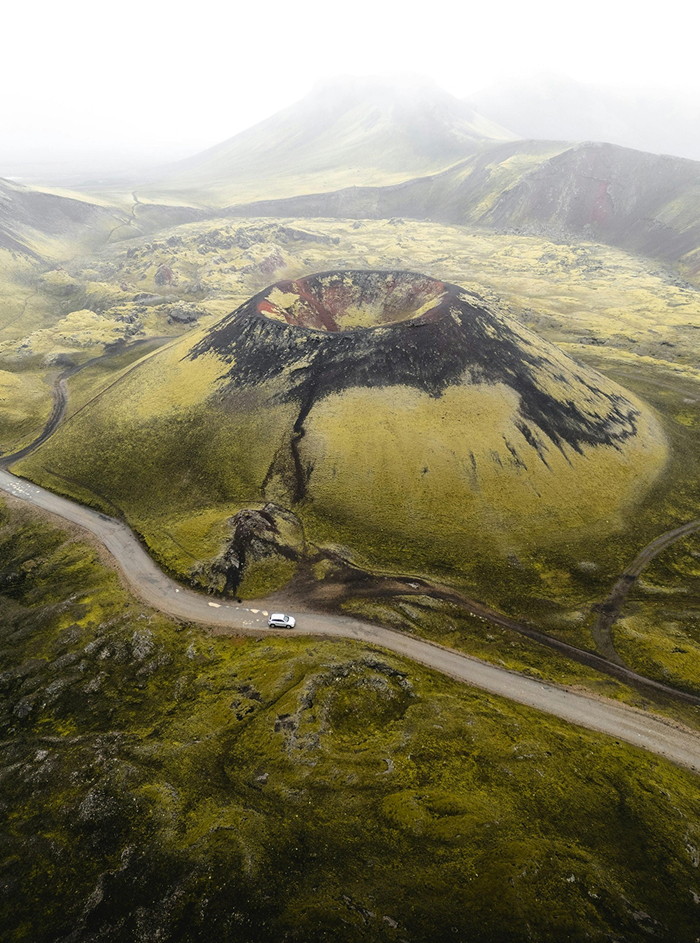
Iceland’s Laki volcano went full beast mode, belching toxic gases that poisoned livestock and people.
One-quarter of Iceland’s population died, and Europe and America felt the nasty side effects.
This eruption taught us how volcanic pollution doesn’t just stop at the mountain.
Third Cholera Pandemic: The Waterborne Nightmare (1846-1860)
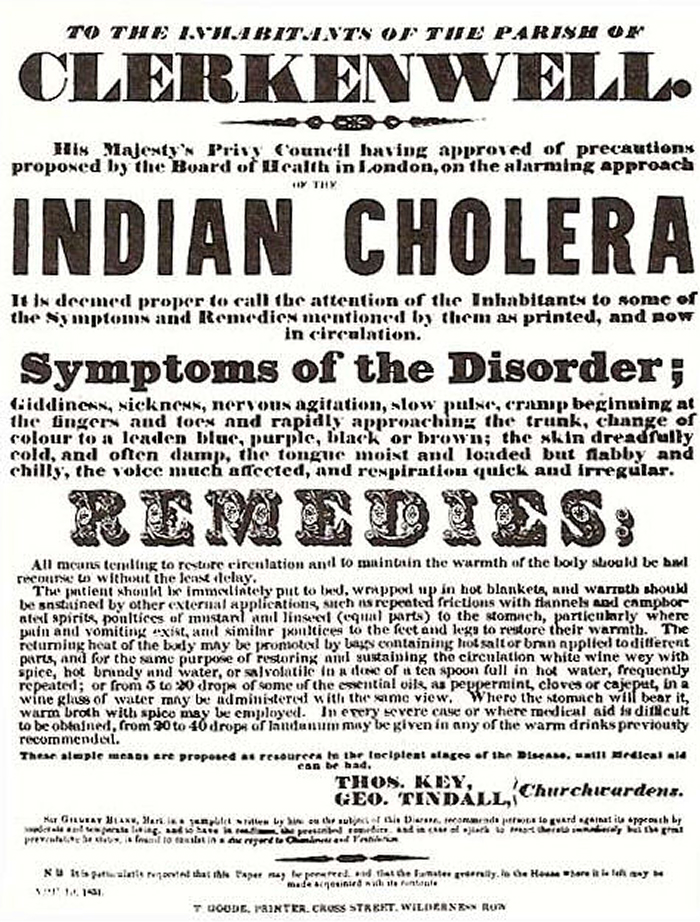
Cholera’s third global party was the deadliest, starting in India and crashing into Russia, Europe, and the Americas.
Millions died from dirty water, but hero Dr. John Snow figured out the waterborne culprit, kickstarting modern disease tracking.
Next time you sip clean water? Thank this pandemic.
Japanese Smallpox Epidemic: The Deadly Surprise (735-737 AD)
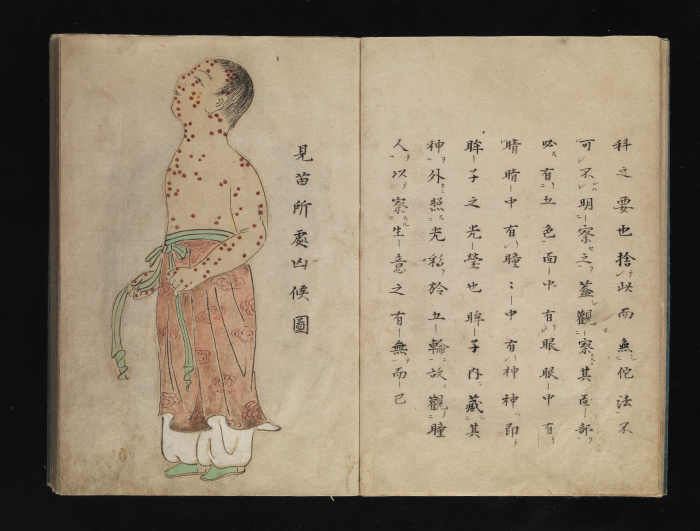
Smallpox landed in Japan like an uninvited ghost, killing a third of the population in just two years.
With no idea what caused it, people tried all sorts of spiritual remedies, but sadly it kept spreading.
The crisis led to new customs and religious sites as folks searched for meaning in the chaos.
Spanish Flu: The 1918 Virus That Stopped the World
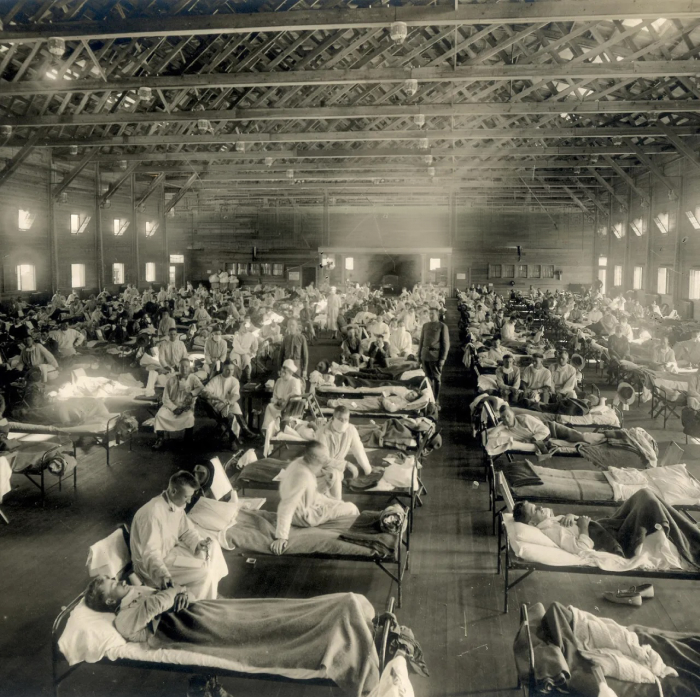
The Spanish Flu came out of nowhere, infecting a third of all humans and killing at least 50 million.
Hospitals flooded, quarantines popped up, and entire communities were knocked flat.
This pandemic forced nations to team up on public health and set the stage for modern medicine.




Russian Famine: When Hunger Broke a Nation (1601-1603)
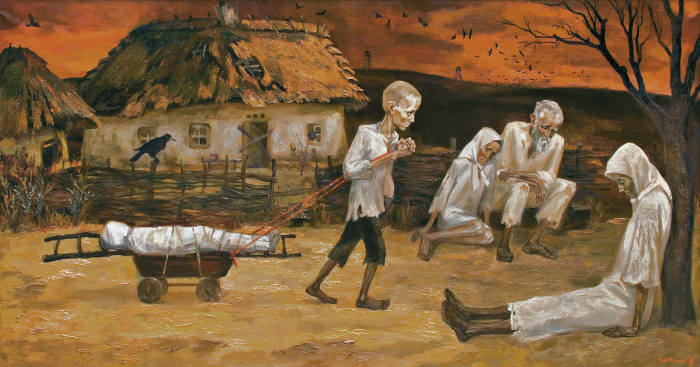
Extreme cold and bad weather crashed Russia’s harvest for three years straight.
People ate anything they could find - including saddles and pets - and some went to terrifying lengths to survive.
This famine sparked political chaos and led to a decade of turmoil that reshaped Russia’s future.
Year Without a Summer: The Weather That Broke 1816
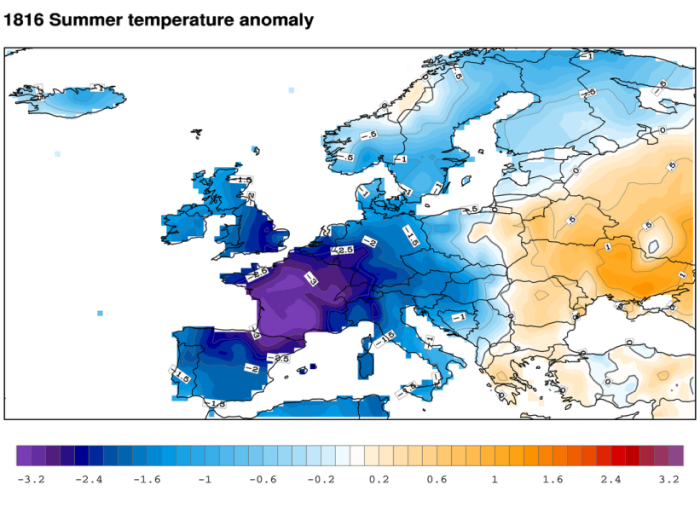
In 1816, ash from a volcano made weather go haywire, causing snow in June and a summer that never came.
Crops failed, food got crazy expensive, and people felt like the world had lost all hope.
Fun fact: this gloomy year locked Mary Shelley indoors, where she penned Frankenstein - talk about dark inspiration!
Jebel Sahaba Massacre: Humanity’s First Fight Club (12,000 BC)
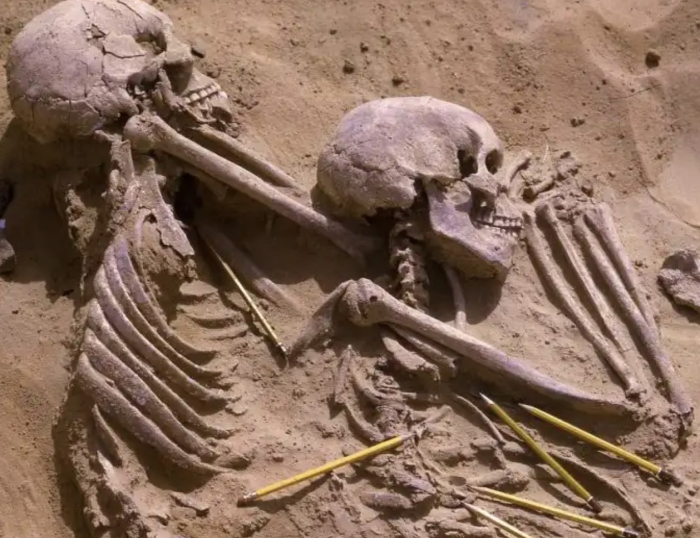
Way back, around 12,000 BC, a prehistoric massacre in Sudan showed early humans getting violent over resources.
At least 61 people turned up with battle wounds - looks like early humans had drama too.
This sparked the move from nomads to defensive communities, basically the first ancient neighborhood watch.
Mount St. Helens Eruption: When Day Turned to Night (1980)
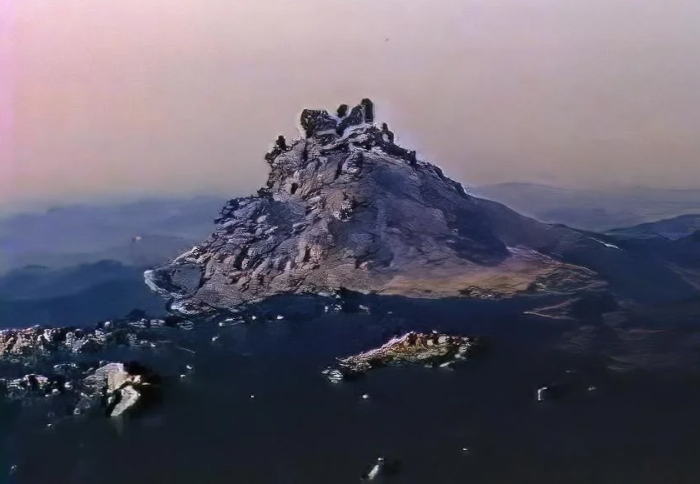
In 1980, Mount St. Helens blew its top and covered everything in a thick, harmful ash dust.
Forests flattened, homes destroyed, and daytime looked like pitch black.
The eruption taught scientists tons and changed how we watch and prepare for volcanoes today.




Which of these historical disasters do you think basically changed everything? Drop your thoughts in the comments!


44
0