
 then open in external browser


 and click "Open in External Browser"
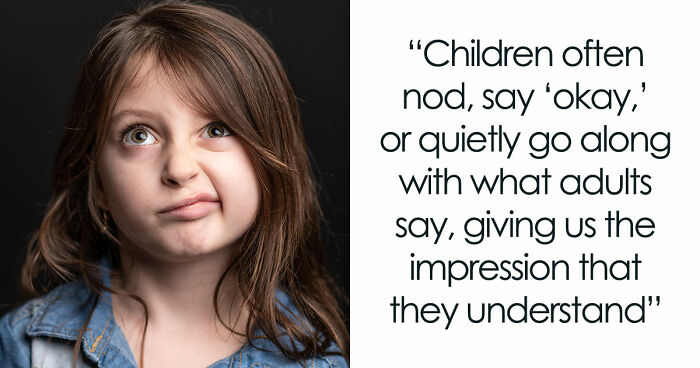
“Clean Your Room” (Yeah, But How?!)

Adults say “Clean your room” like it’s one quick thing - but for kids, it’s a whole puzzle! Clothes here, toys there, make the bed or toss the trash? Instead of yelling, break it down: “First, toss your dirty clothes in the hamper. Then we’ll do the next step.” Repeat and watch them turn chaos into order like pros!

Celia spills the tea: expecting kids to ‘just get it’ is a big parenting oops. Adults have years of secret knowledge and habits making things seem easy-peasy. Kids? Not so much. They need lots of practice and step-by-step teaching to really get the hang of stuff.
“Calm Down” (The World’s Most Unhelpful Phrase)

Telling a kid to “Calm down” is like telling a cat to bark. It just doesn’t work! When emotions run wild, kids don’t know how to chill solo. Instead, guide them with things like, “I see you’re upset. Let’s take some big, slow breaths together.” With practice, they’ll get the hang of chilling out - promise.
“Good Job” (But What Was Good?)

“Good job!” is nice, but kids are left wondering, “Good job at what exactly?” Instead, get specific: “I love how you kept trying, even when it was tricky.” Or “You shared your toy with your brother - awesome!” Also, don’t sneak in a “but” right after a compliment - that wipes out all the good feelings.
Slow and steady wins the parent game! Celia suggests breaking things down, explaining why, and dropping the judgment. When kids feel like teammates, they get braver, smarter, and way more chill about what you’re asking.
Consequences That Don’t Make Sense

Ever taken away screen time for leaving toys on the floor? Kids get that something’s off but might not connect the dots on why. For consequences to hit home, they gotta happen fast and actually link to what went down. Like, “Let’s pick up those toys before moving on,” instead of just a random punishment.
“Be Good” (Is That Me, Or Someone Else?)
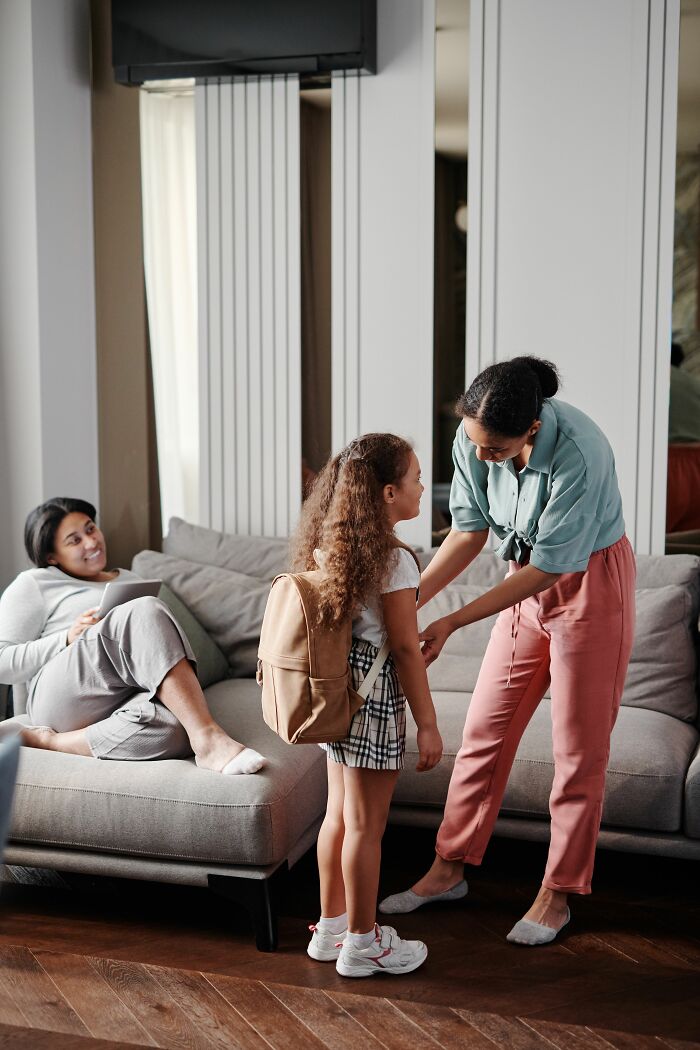
When you say “Be good,” kids might wonder, “Wait, am I usually bad?” Yikes! Instead, tell them exactly what you want: “Use your inside voice, keep your feet on the floor, and ask before grabbing something.” Clear, doable, and zero confusion.
Meet Celia Kibler — the parenting guru who’s seen it all! With 40-plus years helping families, she’s the genius behind some seriously smart parenting hacks. She’s on a mission to help moms and dads stop yelling and start thriving.
“Stop Being a Baby” (Huh?)
“Stop being a baby” is a wild phrase. Stop crying? Stop being scared? Stop needing hugs? Kids might not know what to do instead. Try, “I see you’re upset. Tell me what’s happening,” or “Let’s breathe together and figure this out.” Less shame, more teamwork.
“Use Your Words” (Which Words Again?)
“Use your words” is just the start. When kids are mad, scared, or overwhelmed, they might not have the right words handy. Help out with suggestions like, “Are you mad because your brother took the toy? You can say, ‘I’m still playing. Can I have it back?’” Training wheels for talking.
Celia’s got freebies! Take her Parenting Success Snapshot to see what’s working and what’s not. Plus, if you’re juggling that blended family life, she’s offering a free live training to make your home a calm, happy spot for everyone.
“Be Careful” (But Careful How?)
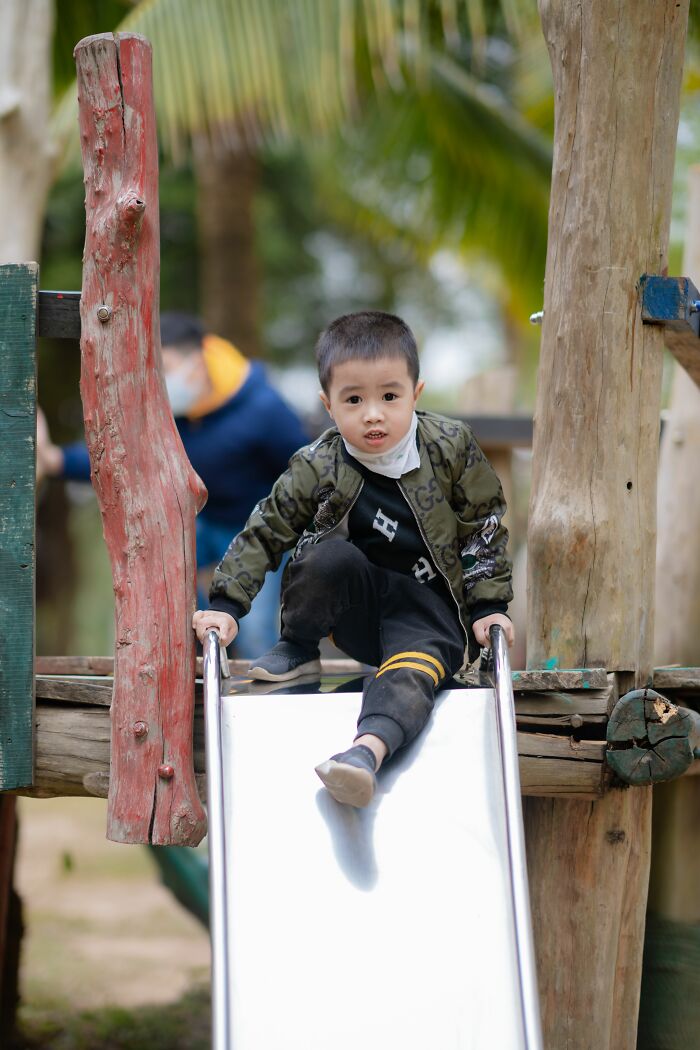
“Be careful” is like warning a kid about ghosts without saying where they are. Be careful walking? Holding stuff? Touching that? Instead, be crystal: “Hold the railing while you walk down the stairs,” or “Use both hands to carry the glass.” Clear instructions = less worry and more safety.
“Use Common Sense” (That’s Not Built-In Imagination)

Ever told a kid to “Use common sense” and got blank stares? That’s because common sense is years of experience adults collect along the way. Kids gotta learn that wet shoes can slip, or the glass on the edge will fall. Instead, explain: “Put the glass away from the table’s edge so it won’t tip over.” Common sense isn’t magic, it’s taught.
“You Should Know Better” (But Sometimes They Don’t)
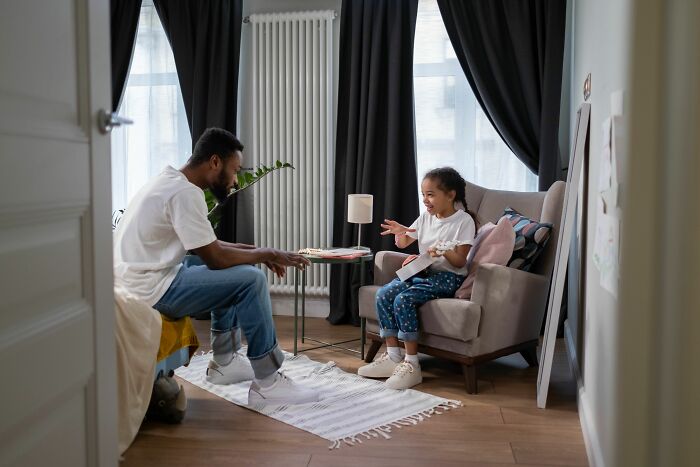
Sometimes kids just don’t have it together yet. They might remember rules when calm, but throw them out the window when tired or frustrated. Instead of grumbling, ask: “What happened?” or “What can we do better next time?” They’re learning - cut ’em some slack.
Mixed Messages From Adults (Say What?!?)

Sometimes grown-ups say they’re “fine” but look like a storm’s brewing. Kids catch that vibe and get confused or worried, wondering if they did something wrong. Being honest (in an age-appropriate way) like, “I’m frustrated but I’m okay. I just need a minute,” helps kids feel safe and less puzzled.
Time Concepts Like “Soon” Or “Later” (Huh?)
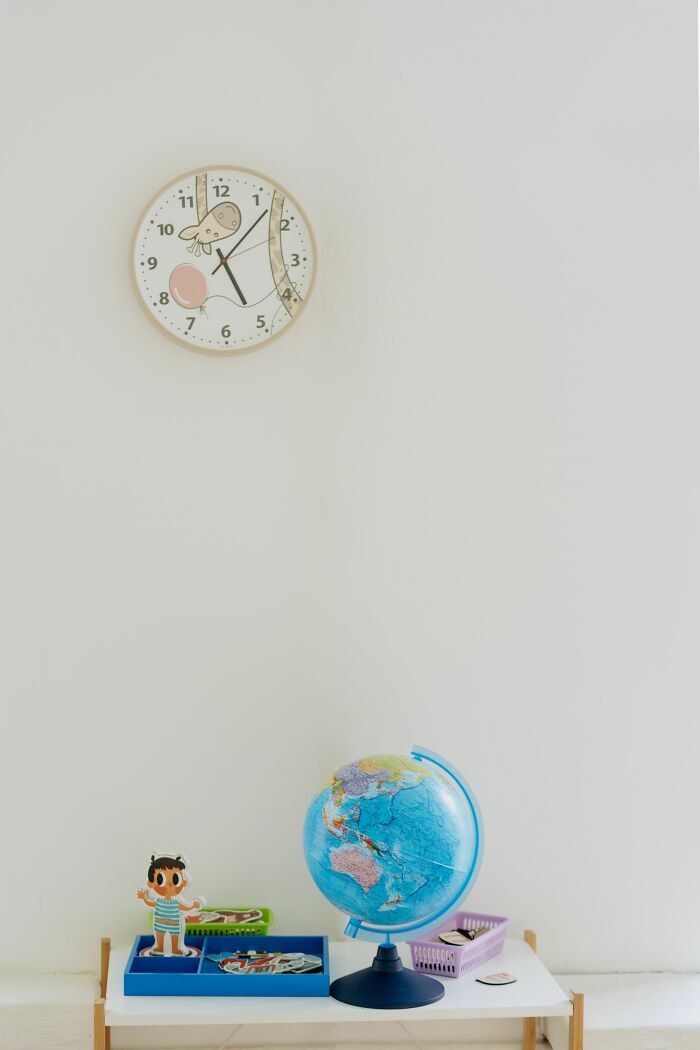
“Soon,” “later,” “next week” - these words feel like talking about invisible stuff to kids. Five minutes feels like forever when you’re waiting! Visual timers and calendars are like magic tricks that turn invisible time into something kids can actually see and count down. Patience much?


Sarcasm & Teasing (Oops, Kids Took That Literally)

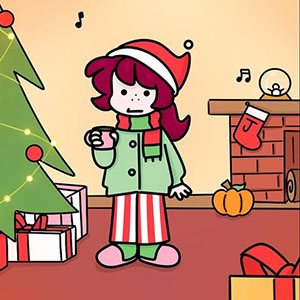
Sarcasm is a grown-up joke that flies right over kids' heads. Saying “Great job” when the room’s a mess might just confuse them! Teasing can be fun but, without the tone radar, kids might think you’re serious. Keep the humor clear so kids know you’re laughing with them, not at them.
“That’s Not Fair” (Usually Means “I’m Bummed”)

Kids love to yell “That’s not fair!” but what they really mean might be, “I’m sad,” or “I didn’t get my way.” Saying, “I get it, you wanted another turn and it’s tough to wait,” shows them you care. Explaining fairness is cool too - teachers can’t give every kid their favorite color, after all.
Lying vs. Storytelling (Kids Blending Fantasy & Reality)

Little kids mix fantasy and real life like a smoothie - sometimes they make up things like dinosaurs breaking stuff. They’re not trying to trick you; their brains are still figuring out what’s real and what’s pretend. Instead of calling it lying, say, “Cool story! Now, tell me what really happened.” Storytime, anyone?
“Share” (Wait, Share What?!)
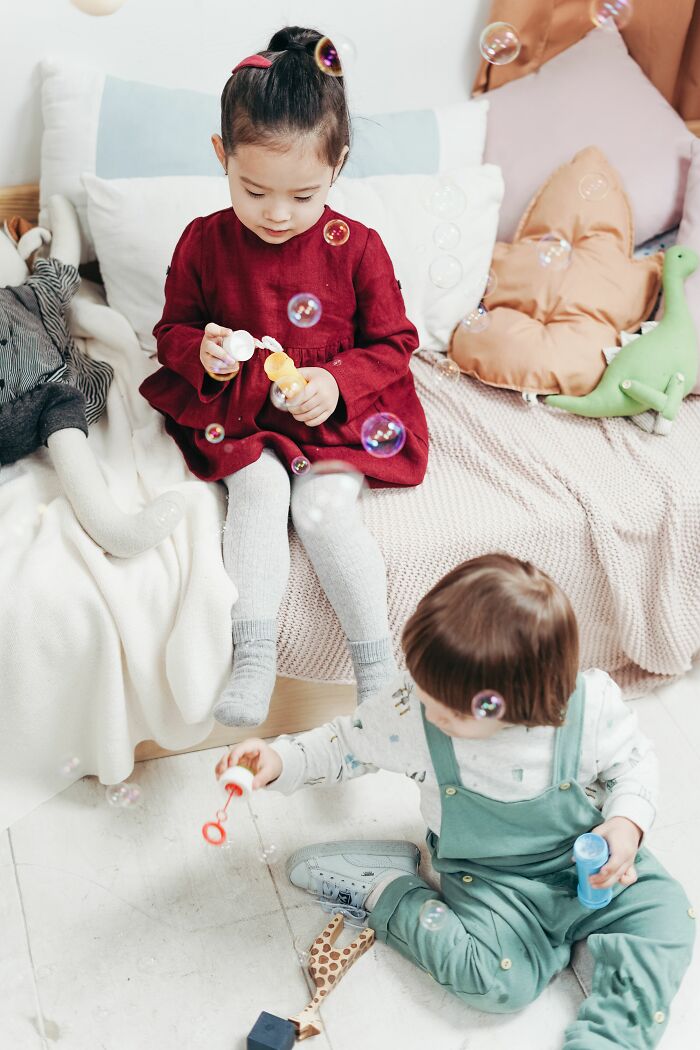
When adults say “Share,” kids might think, “Give away my stuff forever?!” Nope. What grown-ups mean is, “Take turns.” Explain that: “You finish your turn, then your brother gets a turn.” Sharing is a big kid skill that needs practice, like asking first, waiting, and respecting each other’s stuff.


Adult Talks They Accidentally Hear
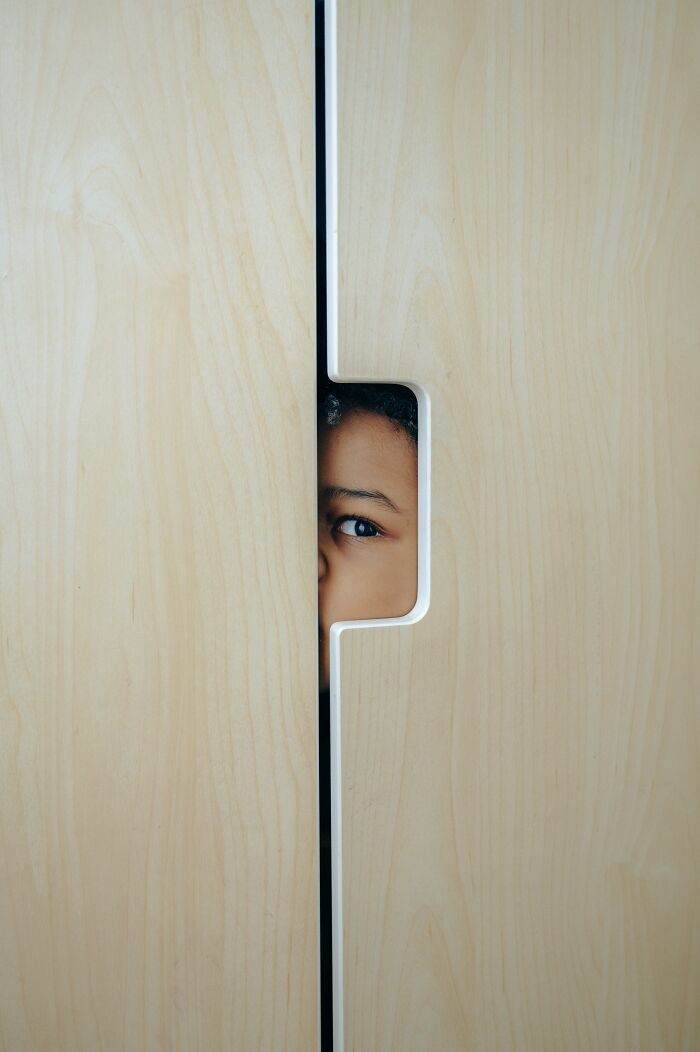
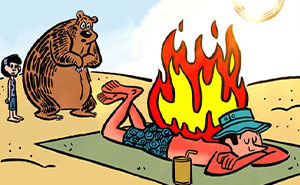
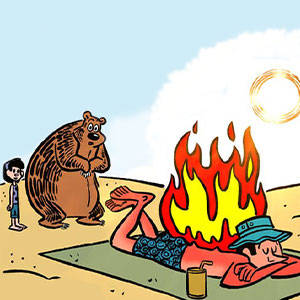
Kids overhear way more than you think - money talks, family drama, big feelings behind grown-up stuff. Even if they don’t get the words, they catch the emotional vibes and might imagine scary stuff. Keep it simple and reassuring when needed: “We’re working on it, and you’re safe.” Clarity calms those wild imaginations.
“You Can Tell Me Anything” (Do They Really Believe That?)
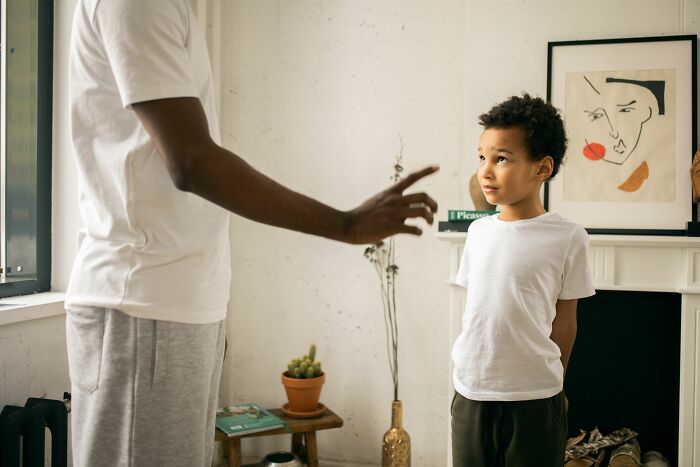
“You can tell me anything” sounds awesome, but kids watch your reactions to small stuff before trusting the big stuff. If admitting an oops gets a lecture or punishment, they might zip it next time. Listening first and staying chill shows them it’s safe to be honest - even when things get messy.
Mistakes & Questions Are Totally Cool

Kids sometimes nod along pretending they get it, just to avoid looking dumb or getting in trouble. They might stay quiet even if they’re lost. Instead of “You should know this,” try: “Want me to explain a different way?” or “Which part is tricky?” Creating a no-shame zone makes kids more curious and ready to learn.


28
0