
 then open in external browser

 and click "Open in External Browser"

Hey! Today we’re diving into some wild science facts that sound made-up but aren’t. Ready to have your brain tickled and maybe your jaw dropped? Here we go!
This post may include affiliate links.

Here’s a wild one: women’s nipples can actually suck in a baby’s saliva during breastfeeding. Then, the mom’s body magically figures out which vitamins baby needs more of and pumps out extra nutrients. Talk about a built-in grocery list!

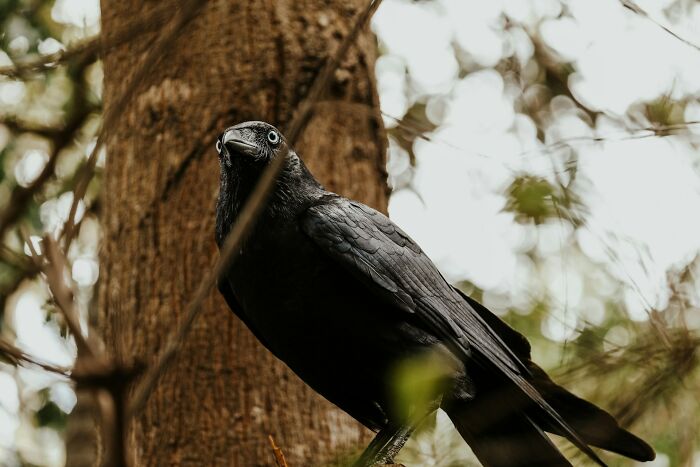
Crows are basically the original grudge-holders, keeping beef alive for 17 years - longer than most of them live! They pass on info about bad humans to their kids. So, watch out, crow fans!
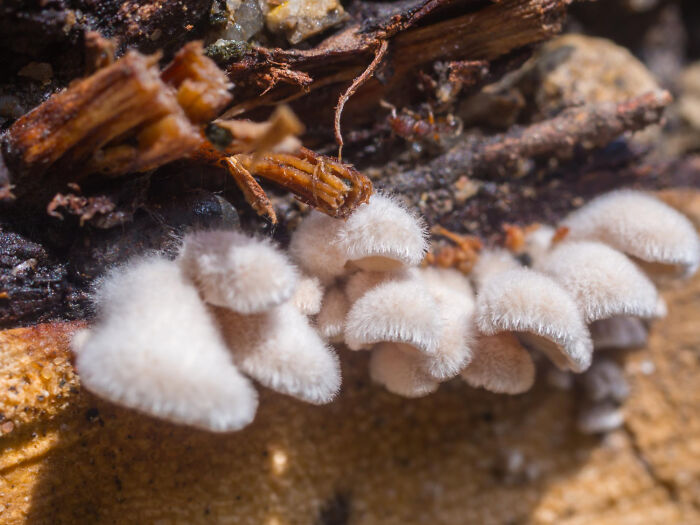
Fungi aren’t just chilling underground - they’re chatting through electric and chemical pulses. Scientists found they use at least 50 ‘words’ to communicate. Talk about mushroom talk!
Heads up: Some of these facts make science sound like a bit of a tall tale. They’re basically true, but sometimes come with a fun twist. Like fungi “talking” with electric pulses. It’s kinda like morse code underground, but don’t expect them to chat like your neighbor anytime soon.
Still, isn’t that nuts?

Guess what? We’re the only species that can flush out stress chemicals through tears caused by emotions (not onion-induced crying). Crying literally helps chill your body out. So yeah, sob away!

Here’s a mind-bender: over half the Amazon rainforest is unexplored. That means tons of undiscovered plants, animals, and maybe even tribes living wild. Makes you wonder what nature’s hiding!
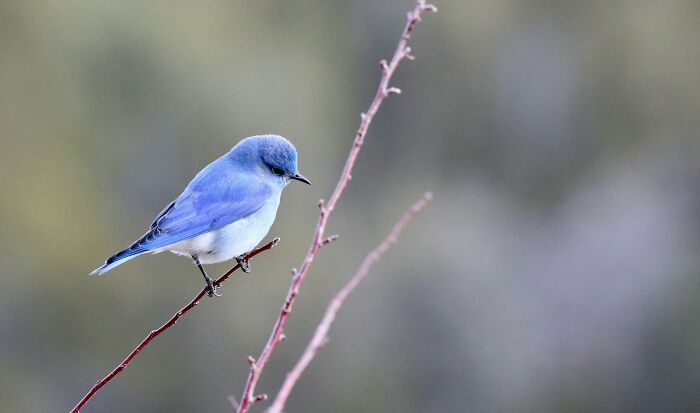
Spoiler: blue birds don’t have blue feathers! Their feathers bend light to look blue. The feathers themselves? Usually gray or brown. Mother Nature’s little optical illusion.
And about 60% of the Amazon rainforest? Still a total mystery! Who knows what crazy plants, animals, or tribes we haven’t met yet live there? It’s like nature’s own secret clubhouse.

Your nervous system is like a social sponge, sensing how people around you feel even before your brain fully figures it out. That’s why some people calm you down instantly while others just drain you with zero words. Wild, right?
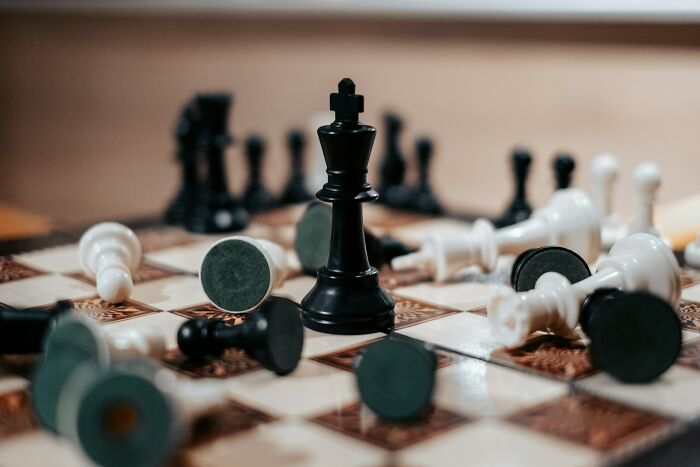
Chess is basically math magic with endless twists. The number of ways a chess game can play out beats the count of atoms in the observable universe. Yeah, mind blown!

Water feels chill when you jump in, but jump from enough height and it’s like slamming into concrete. The surface tension is no joke! So maybe don’t go for the highest dive without some serious training.
Science loves to keep everyone on their toes. What we thought was gospel yesterday can get flipped tomorrow. Just remember: the world’s always changing, and there’s always something new to learn (or question!).
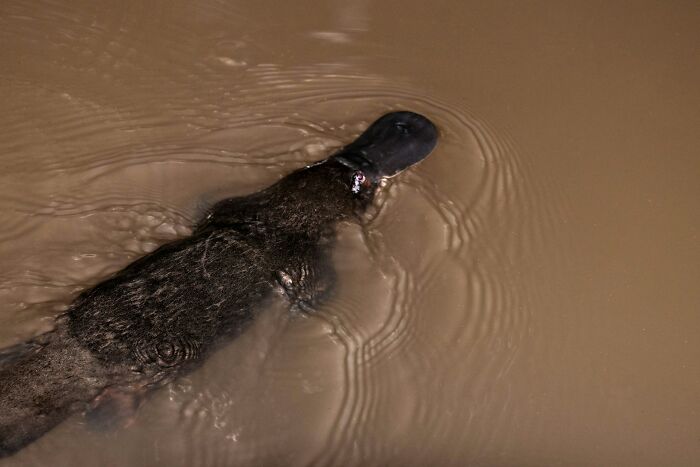
Platypuses: They lay eggs, are venomous, glow under UV light, produce milk through their skin (no nipples), don’t have stomachs, and use rocks instead of teeth. Basically, nature’s ultimate weird flex.
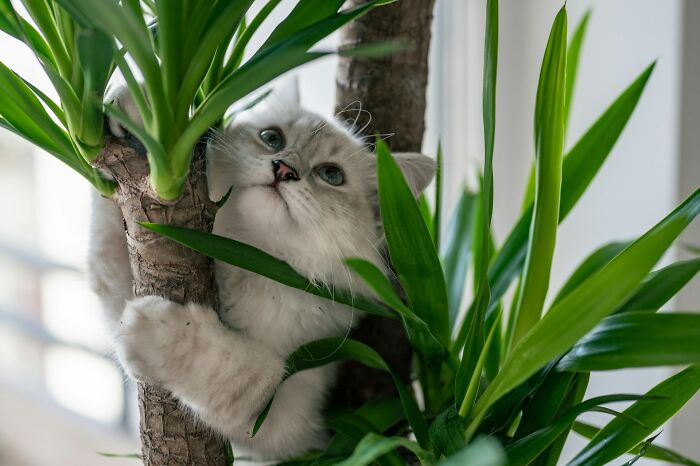
Plants emit sounds that humans can’t hear, but cats totally can. Are plants gossiping with cats? Or plotting against our indoor gardens? Either way, explains those plant-smashing cats!

These mountains partyed way before bones were even a thing. Yup, the Appalachians formed before vertebrates grew skeletons. Talk about ancient!
But sometimes science drama happens too. Like fake dino-birds assembled like Legos or cold fusion that turned out to be a big oops. Yeah, scientists can make mistakes, but hey, that’s science being science.

Scientists call these "impossible colors." So what we see as plain gray might actually be some super cool color our eyes just aren’t wired to spot. Color us fascinated!
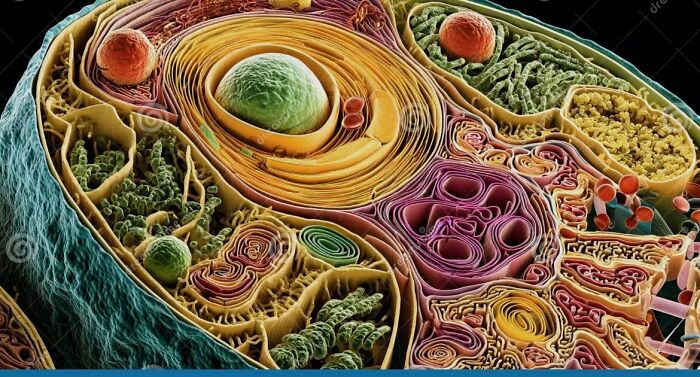
If you’ve never peeped a human cell under a microscope, here’s your chance. It’s super cool, kind of like a mini sci-fi world right inside you.
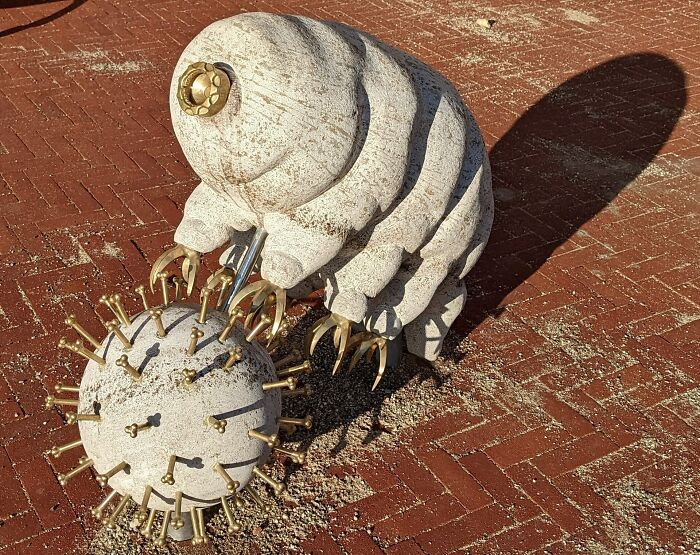
Tardigrades, aka water bears, are basically indestructible. They survive in space, volcanoes, and basically anywhere you can think of. If they had a motto, it’d be: “Bring it on!”
No matter what, these facts show how weird, wonderful, and flat-out amazing our world is. Enjoy the ride, and hey, if you’ve got a wild science fact, share it below! Let’s swap some brain-busting tidbits.
Turns out, our noses are crazy good at sniffing geosmin - the smell of rain hitting dry earth. We’re basically natural rain detectors. Sharks? Not so much on this one.

About 5% of human DNA comes from viruses that settled in our genomes ages ago. Without viral proteins called Syncitins, we wouldn’t even have a placenta. Viruses: 1, Evolution: 10!
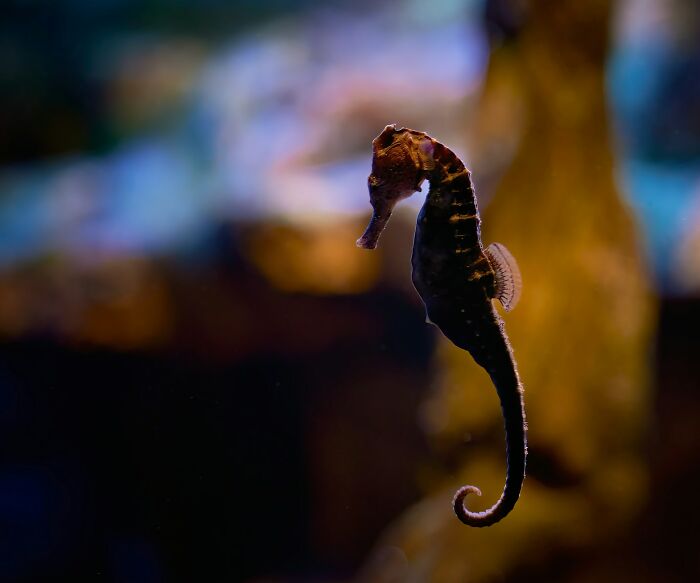
In the seahorse world, dads get the glory. Male seahorses carry the eggs *and* give birth. Talk about flipping the script!

Wait, time bends? Yep! Time slows down near massive objects because their gravity dents spacetime like a cosmic trampoline. Science just made your brain do flips.

This one’s super weird: researchers found that no blind person has ever developed schizophrenia. Science can’t figure out why. Blindness might be protective, but it’s a total mystery.





Magnolias showed up over 95 million years ago - long before bees existed! They get pollinated by beetles, making them the OG flowering plants of the party.

Believe it or not, your brain isn’t a video recorder. It rebuilds memories every time you think about them, so details can sneakily change over time. Creepy? Yeah. But also super cool.
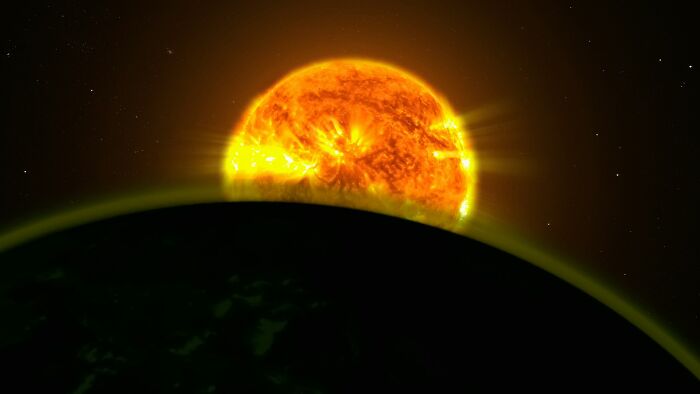
If sound could travel through space, the sun would be booming at 100 decibels all the time - about as loud as standing next to a jet engine. Luckily for our ears, space is very, very quiet.
Squirrels have some mad aerial skills. They spot their fall, twist their bodies mid-air, and spread out their limbs to slow down like tiny parachutes. Fall from a skyscraper? No problem.

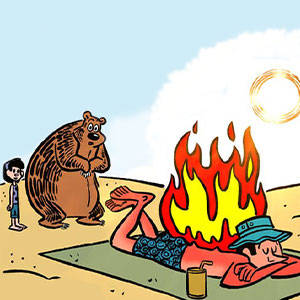


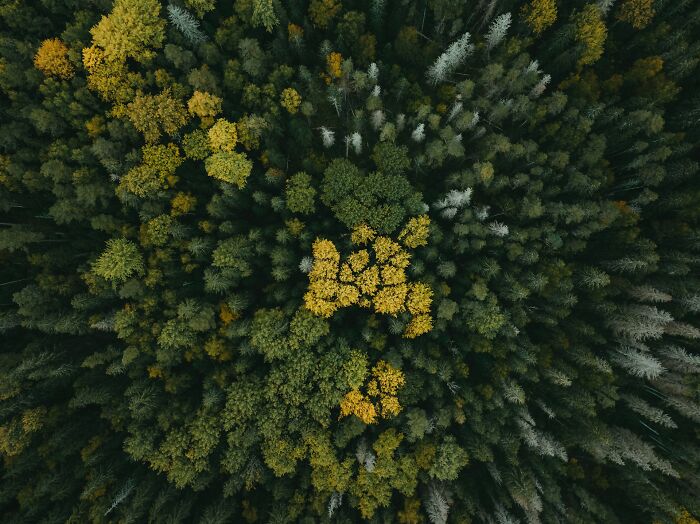
Believe it or not, there are more trees on Earth than stars in the entire Milky Way galaxy. And it’s not even close. Tree power is real!
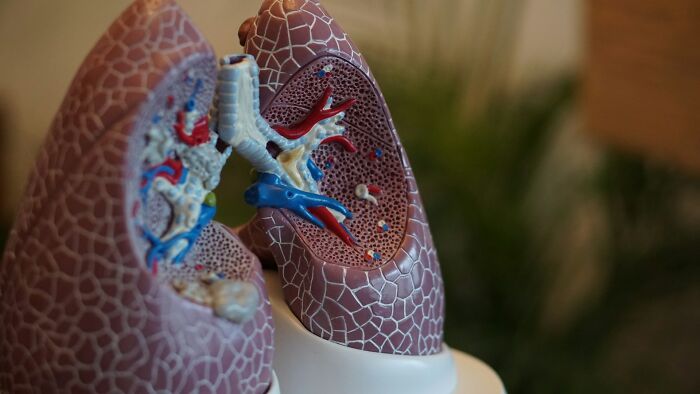
Ever notice you don’t smell your own breath bothering you? That’s because your brain filters out the scent of your own lungs so you don’t get stuck smelling yourself all day. Thank goodness!

We actually emit low-energy infrared light, making us tiny dim stars in a way. Some of this light leaves Earth and heads toward nearby stars like Alpha Centauri. Sci-fi stuff happening right here!
Turns out, feeling wet is just our brain tricking us using signals from temperature and touch. We don’t have actual sensors for wetness like bugs do. Next time you splash, remember: it’s all an illusion!



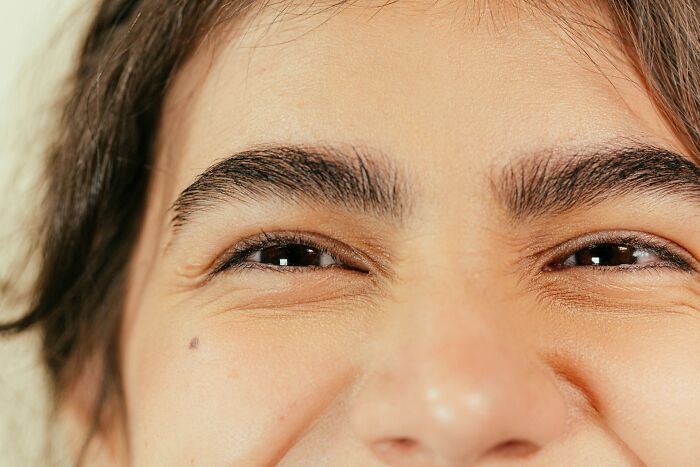
Here’s a wild fact: your immune system ignores your eyes. If it didn’t, it could attack them and make you blind. So the eyes are basically immune system VIPs that fly under the radar.

Even when you think two things touch, their atoms actually repel each other, creating a tiny invisible gap. Your nervous system just tells your brain you’re feeling touch. Sneaky atoms!
A parasite called toxoplasmosis hijacks mice brains, making them strangely attracted to cat pee. This suicidal behavior helps the parasite get to cats where it can reproduce. Nature’s own horror story!
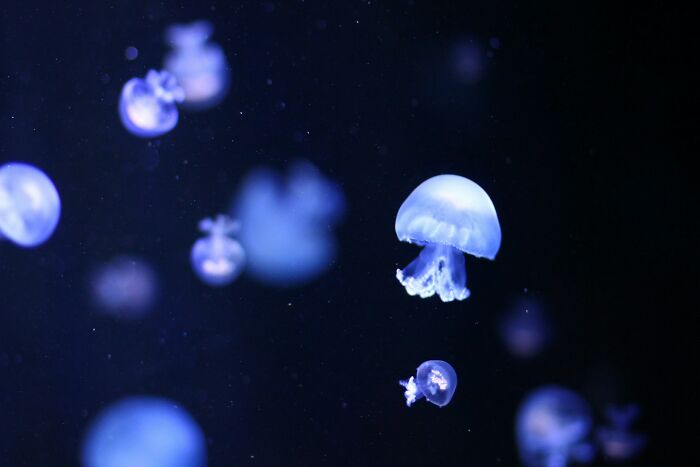
This jellyfish type can rewind its aging process when stressed, basically Benjamin Button-ing back to youth and starting over. It’s the ultimate comeback kid of the sea.




Put just 23 people in a room and there’s over a 50% chance that two share the same birthday. Birthday parties just got way more interesting, huh?
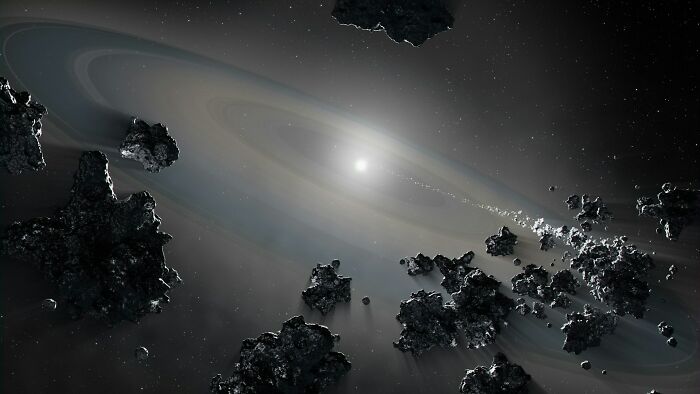
Fragments of DNA and RNA were recently discovered on an asteroid, hinting our origins might come from beyond Earth. So maybe we really are cosmic stardust - space explorers at heart!
Plants don’t just soak up light casually - they use the mind-bending powers of quantum physics to make photosynthesis super-efficient. Science fiction? Nope, just plant life being boss!


21
0