
 then open in external browser

 and click "Open in External Browser"
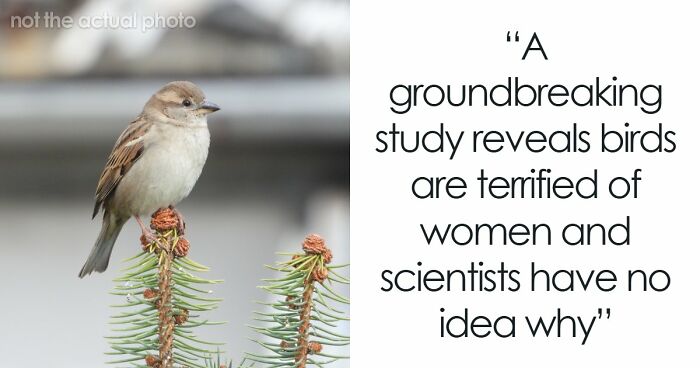
Hey! Ready for a quick brain tickle? Here’s a wild mix of cool facts about space, science, nature, and everything in between. Buckle up - curiosity’s about to kick into high gear!
This post may include affiliate links.
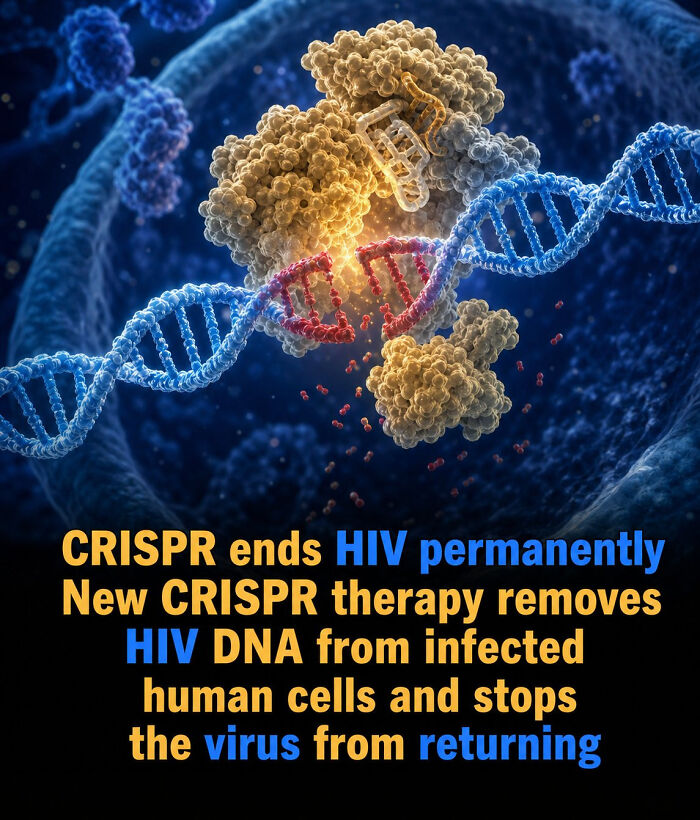
Imagine editing out HIV’s secret stash inside your cells. That’s what a new CRISPR therapy does - it snips out the viral DNA hidden inside infected human cells, aiming to stop HIV from popping back like an annoying boomerang. It’s like cutting the virus’s VIP pass to your body. Bye-bye, HIV!

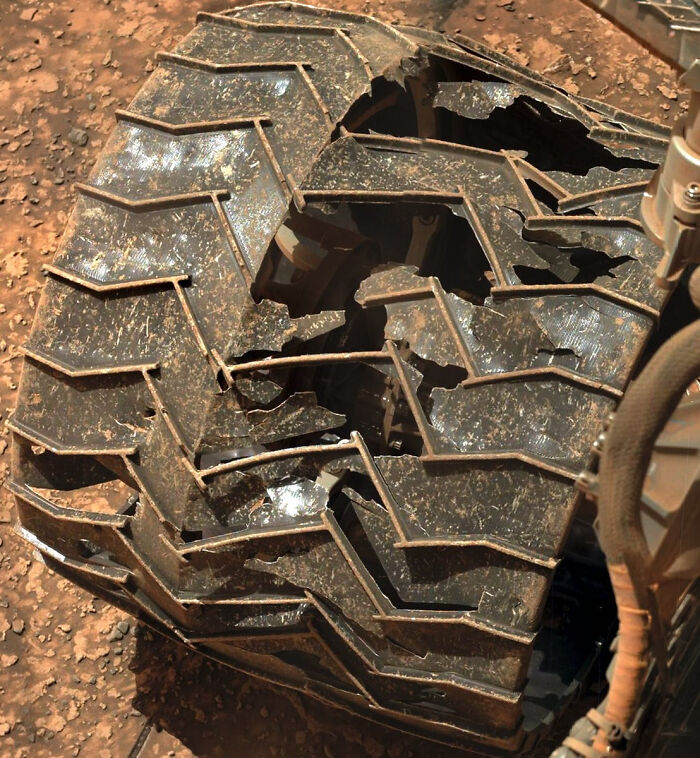
Check this out: one of Curiosity’s wheels has been rolling on Mars for nearly 14 years without a single tire change. It’s like your car’s tires got totally wrecked after a year, but this space-truck just keeps on trucking. Engineers noticed the damage early on and started babying the rover by finding smoother routes. Yet here it is, still exploring, drilling, and snapping pics. Talk about durability!
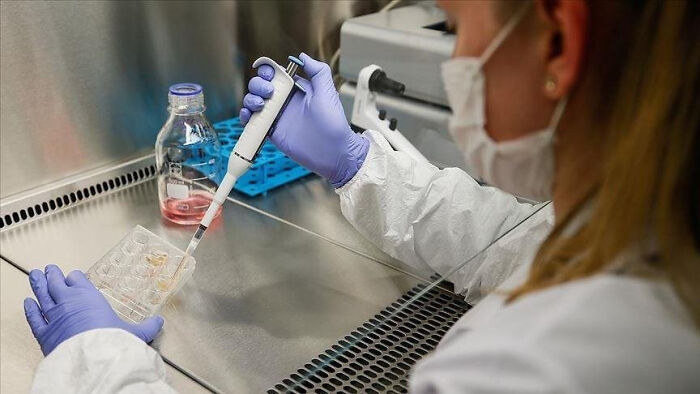
Japan just blazed a trail by approving stem cell therapies that fight Parkinson’s and heart failure. It’s like bringing sci-fi medicine straight into real life with the power to repair damaged tissues and give people a better shot at health.
Did you know most epic discoveries start with just a simple “Hmm... why?” or “Wait, how?” Scientists don’t always plan to invent life-changing stuff. But just like Alexander Fleming accidentally found penicillin by noticing funky mold on a plate, the best ‘oops moments’ change the world.
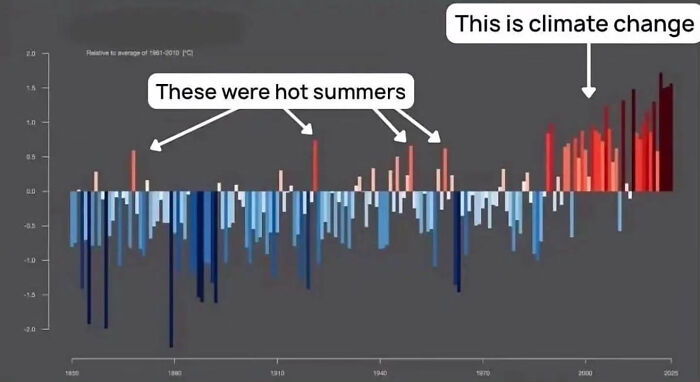
Next time someone claims hot summers have always been a thing, hit ‘em with this fact. Hotter summers are actually a recent guest in Earth’s long history - not a forever feature. Climate has been flip-flopping way more than you’d think.
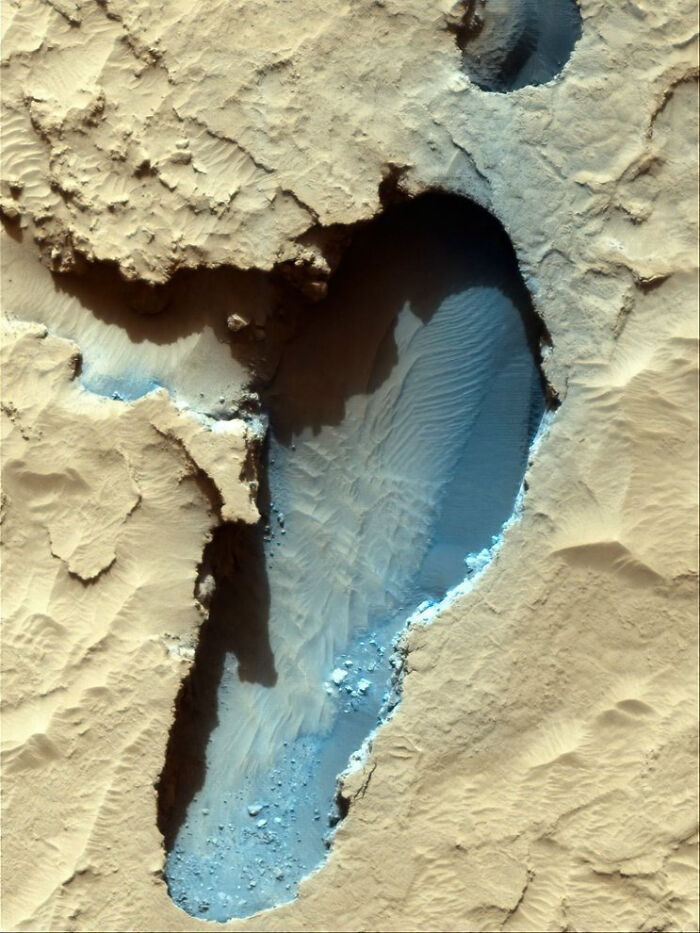
NASA’s MRO snapped this insane pic of a cave on Mars, chilling out in the Elysium Valley. Could be the coolest real estate listing off Earth. We’re officially living in the sci-fi era.
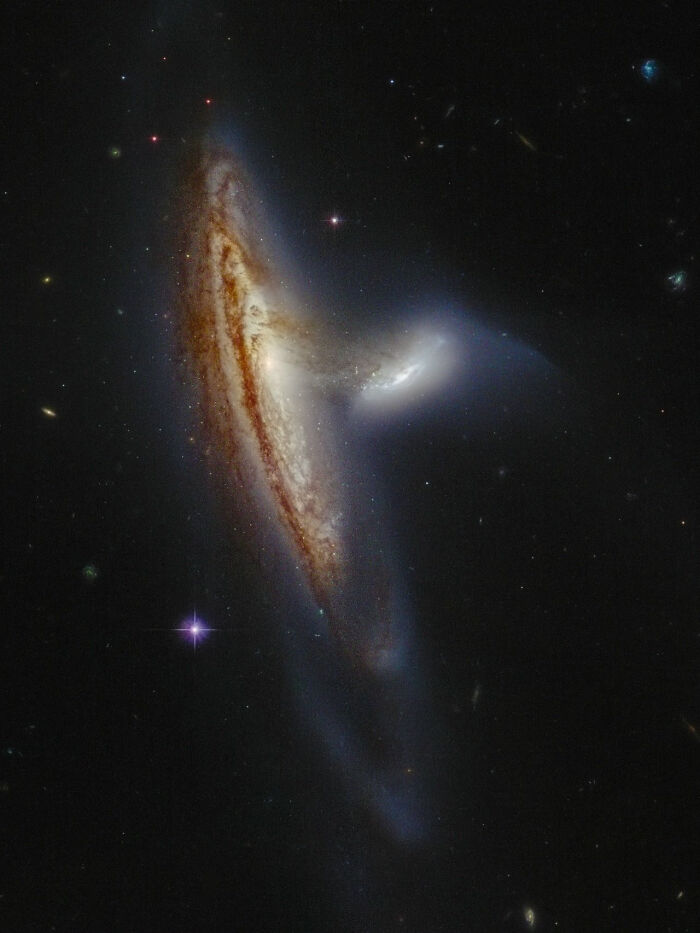
The Hubble Telescope captured an epic cosmic collision taking place 320 million light-years away. It’s space soap opera at its finest as galaxies get close, personal, and messy.
Turns out, when governments fund curious minds just exploring without an agenda, it pays off big time. Like, new industries and cool tech that nobody saw coming. MIT says curiosity makes us ask the deep stuff like “How does the brain work?” or “What’s the universe made of?” - and that’s pure magic fuel.

PSA: A tiny breaking wave on a beach contains more living organisms than every human who’s ever lived. We’re talking about around 10 million tiny bacteria, viruses, and plankton squeezed into every milliliter of seawater. That’s a wild life party in every splash!
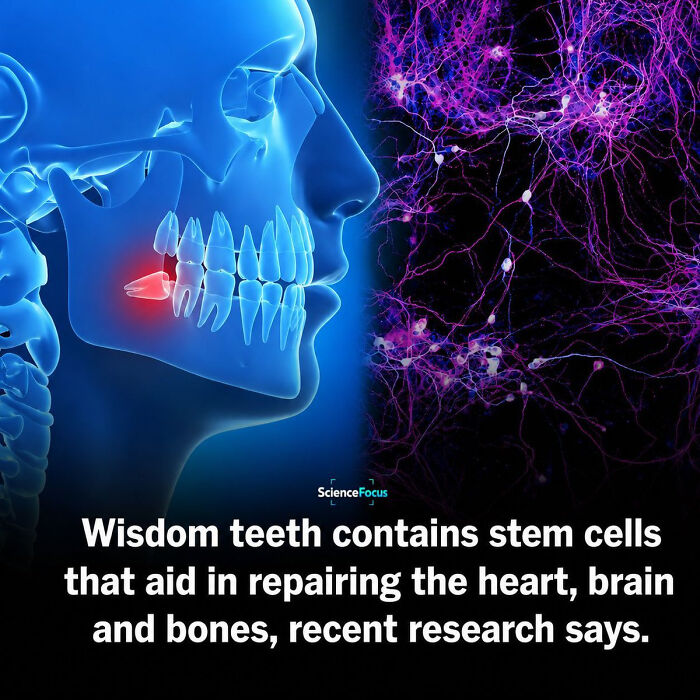
Who knew? Your wisdom teeth hide stem cells with serious superhero powers. They can turn into bones, nerves, cartilage - basically handy building blocks for healing. Science is turning old dental trash into new life-saving treasures. Those pesky teeth? Secret heroes.
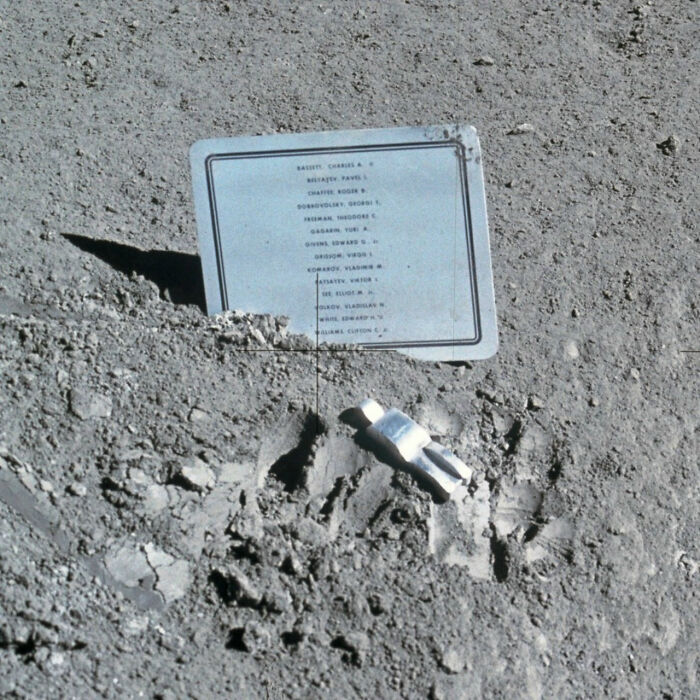
In 1971, Apollo 15 astronauts placed a memorial plaque and a tiny aluminium sculpture called the Fallen Astronaut on the Moon. It honors 14 brave astronauts and cosmonauts who passed away, making the lunar surface a sacred spot for space heroes.
Even when you’re just chasing random facts for fun, your brain thinks it’s winning the lottery. Studies show our brain floods with feel-good chemicals (dopamine) whenever we learn something new. So yeah, learning stuff is basically like a mini happy dance for your neurons.
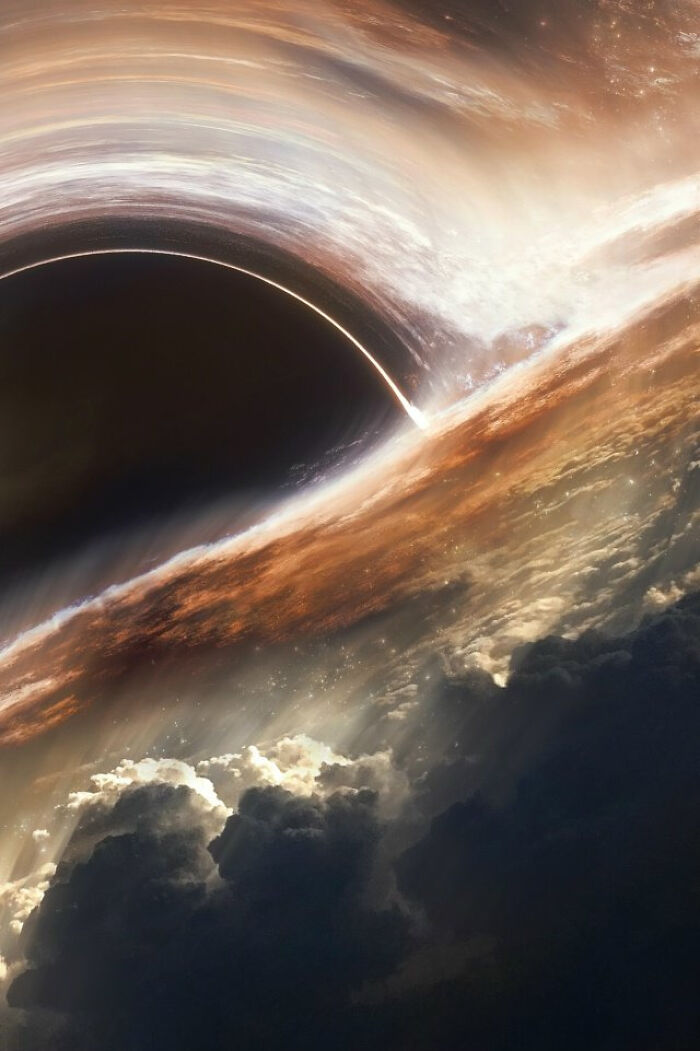
For the first time ever, scientists watched a massive black hole throw a fit in real-time over in galaxy IC 3599, 280 million light-years away. Usually, we spot these flares after they calm down, but not this time! Real-time space party!
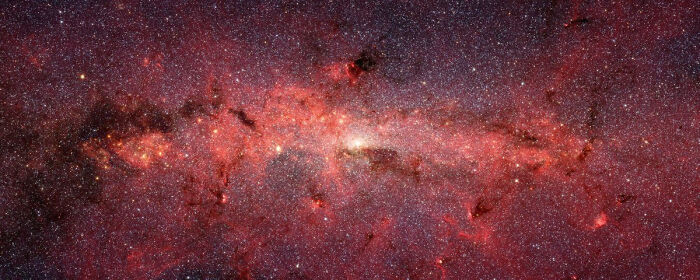
Sugars are usually delicate and don’t hang around long, especially in wild space. But a Spanish team found a sugar molecule just drifting peacefully among the stars, proving life’s building blocks might be way more common than we thought. Sweet, right?
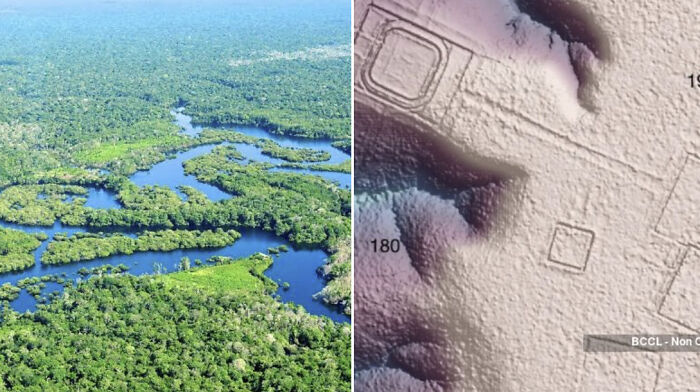
Whoa! Researchers discovered nearly 400 ancient earthworks hidden in the Amazon, hinting at a civilization that might have had up to 3 million folks. That’s like a secret mega-city buried under the jungle. History mystery unlocked!
Interestingly, the same brain juice (dopamine) fires up whether you get a tasty snack or discover a juicy new fact. That means your “aha!” moments hit the same reward high as cake. So geeks unite - brain candy is real.
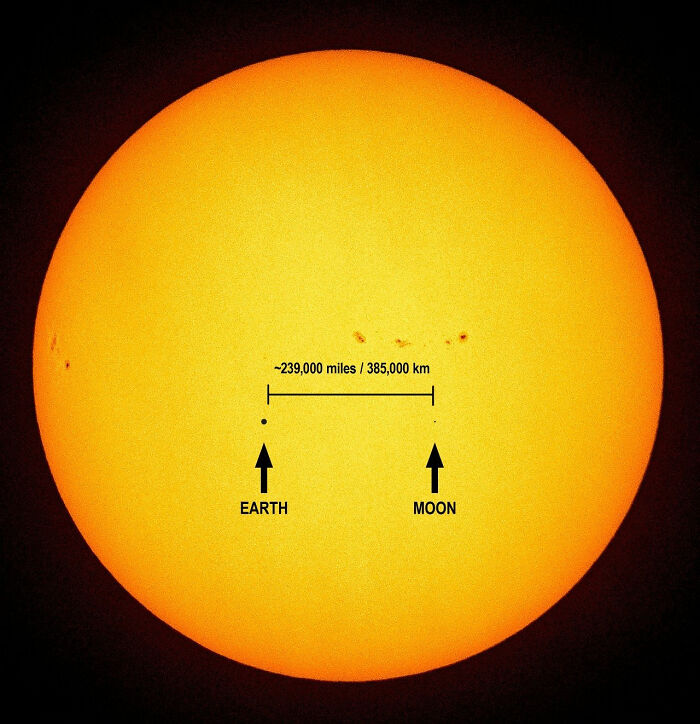
Imagine fitting the Earth-Moon distance next to our sun, and guess what? It’s just a tiny dot compared to the blazing ball of fire that powers us. Size check: sun wins, hands down.
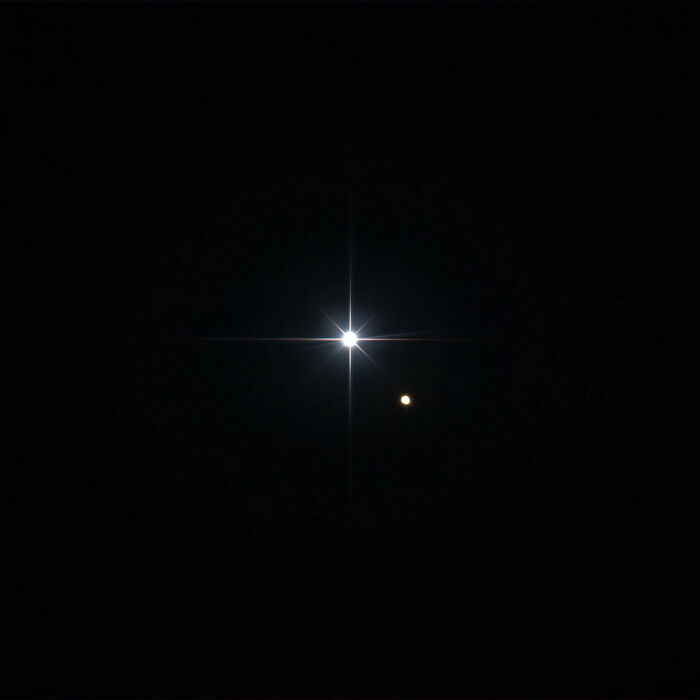
Check out this mind-blowing shot of Earth and the Moon taken from Saturn’s neighborhood. It’s like looking back at your tiny home from way down the cosmic street.
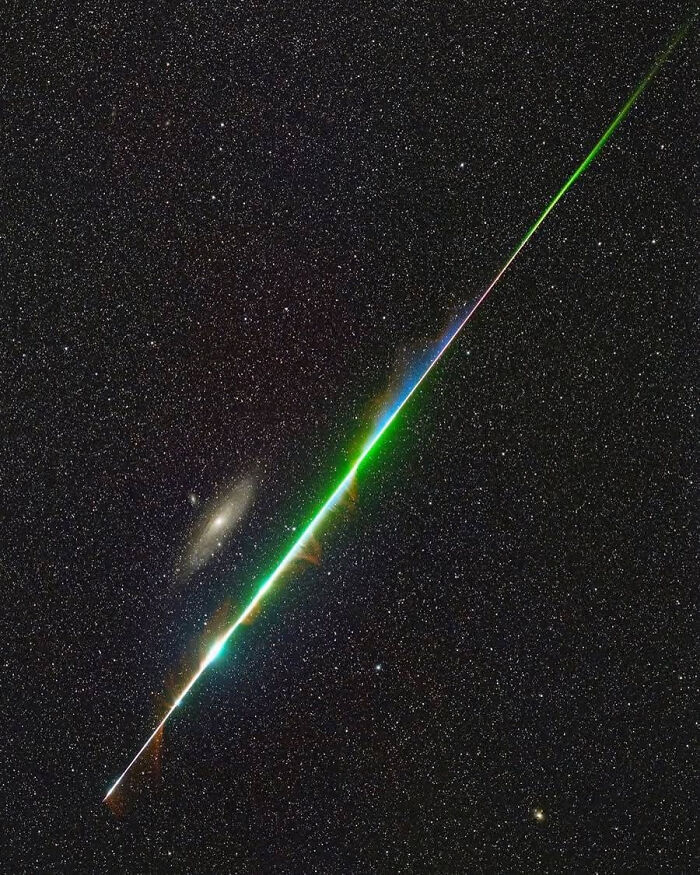
Imagine catching a bright meteor blazing its last fire as you capture the Andromeda Galaxy. That’s what this once-in-a-lifetime photo looks like - pure cosmic luck meeting perfect timing.
Curiosity is like the brain’s way of scratching an itch. Neuroscientists found when you notice something missing in what you know, it lights a fire to find out more. It’s a little “I gotta know!” feeling that makes you dig deeper and remember stuff better. It’s science saying “go on, snoop around!”
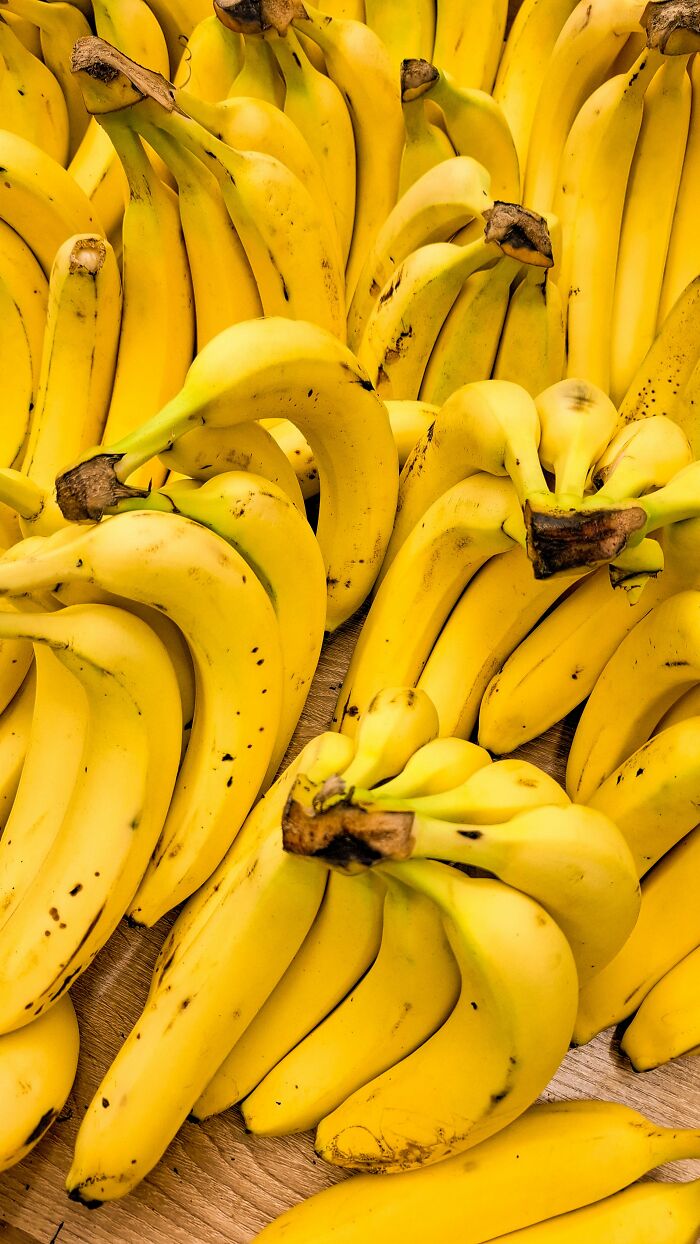
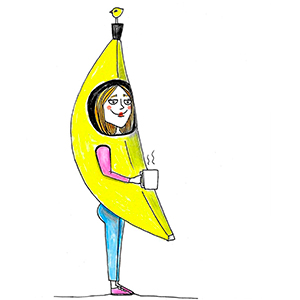
Every banana contains tiny bits of antimatter inside. How? It’s because of potassium-40, a naturally radioactive isotope that frequently releases positrons, AKA antimatter particles. Snack on that!
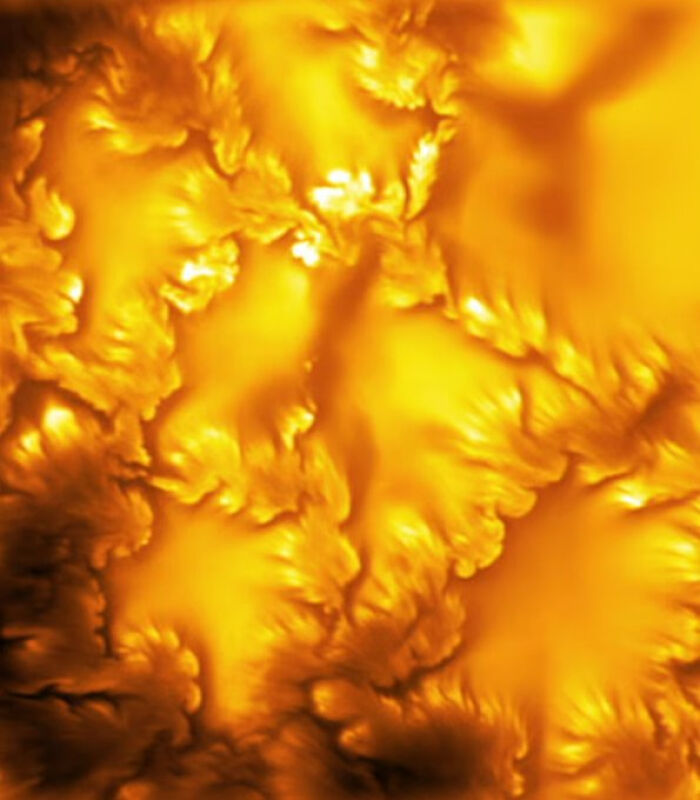
Feast your eyes on the sharpest, most detailed image of our Sun ever snapped. Prepare to stare at fiery surface drama up-close and personal.
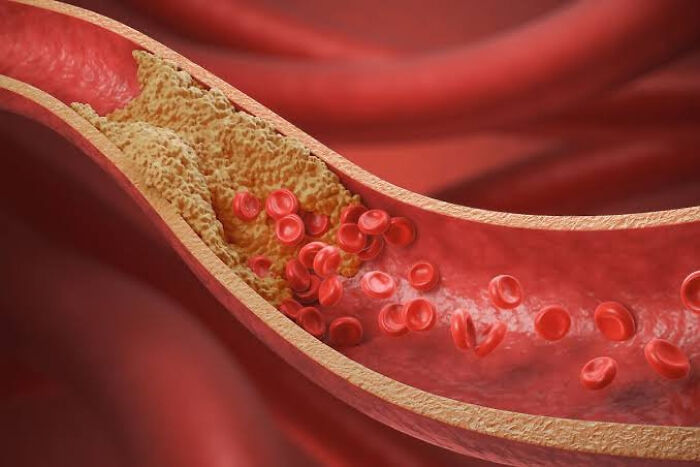
Forget going under the knife. An Italian scientist discovered an enzyme that clears out artery-clogging plaque, possibly reversing heart disease. Just science doing its magic without scalpels.
Here’s a fun study: when people answered trivia questions they were curious about, their memory parts lit up big time. Plus, their brains soaked up other random details, like faces nearby. So that’s why if you’re super into a show finale, you not only remember the plot twists, but what snack you had too. Thanks, curiosity!

Turns out when Gen Z says “nah” to booze, it’s not just a party foul - it’s cost the alcohol industry a whopping $830 billion in just four years. Sobriety = serious spending shifts.
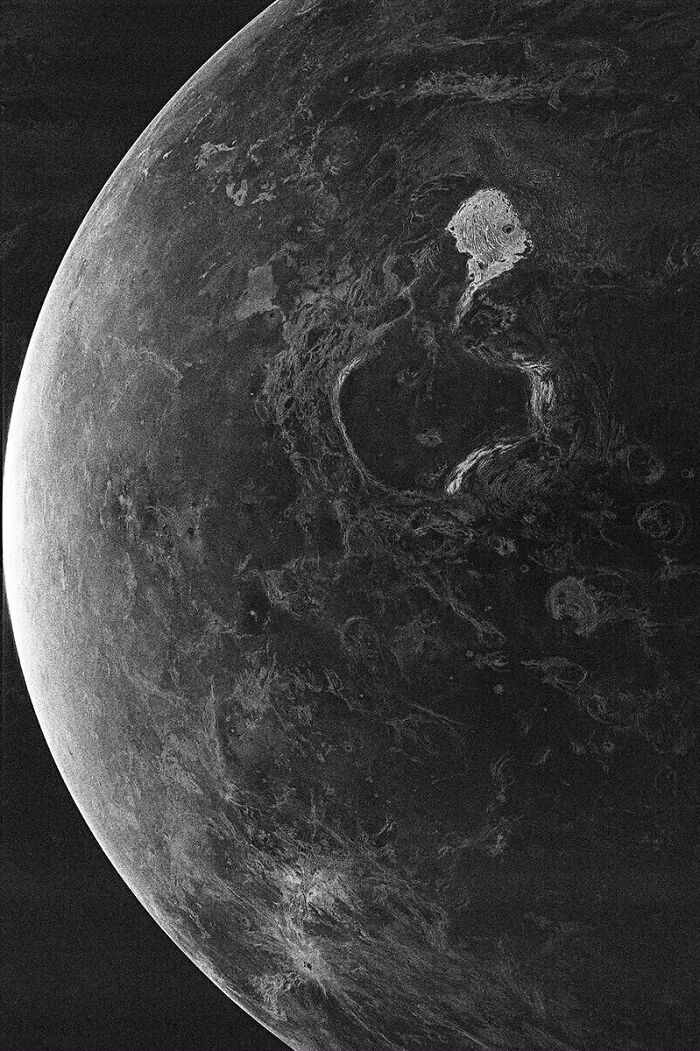
Check out Venus, snapped by the legendary Arecibo radio telescope. It’s like radar magic showing us a planet coated in mystery and thick clouds.
Curiosity isn’t just a ticket to brain candy - it might also keep the worry demons away. One study found curious people are less likely to get anxious or depressed because curiosity makes you see unknowns as cool puzzles instead of scary monsters. That’s a neat mind trick.
In a social media world filled with mindless scrolling, sparking real curiosity is like flipping on a light switch. Exploring weird history, outer space, and strange biology brings back that “Wow, how does that even work?” feeling. So keep those questions coming - the universe (and your brain) will thank you!
















37
0