
 then open in external browser


 and click "Open in External Browser"
65 Science Facts That Will Totally Freak You Out (But In A Good Way)
Hey! Ready for a wild ride through some of the weirdest, scariest, and most mind-blowing science facts out there? No deep dives here, just a quick run of cool stuff that might make you say, "Wait, what?!" Let’s jump right in!
This post may include affiliate links.
Believe it or not, the US kicked malaria out not with new meds but just by controlling mosquitoes. Yup, those tiny winged annoyances were the real villains. We even had Yellow Fever hanging around like an unwanted party guest until mosquito control kicked in. Keep swatting and stay empathic people, or else malaria might just RSVP again!

If you ignore gravity and just start walking straight up, it'll take about two hours to leave our breathable air. So yeah, no casual stroll for us mere mortals, but a cool thought experiment!
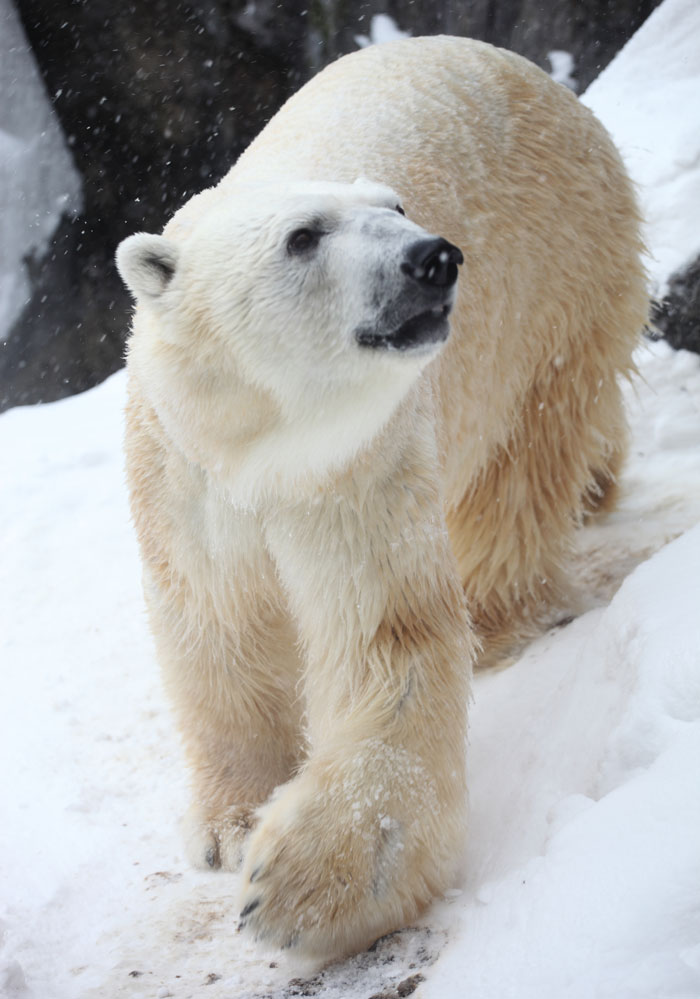
Polar bears don’t just chase you - they actively hunt you. In Longyearbyen, Norway, it’s even law to carry a big gun for bear defense. So... if you’re thinking of visiting, better pack some serious hardware!
Turns out, humans love learning because our brains just can’t get enough of new things. It’s not just for showing off, either! Curiosity helps us survive and figure out the world one discovery at a time. So yeah, wanting to know stuff is basically hardwired into us.
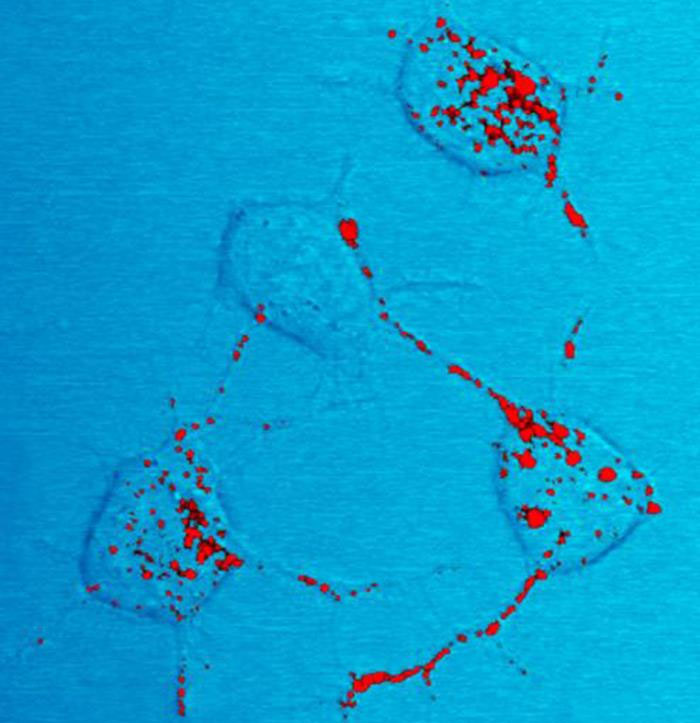
Prions are those spooky misfolded proteins that are nearly impossible to kill. They can hang onto hospital tools even after sterilization, spreading nasty diseases like CJD. Yeah, nightmare fuel in protein form.
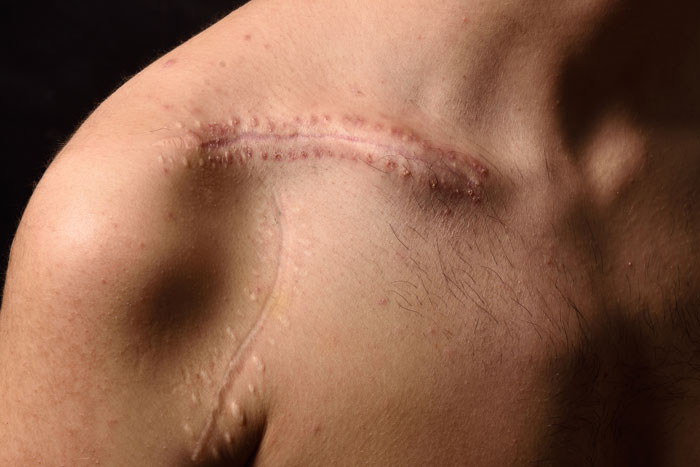
Your scars aren’t just old wounds - they’re actively maintained by your body using vitamin C. Run low on that, and your scar tissue could start breaking down. So, eat your oranges and keep those battle scars intact!
News in the US is mostly written at an 8th-grade level, but most people read way below that. So media grabs your attention with drama, controversy, and sometimes flat-out lying, because clicks and fights sell way better than facts. Welcome to the engagement economy!
Ever notice you get obsessed once you learn a little bit about something? That’s because your brain loves a good challenge - not too easy, not too hard. It’s like leveling up in a game, keeping you hooked and hungry for the next cool fact.
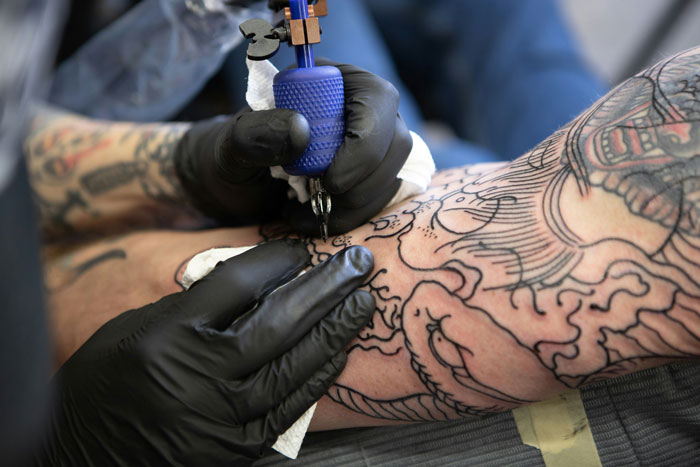
Your body treats tattoo ink like an invader and traps it with immune cells. Over time, some of that ink escapes or fades - especially if you get sunburned, which boosts immune action and washes away the color. So that tattoo? It’s a colorful battle zone!

Sneeze like there's no tomorrow and you might accidentally poke a hole in your spinal fluid tube. This causes nasty headaches that only go away when lying down. Doctors usually guess and hope it heals on its own - talk about a weird sneeze side effect!

Aneurysms can happen to anyone, anytime, and the victim often just drops suddenly. People think it’s especially scary because it can happen even to kids with no warning - a normal headache might hide something deadly. Watch out for sneaky headaches!
Got a science fact that kept you up at night? Or something so crazy it made you laugh? Share your weirdest, coolest discoveries with friends and keep the curiosity party going!
Every time you remember something, your brain’s like, 'Nah, let me remix this a bit.' So, some of your strongest memories might be a little less true than you think. Memory? More like memory remix!
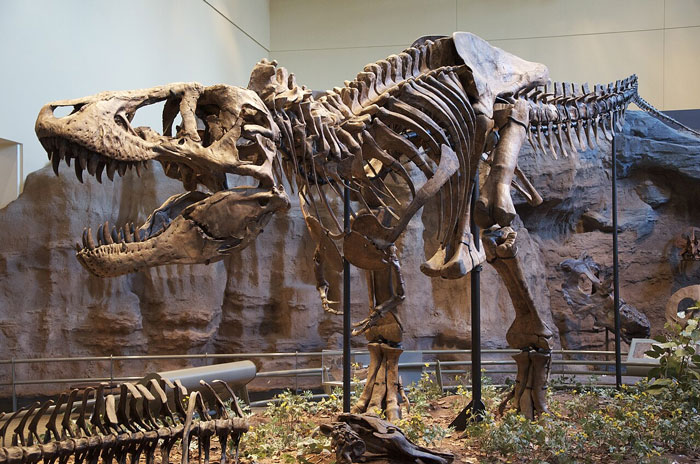
Every fossil you’ve seen is probably less than 1% of all the creatures that ever lived. Most species? Poof. Lost forever with no trace. So next time you’re admiring fossils, remember: we're seeing a tiny needle in a massive haystack of history.
Think your memories are set in stone? Nope! Every time you recall something, your brain might tweak it a little, so what you remember might not be exactly what happened. Your personal brain editor at work!
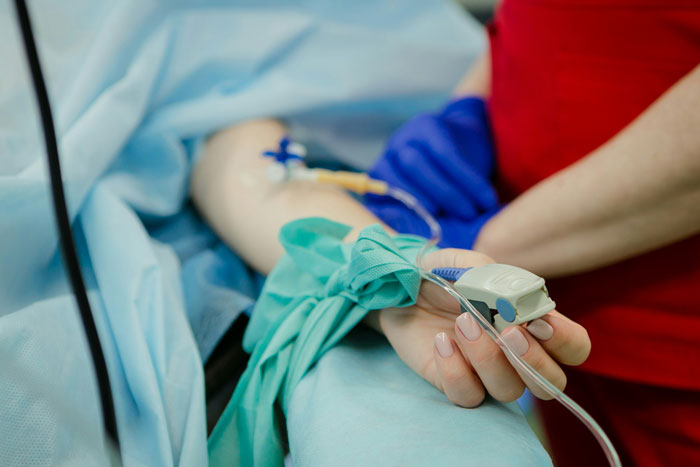
Big news (not-so-fun though): alcohol is officially in the same cancer-causing club as tobacco and asbestos. It’s actually the stuff our bodies turn alcohol into that messes with our DNA. So next time you raise a glass, remember it’s a bit of a risky dance!

Antibiotics might soon stop working and make surgeries super risky again. The kicker? No one's making new ones because they're expensive and only for emergencies. So, when these meds fail, we could be in for a tough, slow road to new cures.
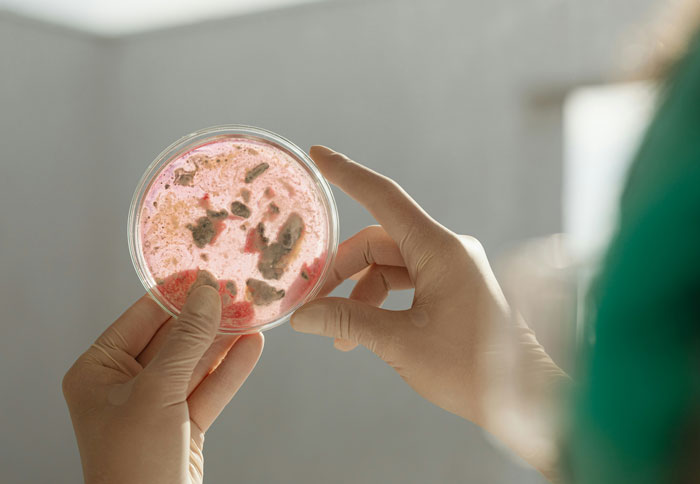
Your gut has invisible bacteria that mess with your cravings, mood, and even some decisions. Yep, tiny critters inside you might be pulling the strings more than you think.
Here’s a wild one: scientists actually don’t fully understand how anesthesia works. We knock people out but the exact science? Still a bit of a mystery.
Earth has had five mega extinction sprees where up to 95% of species disappeared. Guess what? We’re in one right now, though it’s moving kinda slow - so slow we almost can’t notice until it’s too late.
Yellowstone is a supervolcano hanging over the American West. When it erupts, it could bury huge areas under ash, ruin crops, darken skies, and cause global famine. It last blew up 640,000 years ago and likes to party every 600,000 years - so, who knows when the invitation’s coming?
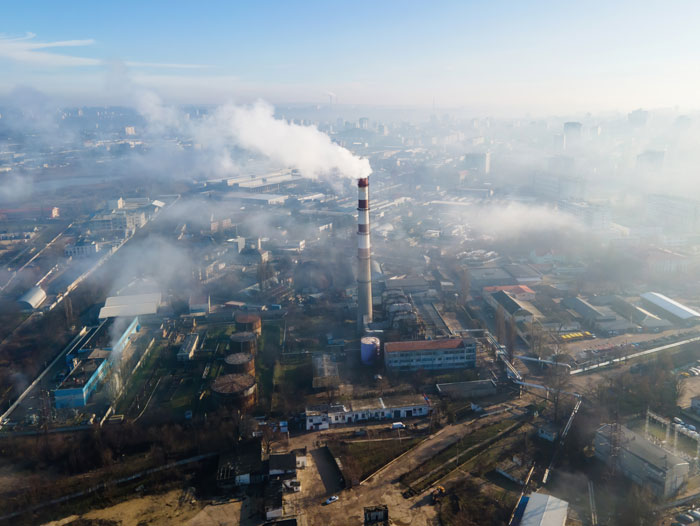
Pollution isn’t just about climate change - it’s messing with ocean chemistry and making water more acidic. That’s bad news for tiny plankton and algae that create around 70% of Earth’s oxygen. If they start disappearing, well... oxygen parties might get seriously dull.
Gamma ray bursts can instantly wipe out all life on a planet. And we see evidence that they regularly hit places in space. One might even be zooming our way right now, waiting for its grand entrance.
A photon might take millions of years to reach us from a far star - but if you hopped on as a photon? The trip would feel like zero time. Weird, right? Thanks relativity, you're tripping us out again.
People with Locked-In Syndrome are fully awake and aware but can’t move a muscle except their eyes. Imagine being trapped inside yourself, screaming silently - terrifying and sad all at once.
Most people have no clue about basic economic facts, but that doesn’t stop them from casting ballots that impact economies worldwide. Democracy: imperfect but still the best show in town.
PFAS, or "forever chemicals," are in literally everything. In Florida, drillers can't even find clean water free of PFAS to wash their equipment. These chemicals might outlive us all!
Higher CO2 levels in the air are messing with our blood chemistry and could weaken bones and mess with minerals. Yep, climate change could literally be giving you brittle bones. Nightmare fuel, right?
When you get a biopsy or have tonsils removed, your tissue might sit in storage for a decade before being anonymized and sold to pharmaceutical companies. So next time, think about where your body parts might be moonlighting!
The ocean’s deep end is like a sci-fi mystery waiting to be unraveled. Some parts have zero light, crazy creatures bigger than whales, and possibly ancient dinosaurs still hanging out. We’ve barely scratched the surface - literally!
The ultra-rich (think $100M+) often pay around 20-25% in taxes, while working and middle-class folks can shell out 40-50%. Social science sniffing out the tax game drama!
The sun’s mood swings aren’t just pretty light shows - they can send massive solar flares that could fry our power grids and leave cities in the dark for months. Fingers crossed!
All the metals in everything you touch - rings, phones, forks - were born inside exploding stars billions of years ago. So yeah, you’re basically cosmic glitter. How cool is that?
The water sources that feed America’s top food-producing regions are drying up fast. Within 30 years, we could lose massive chunks of farmland. Food for thought, literally.




A massive solar blast like the Carrington Event of 1859 could zap our power grids, taking down transformers, satellites, and internet for months. Imagine a global blackout - yikes!
If ocean temperatures keep rising, tiny plankton that supply oxygen and kickstart food chains could disappear. That’s a big whoops for life on Earth.
Countries will see major flooding and some land fully underwater all within a typical mortgage’s timeline. Guess where your next vacation spot won’t be?
Fukushima’s damaged cores are being drenched in water to keep them cool, but once the tanks fill up, that radioactive water gets dumped into the ocean. Nature’s way of saying, “I’m not impressed.”

Toxoplasma gondii is a parasite that messes with mice to make them brave around cats. Over a third of humans have it too, and in some cases, it might affect behavior or be linked to schizophrenia. Creepy crawlies inside your brain, anyone?
Normally, most fungi can’t survive our body heat. But as temperatures climb, they're learning to adapt, which might explain the rise of nasty drug-resistant fungal infections. Climate change is turning up the heat - and fungi are crashing the party.
The Cascadia fault near Seattle is overdue for a monster quake that could hit 9+ magnitude and cause tsunamis. Seattle might not recognize itself afterward - hold onto your coffee mugs!
Less than 75 years ago, Seattle just dumped all its waste into Lake Washington. Now, with fancy treatment plants, keeping the balance is a pretty delicate thing. History vibes.



Without supplemental oxygen, Everest’s top air is deadly thin. If you get hurt or slow down, you’ll run out of time and join the frozen climbers still blocking the trails! Green Boots Guy, anyone?
From radon gas to microplastics, pesticides to car exhaust, we're basically swimming in a soup of poisons. What that means for us? Your guess is as good as anyone’s.
Metals made before atomic tests are super rare and needed for super sensitive science equipment. After atomic blasts, metals got radioactively ‘spiced up,’ so scientists have to track down ’clean’ old metals like treasure hunters.
Smart AI could be amazing or devastating. Problem is, nobody really knows how to build a friendly one. The folks making AI know this but the race for money and power is speeding ahead anyway. Yikes.
Places like Iceland and the Great Plains are basically giant scars from events millions of years ago - massive lava floods, ocean floors pushed way up, and volcanic craters posing as bays. Earth’s history is a wild storybook.
Seattle is more earthquake city than LA. The last major quake hit in the 1700s and tsunamis even reached Japan. Next time it hits? Seattle and some coastlines might be completely reshaped. Grab your hard hats.
Forever chemicals don’t break down and sneak into everything. Some documentaries have been hidden for years because companies don’t want you scared. But hey, better know the truth!
The tiny ecosystem inside you - your microbiome - is actually bigger than your own brain. So yeah, you’re more microbe than you’d think.
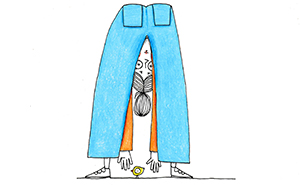



Diphtheria bacteria can grow a thick membrane over your throat that blocks air and can cause suffocation. That’s one bacterial chokehold you don’t want.
Bacteria infecting orange trees have slashed US orange production by 90%. No good fix is in sight, so orange juice lovers, beware.
Earth’s magnetic poles don’t just swap overnight - they drift over thousands of years, sometimes exposing cities to crazy solar particle storms. What might happen? We don’t really know, but probably not fun.
Beneath our feet is about 15 cm of topsoil that’s basically the foundation for all agriculture and life. Without it - and rain to keep it happy - we’re toast. Technology can’t fix that.

Our Milky Way galaxy and Andromeda are racing toward each other and will collide in the future. A cosmic bumper car crash of epic proportions.
Before Covid stole the spotlight, Ebola was the terrifying headline. It kills fast through hemorrhaging, and while outbreaks have been contained, a mutation could bring it back to center stage. Yikes.
A massive solar storm, like the Carrington Event in 1859, could knock out power networks and satellites for months today. Imagine no internet, GPS, or electricity - scary future stuff!
Research shows microplastics floating way up in the atmosphere are messing with the climate. Not just oceans, but the sky’s got plastic problems too!


The Atlantic Meridional Overturning Circulation (AMOC), a major ocean current, is slowing and heading north. When it stops, parts of Europe could plunge into an ice age. We’ve got around 50-70 years before things get super interesting.
Surprise! The universe doesn’t have a center. No spot you can point to as ‘THE’ center of everything. Mind officially blown.
To prove aliens exist, you just need to find one. To prove they don’t, you’d have to check the entire universe - not an easy task. So, keep watching the skies!
Your brain is about 80-100 milliseconds behind real time, showing you a just-a-bit-late version of reality. It fills in the gaps so everything feels instant. Sneaky, huh?
The rabies vaccine's effectiveness is somewhere between 80% and 100%, but because rabies doesn’t spread easily and cases are rare, it's hard to study. So, better safe than sorry, and vaccinate!


36
0