
 then open in external browser

 and click "Open in External Browser"
We’re diving straight into some wild animal facts that will make you say, "Wait, seriously?" These creatures have tricks, habits, and friendships you never saw coming. Ready? Let’s jump right into the fun!
This post may include affiliate links.
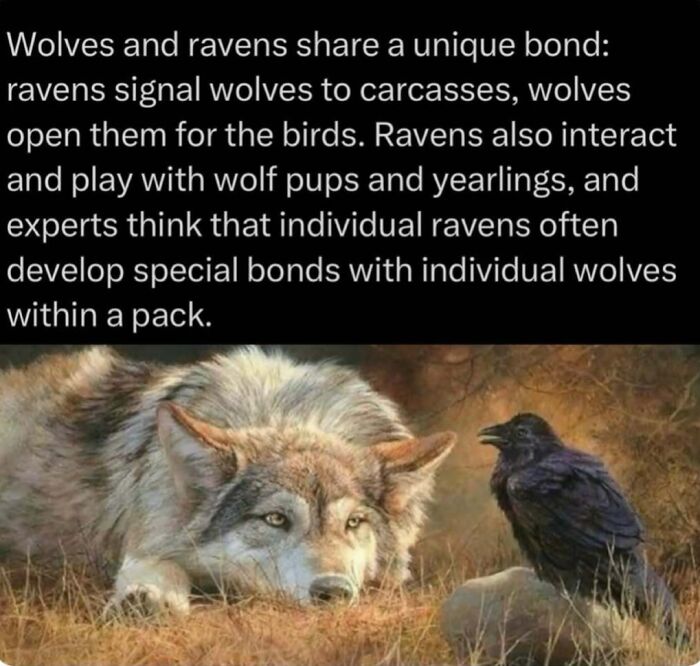
Ravens scout the skies looking for food. When they spot a carcass, they make a call to alert nearby wolves. Wolves use their powerful jaws to tear open the tough hide, letting the ravens join the buffet. Both get a tasty win.
But it’s not just business - ravens also play with wolf pups, hopping around and starting games, sometimes bonding with specific wolves. So, this isn’t your average predator-bird duo; it’s a surprising friendship made in nature.

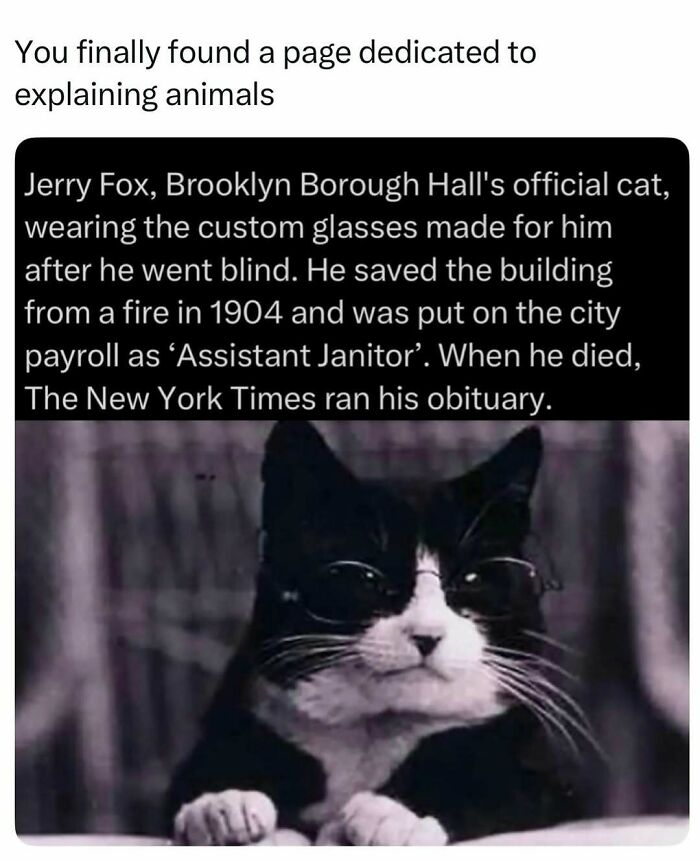
Back in the early 1900s, Jerry Fox was the Brooklyn Borough Hall’s secret weapon against rats. He kept the building pest-free and was adored by everyone who worked there.
One legendary night, Jerry helped warn the staff about a small fire, showing he wasn’t just a mouser but a bit of a hero too. This cat’s story proves that sometimes, the smallest heroes leave the biggest marks in history.
Animals can’t just shout out their feelings, so we have to be detectives and watch how they move and act. Turns out, many animals have complex emotions you wouldn’t expect!
Think about cows having best friends and freaking out when they’re apart, or pigs playing superhero to rescue pals in trouble. They’re not just animals; they’re furry (or scaly) bundles of feelings!
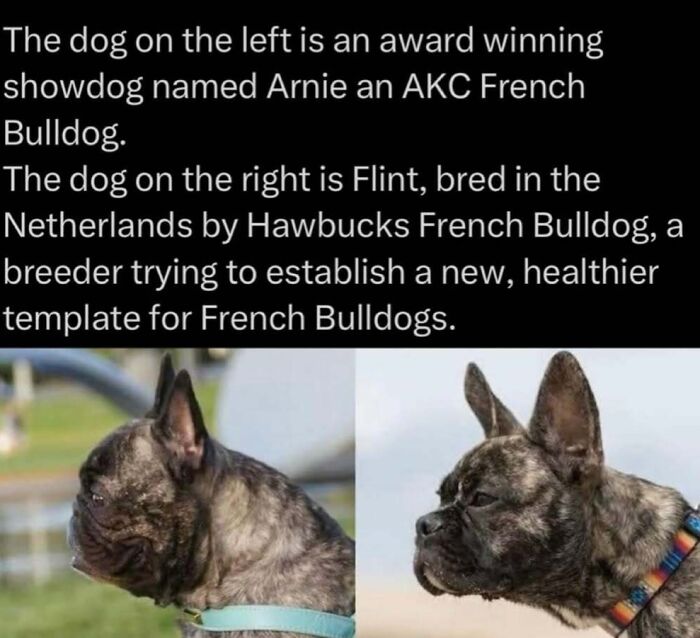
Bulldogs got their famous flat faces through years of breeding - but it’s a bit of a double-edged sword. That cute smooshy look can make it hard for them to breathe, get too hot, and cause joint issues.
Thankfully, breeders and vets are teaming up to create versions with longer noses and comfier shapes so our bulldog buddies can live happy, healthy lives without the struggle.
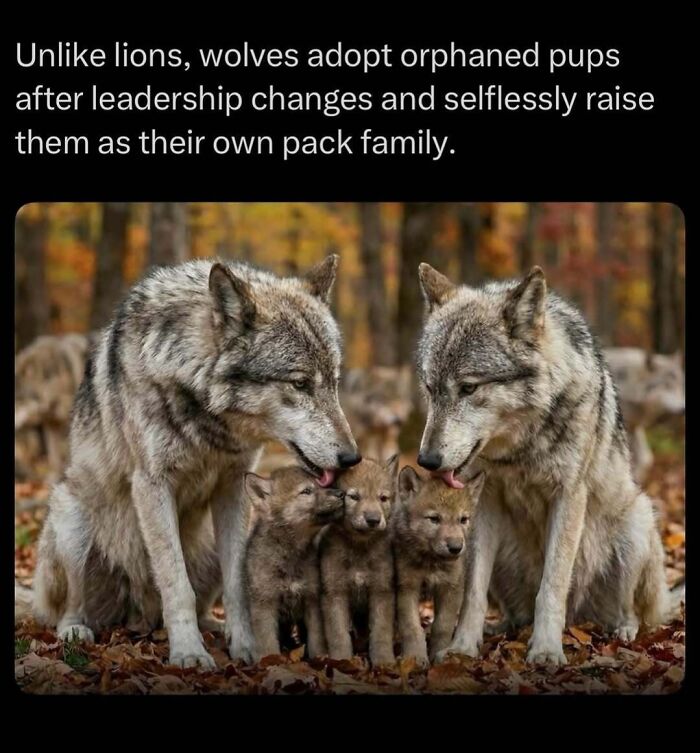
When a new leader takes over a wolf pack, lions usually wipe out the cubs to clear the way, but wolves? They sometimes adopt orphaned or unrelated pups and raise them as their own.
This shows wolves rely heavily on cooperation and social bonds to survive. By caring for orphaned pups, they prove that family goes beyond blood - teamwork is key in the wild!
Scientists are spending loads of time watching animals up close to figure out their moods and mind games. Like, did you know some animals smile, frown, or even throw a tantrum?
Pigs, for example, will literally go out of their way to help a stuck buddy. That’s not just kindness - it’s pure, adorable empathy.
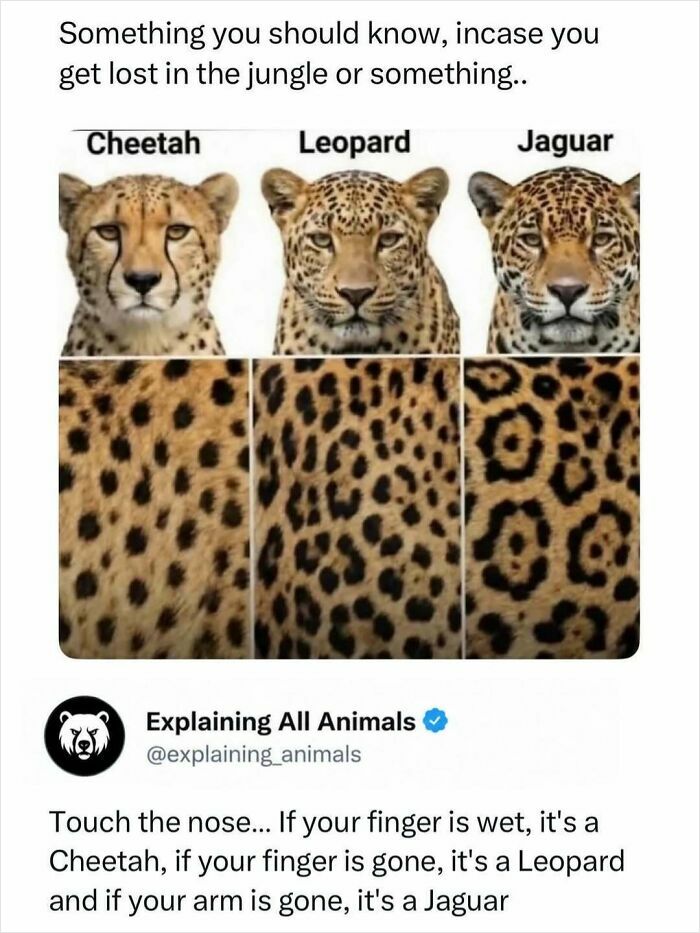
See a big cat with spots? Don’t panic! Here’s the quick spot guide: cheetahs have simple solid black spots; leopards rock smaller rosettes without spots inside; jaguars flaunt big rosettes with little dots in the middle.
Oh, and cheetahs have those dark tear streaks from their eyes down to their mouths. Handy if you actually get close enough to peek.
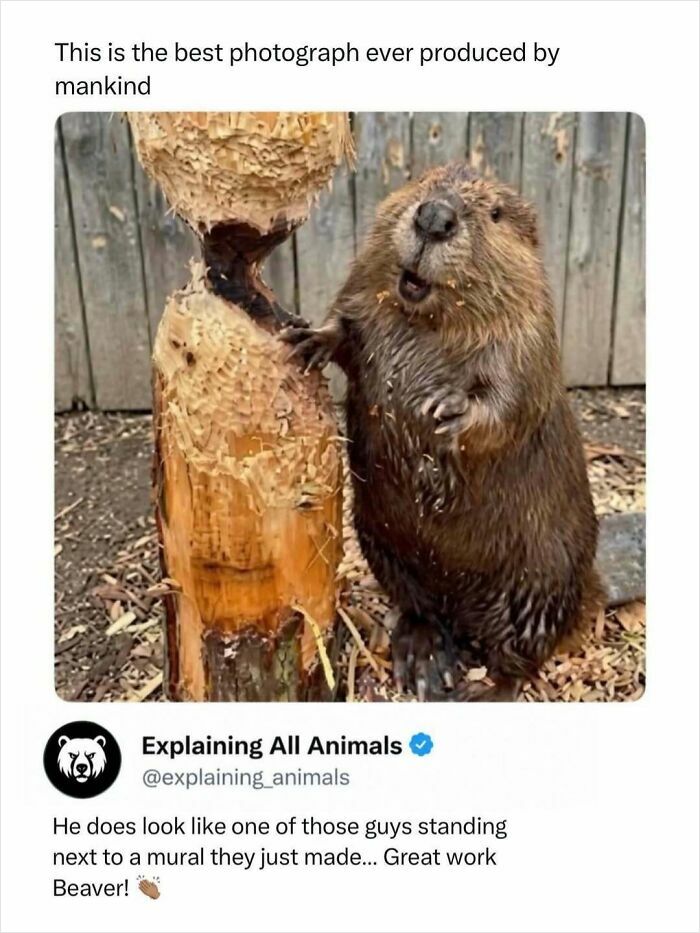
Beavers are like nature’s engineers with teeth fortified by iron - yep, that’s why they’re orange! Their teeth never stop growing, letting them gnaw through trees all day long.
But they’re not just felling trees randomly. Beavers carve trunks precisely to control how trees fall, then build dams that make ponds for safety and food storage. Those ponds? Hotspots for other animals too. Beavers really know how to throw a habitat party.
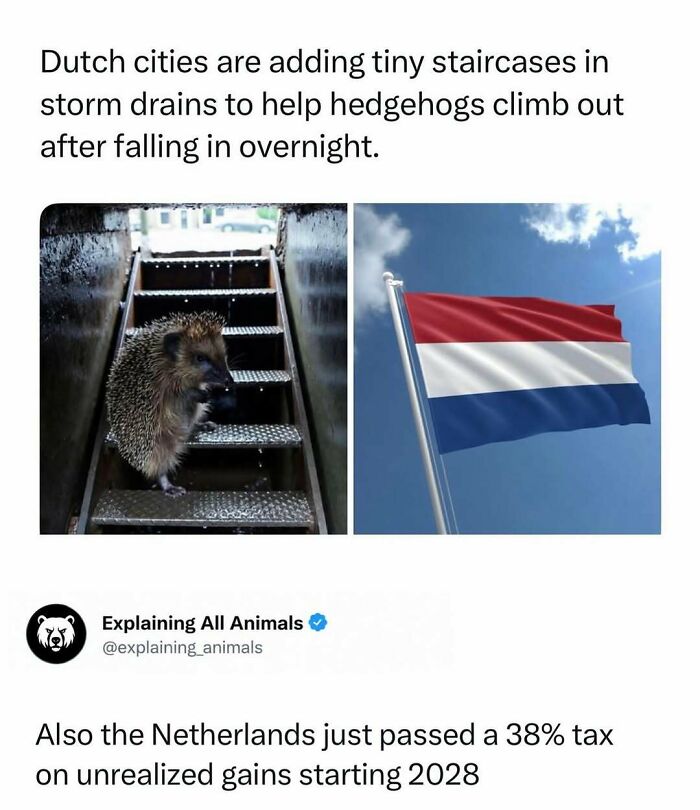
Imagine falling into a storm drain and having no way out - that’s exactly what happens to thousands of hedgehogs yearly. The Netherlands came up with a charming fix: tiny staircases inside drains so the little guys can escape.
This fix went viral because it’s simple, smart, and sweet. Alongside spots for bees and wildlife crossings for big animals, these staircases help make cities friendlier for critters. It’s proof even small changes can add up to big wins!
Researchers are also making apps to help us spot if our pets are hurting. Imagine an app that tells you when your cat is secretly in pain just by looking at its face!
Technology + animal feelings = a total game changer for pet lovers everywhere.
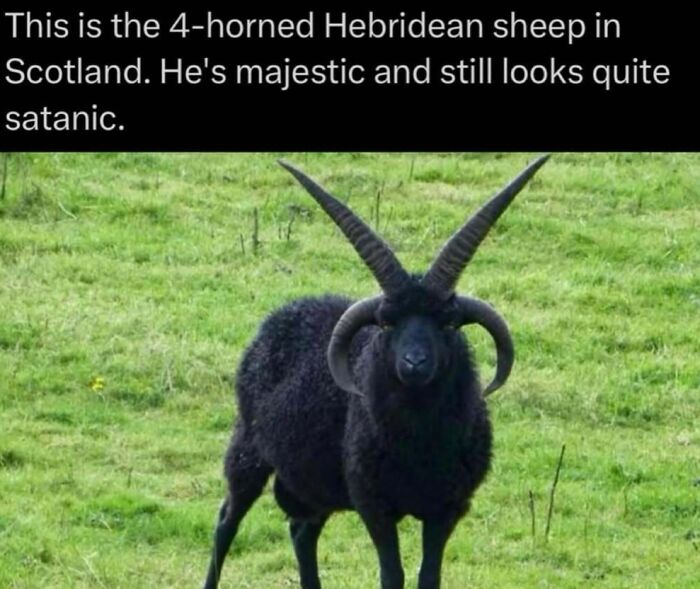
Hebridean sheep hail from the rugged Scottish islands and look like woolly little Vikings - with often four horns instead of two! Both guys and gals can rock this multi-horned style, making them pretty unforgettable.
Once almost gone, these tough sheep bounced back thanks to care and conservation. They’re great at surviving in harsh places and help keep wild landscapes in check. Sheep with attitude, for sure!
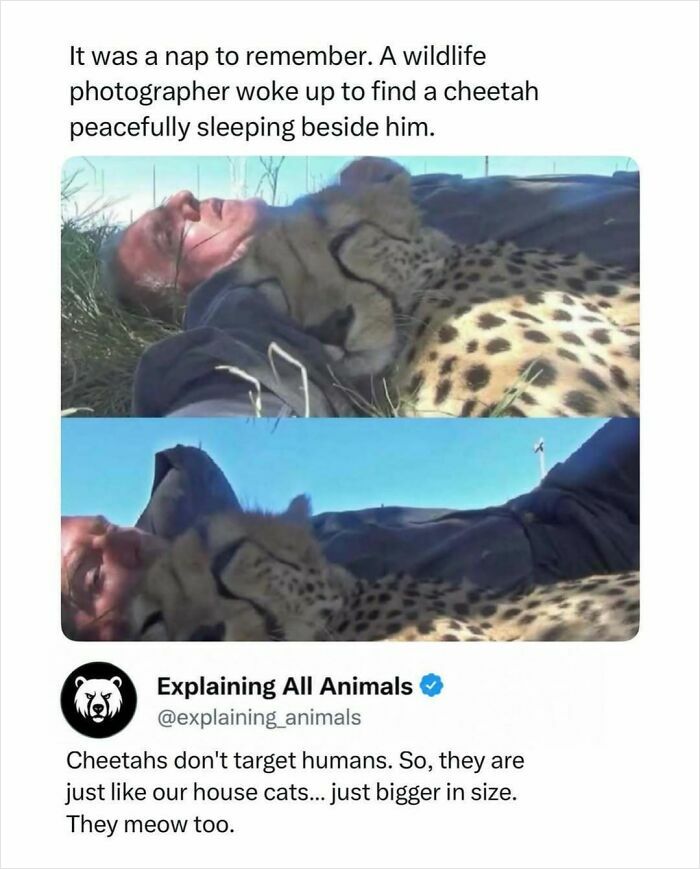
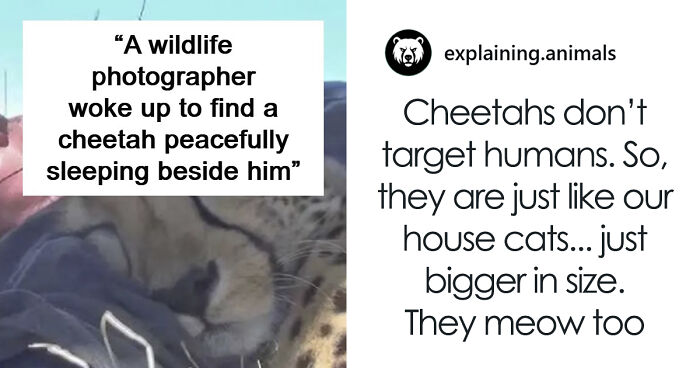
Dolph Volker, an animal behaviorist, once dozed off under a tree in South Africa. When he woke up, guess who was napping right beside him? Eden, a 3-year-old cheetah raised in captivity, curled up, purred, and groomed him like an overgrown kitten.
This sweet moment shows cheetahs can bond deeply with humans who care for them. It’s not all chase and pounce; sometimes it’s all snuggles and naps.
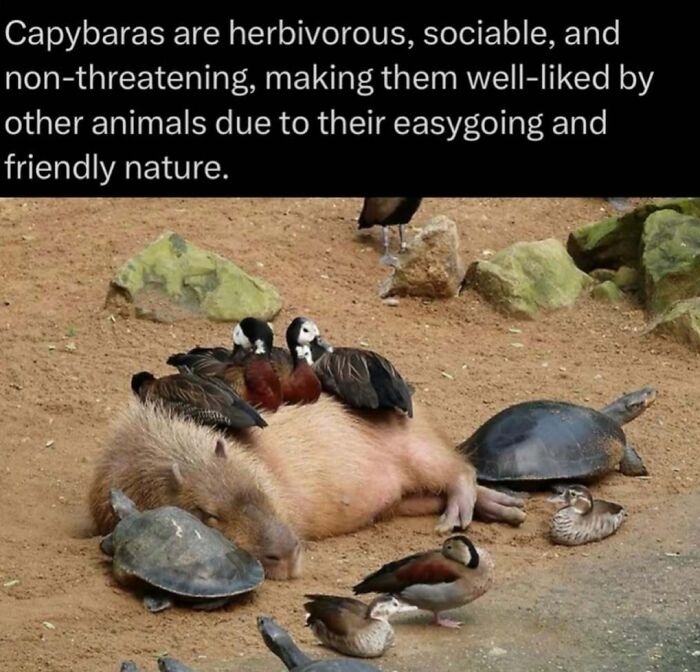
Capybaras are plant-eating giants (by rodent standards) who keep a low-key vibe. These big guys aren't aggressive and get along with just about everyone - from birds to monkeys and even animals that usually want to eat them.
Their cool, calm personality makes them natural social butterflies. Plus, they’re half-swimmers, enjoying both land and water. Simply put: capybaras are the life of the animal party.
Animals aren’t just cute fluffballs; they’re mirrors showing us how social and smart we really are.
By studying their friendships and social rules, we get sneak peeks into how our own brains and behaviors evolved. Who knew cows could teach us so much about friendship?
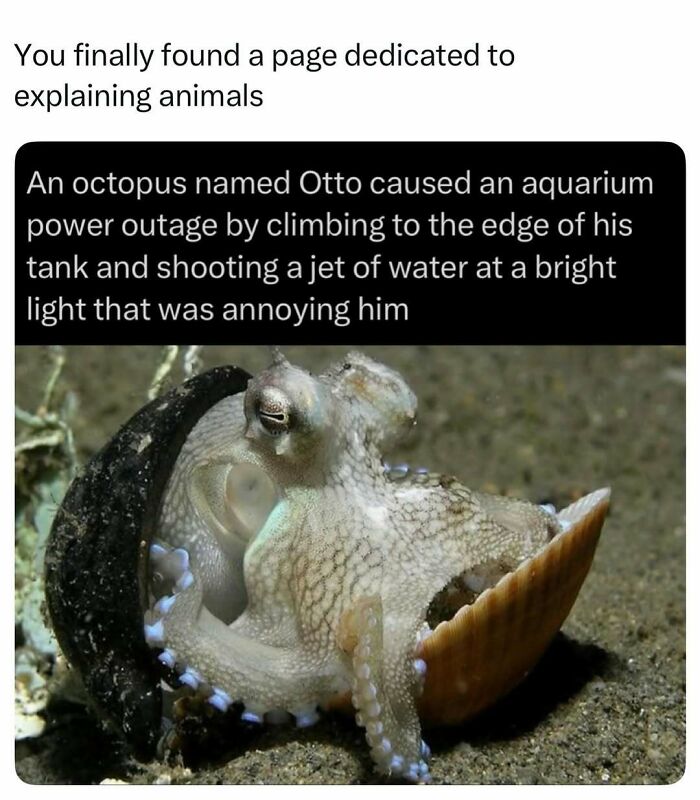
In an aquarium, Otto the octopus got annoyed by a glaring light overhead. Instead of just sulking, he climbed out, sprayed it with water jets until it shorted, and plopped back down like a boss.
His light-bulb moment shows octopuses are brains and brawn: problem solvers with style. If a sea creature can stage a mini-rebellion, Otto’s leading the charge.
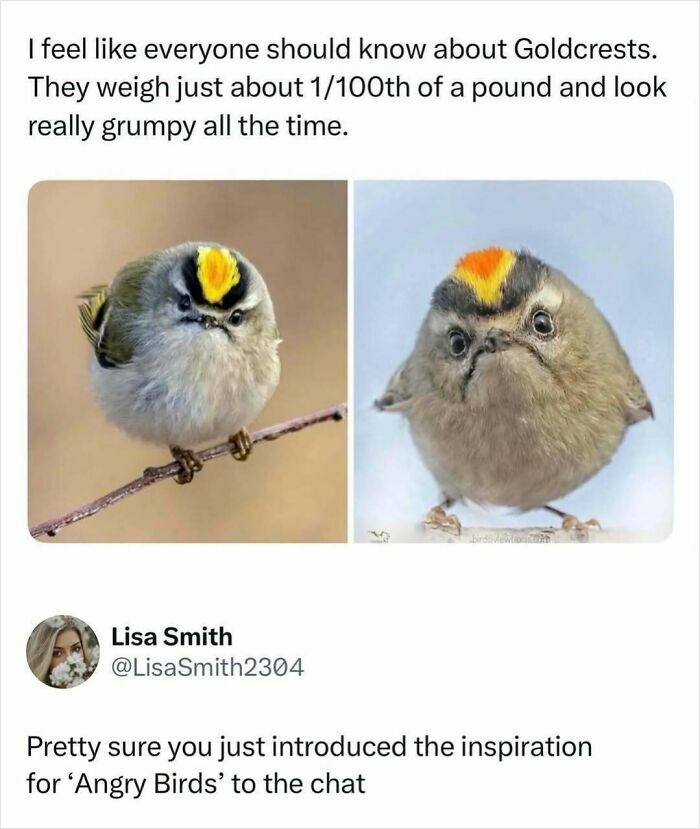
Goldcrests are feathered tiny dynamos, barely weighing a few grams but packing loads of energy. They wear a golden stripe on their heads like a miniature crown, making them easy to spot - and hard to forget.
They’re tough little guys, too, fluttering through freezing winters chasing down insects. With big eyes and a serious expression, these birds prove that even the smallest packages bring big personality.
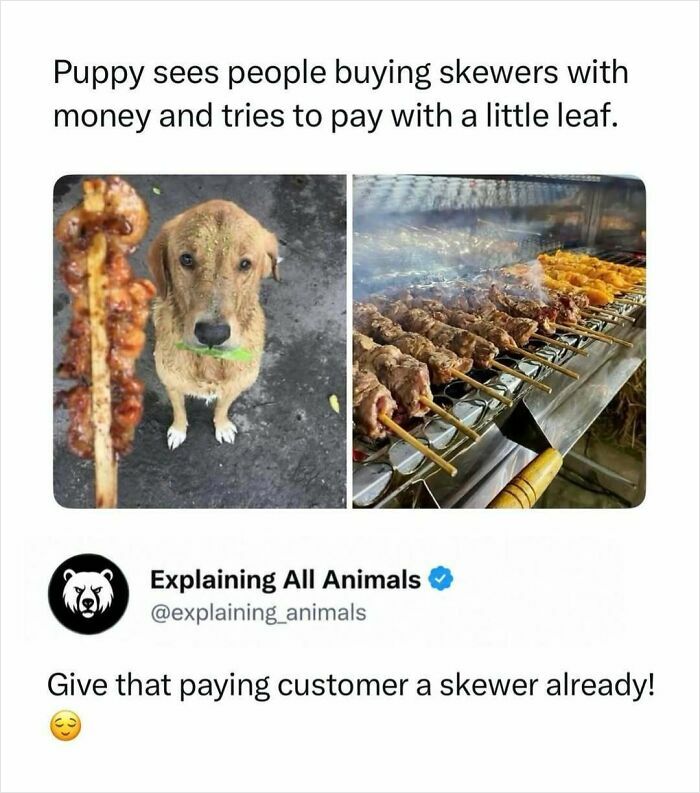
A stray dog seemingly tried to buy street food by giving a leaf instead of money. Cute, right? While it looked like the dog ‘got’ the payment idea, behaviorists explain it was probably copying actions it’d seen get treats or attention before.
Dogs are pros at people-watching and learning simple tricks. So this clever pup found its own twist on ‘paying.’ Definitely got us smiling!
Animal brains are smart cookies - they do things that help them handle tricky situations, thrive, and hang out with their crews. When researchers peek into their behavior, it’s like reading a cheat sheet on survival and relationships.
And guess what? We humans can learn a thing or two about dealing with life’s curveballs from them.
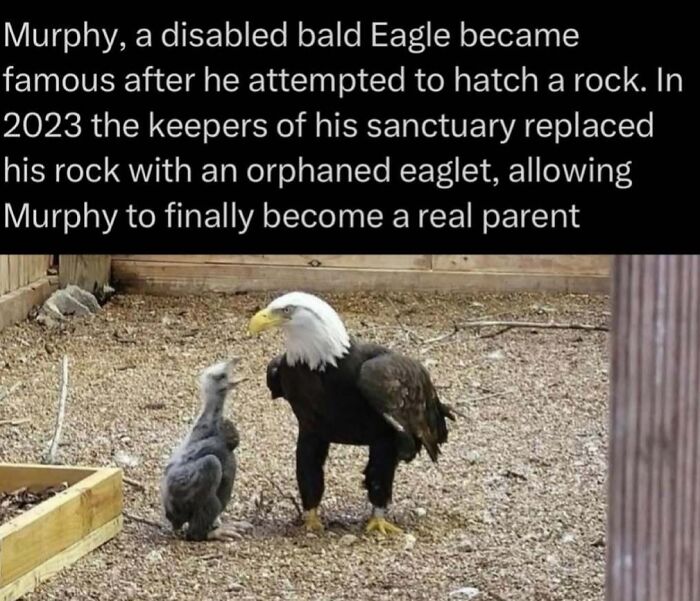
Murphy, a bald eagle with a wonky beak, might have been grounded for good. But thanks to an awesome custom prosthetic, he’s back to flying and inspiring everyone.
His tale is all about resilience. With the right care, even birds with tough starts can become stars and teach us about hope.
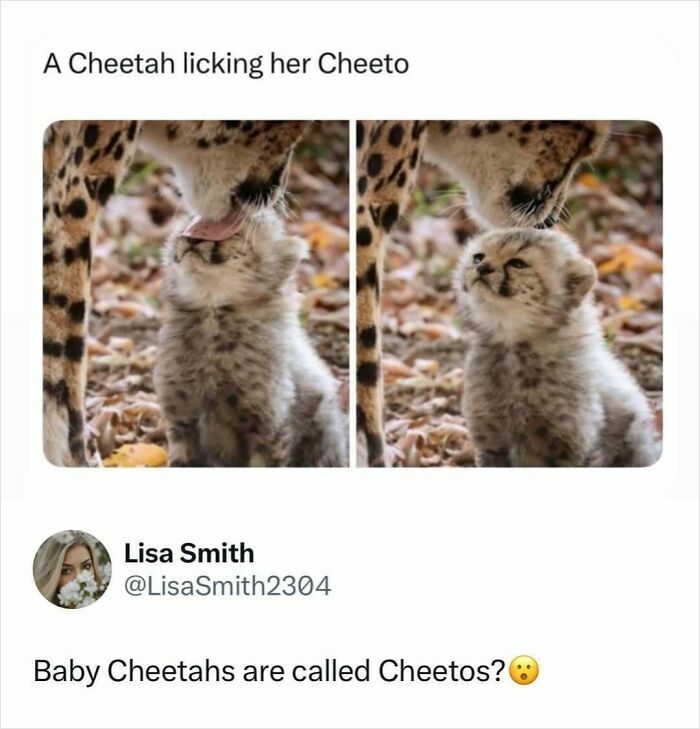
Cheetahs are the fastest land animals - speedy and sleek - but their moms? Total softies. They spend tons of time grooming and protecting their fluffy cubs, who rock a silver-gray fuzz that helps them sneak past predators.
Life’s tough in the wild, so cubs stick close to mom as they learn to hunt and survive. Adorable AND fierce? Yep, that’s cheetahs for you.
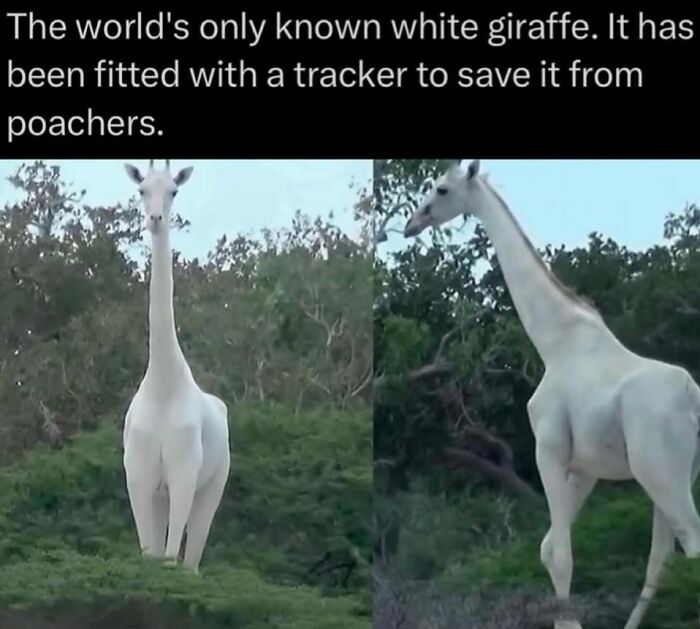
Deep in Kenya lives the world’s last known white giraffe. Thanks to a rare gene called leucism, this majestic creature shines bright but isn’t albino (its eyes are normal).
Discovered in a special conservancy, this white giraffe has become a symbol of how precious and delicate our wildlife really is. It’s a living legend worth every effort to protect.
Our actions are leaving many animals high and dry - literally. Cutting down forests, polluting waters, and all that climate chaos is shrinking their homes and their numbers.
The Amazon is losing jaguars and macaws, rivers are turning toxic for fish, and it’s all no fun for our animal friends - or us.
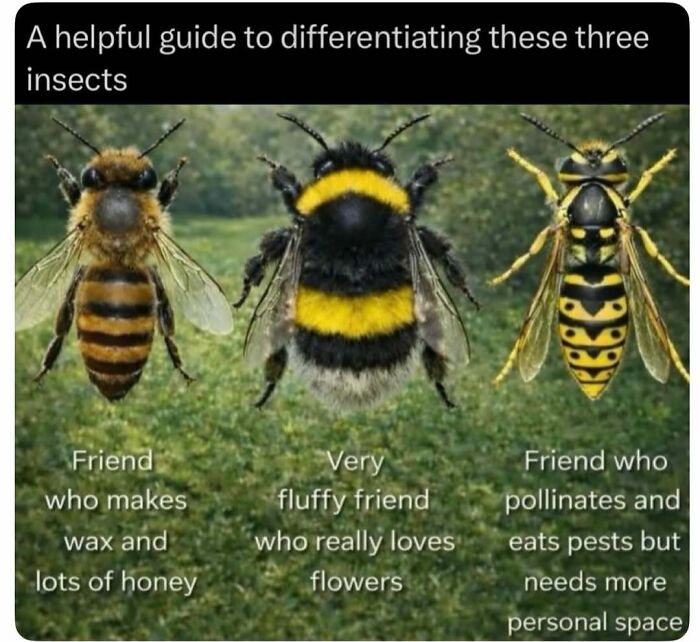
Honey bees are slim and golden, known for wax and tons of honey-making. Bumblebees are big, round, and fuzzy - think fluffy little pollen robots.
Wasps look sleek and shiny with bright yellow-black stripes and narrower waists. They’re less fuzzy and can be a bit more feisty!
While bees are generally chill and focused on pollination, wasps are the hunters, eating pesky bugs and defending their turf with style.
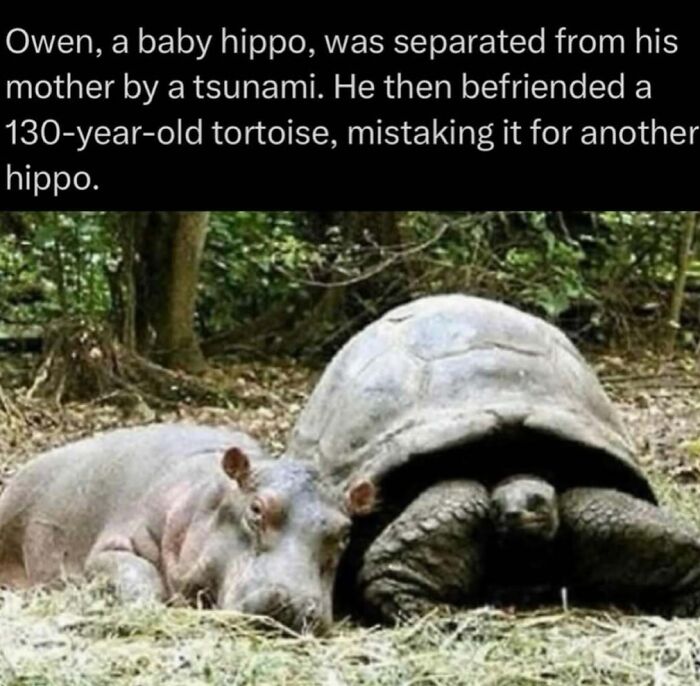
After the 2004 tsunami, baby hippo Owen was all alone. Enter Mzee, a 130-year-old giant tortoise. Owen started following Mzee everywhere, like he was Mom Turtle!
This unlikely duo became internet stars for their heart-melting friendship. When disaster strikes, animals - just like us - find comfort and make friends in the most unexpected ways.
Climate change throws in a big plot twist with crazy weather.
Like in Sumatra, heavy rains wiped out a chunk of rare orangutans - talk about a bad day for wildlife.
Without us stepping up, some animals might disappear forever.
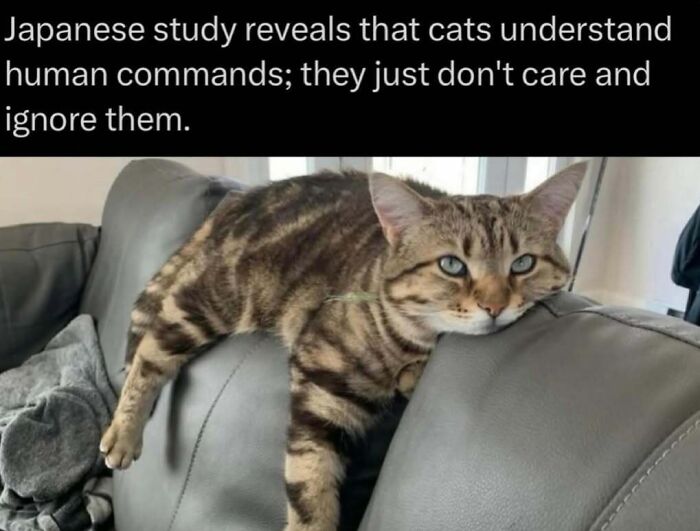
Scientists in Japan found that cats actually recognize their owner’s voice and even their names from other sounds. But unlike dogs, they don’t usually come running when called.
Turns out, cats domesticated themselves and kept their independence, so they only answer when it suits them. Classic cats being cats!
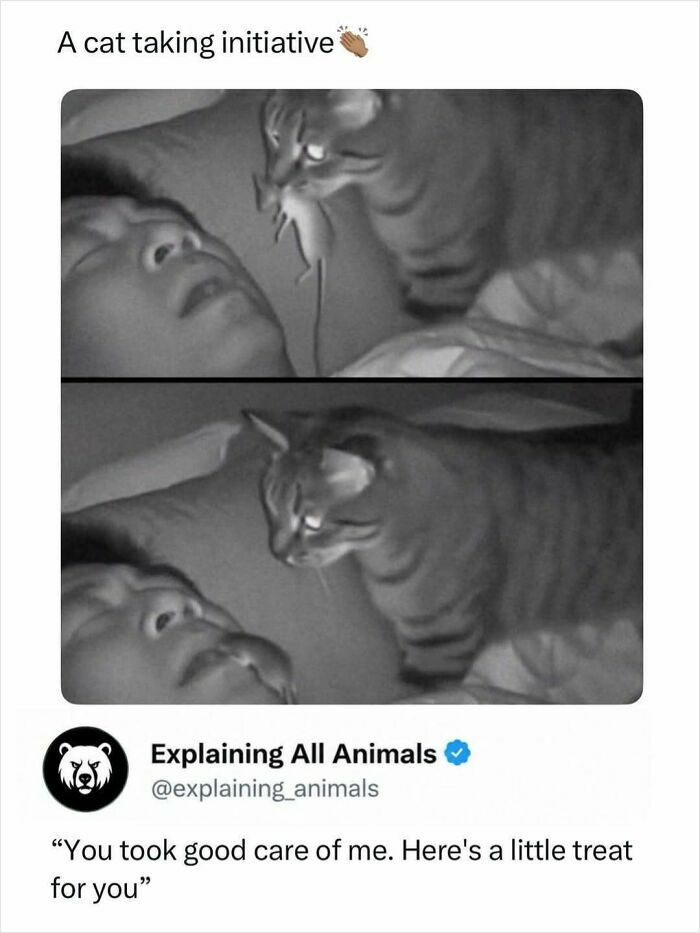
Cats weren’t bred into our homes; they kinda moved in because it was a good deal - free food and shelter! Their curious and clever nature made them great at hunting pesky rodents and bonding selectively.
With their mysterious looks and playful mischief, cats have become internet royalty. They balance wild instincts and snuggles, keeping us endlessly entertained and guessing.
Stories and snaps of wild animals aren’t just fun - they make people care about critters they’ll never meet.
Images showing animal faces or expressions spark emotional connections, and that makes folks want to help out. Social media? Big win for animal conservation!
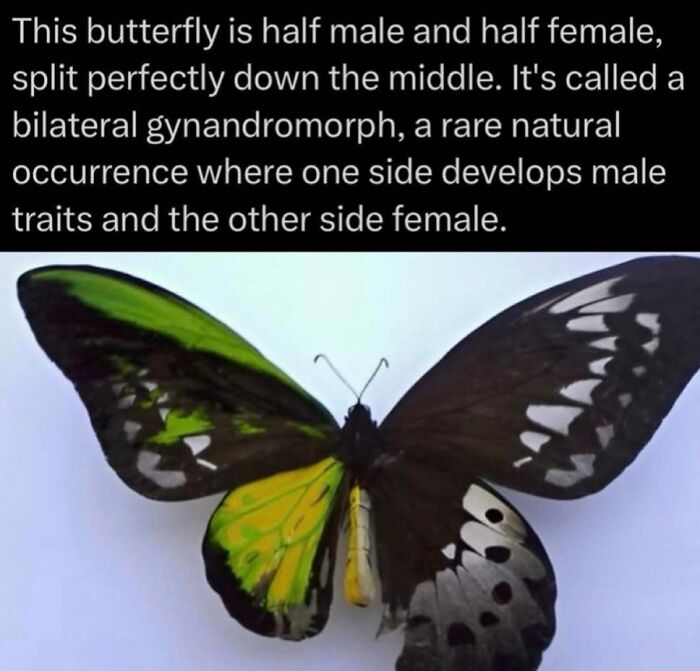
Sometimes, a baby butterfly ends up part boy, part girl - one side male, the other female - because of a rare genetic mix-up during cell division. The split is so clear you can actually see it down the middle!
This isn’t just a weird party trick; it helps scientists understand how traits like color and size develop. Nature’s way of showing off its creativity with genetics.
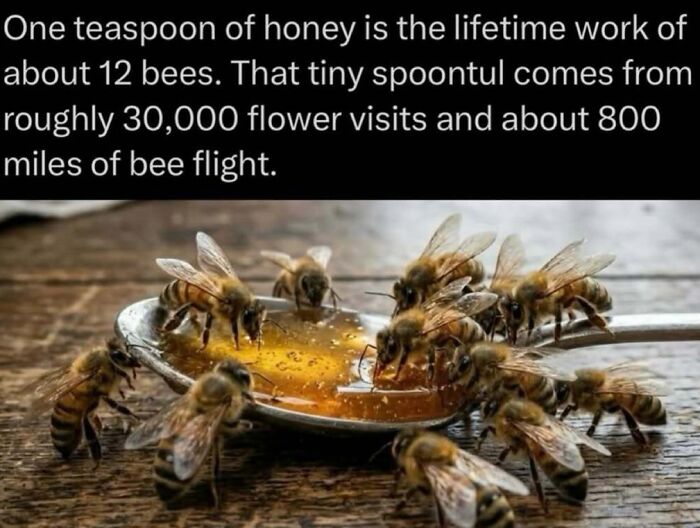
A single worker bee lives just 5 to 6 weeks and makes tiny amounts of honey - about 0.5 grams or 1/12 of a teaspoon total. Lookin’ small, right?
But wait! A whole hive with thousands of bees can produce 20 to 60 pounds of honey a year. Proof that lots of little things together can create seriously sweet results.
Animals keep the world spinning. Pollinators like bees and butterflies make our food possible. Predators like wolves keep ecosystems balanced.
Lose them, and it’s like the world’s dominoes start falling. Every little thing we do to help counts - even ditching plastic or backing eco-friendly brands.
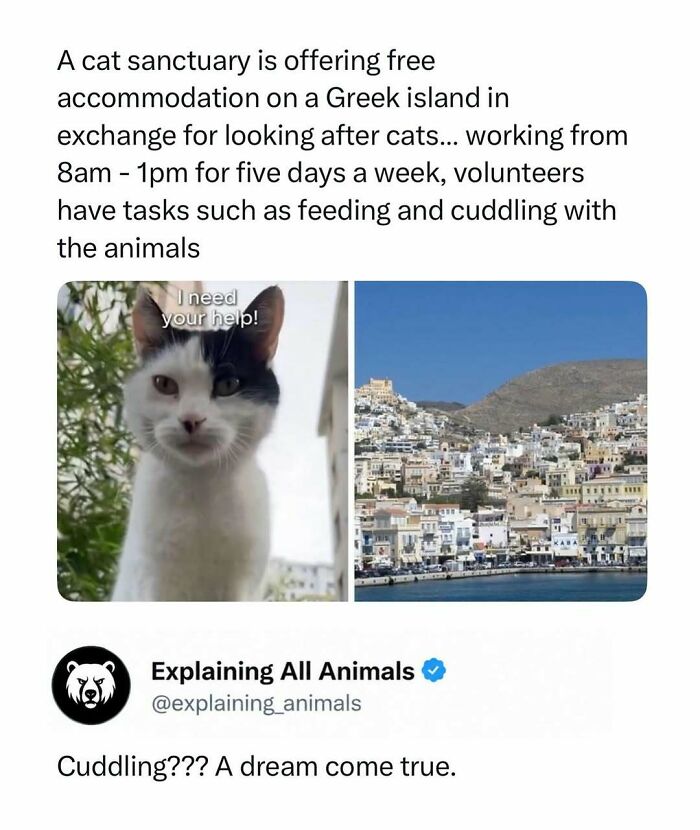
Imagine working your shifts surrounded by purring cats on a sunny Greek island. A cat sanctuary there is looking for volunteers to help with feeding, cleaning, and cuddling - sounds like the dream, right?
This opportunity went viral as many people joked about ditching their stressful jobs for this chill, furry paradise. Because sometimes, life’s about cat naps and warm sun rays instead of office stress.
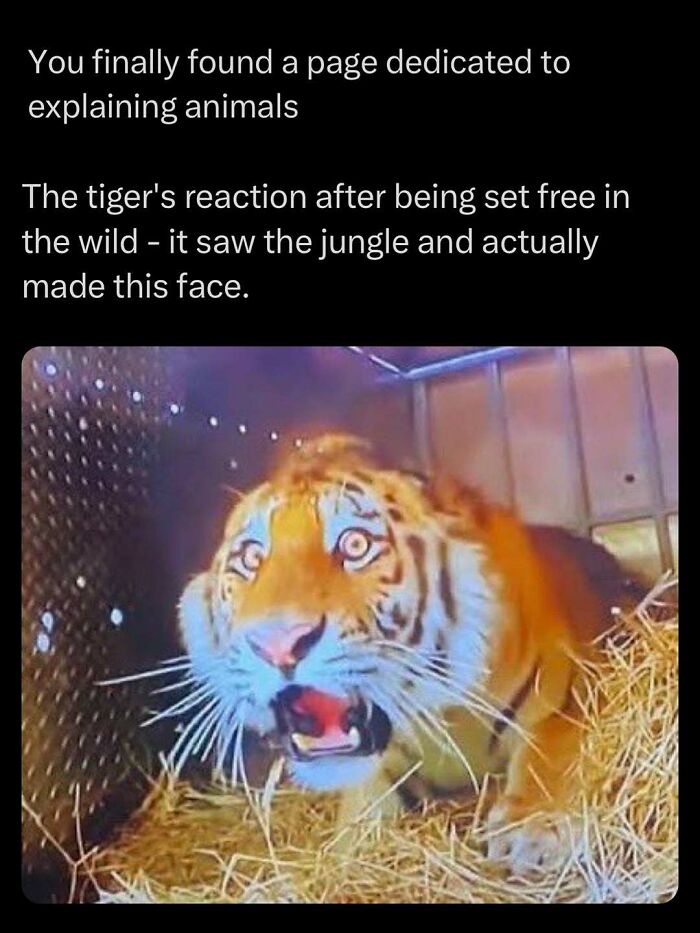
Lions wear the 'king of the jungle' crown because they live loud and proud in African savannas with their close-knit prides.
Tigers are more like ninja solo hunters in forests and grasslands. They’re bigger, stronger swimmers, and rule their turf quietly.
Different styles, same regal vibes.
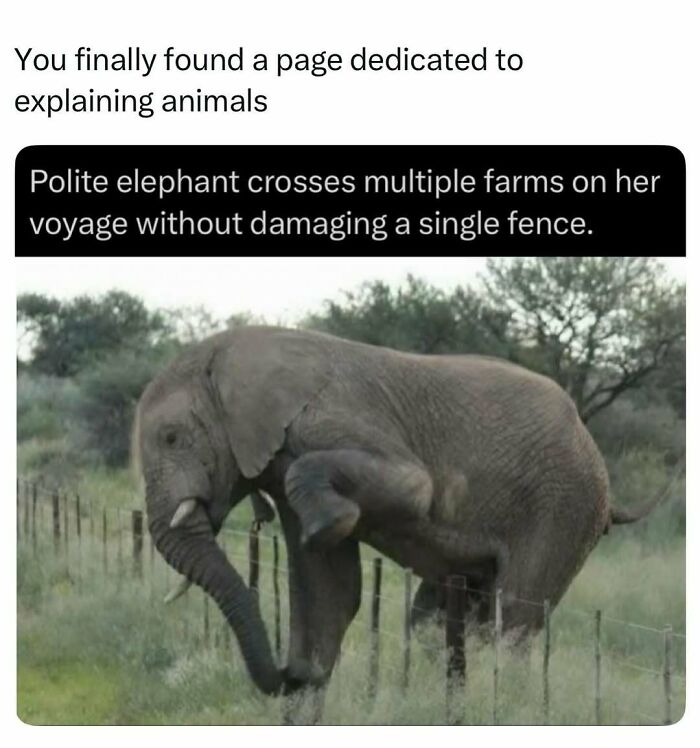
Elephants are brainy landscapers. Living near farms means they often run into fences.
Instead of smashing everything, they carefully choose the easiest paths - stepping over wires, pushing down posts, or finding weak spots.
That smarts makes them tough to stop and a major challenge for humans sharing their space.
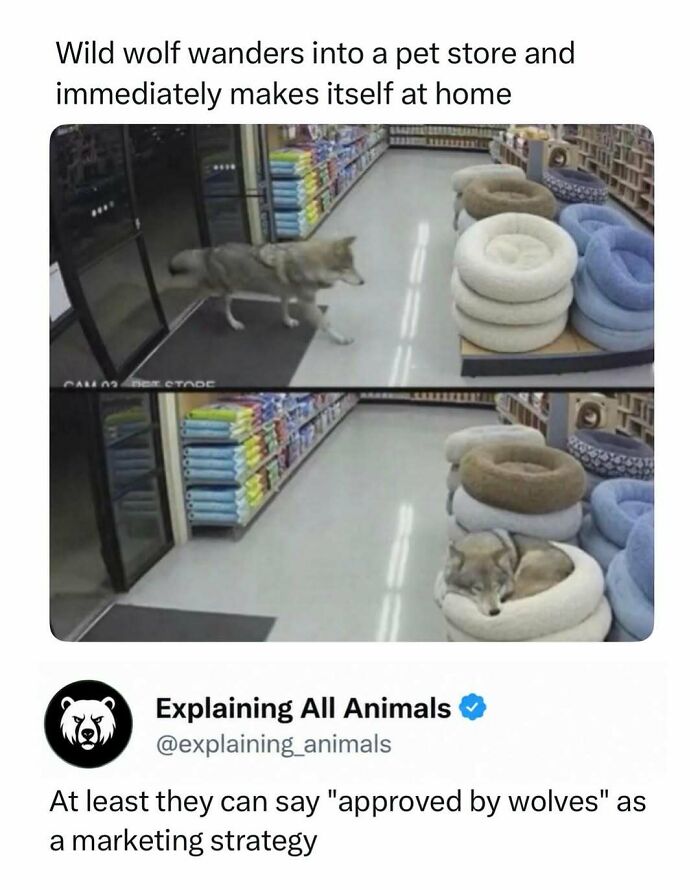
A viral video showed a wolf sneaking into a pet store and curling up in a dog bed like it owned the place.
The wolf treated the bed way more casually than expected, making folks smile and say, “Same, wolf, same.” Because hey, who wouldn’t want a soft spot to nap?
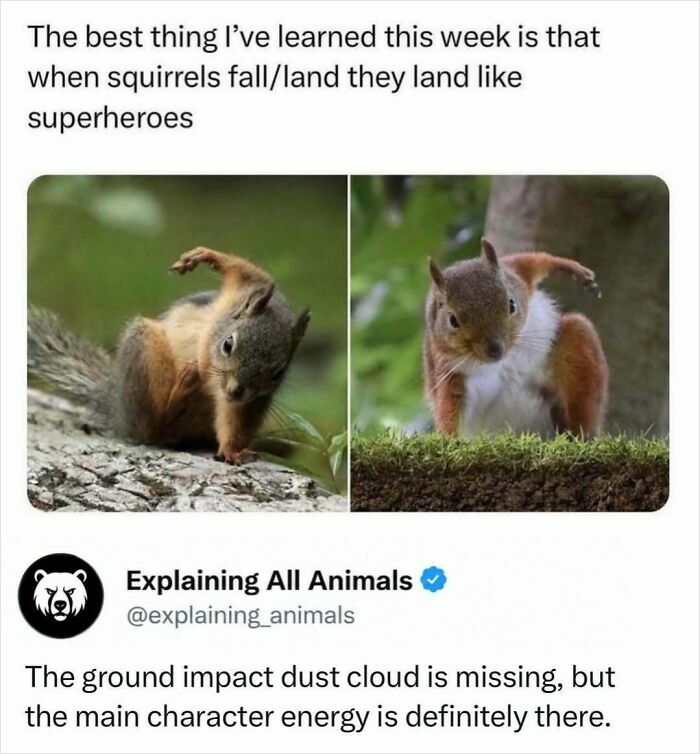
Squirrels are tiny parkour pros - jumping from branch to branch with crazy agility.
They stash nuts for later but often forget about some, accidentally planting trees.
With their sharp brains and quick moves, squirrels bring a whole lot of energy and fun to any forest.
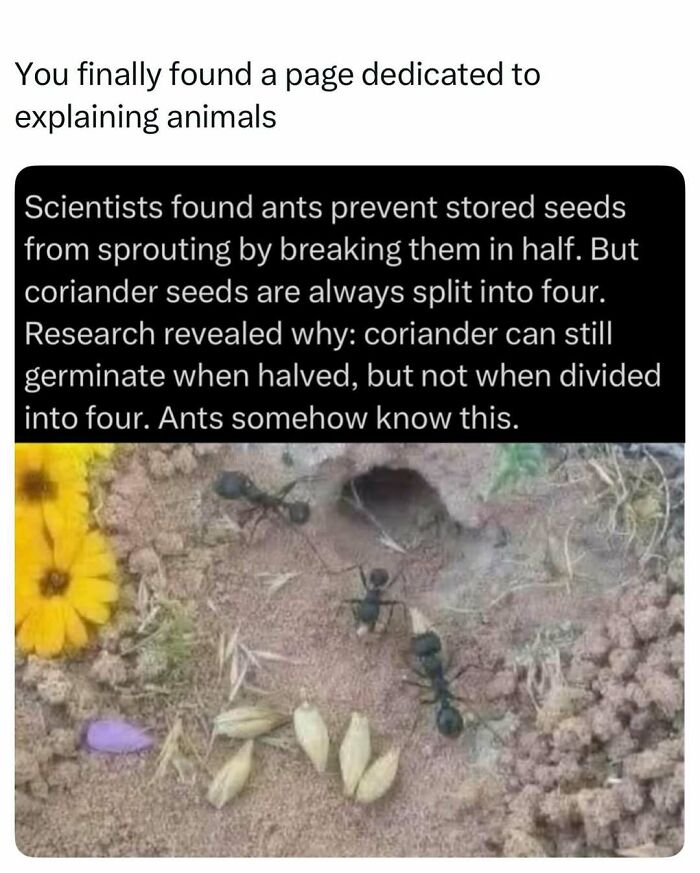
Harvester ants protect their underground food by damaging seeds so they won’t grow into plants inside the nest.
With coriander seeds, they go full-on ninja and split them into four pieces instead of just two, making sure they can't sprout.
Tiny farmers, sharp tools, and a lot of pep in their step!
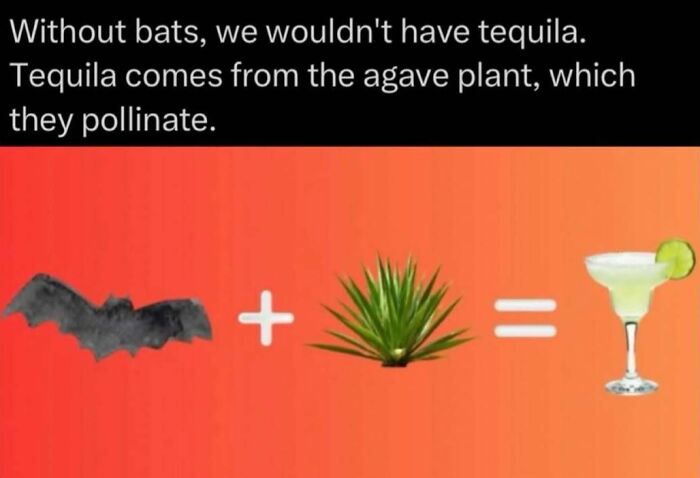
Bats sip nectar from agave flowers at night, carrying pollen from plant to plant. This pollination is essential to agave reproduction - and your favorite tequila.
Unfortunately, some farms harvest agave early, cutting bats out and messing with natural cycles.
These flying gardeners need love - without them, tequila and ecosystems suffer.
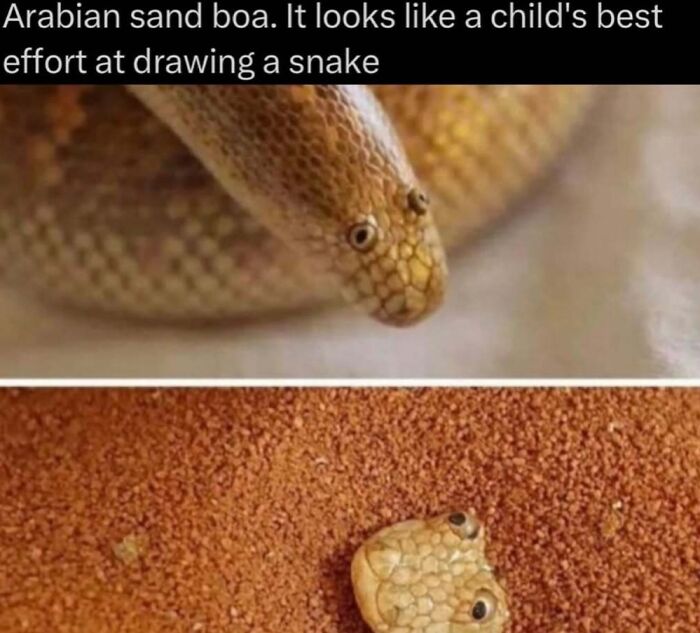
The Arabian Sand Boa is a desert ninja with a stubby body and tiny eyes perched way up their heads, making it look like a drawn cartoon snake.
It burrows under the sand to hide and ambush prey, moving like a pro despite its goofy look.
Underestimation equals surprise - desert style!
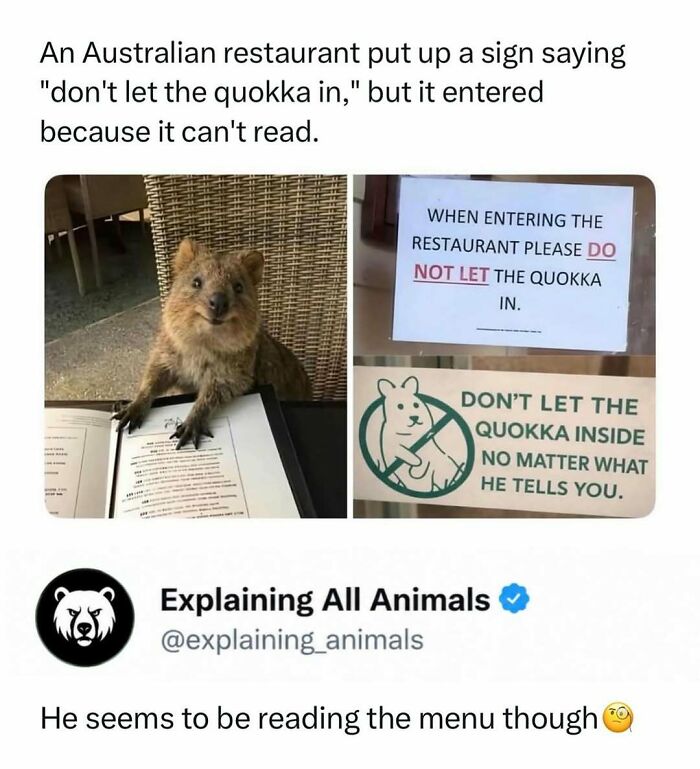
Quokkas are small, friendly marsupials from Australia with faces that always look like they’re smiling. It’s no wonder they’re viral internet stars!
Despite their cute grin, quokkas are tough little survivors, making it through dry, challenging habitats and foraging mostly at night.
Looks that charm combined with a can-do attitude - what’s not to love?
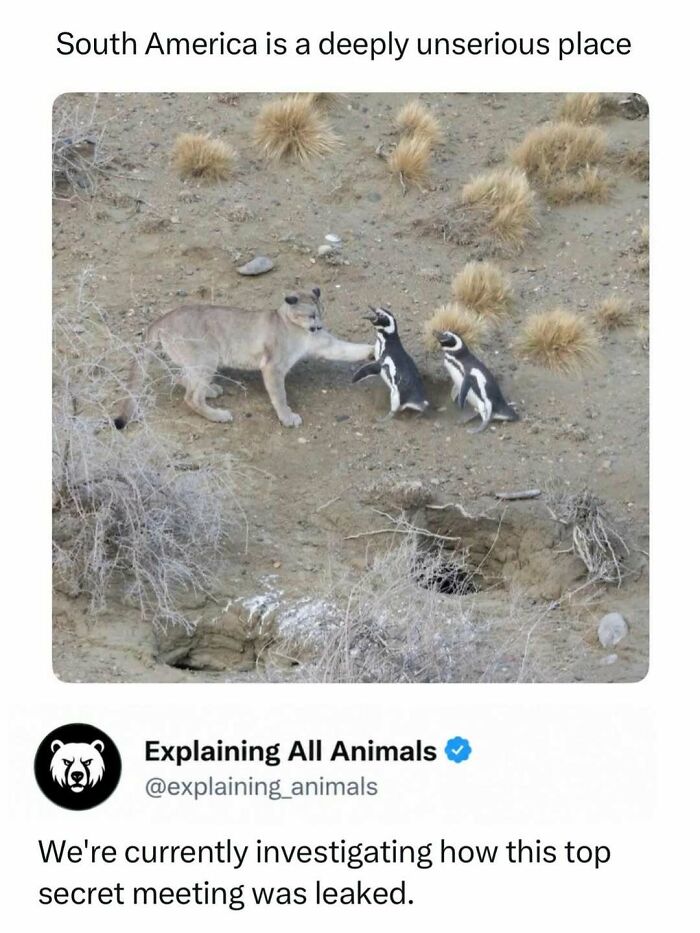
Magellanic penguins nest where pumas roam in southern Patagonia. Instead of fleeing, penguins group up, make loud calls, and sometimes bluff charge to fend off the big cats.
Turns out, pumas mostly hunt other animals like guanacos, so penguins aren’t the main course.
This quirky coexistence reminds us how different species adapt to survive right next to each other.
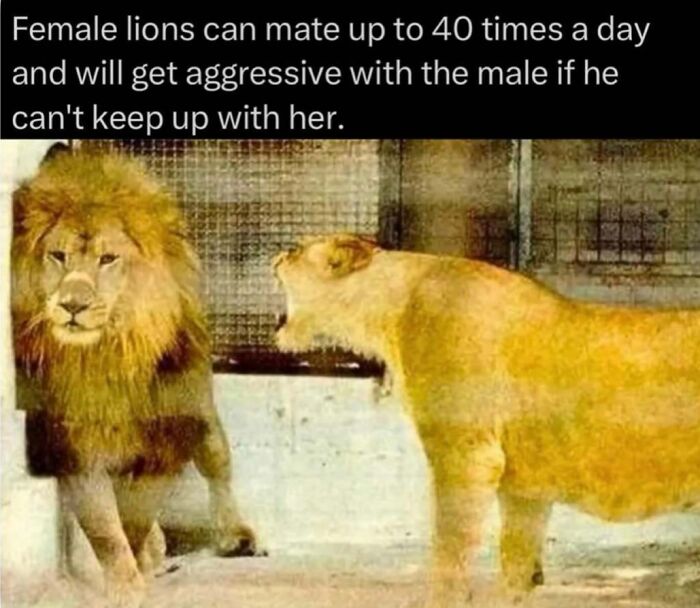
Female lions have the most intense dating life on the planet. During heat, they might mate every 10-20 minutes - up to 40 times a day!
If the male hesitates, the lioness quickly reminds him who’s boss by swatting or growling. No time for chill in this fast-paced romance.
It’s nature’s way of making sure baby lions are on the way - no dating drama allowed!
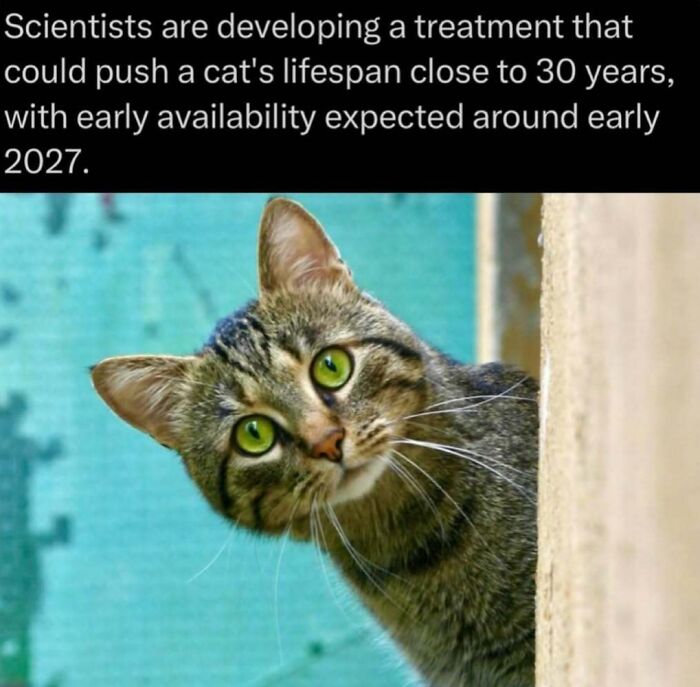
Kidney disease is a huge problem for aging cats. But scientists have found a protein called AIM that usually helps kidneys clean up damage.
In cats, AIM doesn’t work right, but fixing it could help cats live longer - maybe up to 30 years!
Longer, happier lives for our feline friends? Yes, please.
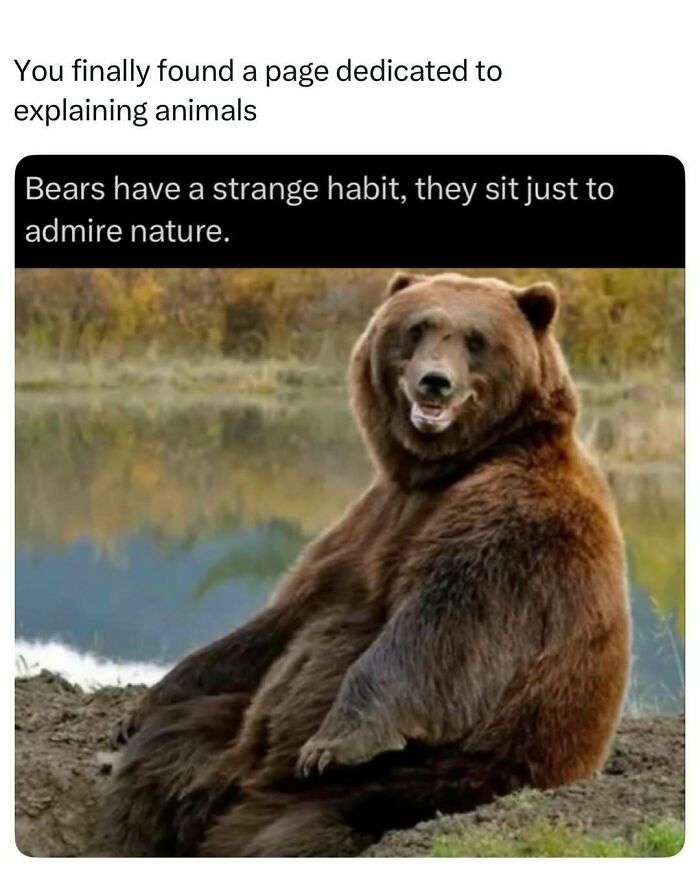
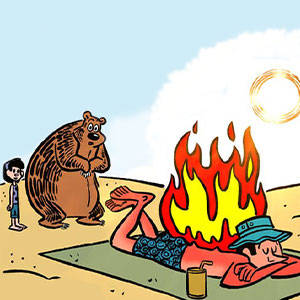
When bears are relaxed, they’ll sit calmly and watch the world around them like they’re pondering life’s mysteries - kind of like grandpas in the woods.
Even when they’re chilling, they’re paying close attention for food or buddies.
It's a cool mix of zen and wilderness survival, showing you can be both giant and gentle.
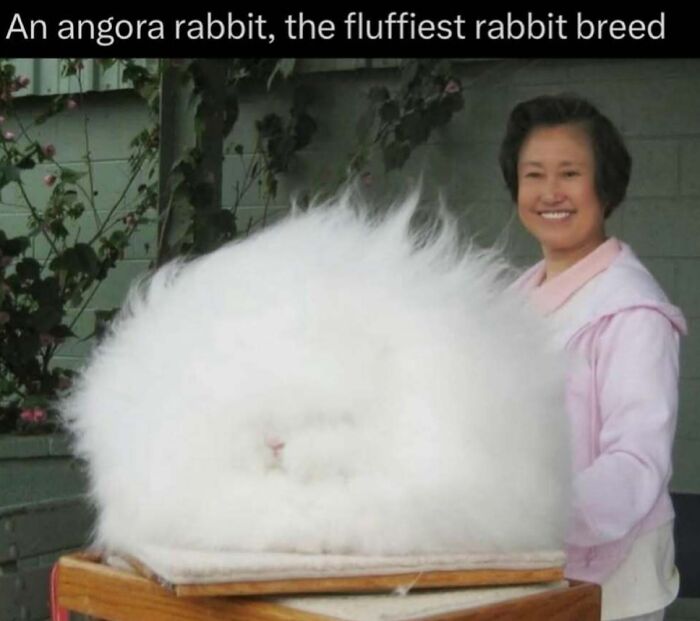
Angora rabbits are basically living clouds - covered in soft, continuously growing fur.
Originating in Turkey, these rabbits need regular grooming to keep their floppy fuzz looking fabulous.
They’re sweet, calm, and make cuddle buddies that look like walking cotton balls.
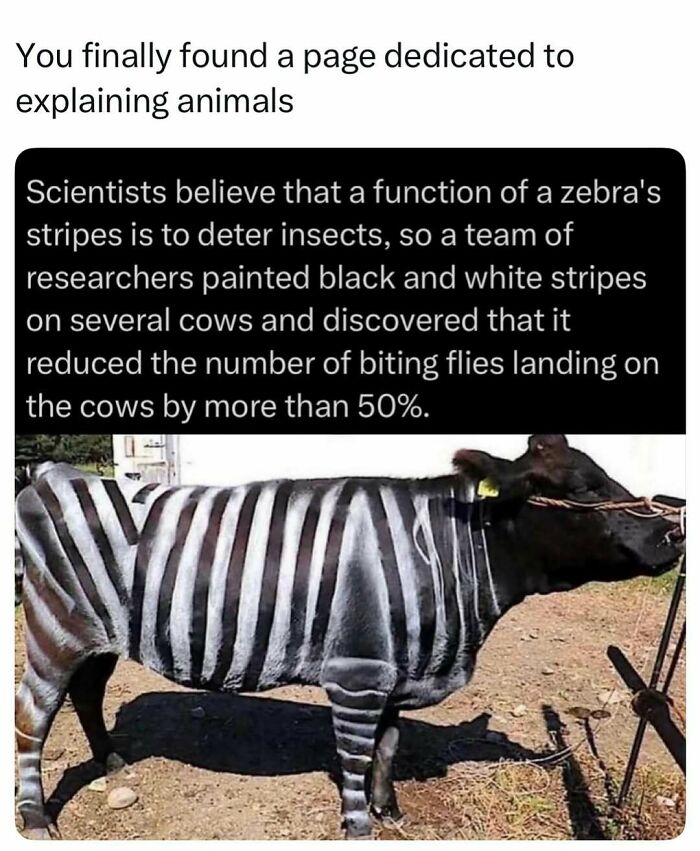
Why do zebras have stripes? To confuse biting flies! Scientists painted cows with zebra stripes and - boom! - more than half the flies avoided those cows.
This neat trick could help farmers protect livestock without a chemical spray party.
Nature’s style with practical perks - zebras know their stuff.
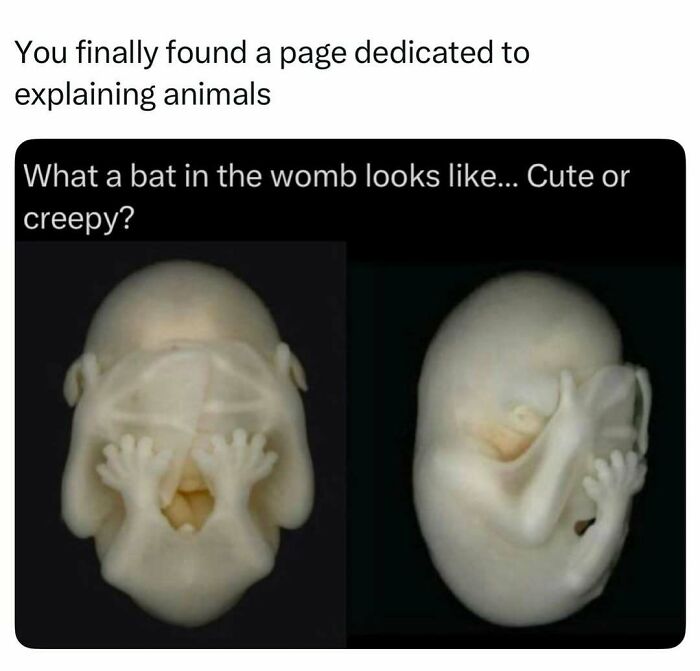
Bat fetuses grow tiny limbs that morph into long, finger-supported wings, giving them flight superpowers even before birth.
Their big ears develop early too, setting them up for echolocation skills they’ll use to hunt in the dark.
Born well developed, bat babies are ready to cling, fly, and sonar-navigate in no time.
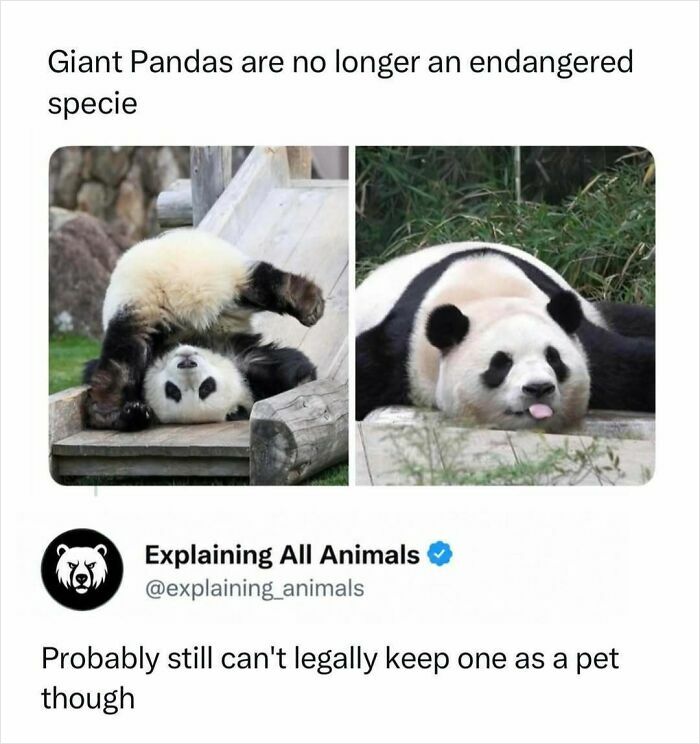
Giant pandas almost went extinct but came roaring back into the vulnerable category after decades of conservation magic.
Protected bamboo forests, habitat fixes, and anti-poaching patrols have helped boost their wild numbers.
With around 1,800-2,000 pandas roaming today, their comeback is a big win for nature and teamwork.
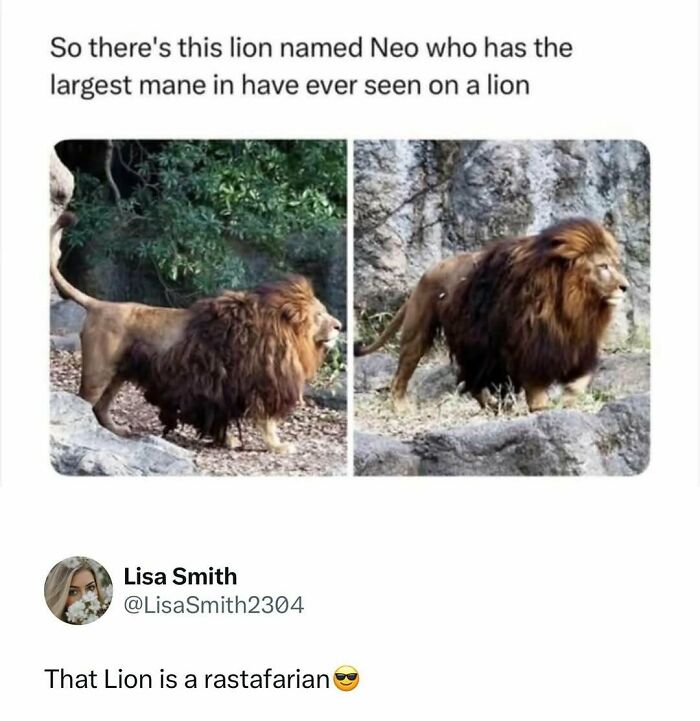
Neo the lion’s mane is off-the-charts thick, flowing down his chest and belly like a regal cloak.
Scientists think this floof started thanks to cooler climates, strong genetics, or hormone boosts.
Neo’s epic mane makes him the rockstar of his pride and the internet’s king of hair.



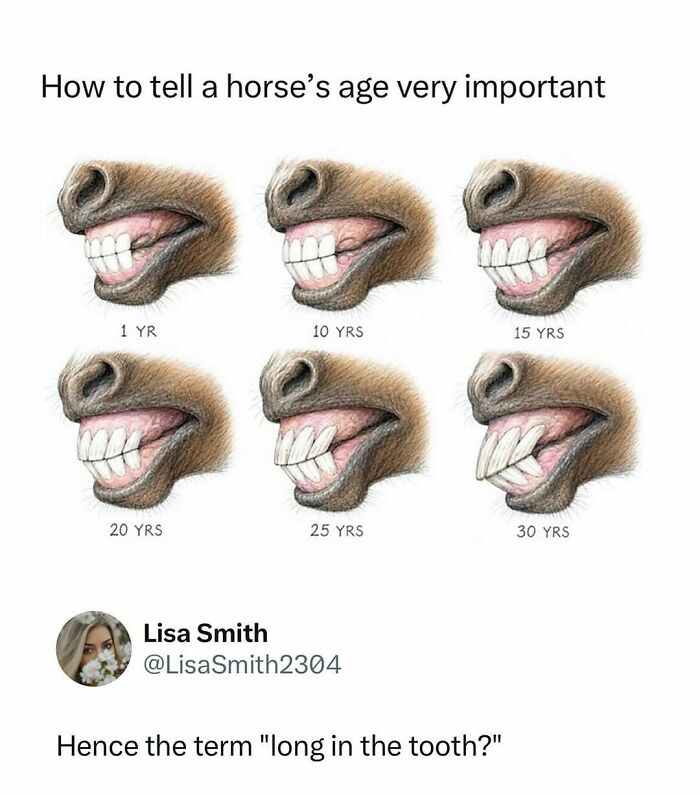
Farmers eyeball horse teeth to estimate age - baby teeth look different than adult ones, and older teeth get worn down.
This trick is so old it gave us the saying “don’t look a gift horse in the mouth,” telling us to appreciate gifts instead of judging them.
Horses have been part of human life so long, they’ve shaped our language too.
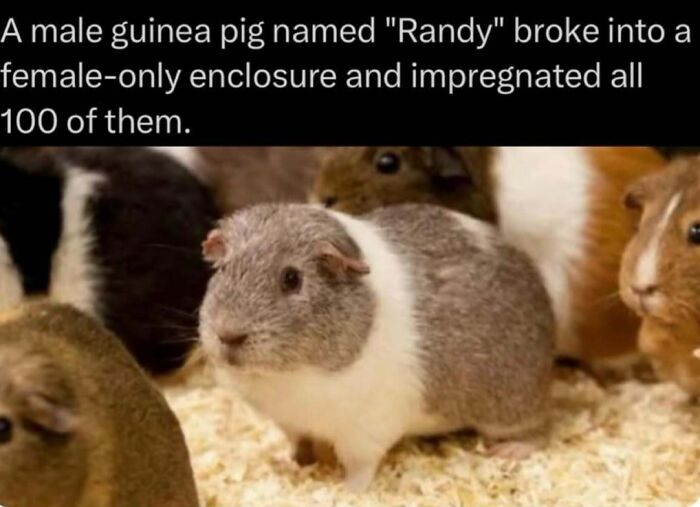
Randy the guinea pig went undercover in the female-only area for weeks, unnoticed among nearly 100 ladies.
Eventually, they realized the females were getting plump, and Randy popped out, looking a bit worn from his secret dating spree.
The result? Nearly 400 little guinea pig babies and a legendary story at the sanctuary.
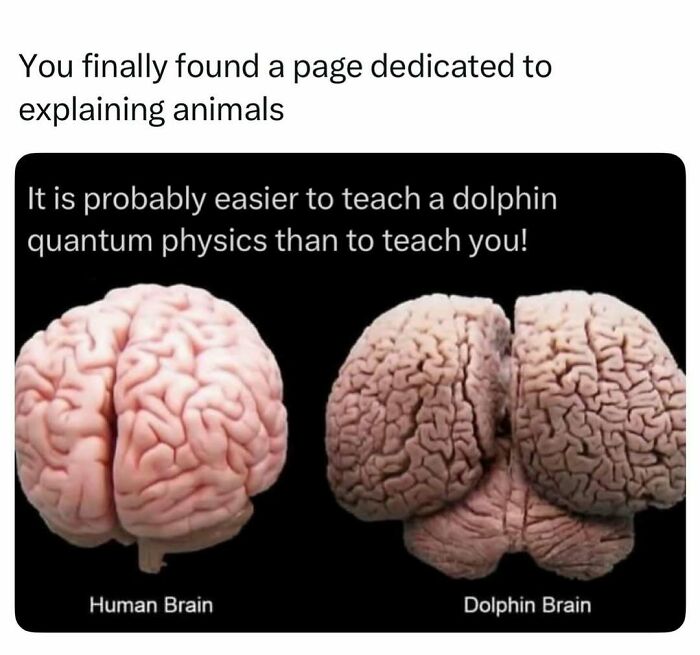
Dolphins are ocean Einsteins, with brains that pack memory, social smarts, and communication skills.
They zip around using clicks and whistles, showing incredible teamwork and self-awareness (they even recognize themselves in mirrors).
With echolocation and problem-solving chops, dolphins are among the smartest animals on Earth - wave if you’re impressed!
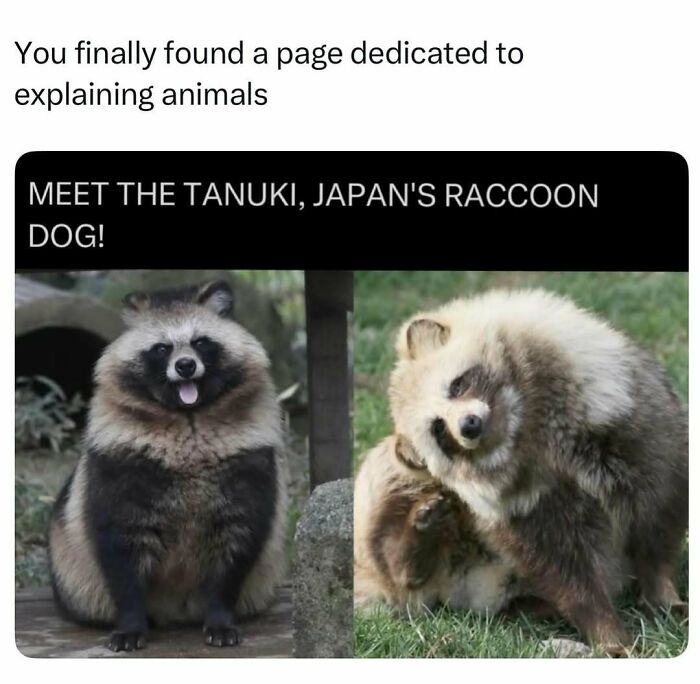
The tanuki, or Japanese raccoon dog, looks like a raccoon but is actually a canine kin.
Active mostly at night, they’re clever omnivores surviving forests and urban areas alike.
Beyond biology, tanukis are famous in Japanese tales as playful shape-shifters and tricksters.


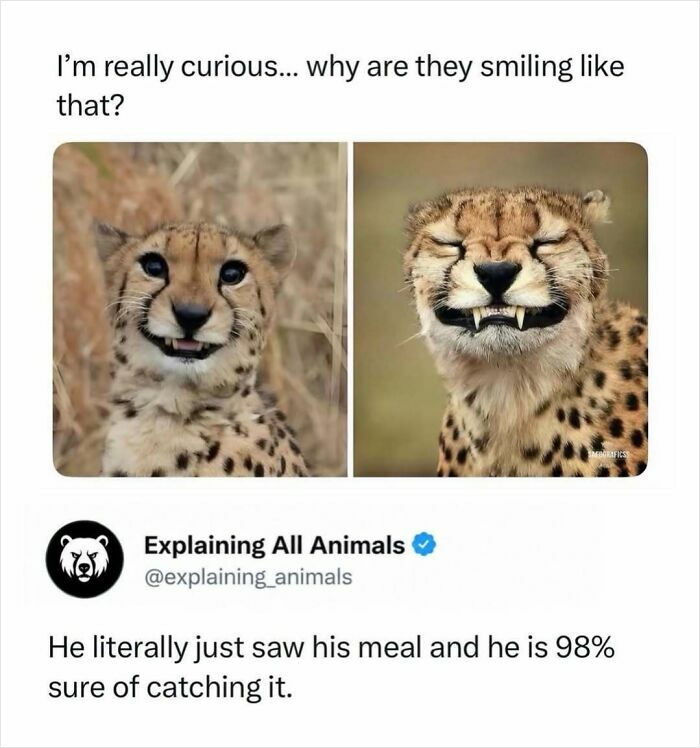
Cheetahs often appear to be smiling thanks to their natural mouth shape and dark tear marks.
They’re built for speed, not scowling or growling, so their faces tend to look softer and more expressive than other big cats.
With bursts up to 70 mph, it’s like they’re always smirking at how slow the rest of us are.
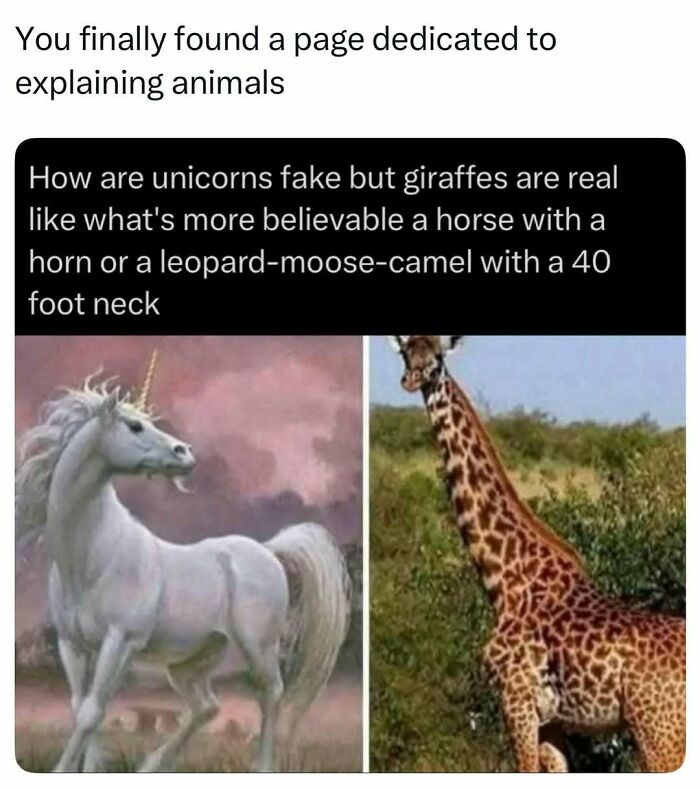
Unicorns pop up in myths globally as magical one-horned horses.
Some inspiration may come from rhinos, or fossils of ancient horned animals like Elasmotherium.
No solid proof they ever existed in real life. But the idea remains a powerful symbol of magic and wonder.
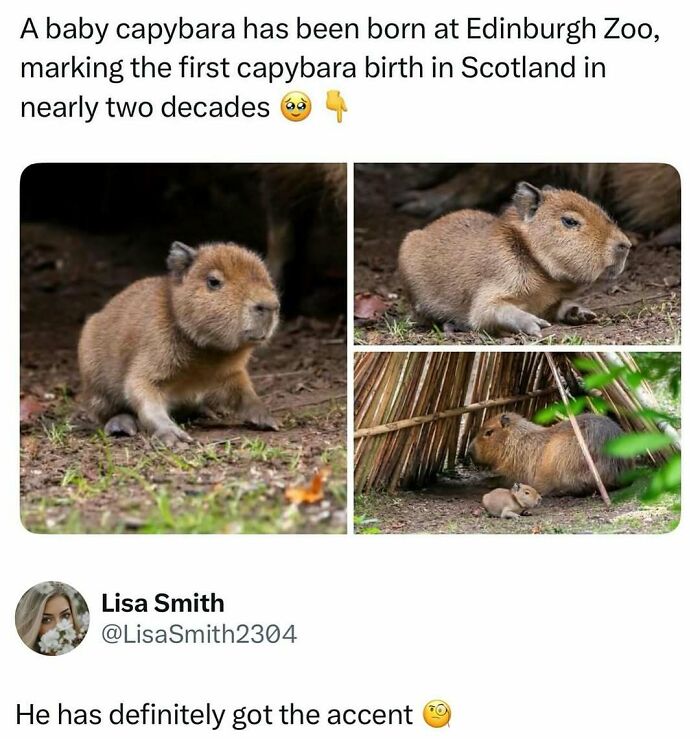
Edinburgh Zoo got excited about their capybara baby, the first in nearly two decades.
Born to newbie parents Luna and Rodney, the pup is already waddling, swimming, and chatting with adorable little chirps.
Capybaras are South America’s chill giants and internet darlings - this new baby is sure to melt hearts.
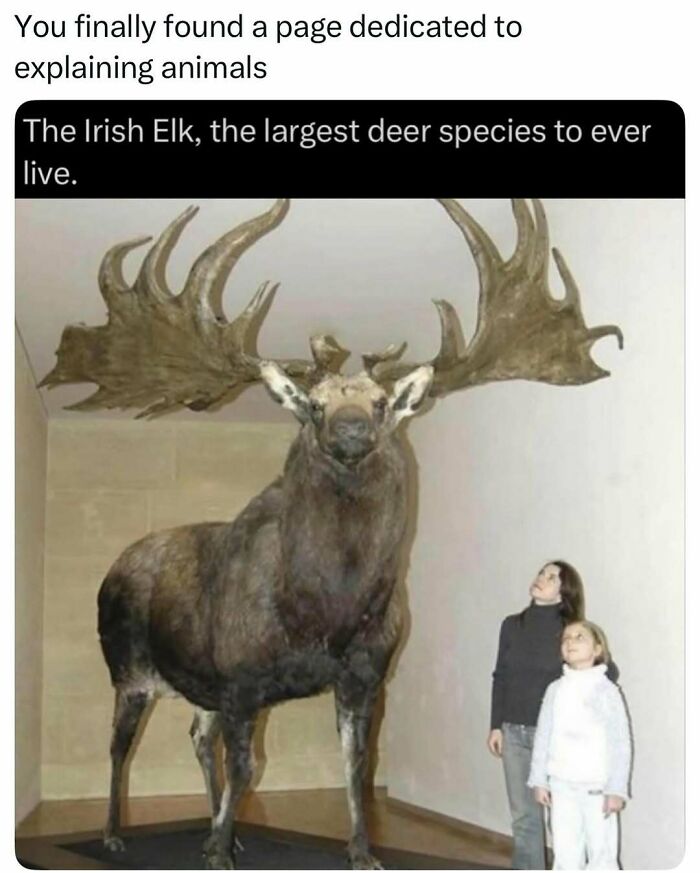
The Irish Elk was the largest deer to ever live, towering over seven feet tall with antlers up to 12 feet wide!
They wandered Europe and Asia but disappeared about 7,700 years ago because of climate changes and people hunting.
Many well-preserved skeletons are found in Irish bogs, telling the tale of this majestic giant.



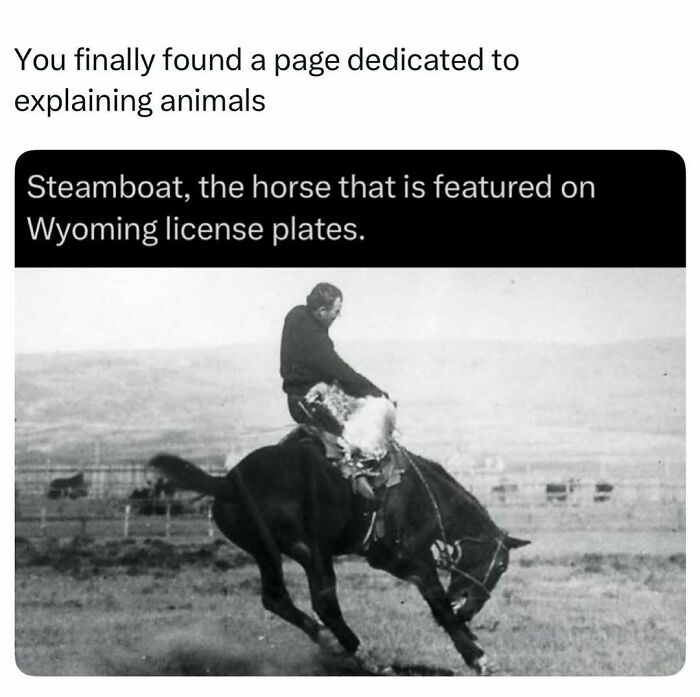
Steamboat was a famous bucking bronco in the American West, immortalized in iconic photos of him mid-buck.
These images capture a moment when horses were life and legend in ranch country.
Steamboat’s silhouette is now Wyoming’s official symbol, proving how a wild animal can become a cultural icon.
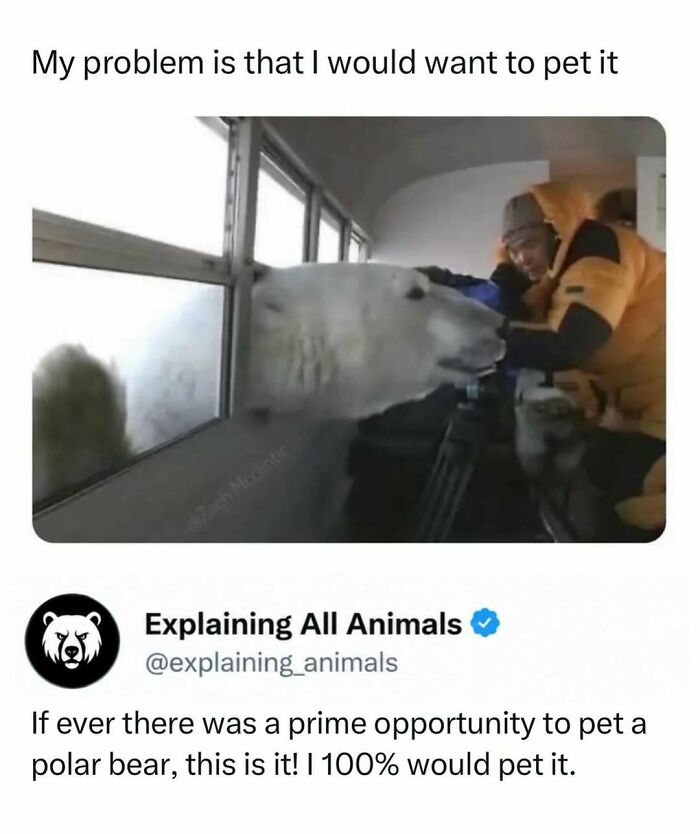
Polar bears actually have black skin underneath their see-through fur.
This color combo traps heat from the sun to stay warm in the Arctic chill.
They’re also amazing swimmers with giant paws that work as paddles and snowshoes, making them kings of ice and water.
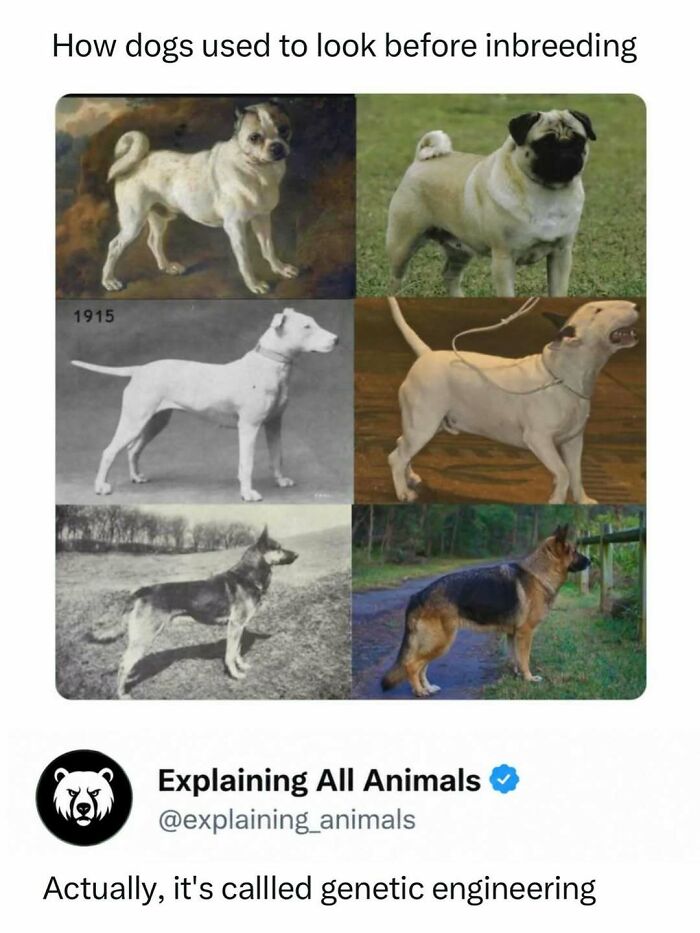
Scientists once thought dogs came from wolves about 12,000 years ago.
But 1997 DNA studies suggest humans and wolves might have started becoming pals as far back as 130,000 years ago.
If true, dogs are humanity’s oldest animal sidekicks - way more history and love than you’d expect!
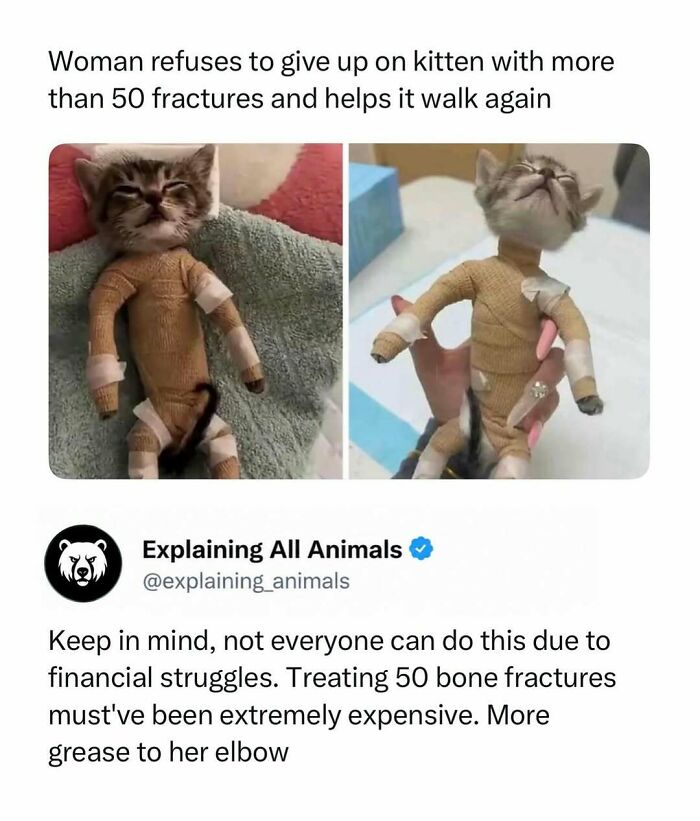
A kitten with more than 50 fractures faced months of hospital care and rehab.
Thanks to a dedicated rescuer and vets, it slowly crawled back to health and eventually walked again.
This story proves even the tiniest creatures can tough it out with the right love and care.



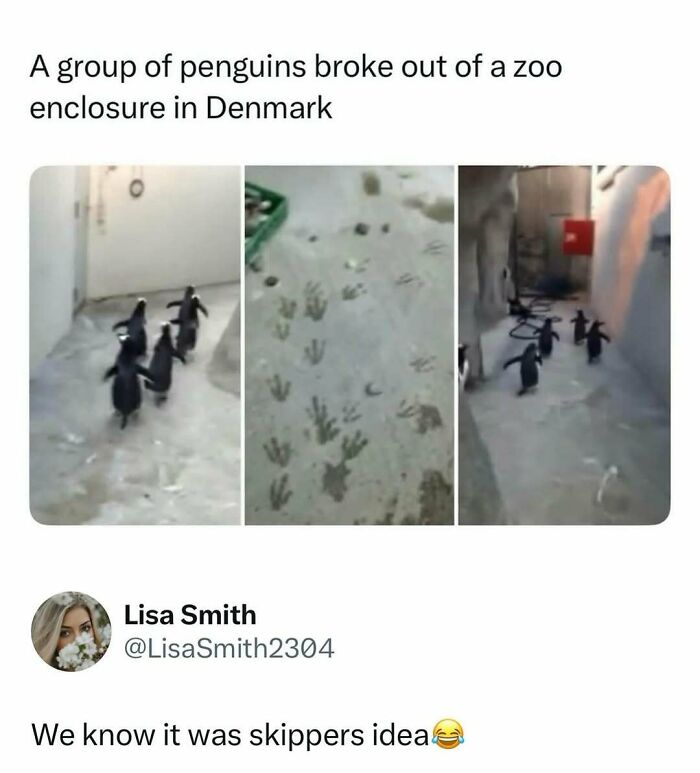
In 2015, gentoo penguins wandered out of their enclosure and casually strolled through a staff corridor before being guided back.
Photos of their wet footprints went viral, with fans comparing them to the sneaky agent penguins from Madagascar cartoons.
That real-life penguin getaway turned into one of the internet’s best animal jokes.
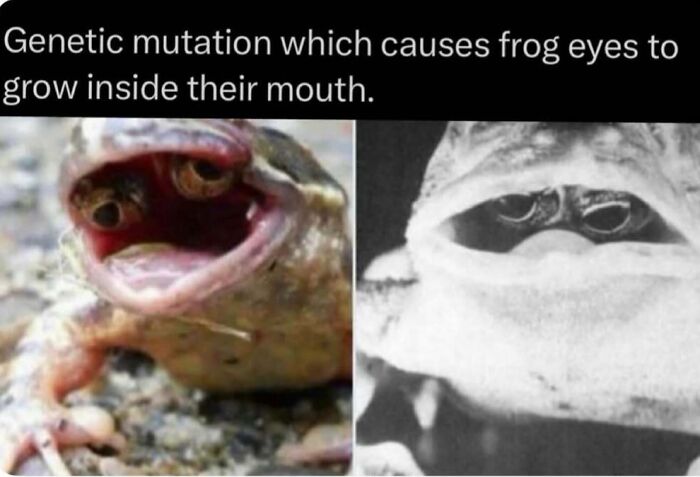
Some frogs have a bizarre mutation that makes their eyes grow inside their mouths instead of on their heads.
This leaves them blind or barely able to see, making finding food tough.
Scientists study these frogs to better understand how genes control body development. Strange but science!
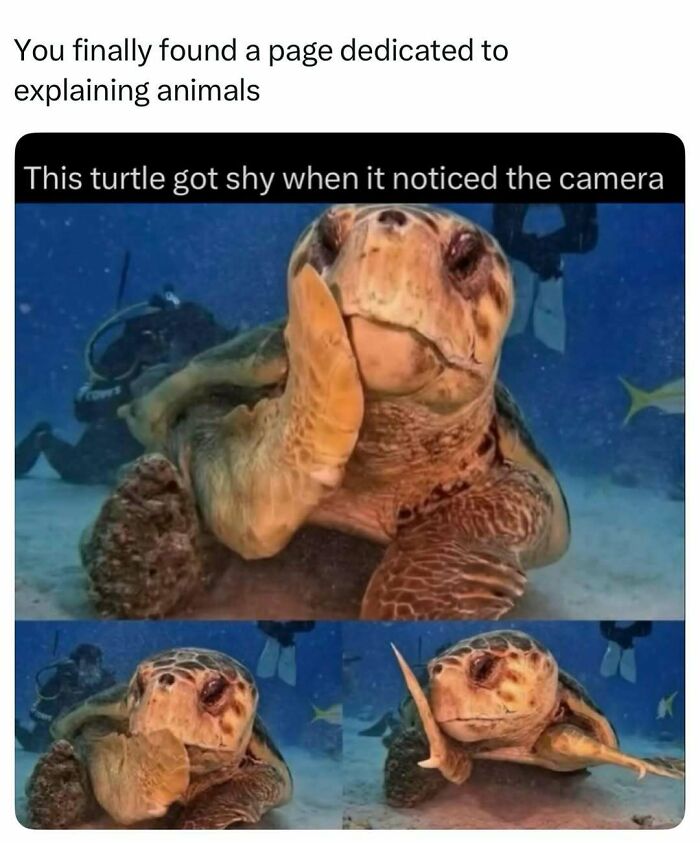
Turtles range from social sunning red-eared sliders to calm painted turtles and shy terrestrial box turtles.
Sea turtles like green and loggerhead travel thousands of miles, with diets and styles as varied as their shells.
Though slow in reputation, turtles pay close attention to their world, each type with a unique personality.
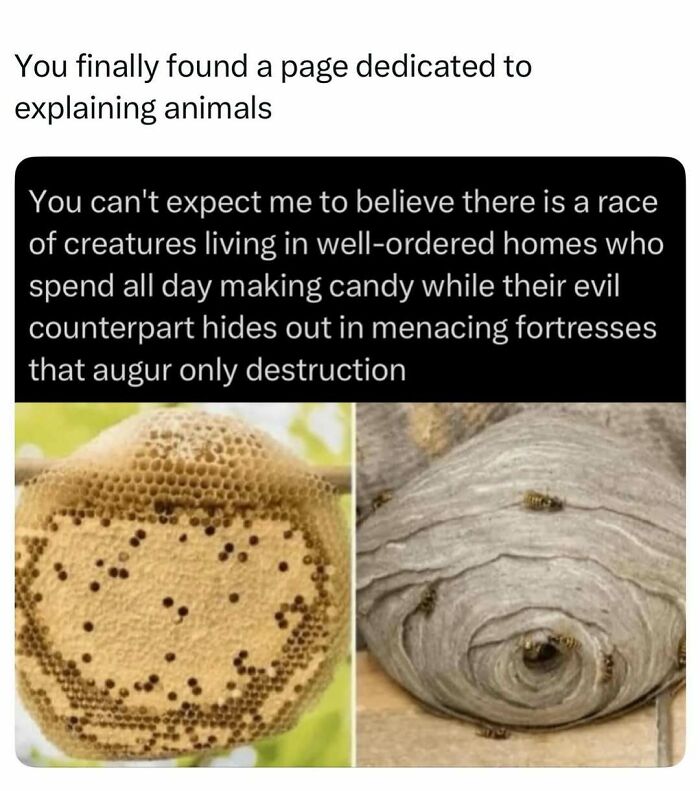
Bees live in happy hives, making honey and pollinating flowers, earning their sweet reputation.
Wasps are sharper, hunting other bugs, defending their nests, and reacting faster - earning them a bad rap.
If wasps had a theme, they’d be cold, efficient villains like Star Wars’ Sith - intense but vital players in the ecosystem.



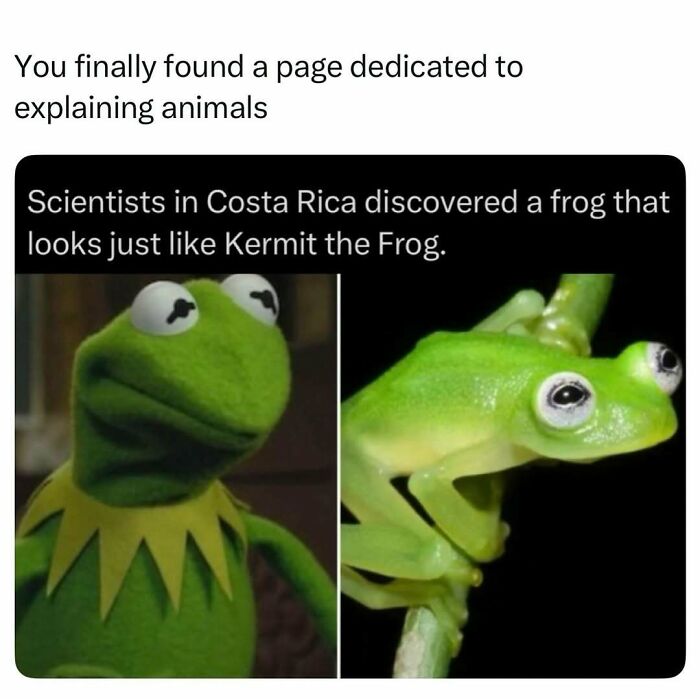
Scientists in Costa Rica found a new glass frog species with shiny green skin and wide eyes that look a lot like Kermit.
Named Hyalinobatrachium dianae in honor of the researcher’s mom, it’s the first new glass frog in Costa Rica in 40 years.
Its discovery reminds us that rainforests are places full of astonishing, still-hidden creatures.
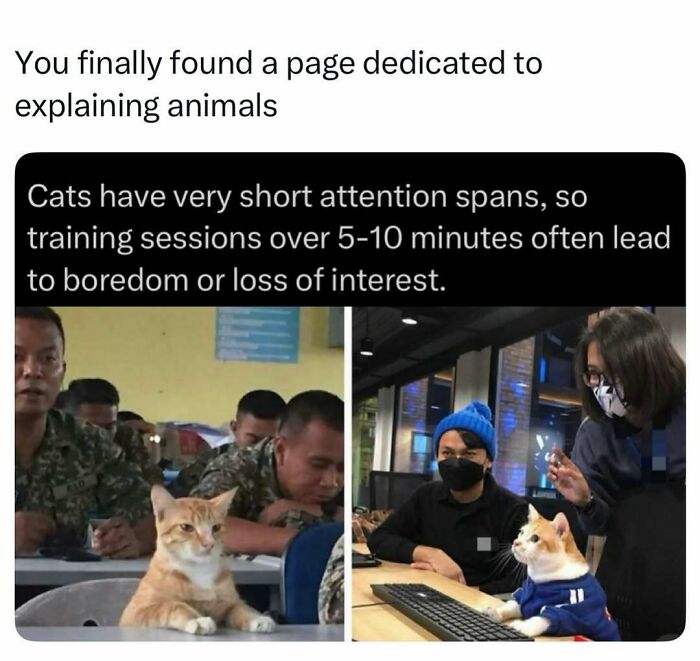
Cats are famously shy about sticking around - often focusing for just 5-10 minutes before moving on.
This means training works best in short bursts with treats and fun to keep them interested.
Adapting to their speedy curiosity makes teaching your cat more fun and successful.
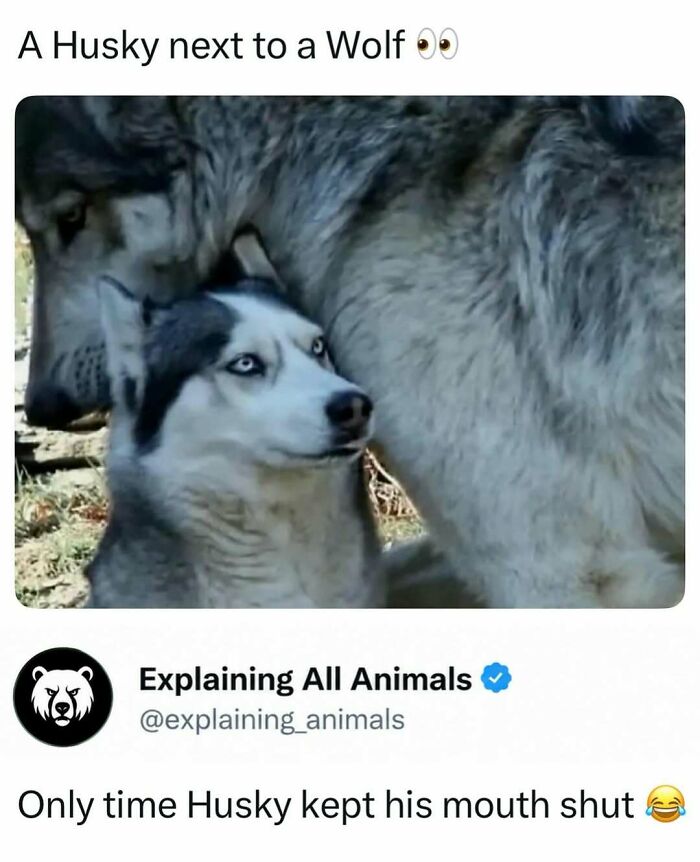
The meme compares a clean, sweet-looking husky to a rough-and-tumble wolf, the ultimate ‘streetwise’ showdown.
With the wolf acting like the tough big cousin and the husky the pampered relative, it highlights the wild-vs-domestic life clash.
It’s a hilarious way to remind us domesticated pup pals aren’t quite ready for hardcore wilderness yet.
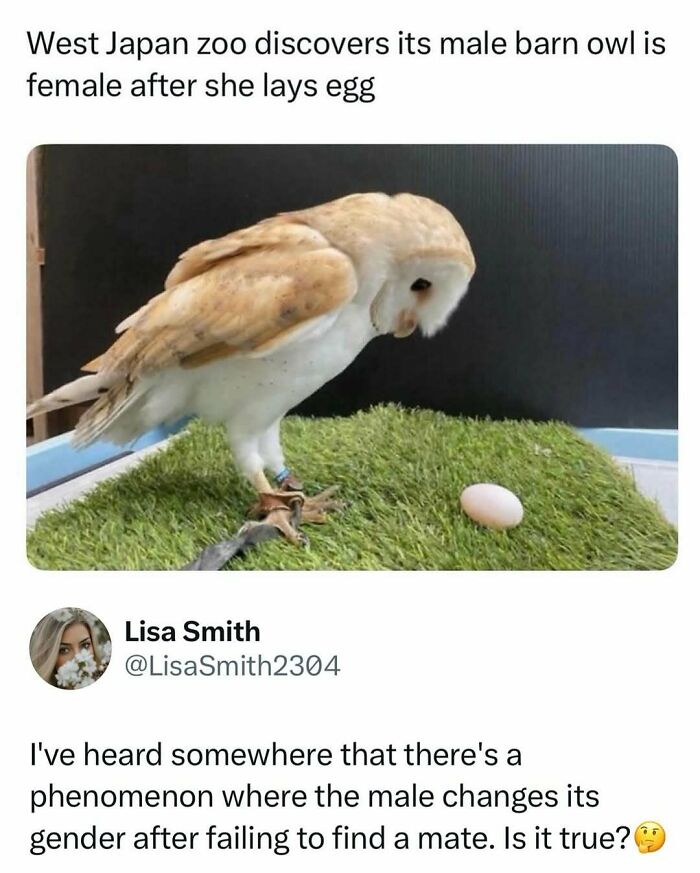
At a zoo in Japan, an owl named Ai surprised everyone by laying an egg, despite DNA tests saying she was male.
Turns out identifying barn owl sex is tricky, and females can lay unfertilized eggs without a mate.
Ai’s egg is a fun reminder that nature loves to keep us guessing - even experts!



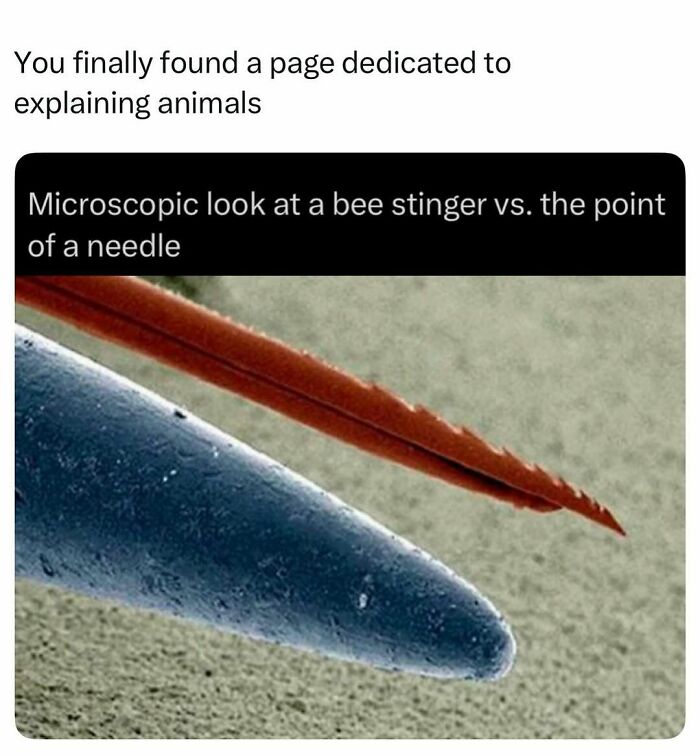
Honey bees have barbed stingers that anchor into skin, making them great at defense.
But when the bee flies away, the stinger rips out, causing the bee to die.
This is bees putting the colony first - one sting, one sacrifice.
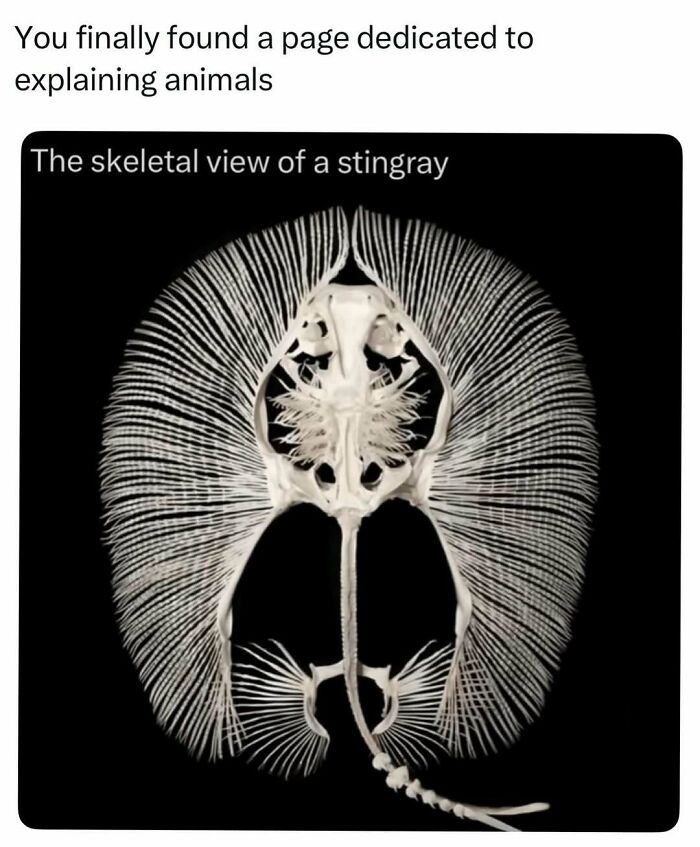
Stingrays have skeletons made of cartilage, like sharks, and their ‘wings’ are really big, flat fins.
This setup helps them glide through water smooth and silent.
Their mouths face down, and their long tails pack a venomous punch - perfect gear for sea floor survival.
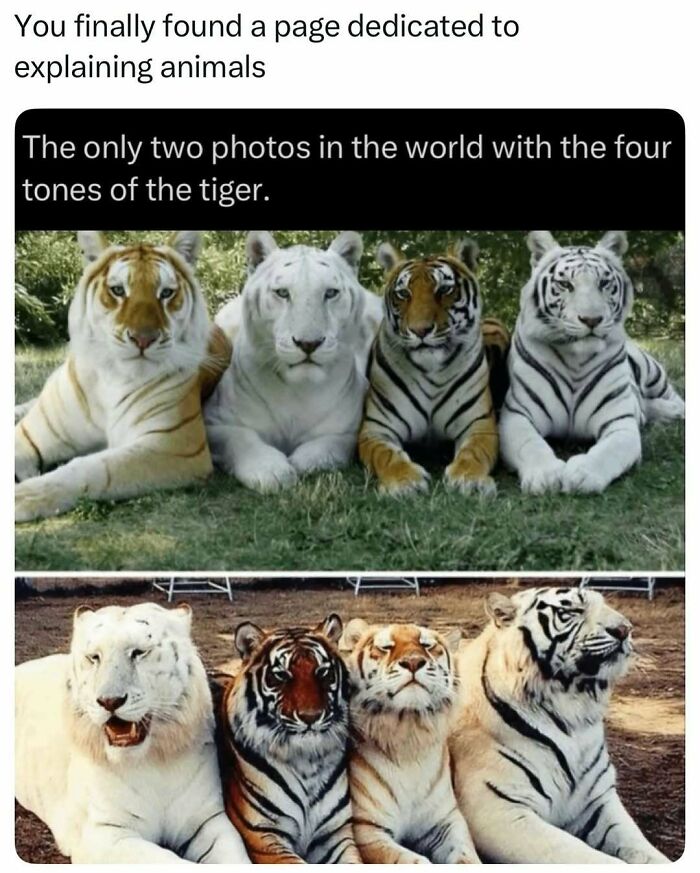
Tigers have four main coat colors seen mostly in zoos: bright orange with black stripes, white with dark stripes, golden tabby with faded glowing stripes, and rare stripeless white.
These colors mostly come from genetics and selective breeding.
Each one makes tigers look like totally different big cat celebrities.
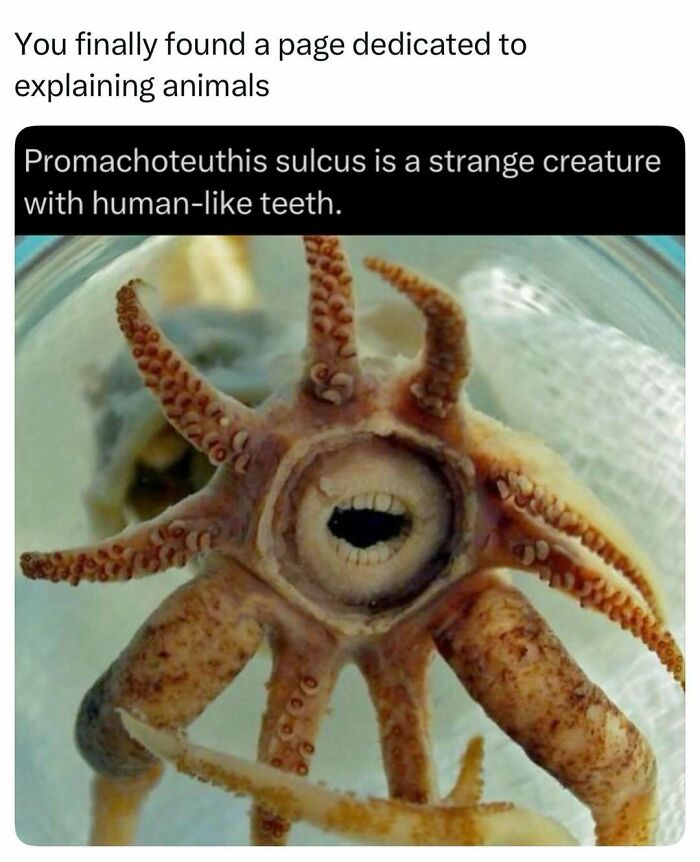
Promachoteuthis sulcus is a rare deep-sea squid with radula plates that look like human teeth.
These tooth-like structures help it grip and shred food in the dark ocean depths.
Though little is known about it, this squid's strange features highlight deep-sea mysteries.
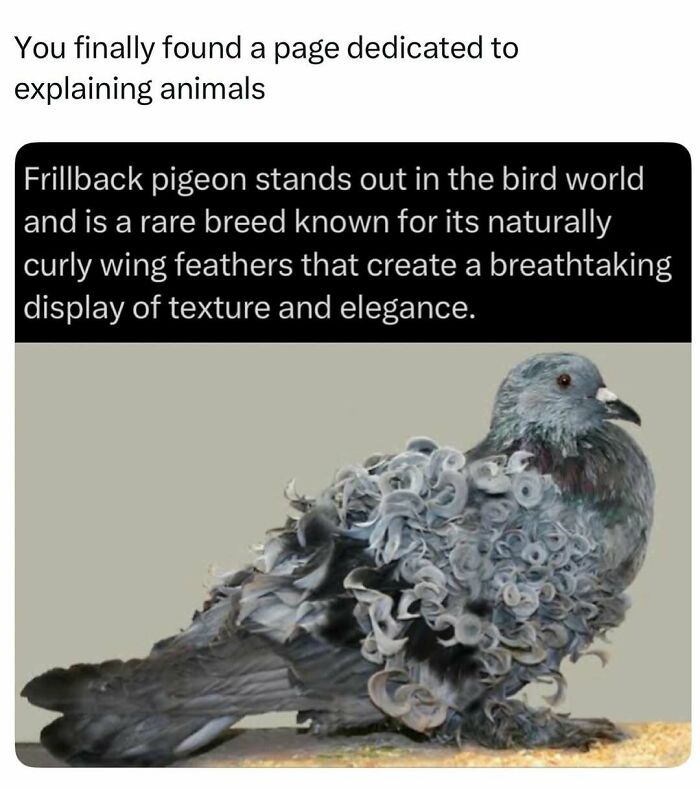
Frillback pigeons stand out with naturally curly wing feathers called 'frills' that create stunning spirals.
Originating from Southeastern Europe and Asia Minor, selective breeding enhanced this unique feature.
They’re prized for beauty and poise - because who said pigeons can't have fancy fashion?
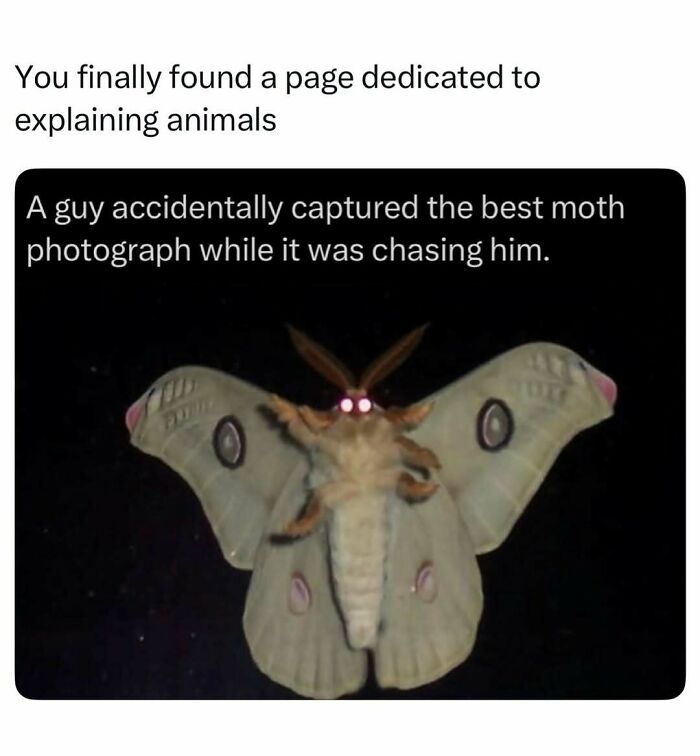
Moths navigate by keeping the moon at a steady angle for straight flight.
When they mistake lamps or flames for the moon, their navigation goes haywire.
They end up spiraling towards the light, explaining those iconic moth dances around porch bulbs.
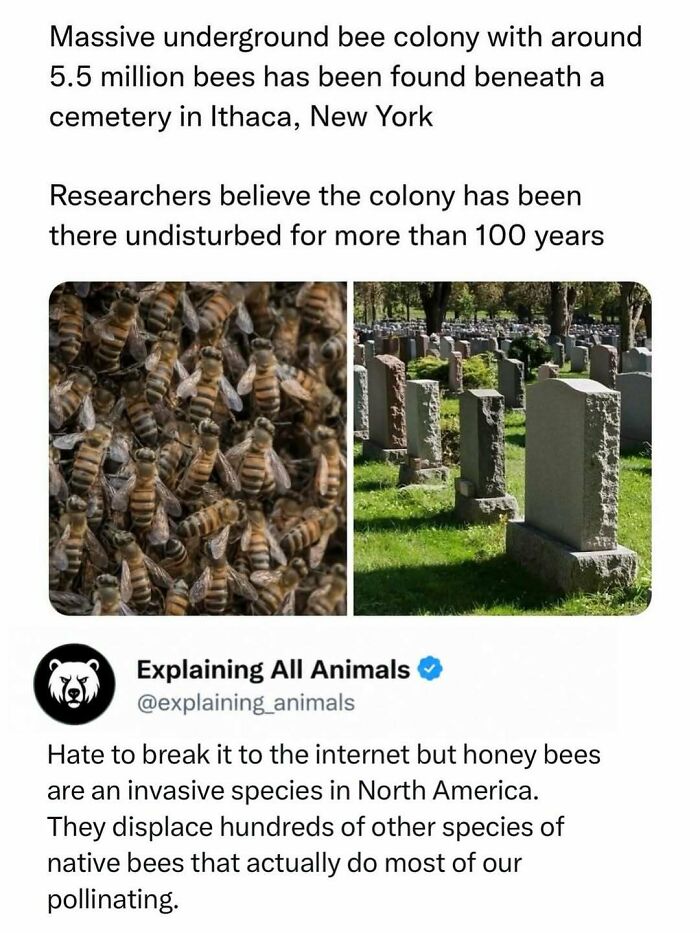
Scientists found an enormous honey bee colony under a cemetery in Ithaca, New York.
Over a century, it likely housed about 5.5 million bees - a hidden city underground!
The discovery reminds us to respect the quiet, massive ecosystems flourishing beyond our sight.
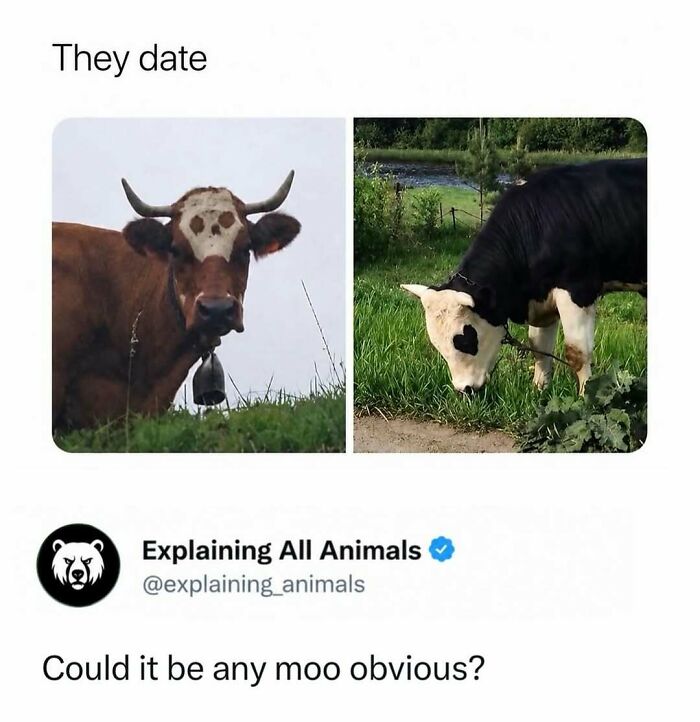
Cows have unique coat patterns - sometimes stars, hearts, masks, or skulls - that stand out like natural graffiti.
This is due to genetics and pigmentation quirks.
People spot shapes in these patterns thanks to pareidolia, turning cows into living art exhibits.
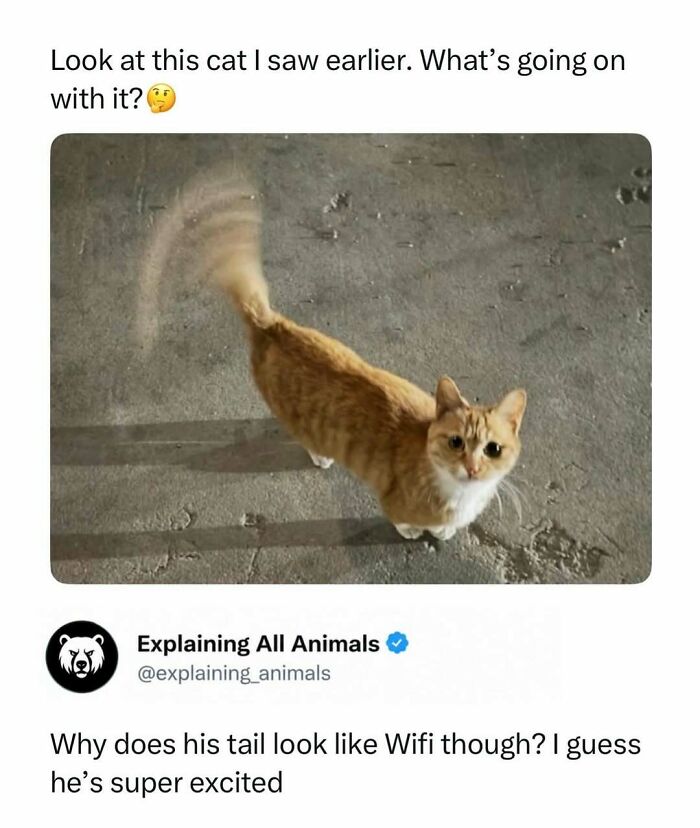
Cats speak tail language: up means happy or curious; puffed means scared or startled; flicks show irritation or focus.
Tails also keep cats balanced during their legendary jumps and twists.
Smooth tail moves add to their graceful and mysterious charm.
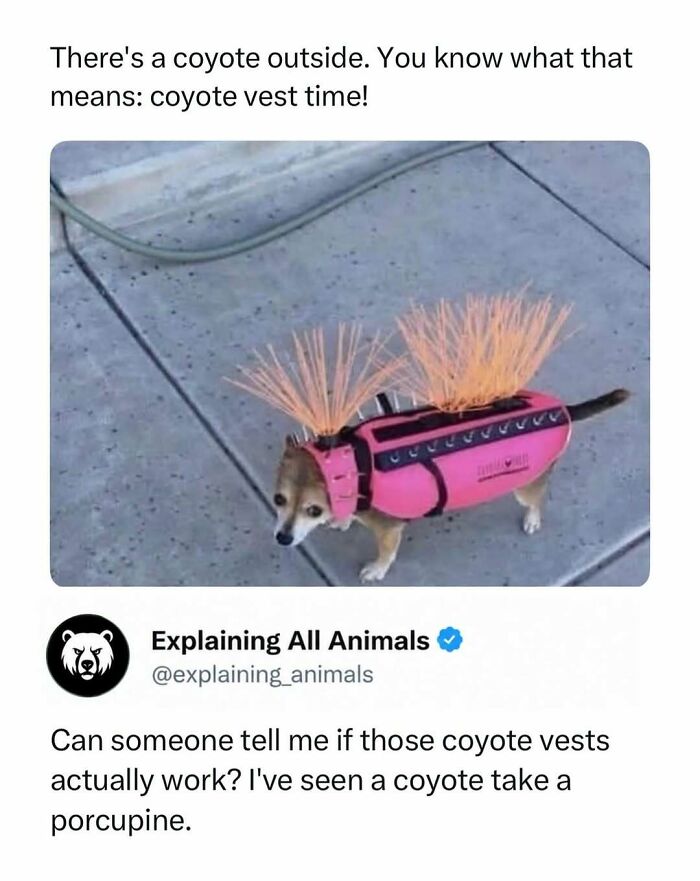
Small dogs can be vulnerable to coyotes, so protective vests with tough fabric and spikes make them look bigger and harder to bite.
These vests can discourage attacks, especially in areas where wildlife and pets overlap.
Think of them as fashionable, functional armor for your tiny four-legged friends.
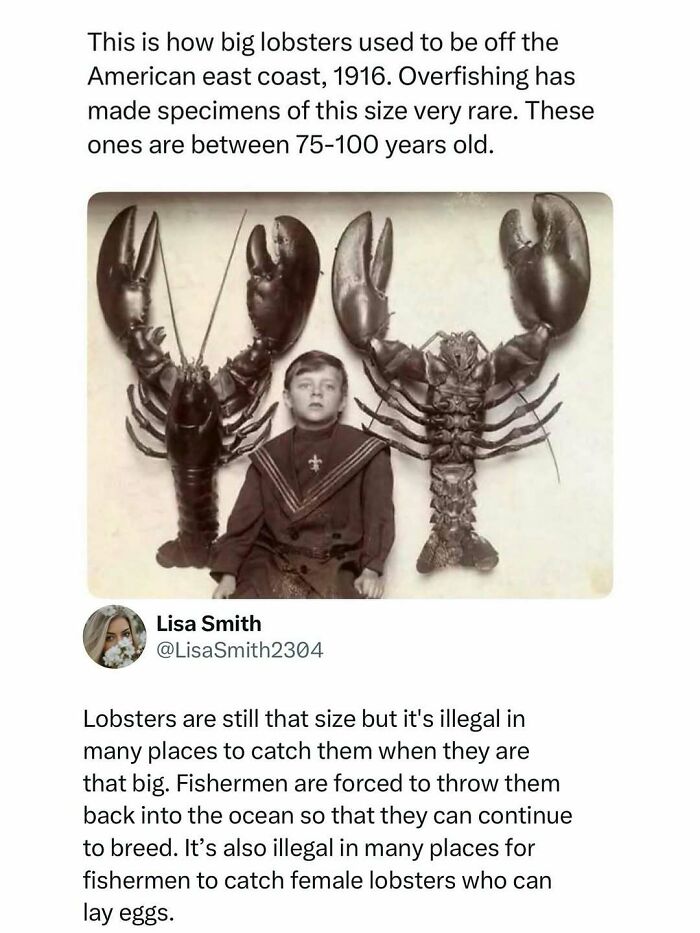
American lobsters grow by molting - shedding their shells and growing bigger ones.
They can live close to 100 years, with some reaching monster sizes (40+ pounds).
Huge lobsters are rarer now thanks to fishing, but they still capture imaginations and ocean lore.
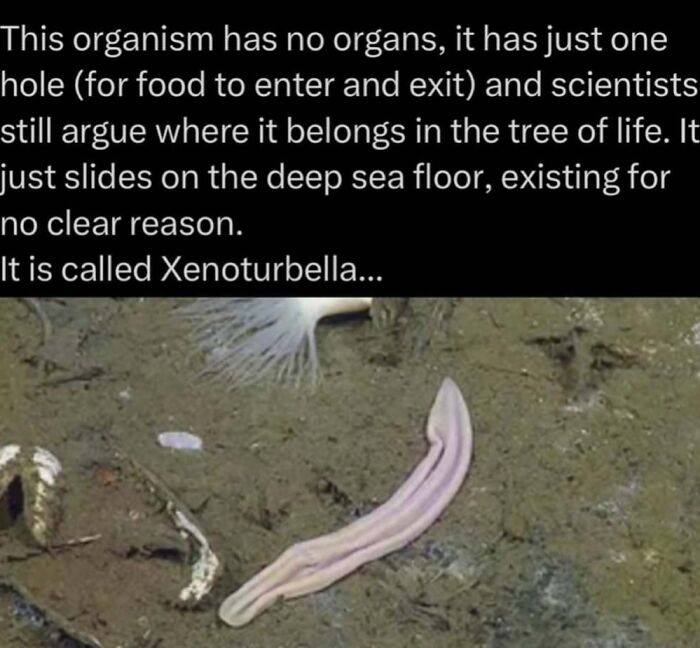
Discovered in 1949, Xenoturbella is a soft-bodied sea animal missing many regular organs.
At first thought to be a larva or mollusk, later genetic studies showed it’s part of a very ancient group.
It’s a fascinating piece of the evolutionary puzzle scientists still study today.
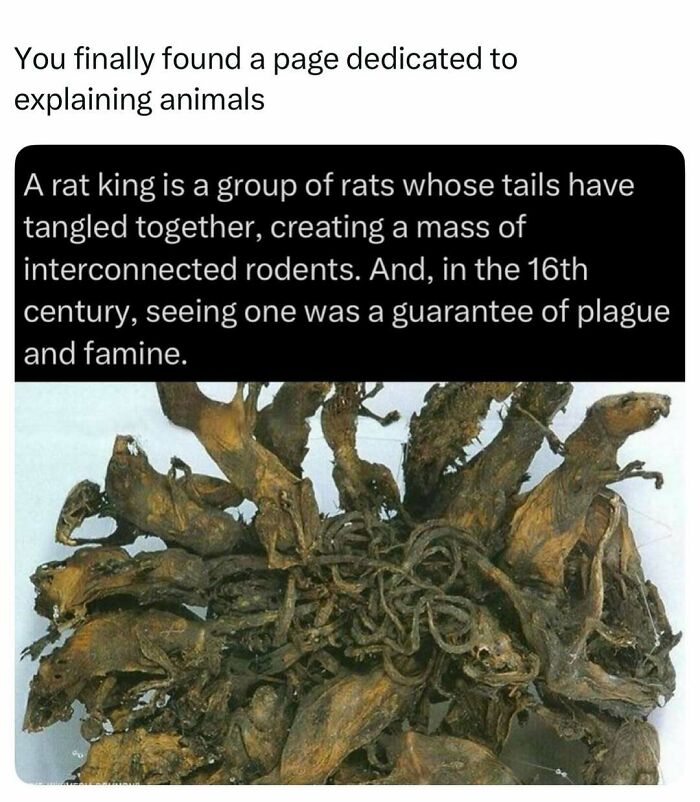
A rat king happens when several rats’ tails get tangled and stuck together with mud, blood, or ice.
Though rare and debated, these twisted rat masses scared people in the 16th century, signaling plague or disaster.
A gross yet fascinating part of folklore and early science.


54
0