
 then open in external browser


 and click "Open in External Browser"
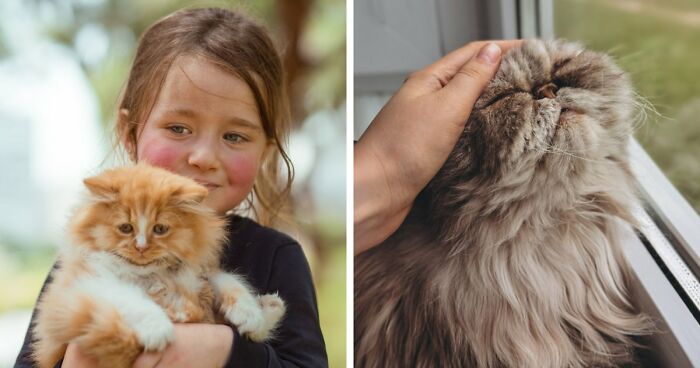
Alright, let's dive right in! Today we're going to debunk some wild cat myths that everyone seems to believe but are totally off. Get ready to see your feline friends in a brand-new (and hilarious) light.

This post may include affiliate links.
Purring Doesn’t Always Mean "I’m Happy!"
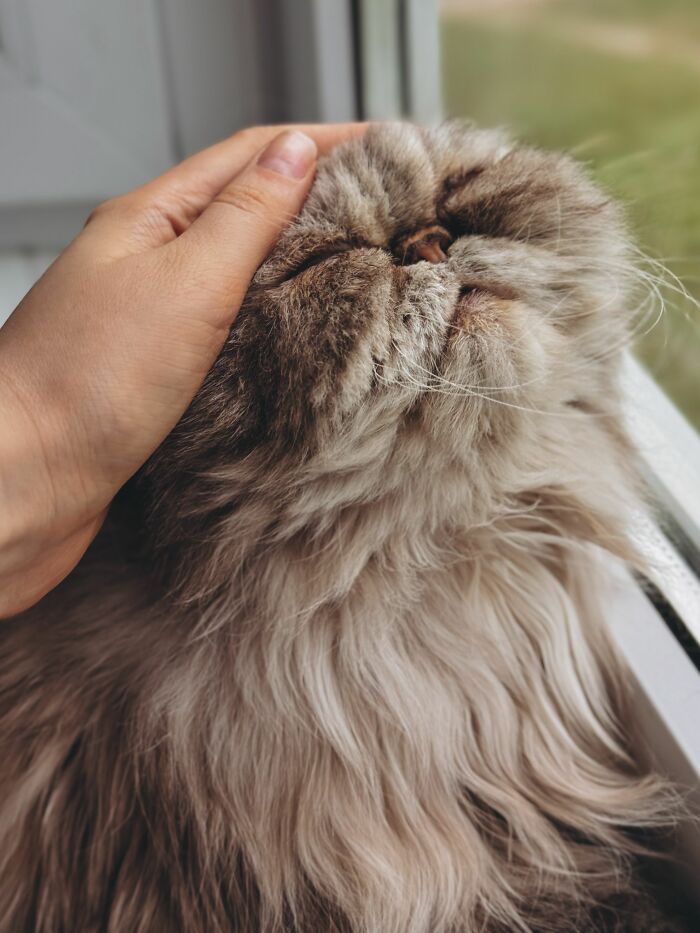
So, purring is kind of a cat mystery. Sure, it often means they’re chill and loving life, but sometimes cats purr when they're scared, hurt, or even giving birth. Apparently, purring might even help them heal. So next time you hear a purr, just know it’s not always a "happy cat" tune - it’s more like a multi-purpose cat engine.

Belly Showing Isn’t A Free Pass For Belly Rubs
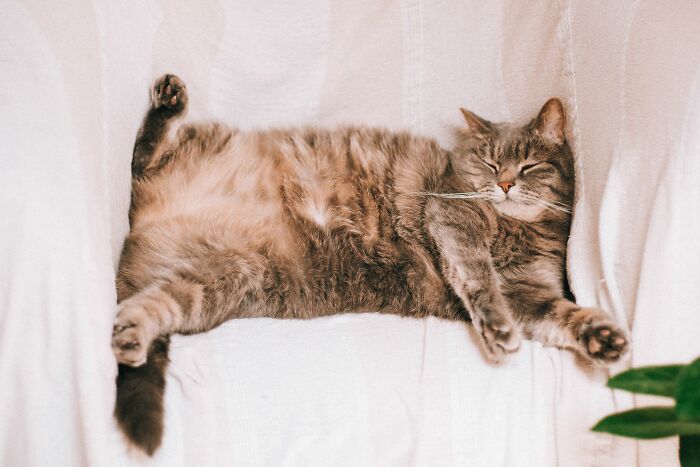
When your cat flops over and flashes that fluffy belly, don’t assume they want a big rub down. That tummy is super vulnerable! Most cats are showing trust, not asking for a petting party. In fact, touching that belly can trigger ninja-style swats, so maybe just admire from afar.
Cats Need Brain Games Too!
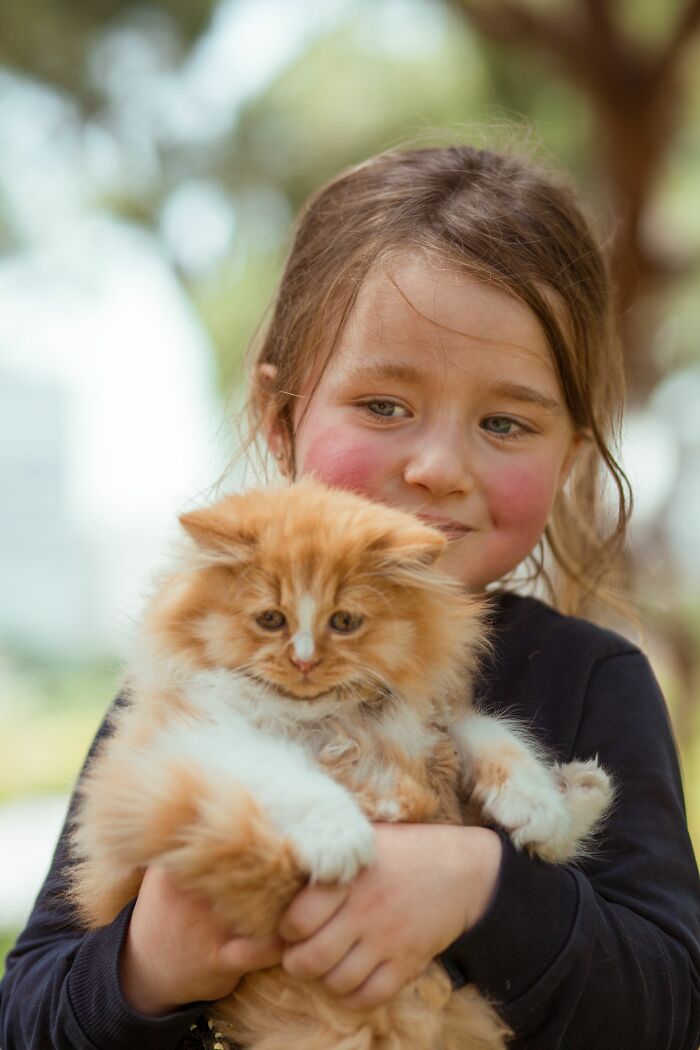
Think cats just nap all day? Nope! In the wild, they spend ages hunting and playing. Even our house cats want toys to chase, sniff, and figure out. Puzzle feeders, wand toys, and training tricks keep their brains buzzing and bodies moving. So get those fun games on and watch your kitty become the next game master.
Cats Do Get Lonely (Sometimes)
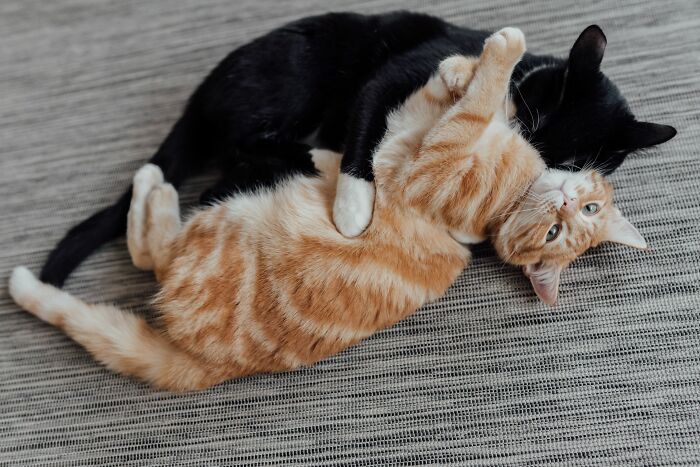
Cats might not throw a party when you leave the house, but they do enjoy company. Some are happy solo stars, others definitely want a furry bestie. If you’re thinking more than one cat, it’s best to let them arrive as a tag team (think siblings or BFFs) to avoid drama.
Cats Can Totally Be Trained (No Joke)
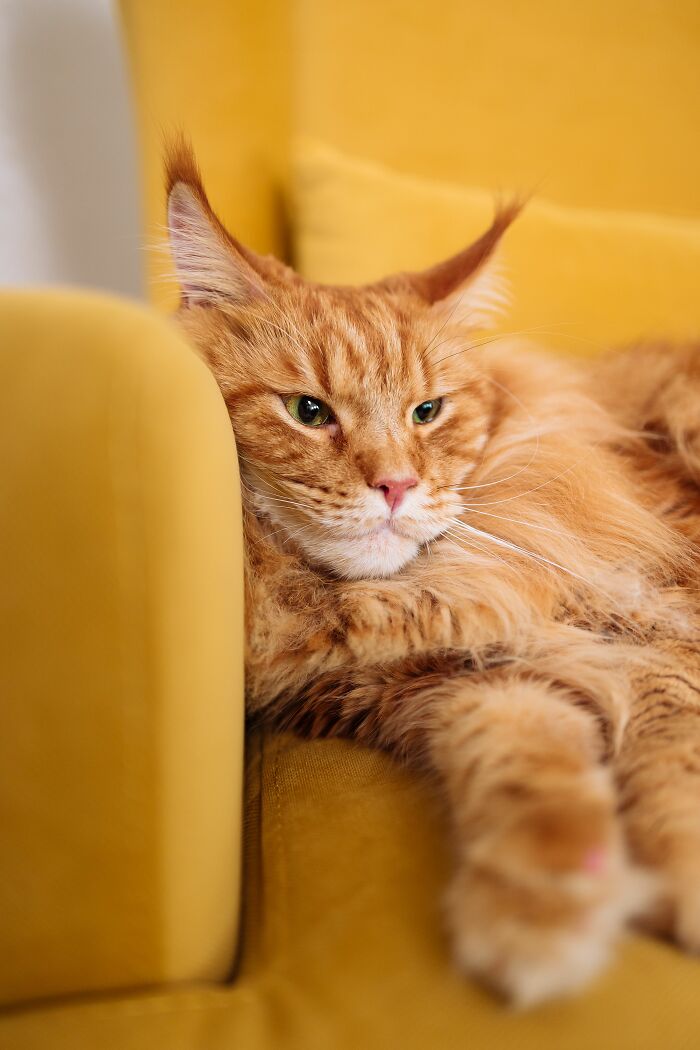
Forget the rumor that cats are untrainable. They're like tiny, furry geniuses if you treat them right! Find their favorite snack or toy and boom - you can teach them to come when called, do tricks, or even chill in their carrier without a fuss. It’s all about rewards and patience.
Indoor Cats Aren't Bored to Death (If You Do It Right)
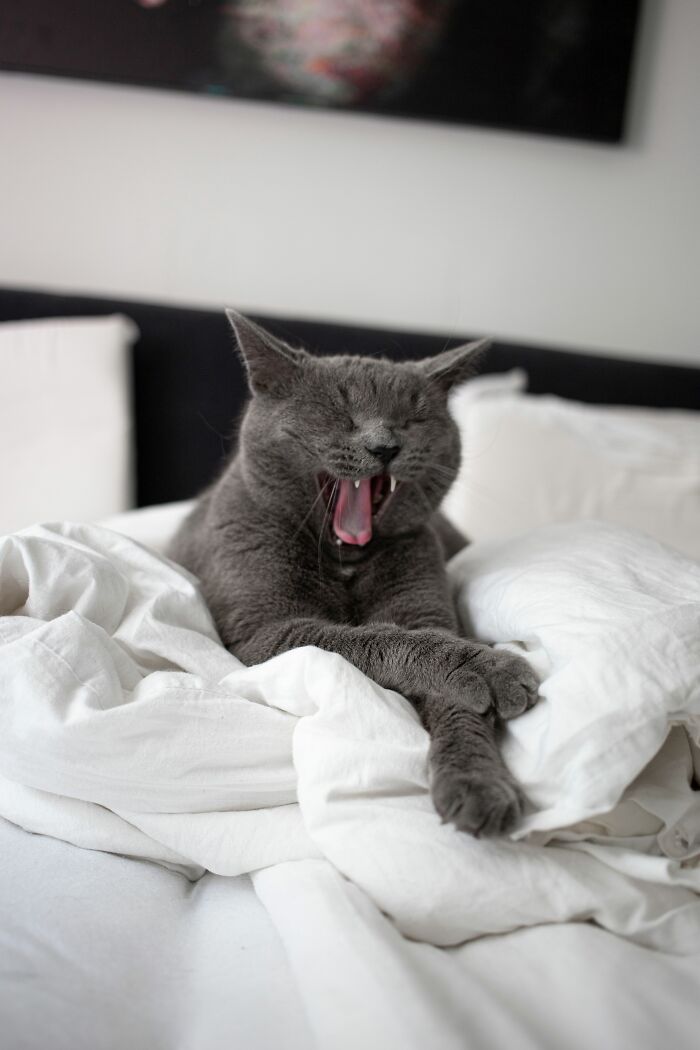
You don’t need to let cats roam outside to keep them happy. Indoor life is safer and can be tons of fun if you bring the outdoors inside - climbing spots, scratching posts, toys, and window views are the secret sauce. Just keep them entertained, and your indoor kitty will live their best life.
Cats Don’t Hate People
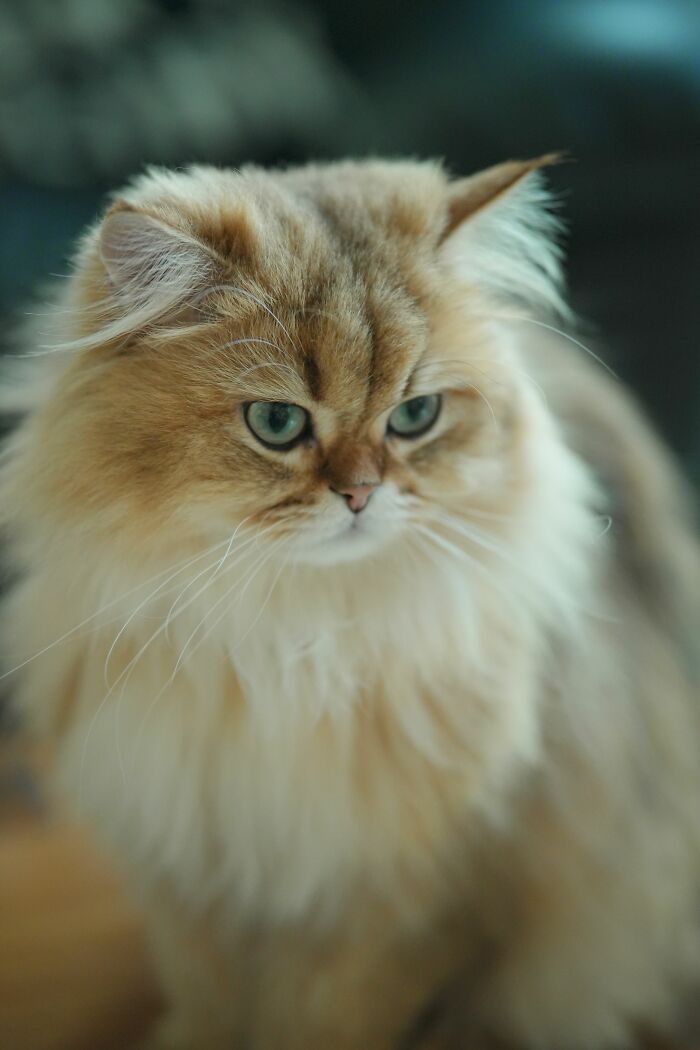
Sure, sometimes cats seem grumpy, but that’s usually because they’re scared or stressed - not because they hate you. Cats just speak a different language, and their body talk can be tricky. Give them space and respect, and you’ll be best buds before you know it.
Cats Actually Need Your Attention (Surprise!)
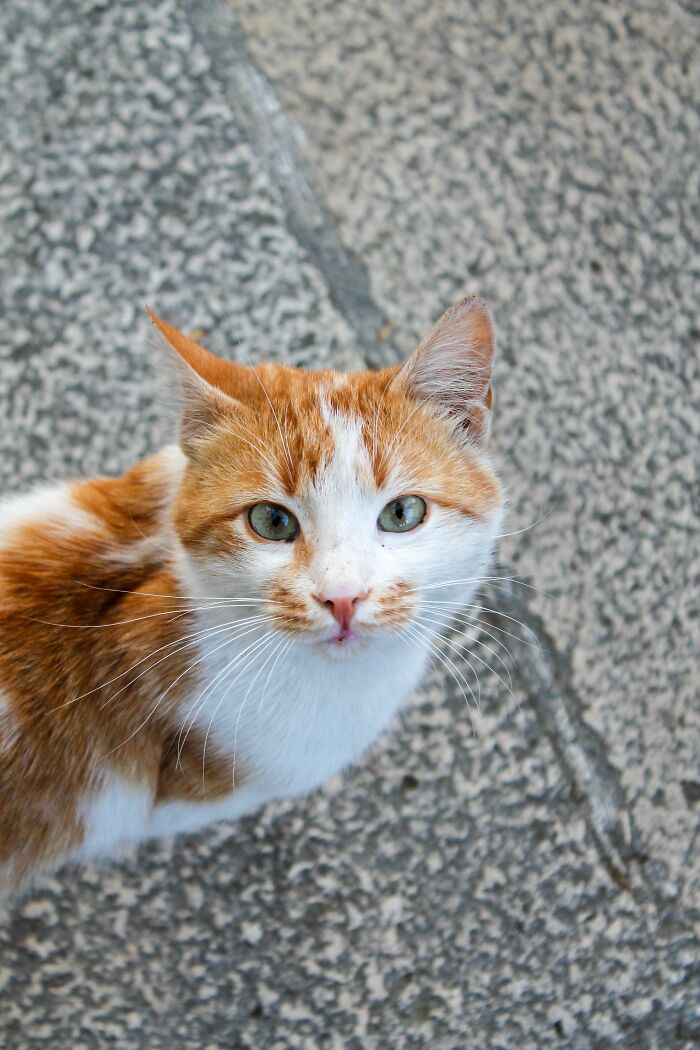
Some cats are happy chillin’ solo, but most want some love from you. Indoor cats especially can get bored if ignored. Regular play, petting, and even brushing (for long-haired pals) keep them happy and healthy. Old-timers might need a little extra help too - like claw trims or vet visits - but they love the attention.
Cats Do Recognize Their Names
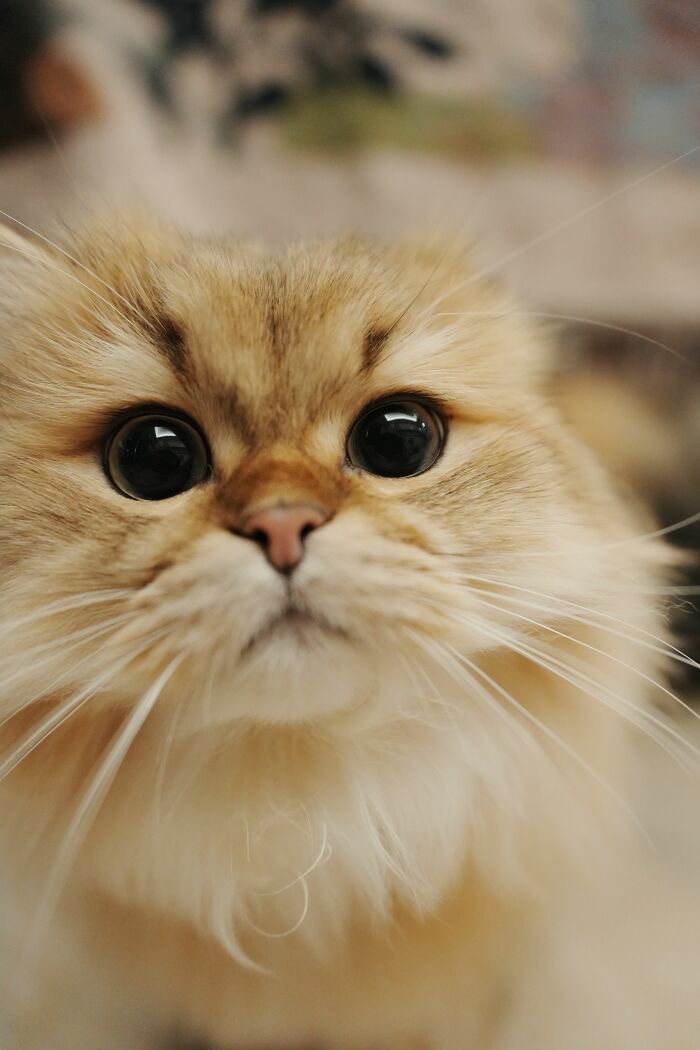
Turns out, your cat probably knows when you call their name! Some cats even recognize other pets’ and family members’ names. So go ahead, chat with your furball - they might be listening way more than you think.
Cats Are Not Lone Wolves, They Bond With You
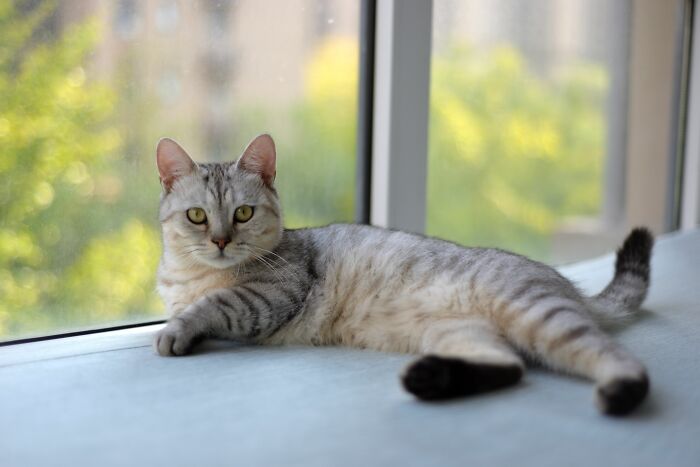
Contrary to the aloof cat stereotype, many cats really dig hanging with their humans. Following you around, cuddling up, or sleeping by your side are all signs they’re pretty smitten. How friendly a cat is partly depends on kittenhood - it’s all about those early, happy hangouts with people.
Cats Aren’t Always Solo Animals
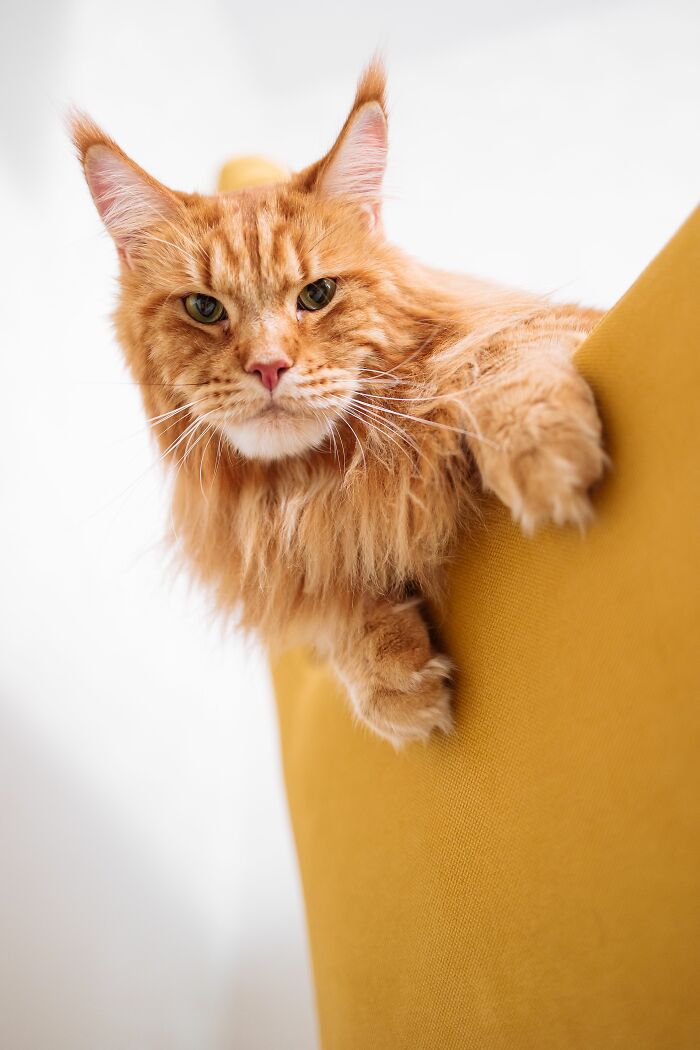
Whether cats want a buddy really depends on their mood. Some love another feline roommate, others act like royalty and prefer to rule solo. Out in the wild, cats actually live in colonies and even help each other out. So they’re way more social than you thought.
Scratching Isn’t Being Naughty, It’s Totally Normal
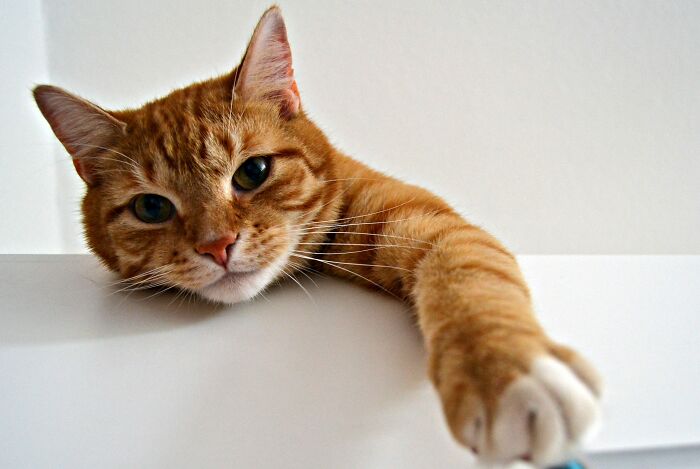
Cats scratch furniture not to be jerks but because it keeps their claws in tip-top shape and sends messages to other cats via scent and marks. They do need good scratching posts that actually work - because a tiny, wobbly post just won’t cut it. Pay attention to whether your cat likes scratching up or down, flat or tall surfaces - it’s their thing.




Cats Are Night Owls, But Not Totally Nocturnal
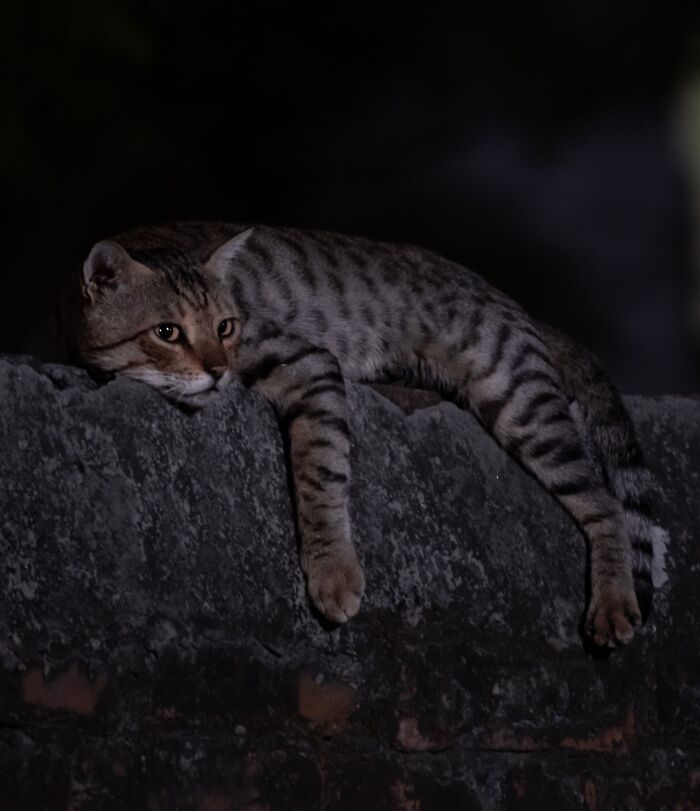
Cats are most active at dawn and dusk, not all night long. This matches the times their prey hangs out. But house cats are flexible and often tune their energy to your schedule. So if you’re home at night, expect some extra kitty playtime.
Cats Aren't Plotting Revenge When They Misbehave
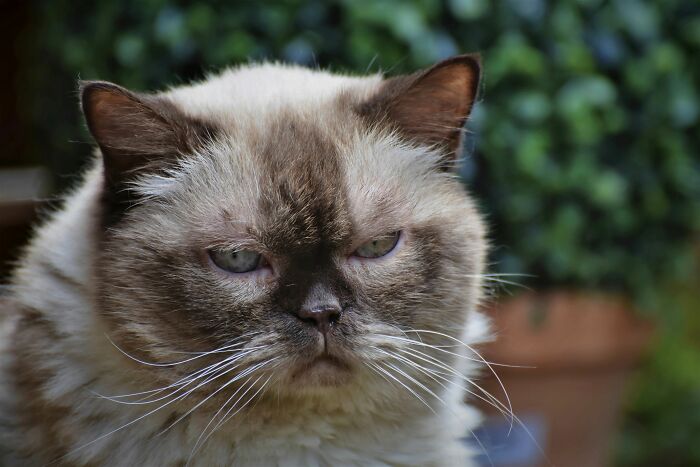
The idea that cats act out of spite is total nonsense. Usually, "bad" behavior has a legit reason - like feeling sick, scared, or annoyed. Next time your cat pees outside the box or throws a hissy fit, think about what’s bugging them instead of assuming they’re little villains.
Cats Don’t Always Land on Their Feet (Gasp!)
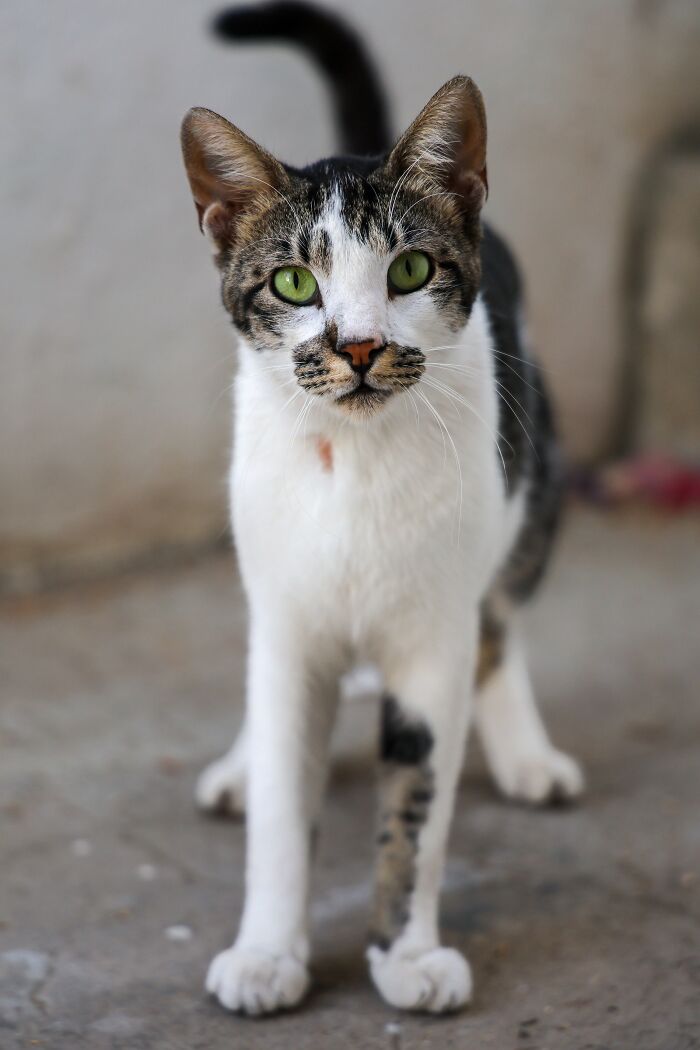
Sure, cats have a crazy twisting reflex to land on their feet, but it doesn’t work every time. They need enough height to pull off the midair magic, and even then, they can get hurt. So, better keep an eye out if your cat’s hanging out high.
A Flicking Tail Is More Like "Back Off!" Than Happy Wiggles
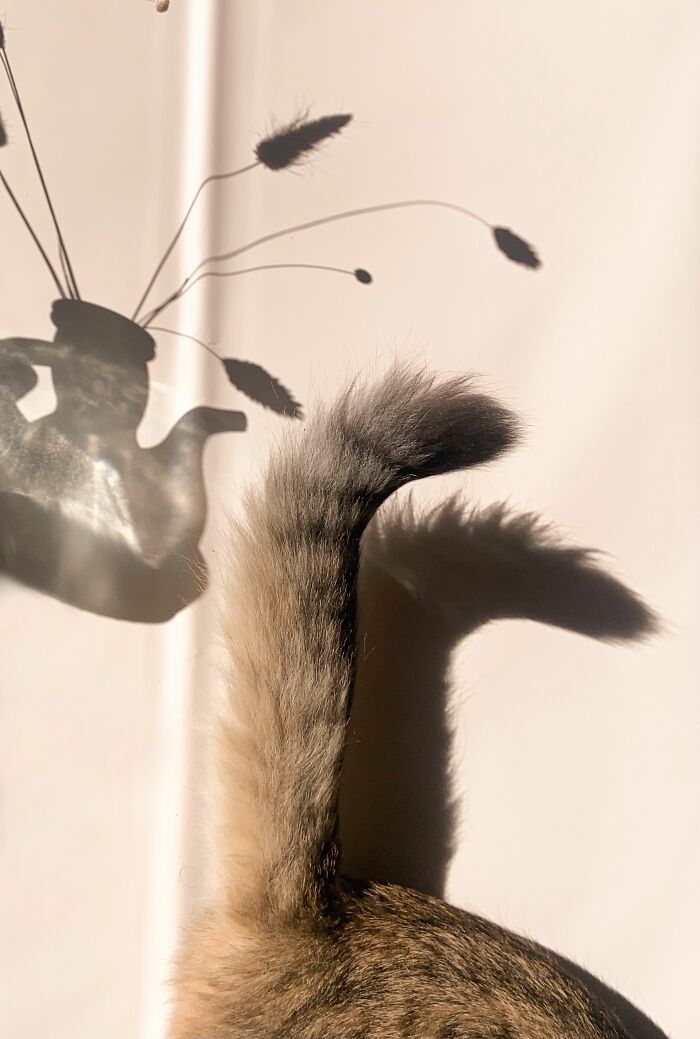
If your cat’s tail starts swishing during petting, it usually means they’re done and want a break. That tail flick is a polite "stop" before the claws come out. So, keep an eye on that tail before your fingers get nipped!




Cats And Dogs: Frenemies or BFFs? Depends!
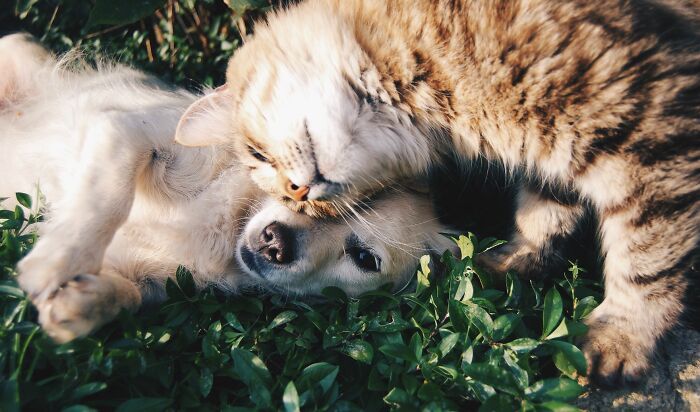
Cats and dogs aren’t always sworn enemies. Some are best buds, others not so much. It all comes down to personality and introduction style. Go slow, supervise, and give your cat plenty of escape routes during meet-and-greets. Bonus tip: if you can get your cat settled first, it usually helps with smooth dog introductions.


40
0