
 then open in external browser


 and click "Open in External Browser"
Hey there! Today we're diving into some of the wildest medical mistakes people actually did back in the day - and sometimes even recently. Some were well-intended, some downright bizarre, but all of them weren't their best moments. Let’s jump right in and have some fun (but also learn a bit)!
This post may include affiliate links.

Turns out, shocker, women, babies, and minorities can feel pain just like everyone else. Honestly, who would've guessed?


It took forever for doctors to realize that shoving their filthy hands into people's wounds spreads infections. The guy who pointed this out got laughed at, locked in an asylum, beaten, and even died from gangrene. All because he said, “Wash your hands!”

Trying to remind dementia patients where they are or who’s passed away just causes upset. Instead? Meet them where they are - no debates, gentle distractions, and zero reality checks.

Can you imagine? Surgeries on babies done with zero pain relief. Yeah, fun trauma times for everyone involved.

This horrible 'therapy' tried to 'fix' people for being themselves. Spoiler: It didn’t fix anything and caused loads of harm.

That drug got banned because it caused birth defects. Yeah, not exactly a win for morning sickness treatment.

Doctors thought flooding premature babies with pure oxygen was a good idea. Spoiler alert: It caused blindness in many, including the legend Stevie Wonder.

Girls were pumped with synthetic estrogen to keep them short because, apparently, tall women weren’t 'acceptable.' Sadly, many faced infertility and cancer later on.
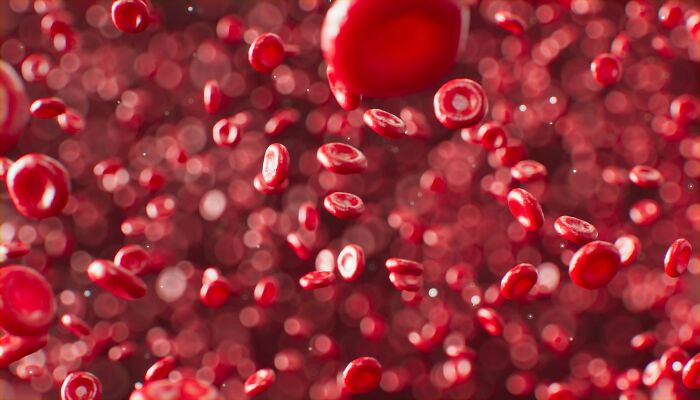
So many treatments have come and gone - like blood loss treatment flipping from giving whole blood to fractions and back again, meds overprescribed and then pulled back, and surgeries going from massive to tiny cuts. Medicine is basically the ultimate experiment, and sometimes the experiment goes ooops.
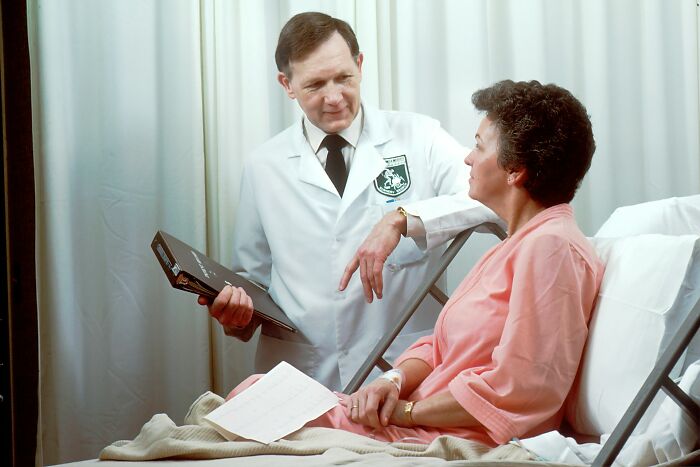
Medical students used to practice pelvic exams on unconscious women during other surgeries without telling them. Consent, anyone?
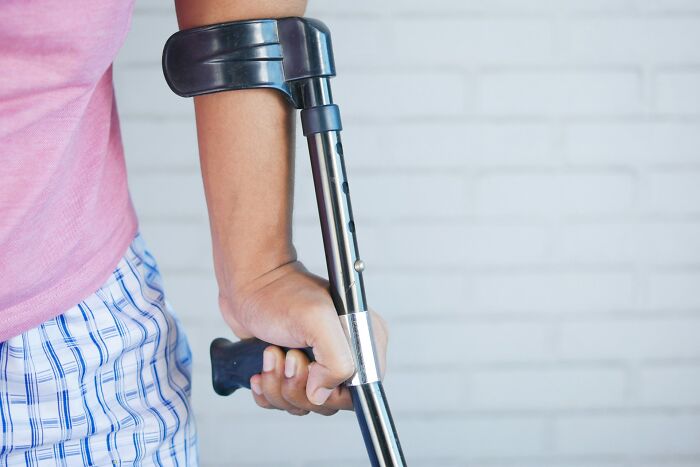
Old hip replacement surgery was easier for surgeons but meant half a year of recovery misery. Now, newer ways are tougher for docs but give patients more freedom, faster.
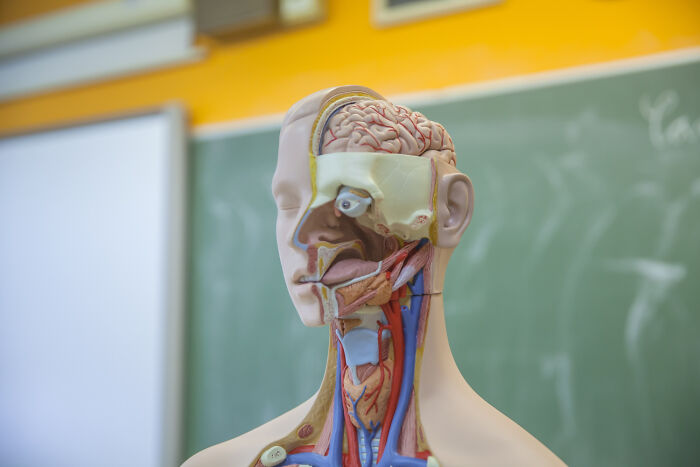
Yup, they used to cut into brains without much clue, leading to all kinds of problems. Let’s just say it’s a procedure we’re happy to retire.

Doctors used to adjust kidney function numbers if a patient was Black, assuming more muscle mass. But turns out this made people less likely to get life-saving kidney transplants. They’ve fixed that now.

Doctors once thought making CFS patients work out more would help. Sadly, it just made many sicker because it ignored what the condition really is.
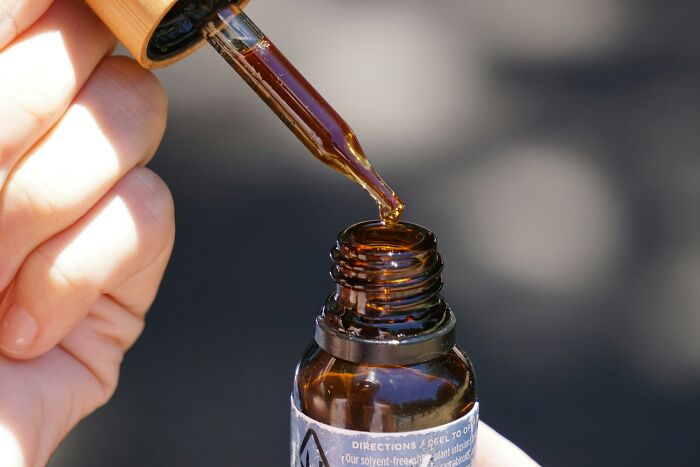
Once a popular cure-all, mercury in medicine is now known to be super dangerous. Good riddance.
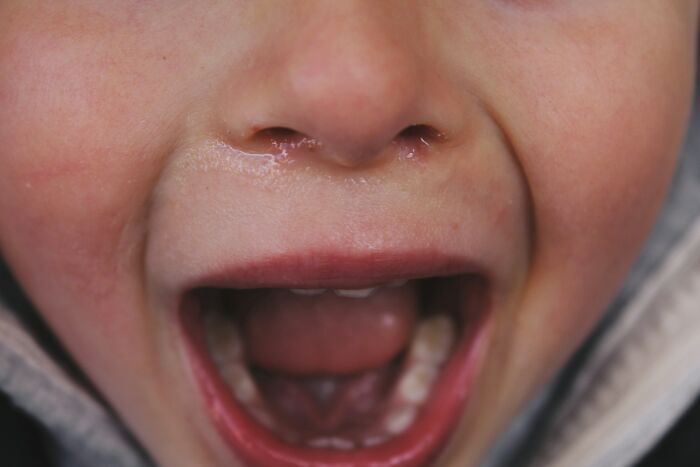
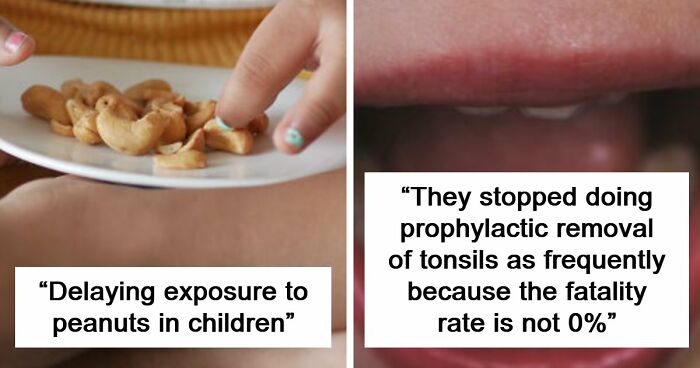
Back in the day, kids got their tonsils yanked just because. Now, it's usually only if there's a real airway problem, 'cause surgery has risks.
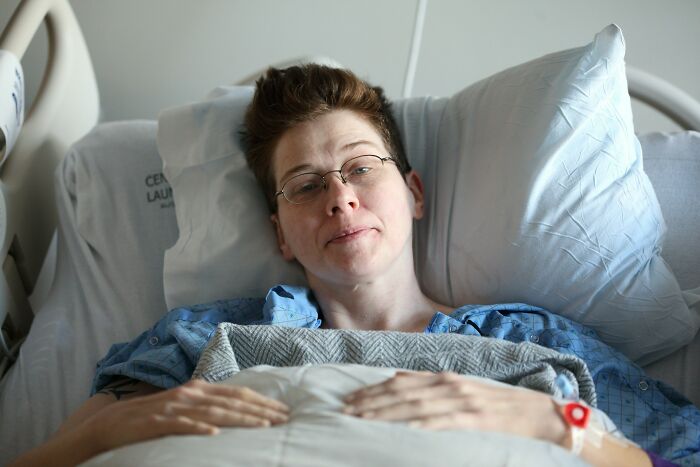
We used to think lying in bed all day helped recovery. Nope! Moving around (even in a hospital) is way better unless you really can’t.
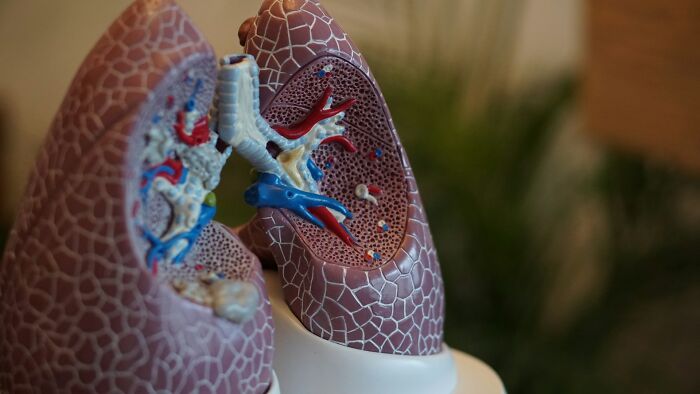
Doctors made people inhale barium to take lung pictures. Spoiler: inhaling barium is super bad. This got scrapped quick.
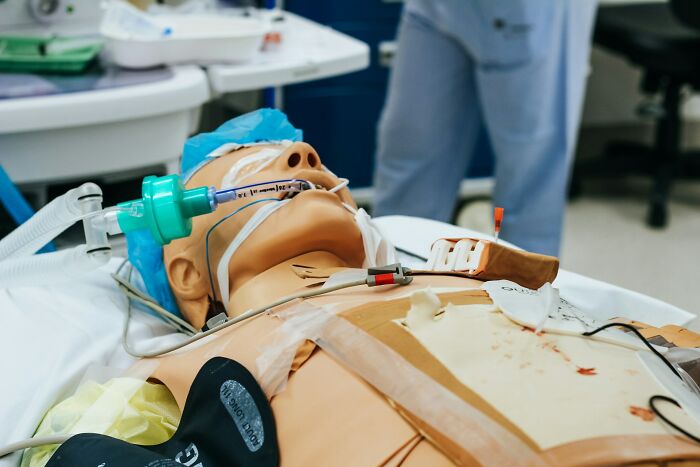
The first COVID wave saw doctors intubating patients fast, thinking it was best. Turns out, many needed more time to breathe on their own, and intubation wasn’t always necessary.

Women used to get denied hormone replacement therapy even when it helps with menopause. Doctors have a lot to catch up on here.
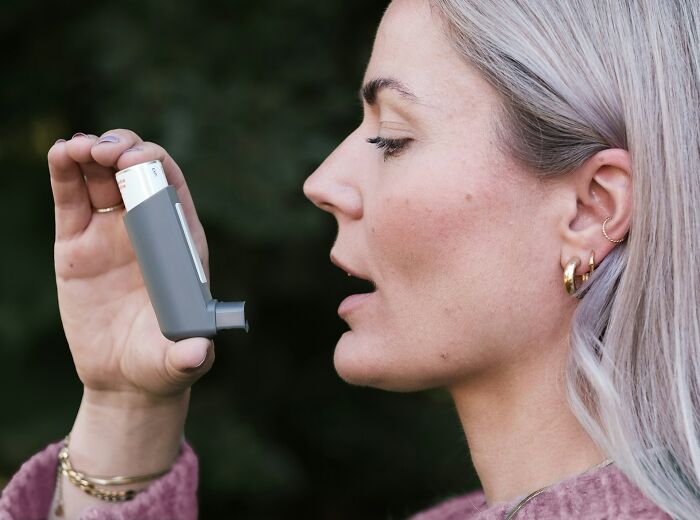
Once upon a time, doctors actually said, “Smoke to feel better” if you had asthma. Let’s just say that advice didn’t age well.

They believed the cervix can’t feel pain. So they went ahead zapping it. Ignored the screams and the burning smell. Oops.
Mothers were told to use heat and massage for mastitis. New research says no - ice and ibuprofen all day, and skip the extra milk squeezing. Science, am I right?
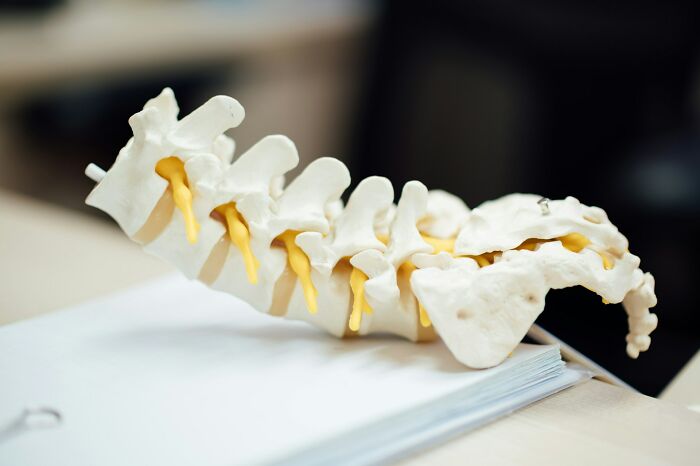
Full spinal boards used to be standard, but they can actually cause harm. Now, folks know when and how to stabilize better without overdoing it.

Kids with type 1 diabetes were put on starvation diets before insulin was discovered. It wasn’t exactly a stellar survival plan.
Long story short: women’s symptoms and health issues were often ignored or misdiagnosed. Yikes.
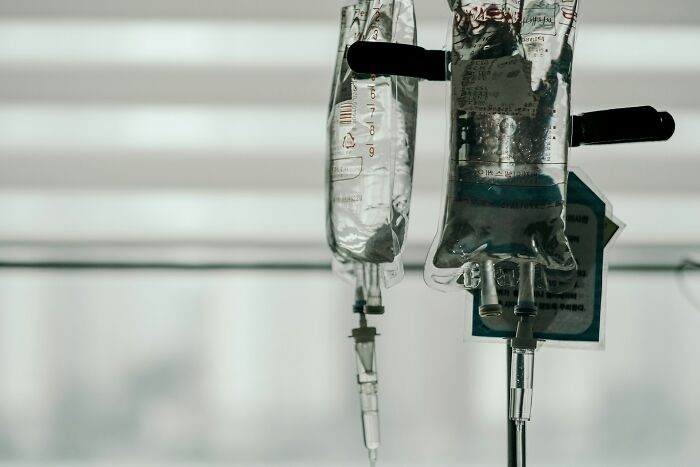
Pumping people full of fluids during major bleeding sounds smart, but it actually waters down clotting stuff and makes things worse. Whoops.

Doctors used to start MS patients on weaker meds and only try the stronger ones later. Now, starting strong helps protect nerves better. Science, yay!
Doctors thought delaying peanuts and other allergens would stop allergies. Nope. Early exposure actually lowers allergy risk. Who knew?

Some treatments got hyped as lifesavers, then turned out to be disasters - like beta blockers before surgery raising stroke risks, or a drug that made people bleed instead of helping sepsis. Oops.
They once told parents to put babies on their tummies to sleep. Now we know it’s super unsafe. Glad that’s changed.






Giving blood thinners used to be scary because of bleeding risks, but now we know they actually save lives by preventing deadly clots. We just accept some bleeding as part of the deal.
Doctors once gave dopamine drugs for restless legs but found they made symptoms worse over time. Now gabapentin is the go-to.
Doctors pulled back on hormone therapy in menopause, but many still need to catch up on how helpful it can be for some women.
Back in the late 70s, women in labor got a mandatory shave and enema with no questions asked. Thankfully, times changed!
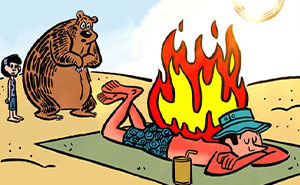



Parents were told to hold off on peanuts. Now the rule is: early exposure to avoid allergies. Science is funny like that.

Doctors rushed to fix crazy high blood pressure ASAP, even when patients felt fine. Now they know slow and steady wins the race.

Doctors used to hold back on arthritis treatment and just wait it out, but it actually made things worse. Now early treatment is better.
Draining blood to cure illness was popular. Turns out all it really did was make people weaker.



Giving loads of fluids to trauma patients was the norm, but it washes out clotting factors, making bleeding worse. Now whole blood is the star of the show.
Using hydrogen peroxide on wounds seemed smart but actually harms healthy cells and slows healing. Oops!
Giving oxygen to heart attack patients used to be automatic. Now we know too much oxygen can damage heart tissue, so only the needy get extra.

Cutting moms during delivery used to be a standard move. Now, doctors only do it when truly needed. Less cutting, more healing!


MS was once called psychosomatic, like it was all in the patient’s head. Thankfully, science proved otherwise.

One prof said half of med school knowledge turns outdated fast. Plus, handwashing was mocked once. Science keeps us humble.
One fluid type was hyped based on fake research and harmed people's kidneys until caught. Now, safer fluids get the job done.
People with swallowing trouble were often stuck on thickened drinks, but many speech pathologists are working hard to dump this outdated practice.


For a while, babies got surgeries with no pain relief because "they don’t feel pain." Spoiler: They totally do.
Circumcising newborns is now way less common as it’s finally getting recognized as unnecessary genital mutilation.
Emergency responders stopped teaching sternal rubs because they bruise and hurt, switching to trapezius squeezes for a gentler wake-up call.
This drug caused massive birth defects when given to pregnant women - definitely not a top-tier anxiety treatment.


Doctors once said you needed to stay awake after a concussion. Now they say sleep is the best medicine. Sweet dreams!
People got an antibiotic for a cough that would’ve gone away anyway. Overprescribing alert!
Lidocaine gel and cervical blocks are a hot debate topic in med journals. No one’s thrilled about surgeries without anesthesia anymore. Good!
Sometimes doctors start doing a thing, and decades later it’s still standard despite weird origins. Fluid restriction in hemorrhagic shock, IVs after mastectomy, and slow blood pressure lowering are some examples.




All those complicated drug mixes during ACLS? Turns out simple chest compressions, epinephrine, and timely shocks work just fine.
Big disfiguring breast surgeries got replaced with smarter, less messy options. Nobody misses those scar-heavy days.
Doctors stopped inserting needles in the second intercostal space for collapsed lungs because of low success and switched spots. Progress!
Dripping fluids super fast through big IVs isn’t always great. Sometimes slowing it down is the smarter way.
Who else has a battle scar on their cheek from scratching chickenpox? The struggle is real and lifelong.


35
0