
 then open in external browser


 and click "Open in External Browser"
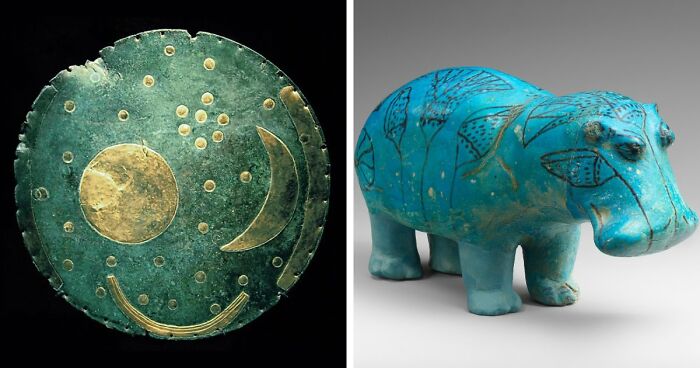
Hey! Today we’re diving into some wild survival stories of ancient stuff that somehow dodged the history-ending bullet. From carpets preserved by tomb raiders’ oopsies to royal swords that refused to rust, these artifacts played an epic game of hide-and-seek with time - and won. Let’s jump straight into these surprising tales!
This post may include affiliate links.
The Pazyryk Carpet: Tomb Robbers’ Rainy Blessing
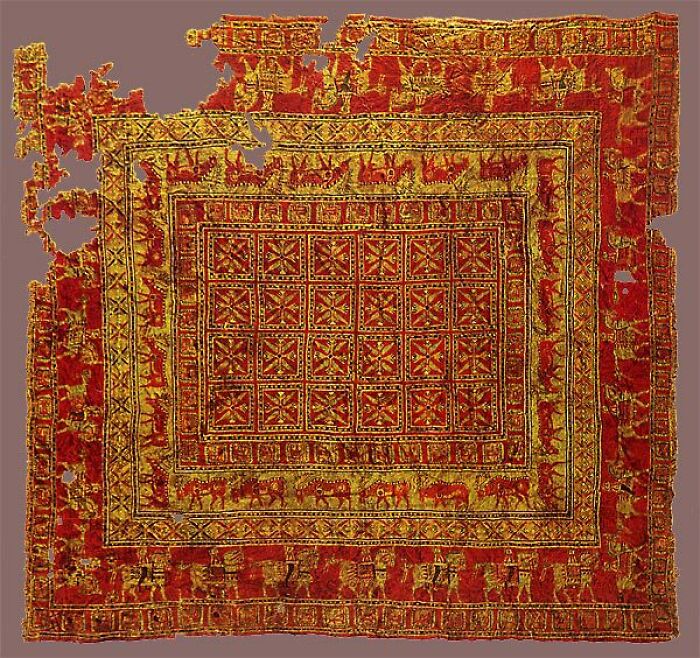
This is the world’s oldest knotted-pile carpet, and guess what? It only survived because sneaky tomb robbers messed up! They cracked open a Siberian burial chamber, stole the gold, and left a hole open. Rain flooded the tomb, froze solid thanks to the icy climate, and basically turned the carpet into a freezer-stored artifact for over 2,000 years. Not bad for some wool! The colors are still popping, and we’re still arguing whether it’s Persian or homegrown.

The Nebra Sky Disk: Cosmic Map or Shamanic Puzzle?
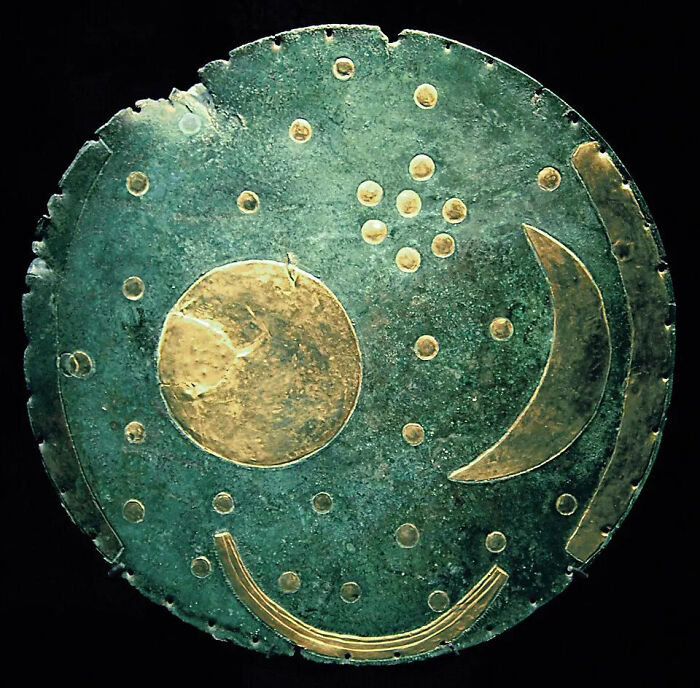
Meet the Nebra Sky Disk, a prehistoric cosmic map or maybe a shaman’s secret gadget - we still aren’t sure! It survived because its last owners buried it deep in a stone box on a hill, protecting it from soil nastiness and farming chaos. Some experts say it’s from around 1600 BCE, others argue it’s Iron Age magic gear from 500 BCE. Either way, it’s a shiny mystery still messing with archaeologists’ heads.
The Lycurgus Cup: Glass That Plays With Light
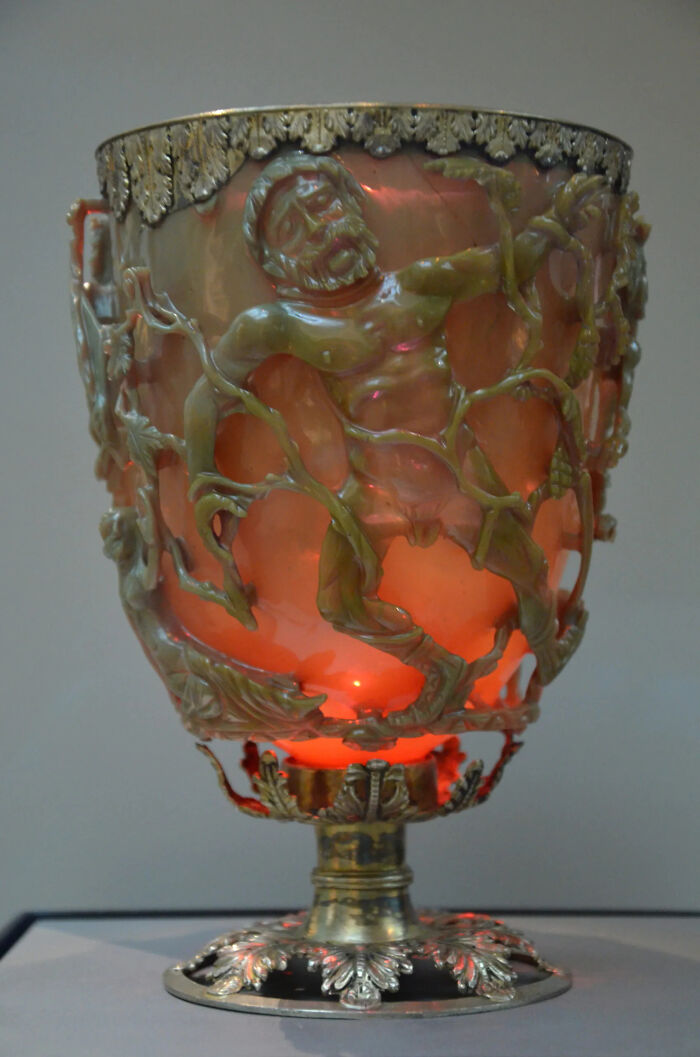
This Roman cup is basically magic glass that changes color! Look at it with light reflecting, and it’s green. Shine light through it, and boom - it glows red! It survived above ground because folks kept it safe through centuries, probably in church treasures and noble collections, rather than it getting buried and smashed like most ancient glass.
"William The Hippo": The Hippo That Got Leg Broken on Purpose
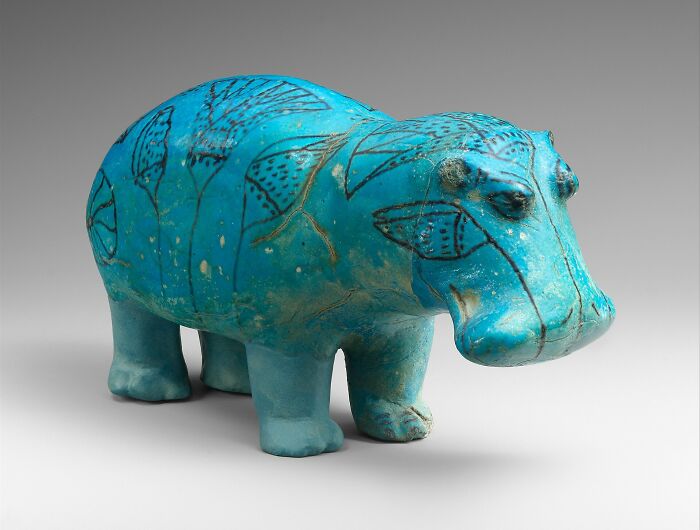
This adorable blue hippo statuette survived ancient Egypt’s dry tombs, but here’s the twist - they broke its legs on purpose before burying it! They believed hippos were dangerous, even magically, so snapping the legs was like putting it on timeout so it wouldn’t run wild in the afterlife. The legs you see in museums? Totally modern glue jobs.
The Langeid Viking Sword: Rust Didn't Win
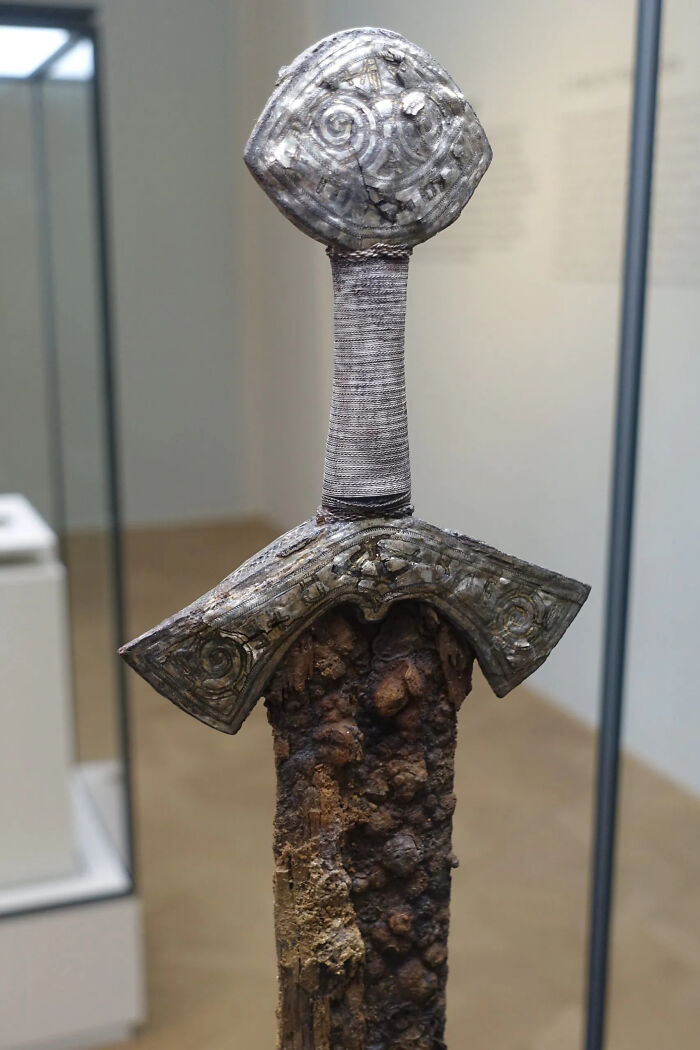
Most Viking swords just rot away in acidic soil, but this one stuck around because of some fancy metalwork and a brass-wrapped wooden handle that kept decay away. Oh, and it's got Christian symbols but was buried in a pagan grave - talk about mixed messages! This sword survived a hardcore religious plot twist and a nasty burial.
Rosetta Stone: The Ultimate ‘Oops, We Used You as a Brick’ Story
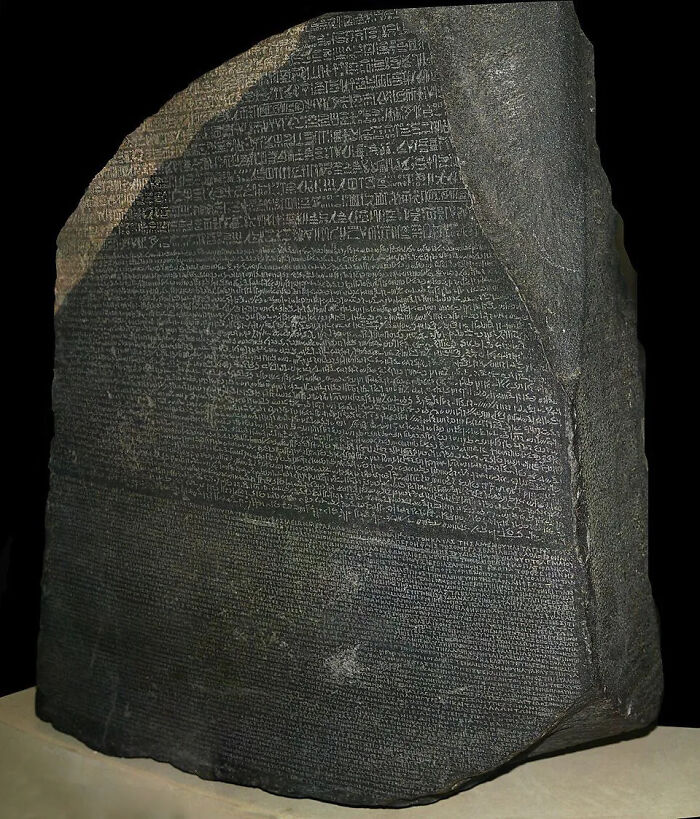
For over a thousand years, the Rosetta Stone just hung out as ordinary rubble in a fort’s wall - yeah, a WALL. No secret hiding spot, just chilling as a cheap brick until 1799 when some French engineer fixed the fort and went, “Whoa, what’s this?” It ended up cracking the code on Egyptian hieroglyphs, but only after living a not-so-glorious wall life.
Tollund Man: Bog Body That Stunned the Police
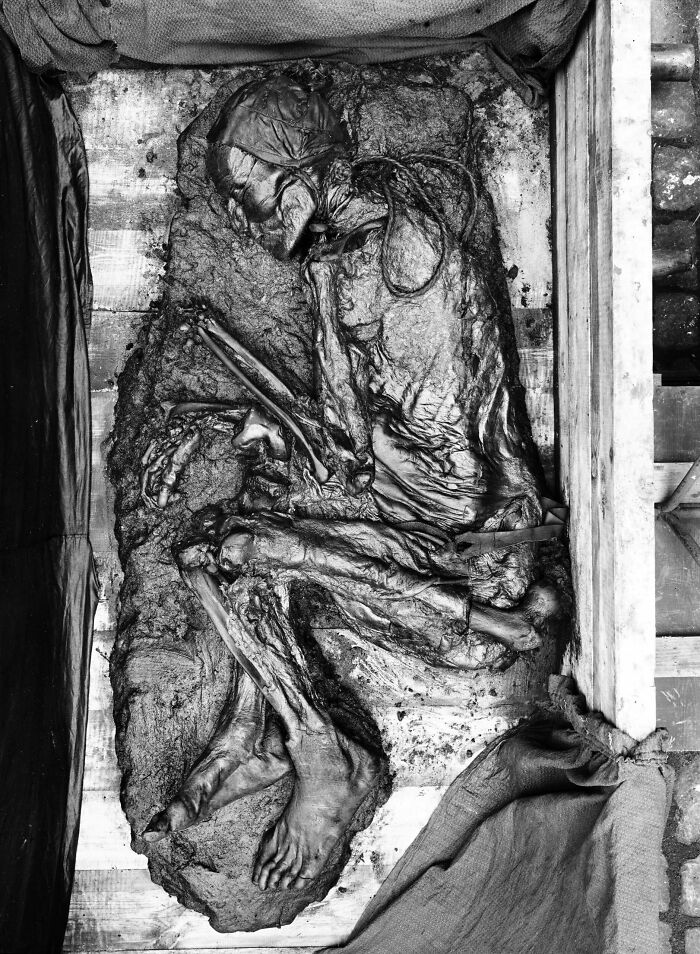
In 1950, some Danish peat cutters found Tollund Man and freaked out because he looked like a murder victim from last week. Nope, he was over 2,300 years old! The bog’s weird chemistry tanned his skin and kept him fresh like nature's freezer. Oh, and he likely died a ritual sacrifice, which makes his story even spookier.
The Trundholm Sun Chariot: Bronze Toy Lost in a Bog
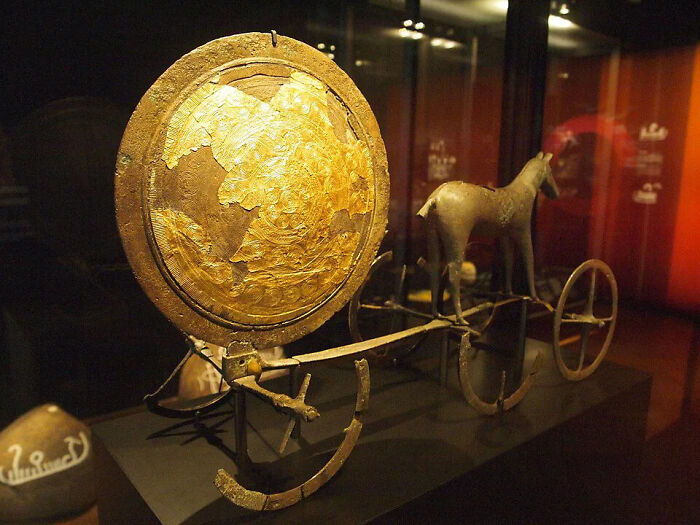
Bronze was way too valuable to waste back then, so this sun chariot escaped the smelter by getting thrown into a bog as a kind of ancient sacrifice. It chilled down in the mud until a farmer accidentally plowed it up in 1902. His kid thought it was just an old toy. Little did they know! This bronze horse had quite the afterlife.
Carolingian Manuscript Fragment: Old Pages Glued for Strength
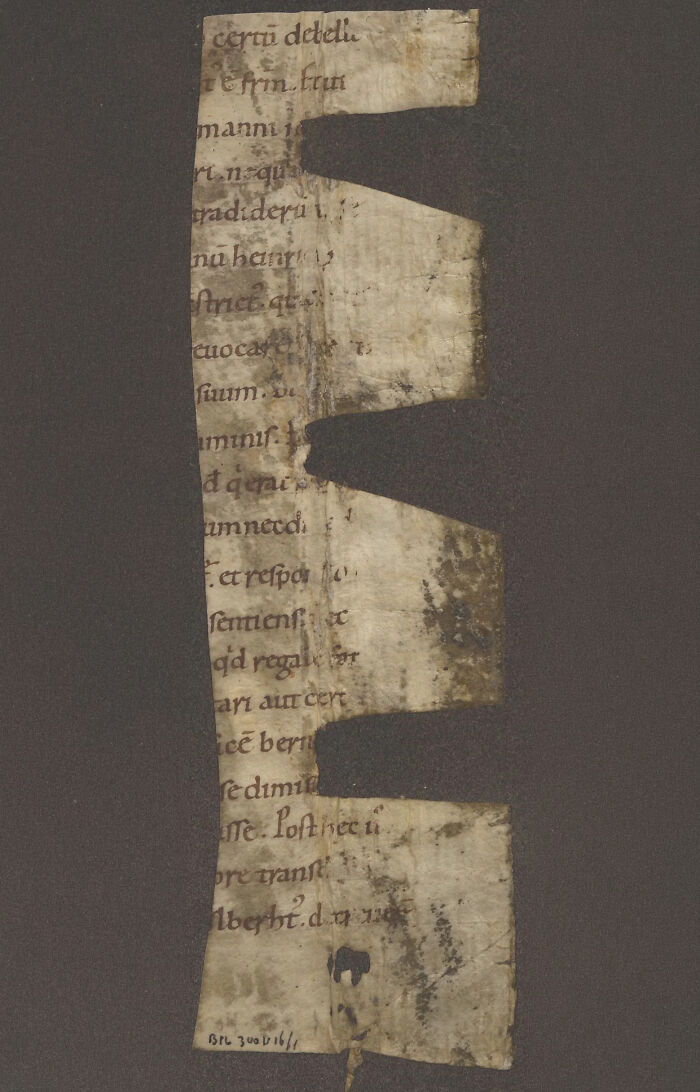
When printing took over, medieval scribes’ hand-written texts got sliced up and glued inside book spines to make those books sturdier. Weird, right? So, some ancient texts survived because they ended up as recycled book glue - proof that destruction sometimes saves stuff.
Lapis Lazuli Tablet: Fancy Stone That Lasted Forever
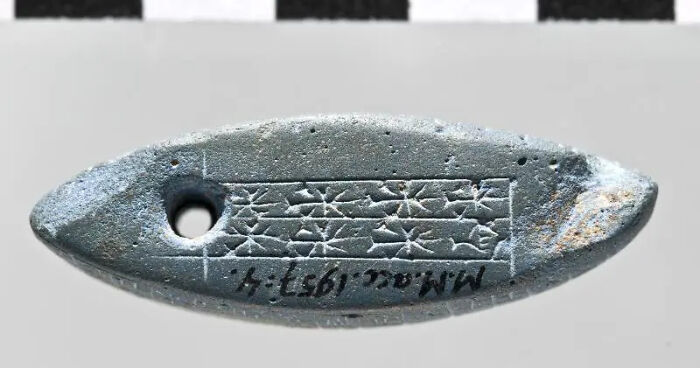
Most cuneiform tablets were squishy clay and didn’t last, but this one’s carved from rare blue lapis lazuli from Afghanistan - fancy! It was buried deep in a temple’s foundations, keeping it safe and sending a shiny message about the king’s awesomeness to gods and future rulers. Talk about blue-blood preservation!
Peking Observatory Zodiacal Sphere: Heavy Metal Saves the Day
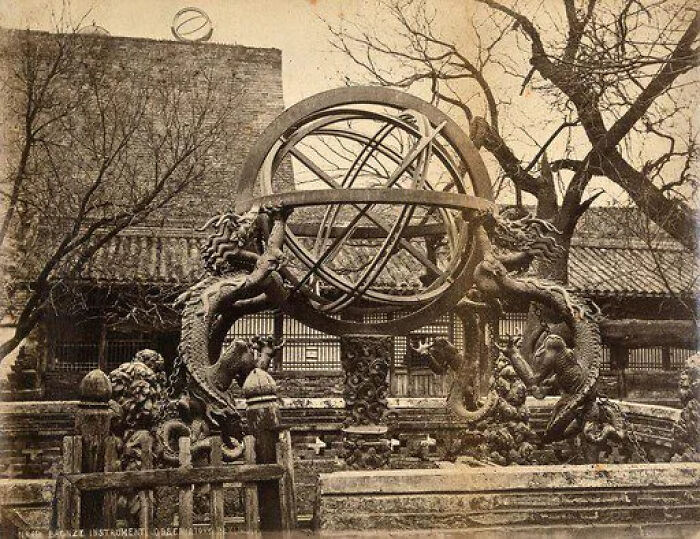
Back in 1900 during some serious drama (hello, Boxer Rebellion), German troops looted this giant bronze cosmic gadget and took it back to Germany. World War I scrap drives wanted it melted down, but its artistic vibes saved the day. Eventually, it was returned to China thanks to treaty talks. It’s a big statue with an even bigger survival story.
Peking Observatory Bronze Altazimuth: Dragons That Weighed a Ton
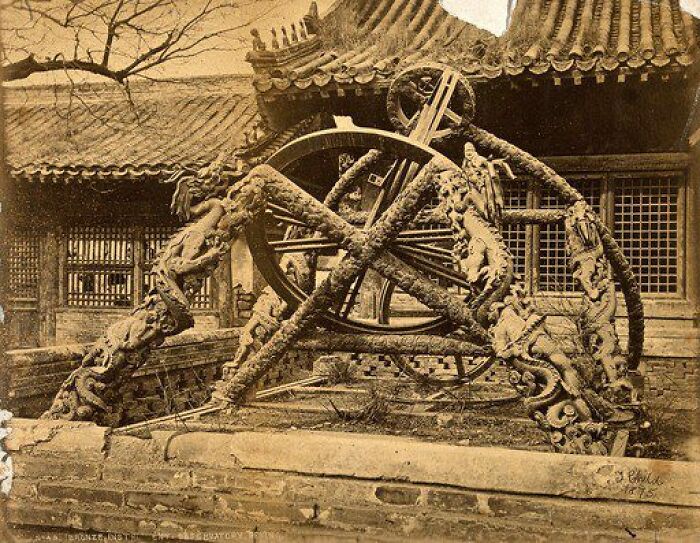
These giant bronze instruments aren’t just pretty; they're so heavy that no one wanted to lug them off to melt down. Those intricate dragons? Not just decoration - they're super heavy anchors keeping the instruments safe from scrappers. Sometimes, being big and bulky is the best way to survive history’s mess-ups.




Roman Coin Hoards: When Hide and Seek Got Real
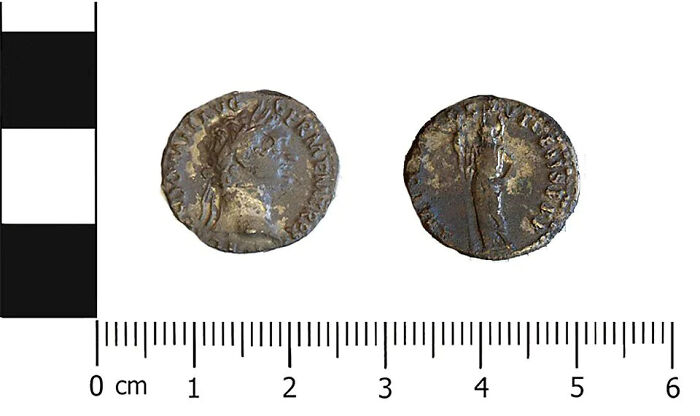
Roman folks buried their silver coins all over Europe - not always because they were rich, but probably during panics, wars, or chaos. Many coins survived because their owners never came back (ouch). Their ‘earth piggy banks’ stayed hidden, waiting for modern treasure hunters to freak out over.
16th-Century Hagiographic Fragment: Religious Texts Recycled Into Book Covers
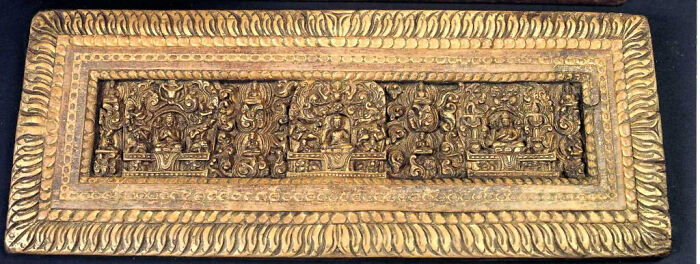
During the Reformation, Catholic texts were declared useless and yanked off circulation. But hey, the animal parchment was tough! So, clever tax officers repurposed that stuff as protective covers for tax books. The funny part? The texts survived by getting turned into boring accounting paperwork with no one noticing.
Ancient Cypriot Plaster-Repaired Jar: Fix It, Don’t Toss It
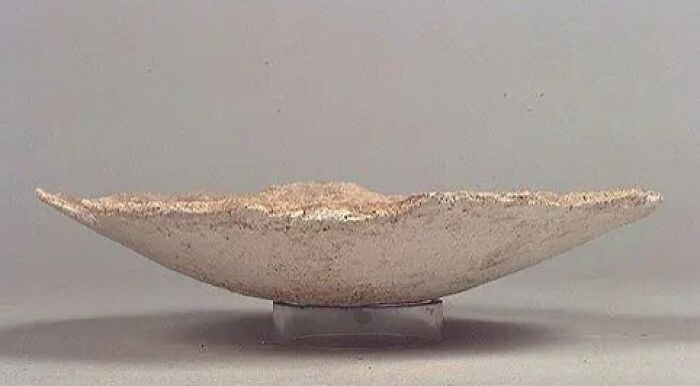
Instead of throwing broken jars away, ancient Cypriots glued their shards back together with plaster. This patched-up jar was either buried or stored carefully and survived ages as a working, ‘almost new’ piece. Turns out, even thousands of years ago, people hated waste!
Ancient Roman Bronze Medical Probe: Surgery Tool That Withstood Time
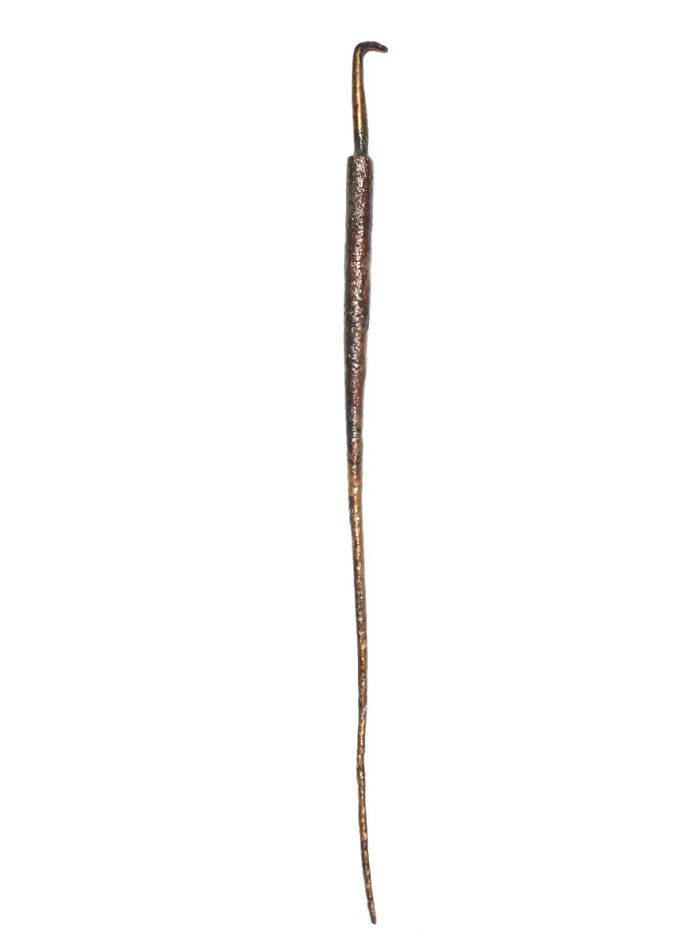
This fancy bronze surgical probe didn’t rust away or get melted down because it was probably kept safe and sealed away during catastrophic events like volcanic eruptions or accidental mud fumbles. It’s cool to think Roman doctors had tools pretty close to what docs use today - and this one made it through all the chaos!



Cypro-Archaic Terracotta Figurine: The God Statues’ Secret Dump
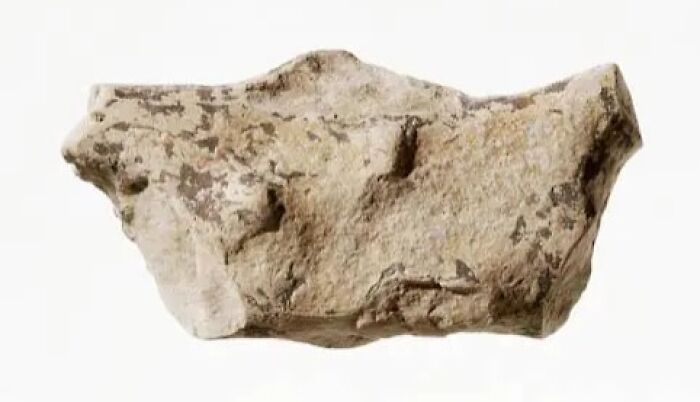
When temples got too crowded with clay gifts from worshippers, priests couldn’t just toss out statues - they belonged to gods! So they buried the extras in deep pits called bothroi. This ‘heaven’s lost and found’ hid the figures safely from angry iconoclasts and weather, keeping their mixed-style art alive for us to discover.
Sumerian Stone Building Inscription: Invisible History Under Your Feet
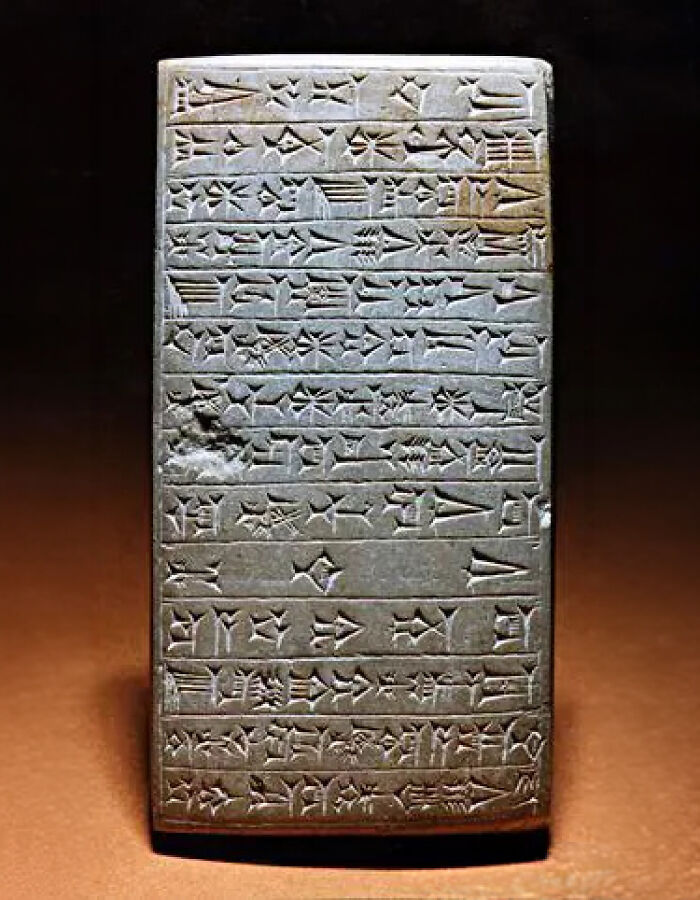
These stone inscriptions weren’t meant to be seen - they were buried deep under the corners of temples and ziggurats by kings wanting to send secret royal messages to gods and future rulers. When invaders burned the cities, the texts stayed safe underground, like hidden time capsules waiting for lucky archaeologists.
Har-Mose’s Lute: The Ancient Guitar that Refused to Rot
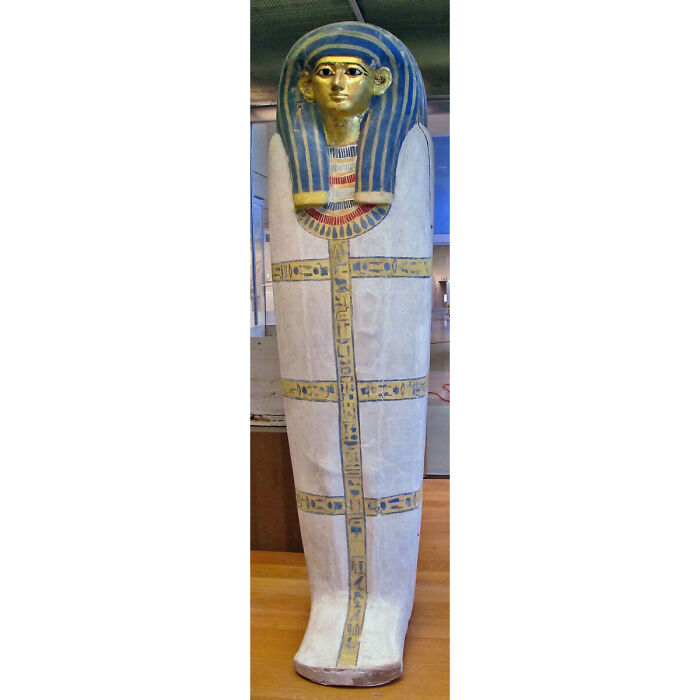
Made of cedar wood and animal guts, this lute should’ve been dust long ago. But thanks to the super dry Egyptian desert air inside this sealed tomb, it stayed intact. When they dug it up in the 1930s, the pick was still tied to it! That's one rockin’ survival story.
Ancient Egyptian Mummification Needle: Tools Kept Sacred and Hidden
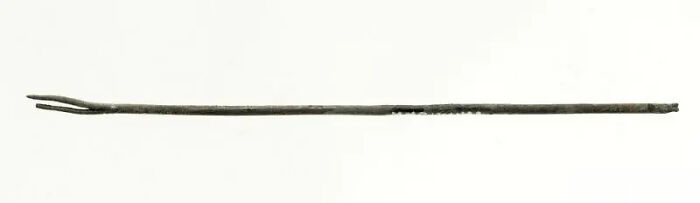
These embalming tools didn’t just drop in the dirt. Because touching a royal corpse made items sacred (and off-limits for regular use), priests collected and hid them in dry pits. The desert climate helped too, keeping these tools in tip-top shape so we can still see them today.





45
0