
 then open in external browser


 and click "Open in External Browser"
Alright, here’s a wild ride through the sneaky tactics doctors and med pros use when they know someone’s faking being sick. It’s a mix of funny, clever, and sometimes a little mean - but hey, they gotta figure it out somehow! Dive in, enjoy, and maybe even use some of these moves next time you wanna see if someone’s for real (just kidding, don’t do that).
This post may include affiliate links.

This doc says don’t be quick to doubt your patients. Folks who fake are often struggling inside, not just trying to mess around. Instead of being all tough, sometimes just a kind word and a referral to a shrink work wonders. Plus, always rule out the legit stuff before assuming they’re faking. It’s about caring for the whole person, not just playing detective.


Here’s a pro tip from a former paramedic: when someone acts like they’re having a seizure but you’re not buying it, just say, “We’ve gotta put in a catheter before moving you.” Suddenly the miracle cure kicks in and the ‘seizure’ vanishes. Magic!

A paramedic once faked the faker by blaming seizures on a mysterious ‘anti-seizure mist’ in the ambulance. Every time the mist fogged up, the ‘patient’ perked right up. Sneaky and hilarious!
PSA: Calling out fakers in med isn’t mean, it’s saving time and helping real patients.

A kid in a wilderness program poked holes with cactus needles to fake a rattlesnake bite. The guides believed it, he got anti-venom (which obviously wasn’t needed), and his parents got slammed with a $50K bill. Sometimes faking it ain’t worth it!

This flight paramedic prefers to take patients at face value when they say they’re hurting. Because honestly, good pain control can make or break recovery. So, whether it’s Morphine, Percocet, or Diluadid, these meds save lives and sanity. Pain meds aren’t the enemy, folks!

Meet Barry, a legend among ambulance crews for constantly faking illnesses just to get a free ride. One time he called saying he was paralyzed. When asked how he called if that was true, he said, “It wasn’t easy!” Then, when told medics would meet him at the driveway because his wife shouldn’t see the drama, they asked how he’d get there if he was paralyzed. Barry’s response? “I’ll crawl on my lips!” True dedication to faking it.

EMS crews have a sneaky test: lift a supposedly unconscious patient’s hand over their face and drop it. If they let it smack their face, they’re out cold. If the hand mysteriously flops to the side, that’s faker alert! Plus, telling a 'seizure' patient that an IV is going in a certain arm can cause some very unconvincing extra limb movements. Medical magic!
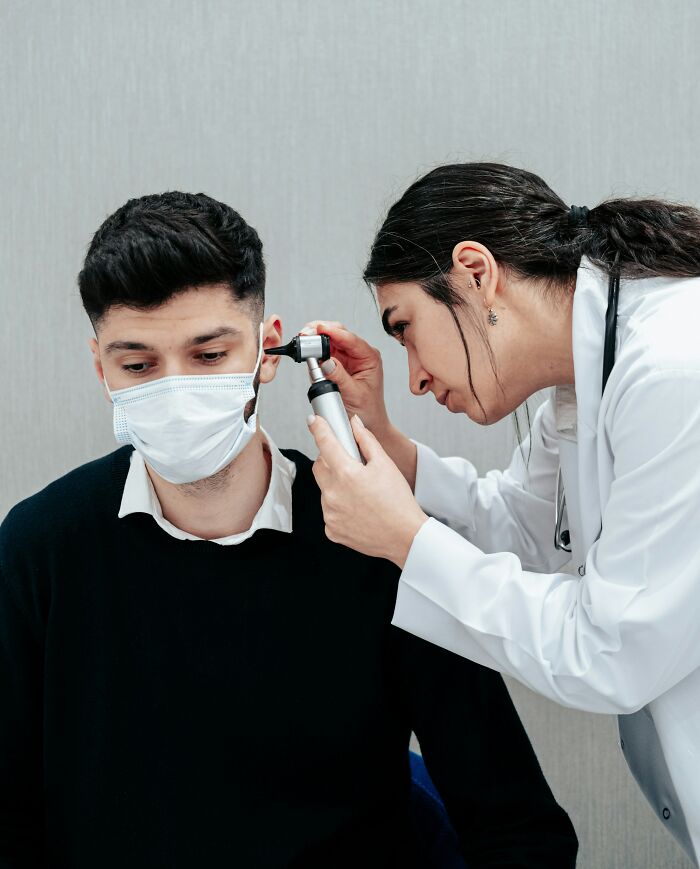
Hearing docs have all kinds of tricks to spot fakers. From tests that play sounds through the skull (because ‘bone conduction’ is a real thing) to watching if people only repeat the second half of words, they’ve got hearing lies covered. Sometimes the fakery hides deeper problems like trauma, but no one’s falling for ‘I can’t hear a thing’ when they’re clearly cupping their ear shouting, 'What?!'

Med students learn to respect patients, even those who might be faking. Because guess what? Sometimes, pain or suffering is very real inside their heads, even if tests don’t show it. So doctors keep digging, listen up, and never just wave fakers off like they’re bullshit. Good docs, good vibes.
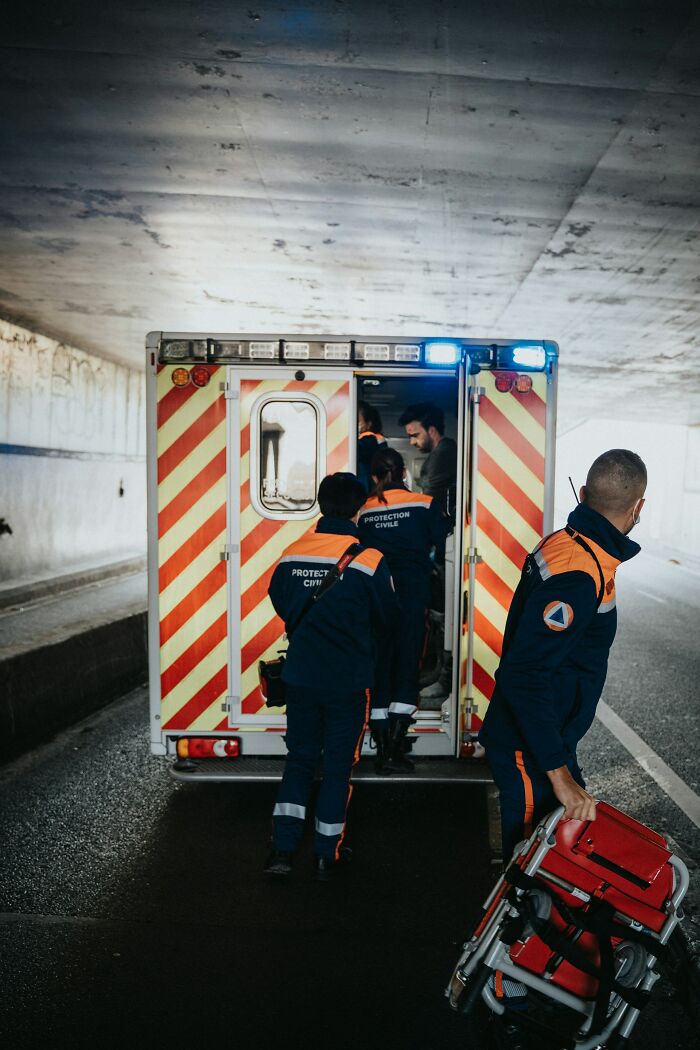
Sometimes what looks like fakery is a real problem in disguise. One ER doc nearly passed over brain tumors on a patient who said doctors told her it might be all in her head. Moral? Double-check stuff before calling ‘faker!’ Because it can mean the difference between disaster and lifesaving.





If your friend’s playing fainting games at a party, try squishing their fingernail. It hurts just enough to wake them up but won’t hurt them for real. Instant ‘gotcha’ move when someone’s seeking attention while pretending.

Here’s a dental pro tip: if someone says you can’t numb the tooth and warns they’ll feel tons of pain, chances are they’re faking it. Because with patience, dentists CAN numb anything. Real toothaches hurt like crazy, but fakers usually chicken out on pulling the tooth. Smart move to test ‘em!

These doctors have some serious brain tech that spots hearing fakers. From whispering secret ice cream plans to watching if patients wince at loud tones, to measuring brainwaves while you think you’re fooling them - the science is strong. Still, they stay nice because some folks just need help, not blame.
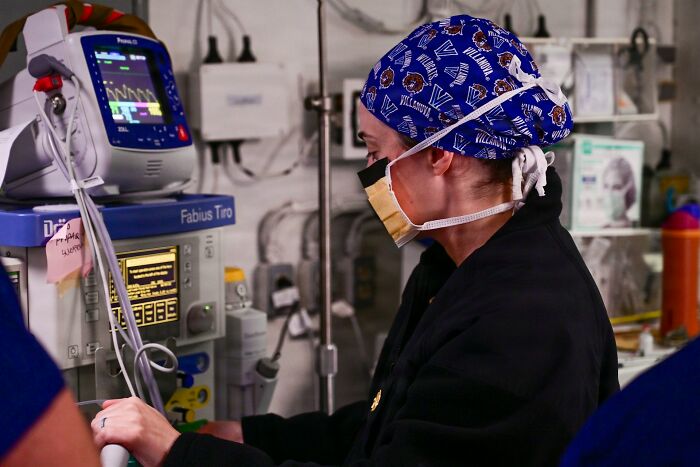
Here’s the deal: some folks bugging the ER with ‘fake’ stuff may actually have legit pain or symptoms. Docs watch for weird behavior - like faking weakness or seizures - and run simple tests (like seeing if someone can pull out a nasal tube during a ‘seizure’). They’re pros at spotting conversion disorder (when your brain messes with you), but they still treat everyone seriously.





If a patient’s yelling about shoulder pain but jumps too much when you touch them, docs switch things up. They go, “Let’s check your knee!” then quietly poke the shoulder harder when no one’s looking. If the pain vanishes while they’re distracted, it’s time to call their bluff with a prescription of something funny (like Miralax). Genius!
Here’s something funny: fake medicine seekers chat happily in line but put on the ‘sad sick face’ at the pharmacy window. Plus, they sometimes pick up just the pain meds, ditching the free antibiotics. Pharmacy staff know their tricks all too well!
Got a ‘pseudoseizure’? Splash water on their face or press a fingernail hard. Fake blindness? Wave some rude images - real patients don’t change expressions. Medical pros also use symptom logic: diseases behave predictably, so when symptoms don’t add up, fakers get found out. Science meets sass!
This UK doc says fakers often go overboard with symptoms - their seizures are too wild or they stay sleepy too long. They want special meds or hospital stays way too much. Plus, repeat visits give them away. Young women with tricky symptoms are especially tricky. But mostly, they get bored and move on, so docs don’t stress too much.




When someone’s faking being out cold, EMTs tell them stuff like, “Alright, we gotta put an IV in your eye!” Usually works like a charm to snap them out of it. Not the kindest trick, but desperate times...

When fakers get really tricky, some docs just drop the bomb: “The only solution is amputation.” It’s not nice, but it sure gets attention fast!


33
0