
 then open in external browser


 and click "Open in External Browser"
Wait, Nature Is Actually This Wild?! 59 Mind-Blowing Facts To Blow Your Mind
Hey! Wanna hear some of the craziest stuff nature’s pulled off? From tiny Houdini octopuses that escaped tanks to trees bigger than entire forests, today’s list is packed with wild tales that’ll make your jaw drop. Let’s get right into it!
This post may include affiliate links.
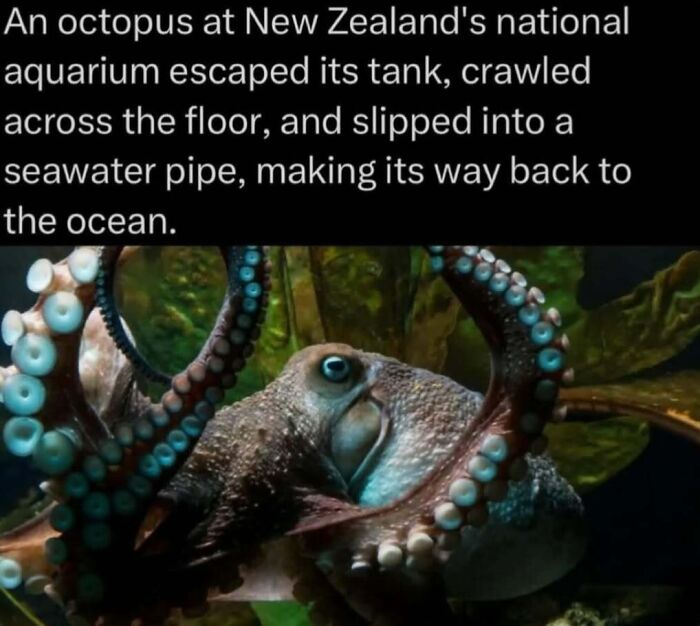
Back in 2016, Inky decided the National Aquarium of New Zealand was a bit too cozy. After a tiny gap was left in his tank lid, our clever cephalopod squeezed his rugby-ball-sized body through, dropped to the floor, and marched a full eight feet to a drain pipe leading OUT to the Pacific Ocean. Why stay in a tank when you can be a Houdini of the sea?

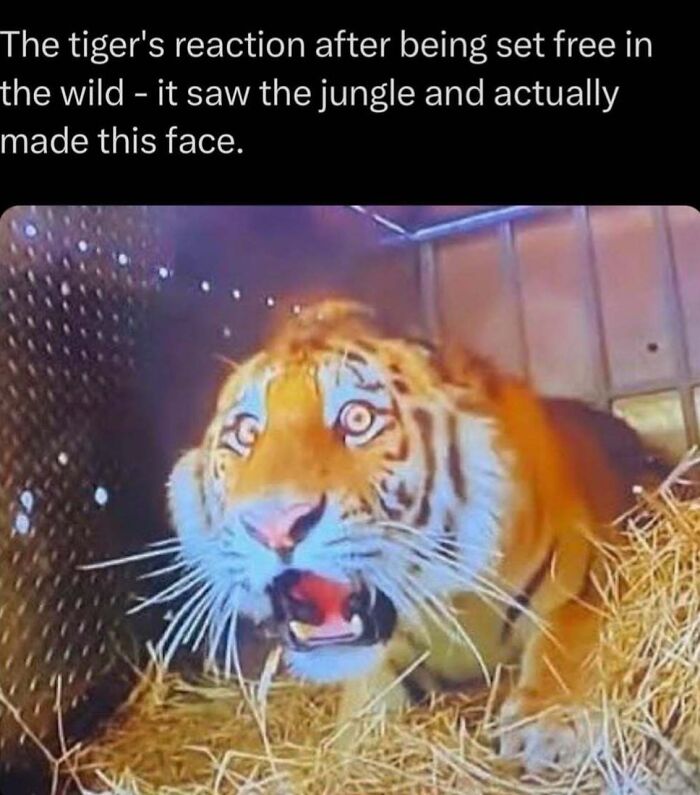
When a tiger finally got set free back into the jungle after captivity, it didn't roar or stalk - it did the ultimate jaw-drop surprise face! This wide-eyed, open-mouth moment? It’s called the flehmen response. Basically, the tiger was 'sniff-tasting' the air to map out the new neighborhood. Imagine seeing your old crib anew with all sorts of new smells - wild stuff!
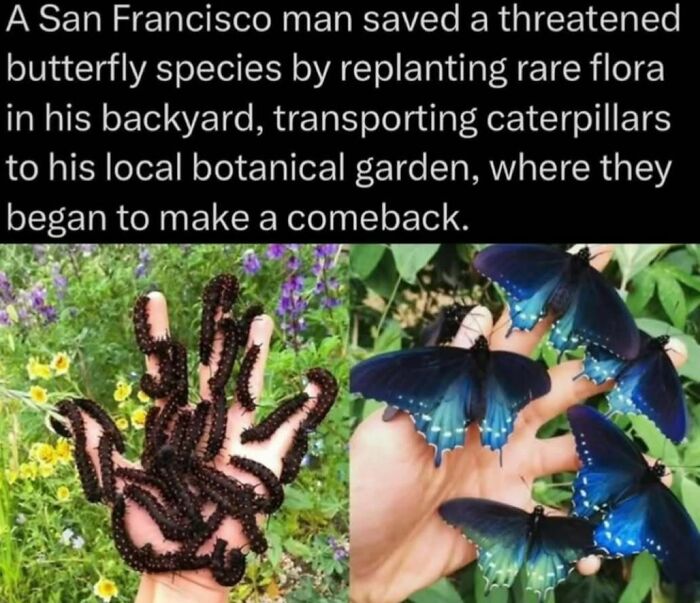
Tim Wong didn’t wait for big orgs to save butterflies - he made his own sanctuary at home! Faced with the California Pipevine Swallowtail almost disappearing in the city, Tim built a screen enclosure packed with special plants and started raising caterpillars - 20 at first. Now? Thousands of butterflies are flying free again thanks to this one backyard’s dedication.
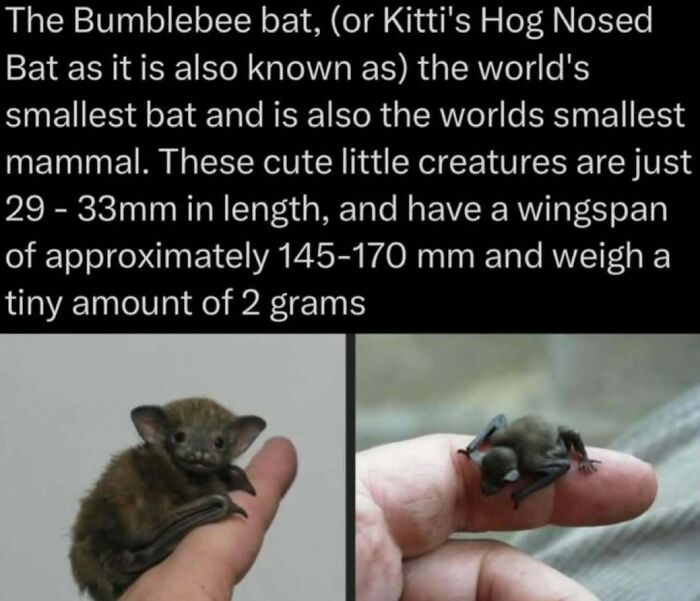
Deep in caves of Thailand and Myanmar lives the world’s smallest mammal: the Bumblebee bat. Weighing about 2 grams (yeah, like a penny), it’s tiny but mighty. Sporting a funny pig-like snout, it hunts moths mid-flight using sonar. Next time you get bugged, remember these itty-bitty flyers!
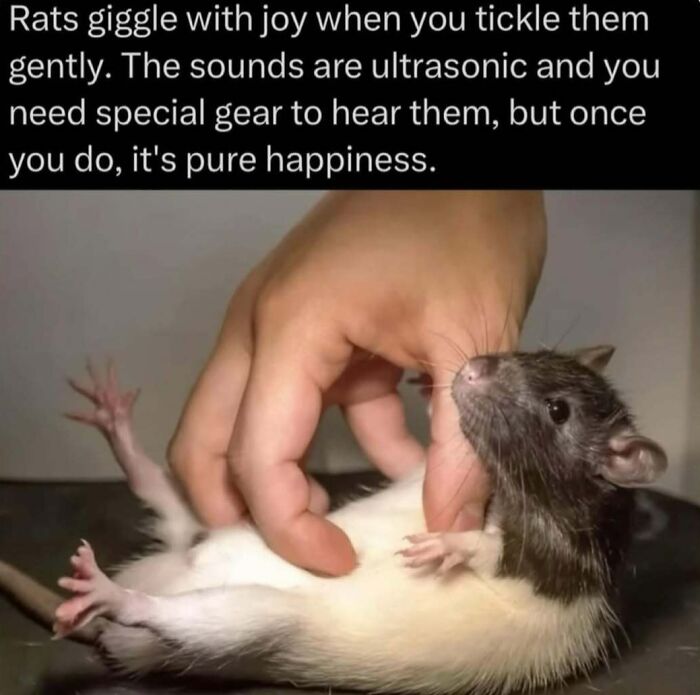
Scientists found that when baby rats get tickled, they produce ultrasonic chirps that are basically laughter - too high-pitched for us to hear, but super obvious to fellow rats. They even invite more tickles, just like kids laughing with friends. So the next time you see a rat, imagine it's sneaking a joyful giggle somewhere.
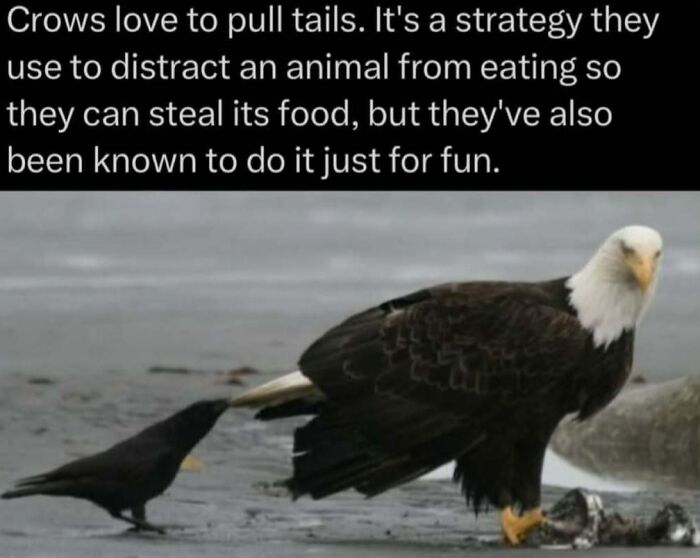
Watch some clever crows and you’ll catch them pulling tails of bigger animals like dogs or even eagles. Looks cheeky? That’s because it is! It's strategic: annoying the bigger critter distracts it, opening a perfect chance for another crow to swipe the food. Sometimes they do it just for fun, showing off their prankster side. Nature’s comedians, right there.
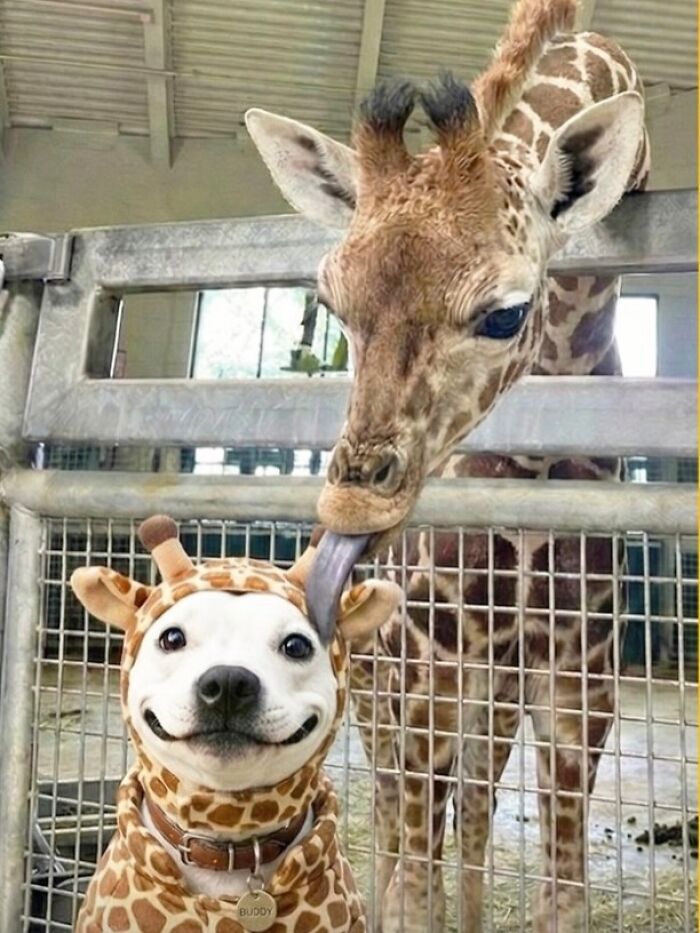
Ever notice your dog’s happy open-mouthed grin? That’s their 'play face' - soft eyes, relaxed ears, and a loose body telling you they’re down to play. Not to be confused with nervous grins (think tense posture and teeth showing), this face is all about good vibes and tail wags.
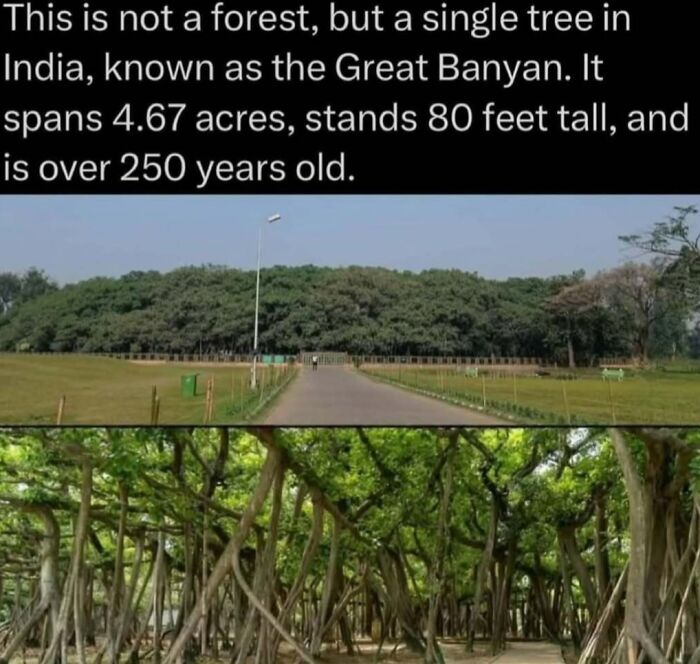
In an Indian botanical garden, the Great Banyan tree started as one trunk but spread out via thousands of prop roots that turned into trunks themselves. Now it stretches across roughly four football fields! It lost its original trunk ages ago but keeps on thriving, proving nature’s got some serious expansion plans.
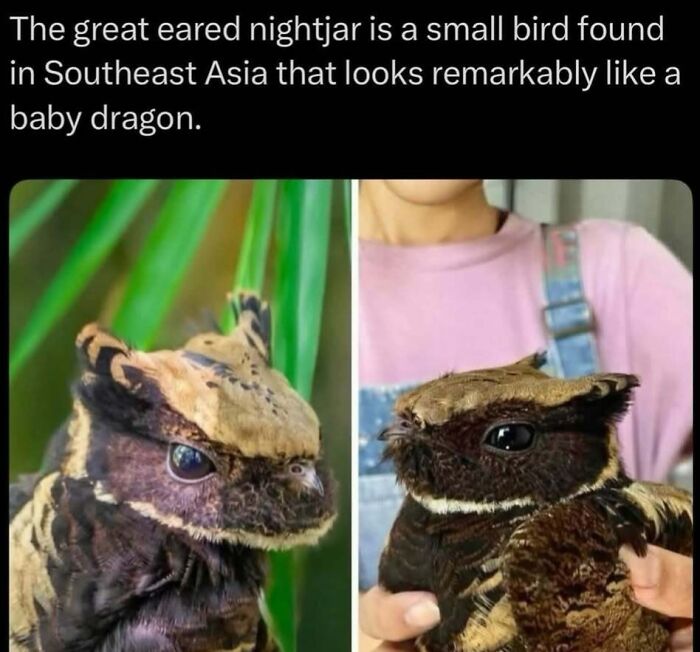
Southeast Asian forests hide a ‘baby dragon’ called the Great Eared Nightjar. It has horn-like feathery tufts and a flat head, blending perfectly into forest leaf litter. Flying at night, it uses its huge, wide mouth to scoop up moths and beetles mid-air. A real-life mythical creature that’s all about stealth and style.
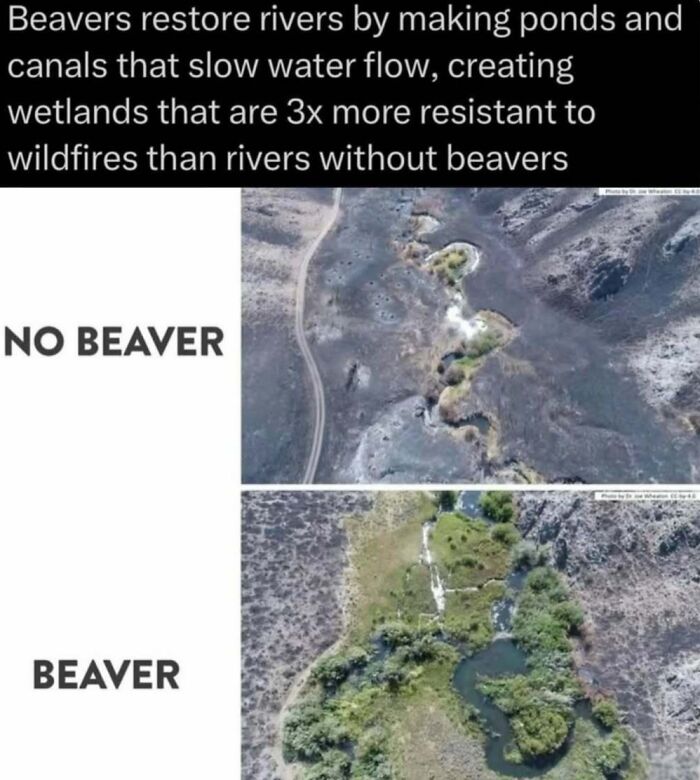
Beavers build more than dams - they create lush wetlands by slowing down rushing waters. These wetlands soak up moisture and stay green even when drought hits. Best part? They help stop wildfires by acting as natural firebreaks. When fires roar, beaver ponds are the last green spots standing strong, keeping wildlife safe.
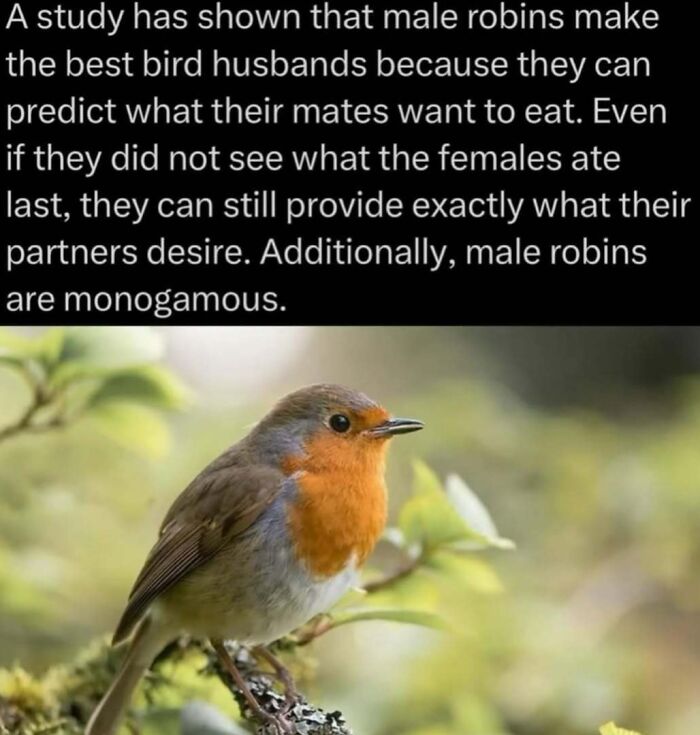
Male robins turn out to be amazing husbands! Studies show they can guess exactly what their partners want to eat, delivering favorite worms, berries, or insects without even watching beforehand. This matchmaking food delivery helps strengthen their bond and keeps their chicks well-fed. Nature’s sneaky way of saying ‘You’re the best, honey!’
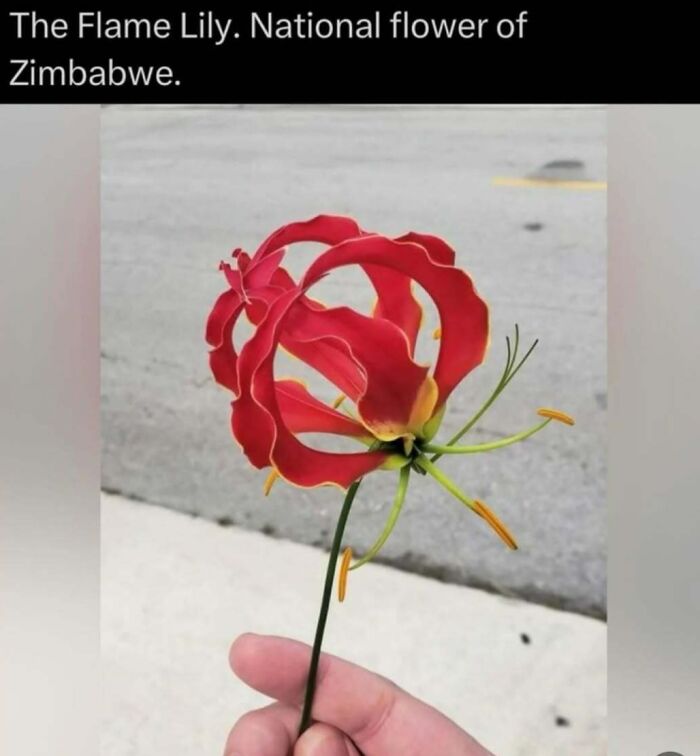
Zimbabwe’s Flame Lily climbs up trees with petals that look like they’re flickering flames - yellow turning bright red. This flower isn’t just pretty; it’s packed with poisons that have been used in traditional medicine for ages. It’s both a natural beauty and a caution sign, proving Mother Nature loves to mix stunning with deadly.
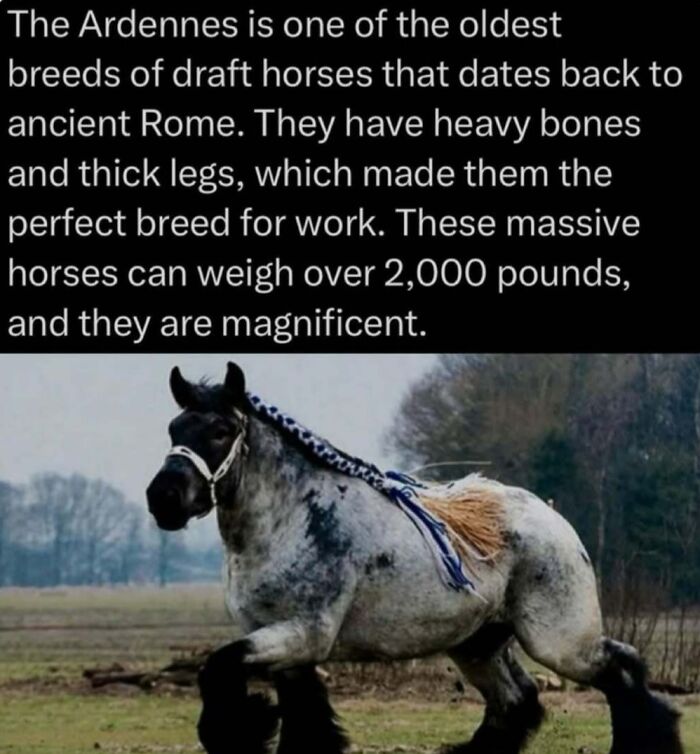
The Ardennes is one seriously chunky horse, dating back to Roman times. Built with super thick bones and legs that look like tree trunks, they were the perfect farm powerhouses, hauling heavy loads with ease. Despite looking like massive muscle machines, they’re known to be calm and sweet - big gentle giants in action.
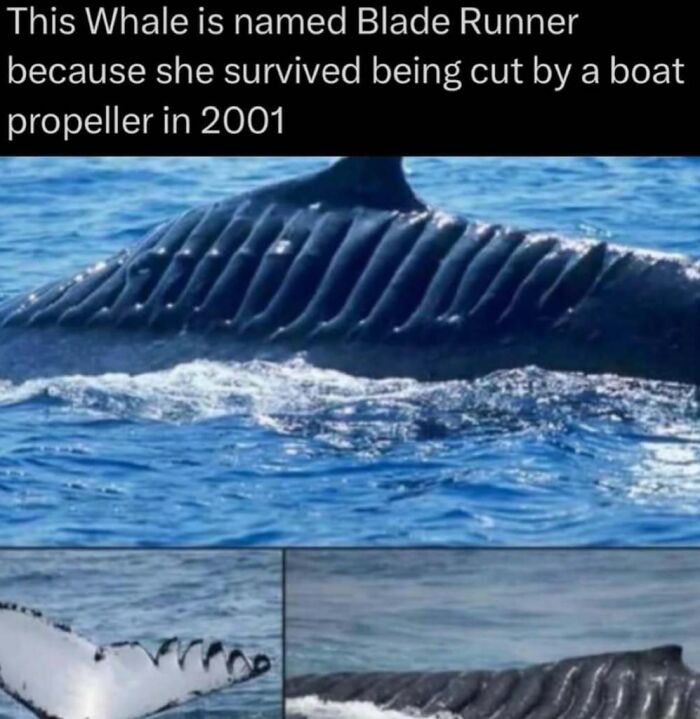
In 2001, a humpback whale named Blade Runner got sliced up by a ship’s propeller near Australia. The marks? Deep, scary scars that earned her the sci-fi name. But this fierce survivor kept on swimming, having calves and being spotted decades later - a real-life whale warrior with stories etched on her skin.
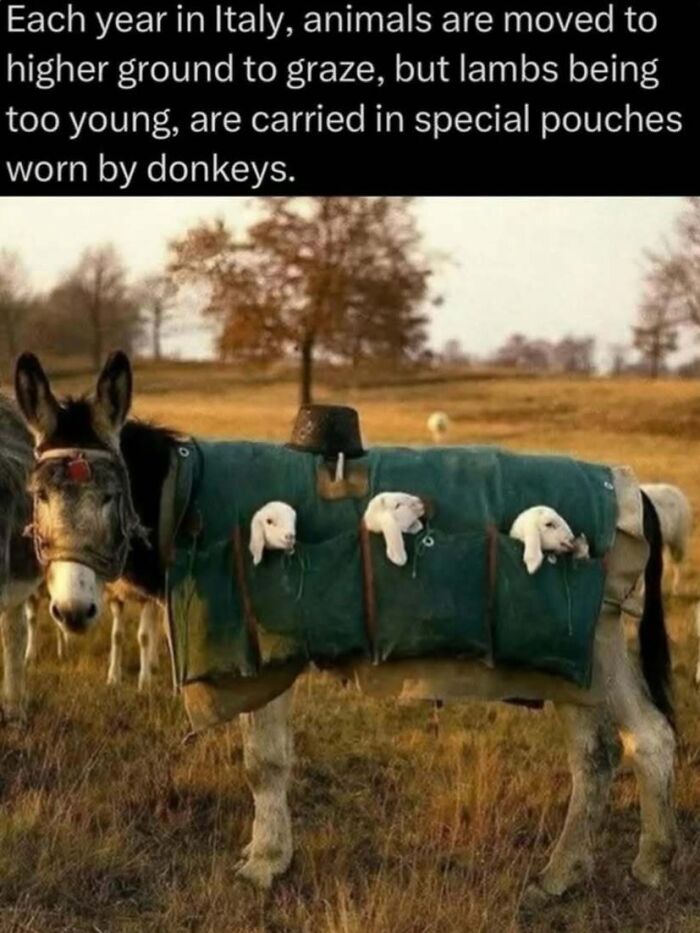
Every summer, shepherds move flocks up steep mountains in Italy, but baby lambs can’t keep up. Solution? They tuck these tiny adventurers in saddlebags strapped to donkeys. These 'lamb taxis' make sure no one gets left behind on the tough journey - peak teamwork and cuteness combined.
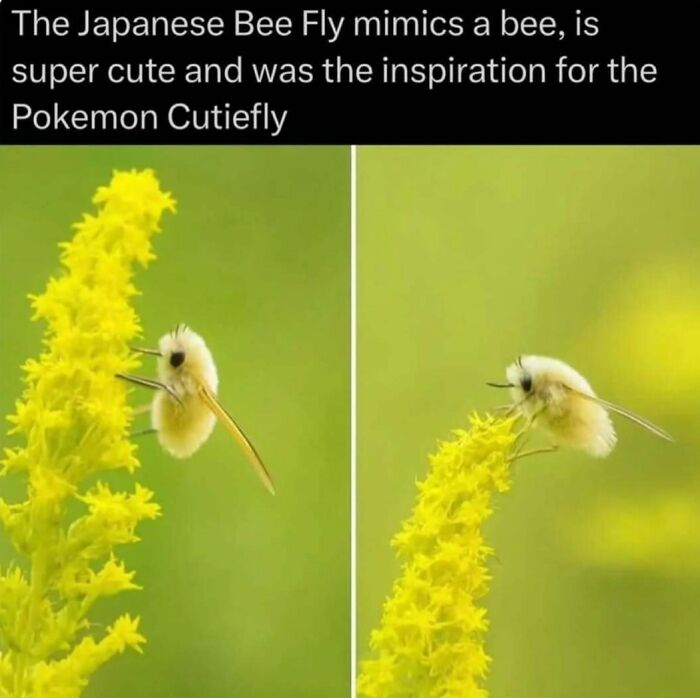
The Japanese Bee Fly is a master of disguise: it looks just like a bumblebee, complete with fuzzy golden hair and bee-like flight moves. This trick stops predators from messing with it since they think it can sting. Despite the look, it’s harmless but still zips around flowers like a pro - nature’s sneaky ninja insect.
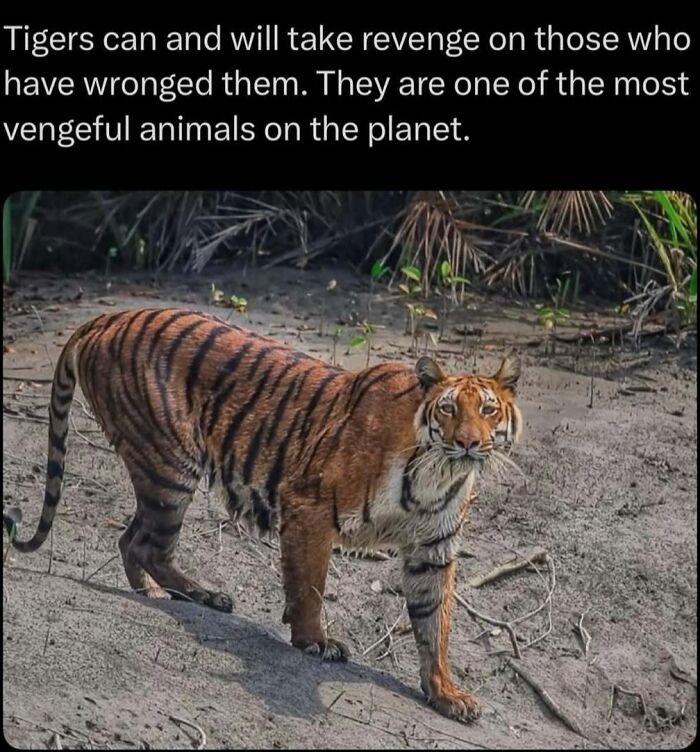
Unlike most animals that move on, tigers sometimes play the long game. If a tiger feels wronged - like when a poacher hurt it - it can track that person for days or weeks to get payback. The most famous case? A Siberian tiger that hunted down a poacher after being attacked. Nature and revenge, blended perfectly.
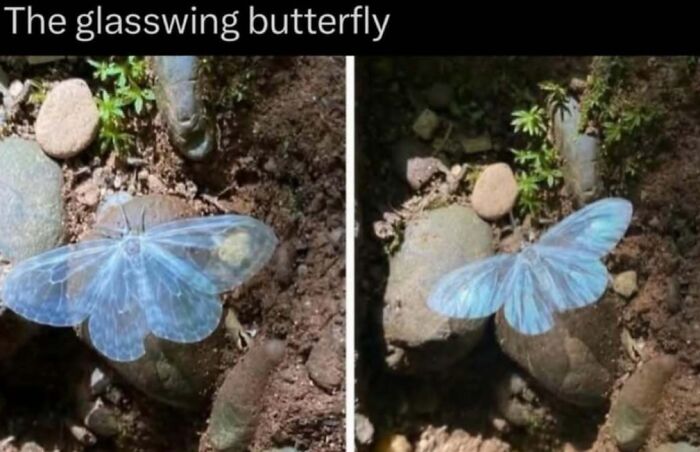
The glasswing butterfly flips the script on flashy colors by having wings that are actually clear. Without the usual colored scales, their wings let light pass through like a window, making them nearly invisible to birds chasing them. Nature’s own invisible cloak? That’s one fancy butterfly.
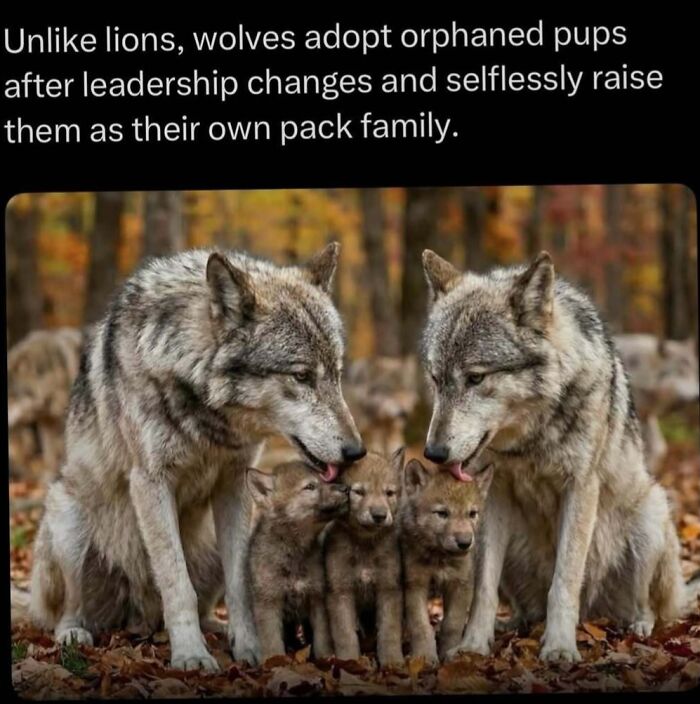
In wolf packs, it’s all about family, and that means adopting orphan pups when needed. Instead of rivaling the young, wolf packs take them in, feed them, and protect them like their own. This group effort helps keep the pack strong and shows wolves are way more caring than the scary reputation suggests.
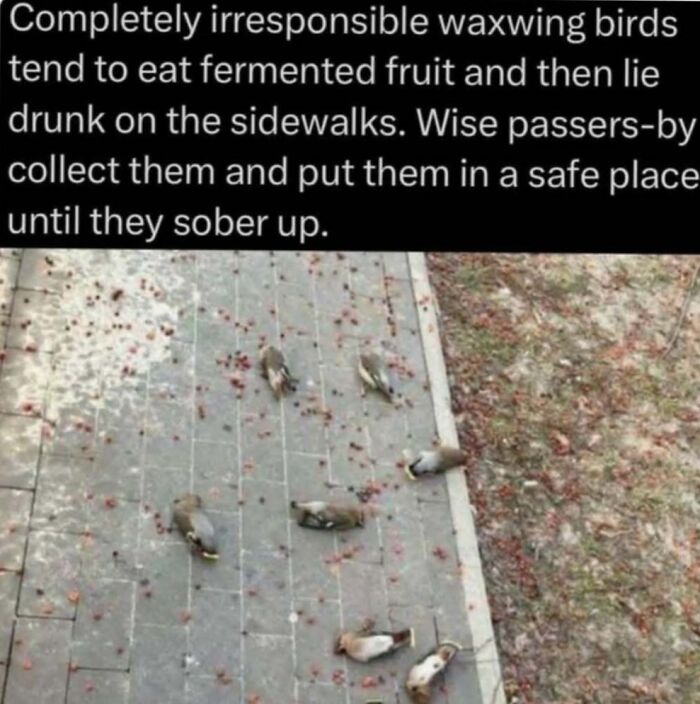
Bohemian waxwings have a wild weekend every winter - they binge on fermented berries loaded with natural alcohol. These gluttonous birds get so drunk they can’t stand or fly straight, sometimes lying passed out until their livers sober them up. People have even set up ‘sobering stations’ to protect these boozy birds.
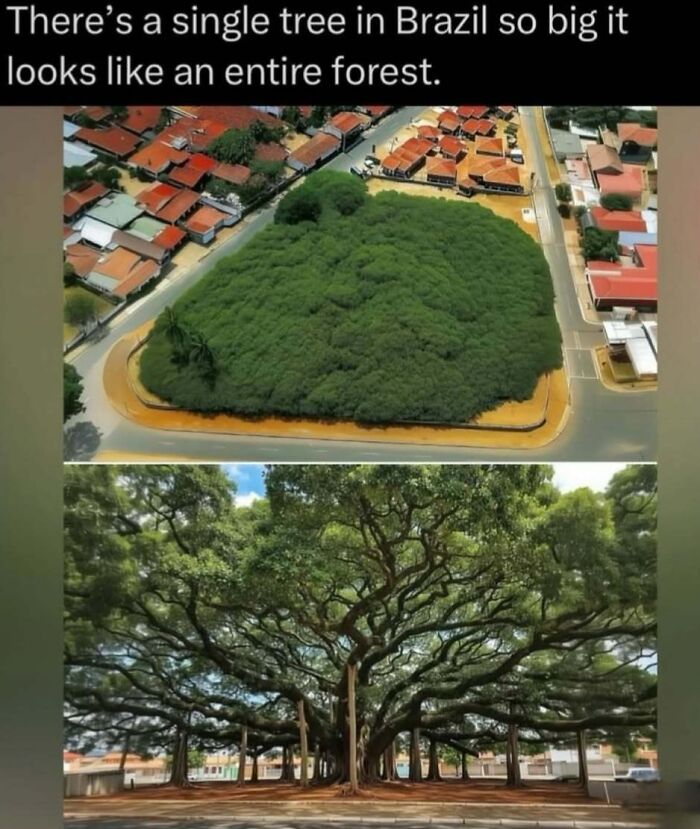
Deep in Brazil’s Atlantic Forest, the mighty Jequitibá-rosa towers like a natural skyscraper. With enormous buttress roots flaring out for extra support, it has stood for over 3,000 years, weathering storms and centuries of change. This ancient giant is nature’s ultimate house party host for hundreds of species.
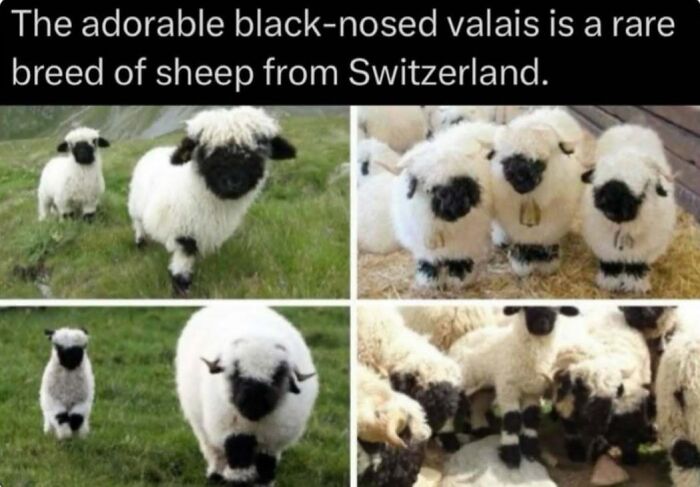
If you think this sheep looks like a cuddly stuffed animal, you’re not alone. The Valais Blacknose, with its fluffy white wool and bold black patches on the face and knees, is Switzerland’s cutest mountain grazer. Bred to brave harsh winters and steep slopes, these sheep combine tough toughness with maximum adorable.
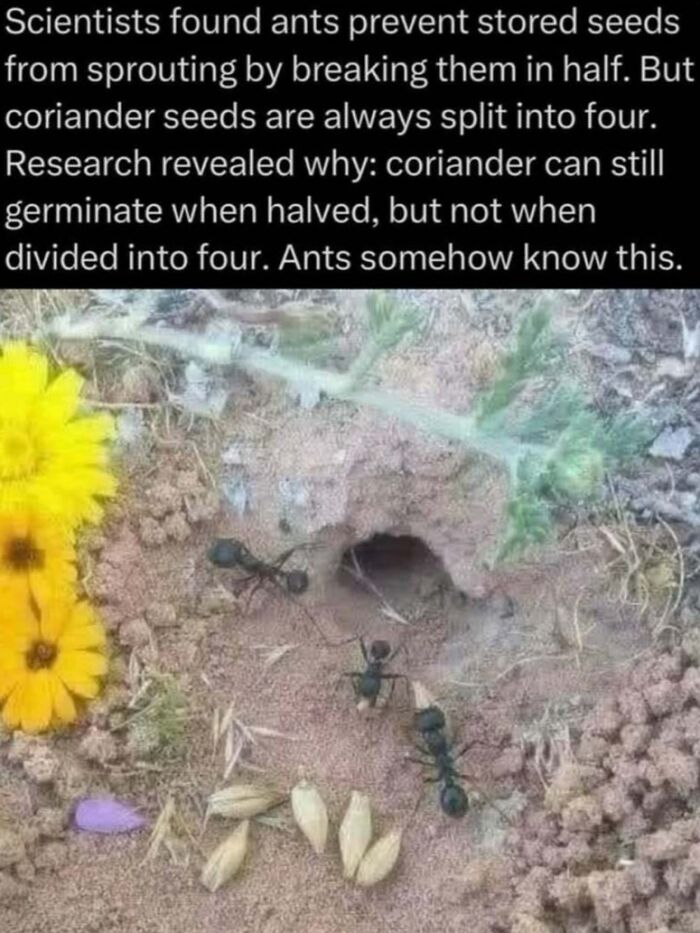
Ants keep their underground larders free from surprise plants by smashing seeds. For most seeds, a clean break in half is enough, but coriander is trickier. Ants cut those babies into four pieces because half-done coriander seeds can still sprout - these ants have clearly done their homework on botanical physics!

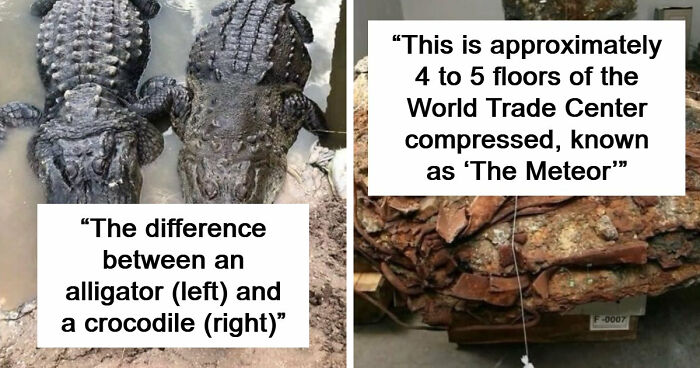
Imagine a boulder made of steel and concrete weighing tons - that’s The Meteor. Created when collapsing towers squished floors into solid slabs, this chunk was found in the Ground Zero rubble. Now it’s displayed at the 9/11 Memorial Museum as a powerful symbol of those catastrophic forces.
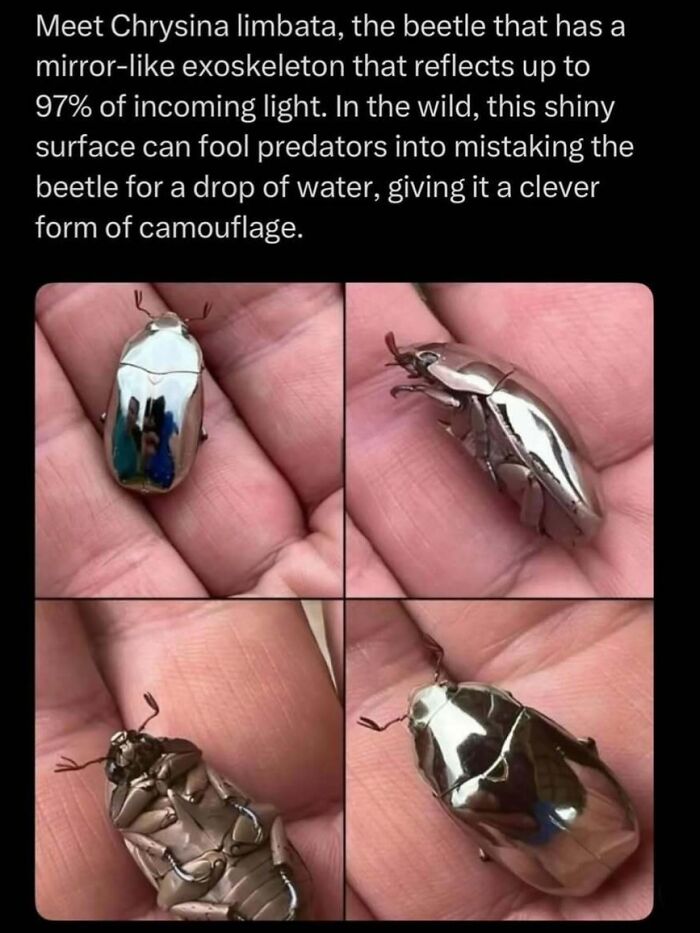
Deep in Central American rainforests lives the Chrysina limbata - a beetle with a shiny silver shell that reflects 97% of light! This mirror-like armor tricks predators by looking like water drops or shiny leaves. The secret lies in microscopic shell layers bouncing light in style. Bling-worthy and survival-savvy!
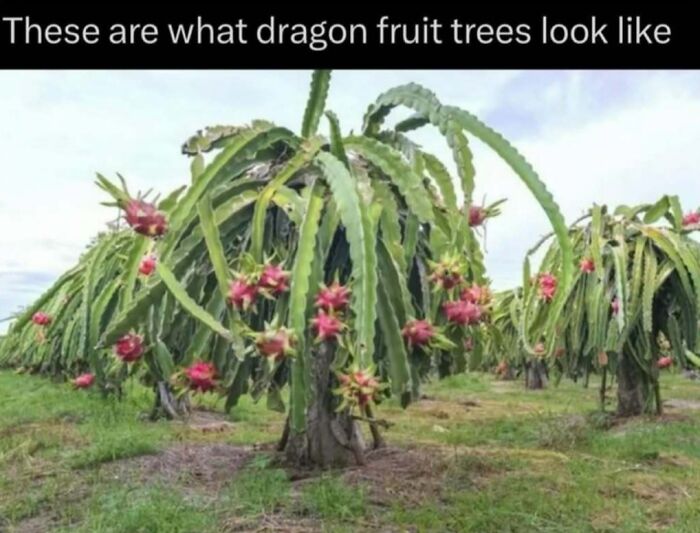
Dragon fruits might look tropical and exotic, but fun fact - they come from climbing cacti! These plants slap themselves onto trees using aerial roots and bloom big, fragrant flowers at night called 'moonflowers.' The fruits develop in crazy sci-fi pink patterns. It’s cactus meets fruit with a twist of magic.
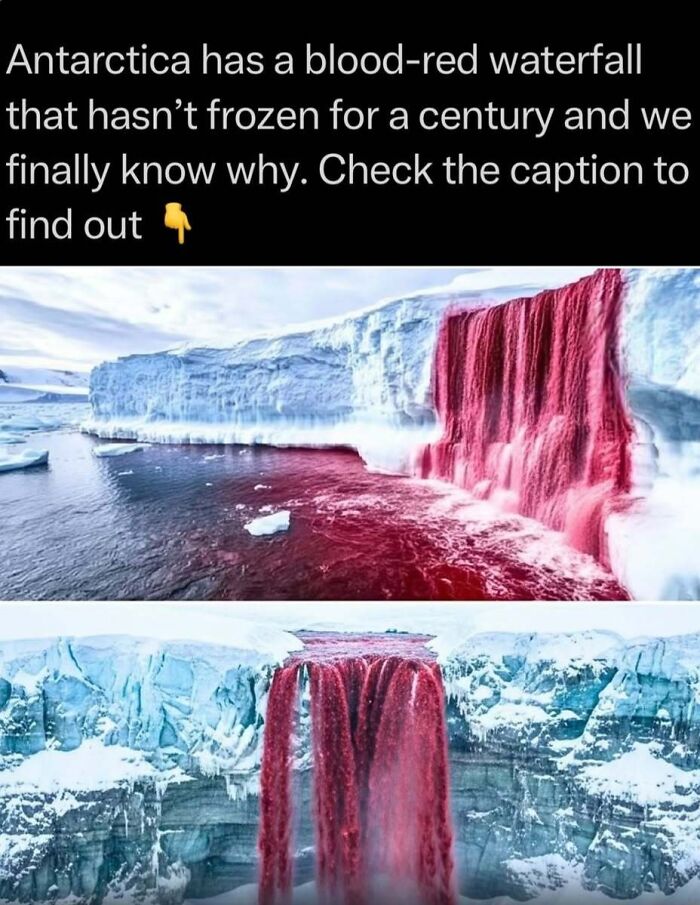
Blood Falls is Antarctica’s creepy red waterfall! It pours iron-rich water from a hidden lake beneath a glacier, turning bright red when it hits the air, thanks to rust. What’s nuts: it stays liquid below freezing because it's super salty, and it harbors ancient bacteria thriving in what seems like a sci-fi planet.
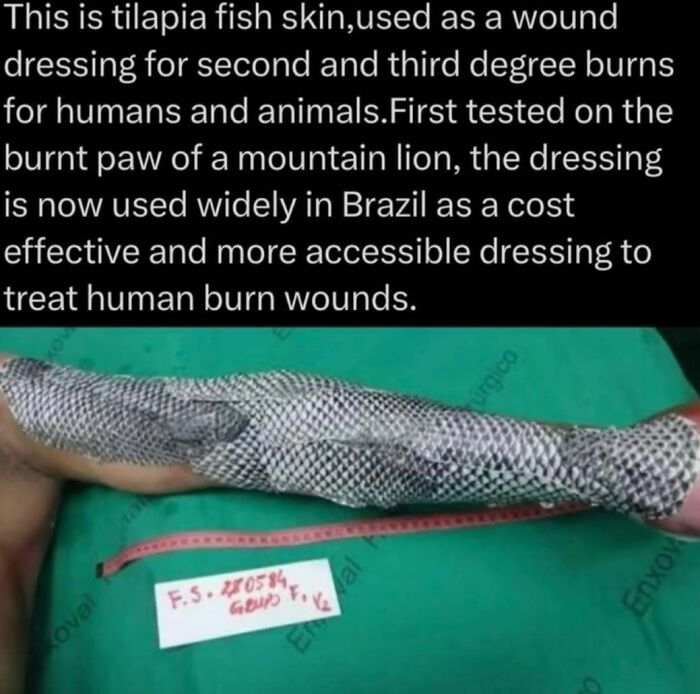
Nature’s got healing tricks too, like tilapia fish skin used as bandages for serious burns. Packed with collagen, this skin protects wounds better than some synthetics and cuts down painful dressing changes. It even helped mountain lions during California wildfires! Next time you think fish skin is useless, think again.
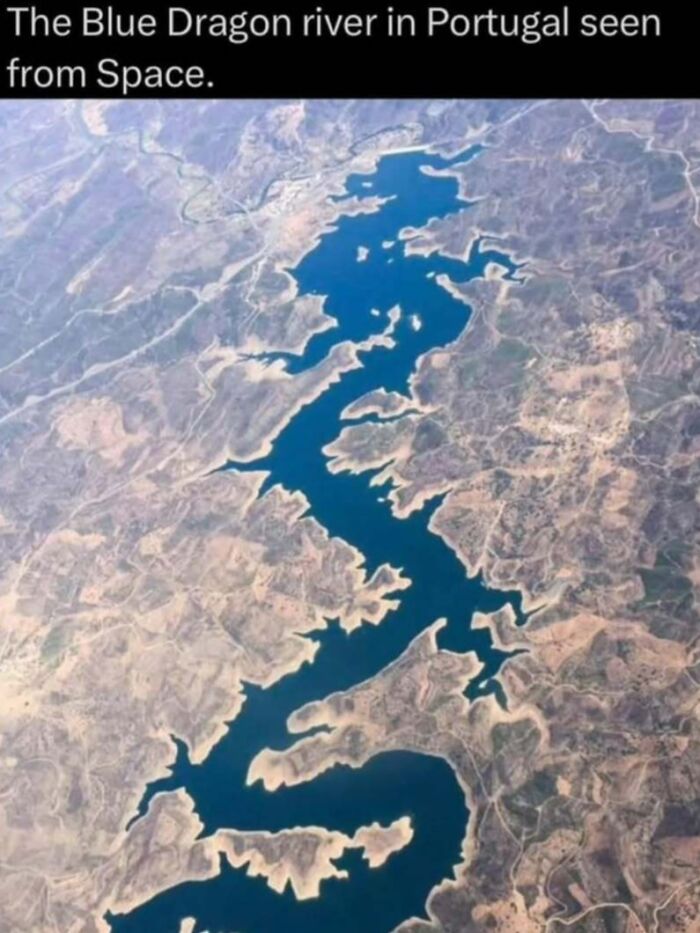
Fly over southern Portugal and you might spot the Odeleite River - known as the ‘Blue Dragon’. Its winding channels and pointed offshoots make it look just like a Chinese dragon swirling through the landscape. Created by a dam reservoir, it’s a stunning blend of nature and human design that looks straight outta a storybook.

On England’s wild moors, the Singing Ringing Tree turns wind into music. Made of steel pipes shaped like a leaning tree, when a breeze hits, haunting, multi-octave sounds float through the air. It’s not a song, but a mysterious melody made by nature’s own orchestra - spooky, beautiful, and totally unique.
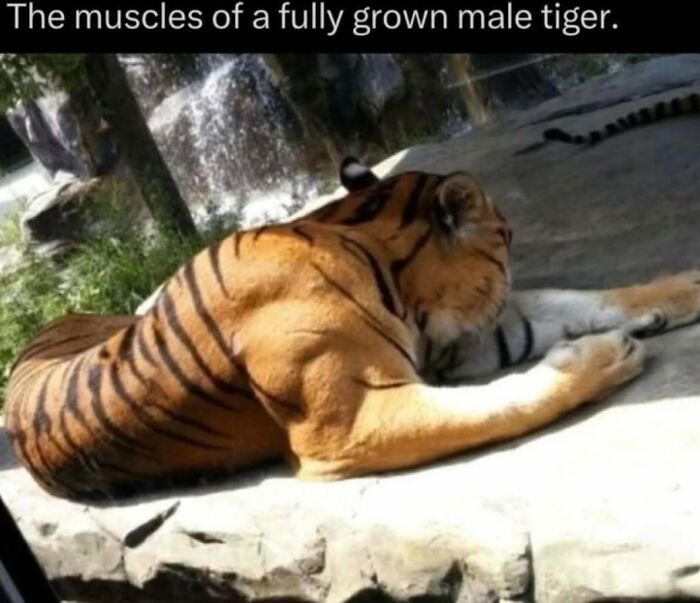
Big, bold, and built to hunt, male tigers pack huge muscles especially in shoulders, neck, and front legs for ultimate power. Sometimes tipping the scales at 300 kilograms, these cats are nature’s ultimate hunters, ready to pounce and drag heavy meals through dense jungle terrain. Muscle meets stealth in tiger style.

Since humans started domesticating dogs, they’ve been soulmates, guardians, and pals. This vintage photo from the 1920s is a heartwarming snapshot of that bond that shaped two species together. Dogs evolved to read us, and we grew to rely on their loyalty. Best friends forever? Absolutely.




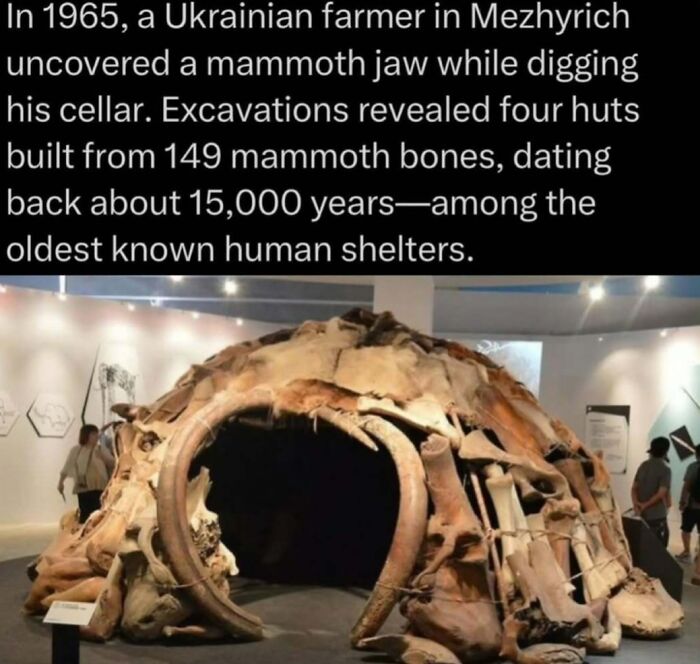
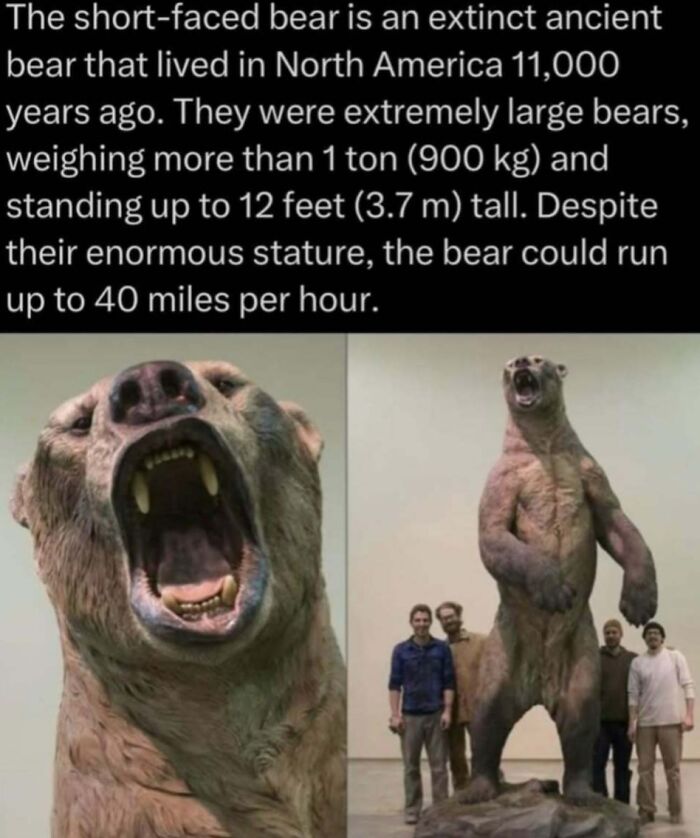
The Giant Short-Faced Bear was a beast standing up to 12ft tall and built to run fast across Pleistocene plains. With a powerful bite and long limbs, it could bully other predators like dire wolves out of their meals. This bear was the Ice Age’s king of speed and muscle! Sadly, it vanished around 11,000 years ago, but its fossils still impress.



Believe it or not, the summit of Mount Everest is made of marine limestone formed around 470 million years ago under the sea. Thanks to the Indian and Eurasian tectonic plates crashing together, that seabed got shoved up, creating the world’s highest point. Climbing Everest means standing where fish once swam - pretty wild, right?



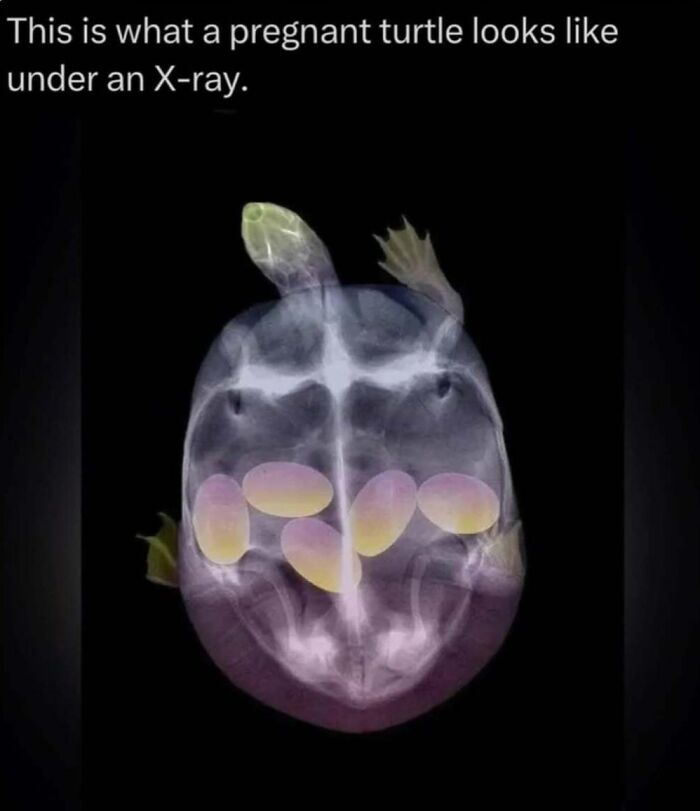
X-rays of turtles show how their rigid shells force internal organs and eggs to squeeze tightly inside. Their bones don’t budge, so the eggs nest deep in the pelvic cavity, shielded like precious cargo. It’s a cool glimpse into nature’s blend of tough armor and tender protection.
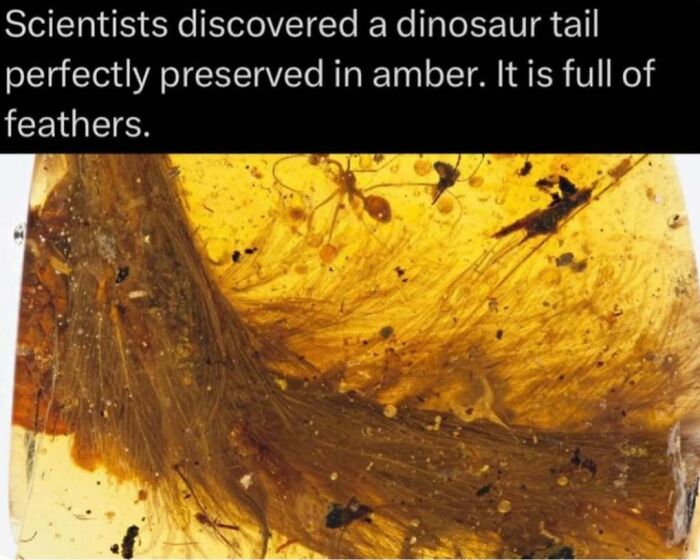
Scientists hit the jackpot with a 99-million-year-old dinosaur tail flawlessly locked inside amber. This tiny tail still shows colorful feathers and bones, proving that many dinos looked less scaly and more like feathery birds. It’s like stepping into a 3D time machine for dino fans!
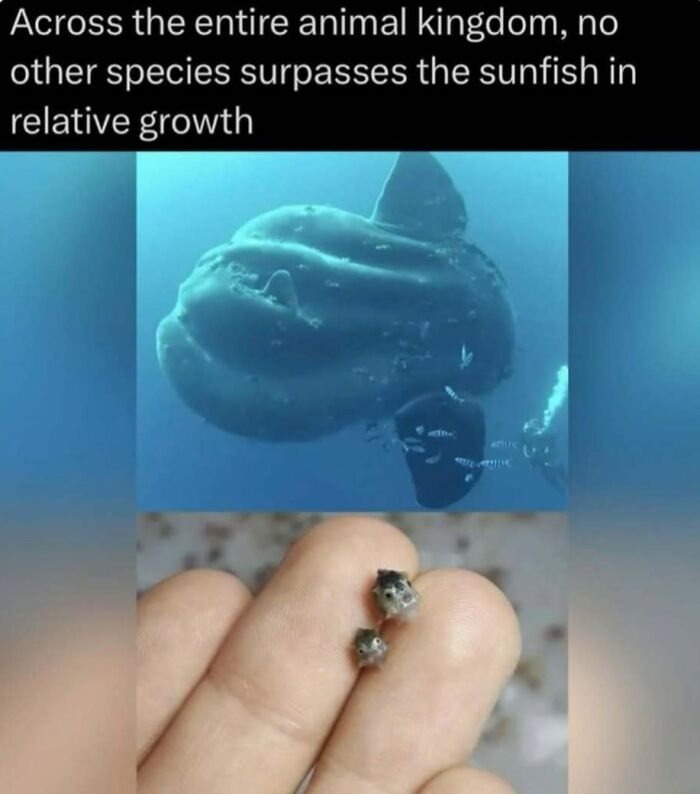
The Ocean Sunfish’s life kickstarts at a tiny 2mm length - smaller than a grain of sand! But grow it does, ballooning to over 10 feet long and 5,000 pounds. That’s a 60 million times jump in weight if you’re counting. Fueled by jellyfish snacks, this oddball fish is the heavyweight champ of the sea.
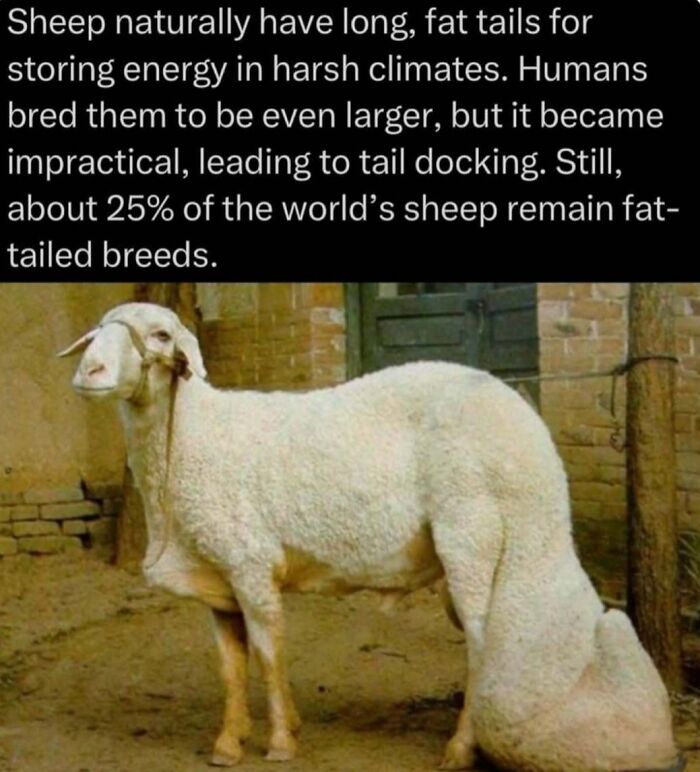
Fat-tailed sheep carry a secret stash of fat in their impressive tails, perfect for surviving dry, harsh climates. Over time, some had tails so huge farmers literally built little wagons to push them around! While tail-docking is common now, these sheep are proof of nature and humans shaping animal form together.



Livestock guardian dogs rock spiked collars that look intimidating but are serious lifesavers. Wolves usually try to bite a dog’s throat to bring it down, but the metal spikes protect these vulnerable spots. This old-school armor lets dogs bravely stand guard while showing off some killer style.
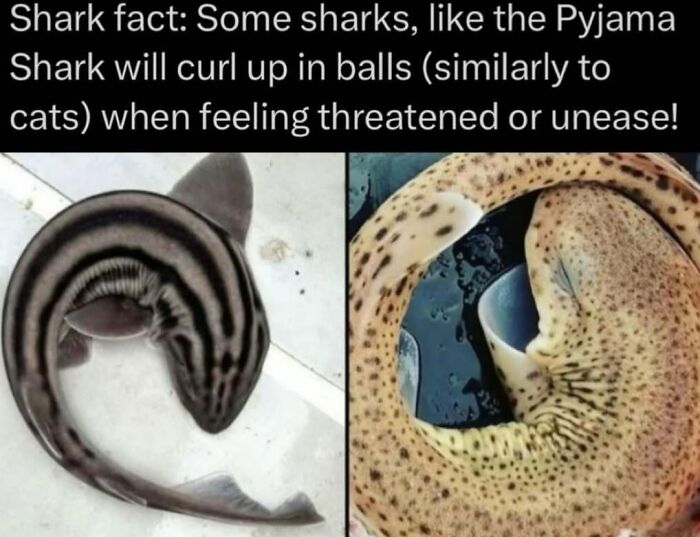
The Pyjama Shark isn’t your typical fierce fish. When scared, it curls into a tight ball, tucking its tail over its head, kinda like a cat snoozing. With stripes that camouflage in kelp forests, it uses this purrfect curling move to stay safe from predators in South African reefs.
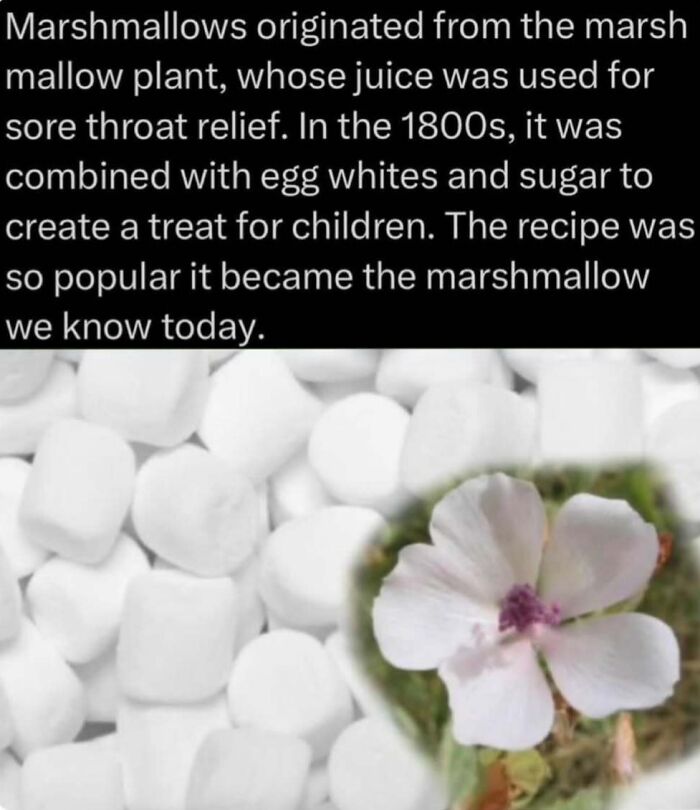
Long before sugary puffs, marshmallows were a plant called marsh mallow (Althaea officinalis) growing wet and wild. Its roots made a thick, sticky sap used as medicine for coughs and sore throats. Egyptians whipped that sap with honey and nuts to make treats fit for pharaohs. Candy history? Sweet and herbal!
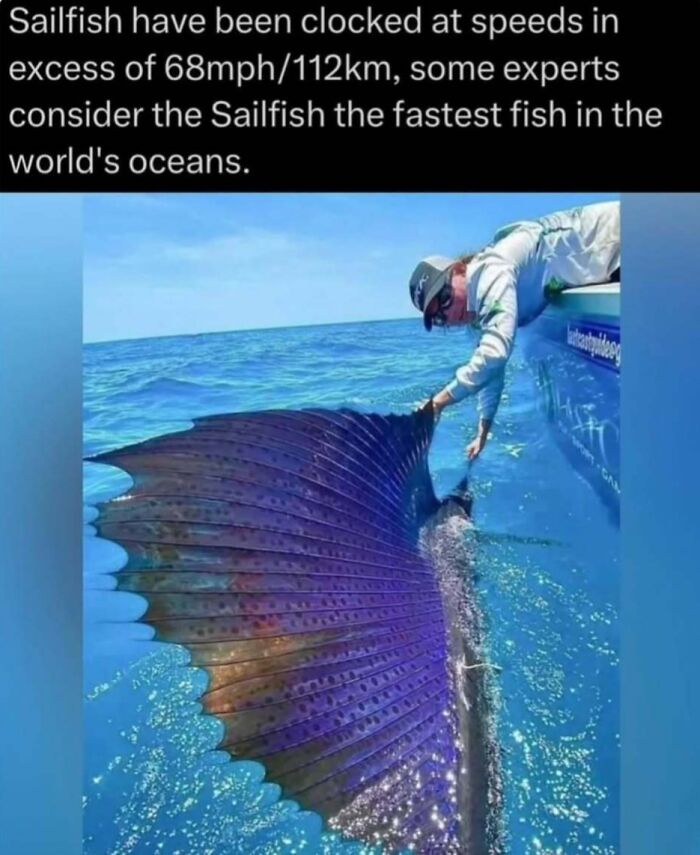
Sailfish are the ocean’s fastest dashers, hitting speeds above 110 km/h. Their streamlined bodies slice through water, while their huge dorsal fin (the ‘sail’) folds down to cut drag. When chasing prey, they pop the sail up for tight, agile turns. Nature’s ultimate speedster, no racecar needed.



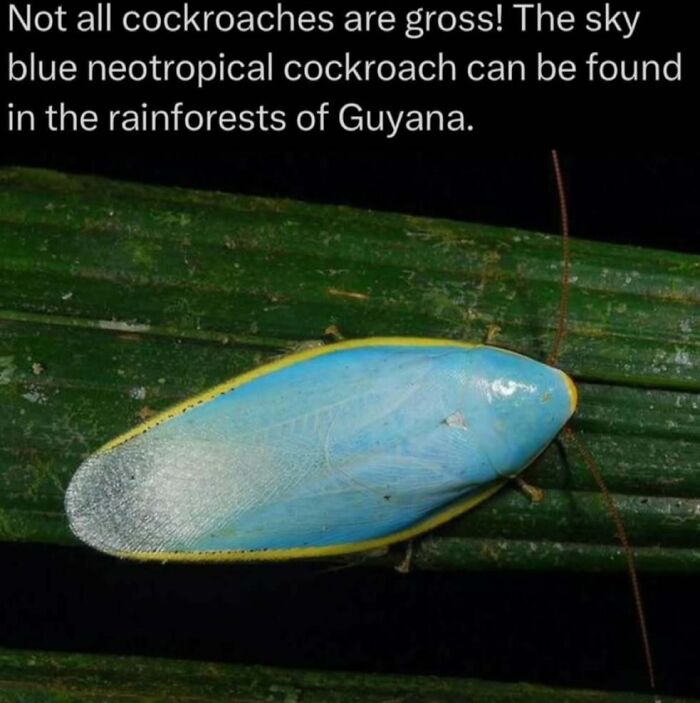
Most roaches hide under your fridge, but the Neotropical ‘green banana roach’ lives high in tree canopies with a rare sky-blue glow! Unlike pests, they’re peaceful jungle recyclers feasting on plant and fermented fruits. Some insect lovers even keep them as pets because they’re surprisingly friendly and flashy.
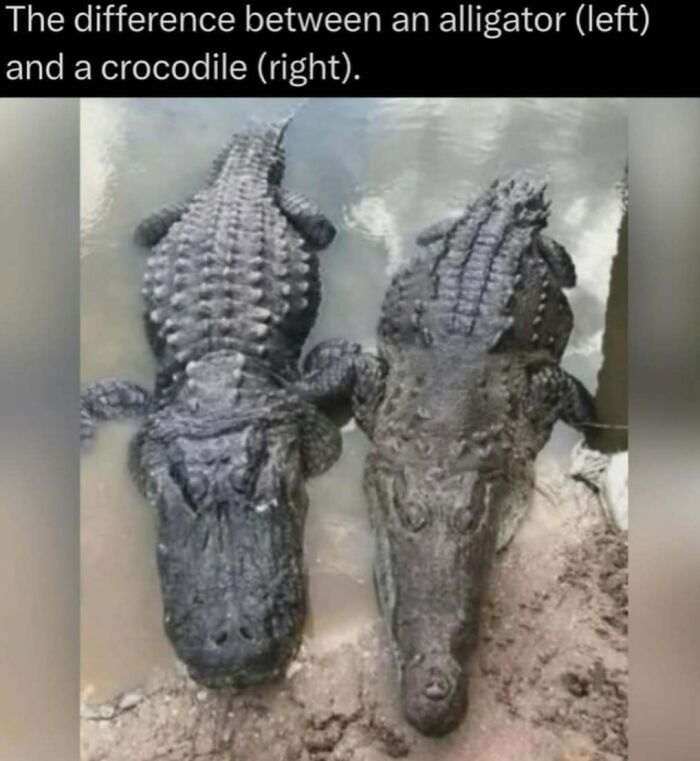
Alligators and crocodiles look similar but tell them apart by their snouts - the broad U-shaped snout of an alligator is perfect for snapping turtles, while the narrow V-shaped crocodile snout hides a big tooth that sticks out when the mouth’s closed. Crocs can also handle salt water better, thanks to fancy glands that alligators lack. Two fierce creatures, each with their own style.

Using fancy high-res radar that sees through clouds, scientists just discovered over 500 previously unknown islands. That boosts Earth’s total from 7,107 to 7,641. Proof that our world still holds hidden gems waiting to be found - adventure awaits!

Snails can’t hear music like we do, but certain sound vibes affect their behavior. Meditation tunes at consistent frequencies help them think faster and get out of mazes quicker. Loud rock, on the other hand, stresses them out. Some snail farms even blast Mozart to keep their slimy friends happy and thriving.




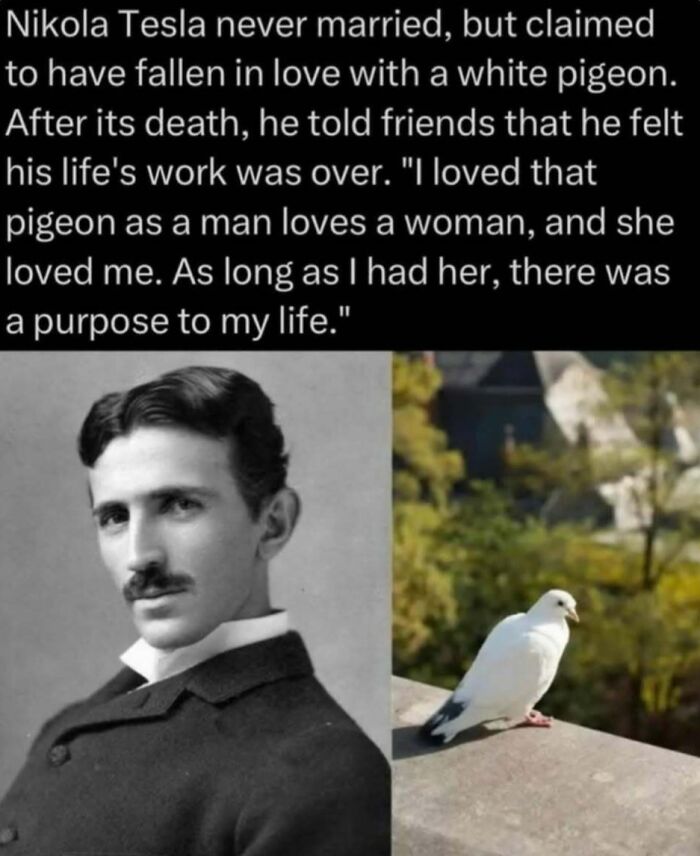
Nikola Tesla, the genius inventor, had a soft spot that surprised many: a white pigeon he adored. Visiting him daily, Tesla said he loved her like a woman and found his life’s purpose in that bond. When she died, he was heartbroken, showing even the greatest minds need a feathered friend sometimes.
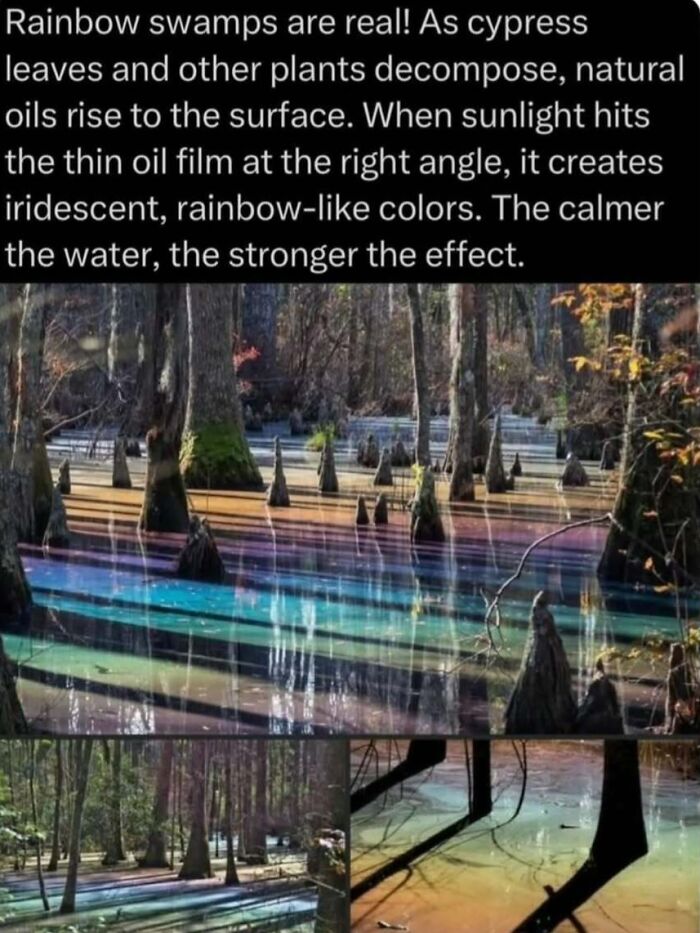
Ever seen a swamp that looks like a rainbow pool? It’s real! Tiny oils from cypress leaves and plants break down and float on still water, creating shimmering, colorful patterns when sunlight hits just right. It’s nature’s unexpected light show in even the gloomiest places.

Roman concrete has a magic ingredient: little lime chunks that react with water to fill cracks with new minerals, basically healing themselves. That’s why buildings like the Pantheon have stood for over 2,000 years - unlike modern stuff that crumbles in decades. Ancient chemistry FTW!
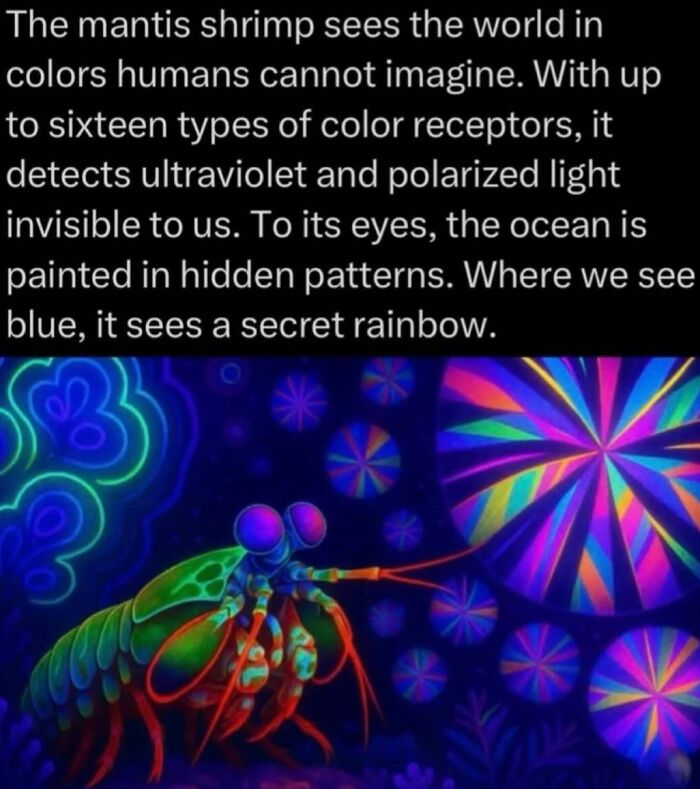
While mantis shrimps sport 16 color receptors (humans have only 3), their eyes don’t mix colors to see gradients like ours. Instead, each receptor reads a specific wavelength and sends instant, raw data straight to the brain. This speedy setup helps them react lightning fast when hunting, even if their color experience is kinda basic.


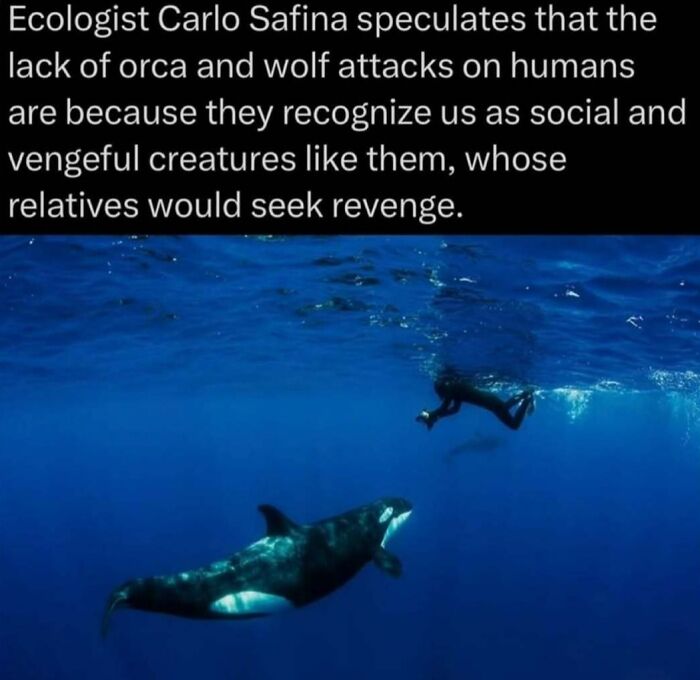
In 2018, Tahlequah the orca made headlines carrying her dead calf for 17 days - over 1,000 miles - refusing to let it sink. This intense mourning touched millions and showed just how deep the emotional bonds are within orca pods. The good news? She had a healthy calf a couple years later, a hopeful chapter in her story.

Talk about party animals! Dolphins have been spotted teasing pufferfish to set off their toxin defense. The fish blow up, releasing chemicals that give dolphins a mellow high. Rather than eating them, dolphins gently pass the pufferfish around, showing off brainy, recreational vibes beneath the waves.
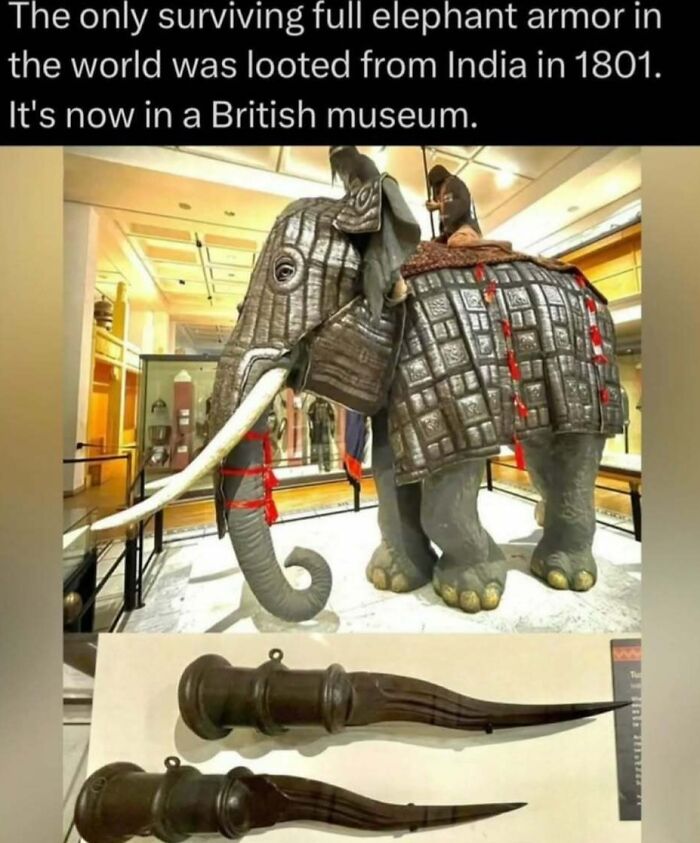
In 17th-century India, war elephants got seriously decked out. Their armor was made of over 5,800 steel plates linked by chainmail - heavy but mobile protection. Plus, fancy headgear guarded trunks and tusk swords turned them into living siege machines. These elephants were the ancient battlefield’s real-life tanks, thundering fear and steel everywhere.


53
0