
 then open in external browser


 and click "Open in External Browser"
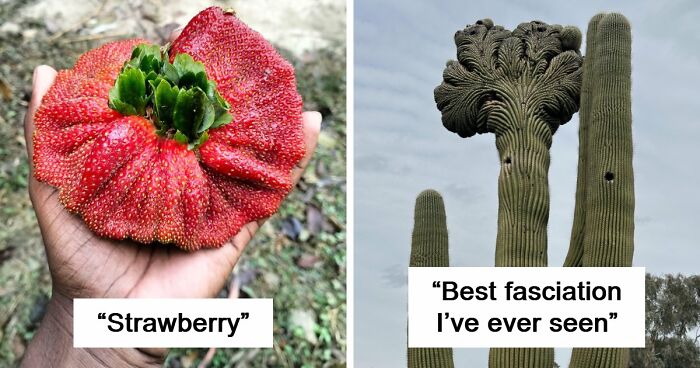
Hey there! Today, we’re diving into the weird, wild, and wonderful world of plants that just didn’t follow the “normal” rulebook. You know how a rose is usually a rose? Well, Mother Nature sometimes likes to prank us with some crazy plant mutations that make flowers and fruits look like they’re from a sci-fi movie. Get ready for some twisted stems, grinning flowers, and vegetables that look like they’re having an identity crisis. Let’s jump right into these oddballs!
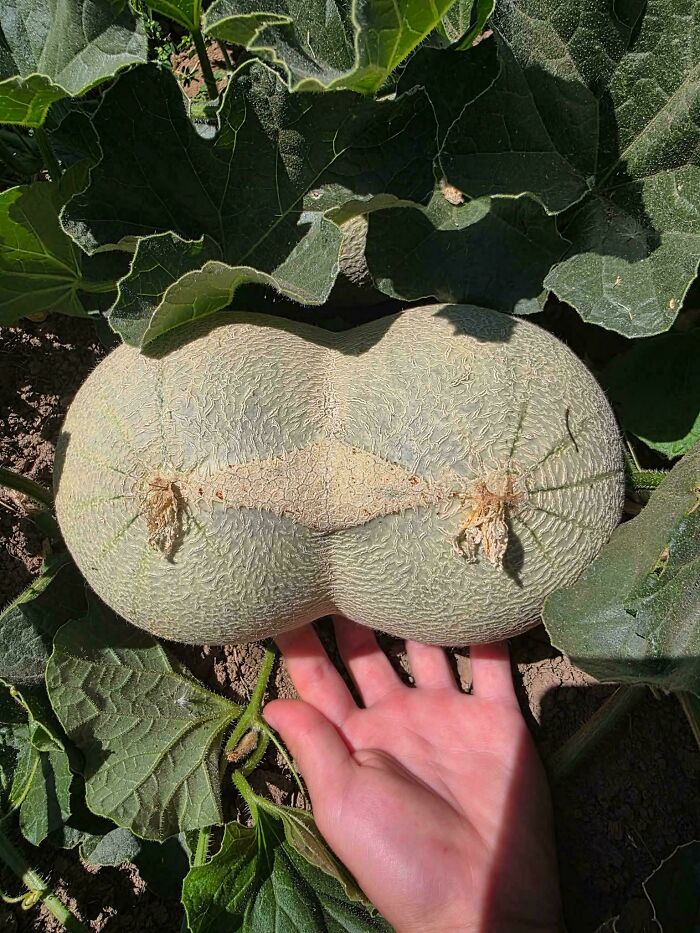
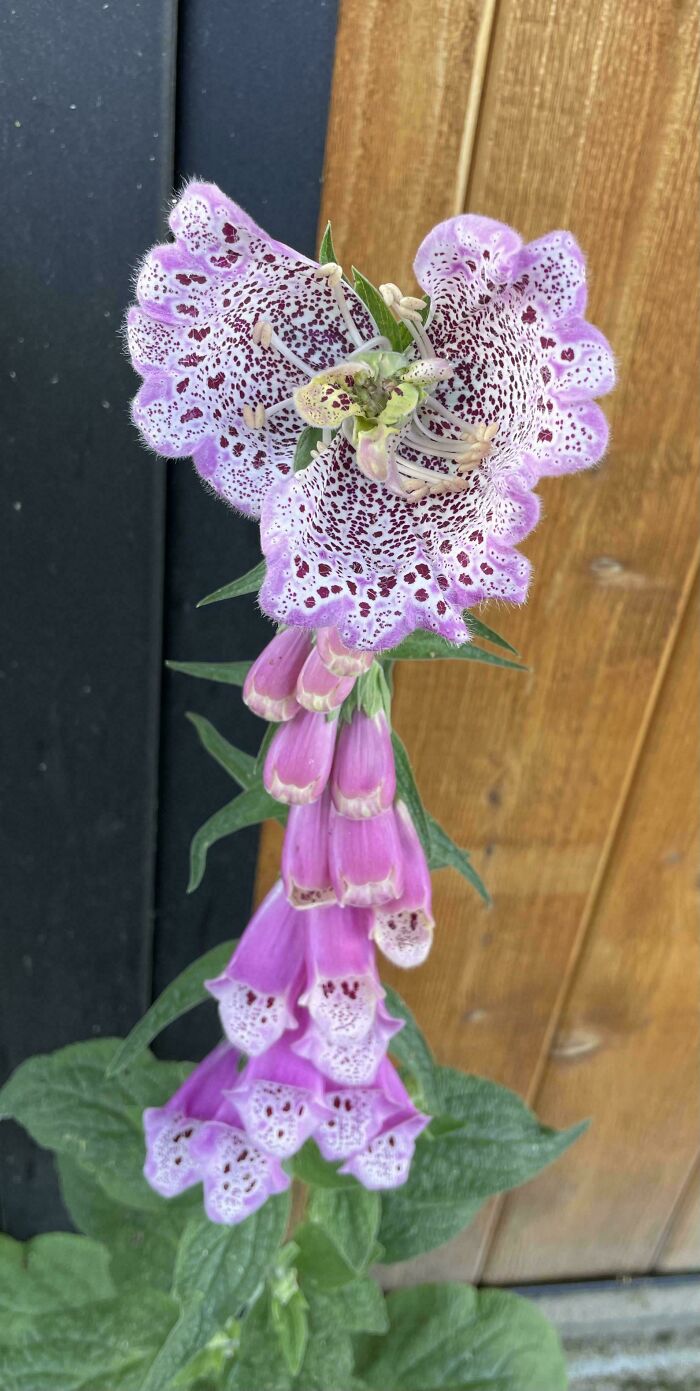
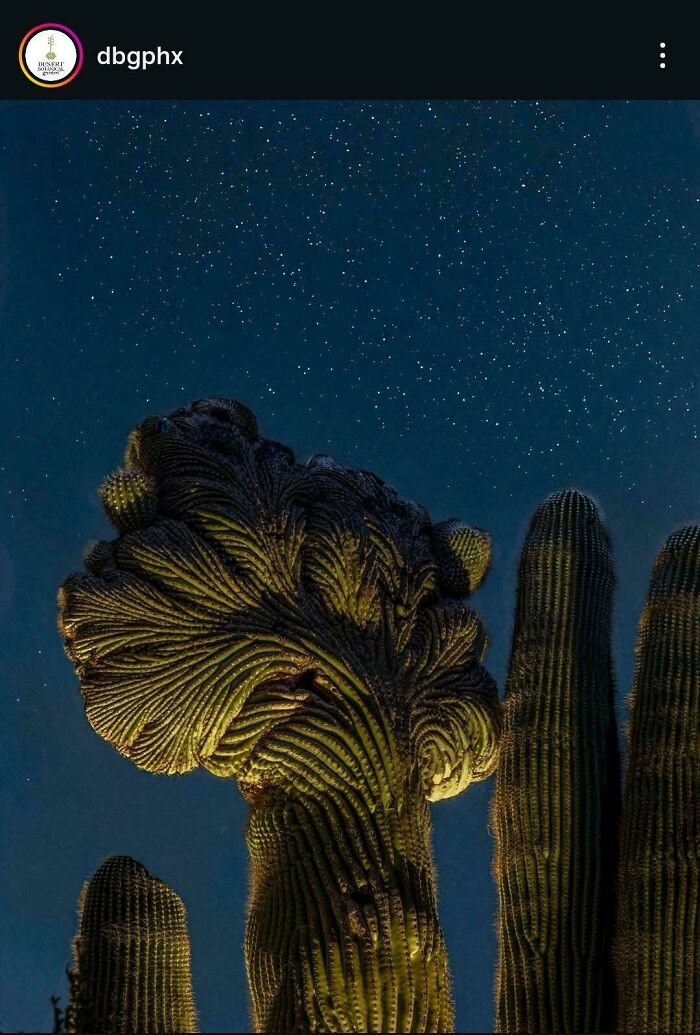
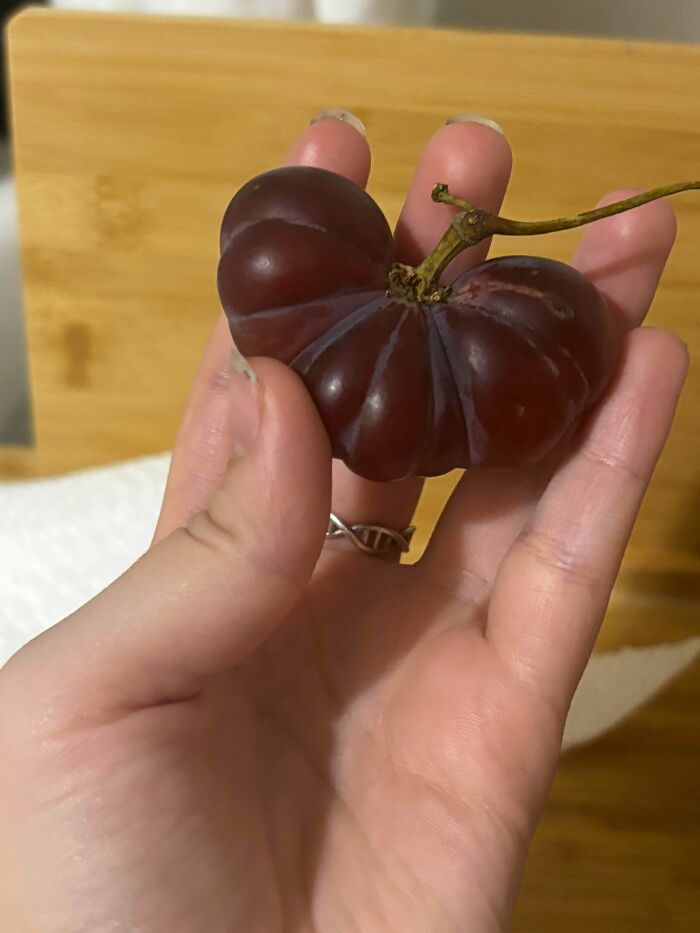
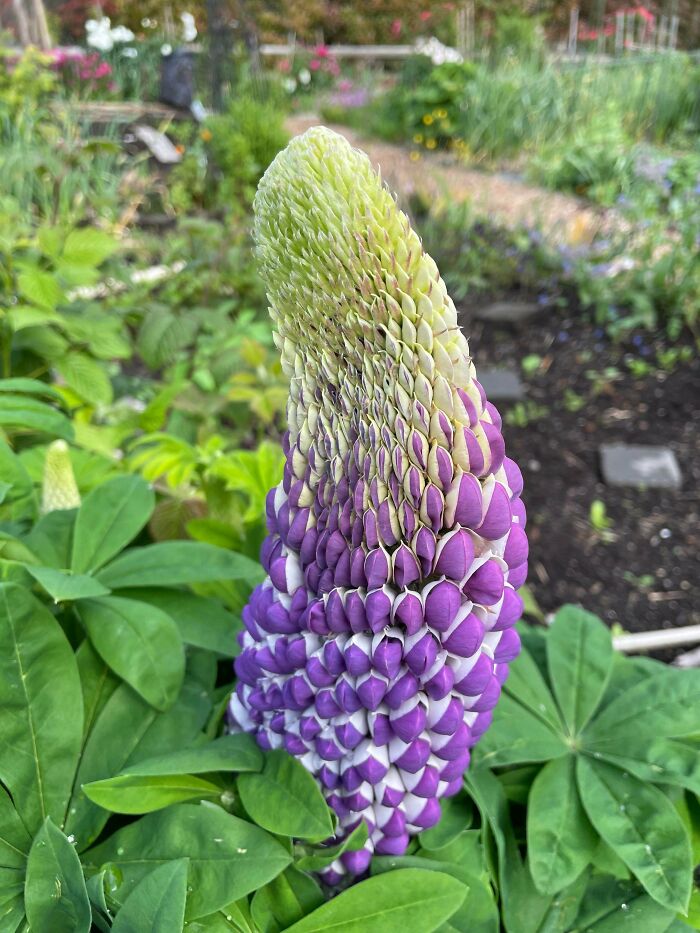
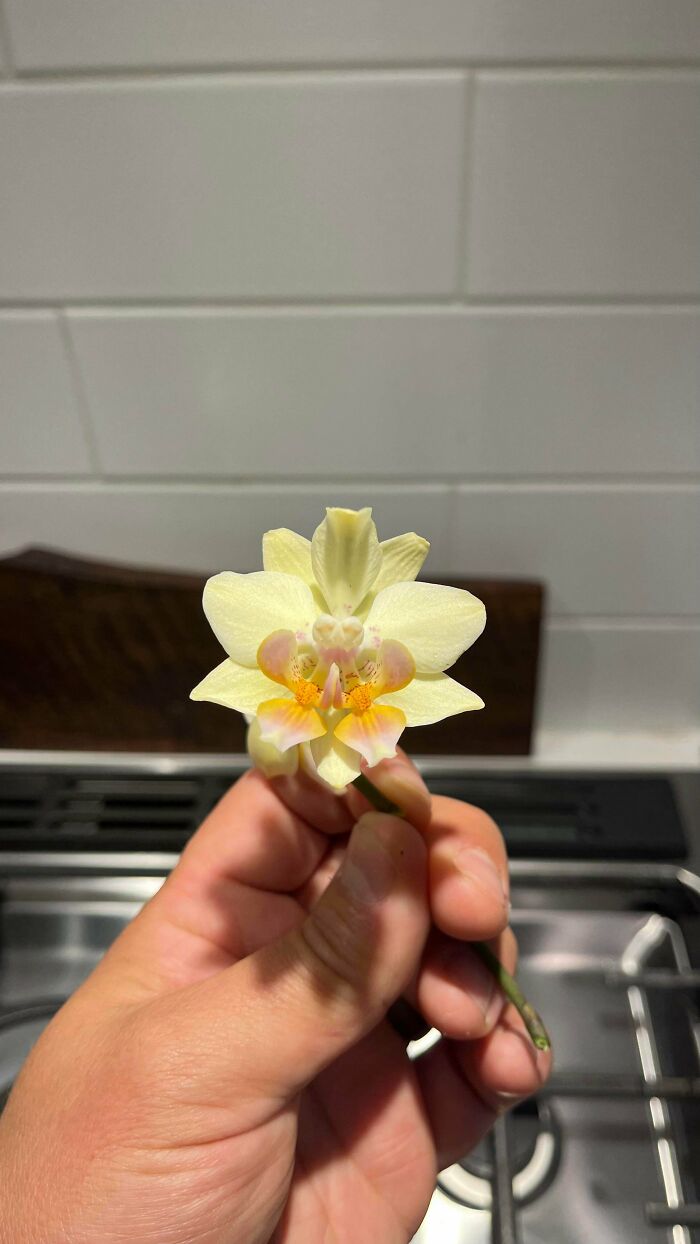
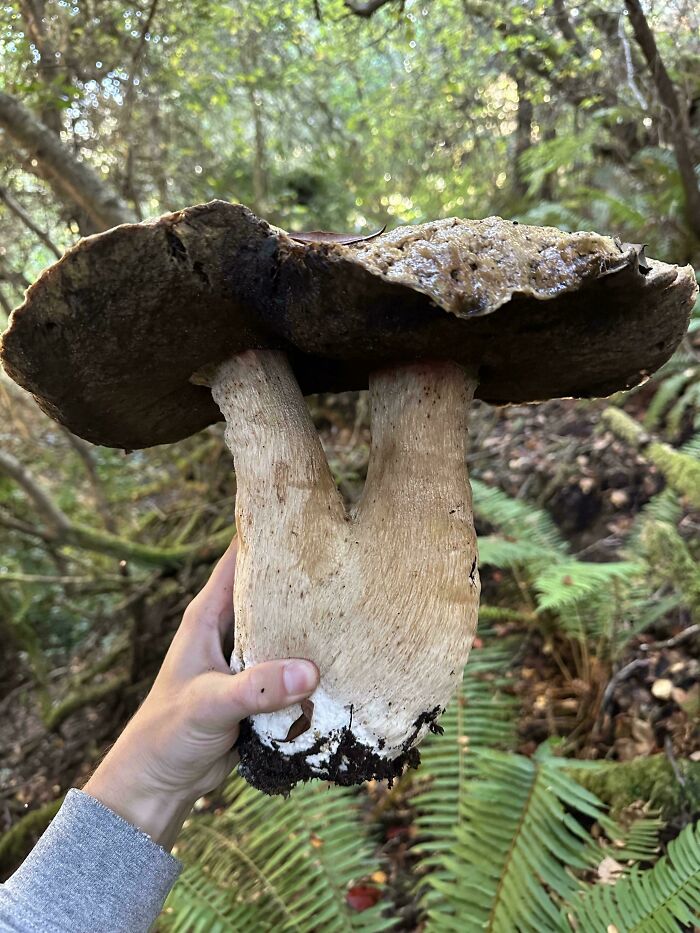
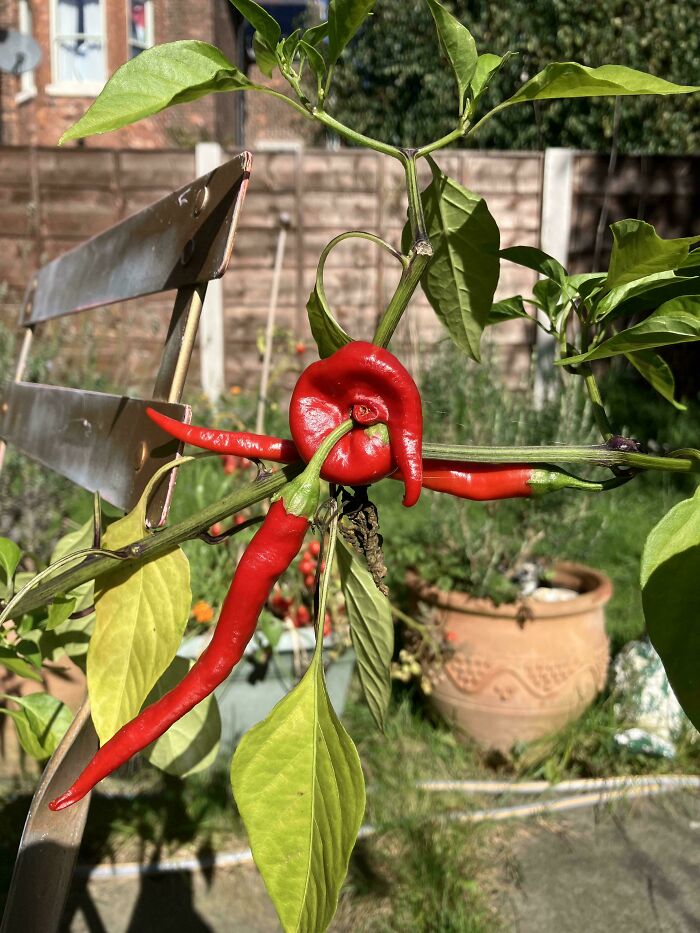
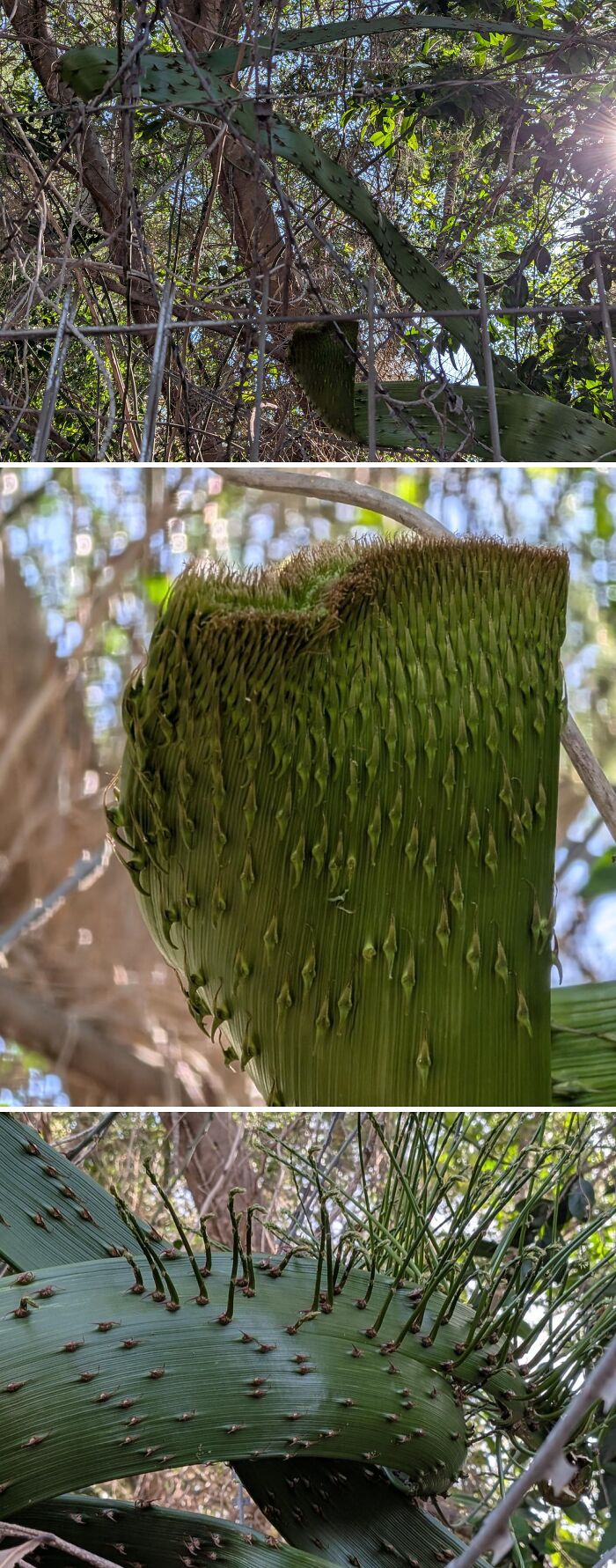
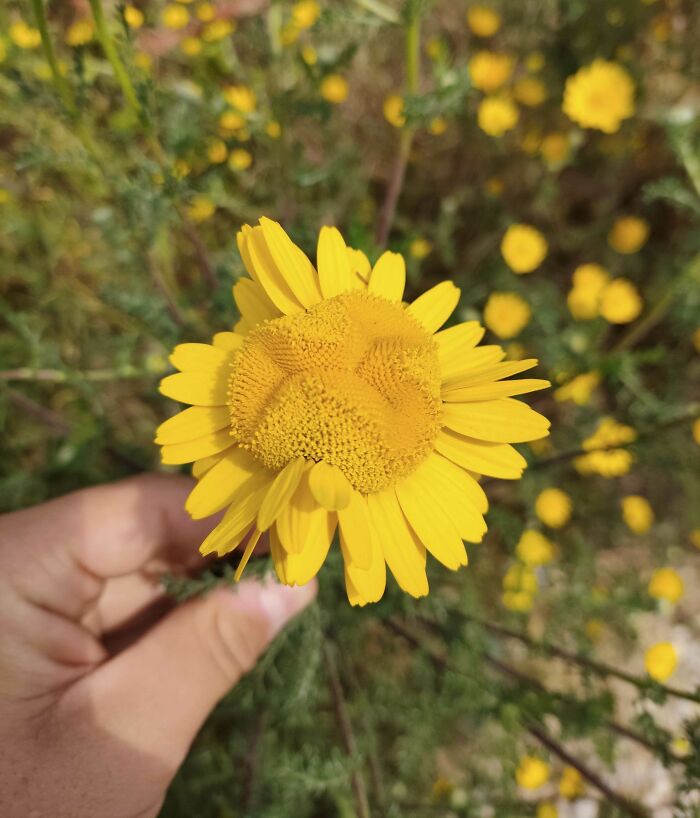
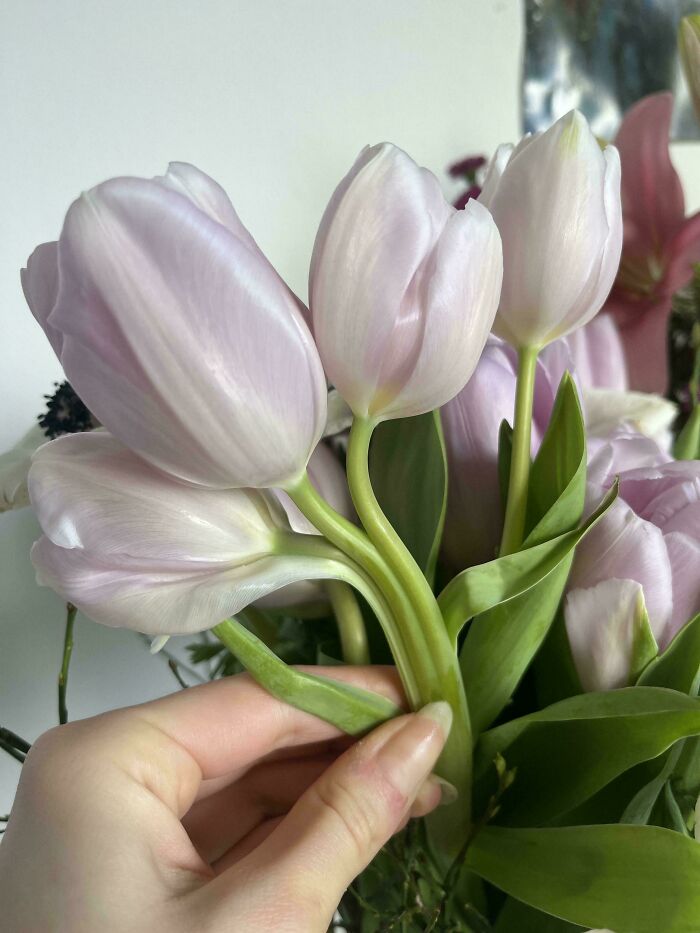
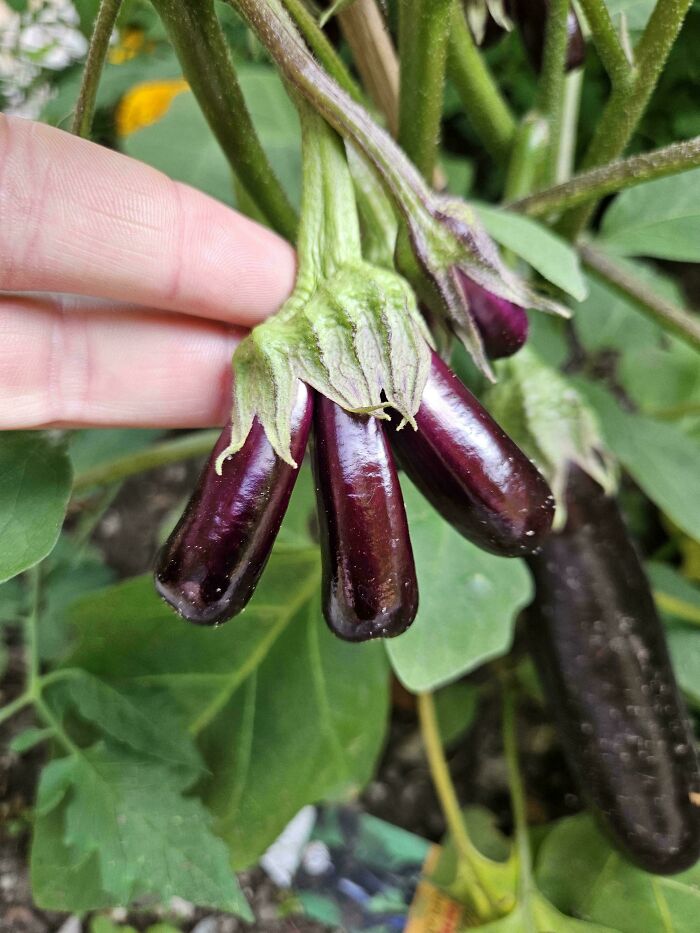
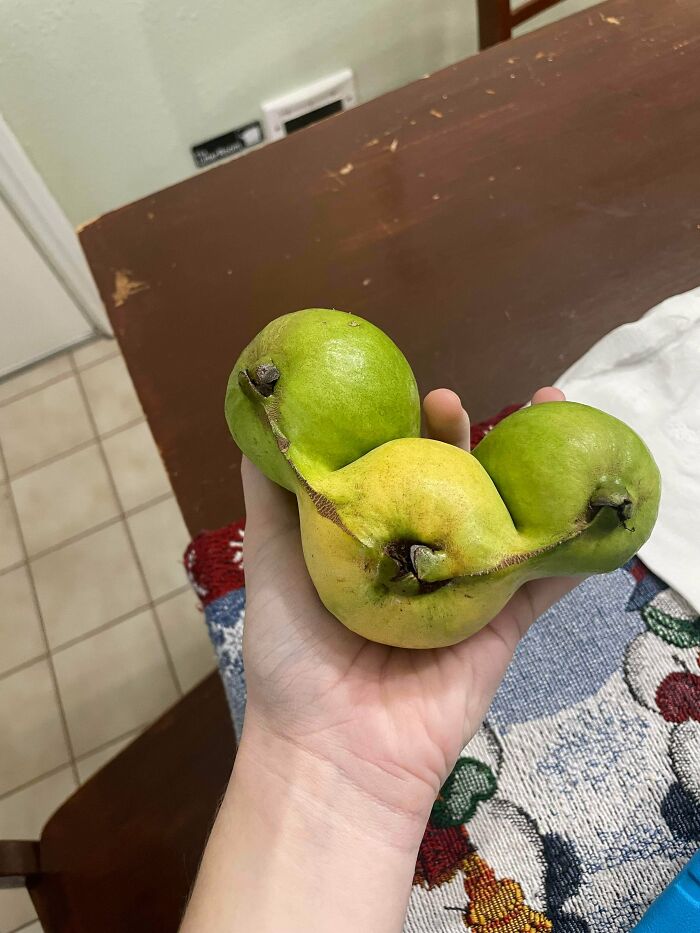
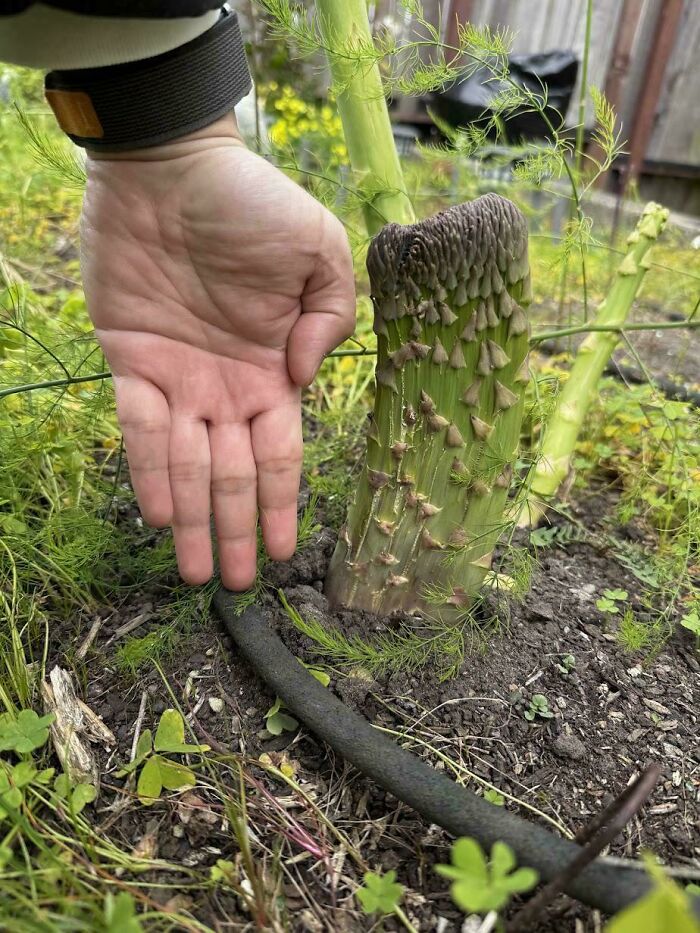
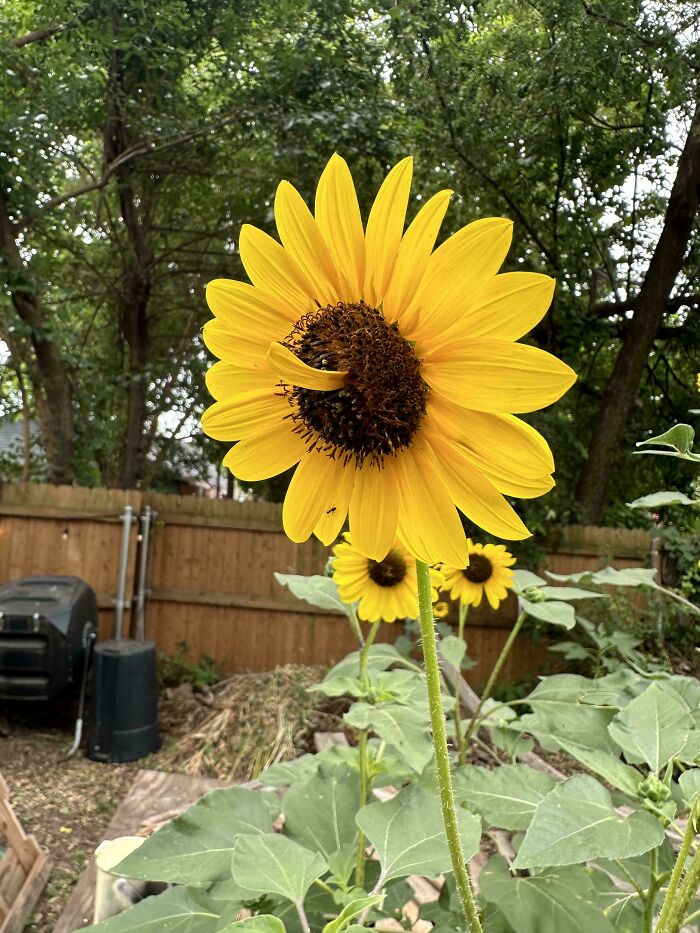
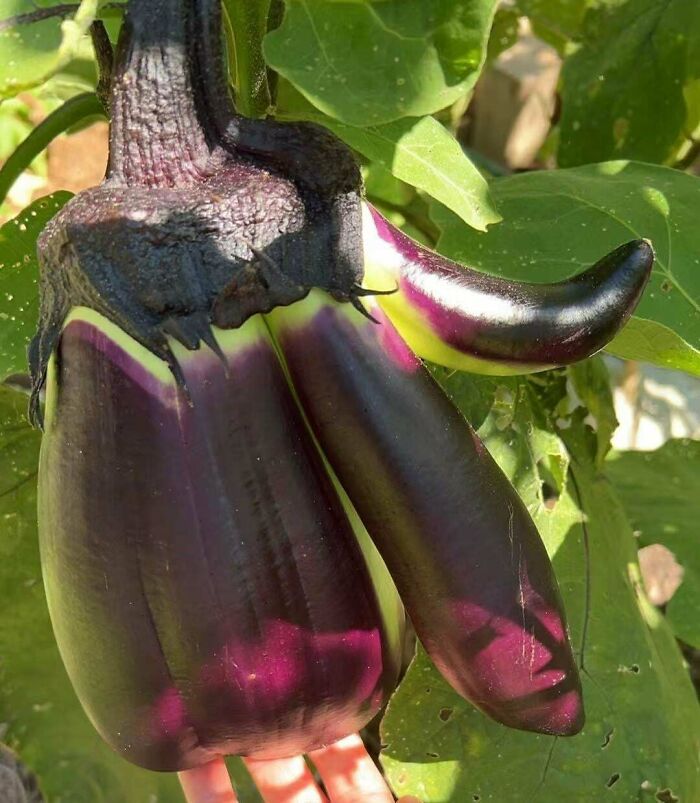
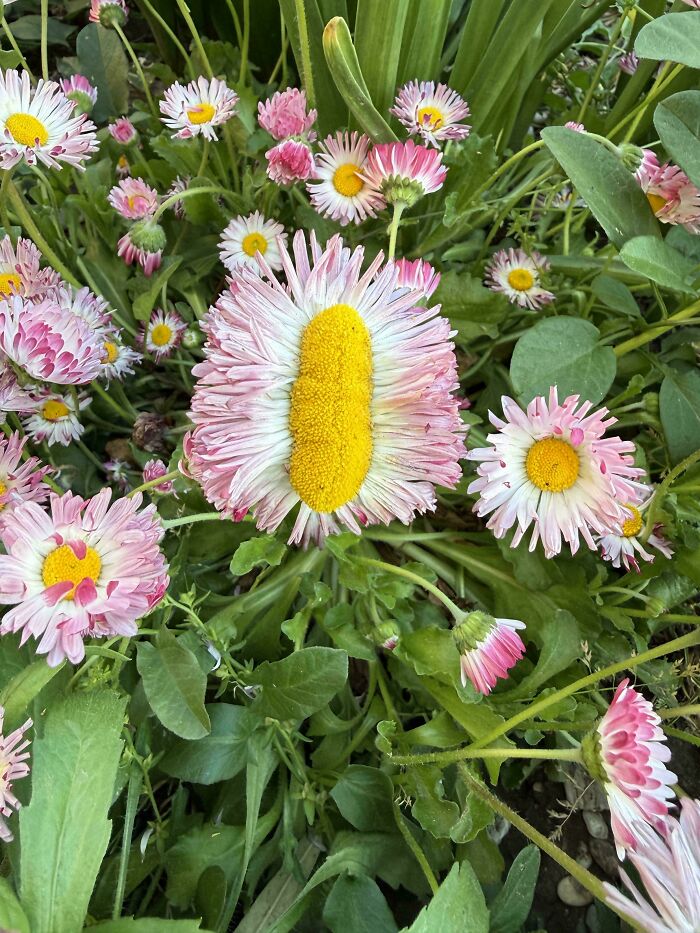
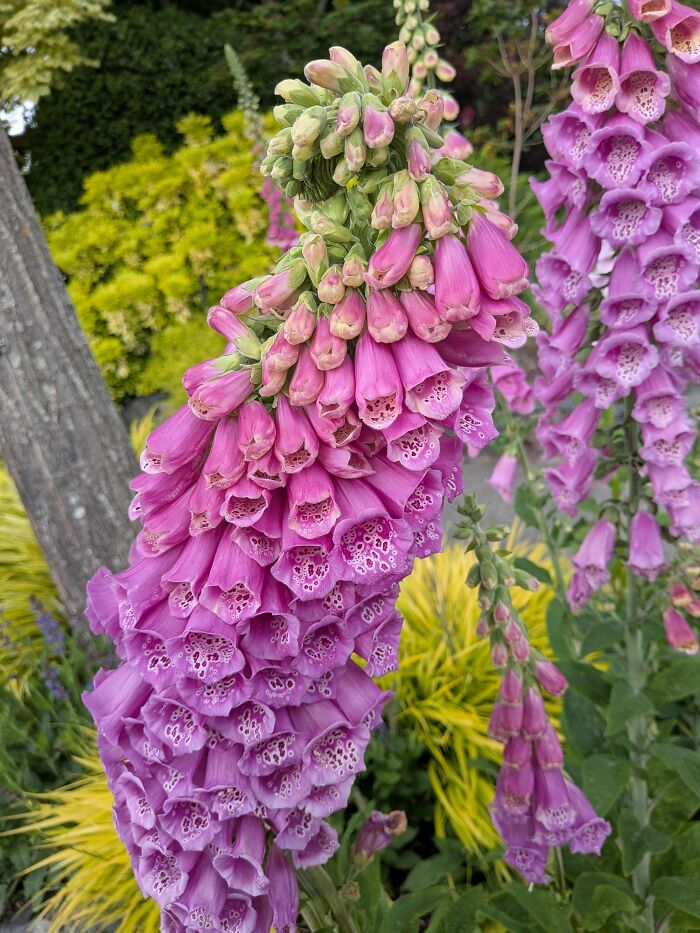
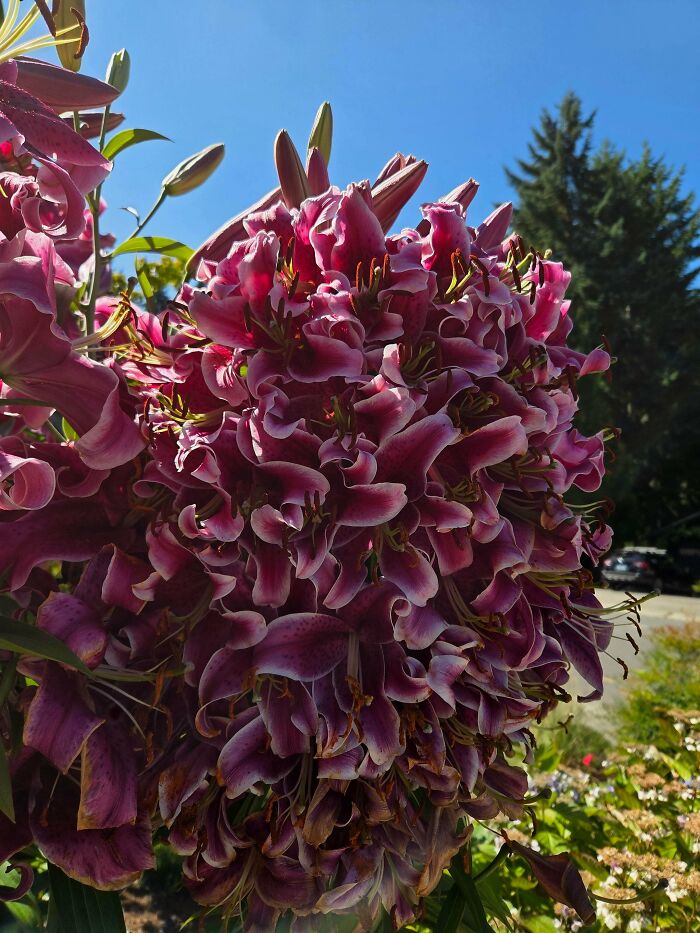
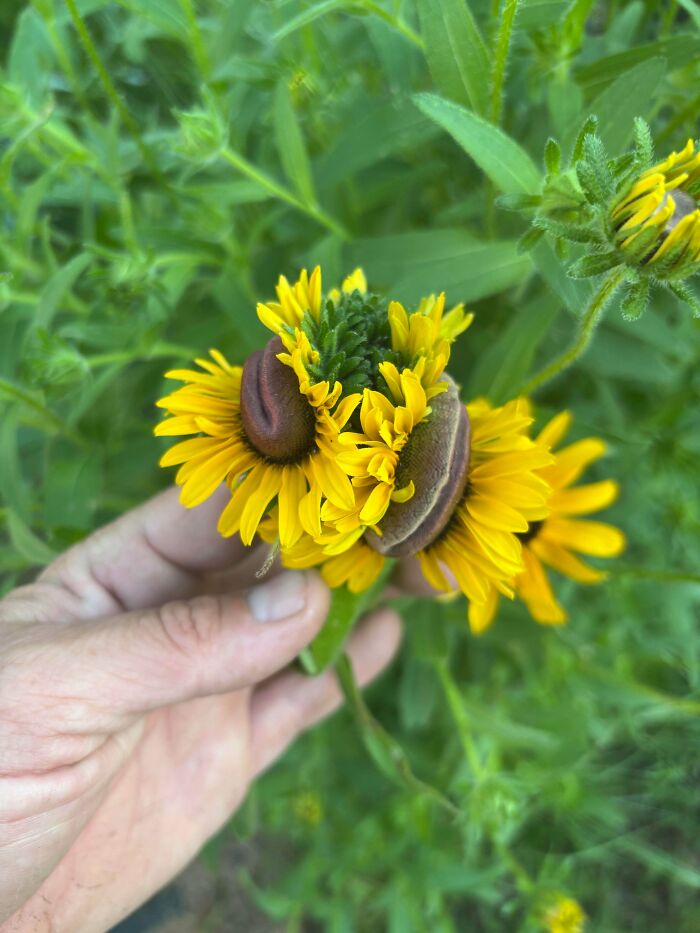
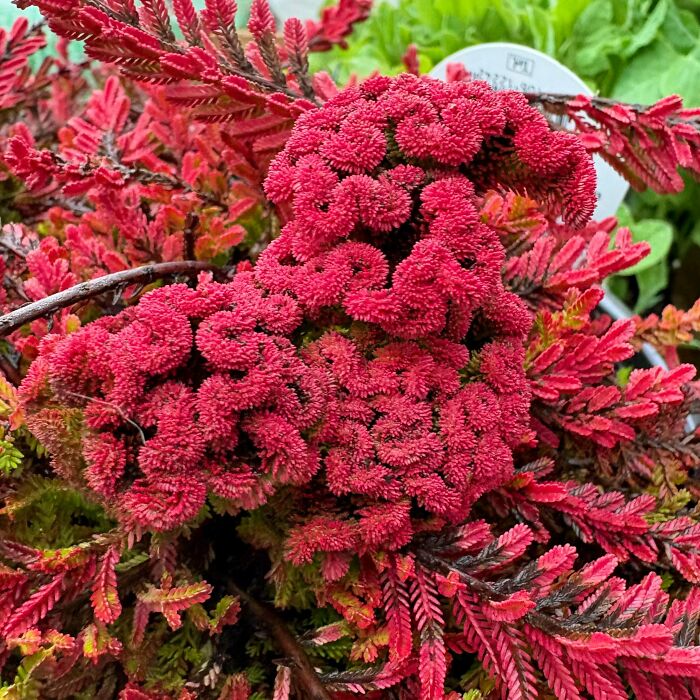
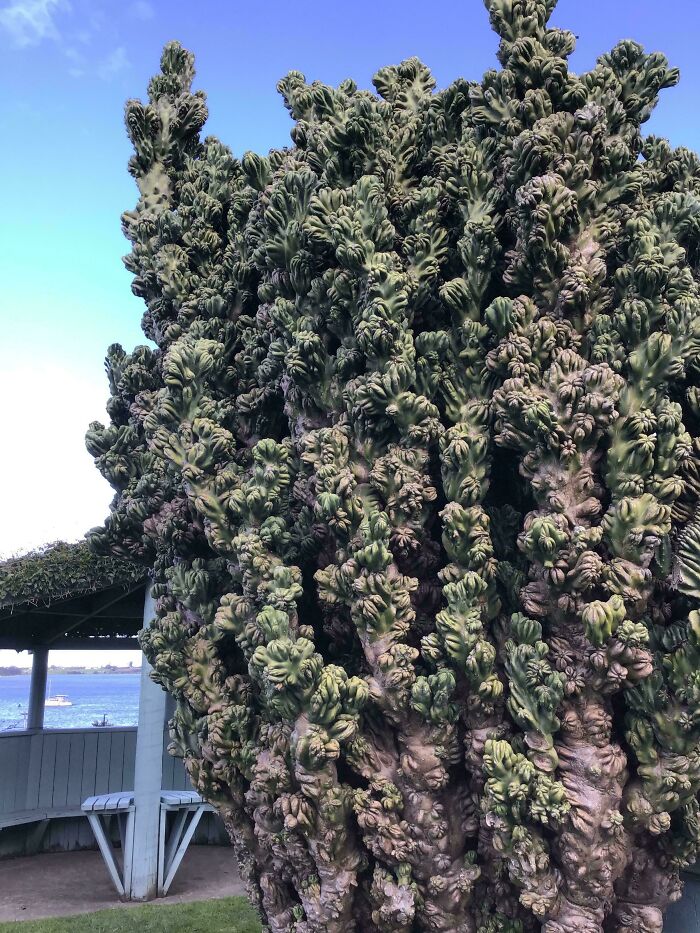
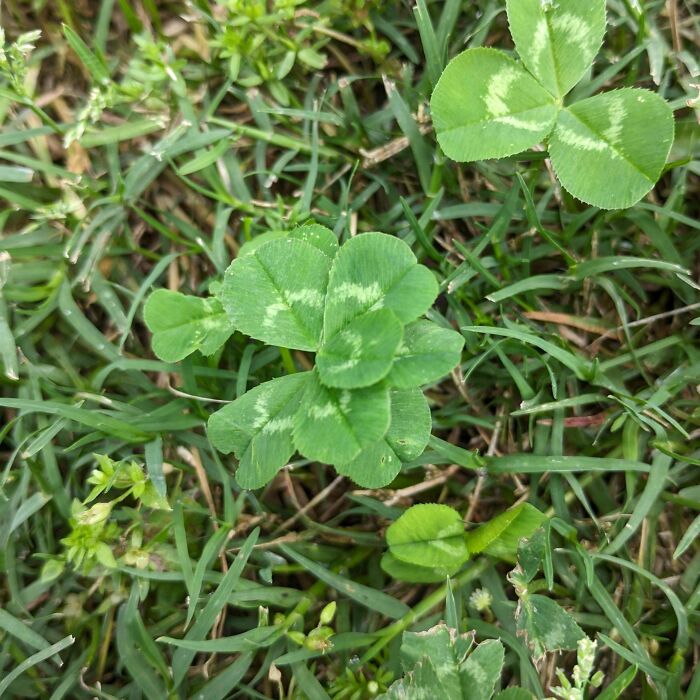
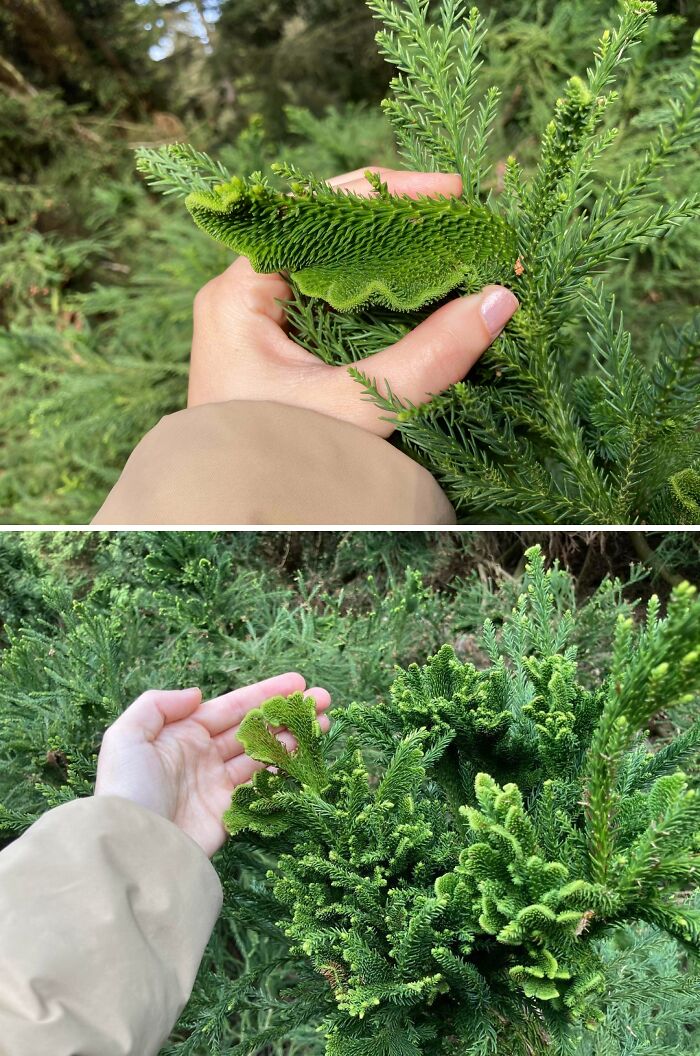
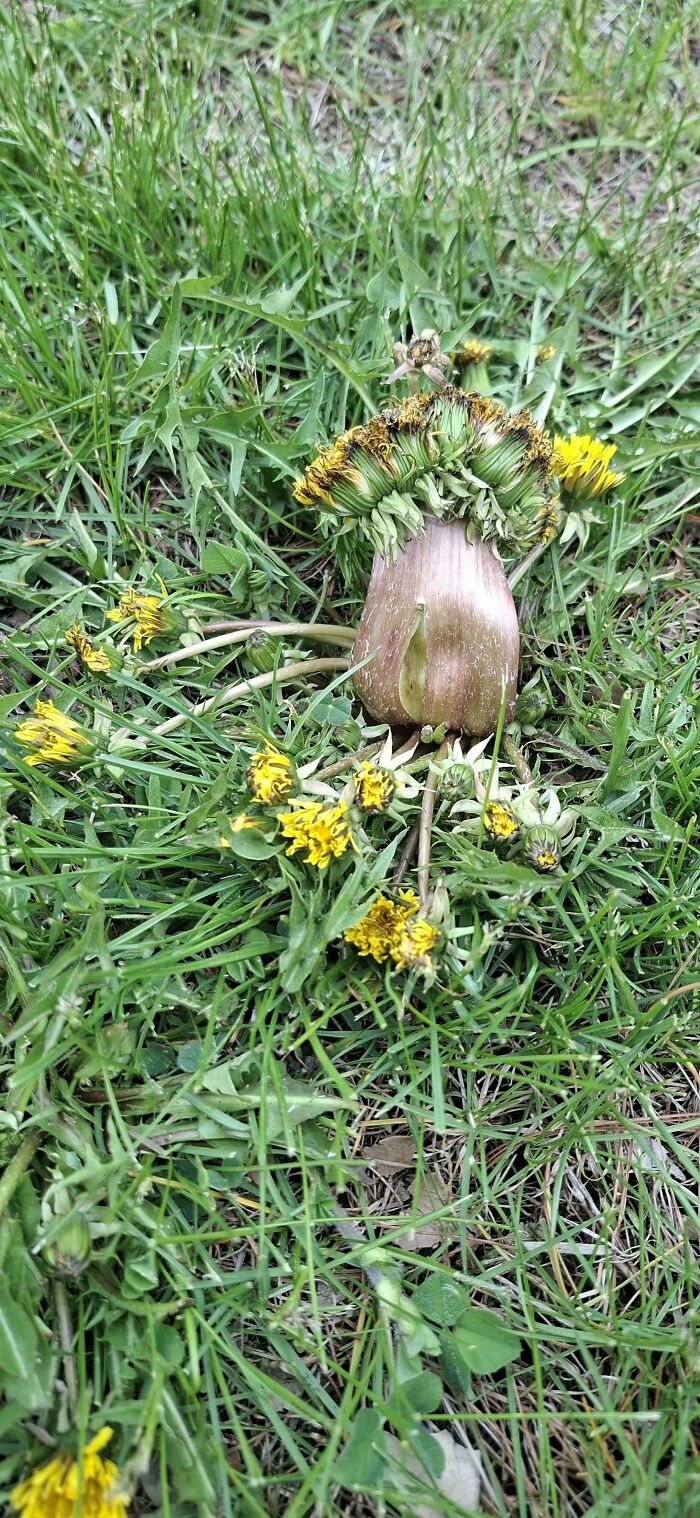
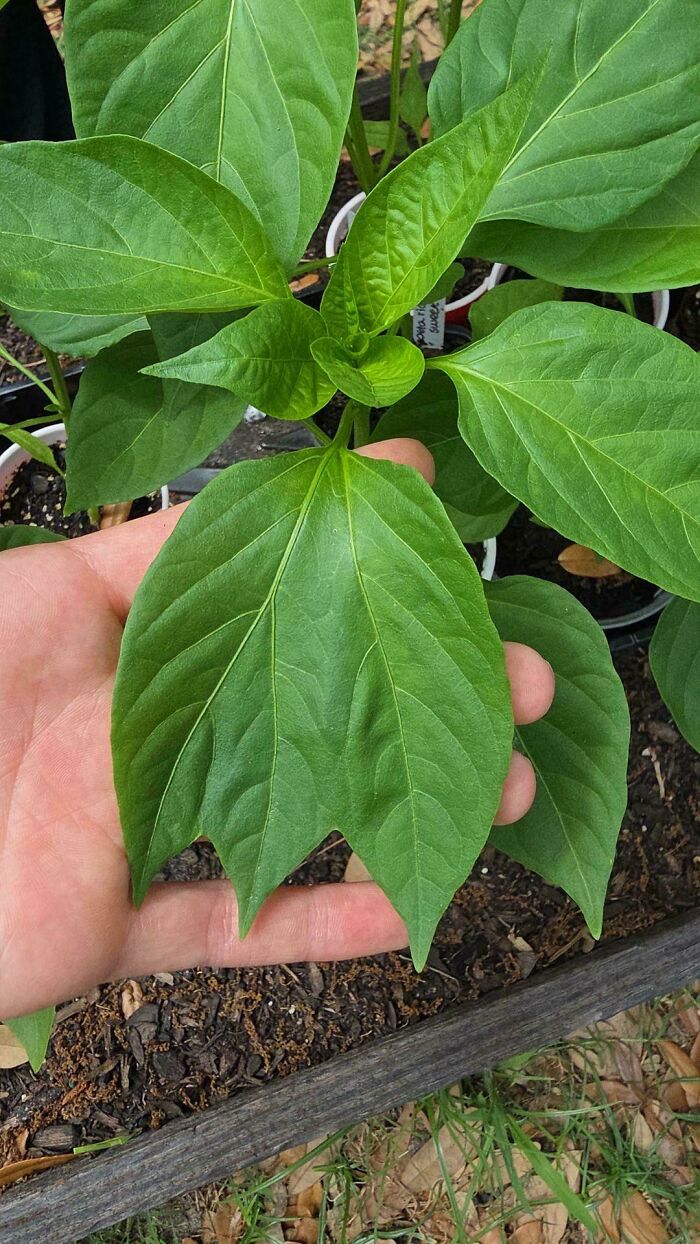
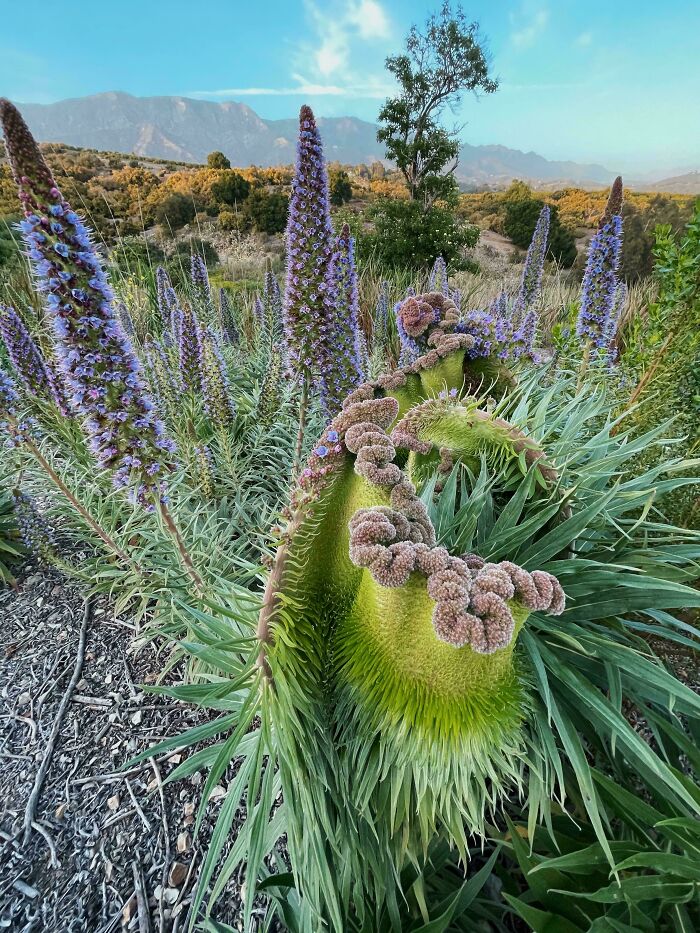
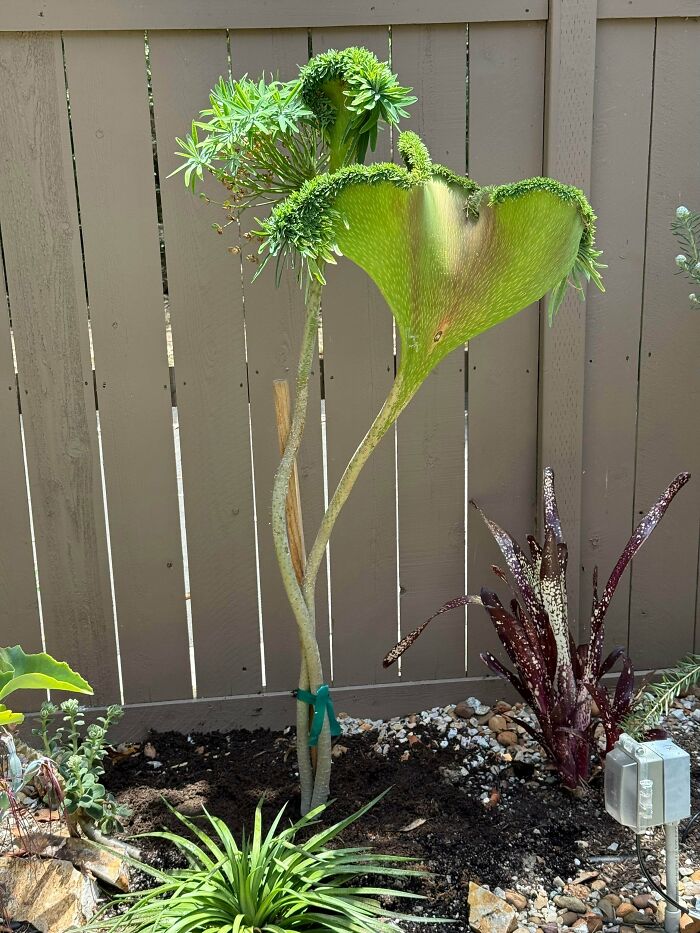
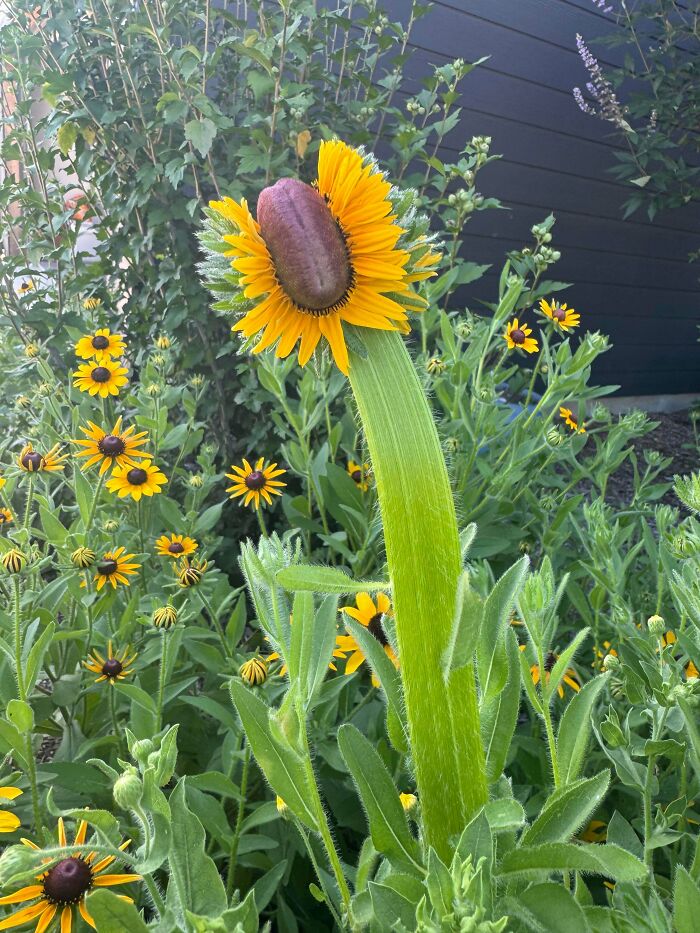
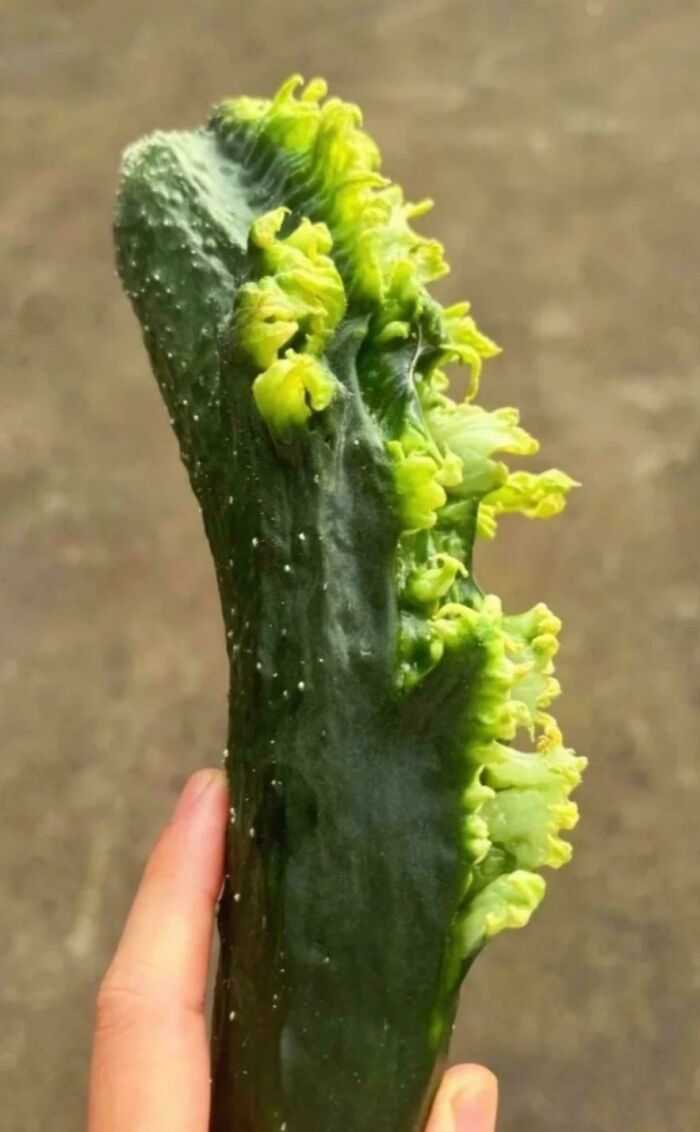
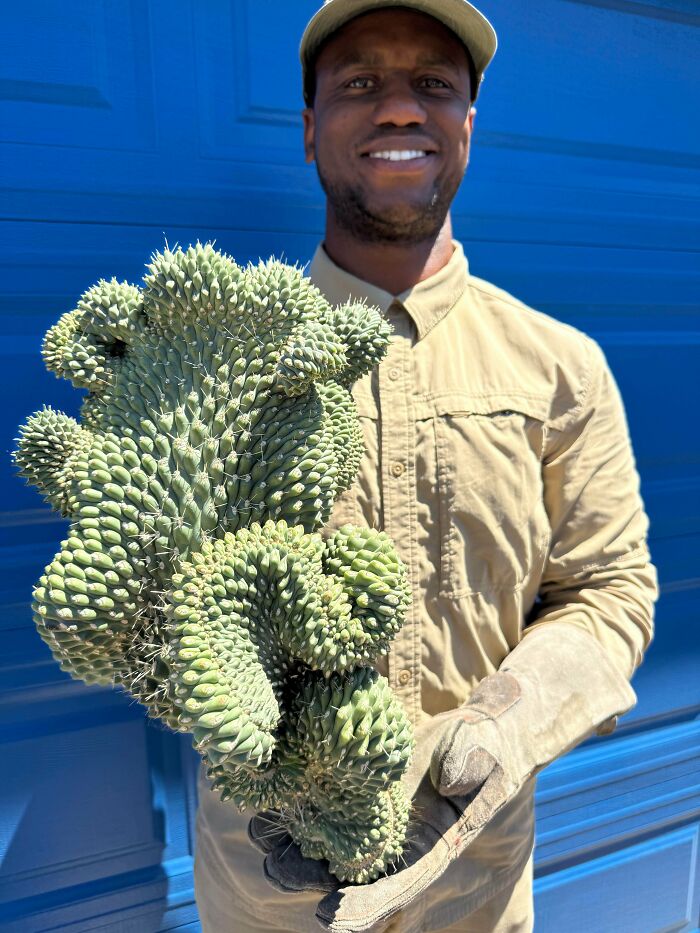
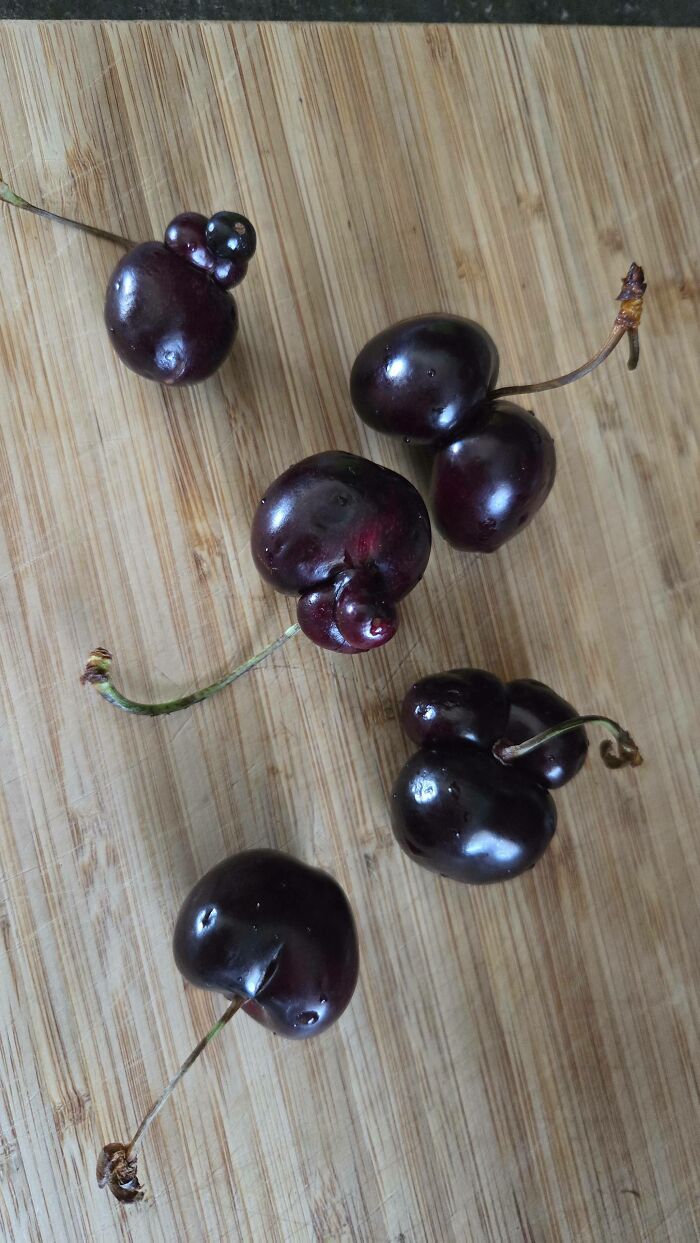
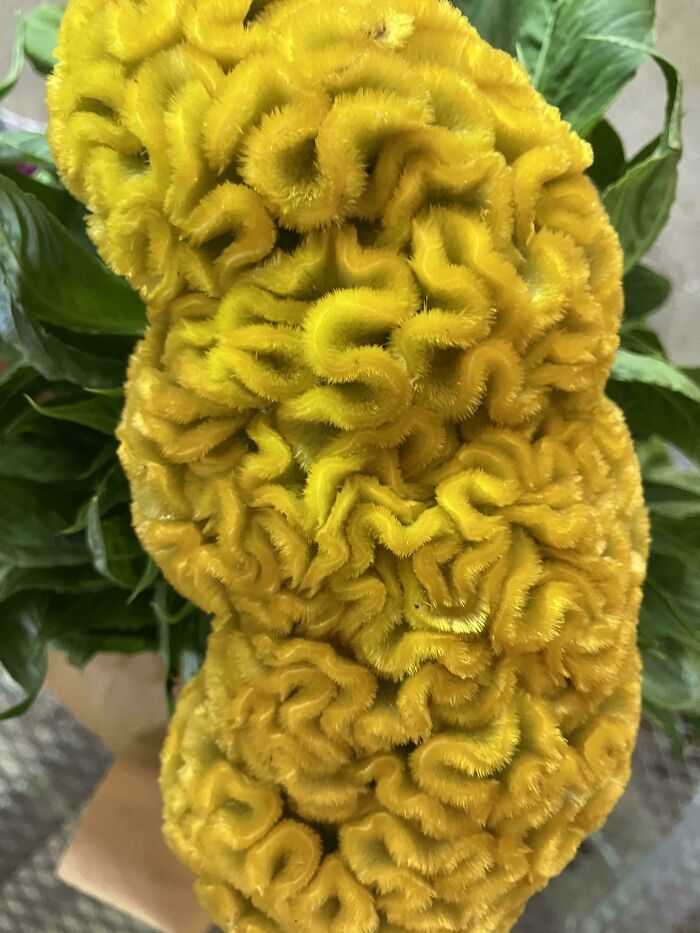
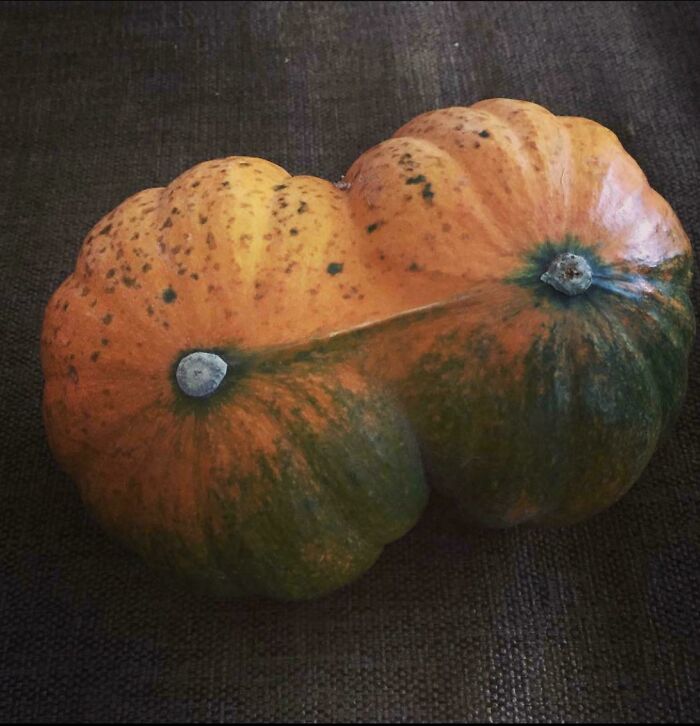
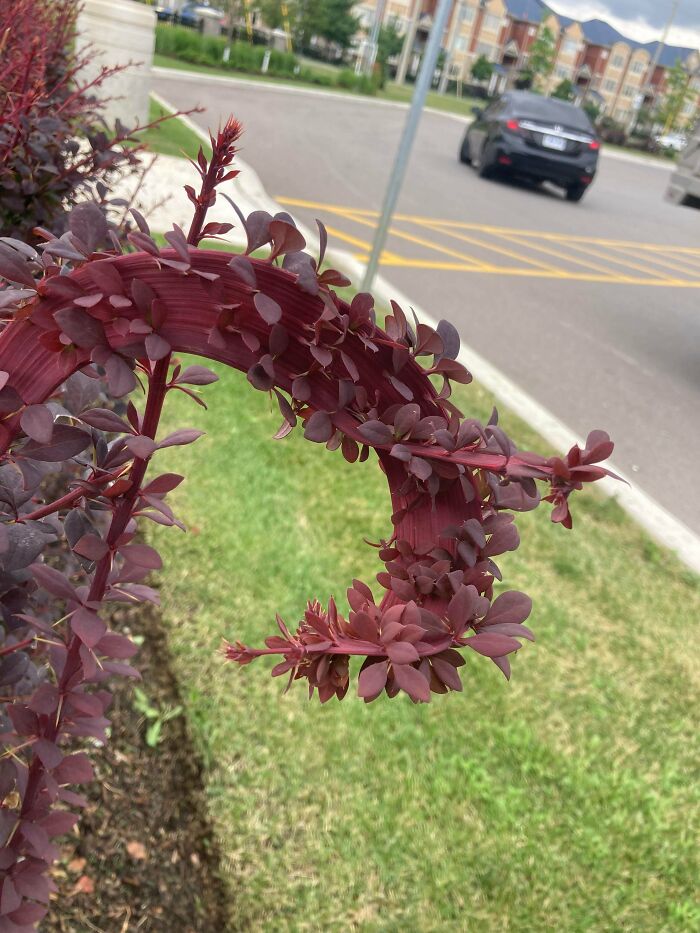
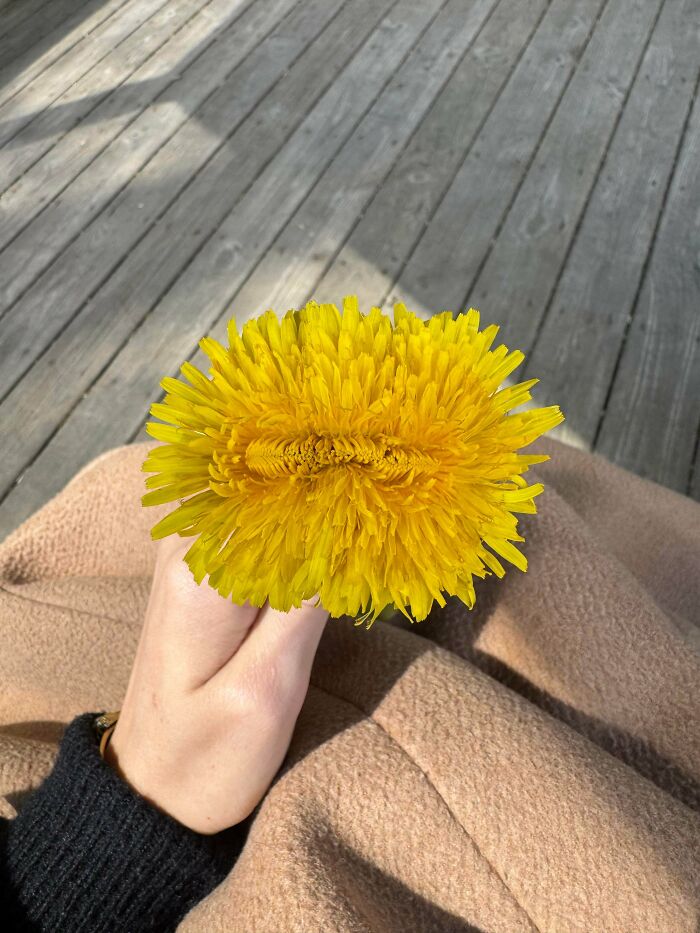
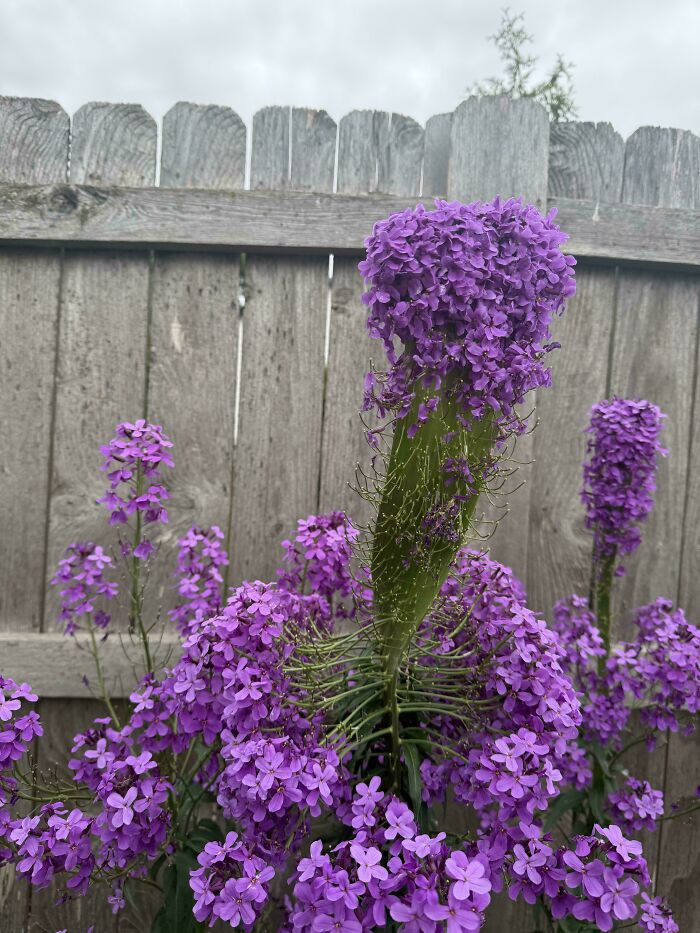
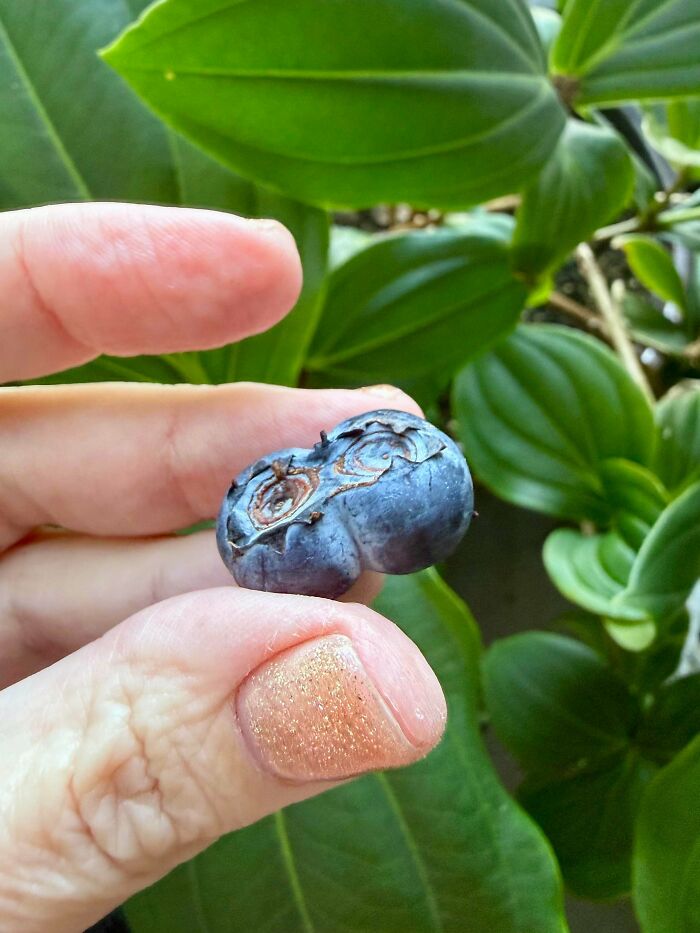
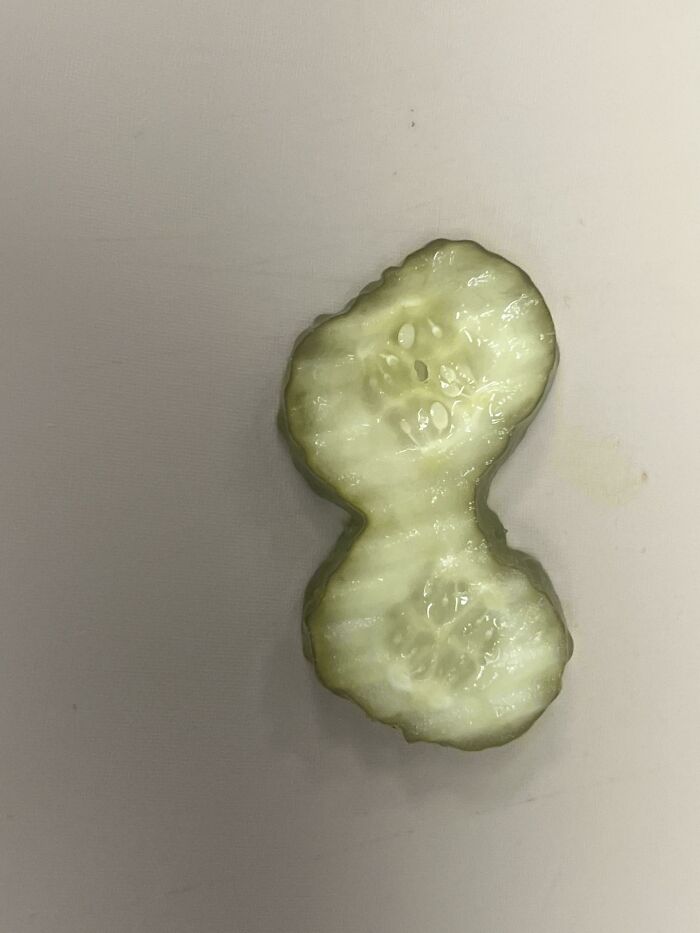
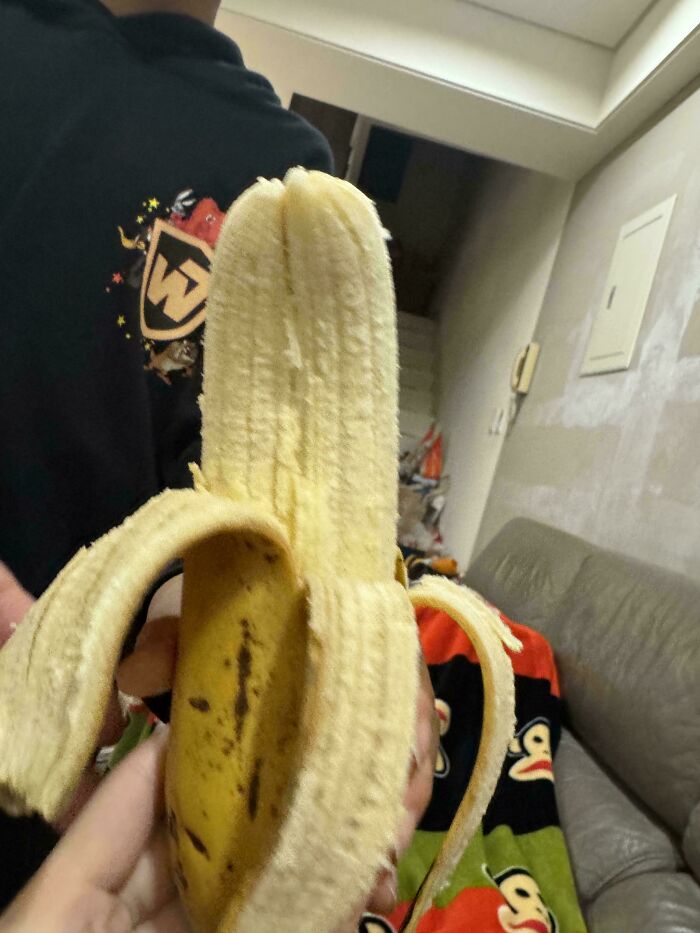
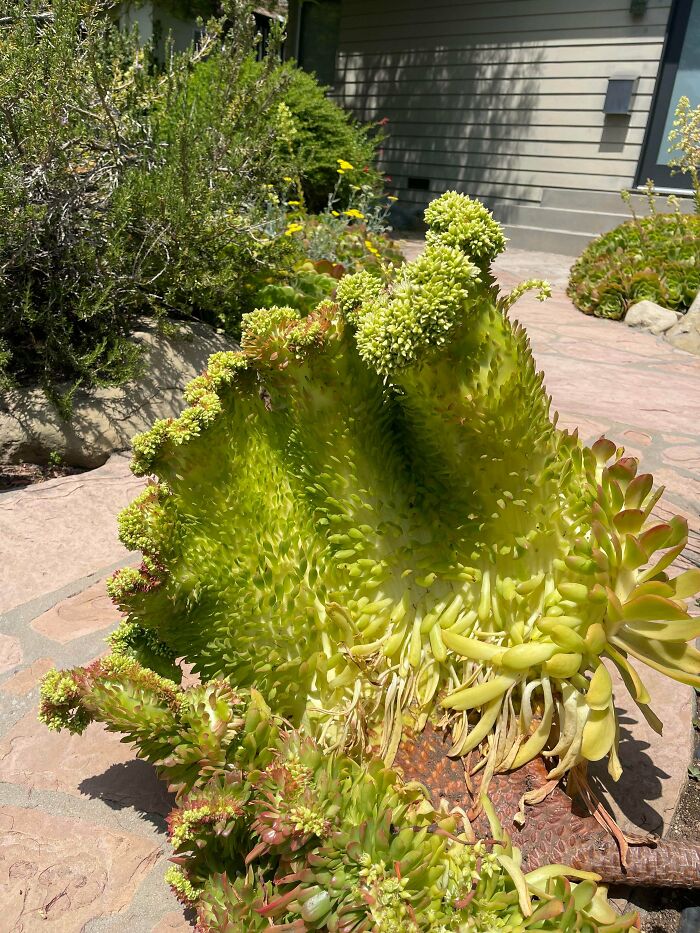
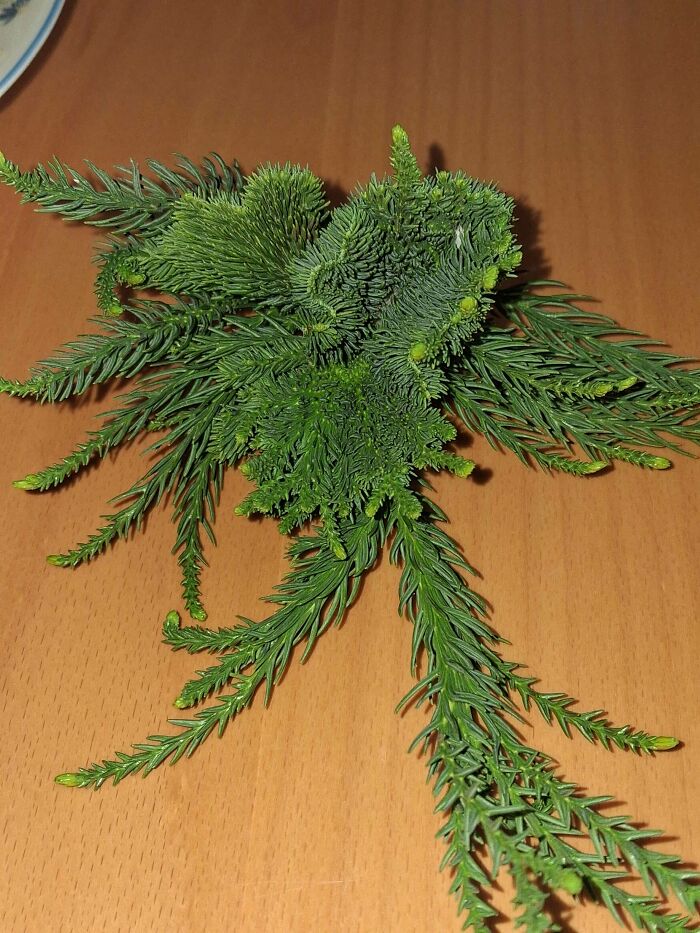
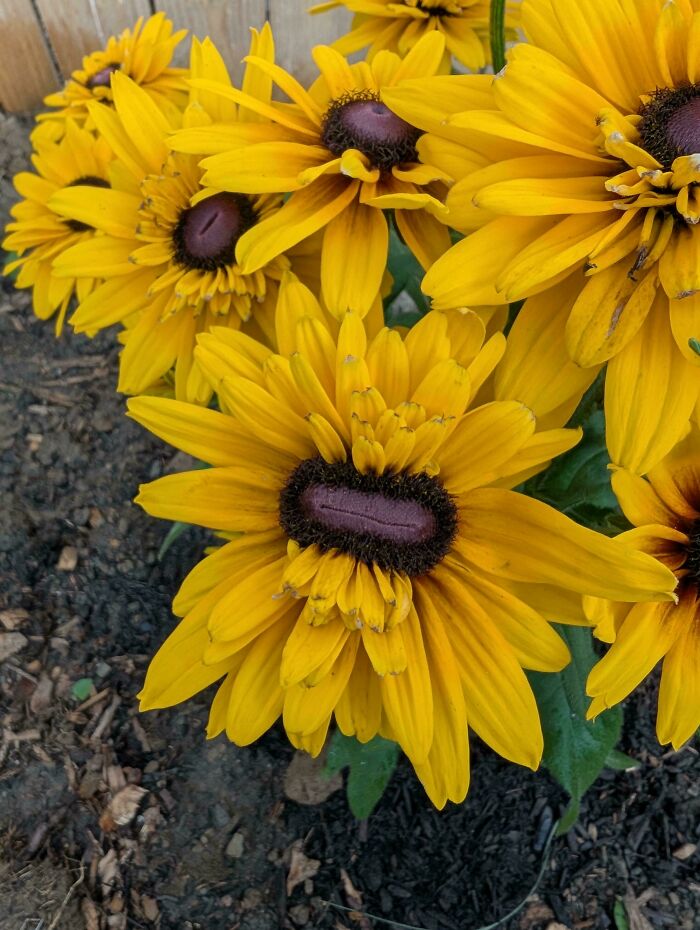
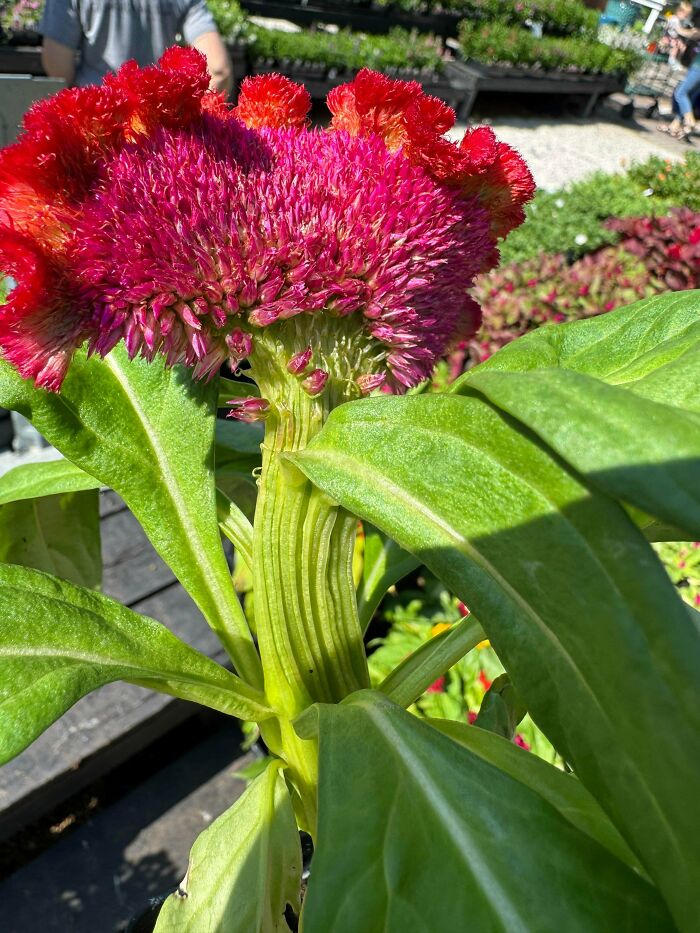
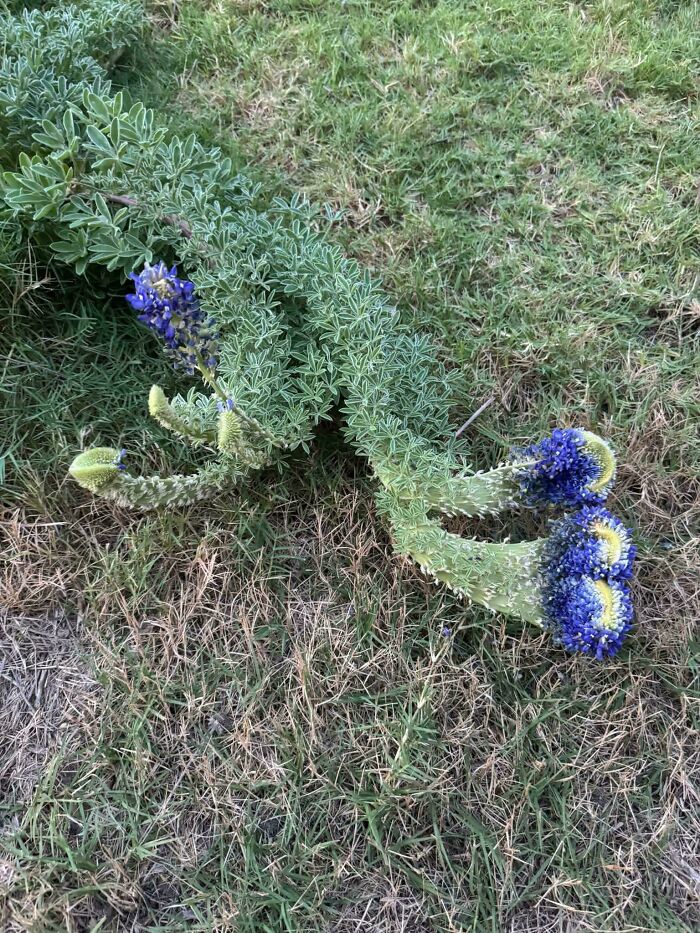
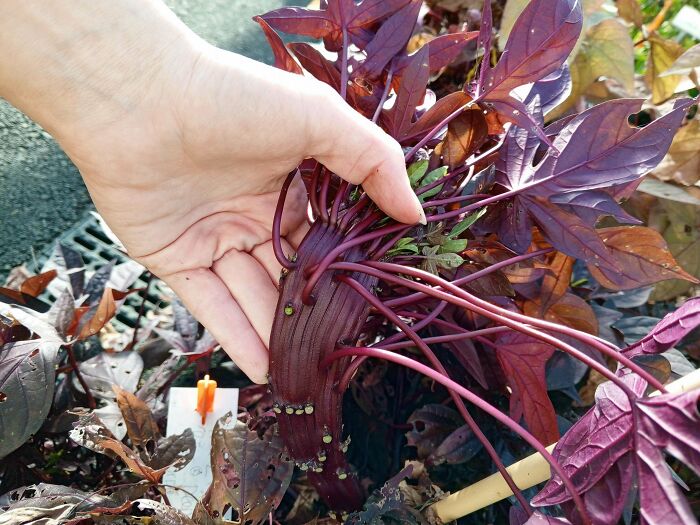
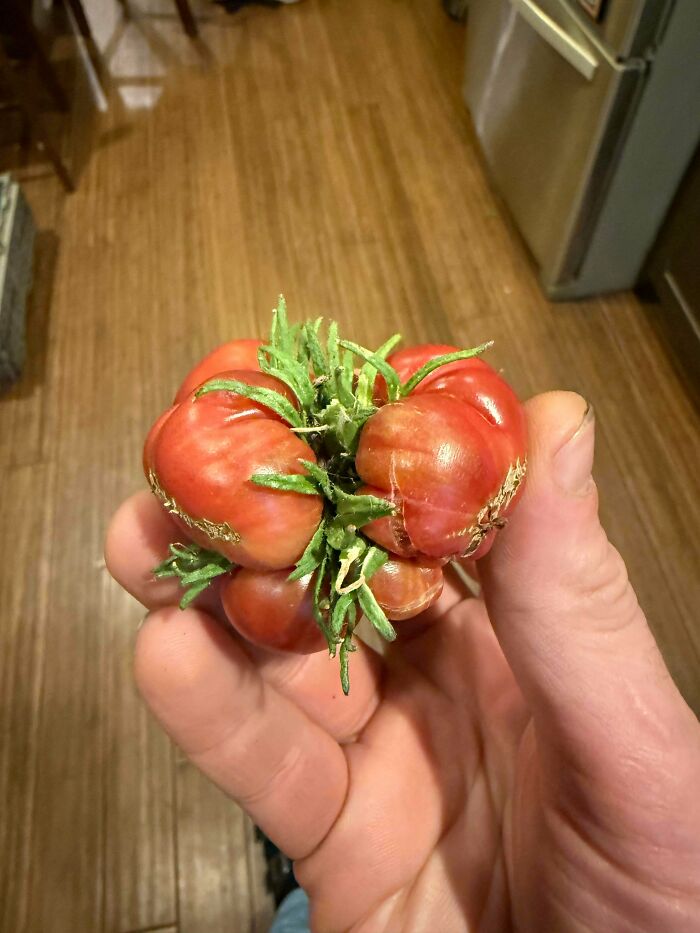
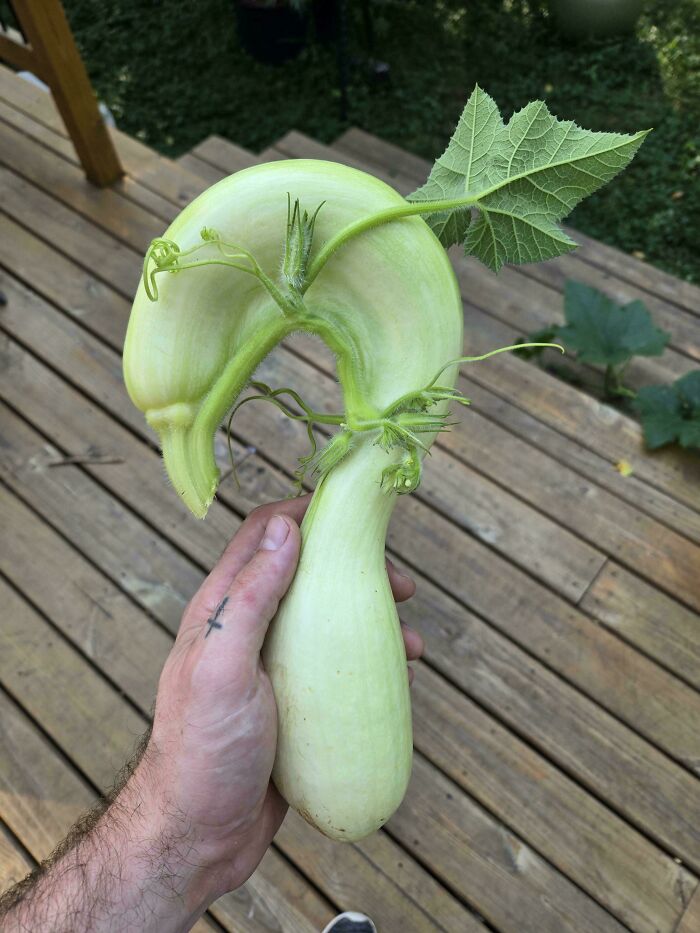
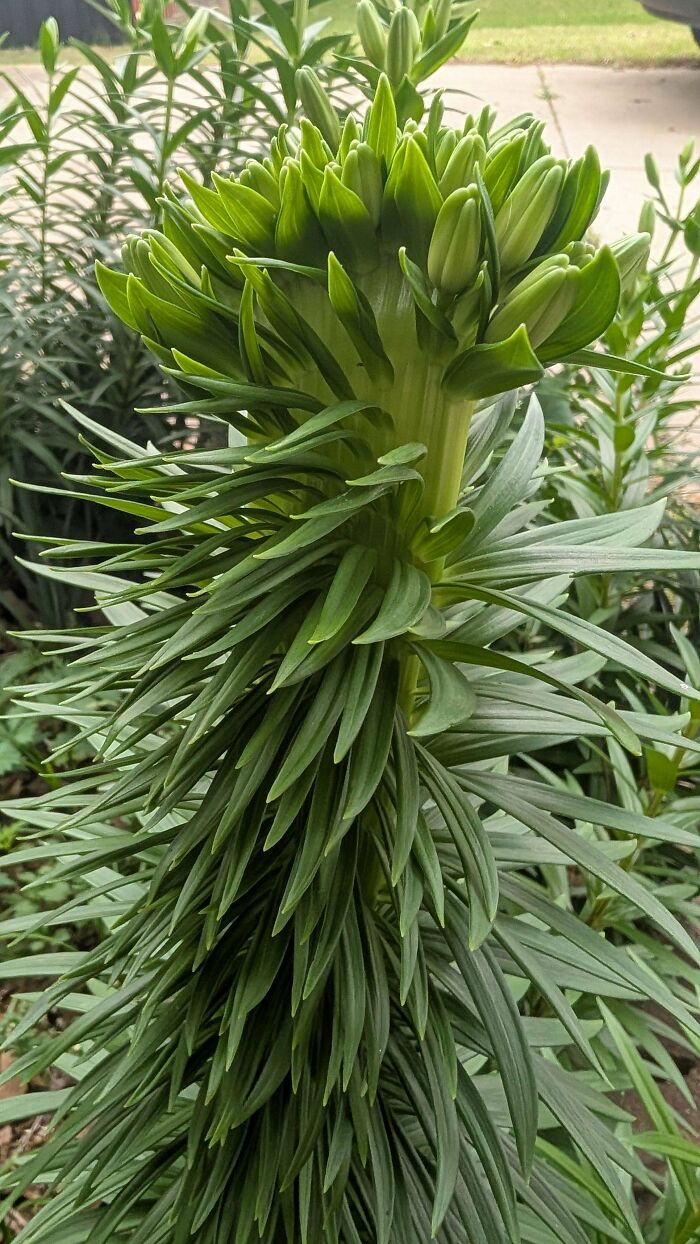
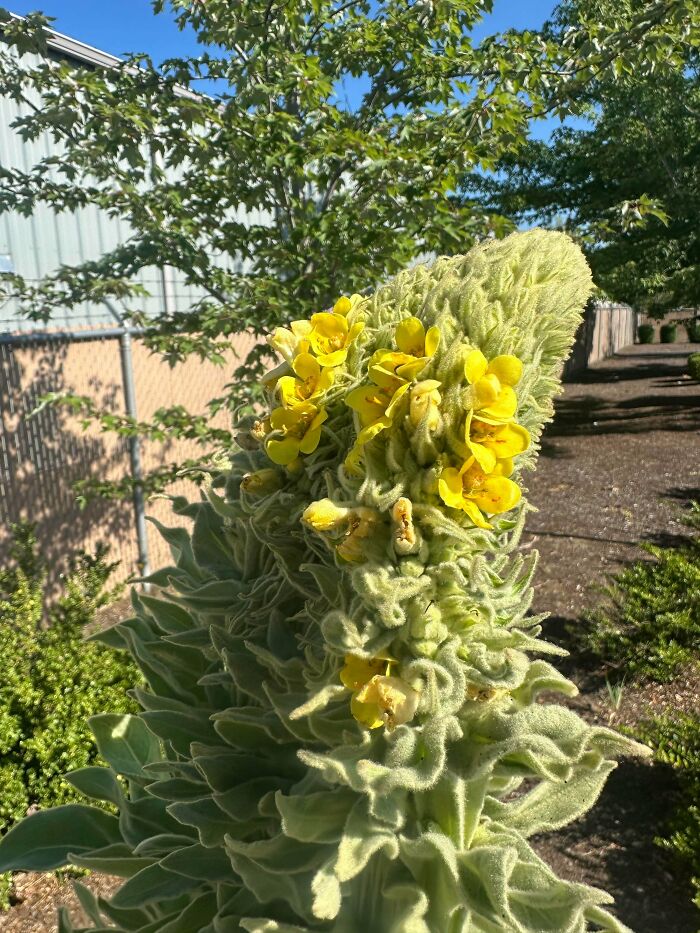
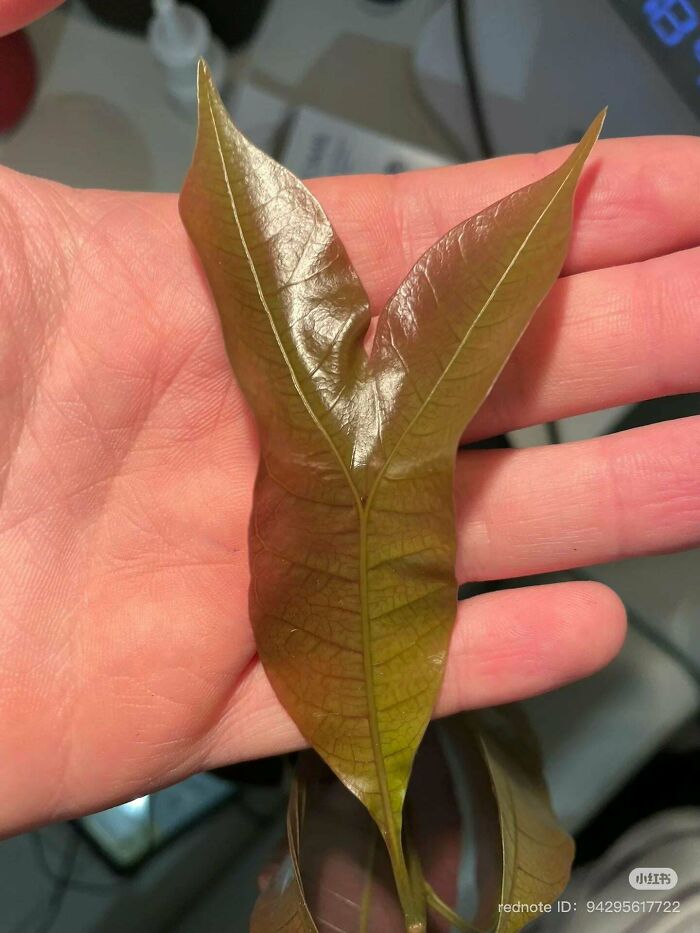
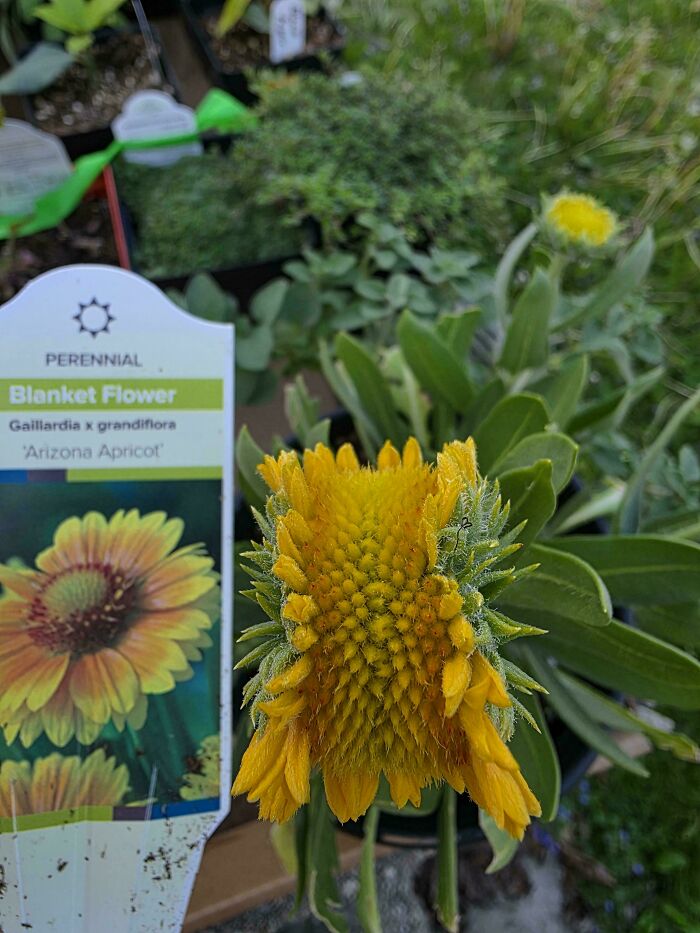
These funky plant shapes often happen because of something called fasciation, which basically means the plant’s growing tips got a little mixed up. Instead of growing neat and orderly, they get flattened, twisted, or even fused together like nature’s version of a blooper reel.
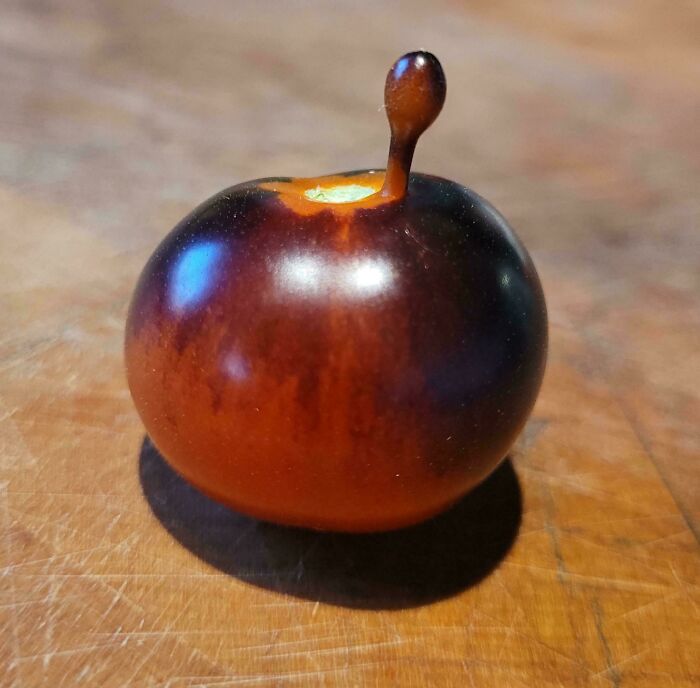
Wanna see what we’re talking about? We’ve gathered some of the best crazy plant pics out there that scream, “What in the world?!” Trust us, these mutant marvels will make your garden look downright boring.
This post may include affiliate links.


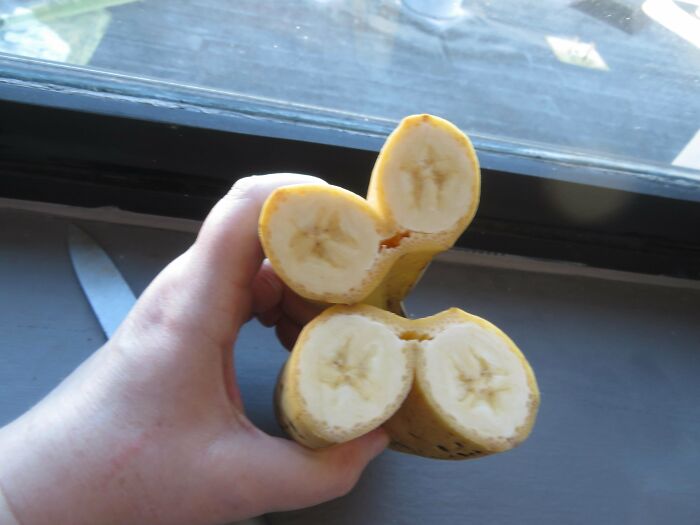
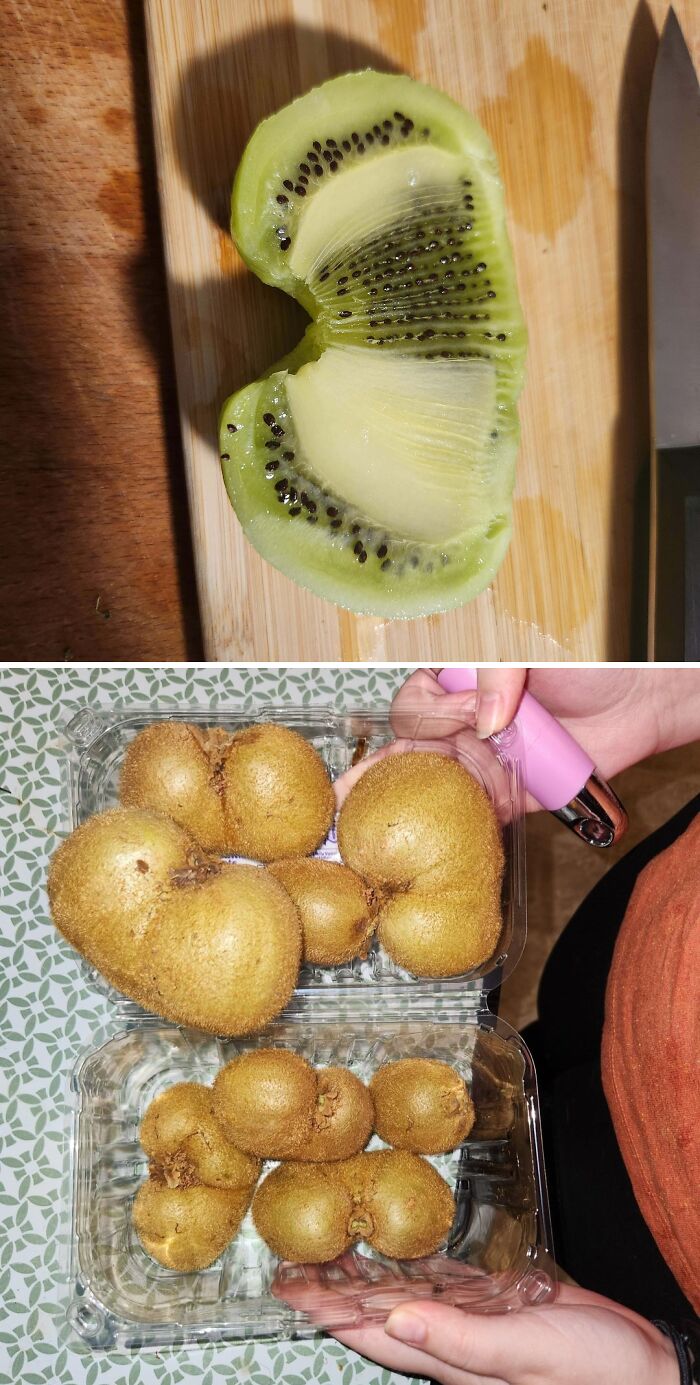
So, I bought some kiwi fruit, thinking I was getting a regular snack. Nope! Instead, I hit the jackpot with what looked like conjoined quadruplets. Thanks, Mother Nature, for the surprise pack!
Fasciation comes from the Latin word meaning “band” or “bundle.” Basically, it’s a fancy term for when a plant’s growing tip decides to throw a tantrum and grow in super funky shapes.

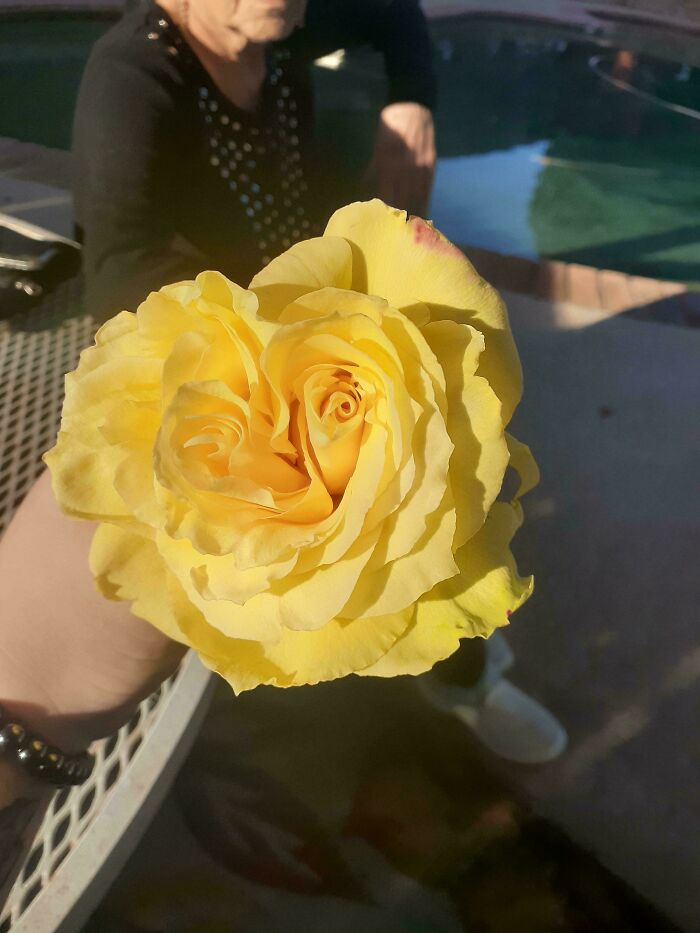
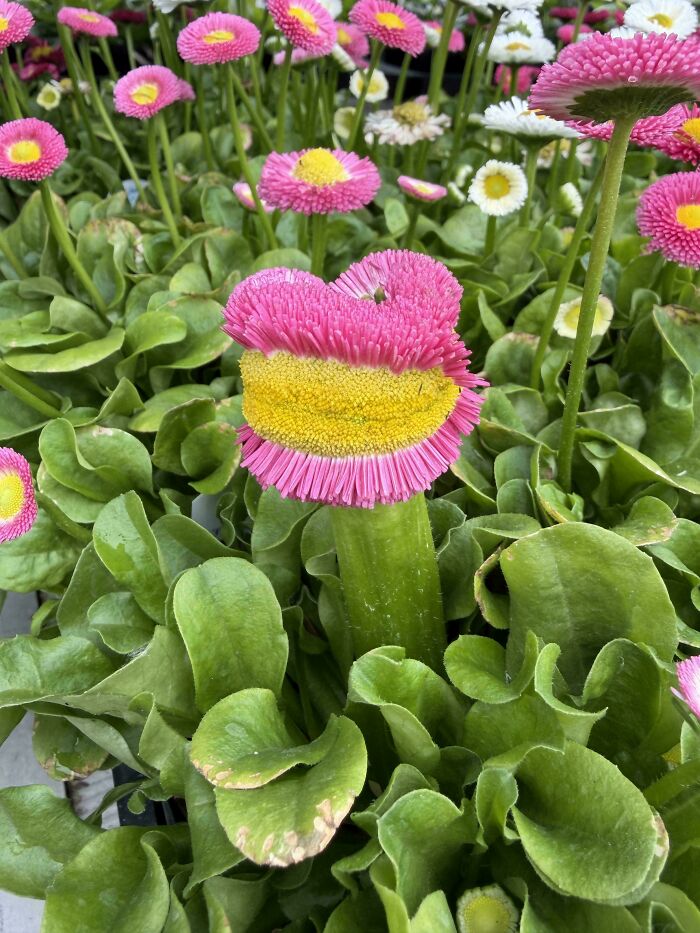
Some plant nerd explains fasciation like this: the growing tip of a plant, called the apical meristem, normally makes new cells to grow roots, stems, and flowers. But when it goes haywire, the plant starts to look all squished, twisted, or just plain weird.
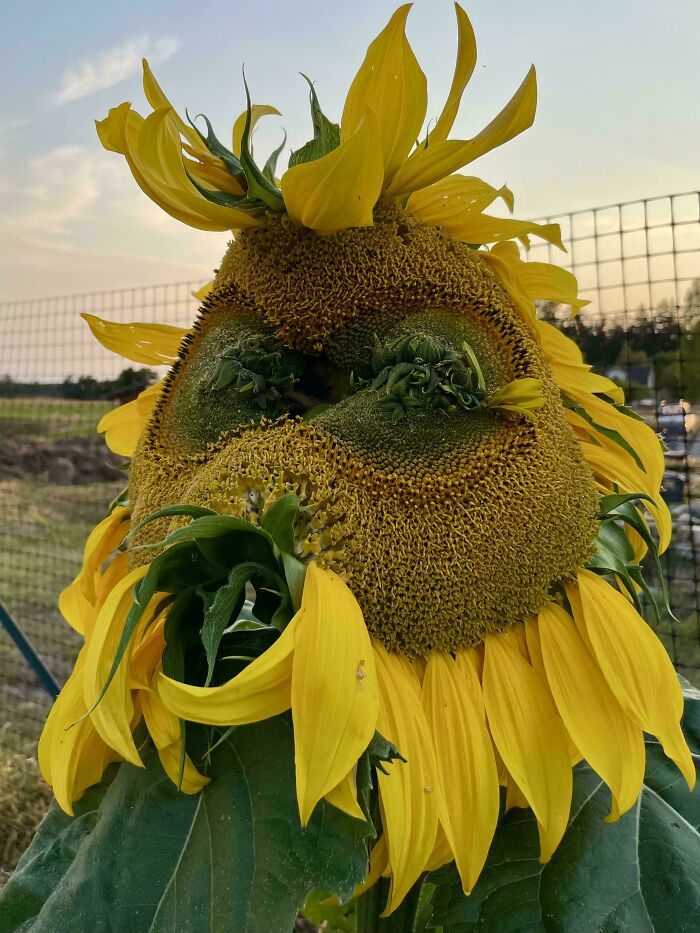
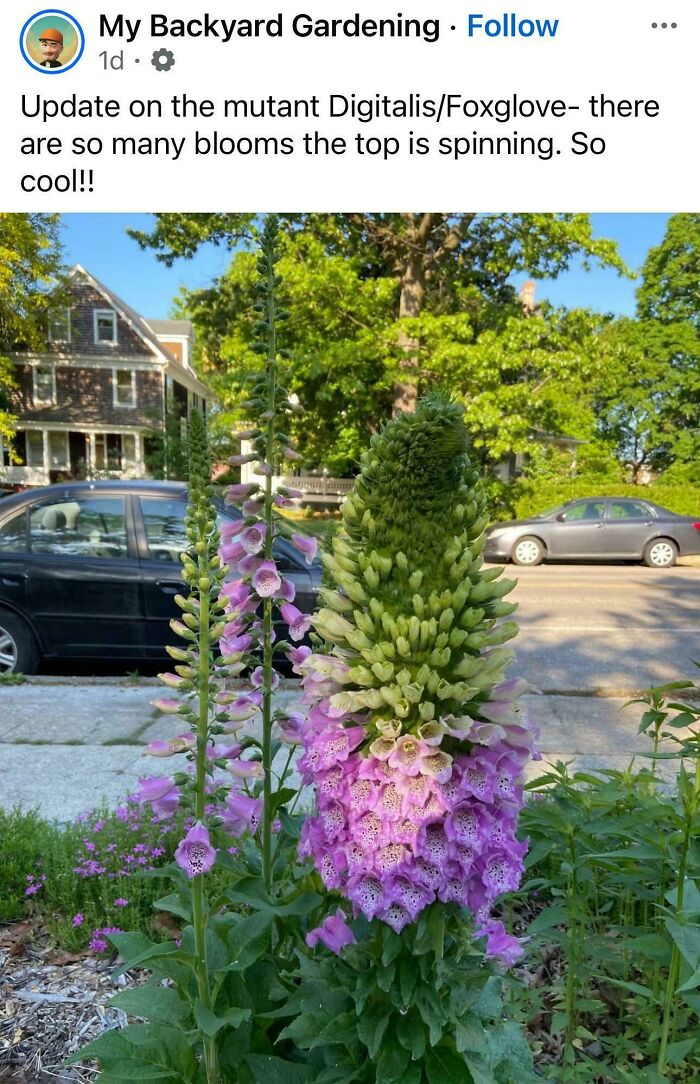
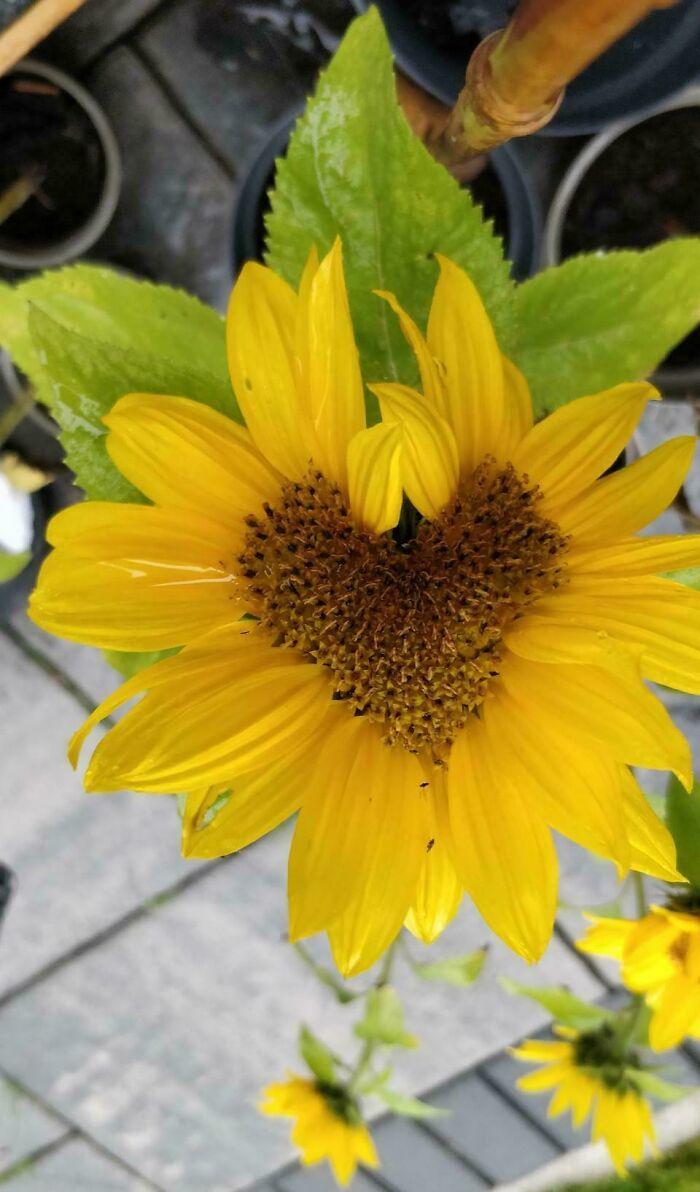
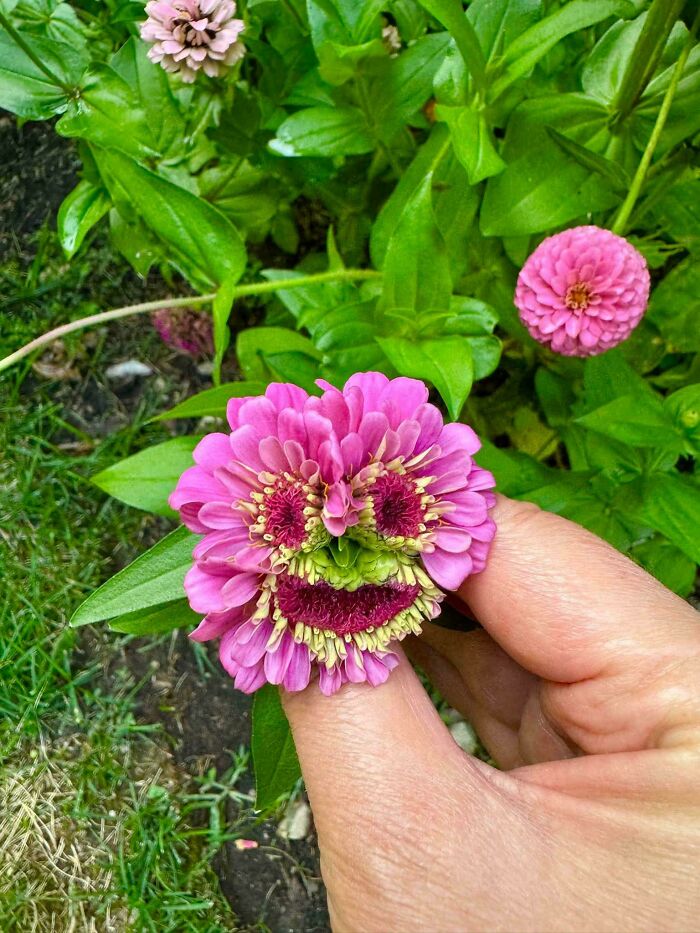
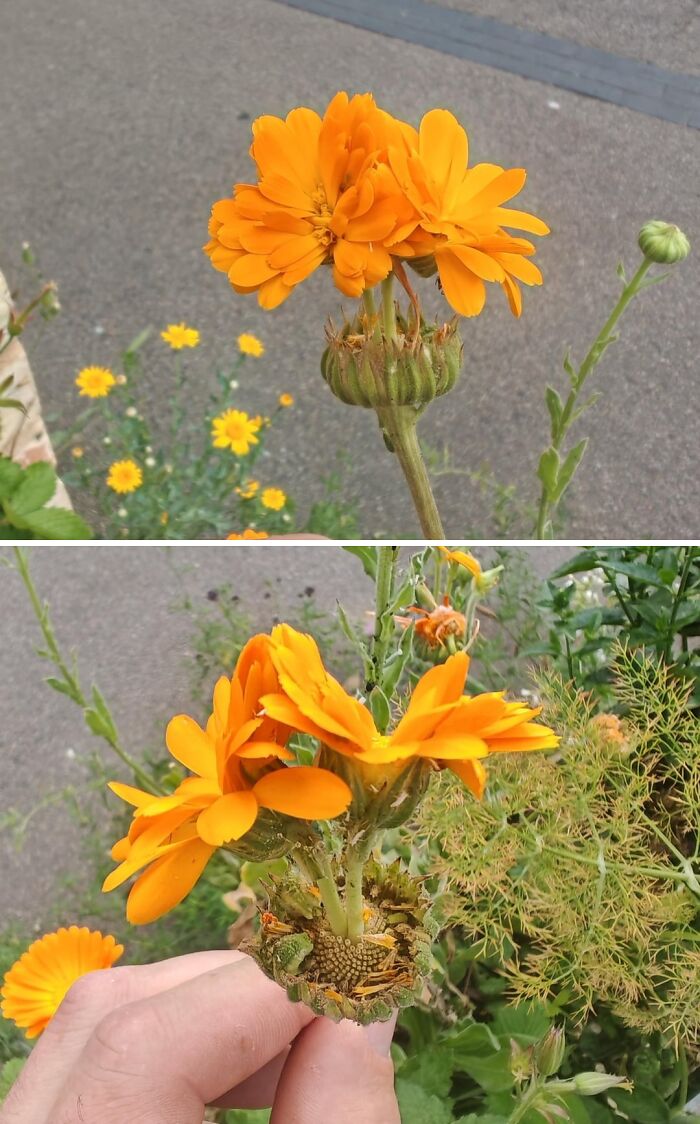
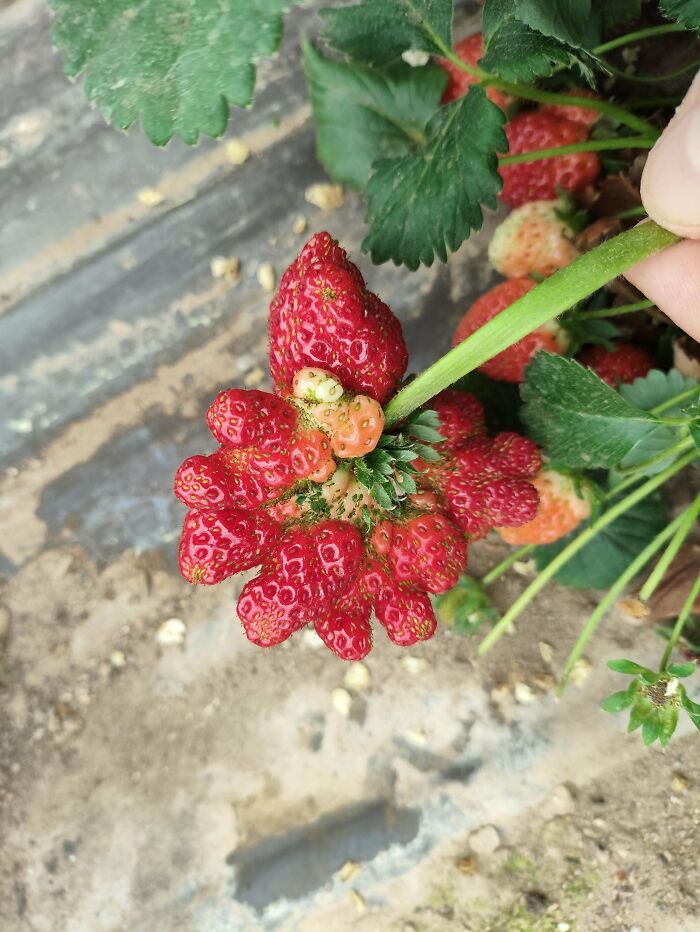
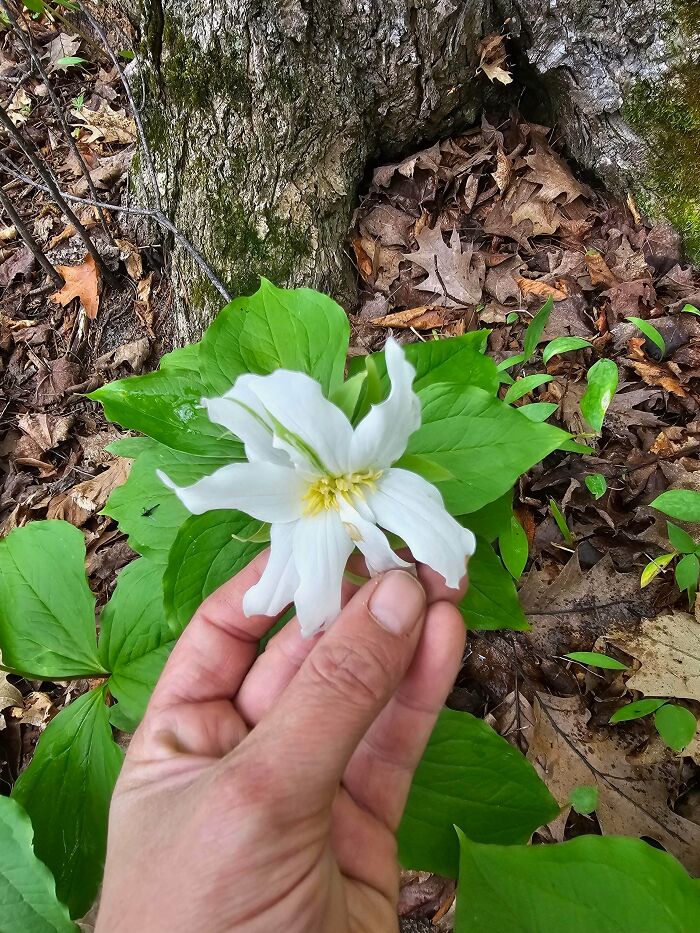
Sometimes fasciation makes stems fuse together or flowers grow a bunch of heads like a plant with a personality crisis. You might see crazy shapes, twisted parts, or a bunch of leaves where you’d least expect ’em.

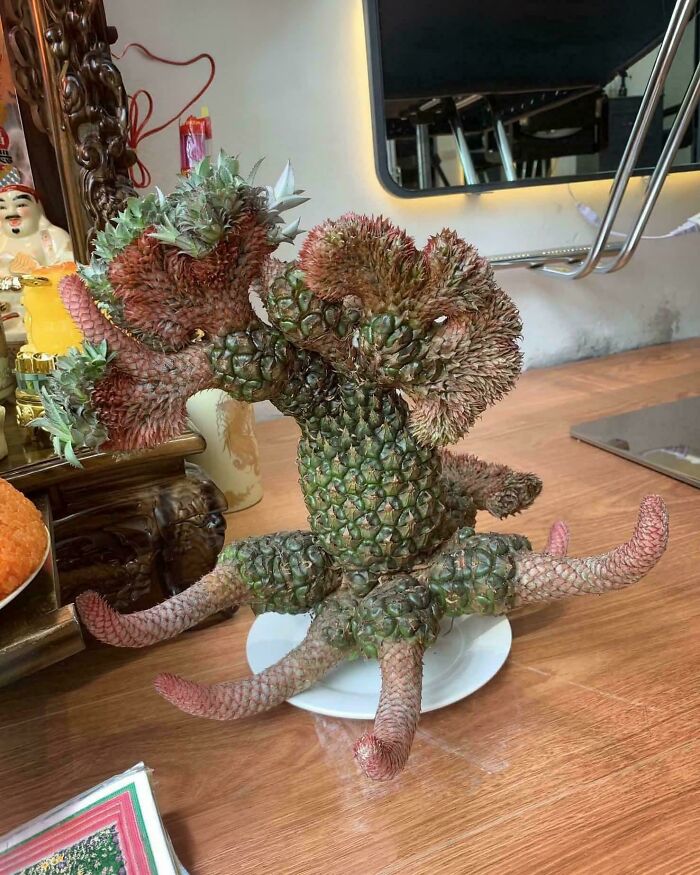

What causes plants to lose it? Viruses, bugs, weird chemicals, frost, or just bad luck with their cells. There’s even a bacteria named Rhodococcus fascians that’s a known troublemaker. Basically, plants catch some funky bugs and then boom - mutant plant alert!
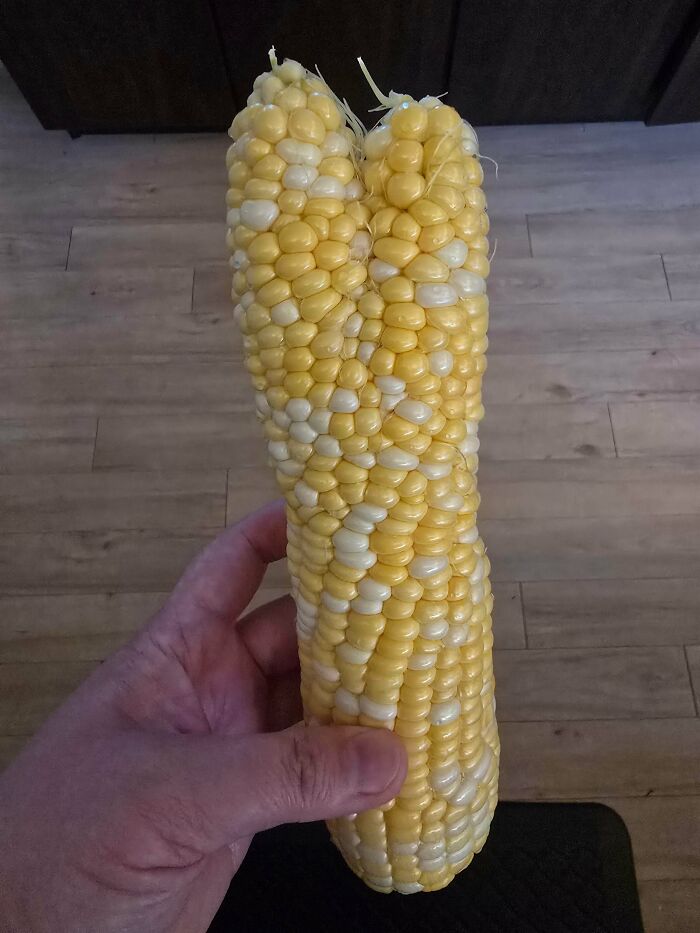
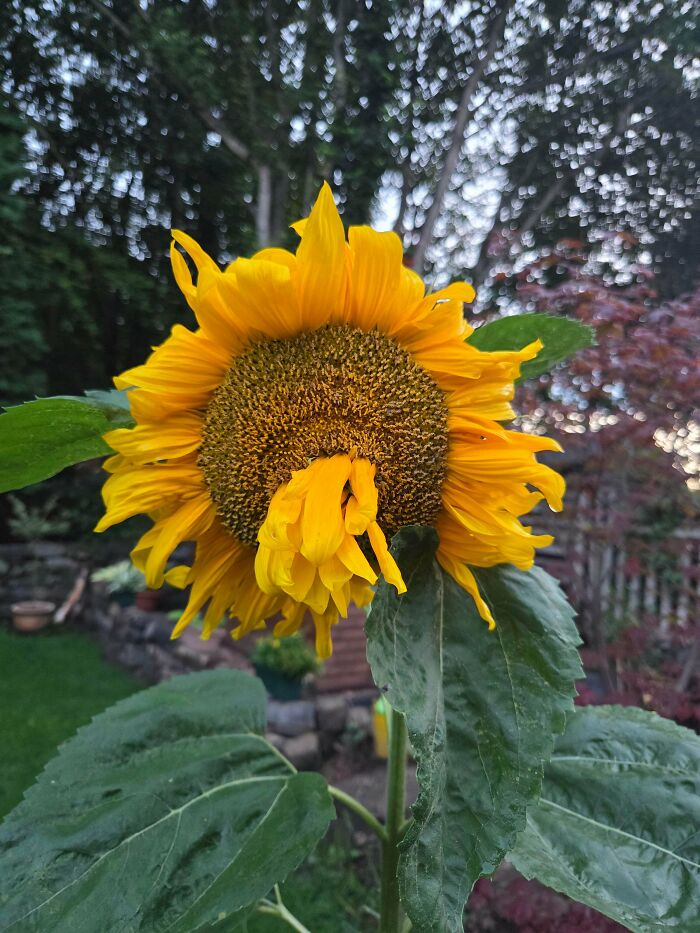
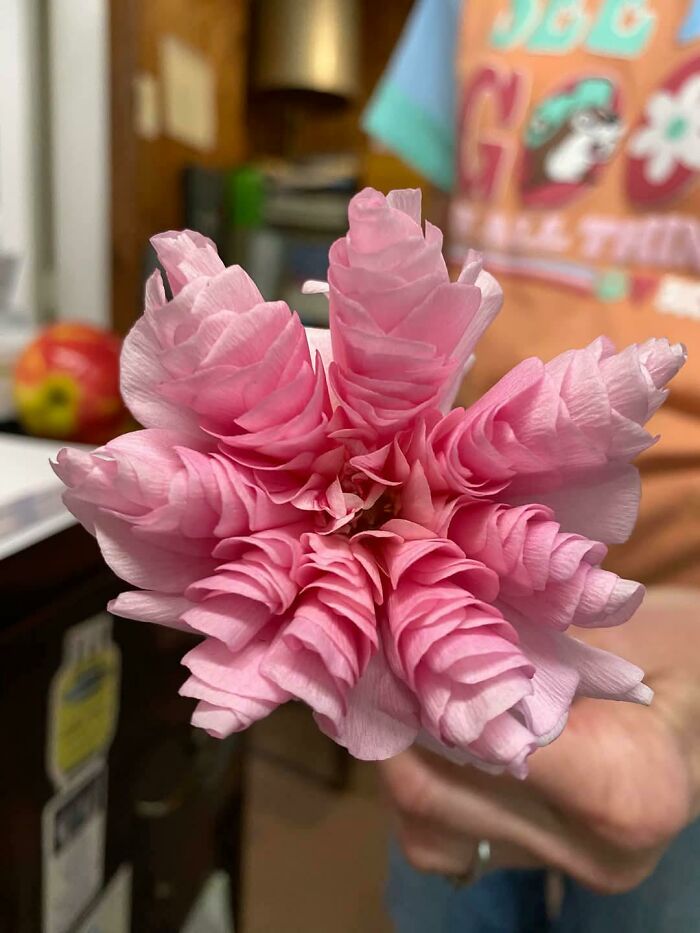
It’s not always bad news though. While it looks super wild, fasciation is usually harmless and just makes plants look like they belong in a freak show, not a garden. Plus, it rarely spreads, so your other plants can chill without worrying.
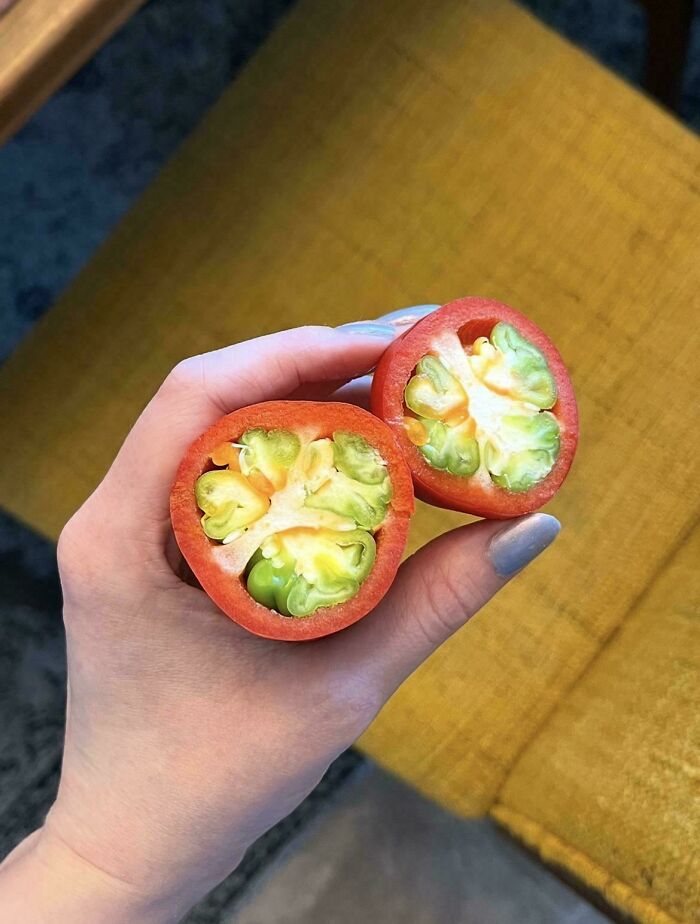
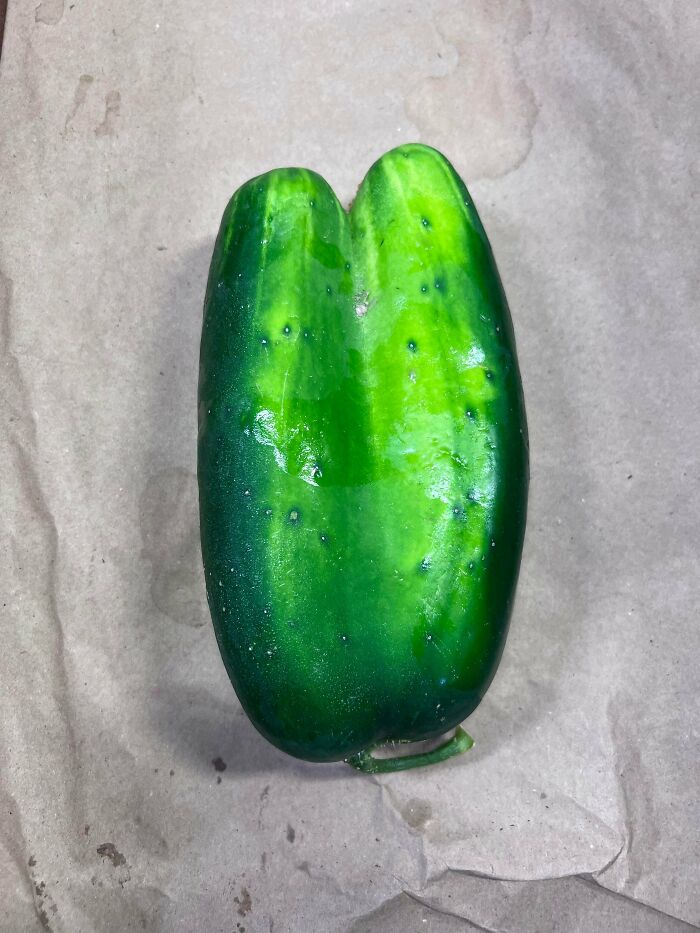
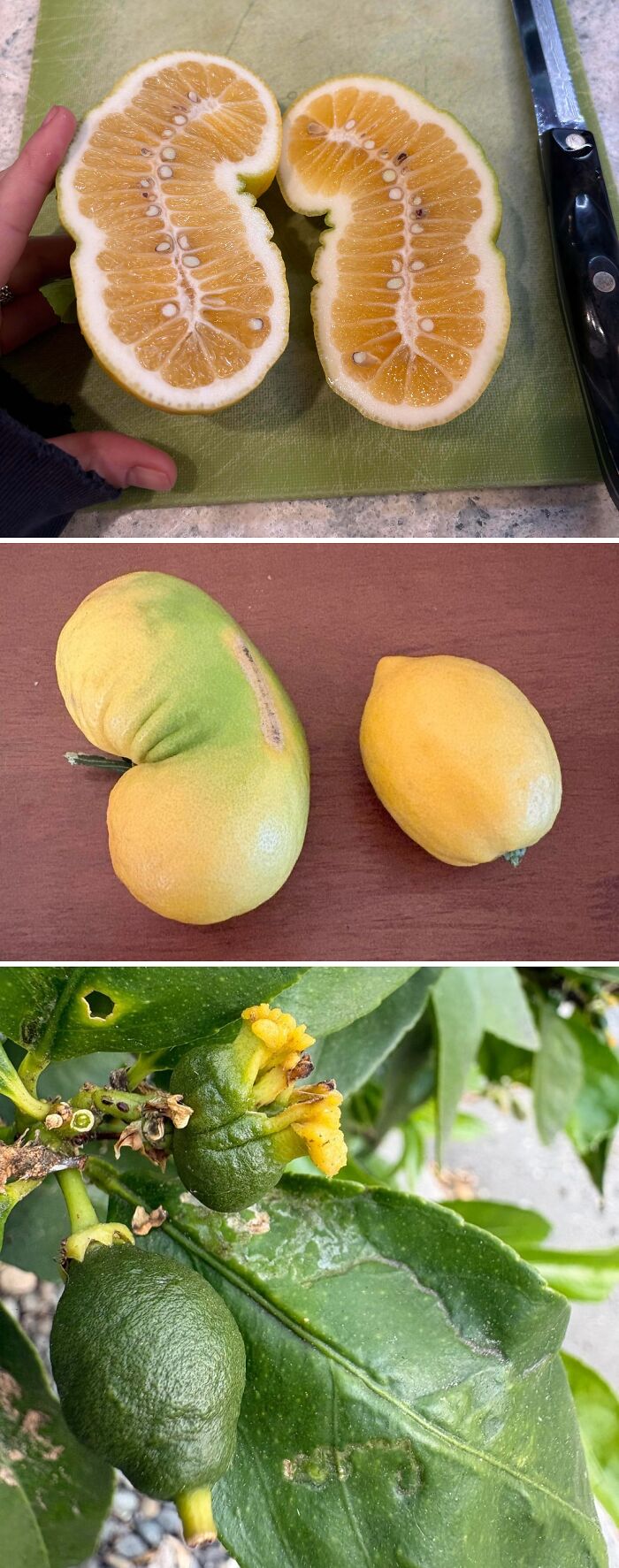
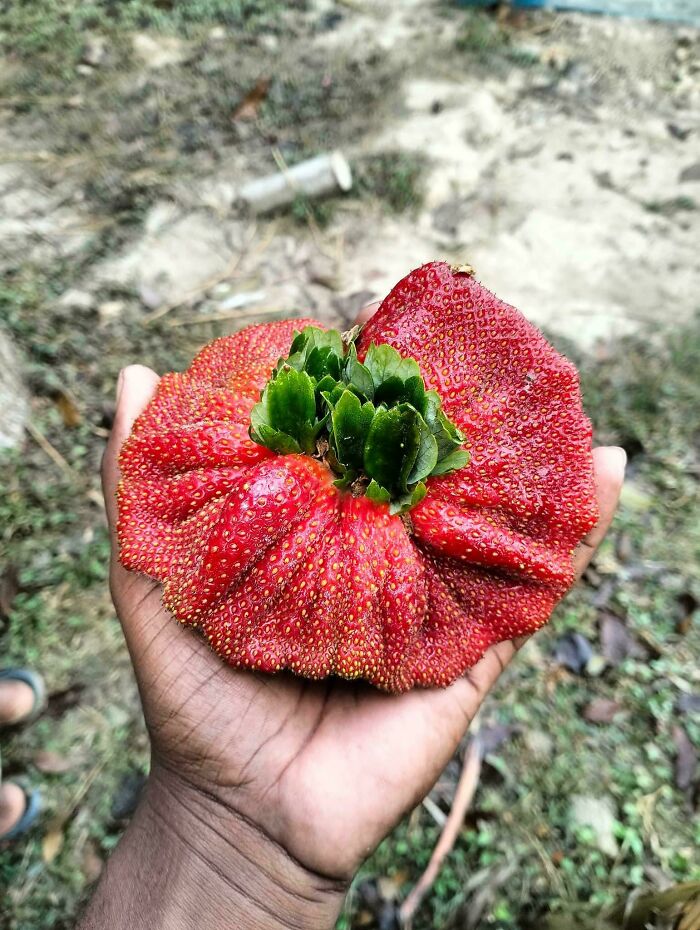
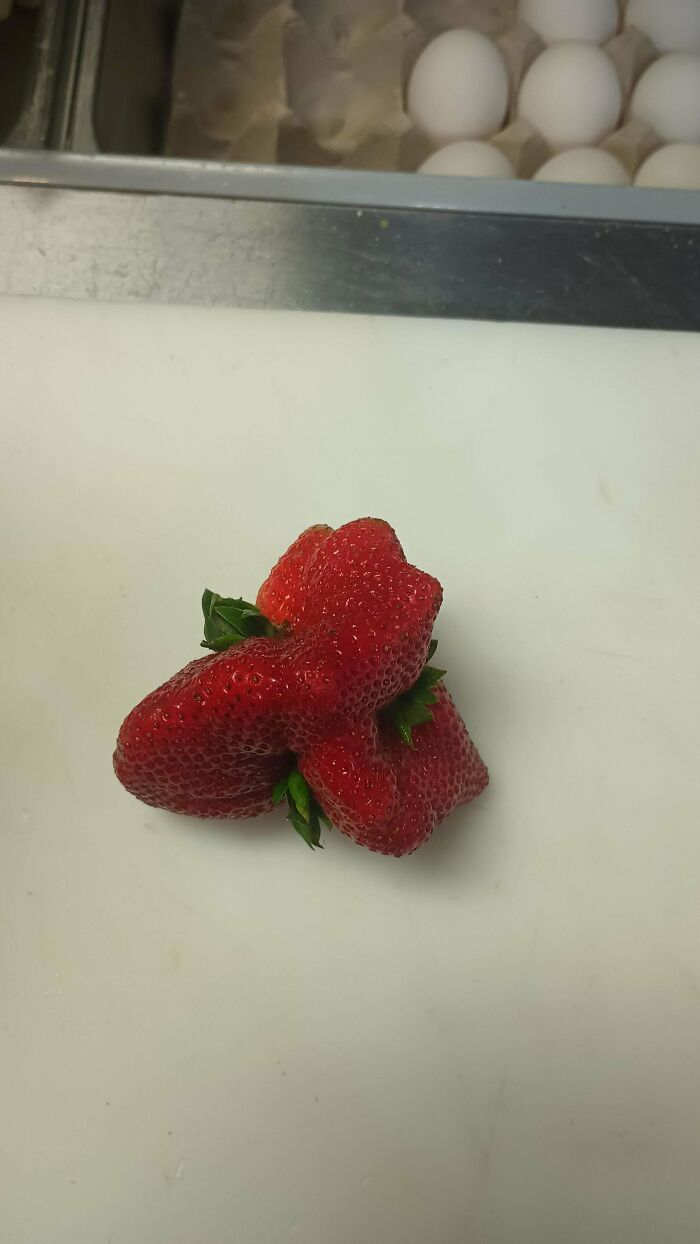
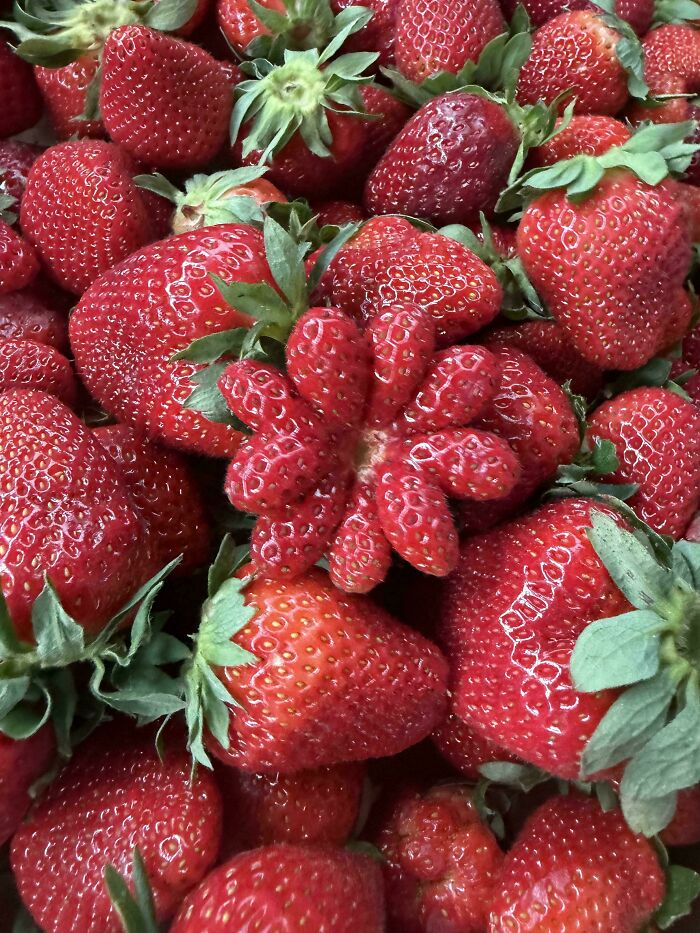
Fun fact: cacti, daisies, roses, and some other plants are the most likely to throw these fasciation curveballs. Some gardeners even love it, since it turns their ordinary tomatoes and strawberries into giant, fused funky fruits.
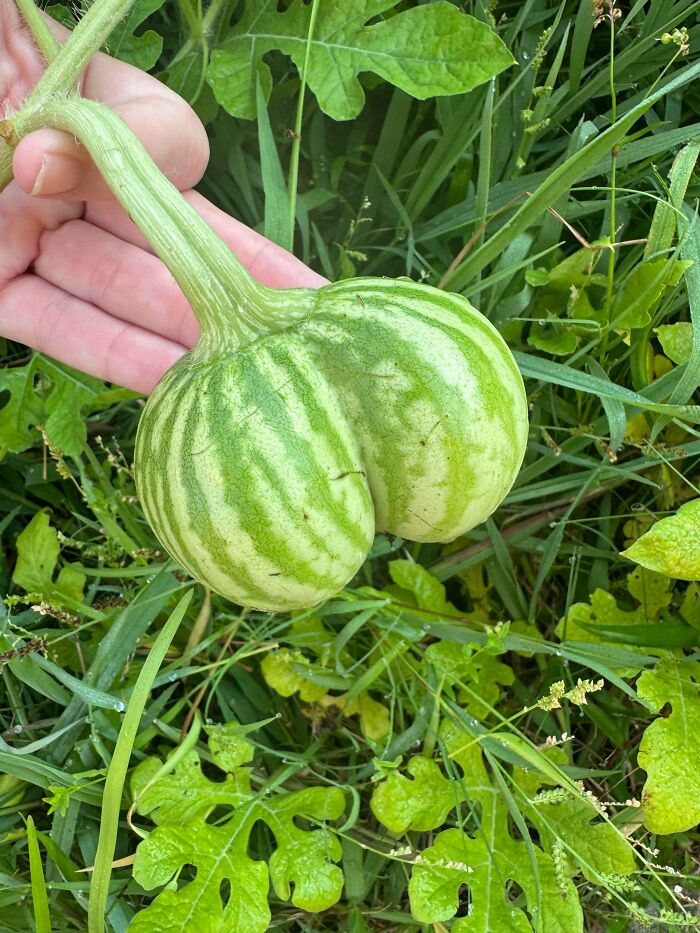















































46
0