
 then open in external browser


 and click "Open in External Browser"
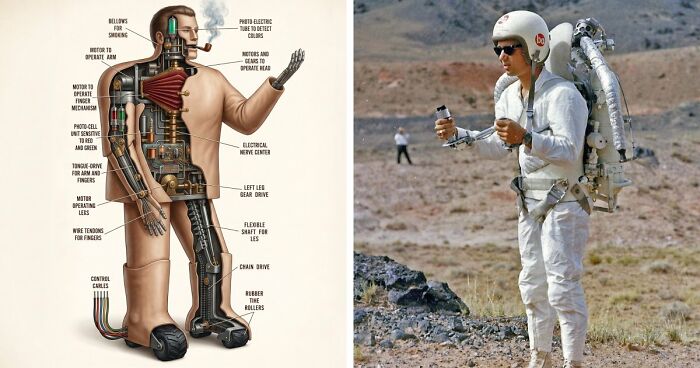
15 Futuristic Tech Promises That Still Haven’t Landed (But Are Still Awesome)
Hey! Ready for a quick trip through some wild tech dreams that were supposed to be “here by now”? Let’s dive into the coolest future gadgets and gizmos that experts confidently hyped… but that, well, didn’t exactly pan out (yet!).
This post may include affiliate links.
Hoverboards That Don’t Hover (Yet)
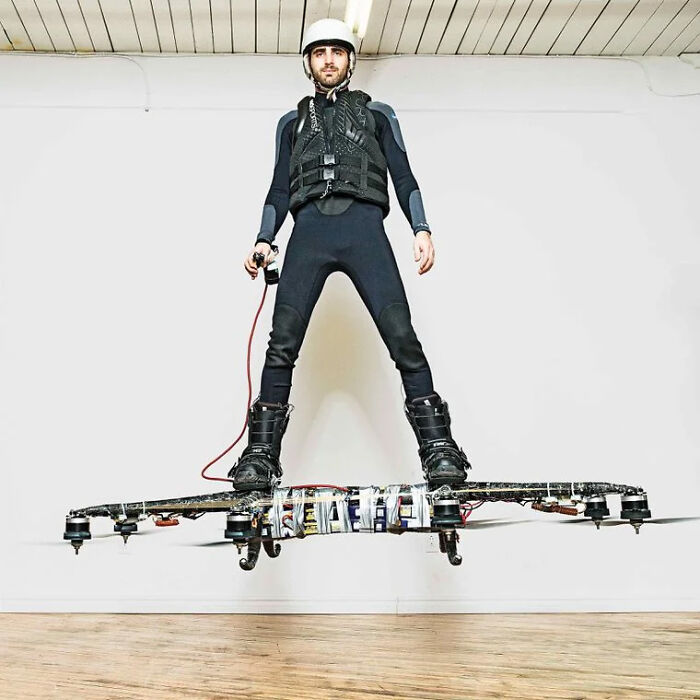
Remember when hoverboards were supposed to have us floating above the ground like magic carpets? Total sci-fi vibes from the '80s and '90s!
The US army even toyed with hover platforms back in the '50s, trying to make the ultimate flying carpet. But turns out, floating takes a TON of energy.
So, instead, we got self-balancing boards that roll, not hover - still fun, just a tiny bit less wizardry.
Hoverboards didn’t vanish because of bad ideas; they just need a serious power boost to take off (literally).

Brain-to-Internet Mind Reading? Not Quite
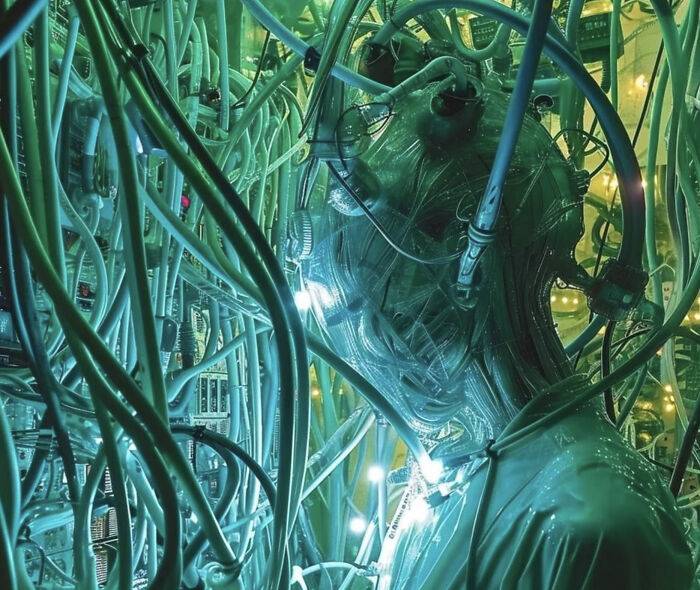
The dream: send thoughts straight to the internet without lifting a finger. Sounds like sci-fi gold!
Scientists since the '90s thought mind-browsing was just around the corner. There was even tech in the '80s that let brains control machines (with some side effects).
But real, safe, and easy brain-internet hookups are still stuck in challenges city - noisy signals, risky surgeries, and ethical puzzles.
So for now, typing with your hands still wins. Mind reading? Maybe in another couple of decades.
Robot Helpers That Left Dishes Dirty
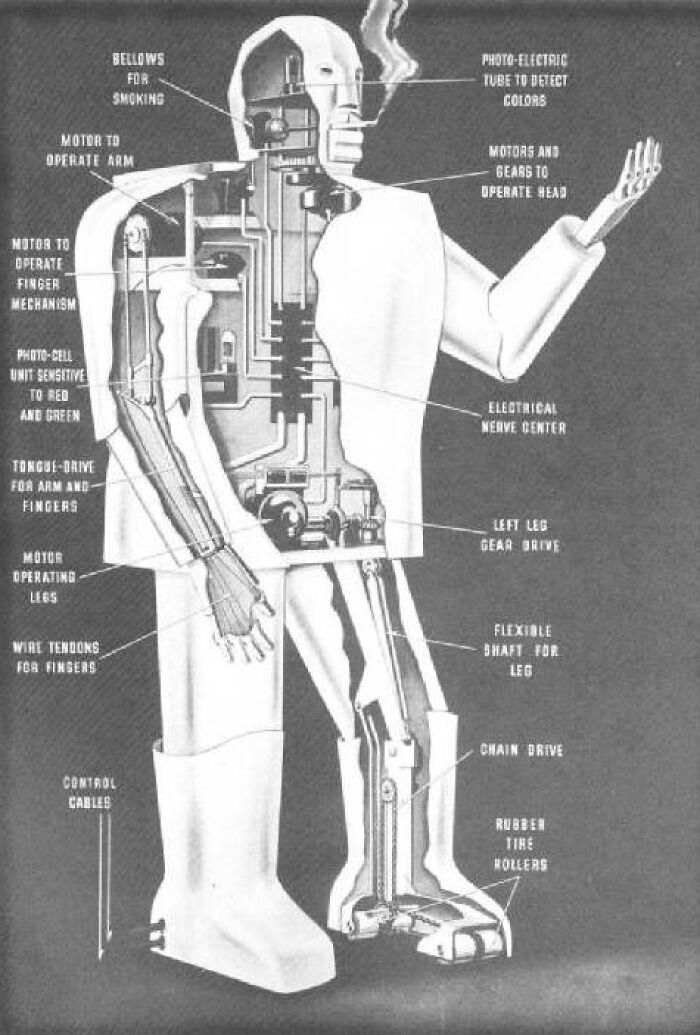
Robots were supposed to take over chores decades ago. Instead, we’re mostly stuck with robot vacuums politely bumping into furniture.
From the 1950s to the ’90s, experts promised house-cleaning robots everywhere. Early bots could fetch stuff or fold towels but only in labs.
Today, gadgets like robotic mowers and vacuums help, but they can’t fully replace your nagging spouse.
So, the robot butlers of 2001 still feel like something from a dream... for now.
Space Cities — Still in the Drawing Board
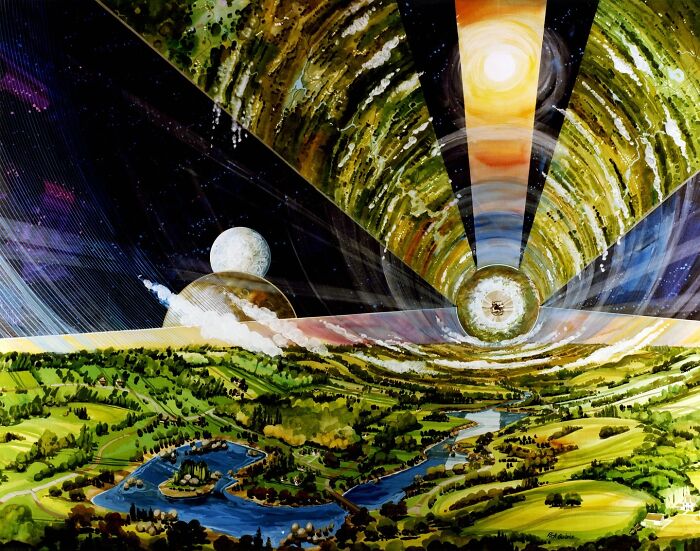
Back in the '70s, artists and scientists pictured giant space colonies with thousands living in orbit like sci-fi flicks.
NASA even backed designs for huge habitats housing 10,000 people. Sounds epic, right?
What we got instead: space stations. Cool, but cramped and temporary.
Rocket rides are still pricey, and the political will is kinda meh. So, big space cities remain a dream for future billionaires.
Anti-Gravity: The Ultimate No-Show
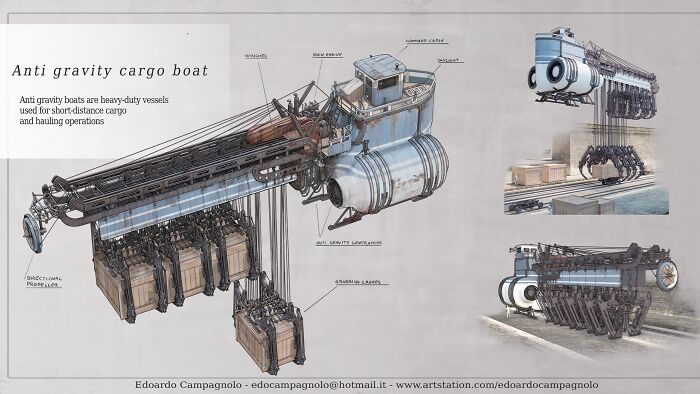
The idea that we could flip gravity off like a switch was all the rage mid-century.
Inventors played with electric fields that might ‘lighten’ gravity’s pull, spurring wild headlines and even conspiracy rumors.
But after decades, no one’s made true anti-gravity devices - just fancy magnets and neat lift demos.
Gravity’s a stubborn party pooper, and it looks like it’s here to stay.
Flying Cars: Still Grounded
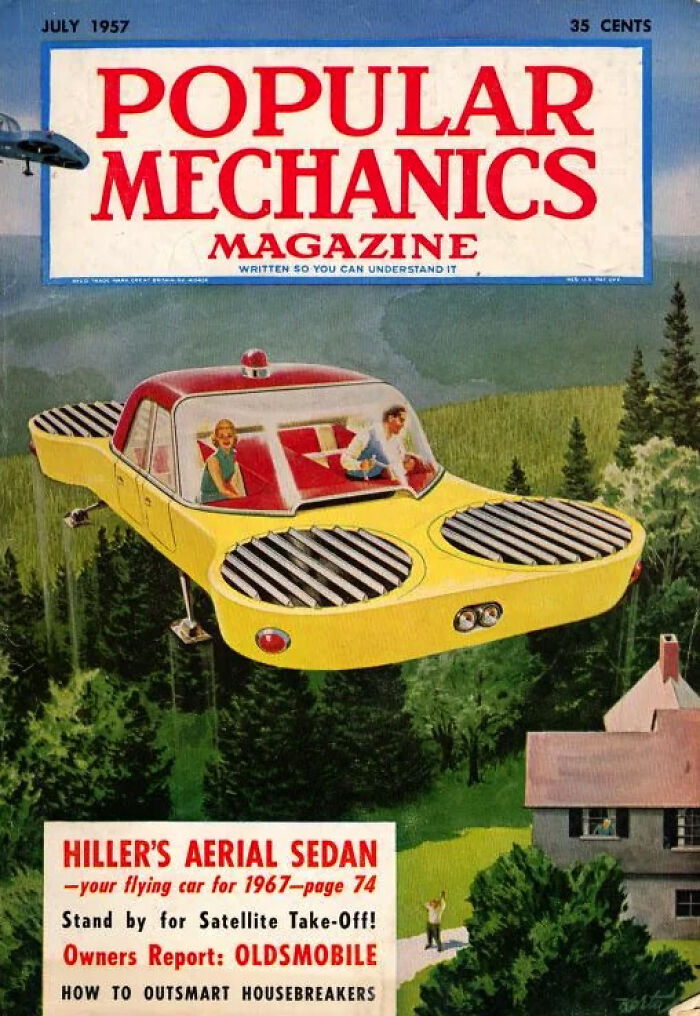
Everyone imagined we’d all be zipping around in flying cars by now, beating traffic jams with style.
The ‘60s promised shiny flying machines for daily commutes, with fanfare and all.
Prototypes popped up, but huge energy demands, tricky airspace rules, and safety hurdles kept flying cars earthbound.
Instead of skies full of zooming cars, we got traffic jams and regular old engines. The dream’s alive, but still taxiing.
Hyperloop Hype That Got Held Up
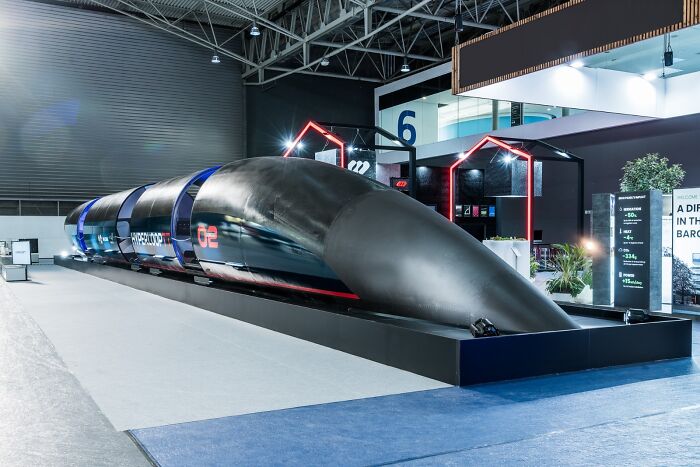
Hyperloop’s promise? Zoom between cities faster than a sneeze - almost like teleportation on rails.
Though Elon Musk made it famous in 2013, the concept dates back to the '60s with hovertrain ideas that were scrapped.
Test pods exist, but turning them into full routes is crazy expensive and tricky.
Plus, dealing with safety and stealing land for tracks is no easy ride - so hyperloop’s fast track is a bumpy one.
Underwater Cities: Too Deep for Now
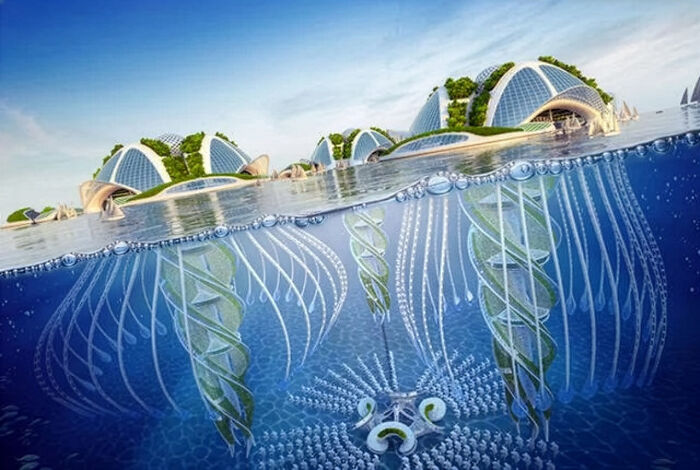
Building cities under the sea sounded adventurous back in the '50s and '60s, inspired by Jules Verne and space-age dreams.
Scientists even tested living underwater for a week, and Cousteau’s crew tried experimental ocean habitats.
But crushing pressure, rust, and darkness made undersea cities more nightmare than dream.
So the ocean stays mostly empty, at least for neighborhoods and supermarkets.
Jetpacks: Fun for a Few Seconds, Not Your Commute
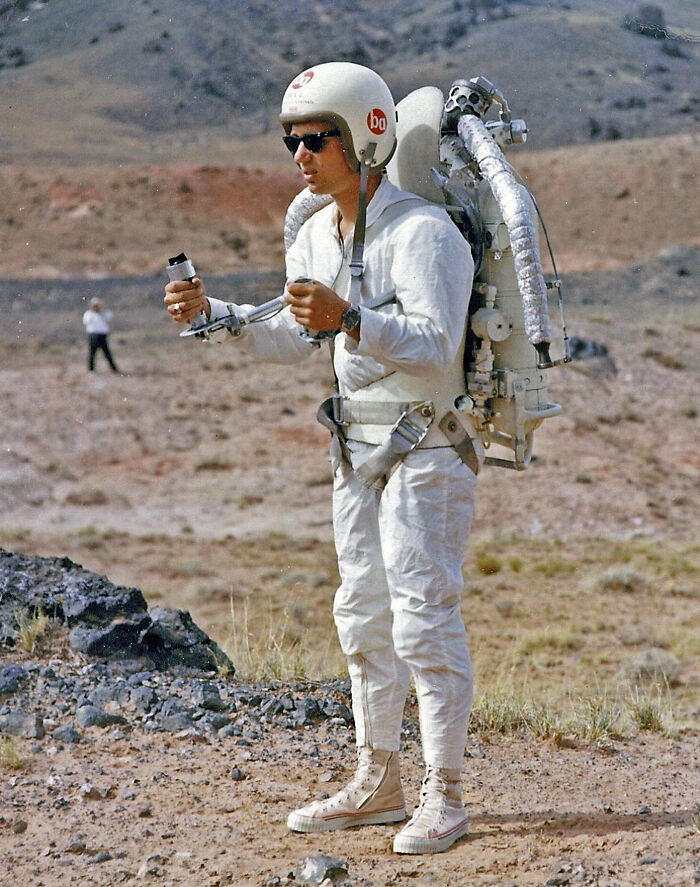
Jetpacks were the golden ticket to beating traffic, with engineers predicting personal flying backpacks by the '60s.
The Bell Rocket Belt wowed crowds in the '50s, but only lasted about 20 seconds of fuel.
Modern jetpacks exist, but short flights, pricey fuel, and safety rules keep them stunt toys rather than daily rides.
So for now, jetpacks are mostly stuntman gear - maybe one day, your commute.
Weather Control? Mother Nature Says Nope
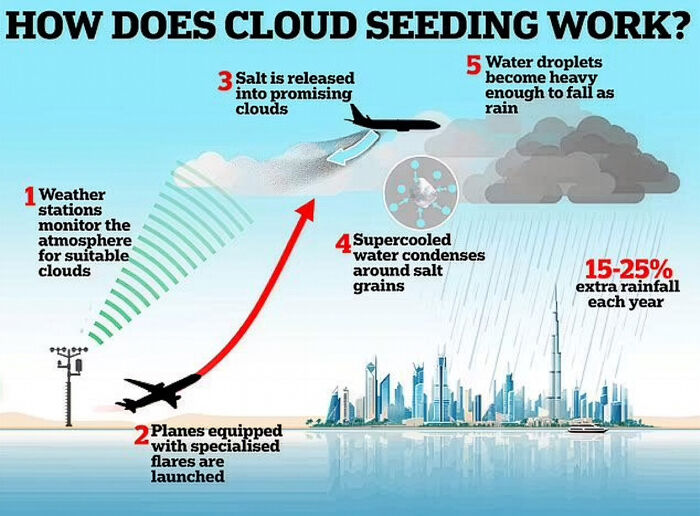
Mid-20th-century scientists dreamt of controlling storms and making rain on demand.
Cloud seeding was a thing, but some attempts, like Operation Cumulus in the UK, went wildly wrong - triggering mega-floods.
Trying to boss around the weather is tricky and risky, with results that are mostly hit-or-miss.
So Mother Nature still calls the shots, and we’re mostly along for the wet or dry ride.
Artificial Super-Smart AI? Not Quite There
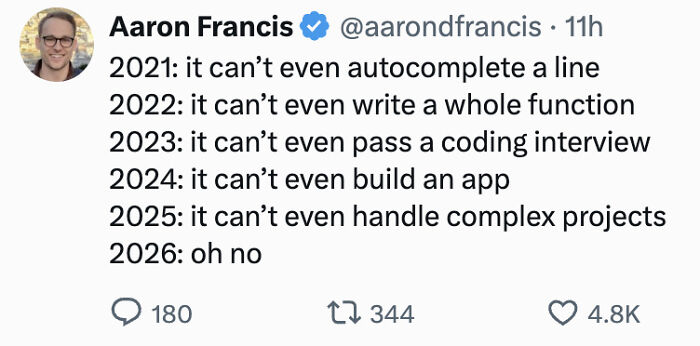
Experts long predicted super-smart AI that could think just like humans by now.
Sure, we have clever bots that chat, translate, and play games, but they’re not quite brains in a box.
Real human-level smarts are a messy mix of context, feelings, and creativity - still a tough nut for code to crack.
So AI is impressive, but it’s not quite ready to take over the world (or your job).
Universal Translators: Close, But Kinda Robotic
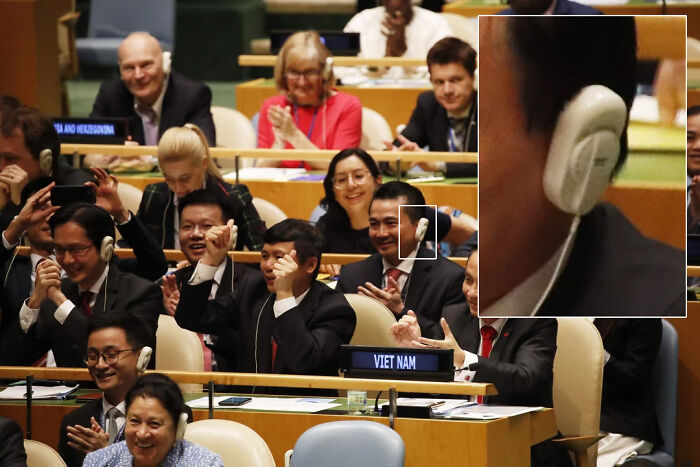
Real-time universal translators were supposed to smash language barriers by now.
Early gadgets in the '70s laid the groundwork, and companies dreamed of flawless earpieces.
Today’s translators are handy, but slip up on jokes, slang, and cultural quirks.
So chatting with someone who speaks a different language still feels a bit like talking through a robot.




Freezing People Until Future Magic Fixes Everything? Nope
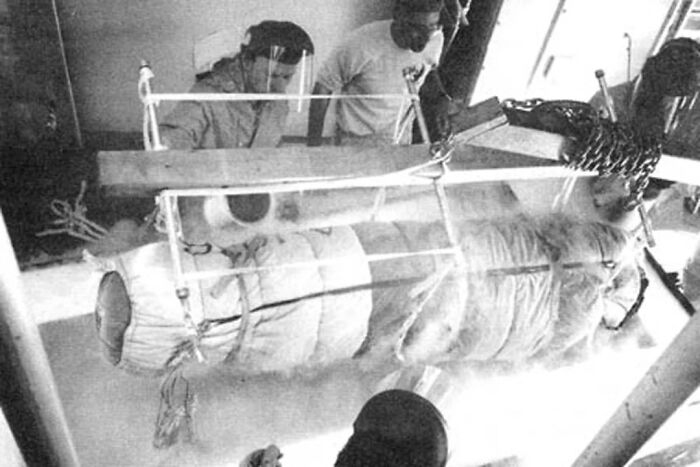
Remember the idea: freeze yourself now, wake up when science is way better?
Scientists tried freezing people legally dead starting in the ’60s, hoping future tech would bring them back.
But no one’s come back to life yet. The human body is way too complex, and ice crystals are NOT friends.
So cryogenics is more like sci-fi hope than real-life solution… at least for now.
Wearable VR That’s Still Too Clunky
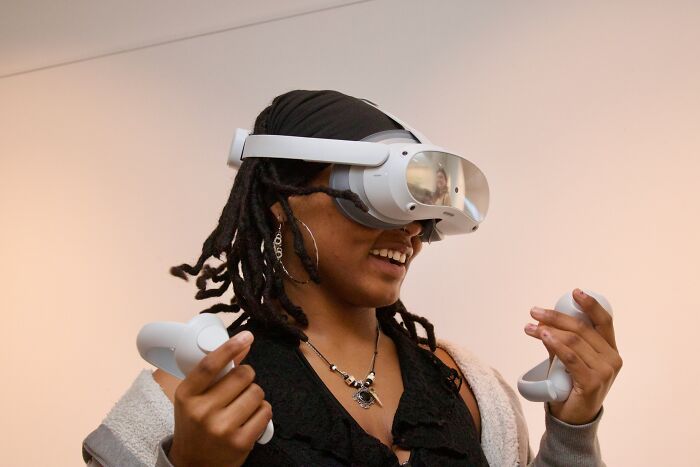
Smart glasses and wearable VR were supposed to be your 24/7 portals to cool virtual worlds.
It started in the '90s, with big dreams and the birth of Bluetooth.
Prototypes showed up, but devices were bulky, weird-looking, and drained batteries fast.
They excel at gaming and training, but rocking them for errands or work? Not so much yet.
Personal Cloning Services? More Like Science Nope
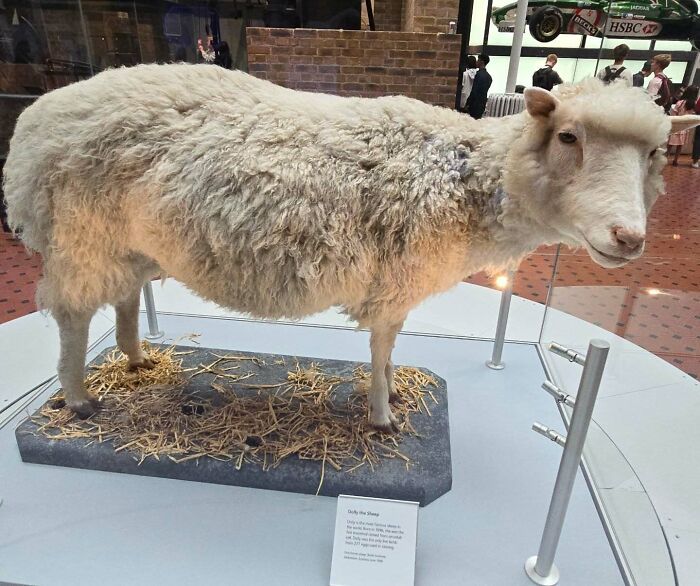
After Dolly the Sheep’s clone debut in ’96, everyone thought human cloning services were next.
Some scientists buzzed about it becoming doable, but laws and ethical drama crashed the party.
Cloning advanced in labs and farms, but cloning yourself is still not a thing.
So, for now, you’re stuck being one-of-a-kind.
These grand tech dreams didn’t fail because people lacked imagination. Nope, it’s just that turning mind-blowing ideas into everyday gadgets is way harder than it looks.
Some of these could still arrive someday, just fashionably late. Others? They might stay in the “wouldn’t-that-be-cool” category forever.
Either way, they’ve shaped how we think about the future - and that’s pretty awesome too.


34
0