
 then open in external browser


 and click "Open in External Browser"
Alright, buckle up! We're diving into a world where history tales you thought were legit are actually bonkers myths. Some are weird, some are wild, and a bunch are just plain wrong. Let’s jump right into these fun “Wait, that can’t be true” moments!
This post may include affiliate links.

Women weren’t just sitting around waiting for WW2 to ‘join’ the workforce. Nope, they were hustling way before that—in farms, factories, and loads of jobs like sewing, clerking, and even being telephone operators. So next time someone says women only started working during wars, you can politely shake your head.

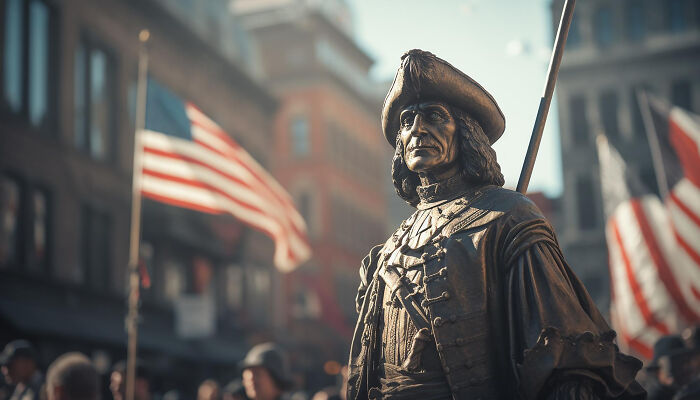
Columbus landing in the Caribbean in 1492 didn’t mean he discovered America—because people were already living there. Plus, Vikings hit the scene way earlier. So yeah, hats off to Columbus for the trip, but 'discoverer' isn’t quite right.
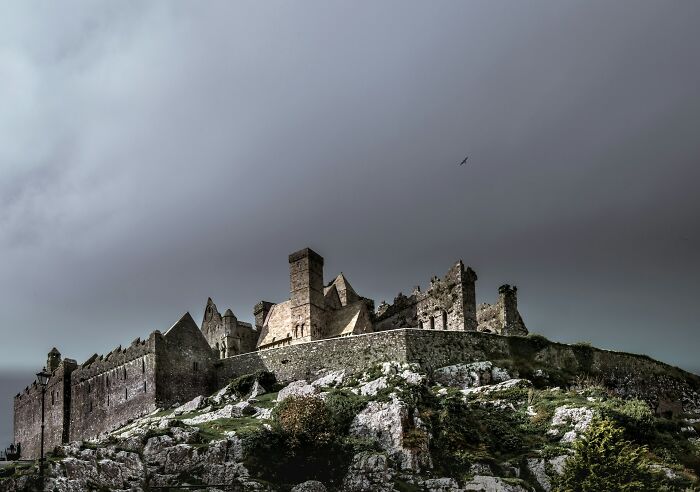
Heard that folks in the Middle Ages lived barely past 30? Not quite. High baby death rates may have dragged the average down, but if you made it to adulthood, you could expect to live into your 50s or even more. Medieval grandpas were a thing!
Napoleon was supposed to be tiny, right? Naw! He was actually around 5'7", taller than the average French dude back then. Where’d this myth come from? Brits poking fun, unit mix-ups, and his troop nickname that wasn’t about his size but was just a term of endearment. Plus, that “Napoleon Complex” thing? Named after a guy who was NOT short. Talk about irony!
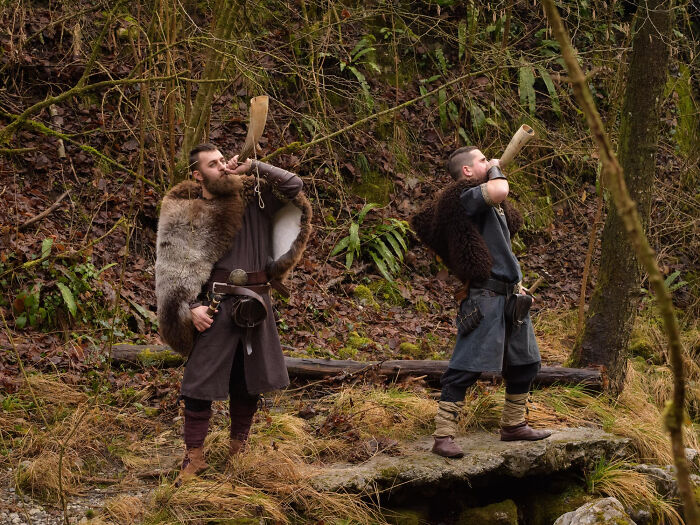
Viking style = not black nail polish, tattoos, or shaved sides. That image? Straight from TV and movie props departments who got lazy. Real Vikings were way more practical with their looks.
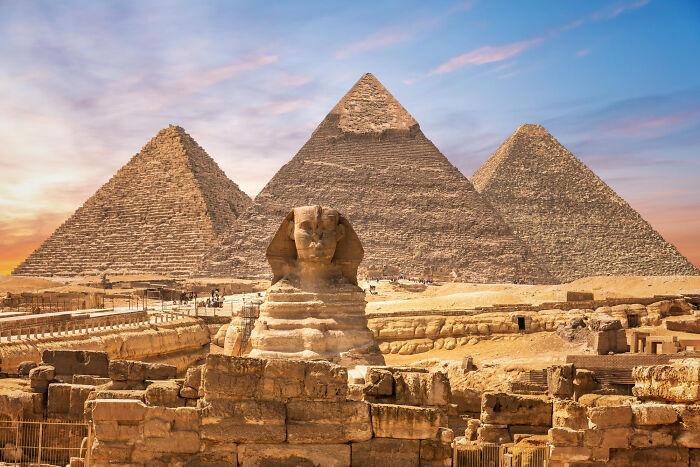
Forget slaves dragging stones—King Khufu hired skilled architects, builders, and craftsmen. Many even got their own burial spot near the pyramid. So yeah, brain and brawn all the way.
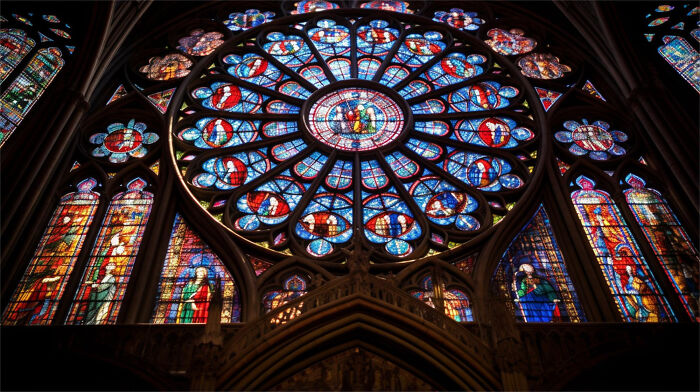
Those thick-bottom cathedral windows? It’s not glass slowly flowing downward over centuries. The uneven thickness comes from the way glass was made back then. People just put the thick part at the bottom so it didn’t wobble, not because glass is a lazy liquid.
Everyone knows Mother Teresa as a saintly angel. But hold up - there’s more to the story. Critics point out her missions weren’t always sunshine and roses, and some of her stances were pretty controversial, like dodging proper medical care and getting cozy with some shady characters. It’s complicated; she did good but wasn’t perfect.
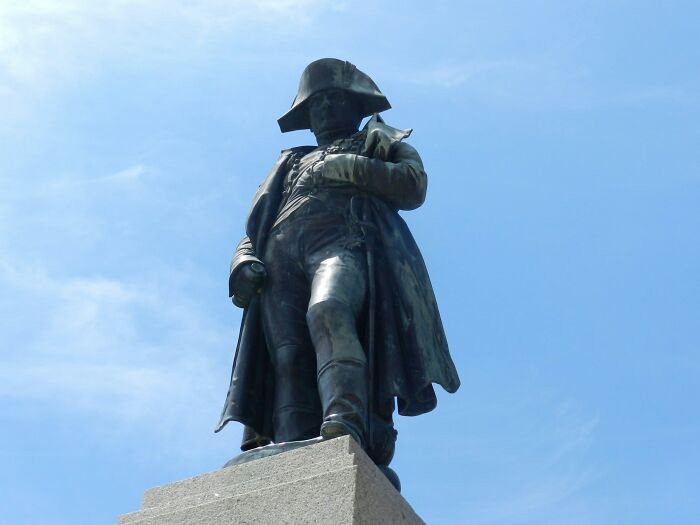
Yep, Napoleon Bonaparte wasn’t some pocket-sized tyrant. At 5’7", he actually towered over many of his French guys. So next time someone jokes about his height, you can surprise them with the truth.
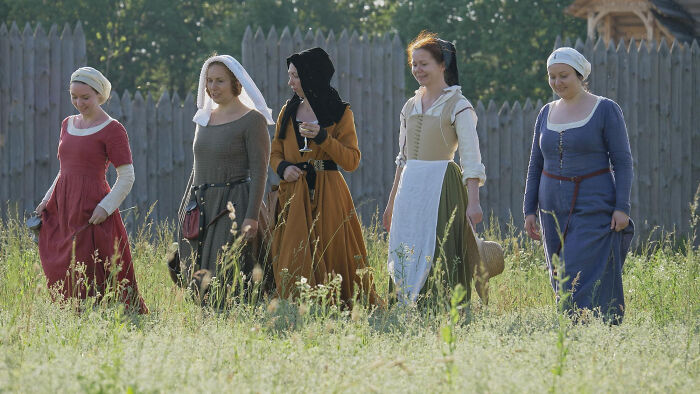
Forget the idea of medieval people wandering around in dull browns and blacks. They rocked bright colors! Sure, some combos would be considered gaudy today—but hey, they had no problem standing out at the medieval party.
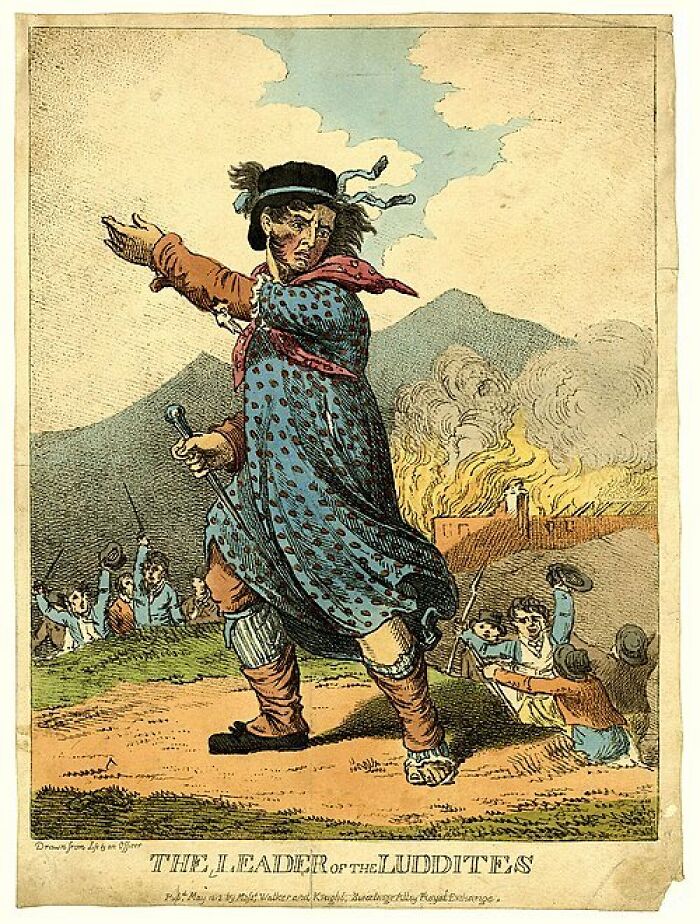
People say Luddites were anti-technology. Nah, they just hated machines that took their jobs. Totally different vibe!
“Let them eat cake,” said Marie Antoinette? Nope! The famous line wasn’t hers, and back then, she was just a kid in Austria. It was actually an old story about another princess completely unrelated to her. But hey, it’s a juicy tale that stuck around.
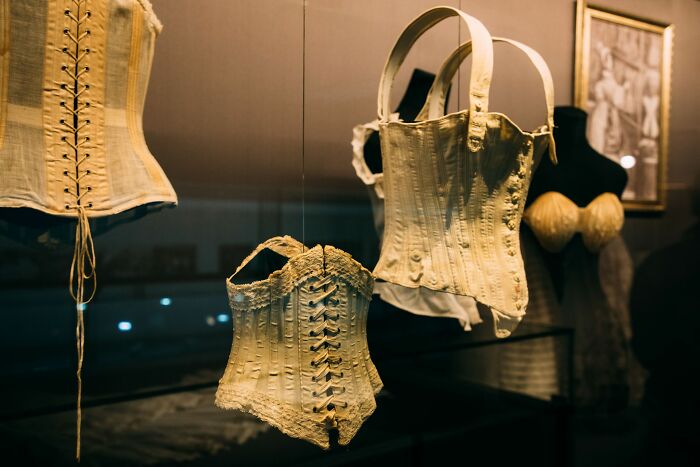
Corsets didn’t squeeze women into invisibility or choke them to death. They actually helped support backs and evenly spread the weight of clothing. Tight-lacing? More like a fashion fad few dared to try. Plus, guys sometimes rocked corsets too!

Sir Isaac Newton didn’t get bonked by an apple. He saw apples fall and started wondering why gravity made them drop straight down. That’s the whole story, no head hits involved.
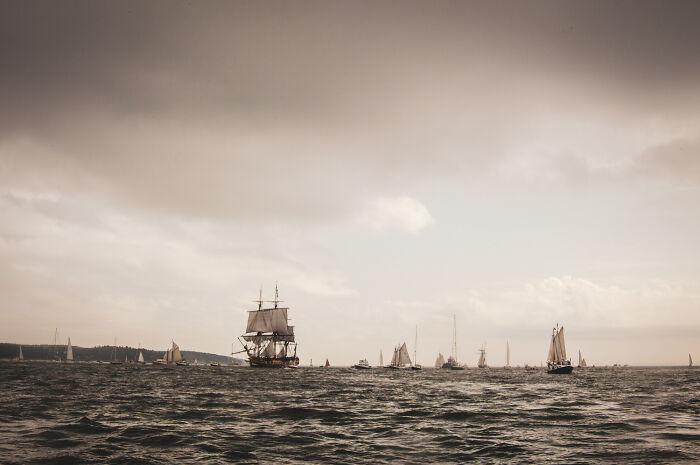
The pilgrims came from the Netherlands where they enjoyed religious freedom! They left because they didn’t want to fit in with Dutch society, not because they were escaping persecution. Once in the New World, they set up strict religious rules of their own.
The Mandela Effect sounds spooky: tons of people sharing the same wrong memory. Like how many were convinced Nelson Mandela died in prison? He didn’t! He got out, became president, and lived a pretty public life. So, no, no alternate universe needed.
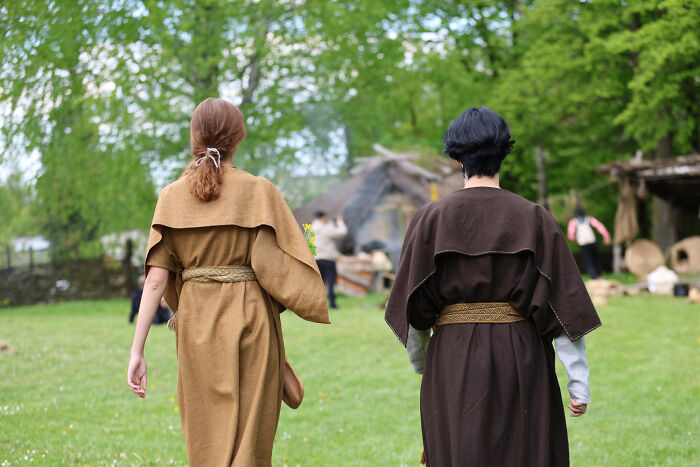
Medieval Europe loved bright colors and awesome parties. They definitely weren’t all strict and brooding like some think. No dull Cromwellian vibes here.

If you could afford spices back then, guess what? You could also afford fresh meat! So the idea that spices were to cover up bad food? Not true.
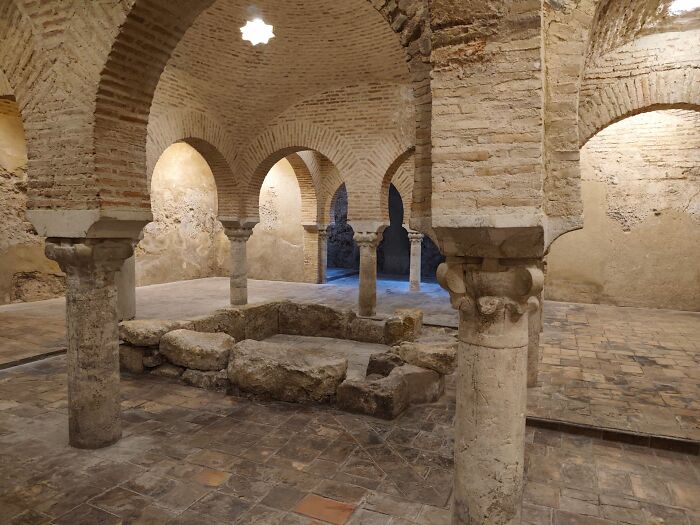
People weren’t gross in medieval times. Bathhouses were everywhere and popular! The idea that everyone stunk is mostly from later disease fears that shut baths down. Medieval folks would be offended.
Columbus discovered America? Nope, no way. People had lived there for thousands of years already, not to mention the Vikings popped in centuries earlier. Calling Columbus a ‘discoverer’ is kinda like forgetting everyone else was there first!
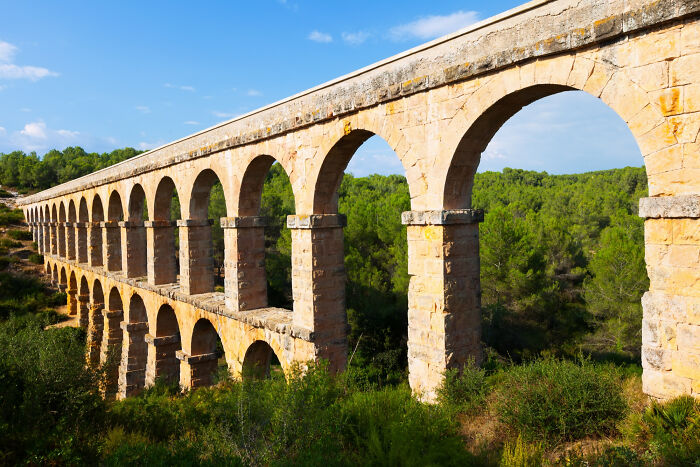
Yeah, some think the Early Middle Ages was a tech black hole. Nope! They were busy masterminding cathedrals and keeping Roman knowledge alive.
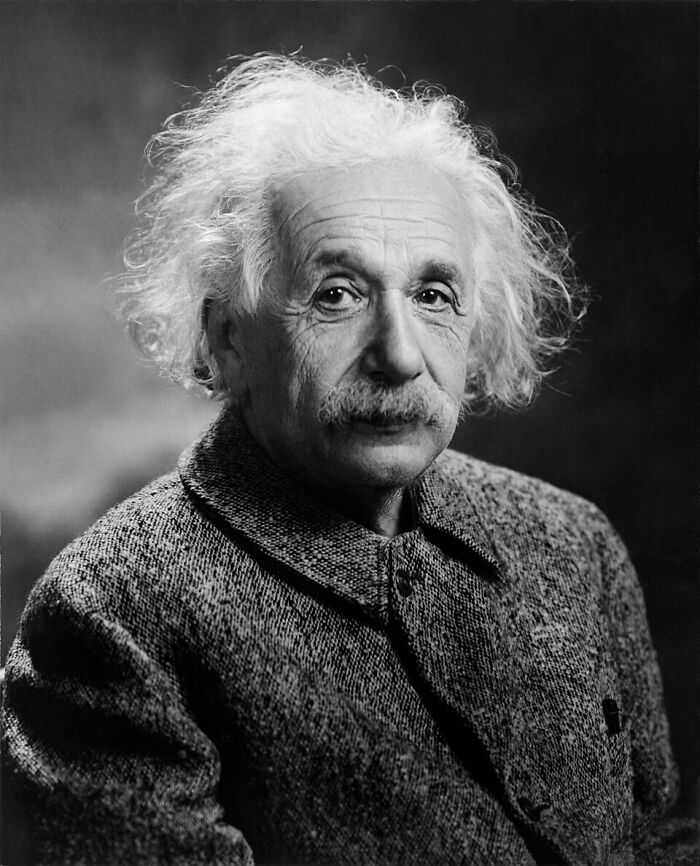
Forget the myth of lazy Einstein. He was a total star in school. The story got twisted because of grading quirks and him disliking boring learning styles.
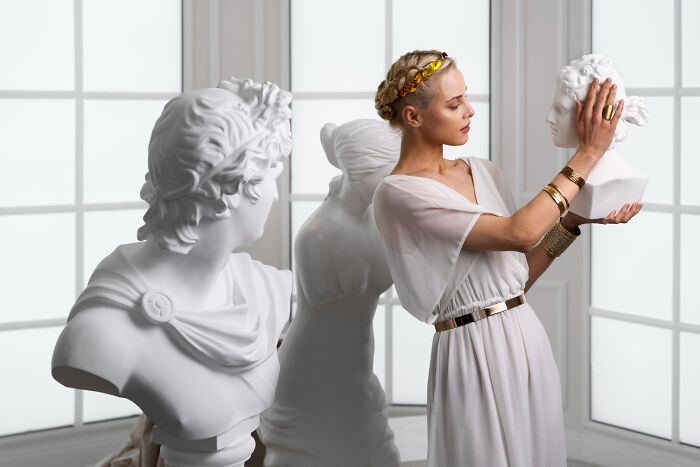
Those pure white Greek and Roman statues? They were actually flashy with paint! Houses had colorful walls and ceilings too. So white wasn't their jam.
George Washington had wooden teeth, right? Actually, no. His dentures were a mix of human teeth, animal ivory, and metal. Wooden teeth would’ve turned into a soggy mess, so nah, this one's just a persistent myth.
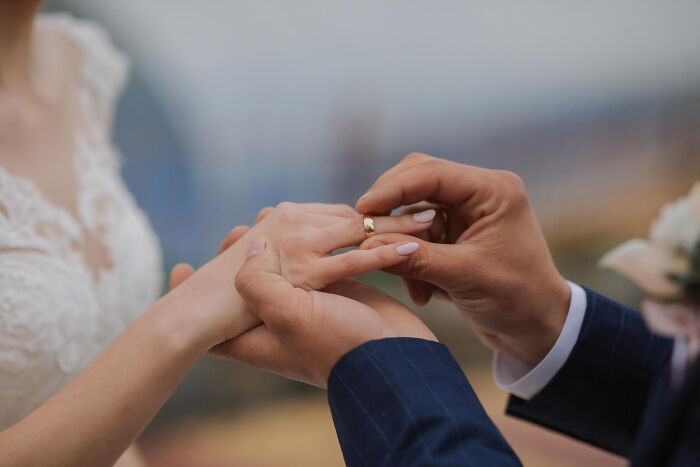
Sure, some upper-class kiddos tied the knot in their teens, but most peasants and tradespeople waited until their mid-20s or later. Good trade skills took time, and nobody married off their daughter to an uncertain future.

Yep, humans had the round Earth figured out since ancient times. The Renaissance didn’t suddenly unwrap the truth.
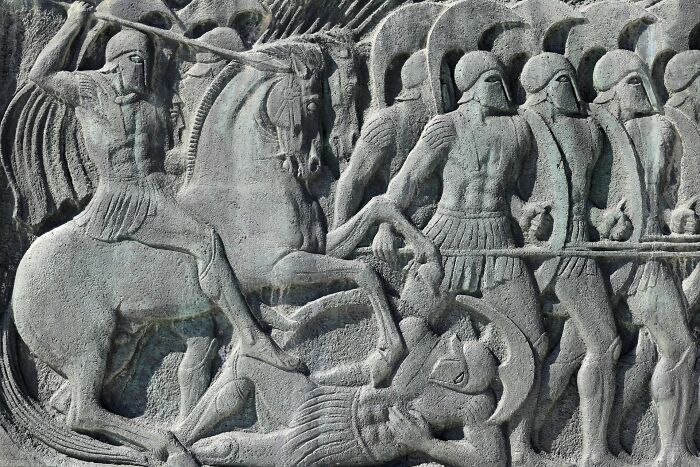
Forget the ‘civilized Greeks vs savage Persians’ story. Persia was actually more advanced and modern than Greece at the time. Also, lots of Greeks were split over who to support—talk about messy politics!
Vikings with horned helmets? Thanks, Hollywood... but real Viking helmets had no horns. Those fancy horns came from 19th-century costume designers looking to spice up an opera. Combat-ready helmets with horns? Yeah, that’d be a terrible idea in a fight.
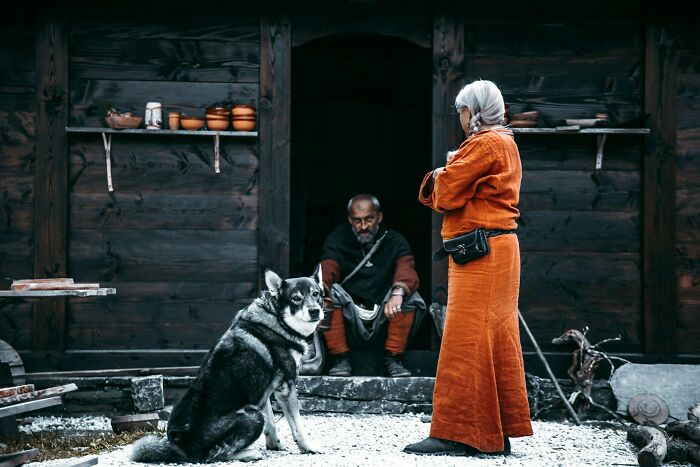
Vikings weren’t just axe-wielding bad guys. Most were chill farmers, craftsmen, or traders with huge networks reaching all the way from Baghdad to North America.

The idea that the Last Samurai refused muskets is wrong. They actually used them until they ran out of ammo and only then switched to swords. So yeah, Hollywood lied again.
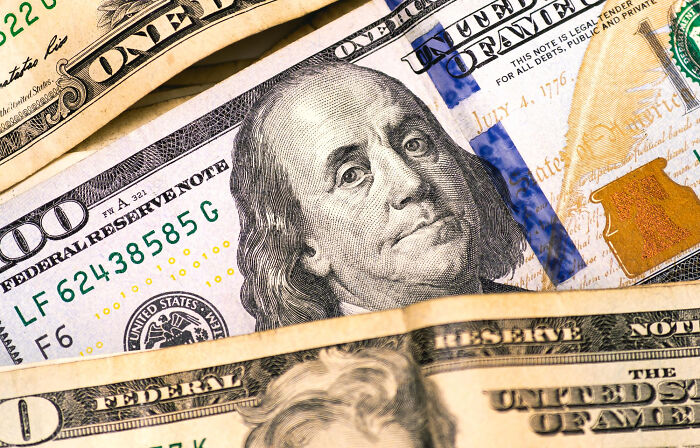
Lots of folks think Benjamin Franklin invented electricity. Nope. He did kite-and-key experiments, but electricity as a force was already a thing scientists were poking at.
That classic old-school world map making Greenland look huge? Turns out, it’s not accurate at all! Africa is like 14 times bigger. Good news: we’re moving on to better maps now that show the world like it really is.

Native Americans didn’t have horses before the Spanish. Romans ditched chariots before 400 BC. Horses on battlefields before 1300 BC? Rare! And horseback riding before 2500 BC? Almost unheard of.
Blaming Christianity for Rome’s fall? Not true. Rome's decline is way more complicated than that one tidy explanation.
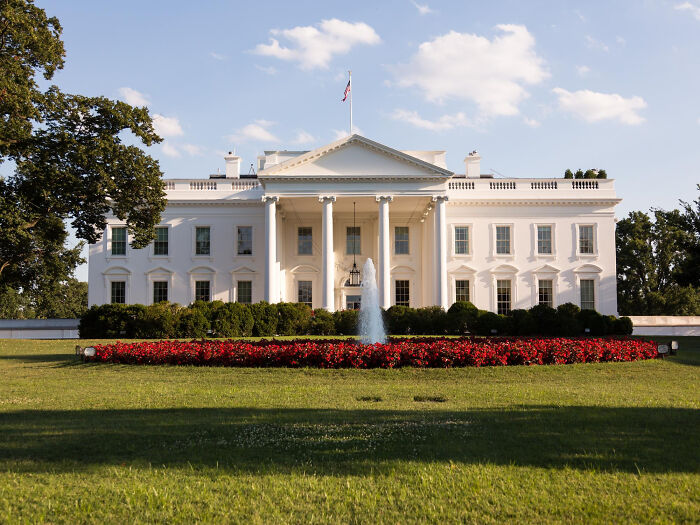
Lots of folks say Canadians torched the White House in 1812. Actually, the British troops who did it were stationed in Bermuda, not Canada. Canadians didn’t march south to DC.

They didn’t just have boring spices imported. Medieval kitchens had tons of herbs and even spicy things like horseradish to keep meals tasty and exciting.
History isn’t some rock-solid fact vault; it’s more like a game of telephone with everyone adding their spin. Many ‘facts’ served a purpose at some point, like propaganda or just a great story too good to fix. So next time, remember to take those tidbits with a big grain of salt (or a slice of cake!).
No solid proof! The phrase was linked to another 'great princess' when Marie Antoinette was just a kid. It’s a catchphrase that stuck unfairly to her name.
The Mayan calendar didn’t end or predict doom in 2012; it just moved into a new cycle. And no, there was no mysterious Maya empire vanishing—they’re still here with millions of people.
Forget the wild claims about it standing for some king’s consent. ‘F**k’ comes from old Germanic words meaning, well, to get busy. Way less scandalous than legends say.

Germany wanted more territory in Europe and some colonies, but not the whole globe. Just your usual 19th-century imperial stuff, no sci-fi world conquest plans.

You might’ve heard that empires last about 250 years before collapsing. It’s just a made-up number that gained traction, probably because the USA hit 250 years recently.
It’s wild how many think child labour was everywhere but women were just housewives. Nope! Women have been out there grinding forever.
George HW Bush wasn’t blown away by grocery scanners, just impressed that the new ones read damaged barcodes. Also, Al Gore didn't ‘invent’ the internet but did play a big role promoting it.

The so-called Great Emu War was just a bunch of guys with one truck, one machine gun, and not enough ammo trying to hunt birds. It wasn’t a war, it was a comedy of errors.




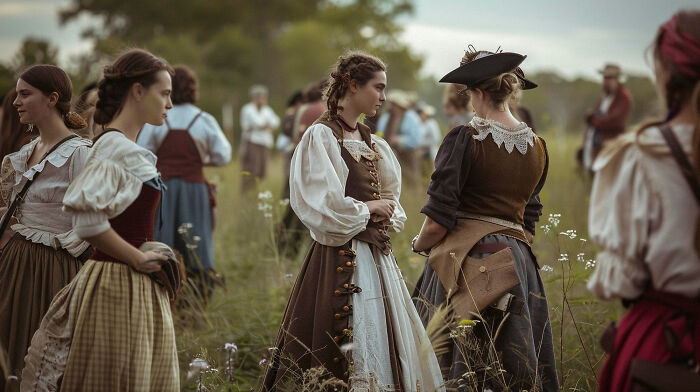
People love to think the Middle Ages were all dark, cruel, and nasty. But a lot of that comes from political propaganda and bad history research. Medieval folks had manners, manners that were sometimes satirized so badly that people took the jokes as facts!
Every single civilization had slaves at some point. Slavery’s not a 'white people problem,' it’s a human history problem.
People think Victorian times were all buttoned-up repression. Actually, lots of things were just not talked about openly. When you peek into letters and underground novels, it turns out they had a wild side too.
The famous claim that 8% of men are descended from Genghis Khan turns out to be based on a super old Y chromosome—way too old for just him to be the source.

Roman ‘vomitoriums’ weren’t rooms to barf in—they were just passageways in theaters or stadiums. The idea that Romans threw up after feasts is just a mix-up of words and imagination.
Alexander Bell beat Elisha Gray by two hours in the patent race, but the idea and early phones go back to many inventors, like Johann Philipp Reis. Bell just got the paperwork done first.
The idea that showing ankles was scandalous in Victorian times isn’t true. Plenty of fashion showed ankles without anyone batting an eye.
The Lusitania wasn’t just a passenger ship—it really had weapons onboard. So debates about its sinking include whether it was a legit military target.



White Europeans didn’t just storm African jungles capturing slaves. The trade had been going on for ages, including by African traders themselves—like an African woman known for it!
Horned helmets? No way. That came from opera costumes. In real battle, horns would be dumb—giving enemies something to grab onto!
Carrots helping eyesight was wartime propaganda to explain British pilot success. The real hero? Radar technology.
Some say Countess Bathory was innocent, but a lot of the 'proof' is from sources ignoring plenty of contemporaneous evidence. It’s still debated, but don’t buy innocence as fact yet.



The US winning the War of 1812 solely due to one battle and burning the White House is an oversimplification. The Brits had other victories, and Canada wasn’t conquered. It's a messy story, not a simple win-lose.
Some folks still believe the Titanic was switched with its sister ship the Olympic. It’s garbage—there’s tons of evidence against this stunt ever happening.
Legend says President Taft got stuck in a tub because he was so big. But there’s zero proof. It’s likely just a funny rumor.
Custer wasn’t a brave hero charging against all odds—he ignored better plans, charged a bigger, better-armed enemy, and got wiped out. His widow spun a heroic tale to cover that up.



The US helped tons with supplies in WWII, but the UK and USSR did a massive chunk of the fighting and turning tides. The US wasn’t single-handedly winning.
No, medieval folks weren’t just sipping ale nonstop — people did drink water, though where it was safe varied a lot.
The big panic over Orson Welles’ 1935 broadcast? Nah. Most people didn’t even hear it, they were tuned into something else, and the newspapers played it up to scare radio.
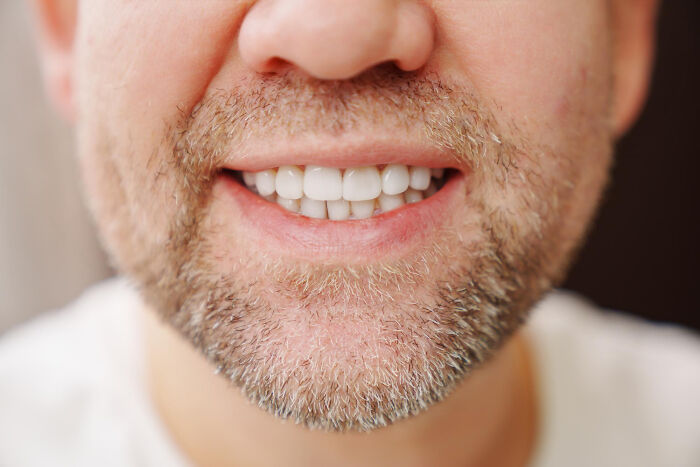
Washington’s dentures? Not wood, but human teeth pulled (probably from slaves), plus animal tusks and metal bits. Definitely a weird and uncomfortable combo.

People say Hoover spoke Mandarin fluently. Nope, he admitted he didn’t. His wife was actually the language whiz.
Those kamikaze pilots weren’t all flying one-way suicide missions—if they had issues or missed their targets, they could come back. Plus, carrying more fuel would just make bigger bang on impact, which they didn’t want.
Not every woman from 1300 to 1935 had a painful 16-inch waist corset choking her. While corsets were a thing, the ‘everyone looked like a squeezed sausage’ image is overblown.
Sparta produced strong soldiers and had a surprisingly progressive stance on women’s rights—they even claimed Spartan women made the warriors. Go figure!

The famous story of Julius Caesar torching the whole library is more story than fact. Writers at the time reported mixed damage, and the library kept going for centuries after.
The official story that Vietnam attacked US ships first? Total fabrication used to get the US involved in war. The attacks never really happened.
Soap is old school! Medieval Europeans loved it and cleaned themselves and their clothes with it. They weren’t dirty cavemen.
Mossadegh was a prime minister who lost power under complex circumstances, including internal Iranian moves. US/UK involvement didn’t single-handedly decide his fate.


36
0