
 then open in external browser


 and click "Open in External Browser"
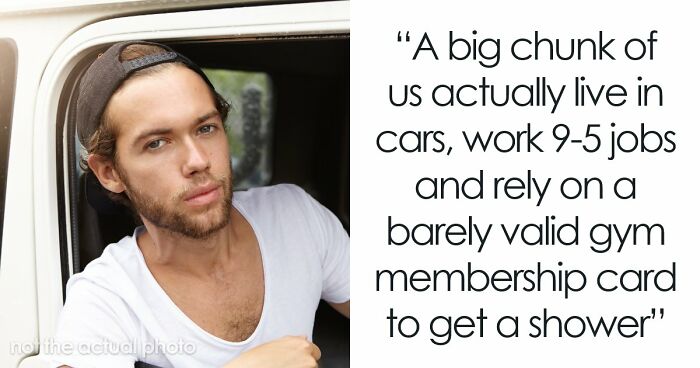
Ready for a real talk? Being homeless isn't just about not having a roof. It’s like juggling a million crazy problems at once - no fridge, no shower, no safe spot to stash your stuff. Grabbing a simple meal? Nightmare. And we’re just getting started.
We pulled a bunch of eye-opening stories straight from people who know - people who’ve been homeless or work with folks living that life. Spoiler: lots of what you think you know is totally off. So, buckle up for some hard truths and a bunch of facts that’ll make you look twice.
This post may include affiliate links.
Planning for months ahead when your day is a mess? Forget it. If your brain’s busy figuring out where to sleep, eat, and shower, dreaming long-term just isn’t happening. People outside just don’t get how exhausting this is. Surviving today takes up almost all the brain space.

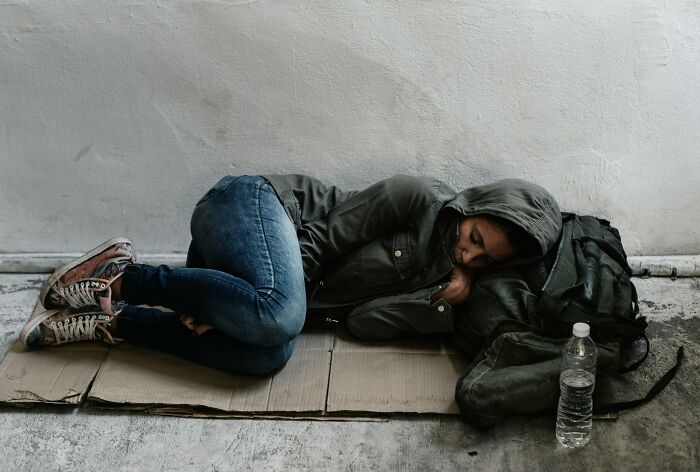
Lots of women end up homeless because leaving abuse means starting over from scratch - having nothing at all is better than staying in danger. So yeah, don’t just call homelessness an addiction problem. That’s a huge oversimplification and quite frankly, it’s disrespectful.
Ever ignored the person on the park bench or the car packed with memories in a parking lot? You’re not alone. It’s easy to pretend it’s not our problem. But guess what? The line between having a home and losing everything is thinner than you think - slipping away fast for loads of people.
Millions of Americans are on that edge right now. Wild, huh?
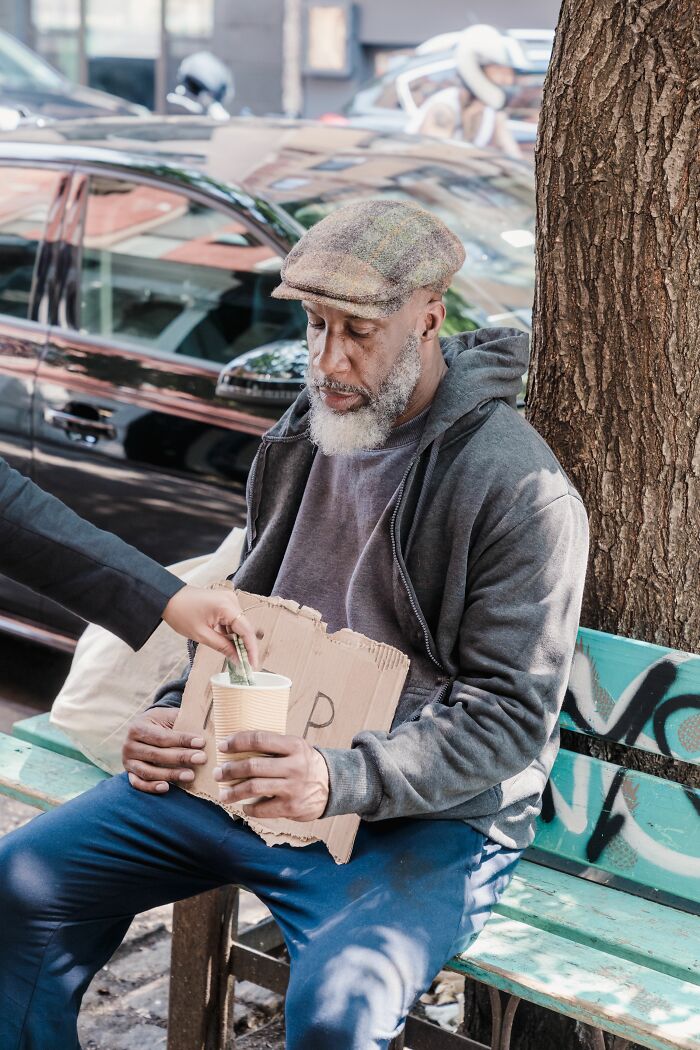
Drugs and alcohol aren’t always the cause of homelessness. Sometimes, folks turn to them as a way to cope after they’ve lost their homes.
MazogaTheDork says:
Quite a few folks start leaning on substances *after* things go south.
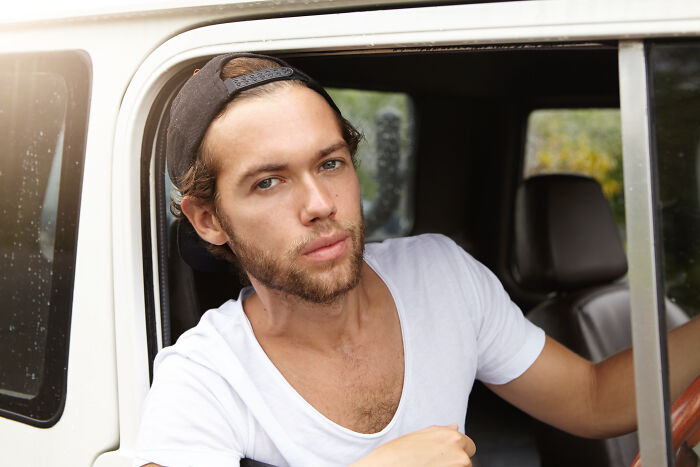
Surprise! Some homeless folks keep jobs, shower regularly, and even look like your average coworker. One Redditor shared living in a non-working car, hiding the fact so well that coworkers never guessed.
Homelessness is skyrocketing - thanks to a housing crisis that’s spinning way out of control. Just last year, the number of folks with nowhere to call home jumped by a whopping 18% to over 770,000 people. That’s the highest it’s ever been since they started counting in 2007.
The price of rent is cooking people’s budgets, wages are stuck, and safety nets? Let’s just say they’re stretched paper thin, helping barely one in six people who need shelter.
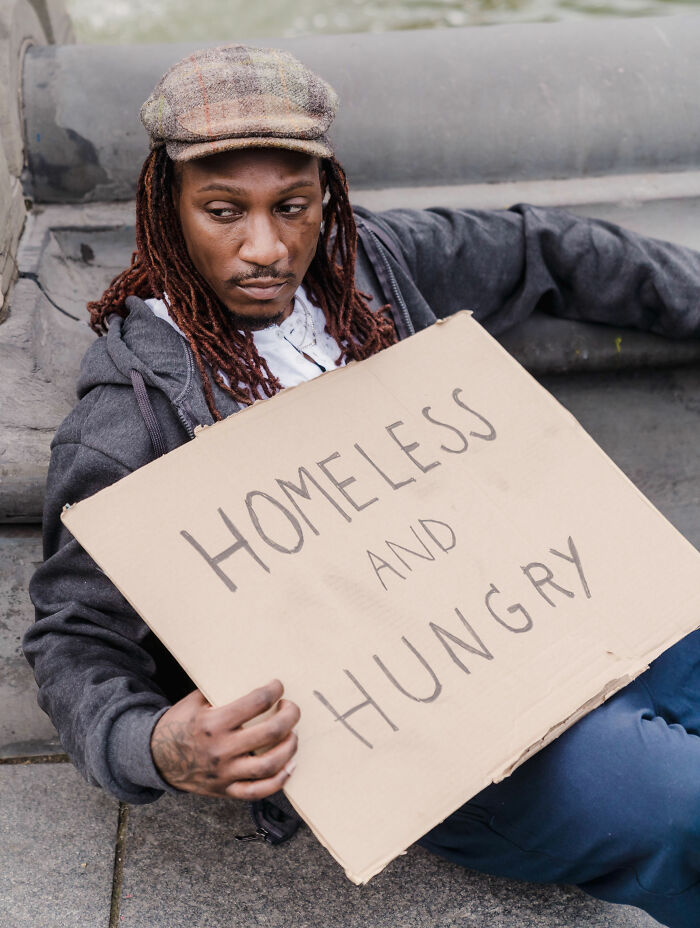
Handing out granola bars and blankets? Nice thought, but homeless people usually have plenty of those. The real deal? Ask what they need. New shoes? Socks? A friendly meal? Hanging out like a buddy, not a charity case? That’s golden.
One of the kindest acts? Sharing a meal together and treating them like a person, not a project.
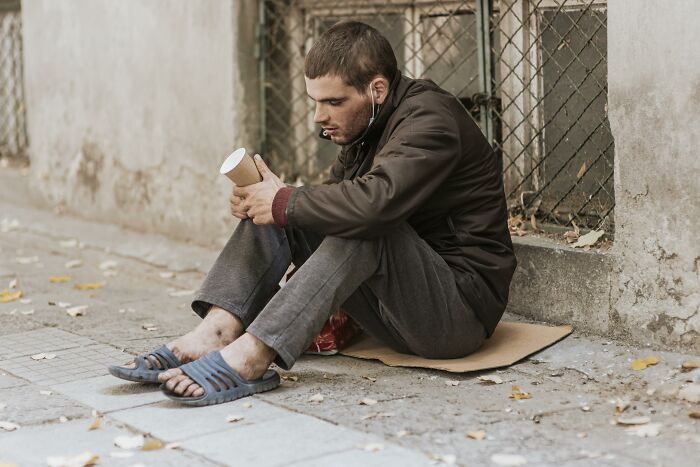
No running water? That’s huge. Impossible even to imagine. Can’t shower, can’t wash hands, can’t flush toilets or cook right. Even a short water outage at home feels like a disaster - now imagine never having running water at all.
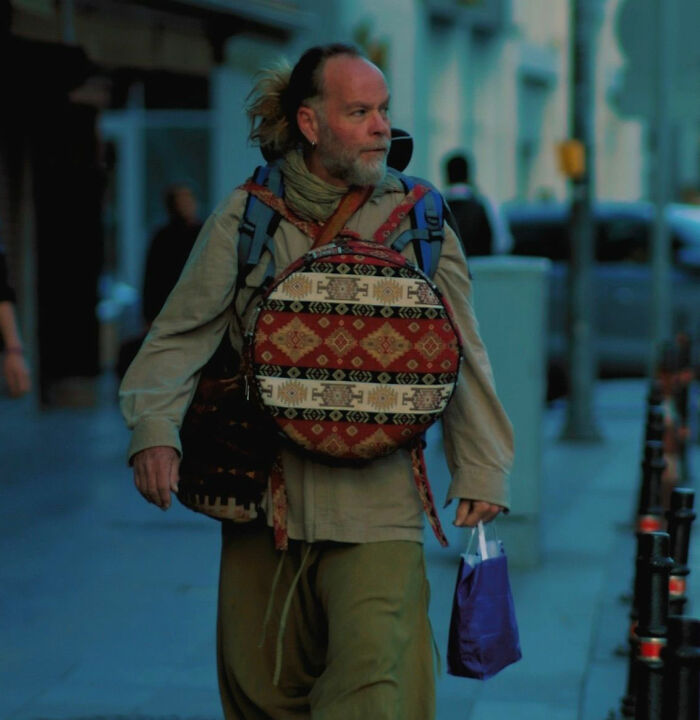
One coworker was homeless, living in a car, working long hours at two gas stations - cycling between them with just enough time to grab six hours of sleep in a tiny spot between buildings. Homeless folks can hustle hard and still struggle to find a stable place.
Think homelessness affects only one kind of person? Nope. Families make up about 30% of folks without homes. Seniors, kids, people with disabilities - they’re all in the mix, too.
But it’s harsher on some communities, especially Black, Indigenous, and gender-expansive folks, thanks to stuff that’s been going on for generations.
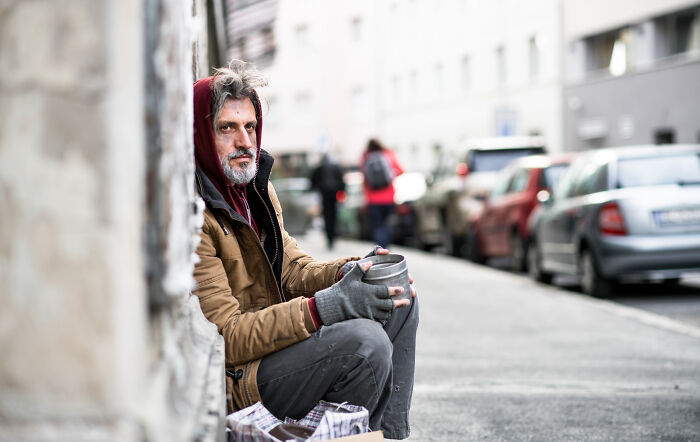
Surprise! Homelessness isn’t cheap. No fridge means food goes bad quick. Showers can cost $10 every time. Jobs are hard to keep without a home base, and basic stuff adds up fast. Plus, the world often treats homeless people like they’re nothing, making it feel impossible to escape the cycle.
Worked three jobs, still homeless. Why? Because every cent went to gas, showers, and food you can’t cook. No fridge, no kitchen, street life is 100 times harder. It ain't about laziness - it's a brutal hustle.
Getting offered food nonstop but refusing it? Doesn’t mean you’re scamming - it could mean you desperately need something else like tampons or clothes.
Also, lots of people start using substances *after* being homeless, not before.
Many moms and kids end up homeless after fleeing domestic violence. Seriously, up to 80% of women who experience homelessness have faced violence at home.
And it’s not just that - kids kicked out for being gay, folks who lose jobs with no backup plan, all those stories pile up. Not everyone homeless has mental illness. The idea that they do? That’s just a myth.
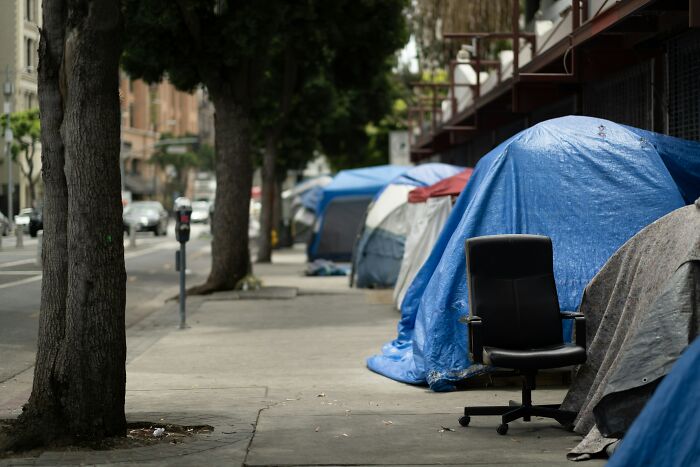
Try getting an ID when you don’t have a home address, birth certificate, or anything to prove where you live. It’s like an endless loop of needing ID to get ID. Even health care and benefits can become impossible to claim when you’re invisible in the system.
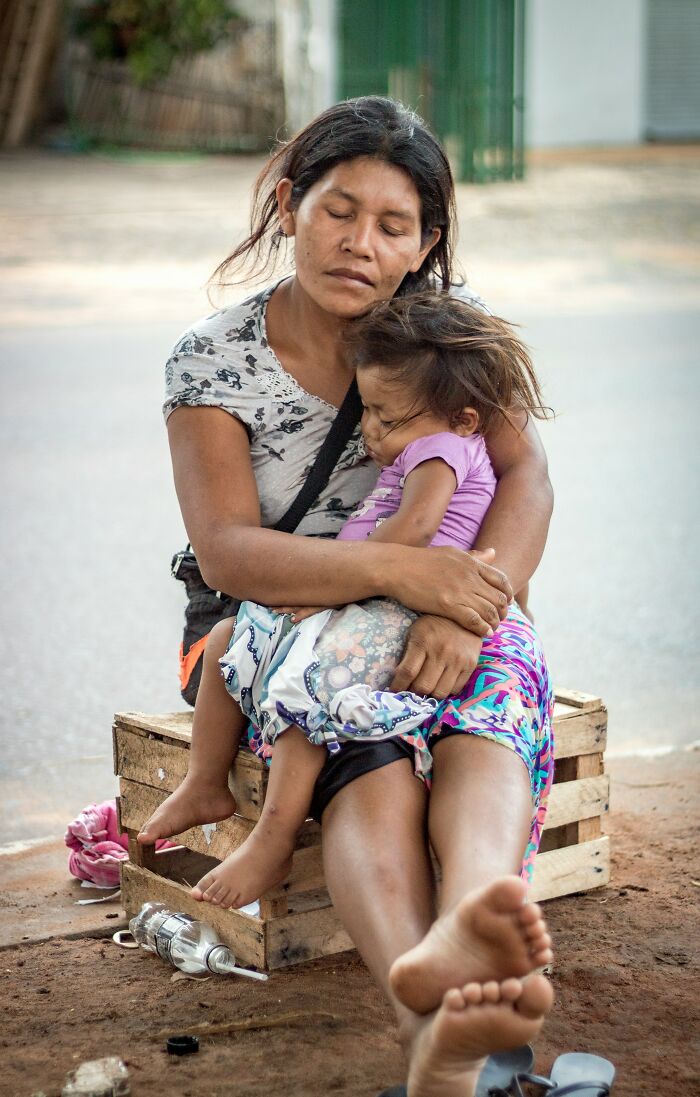
People judge based on how you look and smell. But laundry costs money and time. It’s tough to keep clean and ready for job interviews when you don’t have a washing machine or place to hang clothes. Simple stuff is a big deal.
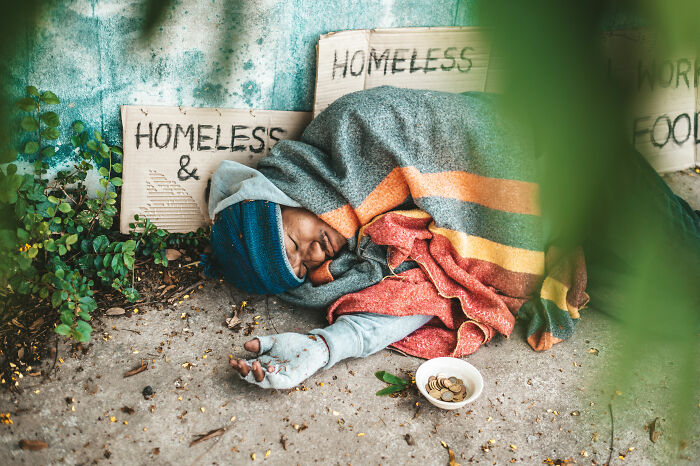
Many homeless people carry EVERYTHING they own on their back. But thieves often snatch it all. Imagine losing your *entire life* like that - pretty heartbreaking.
Heard the “homeless people don’t want to work” line? Yeah, that’s wrong. Over half of people in shelters and 40% without shelters actually have jobs!
But when rent gobbles up almost a whole paycheck, they have to choose between a roof and basic stuff like medicine or food. Throw in a surprise bill or a criminal record, and finding a home becomes next to impossible.
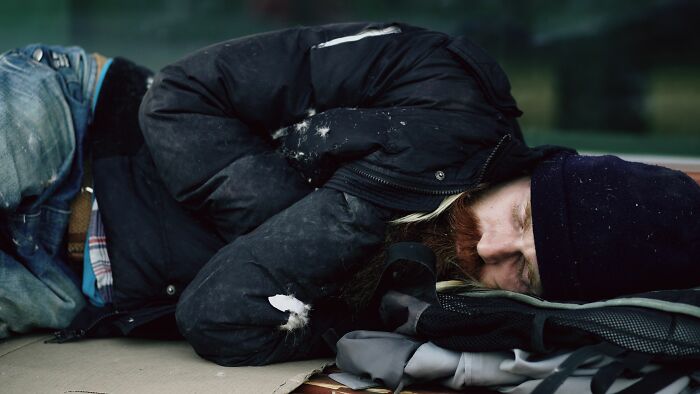
Turns out, a lot of homeless people have full-time jobs but still can’t afford the sky-high rents. Having a paycheck doesn’t always keep a roof over your head.
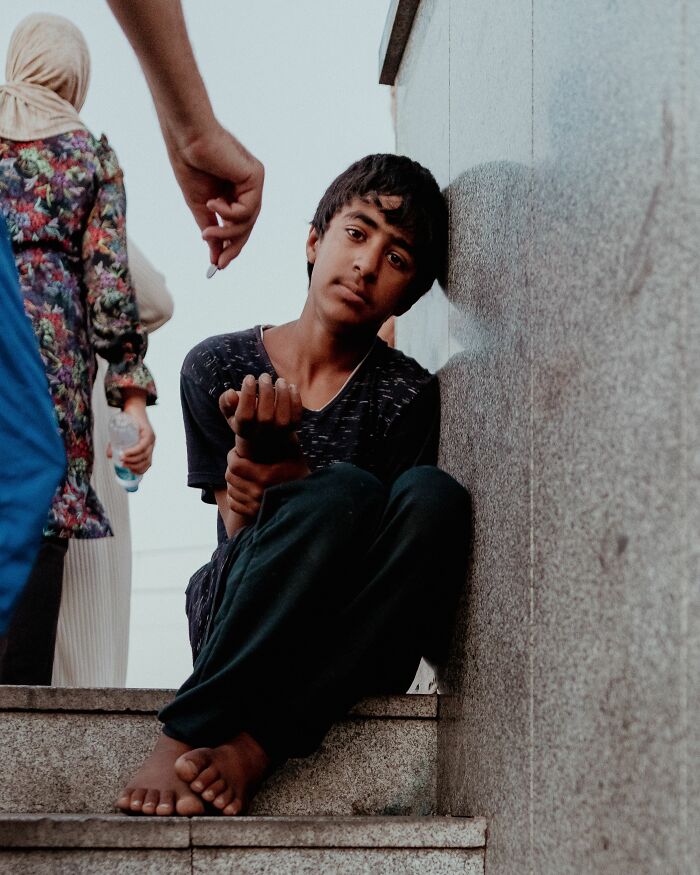
Watched people toss perfectly good food? It hurts, big time. Some kids and adults barely eat, yet tons of food gets thrown out every day. That pain sparked a food pantry at a school after a staffer spoke up. So yeah, privilege is real.
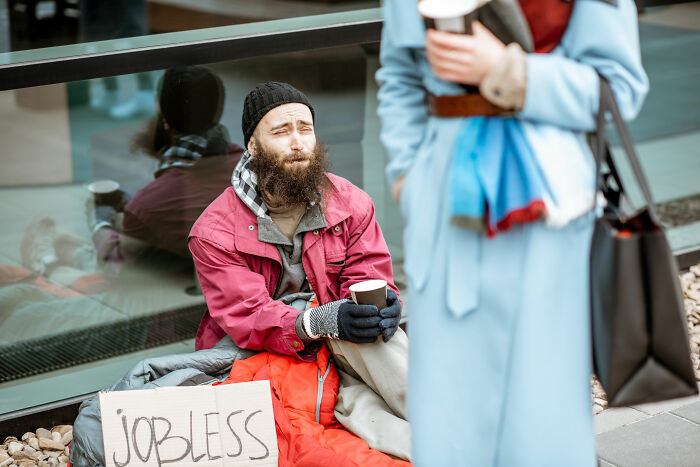
Homeless life means battling minute-to-minute - finding a place to charge a phone, hit the bathroom, stash your stuff, stay clean, and just survive. Tasks most of us take for granted require crazy planning.
Heads up: the threat of homelessness feels closer than you think. One in three young Americans (that’s 25 million of 'em!) still live with their parents, mainly because home prices and rent are crazy high.
Hitting $430K average for a house and $1,673 a month rent? Ouch.
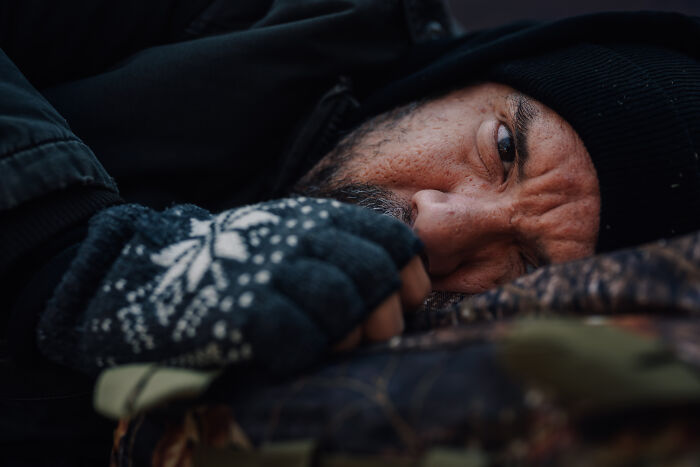
Kinda wild, but surviving homelessness can feel like a full-time logistical headache. Where do you charge your phone? Sleep safely without being bothered? Go to the bathroom? All day, every day, can be a gigantic pain (literally and figuratively).
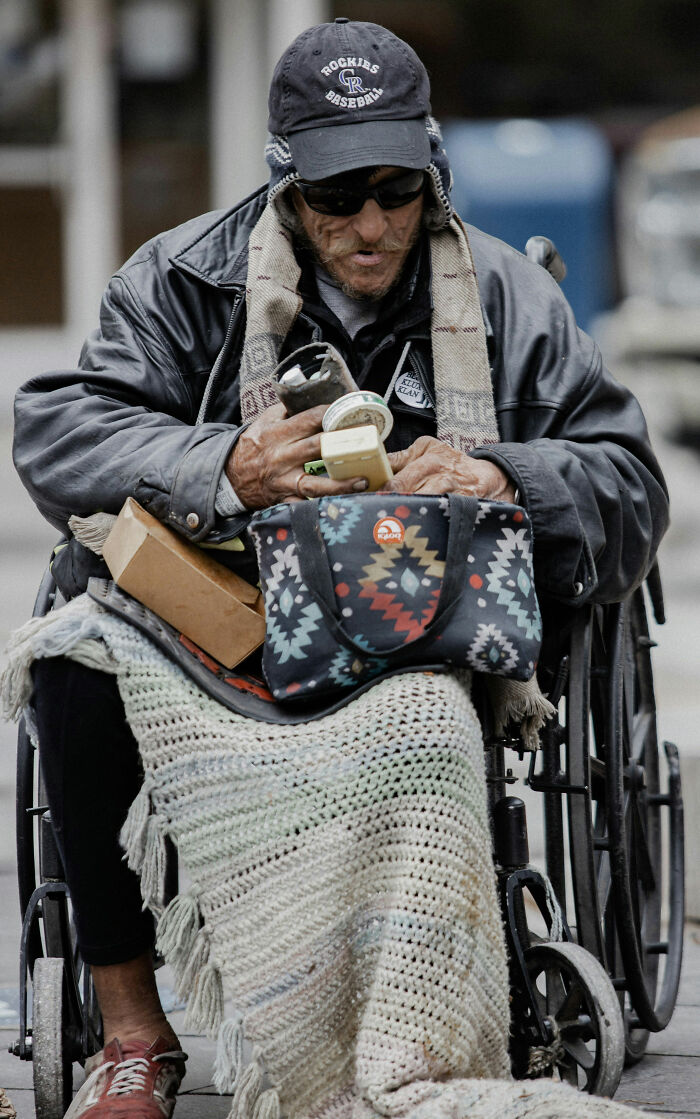
Homelessness isn’t about failing to plan your life. It’s about doing whatever it takes to survive the day.
Finding a safe spot, protecting your stuff, charging your phone, clean clothes - that’s your whole day. There’s no time for anything else.
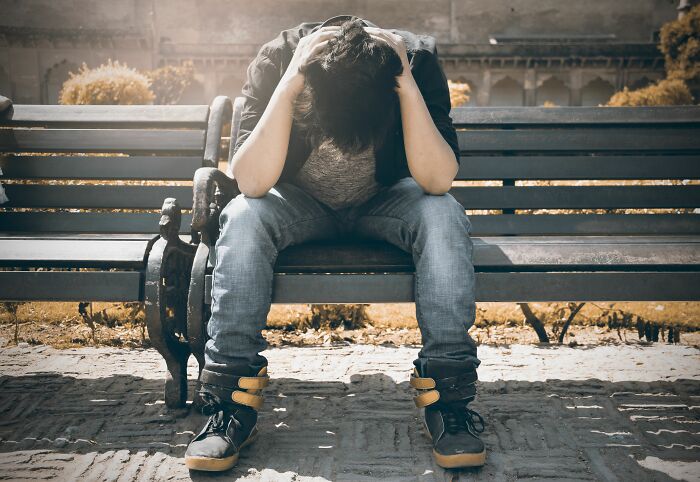
Escaping homelessness isn’t a snap-your-fingers moment. It’s a long, tough journey filled with mental scars and fog. Even looking back can trigger painful memories that knock you down, leading to a confusing “numb” normal that’s hard to shake.
Worried about robots stealing jobs? You’re not alone. Big companies cut over 97,000 jobs recently, blaming AI for nearly 40% of layoffs.
Some folks even think AI has a 10% chance of wiping out all humans in the next decade. Yikes!
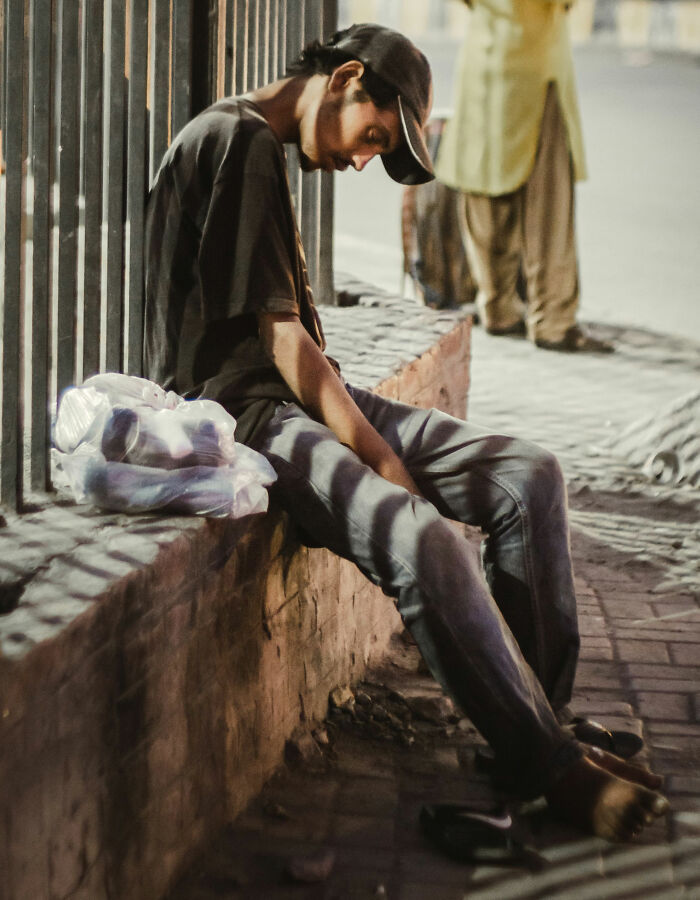
Being homeless means no peace. You’re always on guard, tired, and stressed - there’s no downtime.
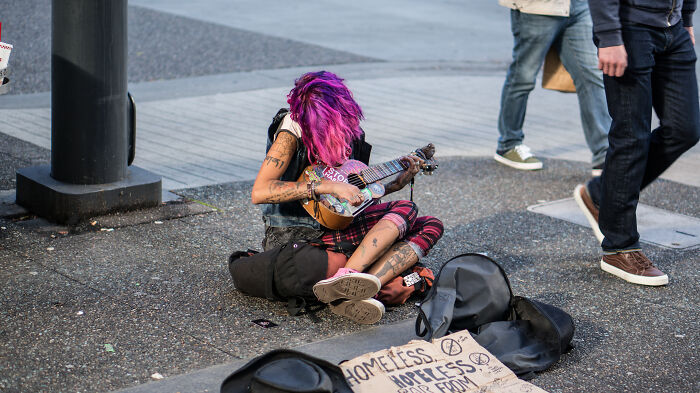
Being homeless isn’t about being lazy. Life sometimes deals a tough hand. Not everyone starts on a fair playing field, and it sucks feeling judged for stuff beyond your control.
If this all feels heavy, good news - you’re already on step one just by reading. Next? Dumping all the stereotypes and treating homeless stories as real people’s stories.
Change can start with a smile, a chat, or voting for better housing policies.
Normal people, employed people, regular folks end up homeless. One small event can flip everything upside down. It’s not some permanent lifestyle choice - it’s a broken system.
People don’t just live on streets - they couch surf, live in cars, or even have a place but still struggle. Homelessness wears many faces, and not all involve tents or panhandling.
Want to help? Volunteer, donate, or just learn what your local shelters truly need. Sometimes donating old jackets or boots means the world.
Best of all? Kindness costs nada. A nod, a smile, or just seeing someone for who they are - that’s big.
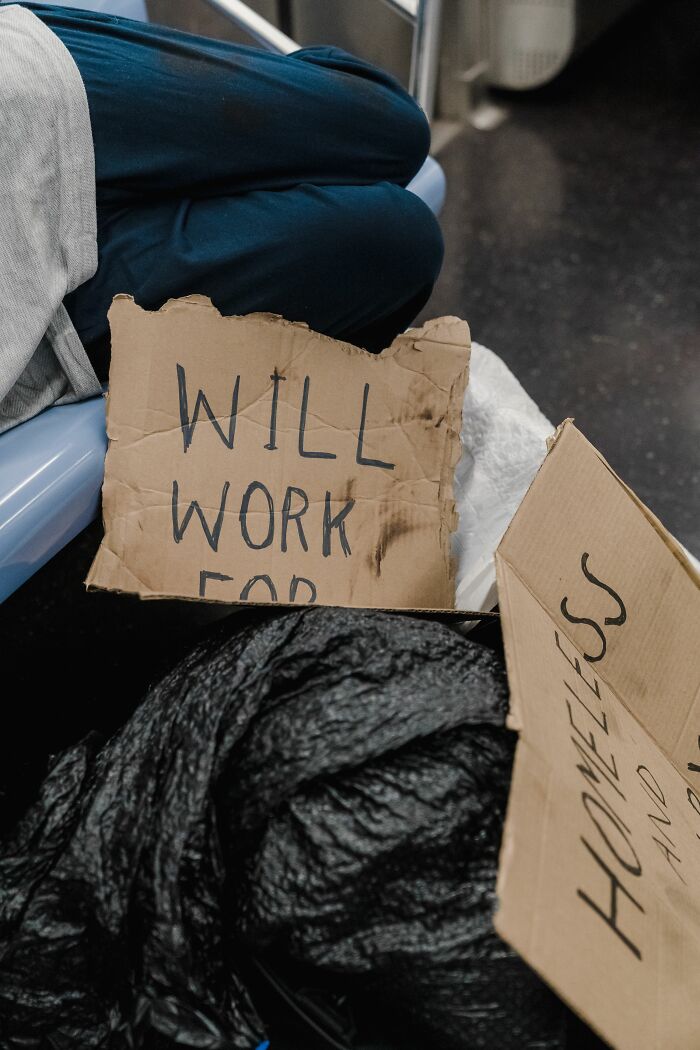
Lots of folks don’t fit the ‘homeless’ stereotype and do work or look presentable. Rising rent prices and harsh renting rules make it nearly impossible to secure a place, no matter how hard you try.
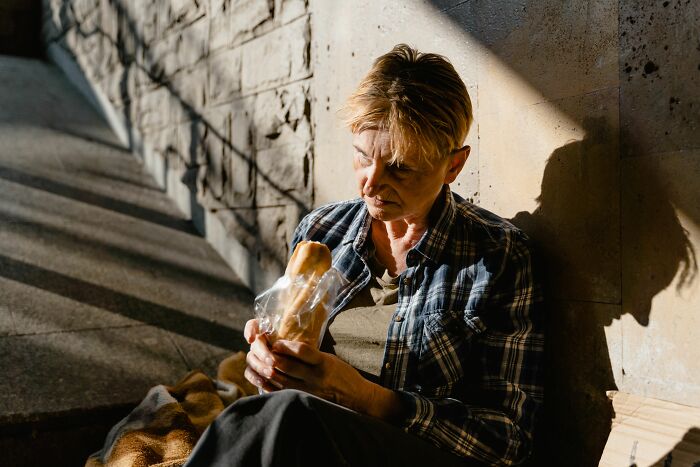
Being homeless locks you into dealing with the most immediate problems: where to eat, where to sleep safely, how to clean up a little. Saving or planning? Not a chance. It takes all your energy just to get through the day.
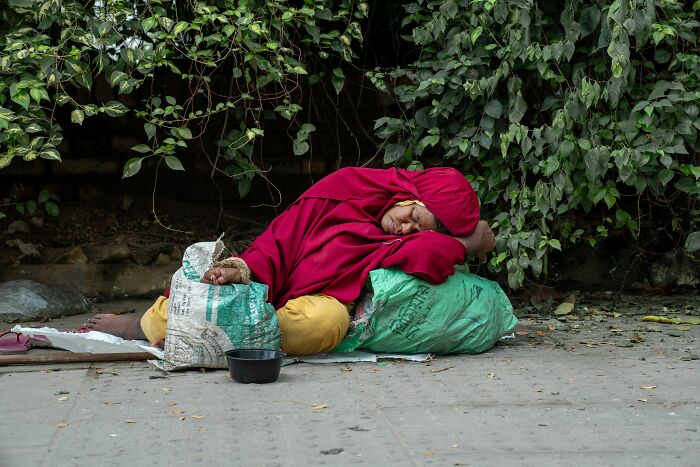
This reality can hit anyone, often tied to disability, toxic families, or bad breaks. Yes, addiction happens, but usually after becoming homeless. Resources are scarce; luck and connections often make all the difference.
If you age out of foster care without a stable home, homelessness often follows. It’s a harsh reality many don’t talk about much.
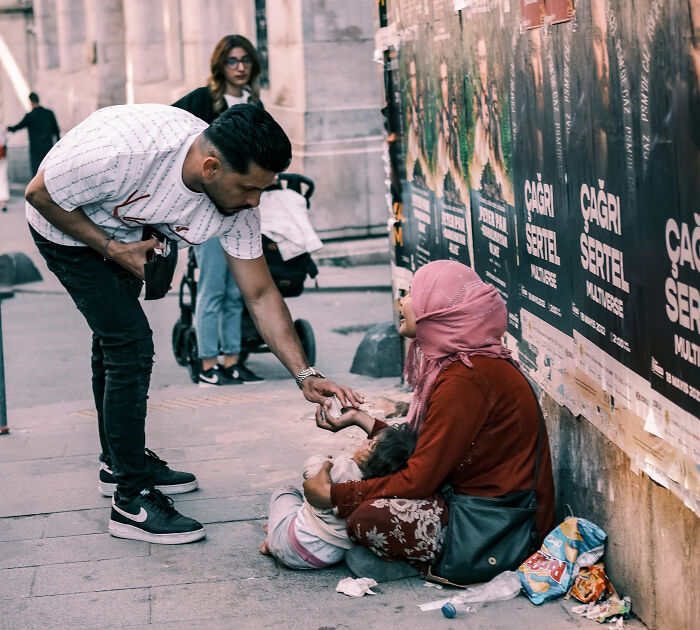
One mom with three kids had a steady job but still ended up homeless after a messy breakup. Trauma, community support, and kindness can change things, but it's a tough road.
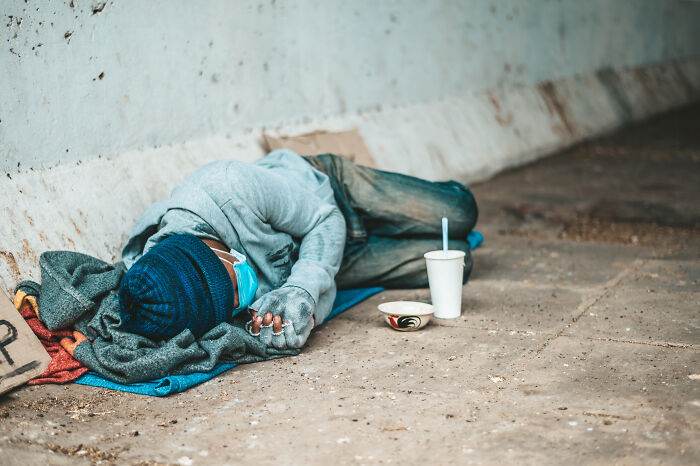
Imagine sharing your living room with your entire city. Feeling invisible or unwelcome sucks for both sides.
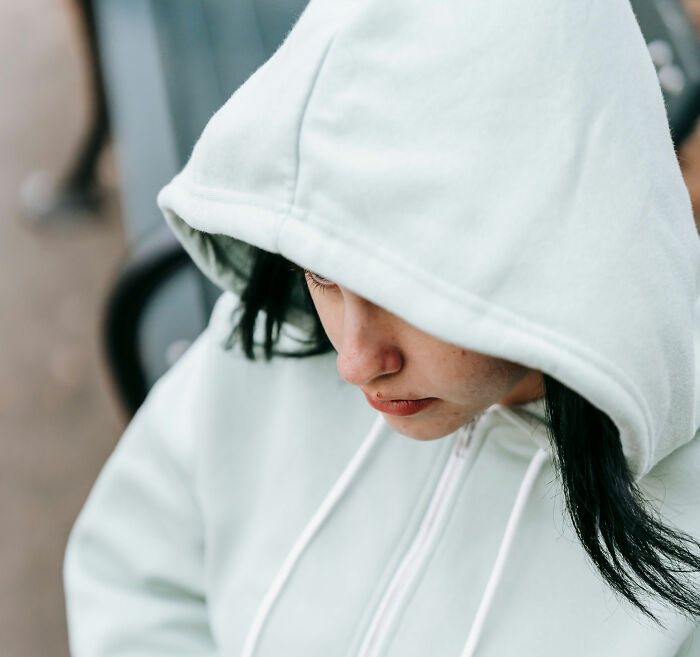
Losing a job after homelessness comes with big fear and trauma. The scars don’t just vanish. Survivors develop crazy life skills, but employers rarely see them as wins.
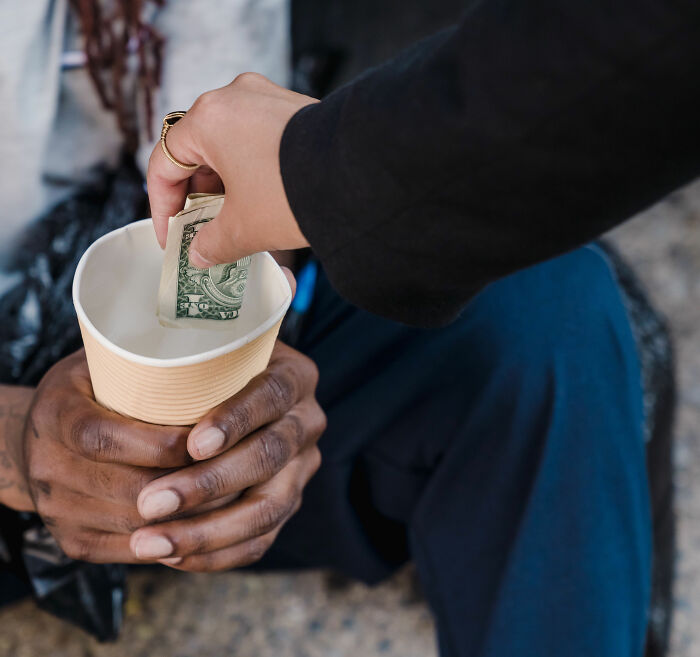
Despite all the dangers, homeless communities often show amazing kindness and support for each other. When things get bad, genuine people help however they can.
Holidays can be really lonely, especially battling cold New England winters all alone. The emotional weight stacks up big time.



A guy shared horror stories about homeless life - never feeling safe, no place to shower or use the bathroom, and relying on places like Waffle House just to survive.
Women aren’t less homeless - they’re just harder to spot because many get trafficked or worse. Even basic needs like menstrual products become serious, dangerous challenges.
As a homeless teen, one learned a harsh truth: some people aren’t just unhelpful - they exploit vulnerable folks without even realizing it, thinking they’re doing good. Thankfully, there are kind souls too.
Food? Usually manageable with church support and libraries. But sleep? Finding a safe, comfy spot outside is brutal. Getting woken up by sprinklers or bugs? Yeah, that’s reality, leading to sleep deprivation day after day.


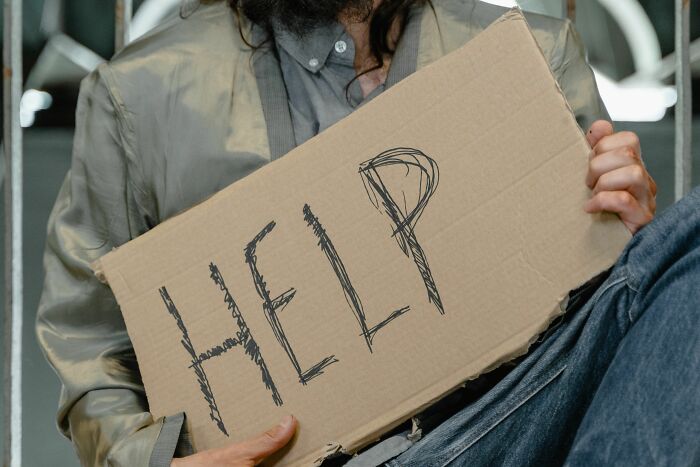
A lot of homeless folks use uppers and downers just to stay awake or get some rest - they're defending themselves in a harsh world. Yet society often blames them unfairly.
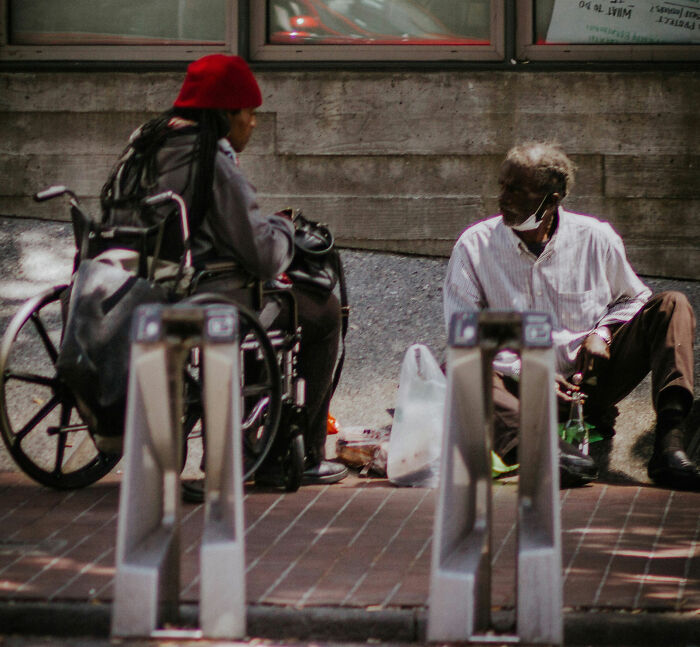
Want food? Just ask! People usually come through. But staying safe, feeling respected, and dealing with constant fear? That’s the real challenge.
No address means no job. No job means no money for clothes or a uniform. Sometimes people feel pushed into sketchy options just to survive.
One day, you’re barely noticing the water rising. Next, you trip and suddenly, you’re swept away. Bills, injuries, sickness, and unhelpful systems can drown you fast - especially when help only comes if you were drowning yesterday, not today.


Many were once engineers, parents, or professionals. One surprise event - a job loss or bill - can wipe it all out. It’s time to stop believing ‘work hard and you won’t fall.’ Sometimes life just hits hard.
Many assume homeless folks are terrible people who deserve it. But no one knows the real story or struggles behind the scenes. It's a lonely, heart-breaking experience when people keep their guard up around you.
Many homeless youth avoid shelters because they’ve heard they’re unsafe or full of trouble. So, they stay on the streets or elsewhere, hoping for better luck.
Most folks don’t intend to be homeless forever. It’s usually a bump in the road from bad luck or circumstances. If it happened to them, it could happen to you.
Finding food or shelter is hard, sure - but holding onto your dignity when the world treats you like a nobody? That’s the tough, heartbreaking part.
Those viral stories of bouncing back? Rare exceptions. When you’re busy fighting for food, sleep, and hygiene, climbing out is really, really tough.
My husband was homeless with no car or phone back in the day. Getting a job was beyond hard - no way to get calls or interviews. Plus, cops often make things worse by confiscating belongings. It’s no walk in the park.
Many face family rejection or get exploited, making homelessness way more common in LGBTQIA+ communities. Family struggles and unfair renting rules add to the mess.


Most homeless people have been through the wringer with family, social services, or unstable childhoods. If you went through it, you’d probably be struggling too. It’s way more systemic than personal failure.
Some folks are homeless because addiction or health issues mean they can’t keep a home. Others are just between places and need a hand up. Everyone needs different help - a one-size-fits-all approach just doesn’t cut it.
Being homeless doesn’t always mean sleeping rough. Couch surfers? People living in cars? Some even have a home somewhere else. Legally and practically, homelessness is messy.
From what it means to get by to the reality of daily struggles, what people think they know about homelessness often misses the whole picture. It’s a huge mix of challenges and situations.

Three years off the streets, but food’s still tight. Rent and bills gobble up most of the cash, and sometimes living in a camper feels less complicated than an apartment with hidden costs.
It’s not a choice. Exhaustion, health issues, and fears about falling mean getting a job isn’t always possible. Not everyone uses substances, either.
Every homelessness story starts with losing people before losing homes. Community is everything, and when that vanishes, things spiral fast.
Young women get judged harshly - blamed for their homelessness while also dealing with danger, substance use, and constant fear. It’s a tough cycle to break.

Nights are brutal. Young, elderly, or disabled? Offering them shelter - even a porch - could save their lives. Just a heads up.
The 'smell' of homelessness sticks around, literally and figuratively. Years later, it still sneaks back and colors how people see you - and how you see yourself.
Feeling unwelcome everywhere is 24/7 stress. Being moved along or ignored wears you down. Open parks during the day offer the rarest kind of peace.
Dealing with your own headspace can be the biggest battle of all.
Beans and rice sound cheap, but no stove means boxed or canned stuff is your go-to. Dollar stores become your best friend. Top tips? Pop-top cans and non-perishables are lifesavers.
Bathroom breaks, garbage dumps, gym memberships, and even little dogs for protection all factor into this wild survival game. Staying hopeful helps, because bitterness only makes it harder.
People assume being homeless means no showers ever. Not true. Some hold onto that privilege, but not everyone has the chance.


37
0