
 then open in external browser


 and click "Open in External Browser"
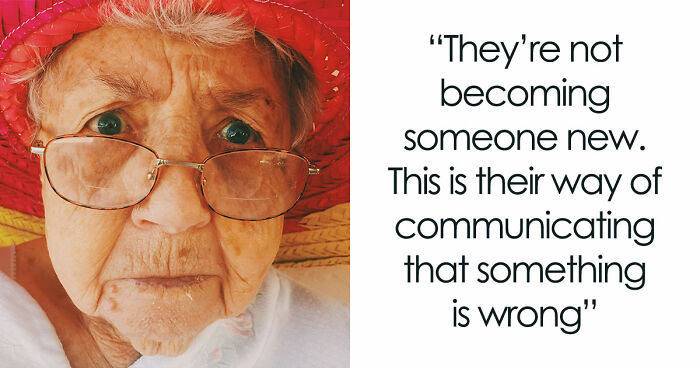
Hey! Today, we’re diving into some myths and weird bits about dementia. Spoiler: it's more than memory loss, and some stuff you think you know? Totally off. Let’s jump right in and get the real scoop to make things a bit less confusing.
This post may include affiliate links.
Caregiver Guilt Is Real But It’s Based On A Big Myth

Most caregivers feel guilty - whether for losing their cool, thinking about a care home, or feeling they’re just not enough. But here’s the kicker: this guilt assumes they could fix a brain disease that no one can fix. Spoiler alert: they can’t.
Burnout makes things worse - care tanks, and so does health. So, looking after yourself isn’t selfish; it’s smart.

Dementia hits over 55 million people globally. Yet folks living with it and their families often get blindsided by all the surprise curveballs after diagnosis - like personality flips, confusing ‘good days,’ and feeling bad about being frustrated when it’s totally nobody’s fault.
Here’s a reality check: lots of what people "think" about dementia is way off. The media messes it up, doctor visits are way too short, and even folks who mean well sometimes miss the mark.
Wandering? Nah, They’re Usually On A Mission

At first glance, wandering looks like random chaos. But usually, the person’s got somewhere in mind - maybe “going to work,” searching for a loved one, or heading back to childhood’s sweet spot.
Knowing that helps caregivers steer them gently instead of butting heads, making everyone safer and saner.
Dementia Turns The Whole Family Upside Down

Everyone’s eyes are usually on the main caregiver, but dementia sneakily reshuffles all the family roles.
Suddenly, peaceful siblings are butting heads, grandkids are awkward in visits, and marriages get stressed out. It’s all normal but often unspoken.
Families who expect this rollercoaster can tackle it before it tears them apart.
Saying No To A Bath? It’s Fear, Not Defiance

Bath time battles are classic caregiver nightmares, usually mistaken for stubbornness.
But most of the time, it’s fear - like slipping, feeling cold, or not understanding what’s going on.
Changing the approach or timing often works better than nagging. Pro tip: dementia-friendly care teams can show you all the tricks.
Big Reactions? It’s Unmet Needs, Not A Personality Swap

When a loved one pushes back or shuts down, families often feel like they’re losing the person they knew.
But most of these reactions are their brain’s way of saying: something’s wrong - maybe pain, fear, or a UTI they can’t explain.
It’s communication in a new language, not a new person.
Legal Stuff? Don’t Wait Around!
Talking about power of attorney and advance directives can feel super awkward, like admitting defeat before the game even started.
But wait too long, and your loved one might not be able to sign the papers themselves.
The sweet spot? Right after diagnosis, while they can still weigh in and steer their care.
Medications Aren’t Always The MVPs

There’s a lot of pressure to pop a pill when things get tough, but some meds come with scary warnings.
Often, the best first move is non-med stuff like routines, music jams, sensory play, or gentle distractions.
Families deserve to know all their options before grabbing a prescription.
Sundowning Is Real And No, Routine Alone Won’t Fix It

You know how some folks get chill in the morning but seriously confused come evening? That’s sundowning, a real brain quirk messing with the body clock.
Routine helps but isn’t the magic cure. Bright lights, steady schedules, and sometimes meds come into play.
Not knowing this can burn families out trying to fix the unfixable.
Repetitive Questions? They Forget Asking Every Time

Hearing the same question on repeat can drive anyone nuts. Families sometimes think it’s stubborn or attention-seeking.
But the truth? The person genuinely doesn’t remember asking.
Patience is the secret sauce here - it keeps things calm and cozy.
Laughter And Joy? Totally Still A Thing
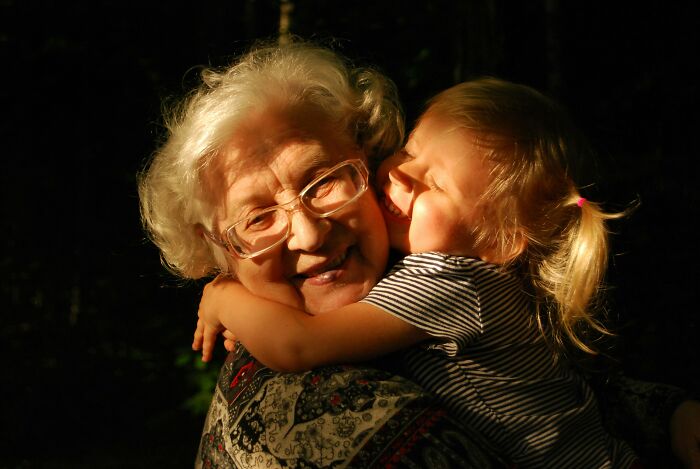
Sometimes families feel weird laughing or joking, thinking it’s not “serious” enough.
But guess what? Joy sticks around way longer than words or memory.
Holding onto those fun moments is like a secret superpower that helps everyone get through tough days.
Not All Health Pros Are Dementia Pros—Ask First
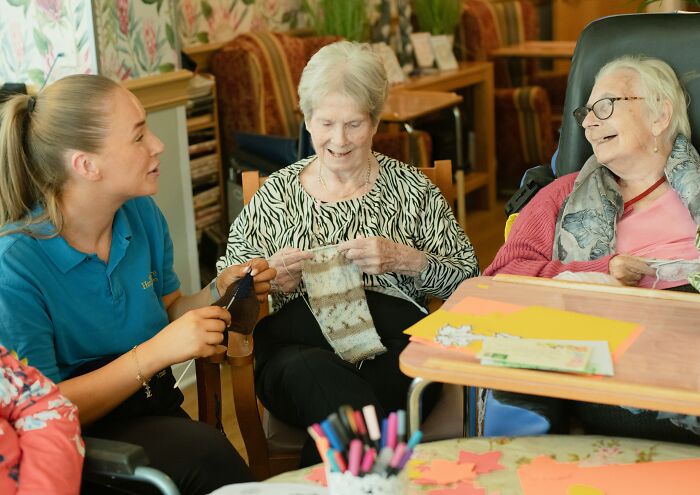
Don’t assume everyone with a medical badge totally gets dementia.
Many nurses and doctors don’t have special training, which can make a huge difference.
Look for care teams with proper dementia certification - that’s where the magic happens.
Dementia Isn’t One-Size-Fits-All; Know The Type
Getting a dementia diagnosis is often just the start. It’s like finding out you’re dealing with a whole brand of brain bugs - Alzheimer’s, Lewy body, vascular, or frontotemporal.
Each one acts differently and needs its own game plan.
Knowing the exact type is a total game changer for care.



Talking Changes, It Doesn’t Stop

When words start to vanish, families sometimes pull back, thinking conversation’s over.
But talking isn't just words - touch, tone, faces, music, and habits keep the chat alive.
Backing off means more loneliness and less comfort for your loved one.
It’s Not “Just Forgetting” And That’s A Big Deal
People picture dementia as a forgetful mess.
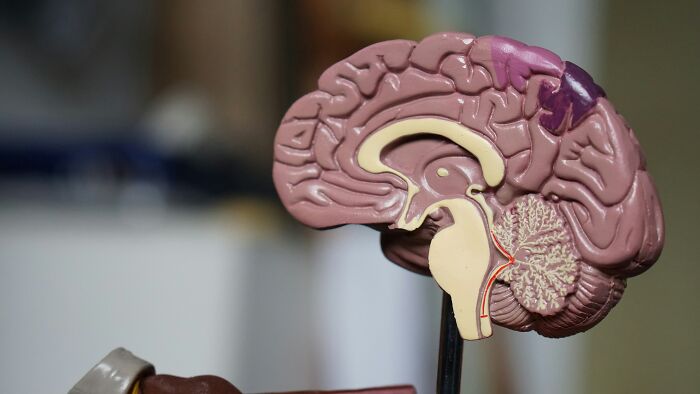
But it’s way sneakier. Judgement, language, and emotions get tangled too.
Thinking it’s “just memory” can leave families shocked by all the other curveballs dementia throws.
They’re Not Manipulating You, Promise

When your loved one says mean things or thinks you stole stuff, it can sting.
But it’s almost never trying to mess with you. It’s just the disease messing with reality.
Getting upset only makes things worse for everyone.
They May Forget Your Name, But Not Your Vibes
It sucks when someone you love doesn’t recognize you anymore.
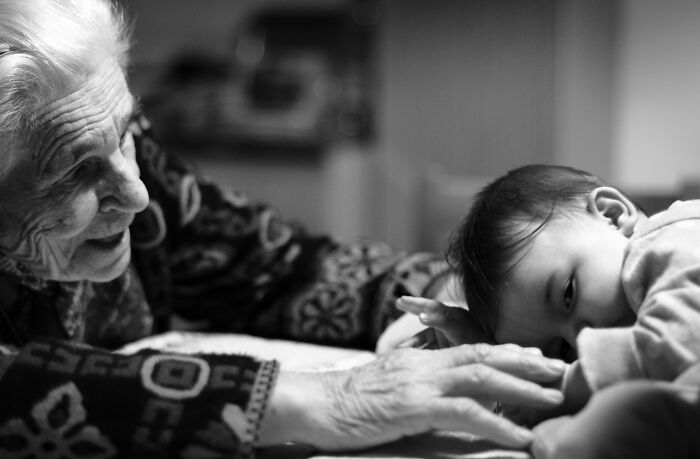
But the heart remembers. Research and experience show emotional memory stays way stronger than names or facts.
Good news: even if they don’t call your name, they know you make them feel safe and loved.


Good Days Don’t Mean A Cure

Dementia is a rollercoaster. One day looks fine, the next day? Not so much.
This ups and downs thing is normal - think sleep, stress, and how hydrated they are.
Hope is cool, but building it on these bouncy days can lead to tough letdowns.
Refusing Food? It’s Not Stubbornness, Swallowing Gets Tricky
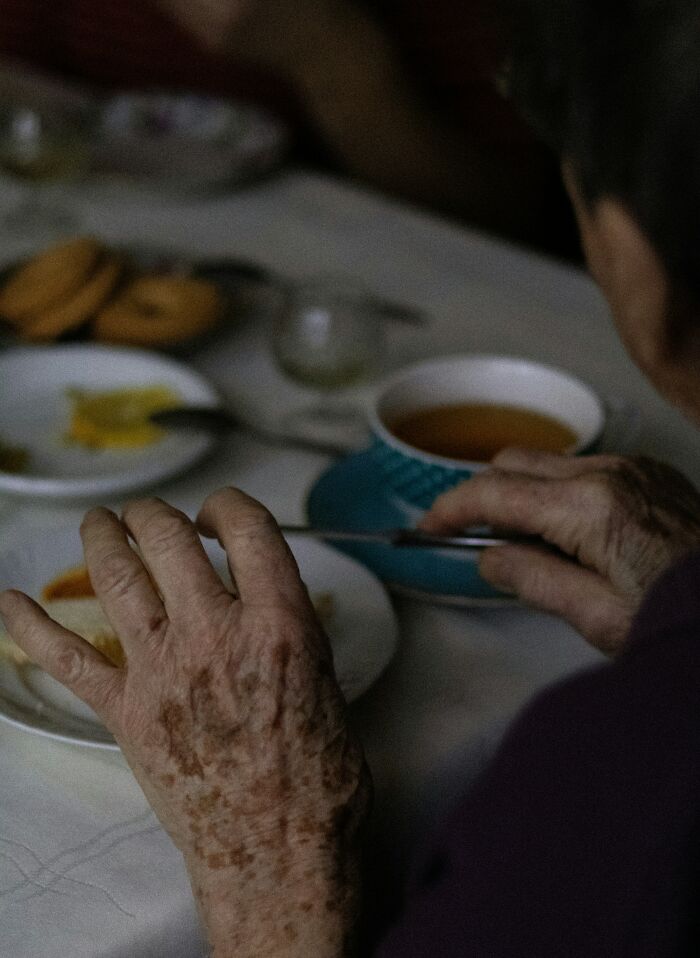
When someone suddenly refuses food, families often think it’s attitude.
But dementia can mess with swallowing muscles - making eating hard.
Sometimes it’s pain or nausea, too. Getting an expert can help keep mealtime less of a battle and way safer.
Depression And Dementia Can Hang Out Together

Depression is sneaky and often hides behind dementia symptoms like low energy and withdrawal.
But untreated depression can speed up the whole decline and make everything worse.
If your loved one seems more down than confused, it’s worth a chat with a doc.
Moving To Memory Care Isn’t Giving Up, It’s Smart
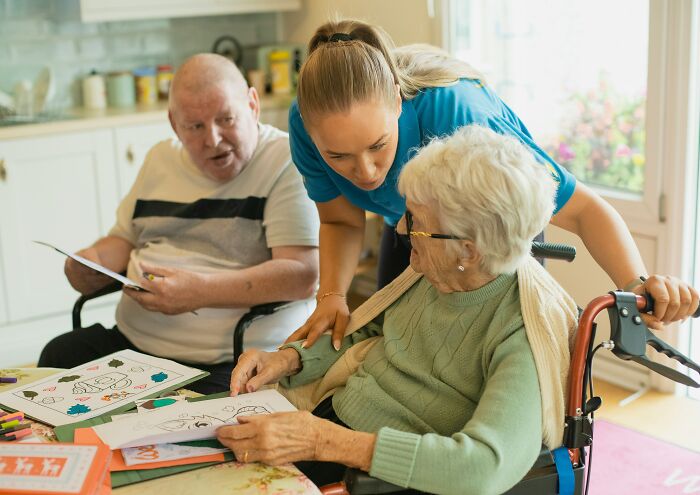
Lots of families put off memory care places because they think it means quitting.
Actually, those places have pros: specially trained staff, fall prevention, and care that gets the unique needs.
For many, relationships get better after the move - the family gets to be family again, not just tired caregivers.




Dementia isn’t just about the brain - it’s a wild ride for families too. Often, the toughest stuff comes from not really getting what’s happening.
The families who roll with the punches best are the ones who asked the tough questions early and found people who actually get it.
Pro tip: if you find this helpful, share it with someone dealing with the madness.


45
0