
 then open in external browser

 and click "Open in External Browser"
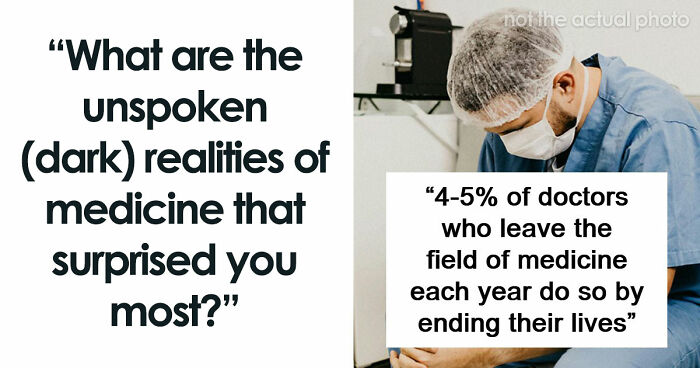
Medical Secrets That Will Totally Surprise You (And Maybe Make You Go “Whoa”)
Giving a 90-year-old grandma full CPR code status? Big no-no. She probably won’t survive it, and the whole experience just ends up being way more traumatic for her. Sometimes less is more, folks.

We rely on healthcare pros when we're sick, but guess what? They're juggling their own mental health battles too. Turns out, fatigue and stress are sky-high among health workers, even more so since the pandemic hit.
Doctors and nurses are even at a higher risk of some pretty serious stuff like burnout and, sadly, thoughts of harming themselves. Yikes, right?
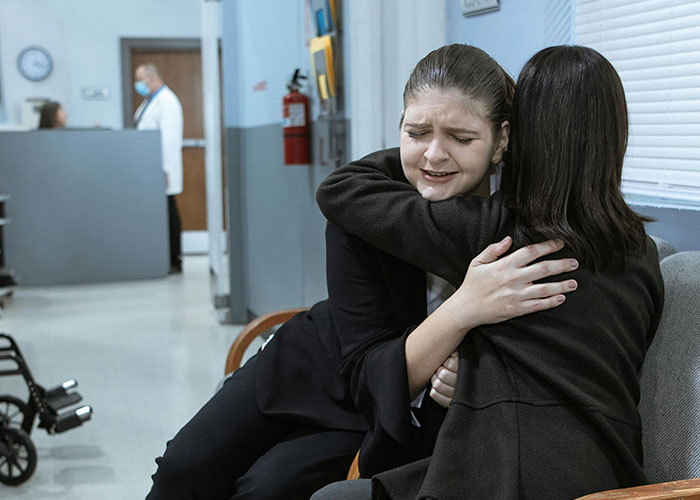
Some families freak out at the thought of letting their 95-year-old cancer-ridden grandma go. They demand life-saving measures when their poor grandma is basically begging for peace. It's a bit much, right?
People sometimes treat their elderly family members like they're high-maintenance pets on life support. Think feeding tubes, dialysis, full ICU care. We’d never do that to a dog, but to humans? Totally normal. Mind-boggling, huh?
Despite all this, many nurses and doctors avoid getting help for their mental health. Why? Because they're worried it might mess with their career. Imagine being scared to ask for help because of stigma or job risks. Tough stuff.
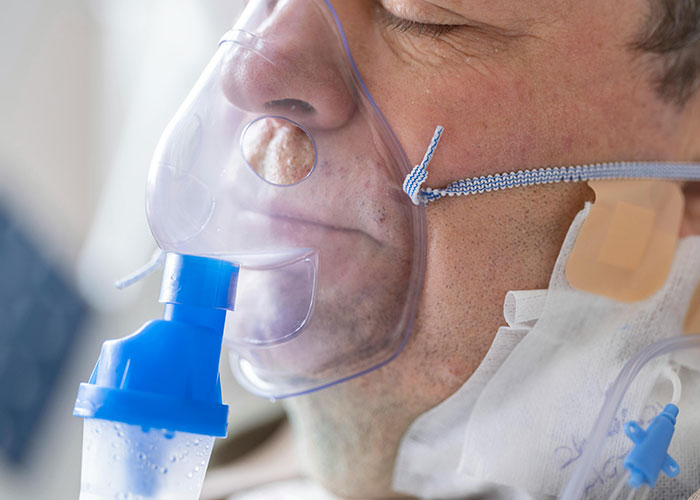
When someone passes, hospitals often just wheel them around with an oxygen mask instead of a sheet. That way, other patients and visitors think they’re just catching some Z’s. Clever, but kinda eerie.
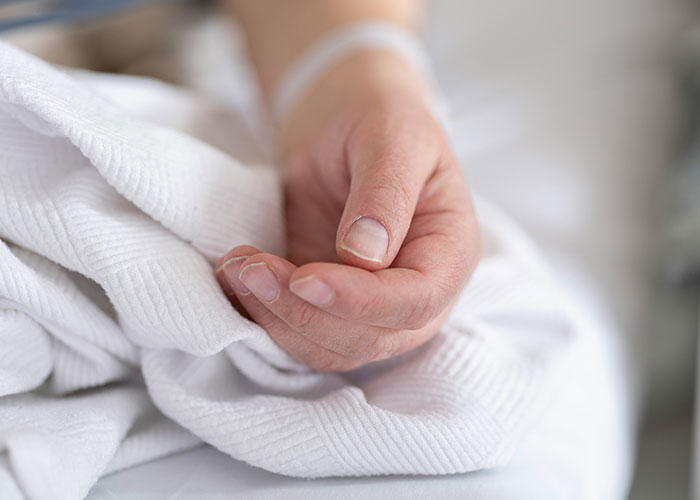
One tiny slip and a hip fracture in the elderly can kick off a chain reaction that leads to way more serious problems. It’s wild to think such a small accident can have such heavy consequences.

Thought doctors were all super mature and professional? Surprise! Sometimes they act like teenagers goofing around. Turns out the hospital floor isn’t all serious faces and bedside manners.
In some places, if a doctor or nurse has had mental health treatment, they have to spill the beans on applications to keep working. That fear keeps a lot from getting the help they need.
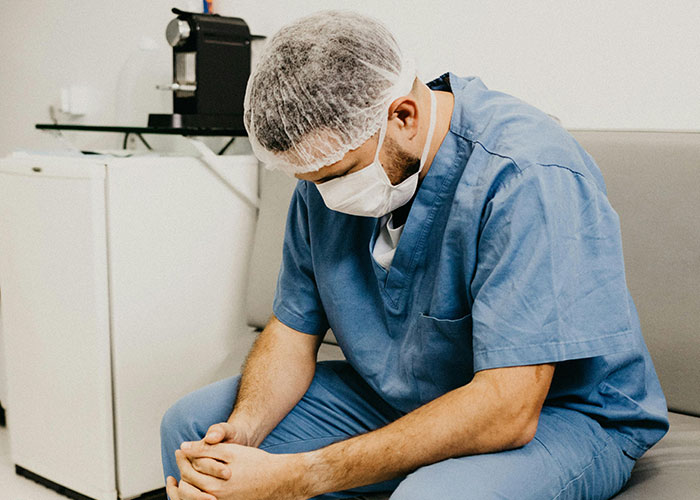
The sad truth? A small but shocking percentage of doctors take their own lives every year. Mental health in medicine? Definitely not all sunshine and rainbows.
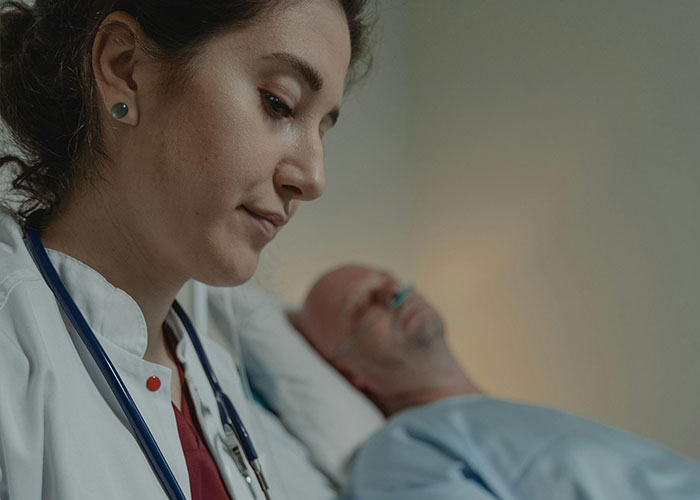
Sometimes hospitals just kick people out literally onto the street to free up beds. It’s a cold feeling when a patient loses their place just so someone else can get treated.

One morning a patient seems great, chatting like a champ. Fast forward to evening, they’re hooked up to machines and fighting for life. Then, boom, they pass away in the night. Families are sometimes shocked but that’s just how fast it can change.
Surveys show that almost half of doctors know someone in the medical field who won’t seek mental health care, even when it’s seriously needed. It's a quiet epidemic inside hospitals.

Mentally ill or severely brain-impaired patients can get stuck in an endless hospital loop - no place wants them, and they can’t care for themselves. It’s kind of a no-win situation.
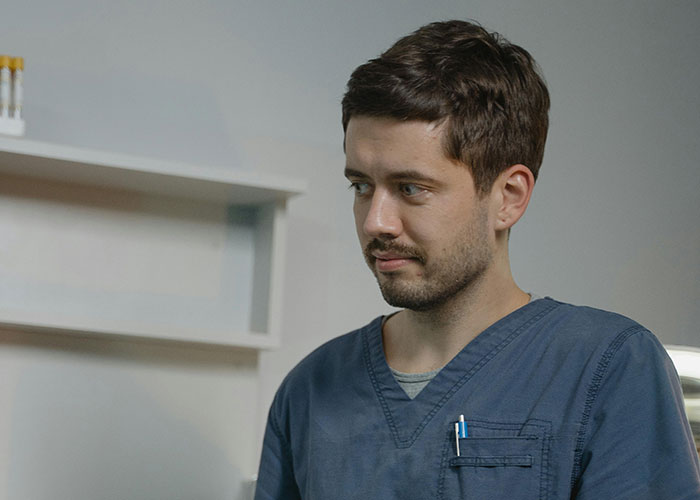
Believe it or not, not all nurses are science fans. Some buy into stuff like astrology, anti-vax myths, or even deny evolution. Plus, many are super underpaid and overworked - no wonder some patients couldn’t care less.

Doctors often wish they could prescribe the best meds, but insurance companies say nope. It’s insurance that really controls what treatments are allowed. Not exactly a doctor’s dream.
Experts say long hours, stress, and tough work environments are burning out healthcare workers big time. And when the pros are struggling, it impacts patient care too. It’s like a domino effect you don’t want to see.
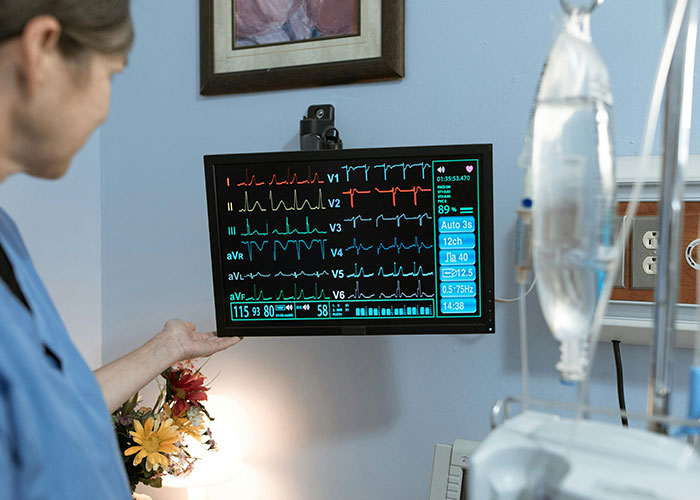
In intensive care, sometimes we’re just waiting around, keeping people alive until their family shows up... or until their body finally gives up. We might joke about "Jesus ain’t ready for her yet", but really, we’re just stalling the inevitable.
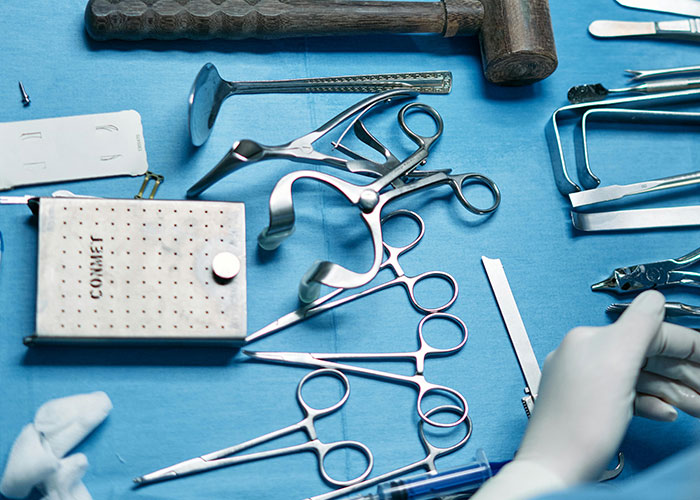
Think doctors have it all figured out? Nope! A lot of what we do is guessing the best move based on experience and risk - and sometimes, it's more than a 5% miss. The best depression treatment? Shocking the patient’s brain. Yep, that’s a thing.
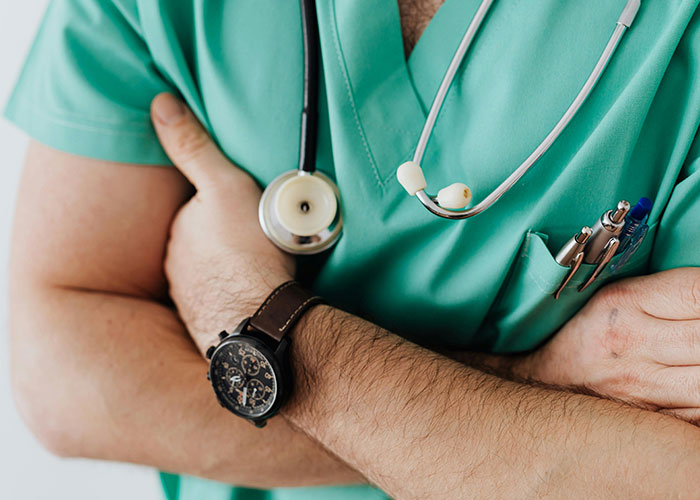
Some surgeons aren’t that great, but hospitals are often super hesitant to discipline them. Why? Because surgery brings in the cash! So, sorry patients, but profits come first sometimes.

In one small town hospital, a gynecologist showed up visibly drunk to work - everyone knew, no one did anything till things got wild. Another doc with malpractice suits kept practicing because he was the head of surgery. Hospital drama for days.

Sadly, sexual harassment happens a lot in hospitals and usually gets swept under the rug. Not cool, and not okay for the hardworking staff dealing with it.
Hidden away, pharmacists catch all sorts of medical screw-ups - wrong dosages, drug clashes, weird allergies. They’re the last line before a script goes to your hands. Basically, the unsung heroes of your medication.
The hospital lab is not just about blood draws. They test everything: blood, urine, swabs, even removed organs. They're the sneaky detectives figuring out what’s going on inside you, even catching when you sneak that extra cookie. They know all.

Staff shortages mean nurses sometimes have to pull crazy 16-hour shifts without proper breaks. Hospitals just can’t hire enough, and guess who feels the strain? Yep, the nurses and their patients.














32
0