
 then open in external browser


 and click "Open in External Browser"
Wait, The Eagles Really Rescued Frodo And Sam At Mt. Doom AND Recorded "Hotel California"?
So, you wanna know why the Fellowship didn’t just hitch a ride to Mordor on giant Eagles? Easy — those birds were busy cooking up the legendary tune "Hotel California." Gandalf was managing the band back then and actually inspired the song during a meetup after Orthanc. The song? It's all about Saruman trapping Gandalf (hello, those spooky lyrics). The whole Frodo-Sam rescue? A clever PR move to hype up their album release. Some say without the heroic Eagle mission, "Hotel California" wouldn't have reached its legendary status. Talk about multitasking!

Did Ancient People Just Play Along With Their Beliefs Like We Do With Santa’s Elves?
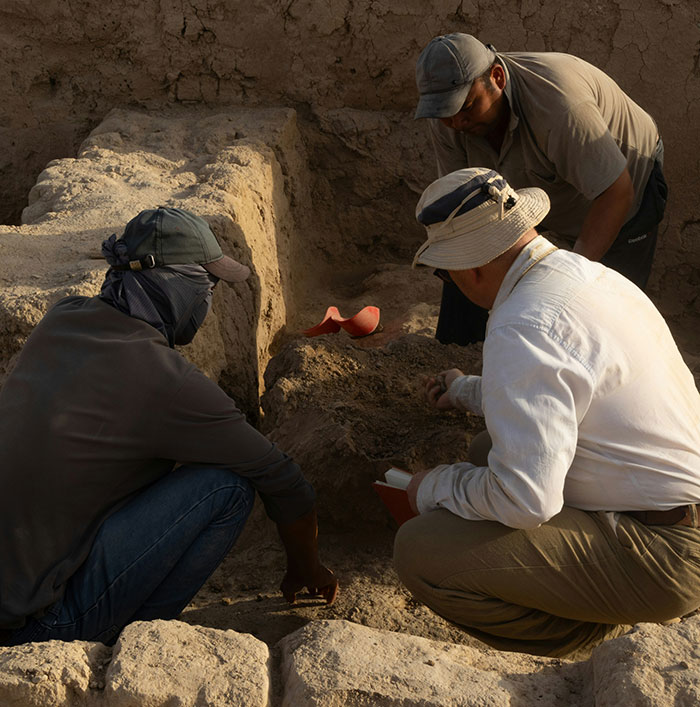
This one's like a historical detective story! Archaeologists slowly build theories based on thousands of years of clues, but sometimes they're not 100% sure if ancient people were truly serious about their goddesses or if those figures were just... early artwork with a different vibe. For example, white marble statues? We thought they were classic and pristine for ages, but surprise! They were once painted *super* colorful (think ancient neon). Then there’s Göbekli Tepe, a mystery pre-historic party spot where no one really lived but gathered occasionally — or maybe it wasn’t just a hangout? Archaeologists still debate! So the bottom line: ancient people might’ve believed sincerely or maybe had a little fun with their rituals, kind of like our playful Santa decorations today. Who knows? It’s history’s biggest playful wink.
Why Are Native American Restaurants So Rare? Did They Ever Run A Food Scene?

Forget everything you thought about Thanksgiving food celebrations. Native American cuisines got sidelined big time, not because they weren’t delicious but because history wasn’t kind—they were pushed onto reservations, their food traditions crushed, and horrors like forced boarding schools tried to scrub their food culture away. Meanwhile, immigrant communities were busy building their own tight-knit food spots, and Native Americans just couldn’t get a slice of that restaurant pie. It wasn’t about taste; it was about access and history rewriting menus. Now? There's a bright future with Native chefs lighting up powwows and restaurants with real, traditional dishes finally getting their moment. Next time you spot a powwow or a Native food pop-up, dive in—it's a flavor party with serious history behind it.
How Did The Dandelion Go From Edible Superstar To ‘Weed’ Outcast?

Back in the day, dandelions were just plants trying to be useful—maybe a medieval snack or a Victorian salad star. They showed up all over, introduced either by accident or curiosity, and people gave them a shot for medicine and munchies. But here’s the kicker: they grow like crazy, with roots that can sneak deep underground, and if you don’t yank every bit out, they pop right back up. Farmers and gardeners started to get fed up. Plus, they’re not exactly the tastiest greens on the block (sorry, dandelions). Some tried to get fancy, turning blossoms into wine or roasting roots into coffee-ish drinks, but let’s be honest, coffee’s the reigning champ. So, with their stubborn invasion skills and meh flavor, they lost their foodie fame and got demoted to pesky weed status. Their story’s not unique either—other veggies like skirrets and alexanders also got the cold shoulder because they were a pain to prep or just bitter. Yet dandelions still sneak into traditional drinks and dishes now and then, clinging to their rebellious streak.
So… What Did Native Americans Really Use To Wipe Their Butts?
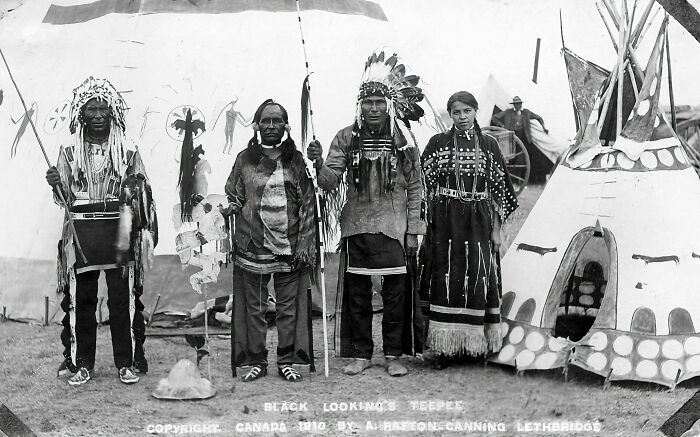
Here's the scoop from archaeology pros in the US Southwest: Native Americans used all kinds of stuff to clean up after nature called. Some places like Eagle Cave in Texas have super-preserved poop stuck to smooth river rocks and chewed plant bits, showing they used those to wipe. Elsewhere, cooked prickly pear pads and soft leaves got duty as nature’s TP. Farther north, folks sometimes grabbed young soft leaves, snow (brrrr!), rabbit fur scraps, or even backed up to saplings for a good rubdown. In the Amazon, sassafras shoots were their arrows of cleanup, complete with funny sayings about 'killing a deer' (aka their leafy toilet paper). This isn't just clean biology, it's some seriously clever survival gear! And guess what? Clean living was easier, too, thanks to their fiber-heavy diets making for smoother exits. Yup, history’s best-kept bathroom secrets are surprisingly fascinating and eco-friendly!
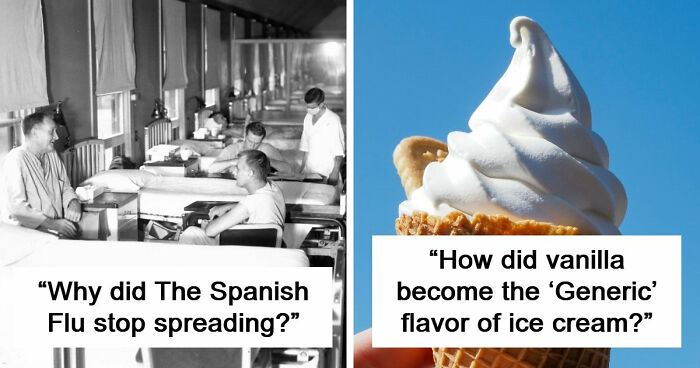
How Did Vanilla Turn Into The 'Plain Old Default' Flavor Of Ice Cream?

Vanilla has a wild backstory! Originally treasured by Mesoamerican cultures as part of their chocolaty drinks, vanilla was a rare and mysterious spice in Europe—especially since the bee that pollinates vanilla orchids was MIA outside Mexico. Things changed when a clever slave named Edmond Albius figured out how to hand-pollinate the plants on the French island of Bourbon. That discovery opened the floodgates, and vanilla farms popped up in all sorts of tropical spots. But vanilla’s hard work didn’t stop there—it requires hours of careful drying and curing (think months of plant spa days!). Just when vanilla farming was getting up and running, German chemists whipped up synthetic vanillin in 1874. At first, it was as pricey as gold, but soon cheaper methods crashed the market, making vanilla flavor wildly accessible. By 1900, vanilla ice cream and sweets were EVERYWHERE in the US, thanks to cheaper sugar and artificial vanilla. Today, the vast majority of vanilla flavors come from that lab magic, not the actual bean. Who knew science and sweet tooths would team up to make vanilla the king of ice cream flavors?
The 1918 Spanish Flu Didn’t Just Drop Dead After Infecting 28% Of Americans—So Why Did It Stop Spreading?
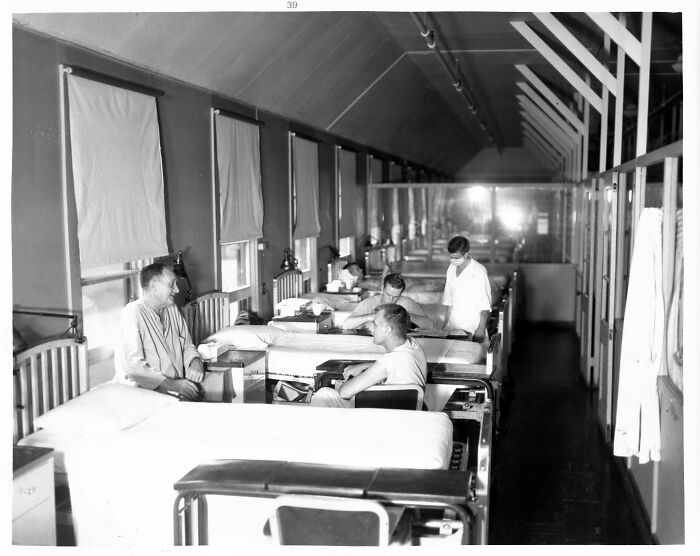
Contrary to popular belief, the Spanish Flu didn’t just vanish after infecting a big chunk of people. Instead, it became part of the regular family of flu viruses we see every year. Scientists think it evolved pretty fast, turning into a milder strain after the deadly second wave. It's common for viruses to get less kill-happy over time since super-deadly bugs don’t spread as well. A funky thing about the 1918 H1N1 variant was it hit young adults harder than usual—possibly because their super-strong immune responses sometimes went haywire (hello, cytokine storms). Later flu epidemics showed that folks who lived through the 1918 bug got some immunity, which explains why the older crowd often dodged those later punches. After 1957 and 1968 pandemics, new flu types took over, but the original virus's descendants lived on in pigs, occasionally jumping back to humans—like in the 2009 swine flu outbreak. Today, thanks to vaccines and better treatments, the flu is generally the lesser evil it’s known as, rather than a world-stopping nightmare.
Could Al Bundy Really Support His Family Selling Shoes In An 80s Chicago Strip Mall? Spoiler: Nope, But Not For The Reason You Think
Alright, time to check Al Bundy’s paycheck—turns out, the guy made about $12,000 a year, which breaks down to roughly $5.77 an hour. That’s not far off the retail clerk average in early 90s Chicago. So his basic income? Realistic! The 10% commission he bragged about? Now that’s some serious selling talent, especially when he’s throwing shade at customers all day. As for the family home? The show’s exterior? That’s a sci-fi dream. The real Deerfield, Illinois houses cost way more than Al could afford, especially on his salary. Back in 1980, buying an average Illinois home meant coughing up about $500 a month on the mortgage, which would’ve been a big stretch on Al’s budget. So yes, supporting a family was definitely a struggle—just like the show hilariously portrays—especially if your customers are too fat to fit in shoes!
Why Did Nixon Keep Sabotaging Democrats Even When He Was Already Winning Big?
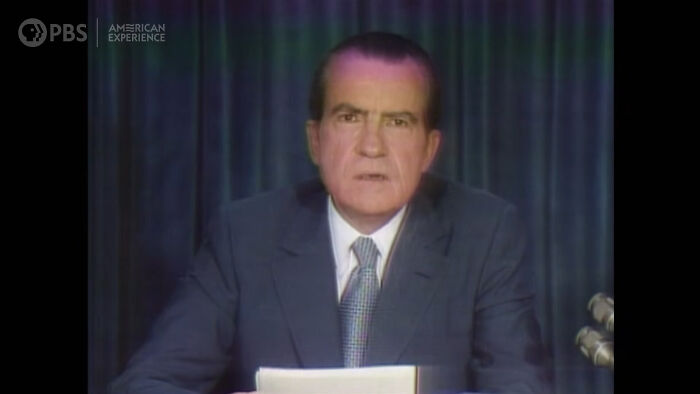
Here's the tea: Even though Nixon was cruising towards a big win in 1972, he was super paranoid about what the Democrats might do next. Early in 1972, the race looked tight, and candidates like Muskie still posed a threat (until an assassination attempt sidelined George Wallace). The Watergate break-in wasn’t just a random burglary—it was part of a dirty tricks campaign planned by Nixon’s team, including wiretaps and more. Nixon himself might not have known all the messy details right away—it was the cover-up that really got him in hot water. So what were those burglars hunting for? Some say they were after dirt about shady loans from the billionaire Howard Hughes, others think they wanted proof the Democrats were getting illegal foreign cash (hello, Vietnam and Castro rumors!). One kooky theory is they were searching for scandalous photos, while conspiracy buffs speculated about secret assassination plots against Castro. Oh, and some clever folks think Nixon feared his 1968 sabotage of Vietnam peace talks leaking out. Bottom line? Nixon didn’t mess around—even sitting pretty, he played dirty to keep that edge.
Why Didn’t Russian Officials Know How Good Life Was In America Before Yeltsin’s Shocking Grocery Store Visit?
Here’s the deal: Yeltsin probably had the numbers about American life, but numbers only do so much. Coming from the USSR, where stats were often cooked or questionable, seeing a grocery store bursting with food aisles and choices was eye-opening. It's like hearing about a party but then showing up and realizing it’s *really* wild. Plus, why would top leaders need to shop the aisles themselves? It wasn’t their day job. But for Yeltsin, this surprise visit was a big deal. He openly said the US had better living standards, which rattled the usual cold-war bragging. The “kitchen debates” between the US and USSR tried to prove which system was better, but for the first time, a Soviet leader straight-up admitted defeat in the food department. This wasn’t about instant regime change; reforms started years earlier and were complex. Yeltsin used this visit to push reform and shake up the old guard. So yeah, it took a little grocery shopping to crack the Cold War’s denial game.
Why Are Some Christian Groups All About Banning Gay Marriage And Abortion But Ignore Stuff Like Tattoos Or Diets? And Has This Always Been A Thing?
So, let's chat about Christian fundamentalism! Around mid-20th century Canada, some groups (think Baptists and Mennonites) were all about no long hair on men, tattoos were a big no-no (unless you converted as an adult!), and Sundays were sacred—no work allowed. Homosexuality? Not tolerated. Abortion? Mostly frowned upon by churches back then, even after laws softened. But here’s the kicker: dietary rules? Already ditched thanks to biblical shifts that basically said, “Eat what you want.” Meanwhile, groups differed a lot by region and time, and what was strict in one place was chill in another. Bottom line: the issues that get the big headlines today weren’t always the main event for Christian conservatives—and tattoos, Sunday work, or diet rules often hung out in the background. It’s a wild mix of doctrine, culture, and changing times!
How Would Americans Have Paid For The Louisiana Purchase? Did They Ship A Boatload Of Gold To France?
Back in the early 1800s, Jefferson’s guys went to Paris with about $3 million in gold ready to snag New Orleans and Mississippi River rights — imagine lugging nearly 10,000 pounds of gold! But then Napoleon dropped the whole Louisiana Territory on the table for $15 million. The guys had authority to spend just $9 million, but hey, when opportunity knocks, you answer! They sealed the deal with a mix: $3 million gold downpayment, canceling $3.75 million of French debt owed to the US, and the rest paid via bonds. French banks got nervous, so some Amsterdam and London banks stepped in, buying the bonds with a nice 12.5% discount. So yeah, it wasn’t just a gold rush; it was a financial dance involving cash, debt swaps, and international banking buddies. History lesson? Sometimes buying a massive chunk of a continent isn’t just about dropping coins in a chest!
Where To Start If You Wanna Actually Learn The Real USA History? We Got You!
If you’re ready to geek out about the US’s past beyond what you learned in school, here’s a fun starter pack! Kick off with Charles Mann’s "1491"—the ultimate “before Columbus” scoop. Then check Ned Blackhawk’s accessible survey of Native American history that’ll open your eyes. Want less forgotten and more recent tales? David Treuer’s on it. For busting myths about the Spanish conquest, Matthew Restall’s your guy. To flip history from the Native American lens, Daniel Richter’s book is a must. Andrés Reséndez spills the beans on indigenous slavery—the story the textbooks skip. Jeffrey Ostler dives deep into Native resistance and survival, and Colin Calloway paints the American West like you’ve never seen it. Dive in, have fun, and get schooled on the awesome and often hidden layers of American history.
Medieval Toddlers: Were They Little Spoon-Throwing Drama Queens Or Chill Little Beans?

Great question! So, the classic 'terrible twos' and all that toddler drama? Nope, mostly a 20th-century thing. Back in medieval times, kids probably showed their food grumbles loud and proud, but grown-ups didn’t slap a 'tantrum' label on it or rush to 'fix' it. The idea that kids’ outbursts are bad and need managing is pretty new, coming out of early child psychology in the late 1800s and beyond. Before that, toddler fussiness was probably just... part of life. Also, historians have a tough time pinpointing exact ages or behaviors because medieval folks didn’t keep toddler diaries (bummer). So yeah, your medieval mini-me might have thrown peas off the table, but no one called it a meltdown—they just rolled with it.
Did Medieval Hunters And Knights Have Perfect 20/20 Vision? And How Did People Deal With Bad Eyes?

20/20 vision? Nope, not everyone had it back then! Some folks were nearsighted, farsighted, or had cataracts, just like today. When prayers weren’t cutting it, people leaned on family or monasteries for help. Miracle stories sometimes mentioned folks so near-sighted they couldn’t even find their way home! For work, if physical labor was tough on tired eyes, some switched to close-up jobs like embroidery. By the 1300s, a few lucky people got basic cataract surgeries, though the results sometimes gave them blurry close-up or distance vision. The first reading glasses appeared around 1300 but were handheld and not like todays’ specs. Even nobles like Emperor Frederick II struggled with vision but still hunted for thrills (because hunting was as much showing off as finding food). So, medieval life with imperfect sight was all about adapting and sometimes making your mark in other ways—like writing a book about it!
Why Did Some White American Christians Switch From Supporting Jimmy Carter To Backing Reagan And Now Trump?
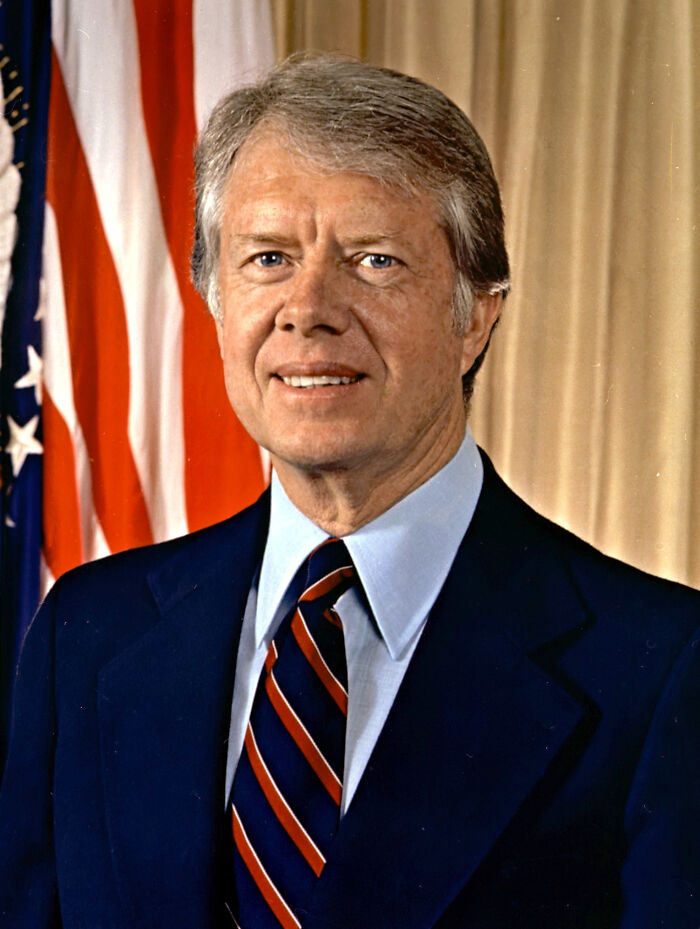
First off, historians can’t really say who was the 'truest Christian'—faith is personal and messy. But here’s the deal: studies show that conservative Protestantism has long been intertwined with upholding white patriarchy, capitalism, and American exceptionalism. Jimmy Carter won before the full swing of the Republican 'Southern Strategy'—that's the crafty plan to lure Southern white Democrats by appealing to racial resentments. Reagan crushed Carter in 1980, and religious leaders painted Carter as weak and unmasculine, especially compared to Reagan’s movie-star vibes. Over time, the loudest white evangelical voices shifted to openly supporting conservative politics, including Trump. So, the jump from Carter to Reagan to Trump wasn’t a faith rollercoaster but a political and cultural ride that reshaped what ‘Christian values’ looked like on the ballot.




Pirate Jack Sparrow Said He'd Been To Singapore—Was A Caribbean Pirate Likely To Swing Through Southeast Asia?
Singapore, as we think of it, was barely a twinkle in anyone’s eye in the early 1700s—it was under local sultan control and only became a British trading powerhouse way later, in 1819. But Jack’s wanderlust to East Asia isn’t so off-base. Pirates and sailors hopped between continents, and Jack might've sailed with or for the Dutch East India Company sailing Indonesian waters, or like the famous privateer William Dampier, who cruised from the Caribbean to Australia and beyond. Privateers—legal pirate-ish types—patrolled under government letters, blurring the lines. So Jack’s tales of far-flung adventures could totally include exotic ports in Asia, even if Singapore wasn’t one yet. A swashbuckling global tourist, basically!
Did Boss And Wife Overdinners In 1950s America Actually Happen? Or Just Sitcom Stuff?
Here’s a fun fact from the history of education: New York State’s homemaking exams (think of them like old-school life skills tests for high school girls) actually included questions on throwing dinner parties for the husband’s boss! Yup, students learned menus, seating charts, and how to impress the in-laws and in-chiefs. NY has the oldest public education system in the US and their Regents Exams really shaped what kids learned. Not every kid took these courses, but many DID, prepping for jobs as homemakers. While we can’t say dinner with the boss was the wildest dinner party on earth, it was definitely on the radar. So next time you binge vintage sitcoms, remember: that awkward dinner invite? Might just be schoolwork.
Did George W. Bush Seriously Steal The 2000 US Election?
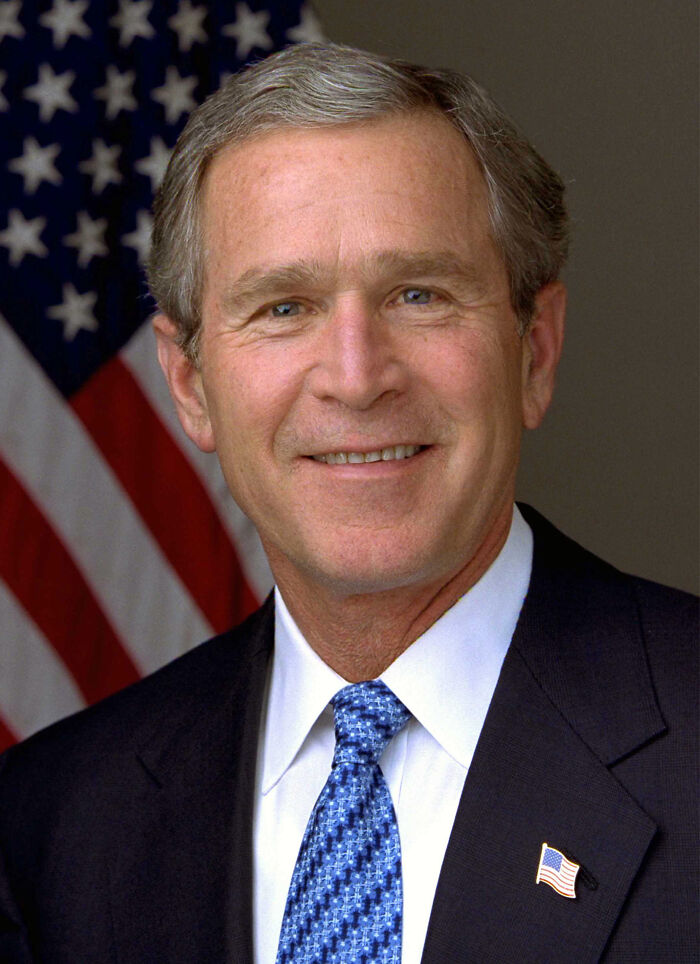
The 2000 US election was a total mess of vote counts and headlines flipping back and forth, especially in Florida. Networks first called Florida for Gore, then took it back, then called it for Bush, then pulled that back too. The margin was razor-thin, sparking an automatic recount plagued by ballot confusion—thanks to those notorious hanging chads and tricky butterfly ballots. After legal fights and the infamous Supreme Court decision (Bush v. Gore), Bush won Florida by just 537 votes. Was it stolen? There’s no solid proof Gore would’ve won even with more recounts, but the system’s quirks, plus a Republican-friendly Florida Secretary of State and Supreme Court, definitely helped Bush clinch it. So it wasn’t a heist, just a heart-stoppingly tight race where system advantages mattered big time.
Did People Actually Work 9 To 5 Back In The Day, Or Is That Just A Song?

Turns out, the famous 9-to-5 wasn’t really the everyday shift for most. Back in the 1890s, most folks worked closer to 10 hours a day over 6 days—a whopping 60 hours a week! Even when the 8-hour day movement kicked off, it wasn’t an overnight change everywhere. 9-to-5 pops up in writing around 1918, but often as an ideal or a neat desk job, not the norm. Railroads led the early 8-hour pushes, but many still put in long hours. Surveys from the 1930s show lots of 45-hour workweeks (9 hours a day, 5 days a week) were common. By the 90s, 8-to-5 was most typical. In short: “9-to-5” is more slogan than schedule, a symbol of the nice tidy job — not the daily reality most people faced for ages!


Why Do Elementary Schools And High Schools Teach Totally Different Versions Of US History?
When you were hitting the books way back in the late 90s and early 2000s, Virginia’s state schools were revising history lessons to drop some popular myths and tell a more complex story. Kindergarteners got introduced to legends like Paul Revere and Johnny Appleseed—mixed with real facts. Later on, high schoolers tackled the same stories but with extra layers, like questioning if Patrick Henry really shouted 'Give me liberty!' as remembered. Plus, teachers at the early levels often chose storybooks, sometimes passing on simplified or legendary versions without realizing it. Combined with textbooks that had inaccuracies (some still approved by states!) and teachers not always trained in history’s twists, it’s no wonder younger students heard a different tale than their older siblings. It’s all part of growing into the real, messy truth behind the legends.
Did JFK And Jackie Kennedy Really Need Drug Cocktails To Get Through Big Events Like Buckingham Palace Dinners?
Yep, JFK battled some serious health problems, especially back pain, and was on a cocktail of meds and treatments for it. His docs debated exercise vs. injections to manage his pain. Jackie Kennedy herself took Dexadrine (an amphetamine) to get through the Inauguration Day ball. The doctor in all this? Max Jacobson, a controversial figure who gave “miracle” amphetamine shots to the famous—including the Kennedys. He wasn't officially part of the White House medical team, but visited the Kennedys often in the early 60s. Unfortunately, he destroyed his records, so details come mostly from stories and memos. So while it’s clear they got medical help to power through big events, the idea of secret drug cocktails is less conspiratorial and more a sign of their complex medical lives. As for the rumored domestic abuse? Historians don’t have much solid info, and that’s still a seriously murky chapter.
Why Can Tear Gas Be Used In Riots But Is Banned In War? Sounds Like A Double Standard, Right?

Here’s the deal: Tear gas is banned in war because it’s a chemical weapon, and using it could make the other side freak out and retaliate with deadly chemicals like nerve agents. Imagine two armies—Red and Blue—locked in battle. Blue sprays tear gas to flush Red out. Red’s soldiers, wrapped head-to-toe in gas masks, can’t tell if it’s tear gas or something nastier. So their general orders a nasty chemical strike back. Things escalate fast, and suddenly everyone’s coughing and gasping for real. Using tear gas in warfare risks triggering this dangerous escalation. But for riot control (think police crowd control), the stakes aren’t as huge, and it’s designed to be temporary and less harmful. So yes, it feels like a tricky double standard, but it’s really about preventing full-blown chemical warfare accidents. Politics, safety, and survival all rolled into one gas cloud.
Did Boomers Just Love Hating Their Wives On TV? Or Were 80s TV Marriages Really That Rough?
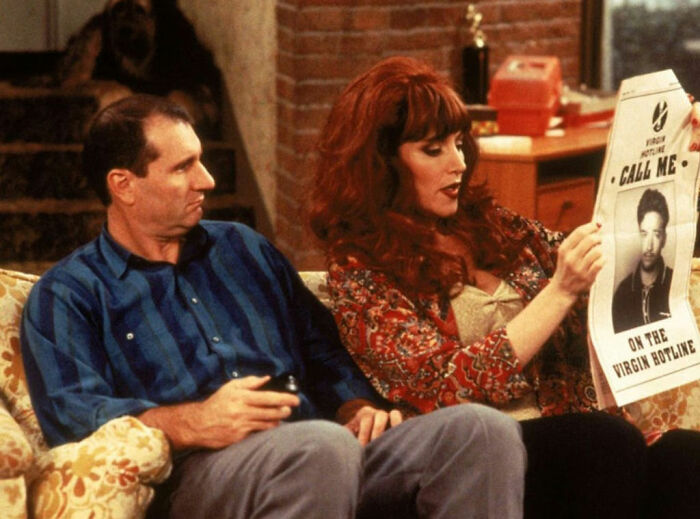
So, the idea of the constantly bickering husband and wife definitely hit TV screens big in the late 80s and 90s with shows like "Married... with Children" or briefly "The Simpsons." But plenty of other classic 80s sitcoms—think "The Cosby Show," "Family Ties," "Diff'rent Strokes"—featured families that weren’t all doom and gloom. If you peek back a bit earlier, "All in the Family" stirred drama with Archie Bunker’s gruff ways, but the “boomer hate their wives” trope wasn’t a universal vibe. What changed over the decades was the TV reflecting more family diversity and conflict, not just happy nuclear families. Studies show that shows like "Married... with Children" leaned into overt conflict for laughs, while others kept more harmony. So the short answer? Boomers didn’t *have* to hate their wives—they just loved a good TV argument every now and then.



The Statue Of Liberty Is Green Now, But Did People Ever Freak Out And Ask To Restore That Shiny Copper?
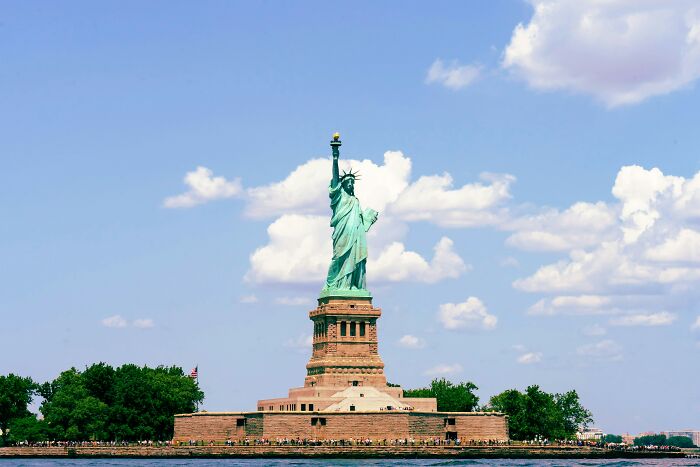
When Lady Liberty showed up, she was more shiny copper than minty green. Everyone expected that green-blue patina to form—it’s like a natural sunscreen for copper that actually protects it from rusting away. Experts warned that stripping the patina would harm the statue, and early 1900s articles praised the green as beautiful “nature’s cobwebby raiment.” Sure, some calls popped up to clean or paint over the green, but they were quickly shut down by conservators and fans alike. For decades, the main debate was “who pays for the upkeep?” The statue shuffled between groups before the National Park Service took over and gave her a major makeover for her 1986 centennial—carefully preserving that famous green sheen. So the green looks like it's here to stay, and thank goodness—the copper underneath needs that natural armor!
Did 1700s Kids Pretend Sticks Were Guns By Mimicking Musket Loading, Or Did They Just Go "Pew, Pew"?
Studying kids’ play centuries ago is a puzzle, but the broader picture shows boys loved imitating the grown-up world—and that included doing full military drills and carrying toy muskets. Nobles and commoners alike staged mock battles, with kids organized into tiny armies, drilling and marching just like the pros. Archaeologists find toy guns and cannons in old river digs, hinting at serious play with pretend firing. Some boys even hollowed out candles and packed them with powder to mimic real loading. One 12-year-old apprentice didn’t just point and make click noises—he actually went through the steps of loading his master’s gun with powder! So yeah, 1700s kids went way beyond “pew pew”—it was a full-on, detailed pretend war game. Talk about dedication to the game!
Did Michael Phelps Really Beat A 2,000-Year-Old Olympic Record? Any Other Ancient Records Still Standing?
Leonidas of Rhodes dominated the ancient Olympics with 12 wins—a record Phelps just surpassed swimming. But ancient games had fewer events—mostly fighting, horse races, and running—so comparing them isn’t exactly apples to apples. Another epic ancient athlete, Phayllos of Kroton, reportedly long jumped so far he broke his leg (ouch!). That distance—about 15 meters—is way beyond modern official records, but some folks think it might’ve been a triple jump or an exaggeration. Still, ancient athletes were pros too, sometimes making a living chasing prize money across different games. So while Phelps’ record is mind-blowing today, ancient champions had their own legendary feats that may never be topped.
Why Do American Schools Call Grades Freshman, Sophomore, Junior, Senior Instead Of 1st, 2nd, 3rd, 4th Year? And What’s Up With The Names?
Turns out those classic school terms like Freshman, Sophomore, Junior, and Senior come from Oxford and Cambridge—and originally, they were kinda jokes at the newbies’ expense! Sophomore literally means “wise fool,” hinting that second-year students thought they knew it all but actually didn’t. Back in the day, universities were lively places full of rowdy students causing trouble, slacking off, and mostly not acting like the noble scholars we picture now. Think of freshmen as fresh-from-the-start schoolers getting their butts kicked by upperclassmen in some brutal (and sometimes hilarious) hazing rituals. So yeah, today’s grade names are a medieval roast that stuck around—proof that school snark never goes out of style.


Why Did Charles II’s Autopsy Sound Like A Medical Fairy Tale? Was That Normal Back Then?
Charles II’s autopsy sounds wild by today’s standards—like a heart the size of a peppercorn with no blood? But back then, medical folks operated on very different rules. They believed in balancing body fluids, humors, and powers you can’t see, rather than pinpointing disease with organs. Think of it as medicine mixed with astrology and philosophy—so finding a ‘tiny’ heart wasn’t just a mistake, it fit their whole worldview. Fast forward a bit, 18th-century docs started connecting disease to specific organs, but the science was still fuzzy. The clinical way of looking at sickness—identifying exact tissue damage—only took hold later. So those old autopsy reports aren’t medical blunders—they’re windows into how people back then tried to make sense of the human body with the tools and beliefs they had. Fascinating, if a little bonkers to our modern eyes!
Could A Roman In 1 A.D. Assemble Everything To Make A Cheeseburger (If They Knew How)?
While the Romans had loads of ingredients—like olives, grains, cheese, and even some meats—some key burger buddies were missing, like potatoes (aka fries’ origin) and, of course, the modern hamburger bun. Plus, ground beef as a patty with melted cheese on top? Not really a culinary combo they nailed. Romans loved their fancy sauces, stuffed meats, and baked breads, but the cheeseburger? It definitely wasn’t on the menu. So if a Roman dreamed of cheeseburgers, they’d be left wishing they had today’s grill and ingredients. Ancient gourmet, but not quite burger boss!


17
0