
 then open in external browser


 and click "Open in External Browser"

Hey! Today we're diving straight into some jaw-dropping disaster stories. You won't believe how the tiniest glitches led to massive chaos. Ready? Let's roll!
This post may include affiliate links.
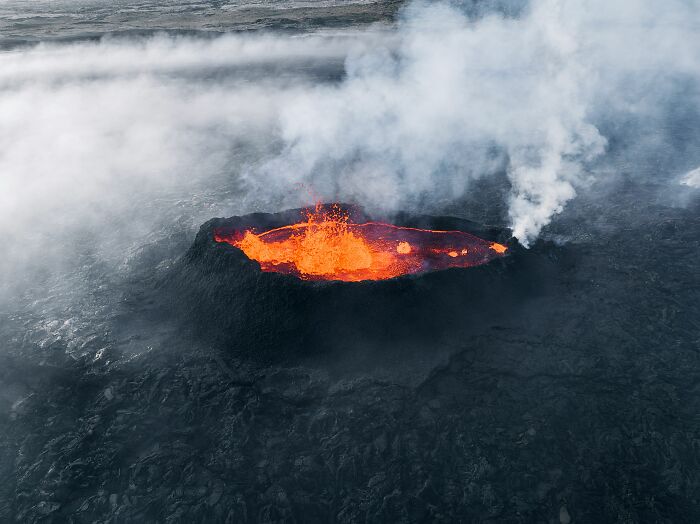
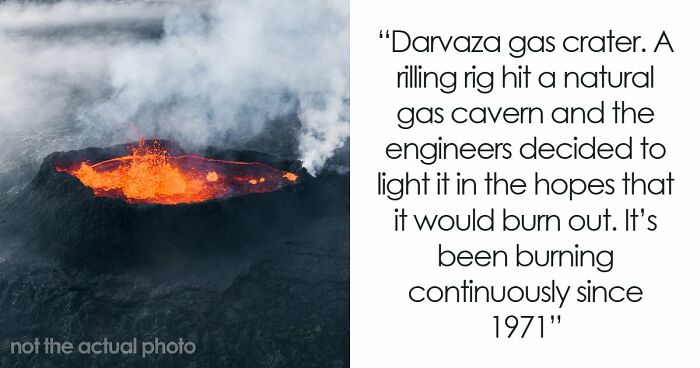
Back in the Soviet days, some folks drilled into a gas pocket and decided to set it on fire, expecting it to die down soon. Spoiler: it’s still burning, continuously, since 1971! Oh, and the US has its own forever-fire in Centralia, Pennsylvania, where a coal mine blaze just won’t give up either.

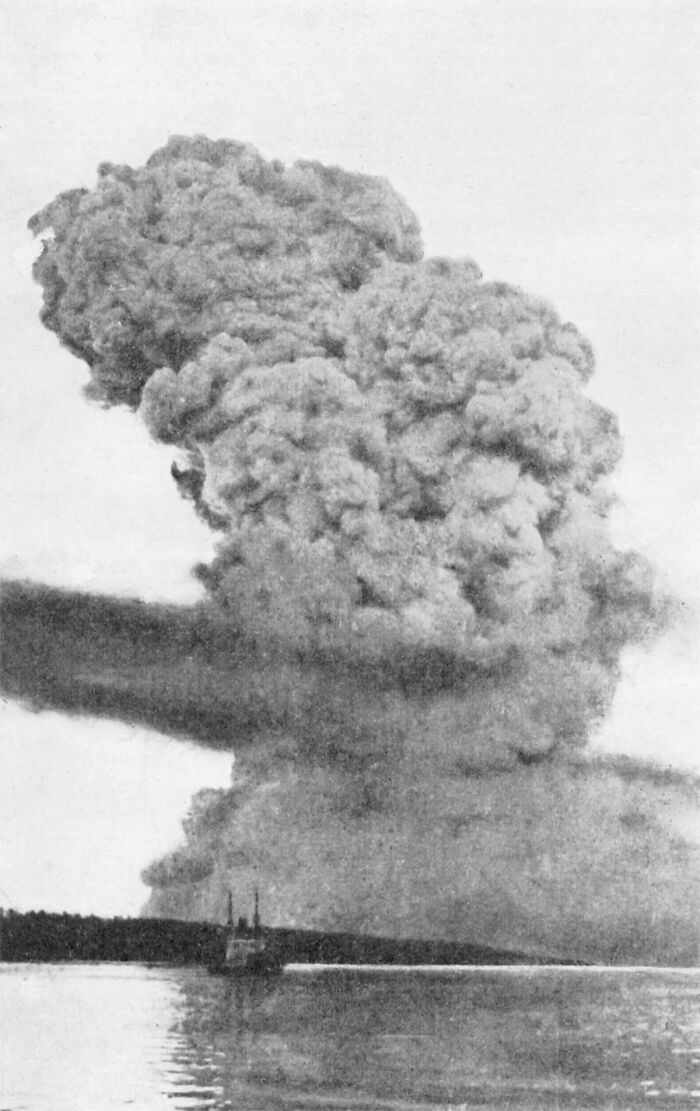
Imagine a big ship packed with TNT and fuel crashing into another ship just because it refused to stick to the sea traffic rules. Boom! Fuel barrels toppled, caught fire, and then - the massive explosion. The aftermath? Terrible loss and chaos.
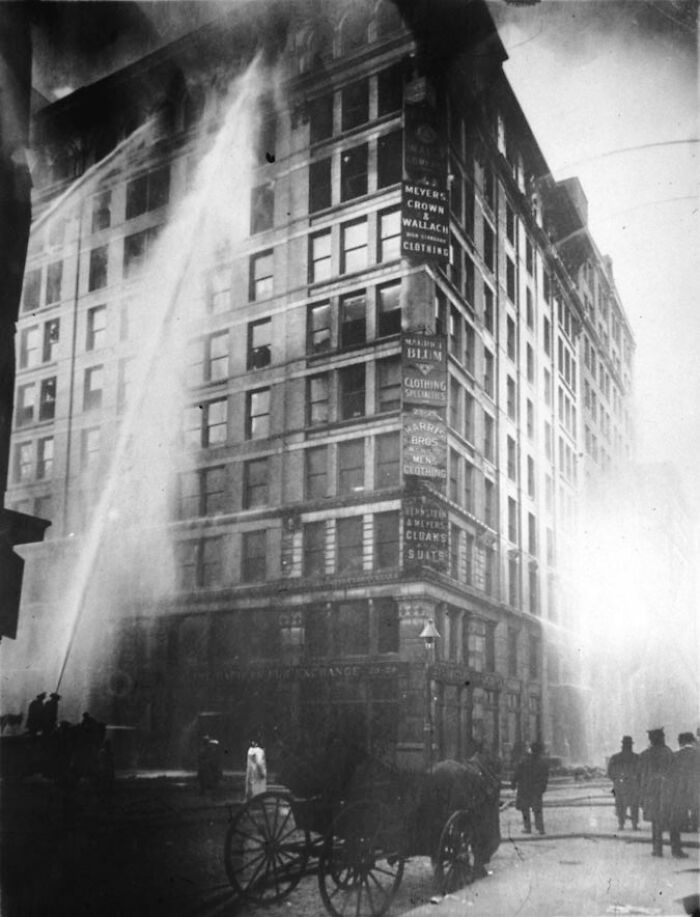
At a factory, the stairs were chained shut on purpose to stop workers from leaving early (yikes!). When fire broke out, people had nowhere to go. The result? A tragic loss of life that shook everyone.
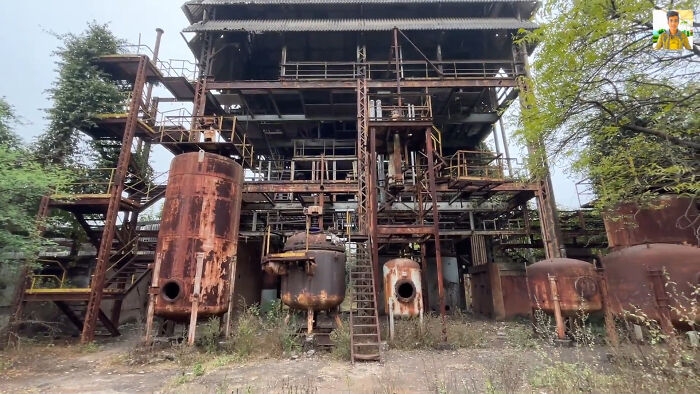
In India, a pesticide plant accidentally released a toxic gas. The fallout? Hundreds of thousands got exposed, thousands died, and the disaster still haunts the community. A grim reminder of what happens when safety checks fail.
Norway’s fancy oil platform sank because a welder missed a tiny speck of paint when sealing a joint. That tiny blip led the leg to fail and the whole rig flipped over. Over a hundred lives lost, all because of a little paint! Ouch.
At a kids’ show, an announcement about prizes sent a crowd rushing down the stairs. But the exit door opened inward and was barely open, trapping kids at the front. Crushed by the crowd, 183 kids sadly didn’t make it. That's why fire exits now swing out.
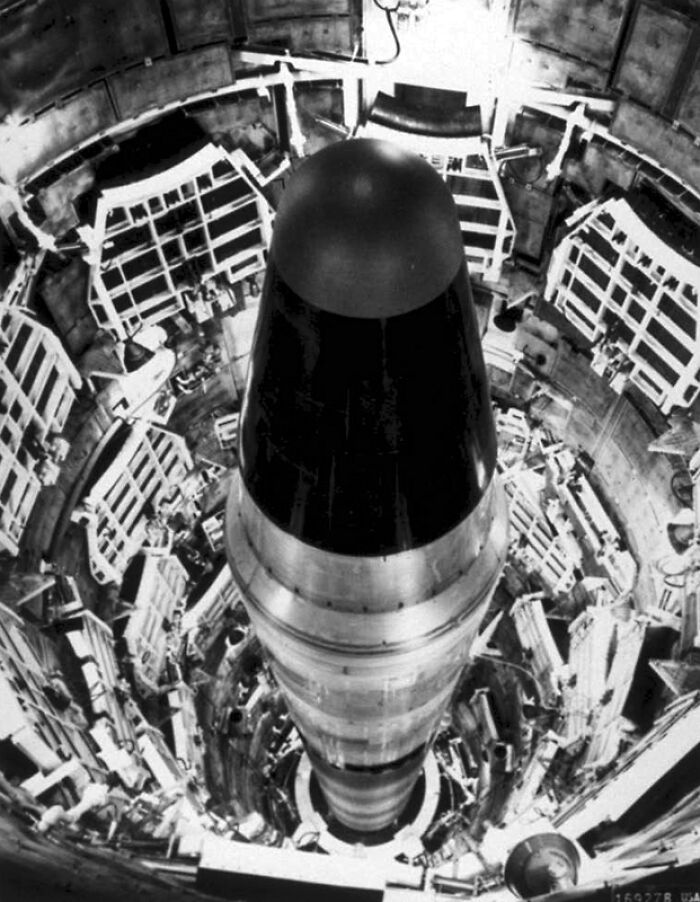
Dropping a small socket in a missile silo sounds harmless, right? Nope! That tiny accident led to a huge explosion that literally ejected a 9-megaton nuke warhead. Luckily, no radioactive goo spilled, but still, wow.
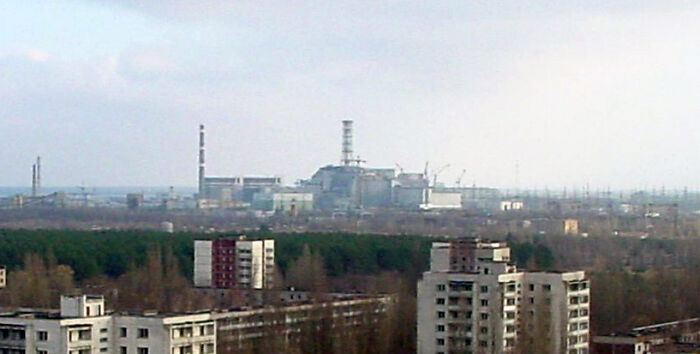
Chernobyl's reactor blew up because of a botched safety test and some design flaws. The fallout spread radioactive nastiness across huge areas, forcing evacuations and costing billions - talk about a nuclear nightmare.
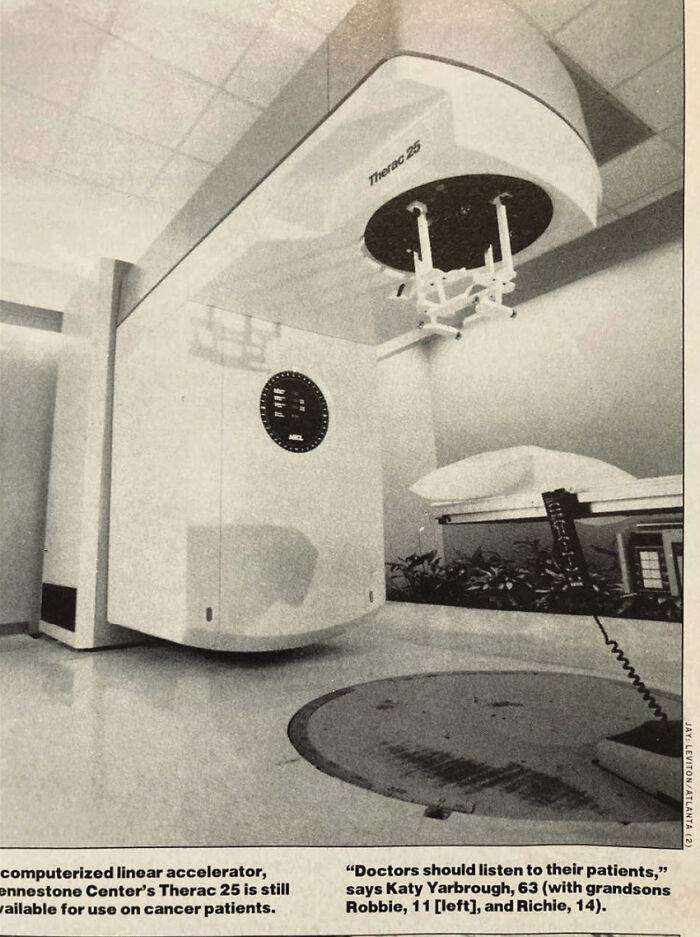
Imagine a cancer-fighting machine accidentally frying patients because of software bugs. That’s exactly what happened with the Therac-25, turning medical tech into a nightmare and teaching engineers tough lessons.
In Boston, a molasses tank exploded, unleashing a tsunami of sticky goo that crashed through everything in its path, knocking over trains and crushing buildings. Slippery mess? You bet. Deadly? Sadly so.
Saving money, Ford left out a cheap safety part in the Pinto. Result? Cars more likely exploded on impact. The company figured it was cheaper to pay lawsuits than add the part. Big oops, and lots of human cost.
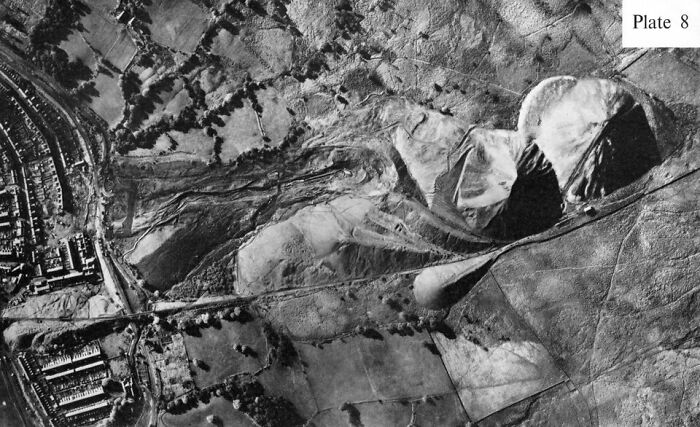
Putting a huge pile of mining trash over a spring turned out terribly wrong when heavy rain made it slide downhill onto a school and homes. More than 100 lives lost - all because of ignoring the water under the piles.
Trying to cut costs, a parts maker swapped a chemical in airbags but didn’t handle it right. The airbags could explode violently, injuring and killing people. Millions of cars recalled - talk about a pricey mistake.
A guy ripped apart an abandoned hospital machine and found glowing blue stuff - radioactive cesium! People smeared it on themselves, children played with it, and soon many got sick or died. The city had to go into cleanup overdrive.
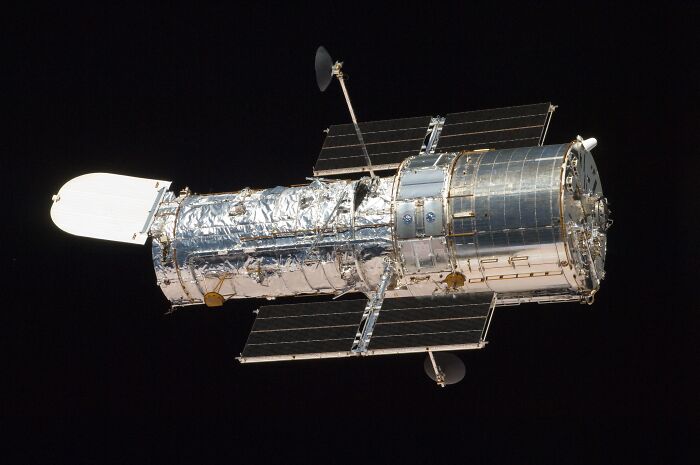
The famous Hubble space telescope had a blurry lens error caused by a flipped washer on a measuring tool. This wasn’t noticed till it was already in space. The fix? Put a corrective lens up there. Space fashion, anyone?
A quiet tour at a pumping station turned deadly when built-up methane exploded. Several visitors died and others suffered gruesome injuries. Guess sometimes what you don’t see can hurt you real bad.
A plant making explosives caught fire because stuff wasn’t stored safely. The blast was so massive that a school 8 miles away felt the tremors. The students thought a bomb hit - surprise, it was just a huge accident.
Thomas Midgley Jr. dreamt up Freon and leaded gasoline, both of which caused big environmental and health headaches. Ironically, his own life ended in a freak accident with one of his own inventions. Talk about a plot twist.
Firefighters closed hatches on burning fertilizer to put out the blaze, not knowing the pressure would skyrocket and cause a massive explosion. Hundreds died and a town was leveled - all because of one tiny decision.
The Demon Core was a tiny ball of plutonium involved in two deadly accidents thanks to risky experiments. Two scientists died from radiation, proving that with nuclear stuff, precautions are no joke.


Adding lead to gasoline seemed clever back in the day, but it ended up being bad news for brainpower. Studies suggest it knocked a few IQ points off entire generations. Not the smartest mistake!
One train crew got confused by a switch engine and signals, sent their train barreling into another head-on. Wooden cars didn’t stand a chance. This horror pushed rail companies to revamp safety systems.
A software glitch involving an overflow error led to a rocket blowing up after lift-off. The computer couldn’t handle a number, messed things up, and boom - space party canceled!
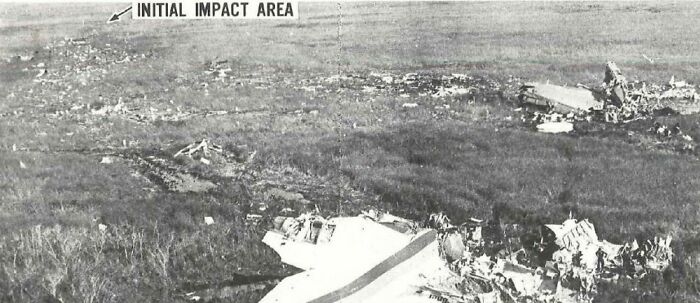
The pilot and crew got sidetracked fixing a cockpit light, and meanwhile, the plane slowly dropped into the Everglades swamp. A deadly reminder to keep eyes on the big picture!
An accident on a North Sea drilling rig caused sudden decompression, leading to several divers dying and others severely injured. It’s a chilling tale of how pressure plays dangerous games.
A Mars mission failed when a unit conversion slip-up sent the probe careening into the ground. Metric vs. imperial - space is not the place for mix-ups. The Hubble flare-up was another costly error from a tiny oversight.
A ship caught fire but the captain tried to save the goods instead of sounding the alarm. Pressure built up with closed hatches and kaboom! Hundreds died. A tragic example of how small choices make huge impacts.
Turns out babies feel pain just like adults. Doctors before the 1980s didn’t know this and performed surgeries without painkillers. Thankfully, that changed fast, and now babies get the care they deserve.


In the 60s, a hospital gave babies formula with the wrong kind of salt, leading to convulsions and deaths. A tragic mistake in healthcare that reminds us how tiny errors can cost big.
Fukushima's reactors used backup generator setups designed for tornado-heavy Texas, placing them in tsunami flood zones. When the big wave hit, the power backup failed, turning things into a disaster. Lesson: location matters!
At a club, the only exit doors were revolving doors. When a fire caused a panic, people jammed up and couldn’t get out fast enough. This disaster changed how buildings design their exits - doors now swing out for safety.
The Titanic was packed with luxuries and safety features but had fewer lifeboats than people. Couple that with hitting an iceberg and some not-so-great safety plans, and you get one of history’s most famous disasters. Epic fail on ice.




33
0