
 then open in external browser

 and click "Open in External Browser"

Hey! Ready for a wild ride? We're diving into a bunch of posts that are equal parts hilarious and kinda bonkers. Whether you're in on the joke or just here for the laughs, buckle up and enjoy this quirky collection.
This post may include affiliate links.




Here’s a fun brain teaser: “delusions of adequacy” means thinking you’re nailing it when you’re actually kinda missing the mark. This snappy phrase popped up back in 1951 from a super fancy theater critic named Walter Kerr. Basically, it’s like when someone tries to fake it till they make it - but haven’t quite made it yet.
He saw this in a play where a character ditched big dreams to start from scratch, because, spoiler alert, they were totally fooling themselves about their own smarts. So yeah, delusions of adequacy is just a fancier way of saying someone’s wildly overestimating themselves.



And guess what? There’s this thing called the Dunning-Kruger effect, which is basically delusions of adequacy in snazzy science talk.
It means folks who aren’t great at something think they’re actually rocking it. Fast Company calls it a cognitive blind spot where clueless people think they’re experts. Classic!



Turns out, these overconfident bosses aren't usually evil geniuses trying to mess things up. Nope - they just don’t realize they’re clueless because everyone’s too scared to tell them the truth. So they get loads of praise for being “awesome leaders” while their teams silently freak out. Oops.



The Decision Lab adds that when you feel like you’re crushing a new skill, you might just be fooling yourself. Instead of discovering a hidden talent, you might simply be getting not-so-bad at something that used to be terrible. Progress, right?
Being blind to your real skills can actually mess with your head and happiness. Yikes.



And just when you thought you had it figured out, here comes impostor syndrome - the pesky feeling that you’re a big ol’ fraud. You worry people will find out you’re faking it, even when you’re not.
It makes you doubt yourself even more, which just adds to the whole confusing mess of self-confidence.


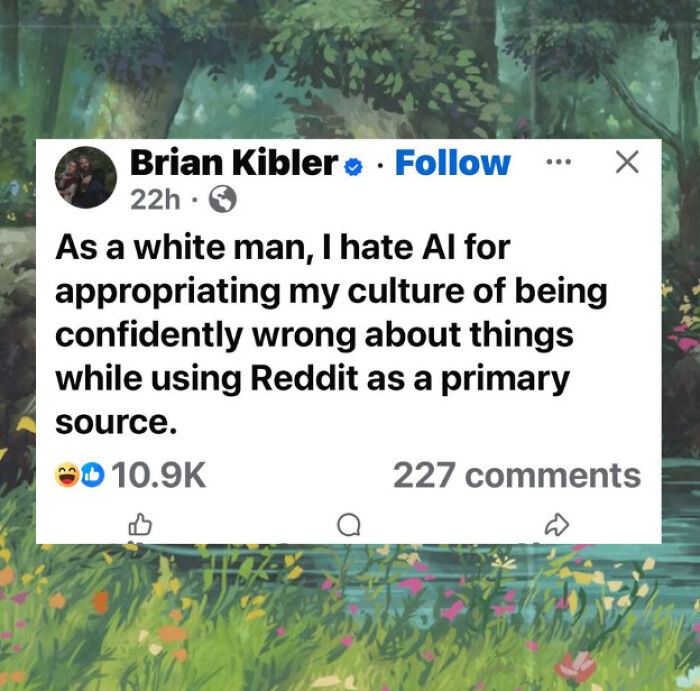
Thinking you’re a rockstar when you’re not means you miss chances to learn from the real pros. But on the flip side, if you think you’re average while secretly being amazing, you might skip out on showing off your talents or leading the pack. It’s a lose-lose!



The Decision Lab warns that overconfident people usually don’t want to hear advice because they’re already convinced they know it all. And worse? They tend to spread their confident but sometimes wrong info to everyone else.
This effect can cause chaos in big places, like schools, hospitals, or politics. Not the best, huh?
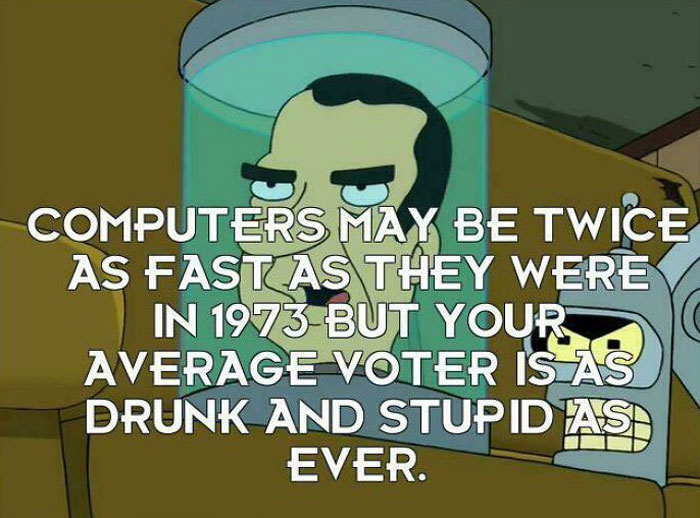


The fix? Be cool with hearing feedback and don’t assume you’re killing it all the time.
Remember: thinking you suck in something might just mean you’re smart enough to know you’re not great yet. And being overconfident? Maybe it’s time to hit the pause button and get some real talk from others.


















































39
0