
 then open in external browser

 and click "Open in External Browser"
Wait, Scientists Think These Wild Theories Might Actually Be True?!
Hey there! Today we’re taking a peek at some of the wild, weird, and utterly fascinating things scientists *suspect* are true - even if there’s no rock-solid proof yet. It’s like the science version of “hmm, what if?” Grab a snack and let’s get into it!
This post may include affiliate links.

Turns out, a tiny gall wasp might be messing with chestnut trees in the U.S., causing them not to grow right and die young. One smarty-pants scientist has been digging into how this wasp’s presence messes with chestnut tree hormones and photosynthesis. The great news? The research is showing ways to fight back against these wasps and help chestnuts reclaim their spot in nature. Imagine chestnut trees ruling the landscape again - like they used to!
Plus, they found this wasp farther north than anyone thought. Science win!

Scientists never really stop digging - literally and figuratively. Last year, they uncovered some of the oldest ice, probed new cancer tests, and spotted mysterious sea star sickness. They’ve cataloged over 6,000 exoplanets (planets outside our solar system), snapped jaw-dropping space photos, and found hints that humans might have started fires way earlier than we thought.
Oh, and regular folks helped too, catching meteors and earthquake faults on film. Science is a team sport!

Here’s a head scratcher: several different psychiatric conditions - from depression to schizophrenia - might be linked by some common genetic glitches involving calcium channels in the brain. These tiny channels help with the release of neurotransmitters, the brain’s messaging system.
It might also explain why treatments like electroconvulsive therapy (shock therapy) work for some people - it shakes up those calcium channels. Psychiatry - it’s like the last great brain mystery!
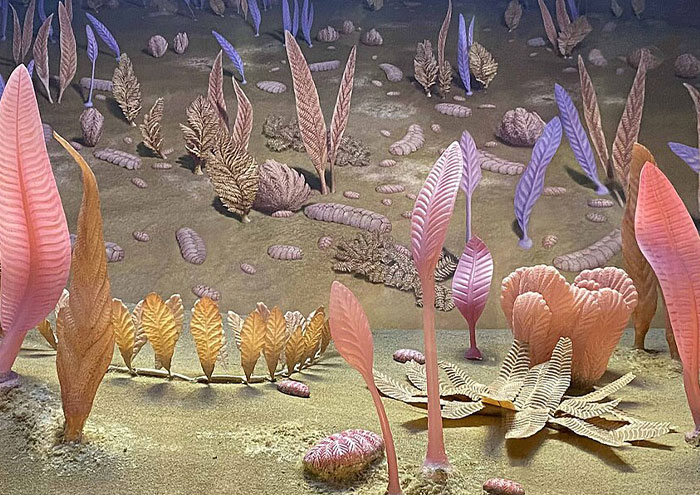
Before dinosaurs and mammals, there were the Ediacaran creatures - alien lifeforms from over 540 million years ago with shapes and lifestyles unlike anything alive today. Scientists used to think of them as ancient worms or jellyfish, but now they’re realizing these organisms belong to extinct groups that don’t have modern cousins.
It’s like finding fossils from a totally different planet’s ecosystem. Our fascination with neat evolutionary tales might have kept us from seeing the real wonder of these oddballs.
One standout from last year: doctors in the U.S. gave a man a pig kidney transplant. Sounds like sci-fi, but it actually worked for him for nearly 9 months - beating previous records. That pig kidney was specially gene-edited, of course! Meanwhile in China, a pig liver segment was transplanted and lasted over a month.
Turns out pigs might just hold the key to solving organ transplant shortages. Their organs are pretty similar to ours, who knew?

A new idea is swirling in the psychiatry world: maybe depression isn’t just about neurotransmitters but is also about cortisol - the pesky stress hormone. Some researchers even treated patients with medicines that block cortisol and saw improvements within hours (yes, hours!).
This could flip how we see and treat depression. Keep an eye on this one - it's just getting started.
Here’s a wild idea: Russia’s 1914 ban on alcohol might’ve triggered food shortages that fueled the Russian Revolution. Why? Because vodka taxes were a huge source of government money, and grain farmers stopped selling their harvest when the booze supply went underground.
So people starved not because food wasn’t there, but because it wasn’t moving from farms to cities. Starving women took to the streets; history was made. Who knew a liquor ban could kick off civil unrest?

Neuroscience is getting futuristic: scientists are already teaching paralyzed folks to control machines with their brain signals. The next big goal? Helping those people walk and move arms smoothly using brain-controlled exoskeletons.
One day soon, we might have robot legs operated by pure thought. Cue the sci-fi music!
Space stuff alert! Astronomers spotted two chemicals on a distant exoplanet that we usually only see when life is around. This planet, K2-18b, is a whopping 124 light-years away. The catch? They didn’t spot actual aliens waving hello - just these chemicals that might mean something alive is there, or it might be something else entirely.
The jury’s still out, but hey, it’s the closest we’ve gotten to a cosmic “Are you there?”
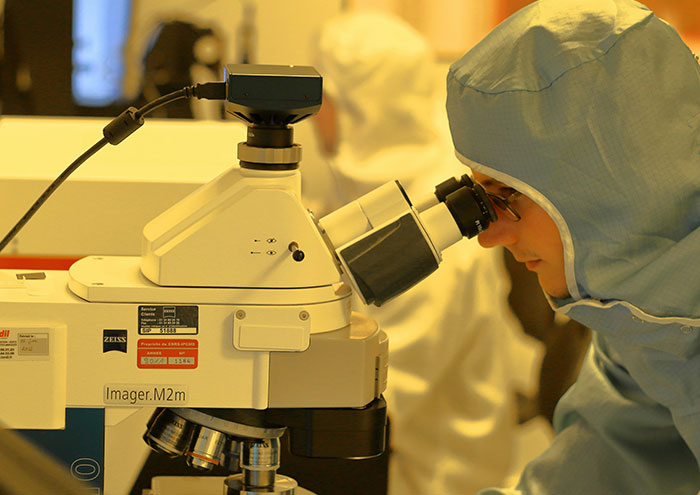
Here’s a wild thought from the field of biology: viruses may have been crucial for making complex life possible. Their special ability to copy and steal genes could have jump-started evolution in surprising ways.
It’s a big idea without a smoking gun yet, but some scientists think this viral influence on life’s complexity is real - and it’s pretty mind-boggling.
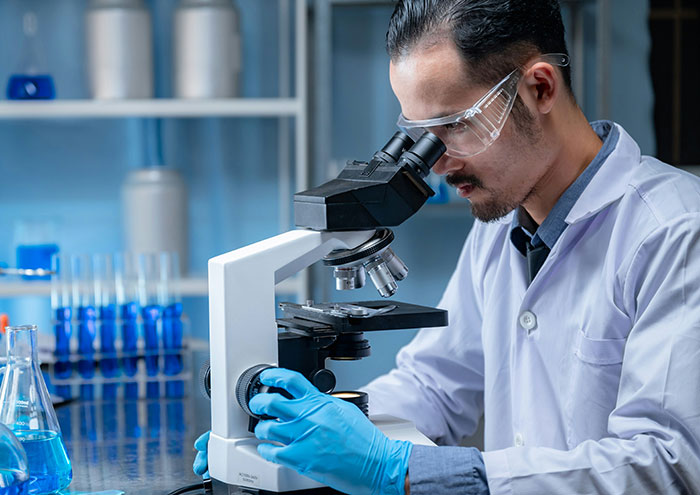
Scientists are teaching computers to design enzymes that do super-specific chemical jobs impossible before. Imagine beating antibiotic resistance by creating custom enzymes that tweak drugs to do their job better.
This isn’t sci-fi: some enzymes have already been cooked up virtually, built in the lab, and bam! They do exactly what was intended. The future of fighting superbugs might be computer-made!
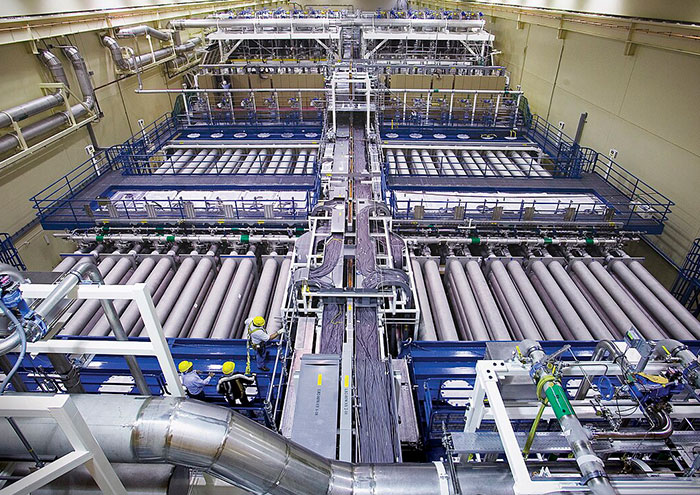
Fusion energy, aka smashing atoms together for endless, clean power, sounds futuristic - because it kinda is. But scientists are closing in on making it work cheaply and reliably using laser technology.
One day soon, this could power our planet without pollution. Fingers crossed this becomes our new favorite energy boss!
Now for the creepiest thing you might hear today: the “Bone Collector” caterpillar. This little guy dresses up in the body parts of its prey to hide in plain sight. It’s basically the ultimate insect Halloween costume - talk about creepy camouflage move number one.
And guess what? Most moths and butterflies just eat plants. This carnivorous caterpillar is like the oddball of the butterfly family reunion.
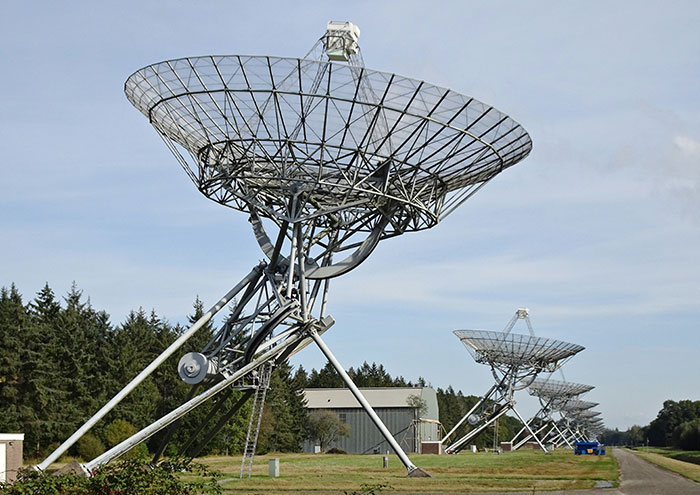
In space, mysterious radio noise called Lorimer bursts flash for milliseconds and disappear. They’re massive energy blasts from billions of light-years away - no one really knows what they are or where they come from.
Only one telescope has spotted them so far, so astronomers are all eager to catch one at their observatories. Are these bursts alien party signals or nature’s wildest fireworks? Stay tuned!
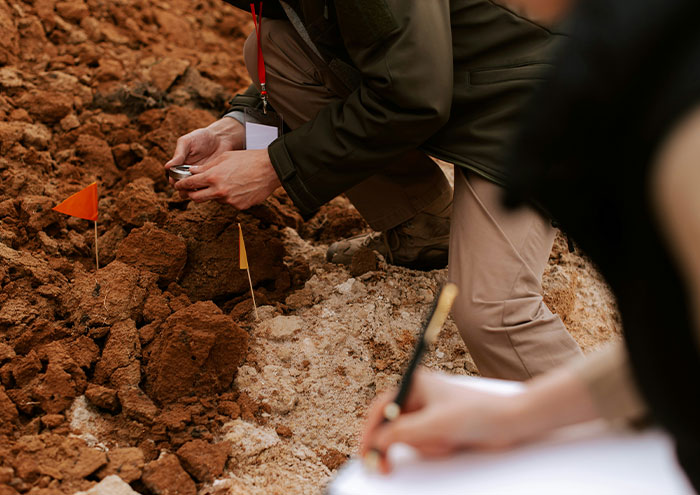
Here’s something archaeologists quietly whisper about: people could have been living in the Americas 30,000 to even 60,000 years ago, way earlier than the textbook’s 15,000 years.
Diving into clues hidden in ancient sites is messy business with lots of debates, but it means the story of human migration might have some major plot twists.
Big question: Could some cancer cures already exist, but we just haven’t figured out how to prove them yet? Since cancer varies wildly from one person to another, one magic bullet for everyone might not be realistic.
We might be close but need better tools to understand why some treatments work for some people and not others. Could the cure be hiding in plain sight?
The ocean is like Earth’s last big science mystery box. Somewhere down there could be living fossils - ancient creatures that have been hanging out for millions of years.
Finding them could totally change how we understand life’s roots. Dive in, science!
Here’s a twist: a virus nobody loves might be the next big thing in beating certain tumors. Scientists are hijacking the herpes virus as a delivery vehicle to tackle otherwise untouchable cancers like brain tumors.
Who knew herpes could be the gift that keeps on giving?
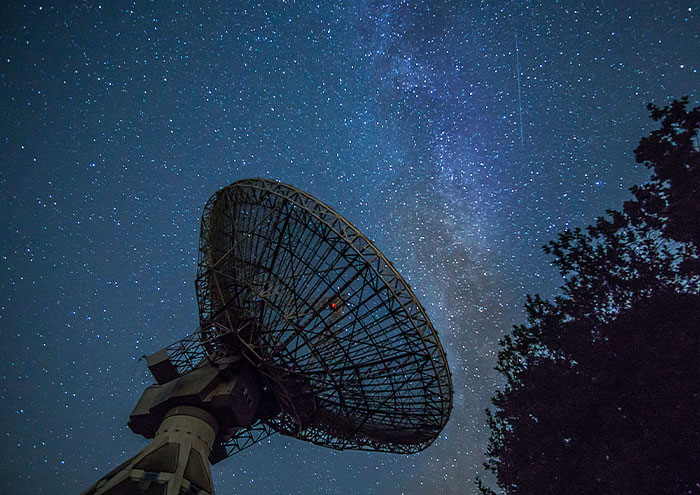
Methane pops up mysteriously on Mars and vanishes fast - meaning something must be producing it right now. This could be geological, or it might just be little Martians lurking about.
Astrobiologists are betting that in the next few generations we’ll confirm life outside Earth. Exciting times!

Scientists are just now realizing our immune systems as kids are very different from adults. That means vaccines and treatments might need to be tailored specifically for kiddos to work best.
Childhood health = adult health. Who knew?
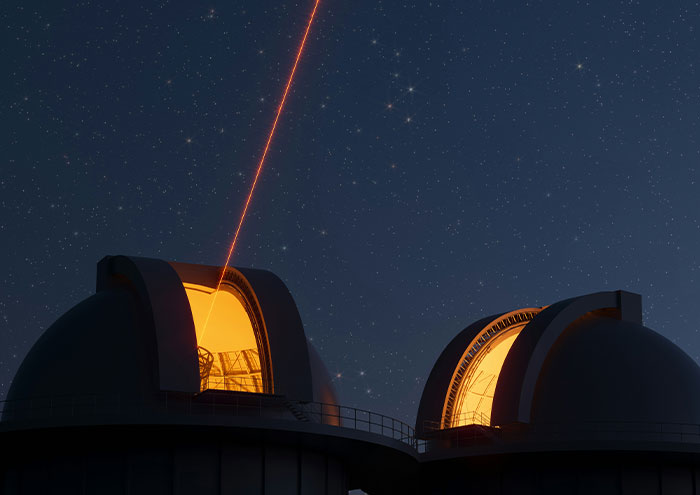
Astrobiologists are pretty sure there are billions of planets out there that look, well, Earth-ish. We just haven’t spotted all of them yet - probably because our tech and methods aren’t quite there.
Still, it feels like a cosmic ‘you’re not alone’ message waiting to be decoded.
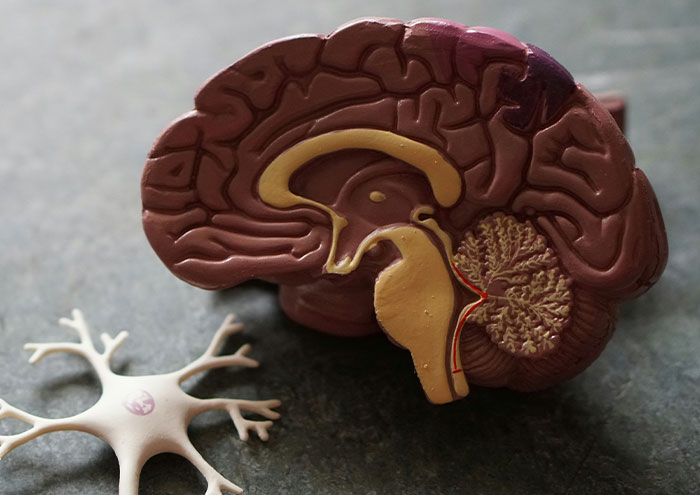
Brace yourself: some brain scientists and physicists think that consciousness isn’t cooked up inside our brains at all. Instead, tiny structures called microtubules might tap into the quantum world, connecting us to universal knowledge and truth.
This theory is huge and controversial - and possibly wrong - but it’s a wild ride through mind and matter. If true, what we call “self” might just outlast our bodies. Spooky and fascinating!
Orca whales don’t just swim around - they have culture! Different whale pods have their own hunting hacks passed down through generations, like whale grandmothers teaching tricks to the kids.
And it’s probably not just whales; even squirrels and prairie dogs might have their own little secret cultures. Cute and clever!
In a surprising twist, some molecules called thioureas are showing up as better electron donors than the usually unbeatable phosphine ligands. This wasn’t even the point of the research - it’s just a cool side effect!
Chemistry loves throwing curveballs like this.
Here’s a bit of germy wisdom: we've evolved with worms and microbes living inside us that help keep our immune system in check.
Too much cleanliness might be messing this up, leading to autoimmune diseases and allergies. Down the road, treatments with worms or their proteins could be the new normal to keep us balanced!

Get this - birth control might affect who women find attractive by messing with their smell preferences tied to immune system genes. Some think this could contribute to divorces or immune traits in kids born once birth control stops.
Wild, huh? Science says it’s possible, but we still need more proof.
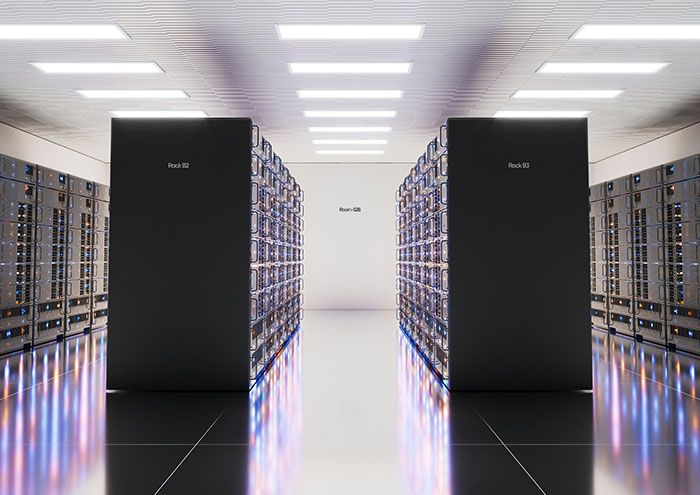
Forget human CEOs - computers crunching tons of data might soon make better business, political, and legal decisions than us mere mortals. Imagine a future where “judge-bots” decide court cases or policy is set by super-smart algorithms.
Scary or exciting? Probably both!
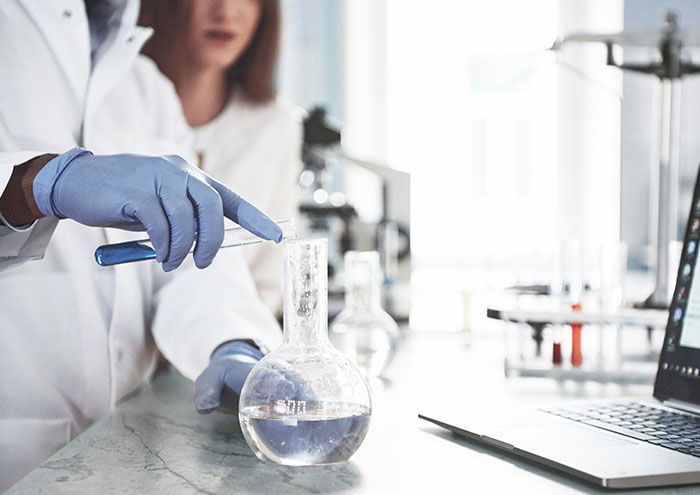
When you mix water and alkali metals, things definitely get explosive. But the chemistry behind it might be different than what textbooks say - some experiments suggest the metals vaporize during the reaction, turning it into a fiery gas-phase party instead of just a splash.
Proof that even simple stuff can hold surprises!
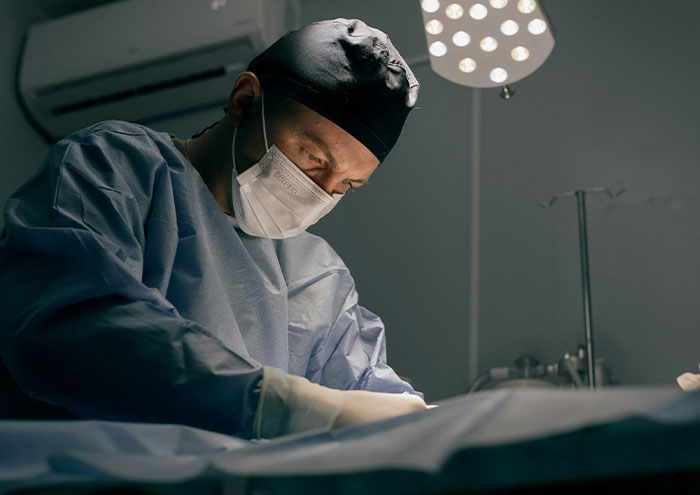
There’s a hunch that surgical procedures might crank up inflammation in the body and possibly play a role in diseases like Alzheimer’s. The research is preliminary, but it’s opening new questions about how our bodies react to big surgeries.
More studies needed, but worth keeping an eye on.
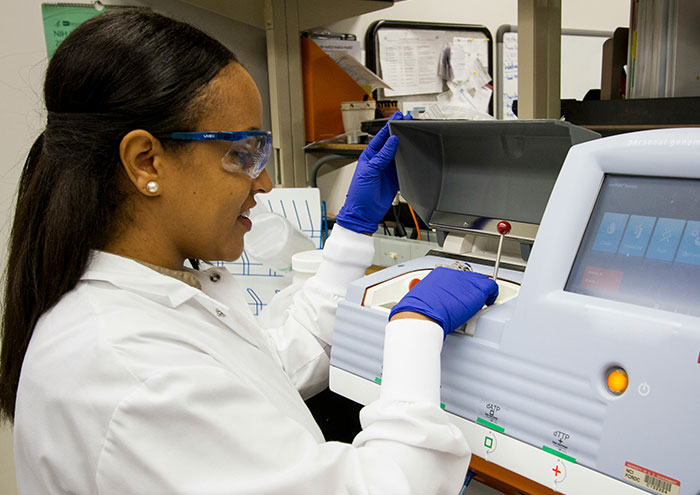
Here’s a brave theory: genetics probably play a big role in human sexuality. While studies on simple creatures show strong links, looking at humans is trickier, with mixed signals and complex brain wiring.
Genetics might just be one thread in a tangled web of factors shaping who we are attracted to.
Birds evolved from dinosaurs, right? Maybe. Scientists are still debating the exact details, like whether flight came from climbing and gliding or flapping and jumping.
So even our feathered friends keep us guessing about evolution’s wild ride.




Here’s a little reality check: not everyone claiming wild science facts is a real expert. Some people just throw out ideas to prove a point or stir the pot.
So take some of these wild guesses with a grain of salt (or a big pile)!
Roman poets Ovid and Catullus might’ve been playing us all. Ovid’s exile might have been acting, and his poems hilarious performances. Catullus possibly never even had a lover named Lesbia - it was probably just a muse or a character in his poetic drama.
Also, that famous Parthenon temple? Some think it wasn’t really a temple but a treasury or something else. History’s mysteries never end!
When getting your genome sequenced is as normal as a doctor’s visit, we could zoom into exactly what genes cause what diseases. Think: a super massive anonymized database linking every disease to its genetic culprits.
Tools like 23andMe are baby steps toward this genetic detective work.

Here’s a fun observation: the length of responses from scientists in this discussion weirdly matches the average length of dissertations in their fields. Coincidence? Maybe. But kind of hilarious!



Despite all the research, the stock market’s ups and downs are still mostly a mystery - explaining only about 15% of the moves. One popular hunch? Big bankers and traders secretly manipulating the market to rake in huge profits.
From the “London Whale” to the Libor scandal, shady moves might explain loads more than we want to admit.
Cancer treatments tailored to your specific tumor’s mutations aren’t just fantasy. Medicines like Erlotinib already target certain gene changes, helping some patients stay healthier with fewer side effects.
The future? A toolkit of meds picked just for your cancer’s unique genetic fingerprint. Personalized medicine is coming in hot!
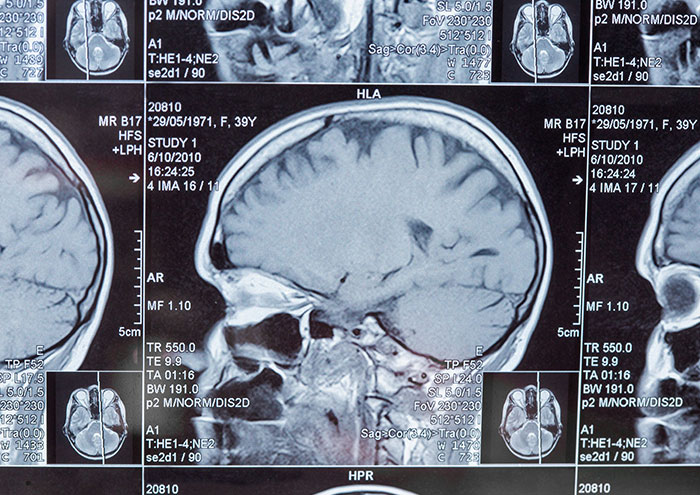
Bipolar disorder, depression, schizophrenia, epilepsy - they might all be closer relatives than we’ve realized. Some treatments work across different conditions, hinting at shared biology underneath the symptoms.
The brain is complex, and these connections are just starting to be seen.
Nature builds bodies from one single cell to a full human - there’s a secret code making tissues self-assemble like biological origami.
Scientists want to crack this code to create whole organs in the lab that don’t fall apart. Spoiler: just 3D printing isn’t enough without understanding how tissues grow and hold together.



String theory promises a ‘theory of everything’ but testing it requires machines the size of solar systems and insane amounts of energy.
For now? It’s just a mind-bending idea waiting for tech to catch up.
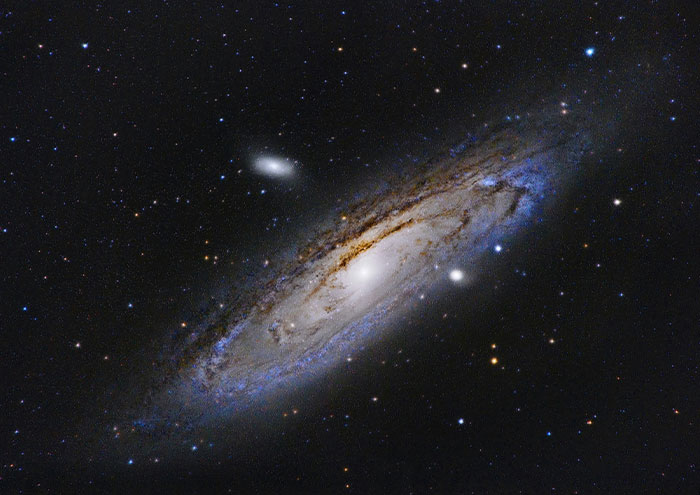
Here’s an idea straight out of sci-fi: what if our entire universe lives inside a black hole? Some physicists say it’s possible, which makes you wonder what’s outside and what’s inside reality.
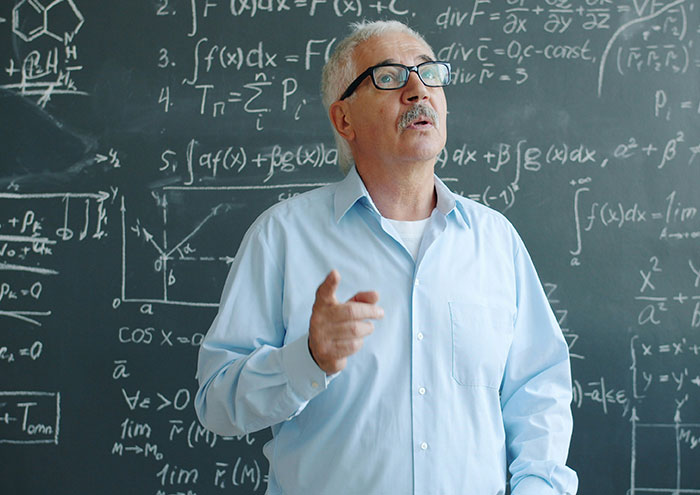
Prime numbers are like the building blocks of math and twin primes are pairs just two apart (like 3 and 5). We don’t know if there are infinitely many twin primes, but Yitang Zhang got us closer, proving there are infinite prime pairs with some max gaps.
Math geeks are excited; the rest of us say “cool!”
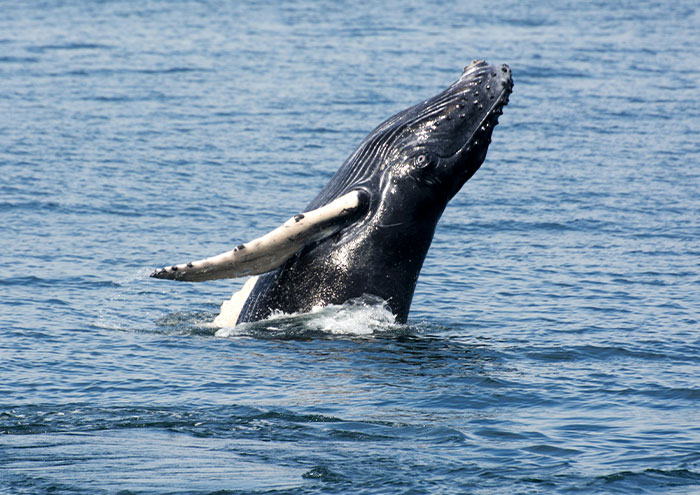
Some whales, like the massive baleen kind, might have a hidden talent for echolocation (beyond what we thought). Also, dolphins may navigate by following Earth’s magnetic field. The evidence is scarce, but these creatures might be way more high-tech than we imagined.

Turns out humans mega hate steep hills when trekking, so scientists think they can predict the paths illegal immigrants choose based on the easiest slopes.
Data’s coming in slowly, but at least we know we’re lazy hikers by nature!
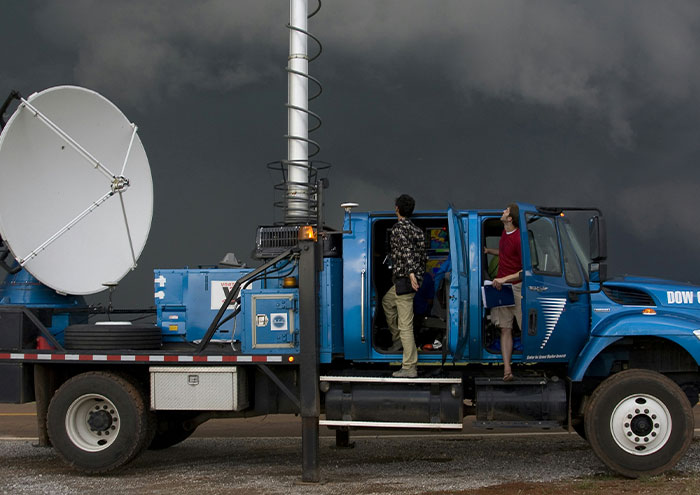
Future forecast models could use the millions of cars and phones out there as mini weather stations, sending real-time data on temperature, wind, and more.
Result? Weather forecasts so precise, they’ll tell you when to grab your umbrella down to the minute. Science win!
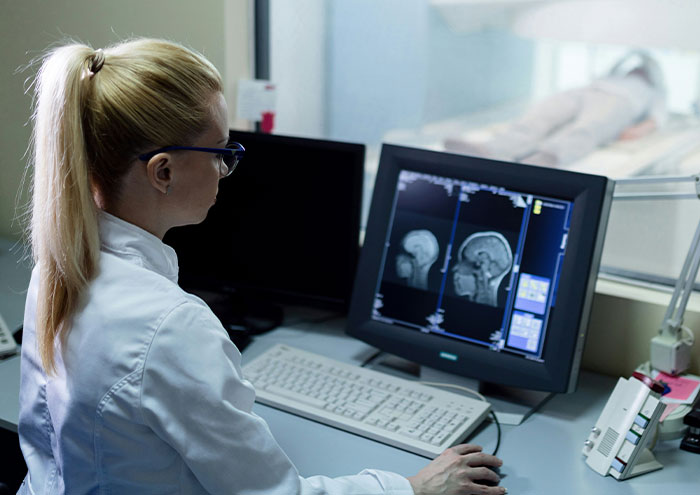
In extreme epilepsy cases, doctors sometimes remove or disable half of a brain. That half keeps working, but with no connection to the other side - it’s a brain mystery what it does all day without input.
Is it confused? Remembering stuff? Scientists want to know!
Some scary stats on diseases linked to race might not be about biology at all. Differences in healthcare access, socioeconomic status, and culture could explain most of these disparities instead.
Turns out, where you live and how you live might matter more than your genes.



Pharma factories might ditch those batch processes for continuous flow methods in the next two decades. It’s cheaper, greener, faster, and the medicine quality is rock-solid.
Innovation behind the scenes, so your meds get better - even if you don’t see it.
Imagine a world where every product comes with a code revealing exactly how and when and where it was made - factory cams included.
Crowdfunding and transparency might shake up capitalism, blending it with a dash of communism’s openness. Weird, right?

Generating truly random numbers should be easy, but it’s way trickier than it seems because measuring randomness is tough. That’s why computers often cheat a little, and randomness remains a sneaky art form.
That extra salty chip snack could be messing with your immune system more than you think - it might be partly to blame for the rise in autoimmune diseases in the West.
Plus, cool stuff like turning bacteria into vaccines is on the horizon, making immunology even more fascinating.



Roman poet Ovid’s exile might’ve been a tall tale told for laughs, and Catullus’s muse Lesbia could be totally fictional. Classics scholars think these poets loved some dramatic storytelling - and we’re here for it.
Plus, the Parthenon might not even be a temple! History sure loves to keep us guessing.
Microchips can only shrink so much. When transistors hit atomic scales, the exponential speed-ups we've enjoyed might slow down, causing ripples in the economy.
Scientists are hopeful for new materials and designs, but things might just cool off after decades of blaze-fast progress.


35
0