
 then open in external browser


 and click "Open in External Browser"
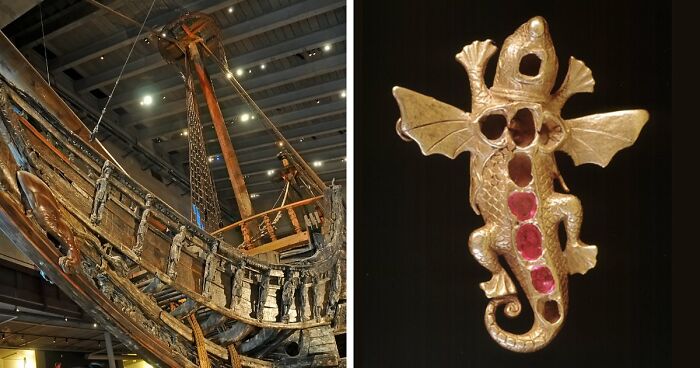
Hi! Today, we're diving right into 20 of the wildest shipwreck treasures ever found. Think chaotic sea storms, lost cargo, and objects that survived centuries underwater only to blow our minds (and sometimes clocks) today. Let's jump straight in!
This post may include affiliate links.
The Vasa’s Giant Oak Lion
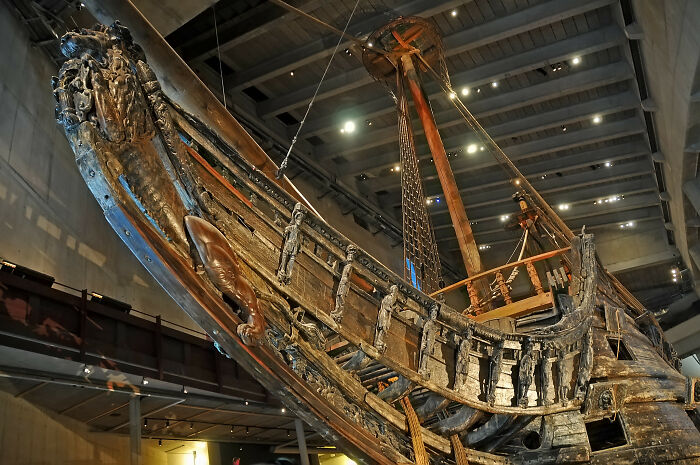
Picture this: a warship called Vasa sets sail, barely makes it 1,300 meters before tipping over in full view of everyone in 1628. Why? It was basically a fancy floating sculpture overloaded with hundreds of carvings but too top-heavy to float right. The star of this sinking? A massive oak lion figurehead about 3 meters long and weighing two tonnes. It's like the ship’s roaring mascot that outlived the disaster by centuries, rescued in 1961 thanks to the Baltic Sea's ‘no-worms-allowed’ policy. This dude lives on display at the Vasa Museum in Stockholm with zero price tag because some things are just museum legends.

Line up these 20 insane artifacts and their stories are like a rollercoaster of whaaat? Some are worth millions of dollars, others aren’t for sale ever. Why such a huge mix? Turns out, value depends less on looks or age, and a LOT on who owns it and what the law says. So, some treasures hang out forever in museums, while others have racked up jaw-dropping auction prices. It’s a funky mix of fortune, fate, and courtroom drama!
Oh, and sometimes, identical statues sitting just feet apart have totally different price tags just because one was found in one country’s waters and the other somewhere else. Wild, right?
Victorious Youth: The Getty Bronze’s Drama
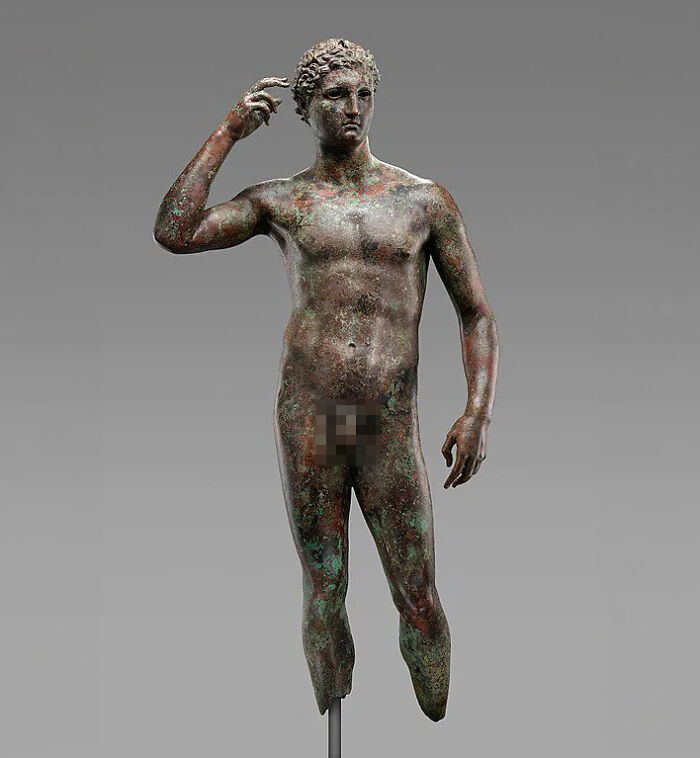
Meet the bronze teen athlete, caught in the moment of crowning himself with an olive wreath. Cast 2,300 years ago, it was buried on a Roman shipwreck until a lucky snag in fishing nets in 1964 off Italy. Then the drama hits: smuggled, sold for nearly $4 million, and now locked in a never-ending legal debate over who truly owns him - Italy or the Getty Museum. Fifty years later, this champ’s still waiting for the final whistle on his fate.
Girona’s Fireproof Salamander Pendant
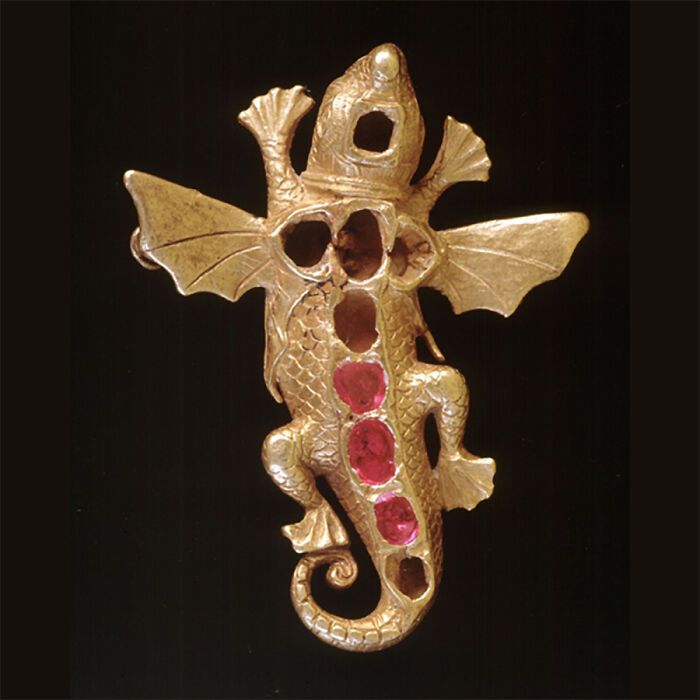
The Spanish Armada’s Girona was jam-packed and doomed in 1588. Amid the chaos, a tiny gold salamander pendant set with rubies vanished with the ship. Back then, salamanders stood for surviving fire without a scratch, but this charm couldn’t stop the sea from claiming its owner. Found with thousands of artifacts decades later, it’s now safely tucked away in Belfast’s museum, priceless and never for sale - proof that sometimes, history’s magic trumps money.
Some items have zero price tags - like gold medals for history’s coolest relics. These include stuff like the Antikythera Mechanism (basically the world’s oldest calculator), or pirate ship bells holding evidence, not cash value. They’re priceless in a totally different way. So, value? Sometimes it’s about money, sometimes it’s about legacy. And either way, these finds are seriously epic.
The Riace Bronzes: Statua A’s Epic Tale

Two massive Greek warrior statues from 2,400 years ago were chilling underwater near Italy until a diver spotted an arm in 1972. These bronze beauties come decked out with silver teeth and bone eyes - basically the ultimate ancient bling. Scientists figured out they were tossed on different shipwrecks but ended up side by side, standing tall today in a museum, never for sale. That €300 million price tag? That’s just what insurance would pay if disaster struck - not a garage sale price.
The Riace Bronzes: Statua B’s Secret
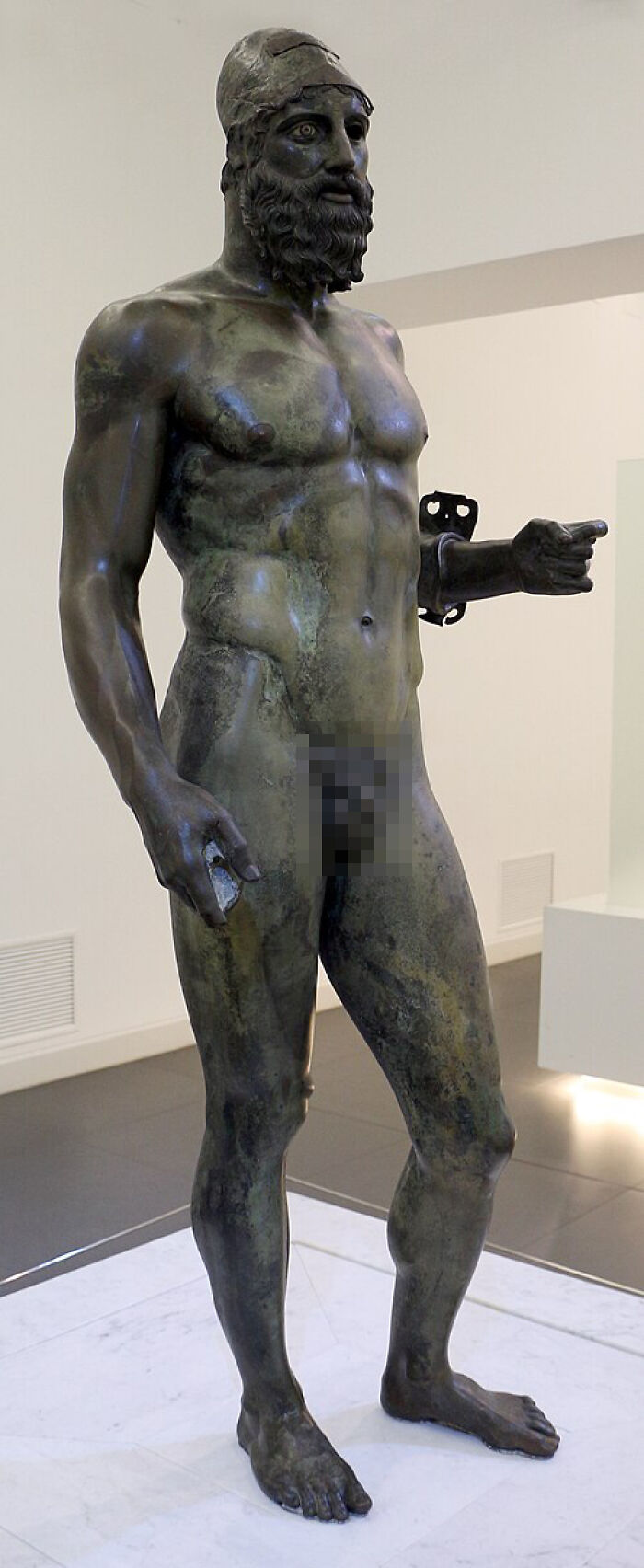
Statua B is the weathered warrior with a missing helmet and some battle scars fixed centuries ago. Though found right beside Statua A, they’re actually from different cities and decades apart. Lucky for us, a shipwreck brought these two bronze buddies together underwater, preserving what’s left of classic Greek artistry - because otherwise, bronze often got melted down long ago. Today, they live forever in an Italian museum, no price tag attached, just waves of ancient vibes.
The Antikythera Ephebe: The OG Cool Kid
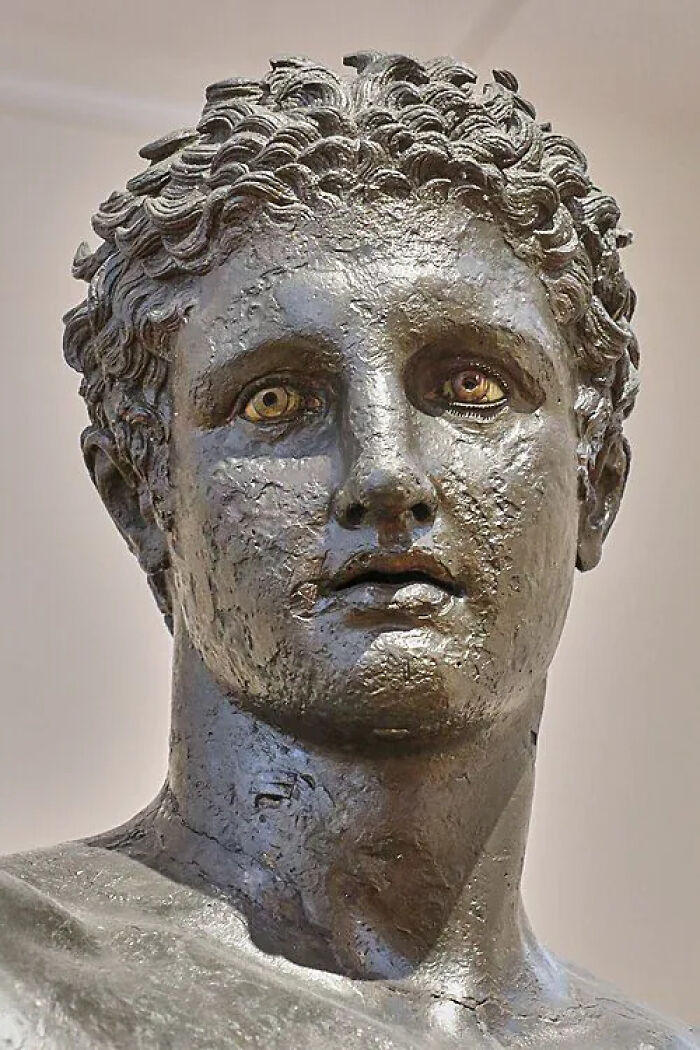
Before the Antikythera Mechanism got all the hype, divers pulled up this bronze statue of a young guy reaching for... something? Scholars guess a Medusa head or golden apple. Cast over 2,300 years ago, it spent centuries underwater, then resurfaced in 1900. It’s one of the oldest intact Greek bronzes we’ve got, silent and serious in Athens’ National Archaeological Museum, never sold, and definitely priceless.
The Belitung Dragon-Head Ewer
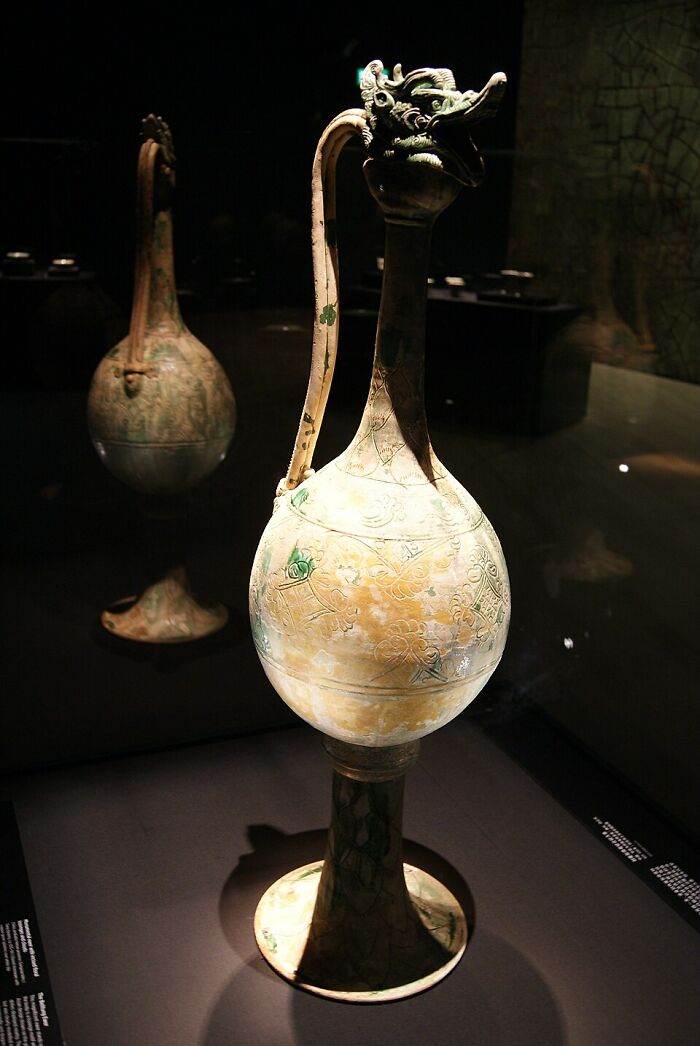
This tall, splashy vase from the 9th century isn’t just pretty - it’s a trade showstopper made to grab Middle Eastern attention. With its dragon-shaped stopper and Abbasid-inspired designs, it was crafted in China but screamed ‘buy me!’ for Persian Gulf buyers. Found in a sunken Arab ship near Indonesia, it’s now a museum star in Singapore, priceless on its own because it never had a price tag - it's all part of a huge hoard bought to stay intact, not sold piece by piece.
The Lutine Bell: Pirate Gossip Central
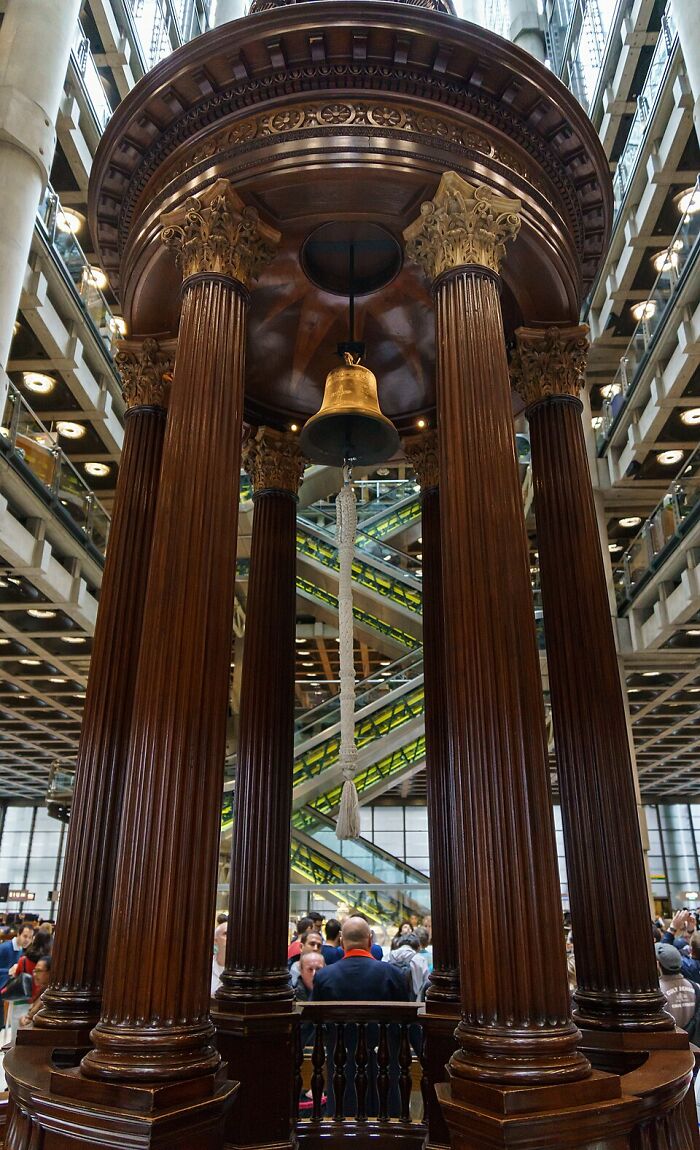
Originally French, then snagged by the Brits, HMS Lutine sank in 1799 carrying a fortune in gold and silver. Its bell got plucked up decades later and hung at Lloyd’s to ring - once for lost ships, twice for safe returns. After getting cracked in 1989, it’s now a special-occasion celebrity only chiming for royal funerals and memories. The bell itself? Priceless. The gold it once guarded? Mostly still down there in the sea.
The Marathon Youth: A Bronze Mystery
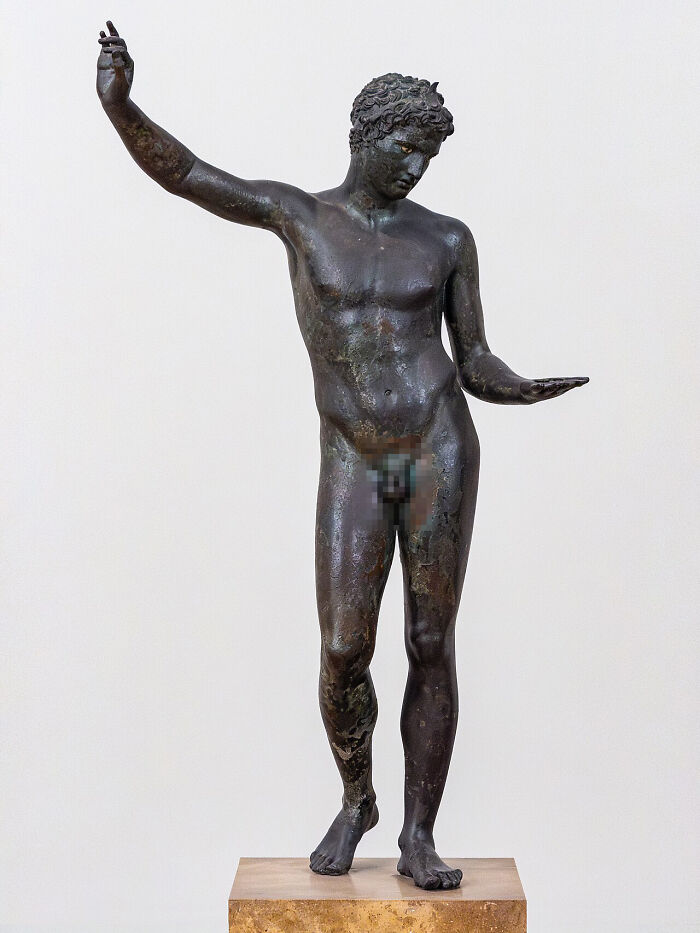
This stylish Greek bronze guy was found by fishermen in 1925 near Marathon, Greece, but no one knows exactly which ship he came from. Classic art scholars say he might be an athletic champ modeled by Praxiteles’ crew. Since there’s no confirmed wreck, his underwater story is a bit of a historical cliffhanger. Nevertheless, he now chills in Athens’ National Archaeological Museum with zero price tag, just timeless cool.
Girona’s Bronze Cannon: Warhorse of the Sea
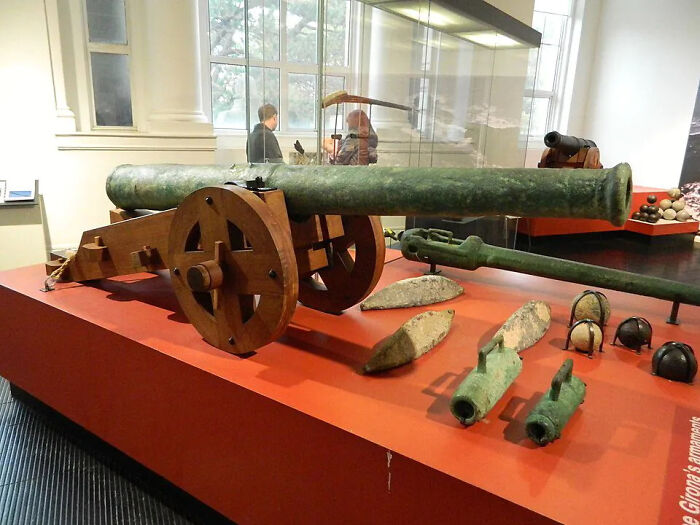
The Girona, a big deal in the Spanish Armada, carried about 50 cannons, but highlights include this bronze ‘saker’ cannon firing 5–6 pound shots. While iron guns would roughly turn into lumps underwater, bronze sticks around for centuries, showing off cool details like this one. Locals plucked some cannons from the wreck soon after it sank. This one got a museum gig, and it’s now a proud Armada-era exhibit in Belfast, forever off the market.
Mary Rose’s Cannon Royal: Henry’s Lost Boomstick
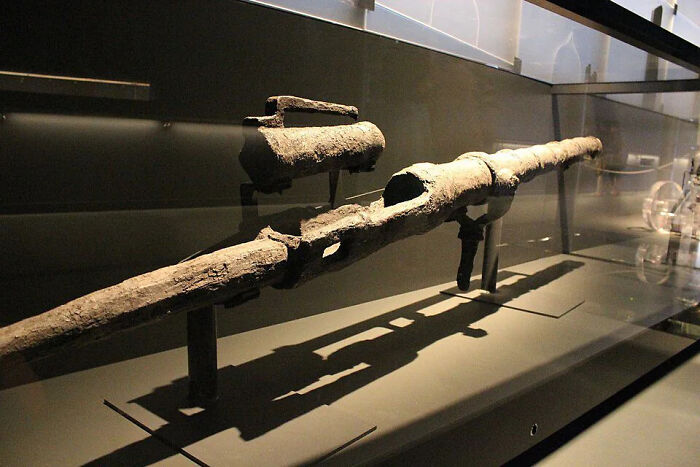
King Henry VIII watched his favorite ship, Mary Rose, sink in battle in 1545. This bronze cannon, with its royal autograph stamped right on the barrel, predates the sinking by a decade and a half. It was recovered way before the rest of the sunken ship and now lives among thousands of artifacts in a Portsmouth museum. No price tag here - just pure Tudor naval swag in historical bronze form.




The Artemision Bronze: Zeus or Poseidon?
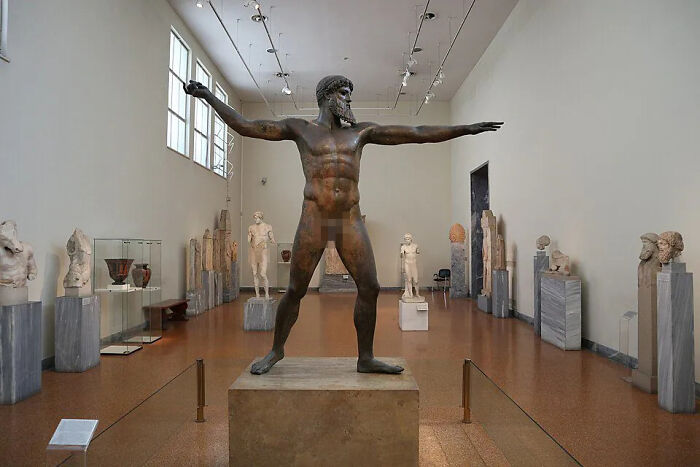
This fierce bronze statue shows a god mid-throw - but what’s missing? Nobody's 100% sure if he held a thunderbolt (making him Zeus) or a trident (that’d be Poseidon). Found broken in 1926 off northern Greece, it was looted and ancient even when it sank. Now in Athens, this 2-meter-tall mystery man has no price tag - he’s one of Greece’s cultural crown jewels.
Isidor Straus’s Titanic Gold Pocket Watch
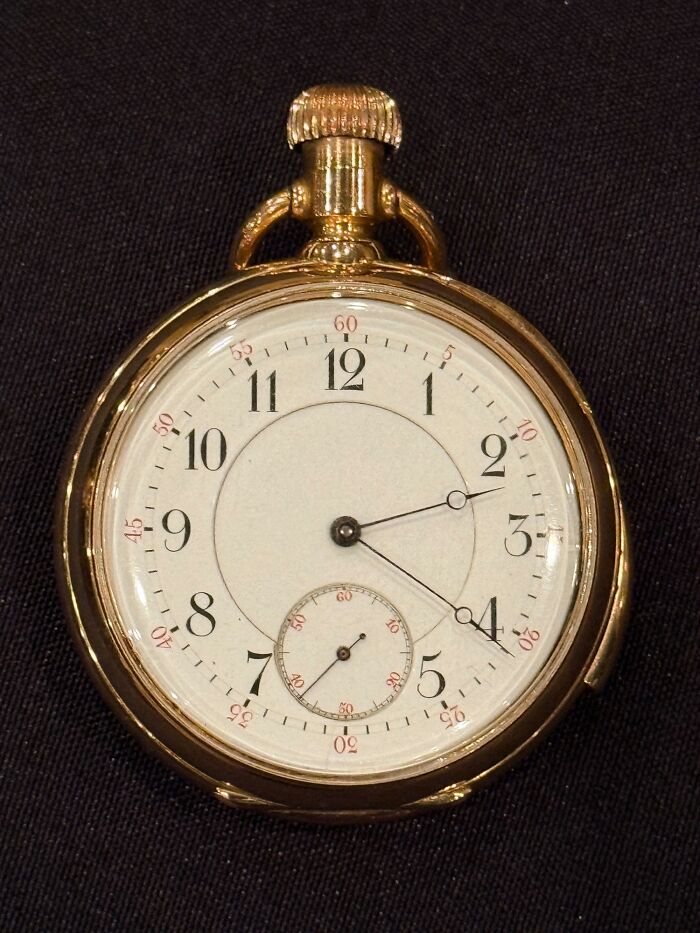
Ida gave this golden pocket watch to her husband Isidor for his birthday in 1888. It kept ticking until sinking with him on the Titanic in 1912, stopping right at 2:20 a.m. - the exact moment historians think the ship’s stern slipped underwater. Rescued from his body and treasured for generations, the watch crushed records when auctioned for nearly $2.3 million in 2024. It’s history you can literally wear - and a timeless reminder of love and loss at sea.
The Whydah Pirate Ship’s Bronze Bell
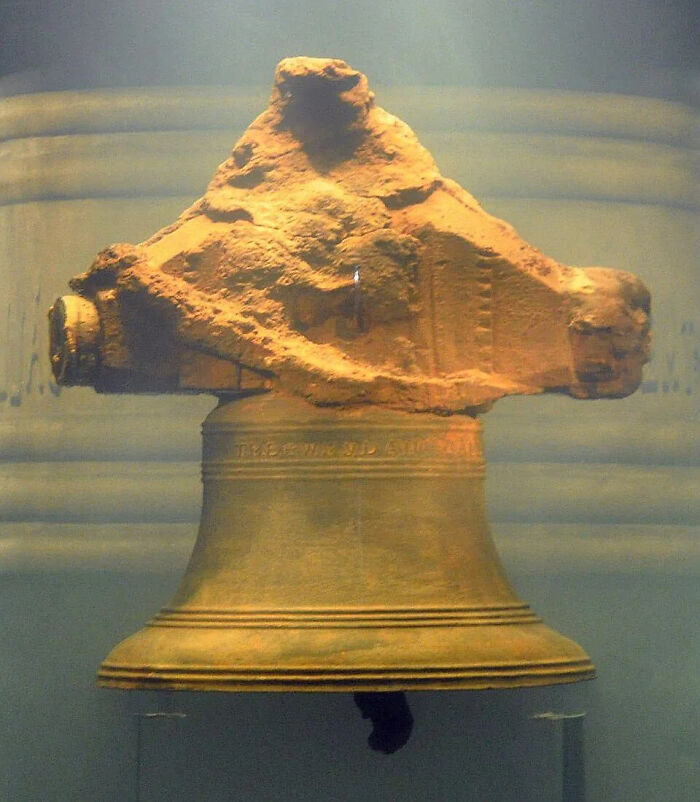
The Whydah Gally turned from slave ship to pirate flagship and sank off Cape Cod in 1717, taking most of its crew down too. Its 40-pound bronze bell, proudly inscribed with the ship’s name and year, was the missing puzzle piece proving the wreck’s identity. Found in 1985, it’s now safely on display, never to be sold. Courts have even appraised it at over $5 million - not for what it’s made of, but because it proves ownership of a whole pirate history site. Talk about evidence with bling.
The $500 Million Mercedes Coin Heist?!
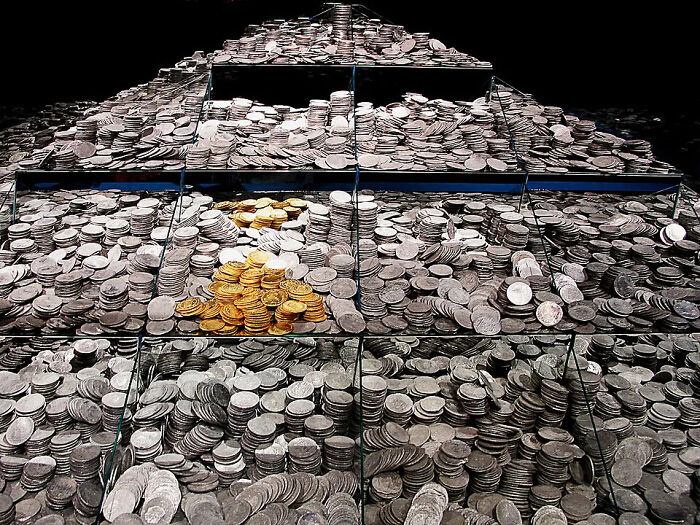
In 1804, the Spanish ship Mercedes went down with about 17 tons of silver and gold coins. Fast-forward to 2007: a secret recovery operation dubbed “Black Swan” scooped up what’s basically a pirate’s jackpot worth half a billion dollars! But wait - courts stepped in, ruling the ship was military property, so Spain got everything back. Descendants of merchants tried to claim a slice but nope, military orders won. Now, these coins are museum stars in Cartagena, frozen in solid blocks of history, literally priceless today.




The Antikythera Mechanism: The World’s OG Computer
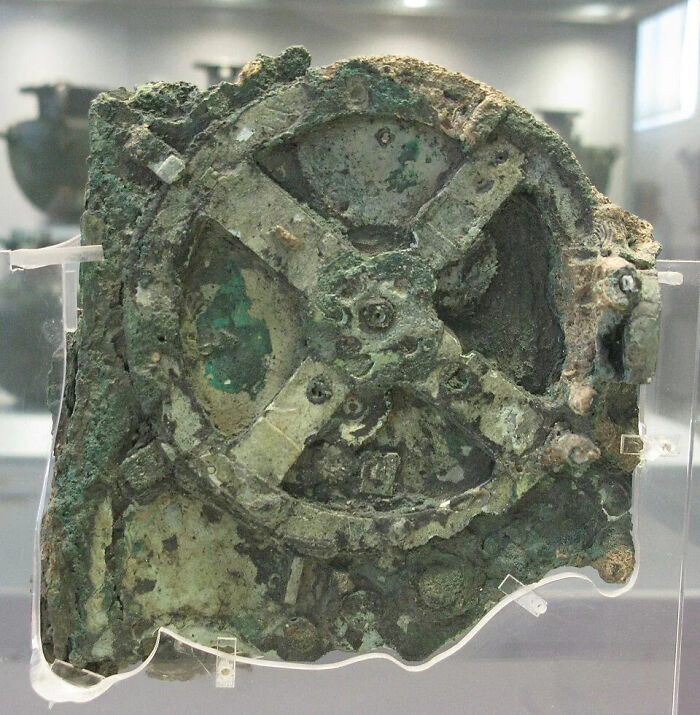
Imagine a 2,000-year-old mechanical calculator! That’s the Antikythera Mechanism, a clump of corroded bronze hiding 30 complex gears designed to model sun, moon, and Olympic cycles. Found in 1901 by sponge divers, it was ignored for a year until someone noticed the gears. Today, it sits in Athens’ National Archaeological Museum, priceless and utterly unique, proving ancient Greeks were way smarter than we often give them credit for.
The Belitung Blue & White: The First Porcelain Party
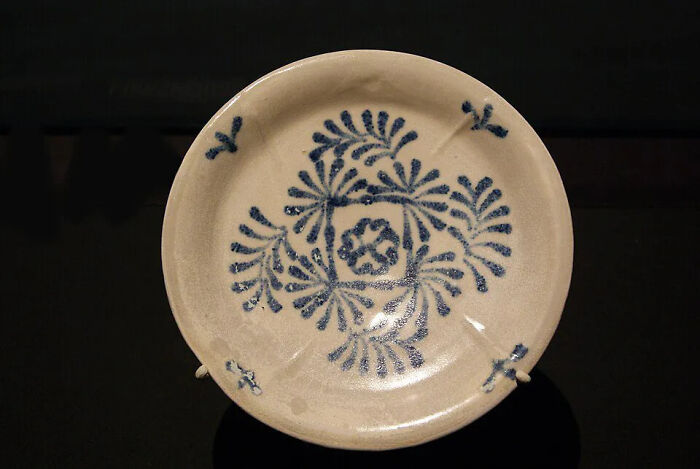
This is one of only three surviving blue-and-white dishes from a 9th-century shipwreck. Early Chinese potters borrowed cobalt pigment from Persia and crafted designs to impress Iraqi and Iranian buyers. Basically, it’s an ancient fan-favorite mix of styles and tech - a snapshot of global trade and taste experiments way before globalization was a word. It’s priceless now, just hanging out as a prototype bridging cultures under water.
John Jacob Astor IV’s Titanic Gold Watch
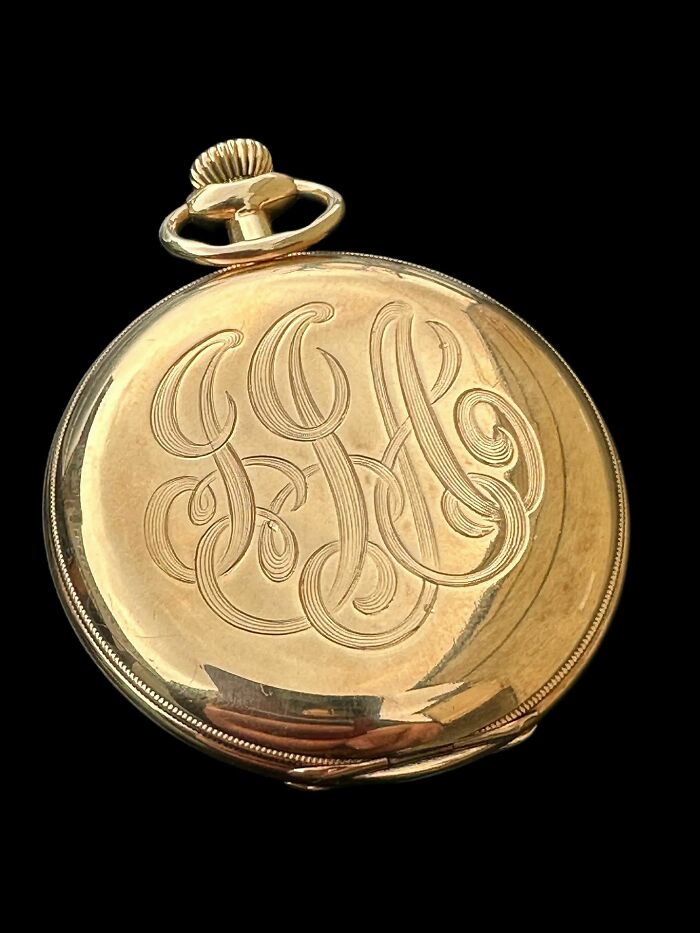
John Jacob Astor IV, the richest Titanic passenger, gave his pregnant wife a safe seat on a lifeboat - but stayed behind himself. His 14K gold watch was found on his body and handed down the family line. Unlike many artifacts frozen in time, this watch was worn for years, a functioning piece of history. It sold for $1.46 million in 2024, a ticking memory of a fateful night on the Atlantic.
“The Big Piece”: Titanic’s 15-Ton Hulk
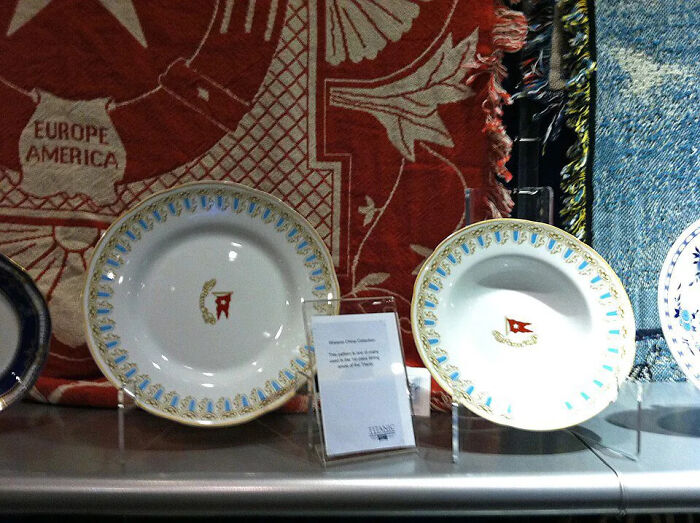
This giant slice of Titanic is like the ship’s ultimate souvenir, a 26x20-foot steel plate ripped from its cabins, weighing 15 tons. Two tries and a lot of gear later, it was surfaced in 1998 - glass portholes intact despite 2.5-mile deep water and a century underwater. It’s now under court protection and lives in Vegas, never for sale, worth millions just as a salvaged feat of engineering and history.



Tang Dynasty’s Fancy Gold Cup
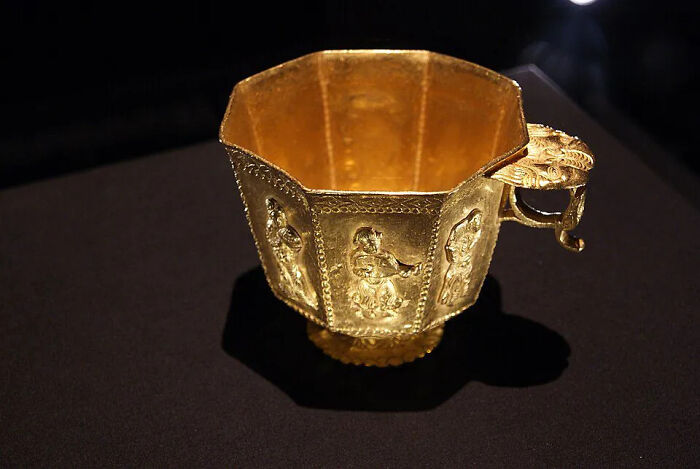
This 1.1-pound solid gold cup is the queen bee of Tang Dynasty treasure, with ornate grapevine dancers dressed in Central Asian bling. It sank in an Arab dhow carrying goods meant for Middle Eastern buyers and now shines at Singapore’s Asian Civilisations Museum. The $32 million it’s worth? Part of a massive haul bought to keep the whole treasure trove together - and boy, did it raise the bar for ancient bling.


35
0