
 then open in external browser


 and click "Open in External Browser"
Wait, They Actually Do That?! 40 Wild Hospital Secrets That Sound Like A Horror Movie
Alright, buckle up! We're diving straight into some hospital stuff that sounds totally nuts. These are the kind of secrets that make you go "Wait, what?" but yep, they happen. Let's get to the jaw-dropping things hidden in plain sight at hospitals.
This post may include affiliate links.

Imagine getting a punch biopsy or ablation - ouch! - without any anesthesia. Sadly, some women face exactly that, being told they don’t need pain relief for pretty intense stuff. Talk about tough as nails.


Placing feeding tubes in elderly people with dementia? Not fun. It makes already confused folks anxious and uncomfortable. It's so rough, sedation and even strapping to the table happens. Yikes.

At some big trauma centers, there's so few staff - especially at night - that nurses in their 20s juggle 6-7 super sick patients at once. They try hard, but mistakes happen. No wonder some quit to find quieter jobs.
Way back when, doctors thought baby teeth were tiny troublemakers causing infant death. Their fix? Putting leeches in babies' mouths (yep, leeches), burning their heads, or poking their gums - sometimes ten times! Not the best baby care, honestly.

Junior docs work crazy hours, often sleep-deprived, but still gotta keep their minds sharp. Imagine trying to save lives on zero sleep. Superheroes? Nope, just docs.

Guess who sometimes calls the shots on your care? Yep, insurance companies. They can say no based on cost, making medical pros shuffle paperwork instead of helping you. Thanks, bureaucracy.
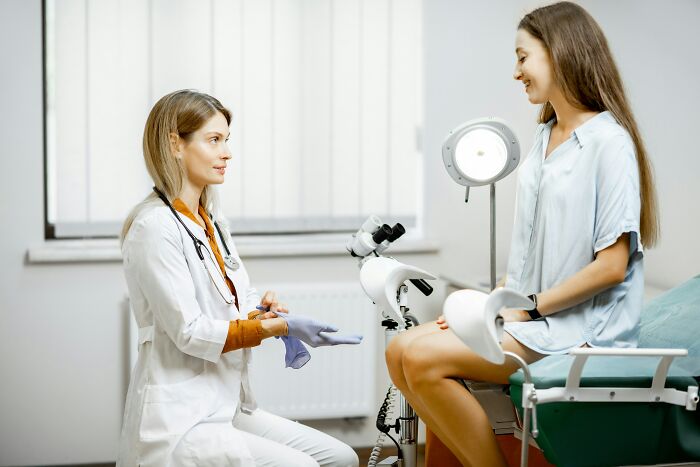
Women often get shortchanged - painful procedures with no pain meds, and a decade-long wait to get diagnosed with endometriosis (that’s serious stuff, by the way). Men get studied faster, because... priorities?
Some hospital tips: going to a teaching hospital might get you better care - because there are more eyes on you, fancy equipment, and people who love to ask questions. Sounds like going to a hospital with the cool kids!

Doing CPR on 90-year-olds? It’s rough and often doesn’t help. Ribs break, survival rates are low, and if they survive, life changes big time. Sometimes it’s better to let nature take its course.
Surgeons sometimes have to wiggle their hands inside patients' bodies to do their thing. Small hands are a jackpot here! Plus, they’re pros at pulling out weird stuff from unexpected places. Glamorous? Nope.
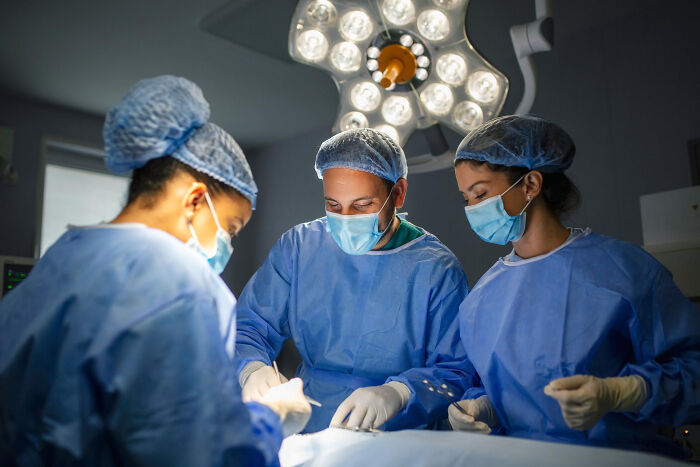
During intense surgeries like heart operations, expect a salty language storm. These teams know each other well and need to blow off steam to keep cool. HR would have a meltdown!
Want to stay safe in the hospital? Just don’t distract your nurse or doctor too much. Every interruption ups the chance of mistakes. It’s like trying to text and juggle at the same time - not a good mix.
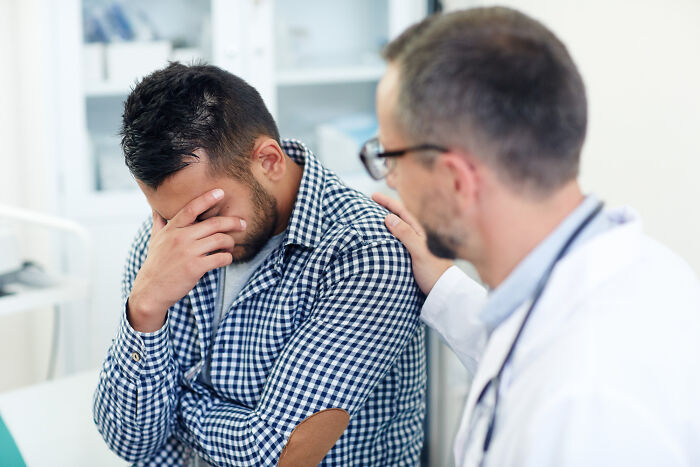
Before families get the tough news, doctors sometimes chat casually about patients who aren’t likely to make it. Like saying “DC to JC” (discharge to... you get it). Tough conversations happen later, but the casual chats keep the stress down for the pros.
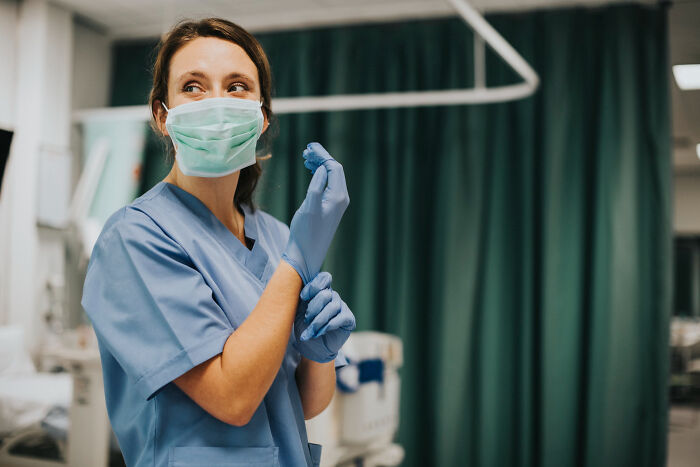
A fresh ICU nurse was told to practice IV placement on deeply sedated patients who didn’t actually need it. Yep, that’s not the warmest welcome to critical care.

Believe it or not, some docs still don’t treat severe pain properly. They make patients just tough it out, but in the future, folks will look back and say "Seriously?"
Insurance companies sometimes play referee in your health. They can say "nope" based on cost, making docs spend more time on paperwork than on you. Not cool, insurance, not cool.
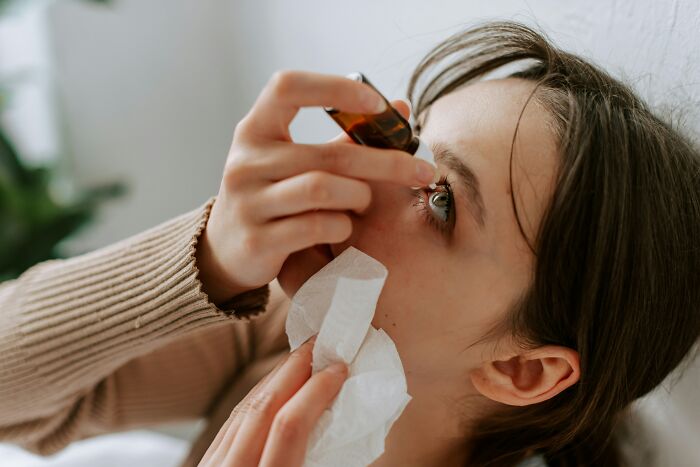
Some places make eye drops from your own blood to help with eye issues. It’s like your body pitching in to keep your vision sharp!
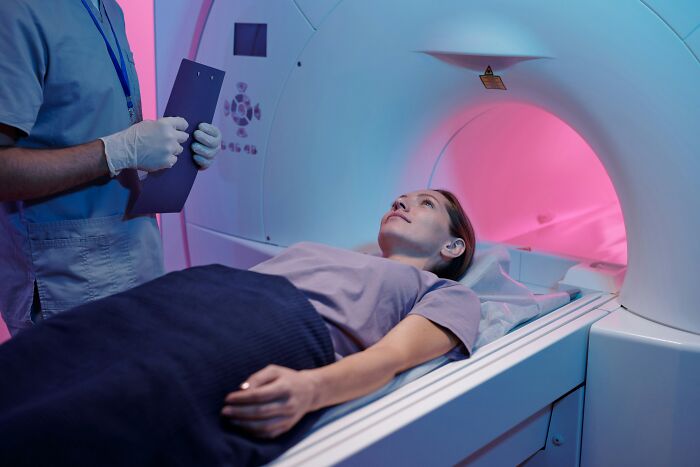
Hospitals often blast patients with radiation to "fish" for problems. It’s like medical hide-and-seek but with more rays and guesses.
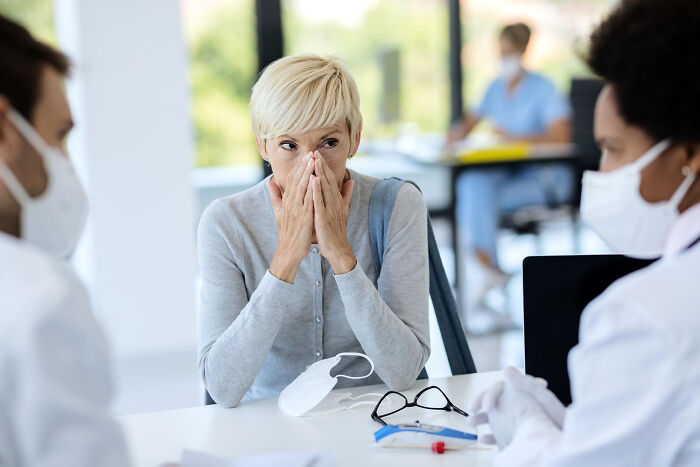
Many families avoid DNR talks until the last minute - and then nurses have to do CPR on elderly loved ones when it might just cause more harm. Let's get comfy with these talks before the chaos!
Doctors aren't always 100% honest. Sometimes they tell little white lies to keep you calm or because they worry about lawsuits. So yeah, trust your gut too, not just what they say.

CPR is tough, even on healthy young folks - only 9-16% make it out okay. For the elderly, odds get worse, plus serious life changes after. Media makes it look like a miracle, but reality's a bit harsher.

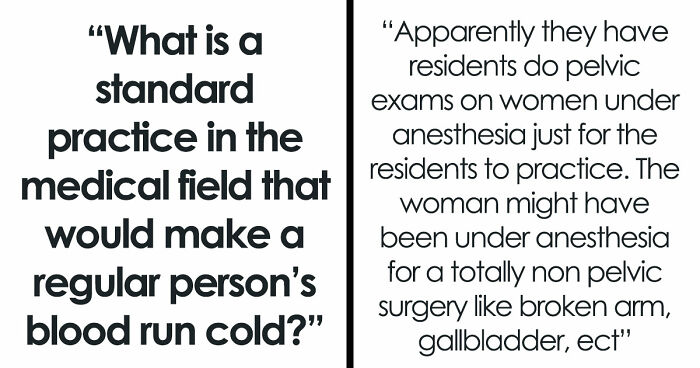
Sometimes, doctors in training sneak in pelvic exams on women under anesthesia for non-pelvic surgeries just for practice. Yeah, that sounds awkward and odd.
Because of the opioid fight, some patients are left to battle terrible pain with little help. It’s a rough downside of a big problem.
Hospitals aren’t just about fixing bodies - they need to fix feelings too! Friendly docs and nurses who smile and chat can make a scary hospital visit way less scary.
After someone passes, staff discreetly move the body via elevators - usually in the basement. Getting in a lift with a d***d body? Super weird and spooky!
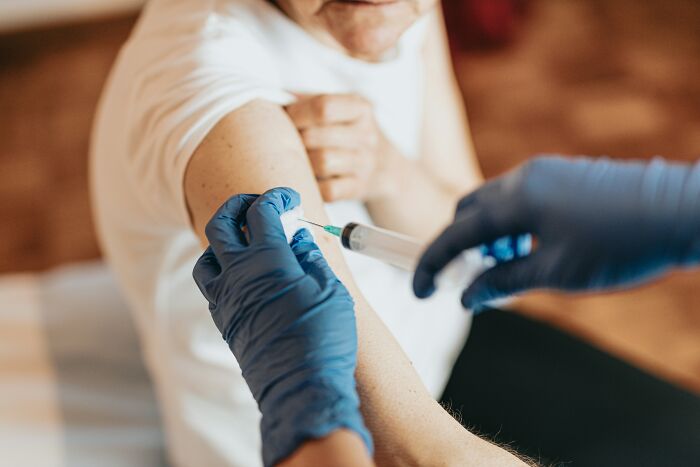
When giving muscle shots, hitting bone happens, especially in older folks. Patients don’t feel it, but the nurse sure does! The trick? Stay calm and don’t yank the needle.

Sometimes techs fresh off training make complex decisions because docs don’t have time to review cases. It’s a fast-paced world where the docs can’t do it all.
Medical work is tough, and keeping up with the latest tricks is a must. New doctors are told to really listen to patients - they’re the real experts on their own bodies!
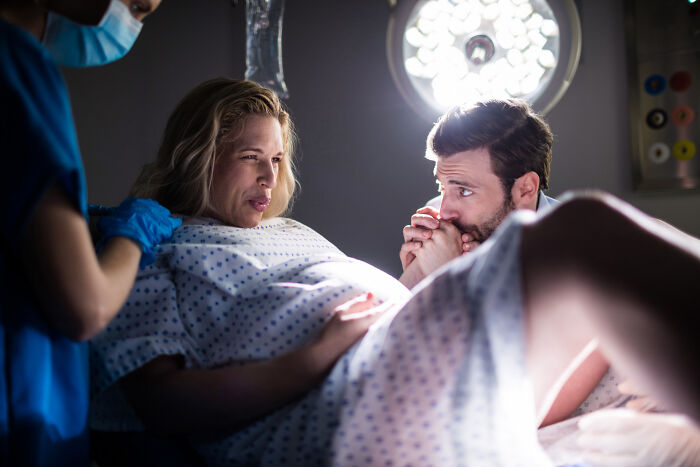
During some C-sections, a nurse stealthily inserts a hand to gently push the baby’s head from below, sometimes actually touching the surgeon’s hand. It’s a weird handshake through a human!

For some tricky surgeries, they literally cool your blood to slow your metabolism and buy extra time. Then gently warm it back up. Your veins get a chilly spa treatment!
Surgeons might be handling a patient’s insides one minute, then munching a sandwich the next. Talk about switching modes quickly!
Lots of what happens in hospitals stays secret, kinda wild, and sometimes a little spooky. But hey, every job has its quirks - hospitals just have some extra weird ones!
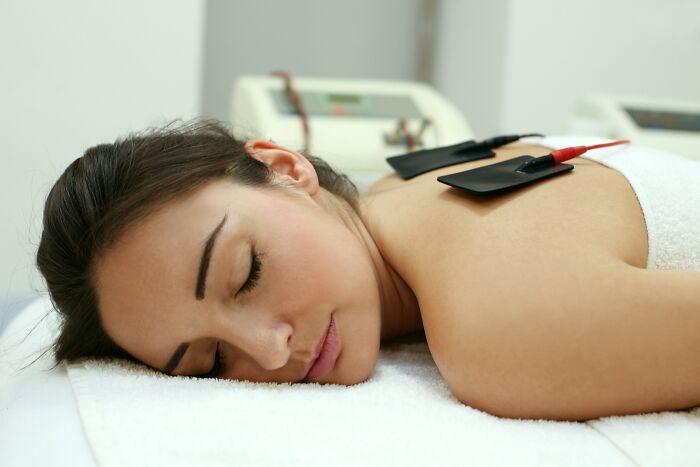
ECT might sound old school and scary but it’s still used and actually helps with severe depression when meds don’t cut it. Shock therapy isn’t just for movies.
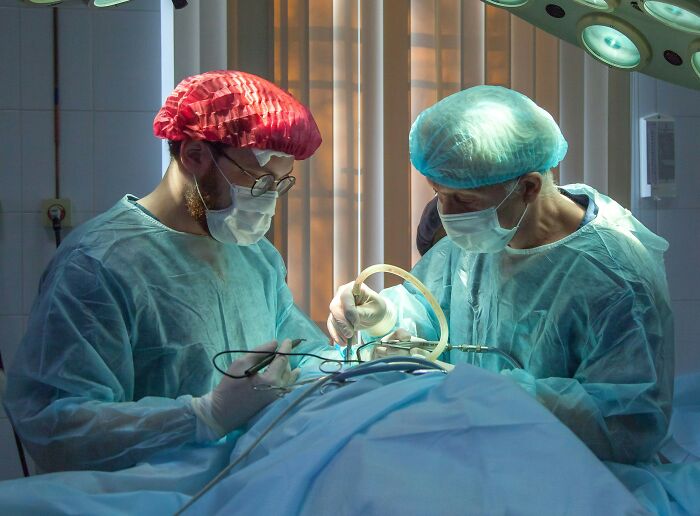
Sometimes surgeons rip or tear tissues apart instead of cutting. It sounds brutal and looks even worse - but it’s actually a thing.
Electroconvulsive therapy gets a bad rap but it’s one of the best tools for people with tough-to-treat depression. It’s shock therapy with a purpose!

Hospitals often get called to fish out lost tampons and pads. Yep, that’s a thing. Gross but real.

Some docs are so notorious they get nicknames like “007” because they’re known for bad outcomes. Yikes.
Families often get upset when asked about DNR orders, not realizing the alternative is intense CPR that breaks ribs. Tough choices!

Believe it or not, leeches still make appearances in hospitals for certain treatments. Weird but true. Last week was wild!

Doctors and nurses toss around a lot of morbid humor to deal with stress. Terms like 'circling the drain' or 'celestial discharge' sound gross, but they help keep spirits up.
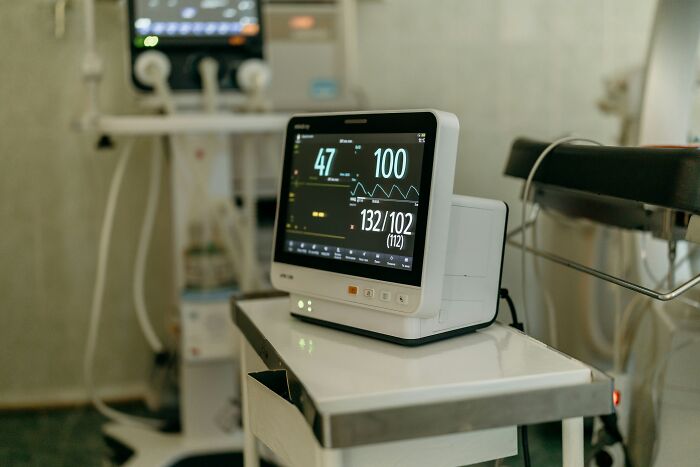
Even patients with DNR orders get hooked up to monitors sometimes, mostly so hospitals can charge insurance. It’s all in the paperwork.

Sometimes medical pros have to do finger exams on elderly guys (yes, that butt). Always double glove, they say. Good advice all around.
Managing Type 1 diabetes in hospitals? Nurses try their best, but many admit it’s a bit of a mess. Hey, we all gotta laugh!
If someone dies alone in a nursing home with no family or funeral plans, hospitals have to wheel the bed to a chilly room and scramble to get legal stuff sorted. Awkward and sad.


When all else fails, docs might crack open a chest manually to get the heart beating again. Intense doesn’t even cover it.










35
0