
 then open in external browser


 and click "Open in External Browser"
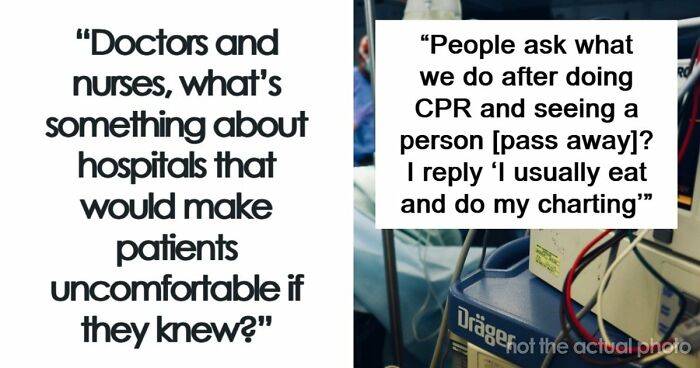
Alright, buckle up! We're diving into some jaw-dropping stuff people who actually work in hospitals have spilled about what really goes down behind those sterile walls. Spoiler: it’s not all beeping machines and polite hand-washing. Let’s get into the weird, wild, and kinda unbelievable truths hospitals won’t tell you!
This post may include affiliate links.
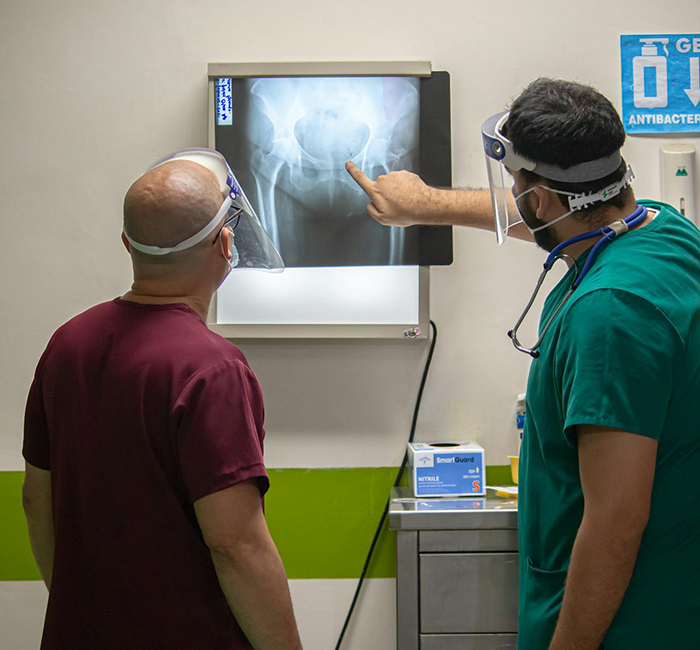
Imagine someone hammering, sawing, and drilling your bones while blasting mid-2000s rock and metal. That’s orthopedic surgery for you - human carpentry at its loudest and most intense. It’s rough, real, and nothing like a spa day.


Ever heard of surgery souvenirs? Like that time a patient went back for a check-up and bam – surprise! They found a piece of medical equipment chilling inside them. Luckily, thanks to some antibiotics and quick action, it didn’t turn into a horror story. But yikes, right?

Turns out, those white coats don’t mean they know *everything*. ER folks legit Google basic medical info live, even during surgeries! Because hey, brains get tired and sometimes you just need a quick refresher on “what’s a normal kid’s heart rate again?”
If you’re in the hospital for something wild or sad, chances are nearly everyone has heard your story. Nurses, docs, even people not in your care somehow know the scoop. So if you're the hero who survived a tumor the size of three phones stacked up, expect some ‘You’re a legend!’ vibes.

Here’s the deal: past 8 PM, you’re basically trusting a bunch of young, exhausted heroes who’ve seen more than their fair share of chaos. They might be tired, but they’re handling your life like pros - plus, they've definitely seen way more genitals than you’d probably want to think about.
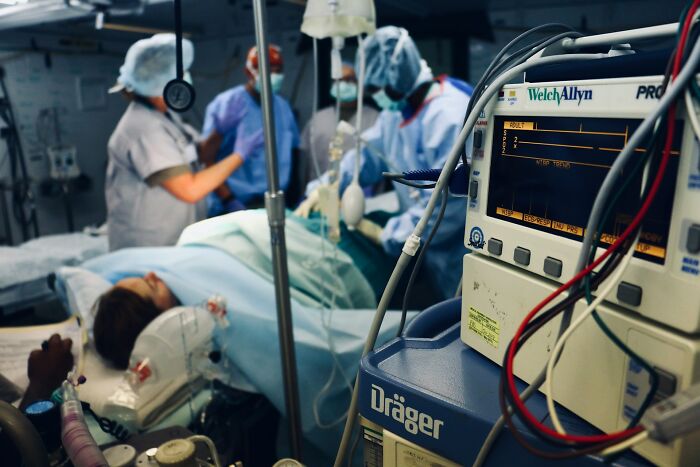
ICU nurses told us - they’ve seen so much during COVID that sometimes after CPR or losing a patient, the next thing they do is grab some food and get back to charting. It’s a tough job and a long day, powered by caffeine, nicotine, and maybe a little Adderall!
You might have a team of brainy doctors all taking care of you, but guess what? Sometimes they don’t even bother talking to each other! So, keep your notes handy and always ask questions - your memory is your secret weapon here.

Imagine your nurse just finished handling a really grim emergency, maybe with blood and chaos everywhere, and then walks into your room with a calm smile. Emotional suppression is basically a superpower for hospital staff - keeping cool while chaos happens is part of the job.
Forget classical calm music! Some surgeons bring their rock playlist to the OR. One patient’s nurse even asked what music they wanted - it turned out to be 00s hard rock, which got everyone pumped, including a doctor who usually doesn't get much say in tunes.
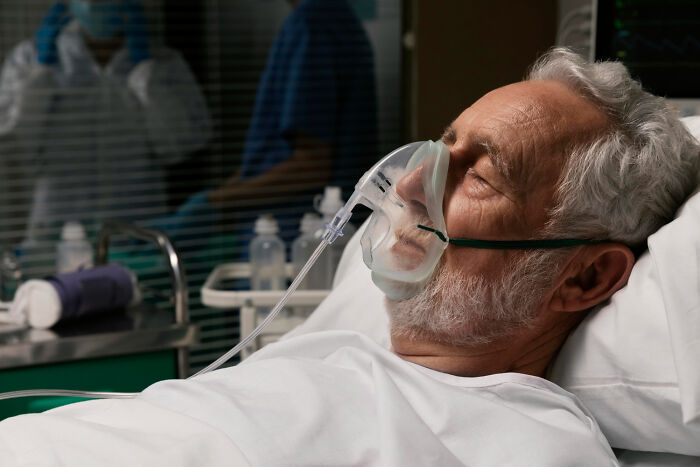
Hospital staff aren’t huge fans of putting elderly loved ones through CPR when it’s clear they’re ready to peace out. It’s one of those ‘compassionate truths’ nobody talks much about, but sometimes letting Nana or Papa go is the kindest thing.

Yup, hospitals get bed bugs and the staff has to call in exterminators ASAP. But here’s the kicker: before the bug-busting team shows up, sometimes these little critters have already taken a stroll through the halls, lobby, and bathrooms. Gross, but true!

Feeling spooky? Well, you might be. Hospitals recycle rooms like hotel rooms, and many of those spaces have seen tougher times - including folks passing away. So, every time you’re there, just remember you’re part of a long hospital history.
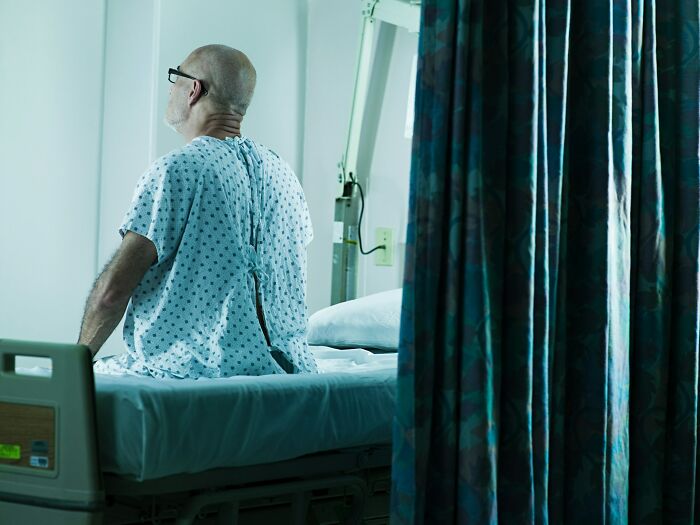
Believe it or not, staying in a hospital can be riskier health-wise than being outside it. So get out as soon as you safely can - and if possible, have friends or family rotate in to keep watch. Extra eyeballs mean better care!
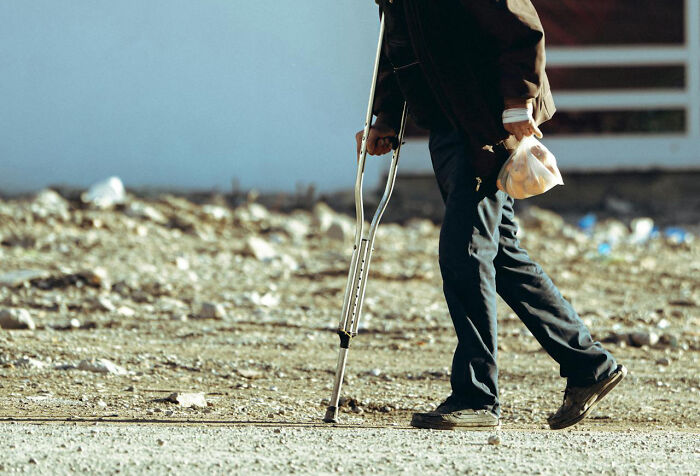
Turns out, many patients come from pretty rough home situations, some of which should honestly be called out for neighborhood health hazards. We're talking rotting furniture fires, no running water, and even deer meat dinners. Yeah, hospitals see it all.
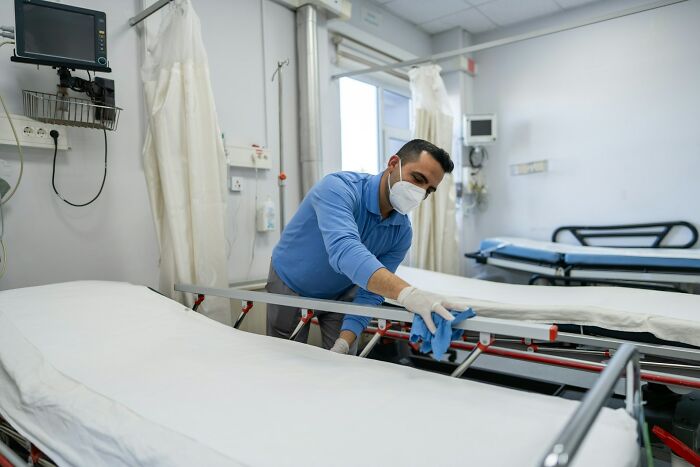
Those hospital rooms that look clean? Hardly. Cleaning staff are paid peanuts and given just minutes to clean. So don’t be shocked if surfaces aren’t properly wiped between patients - clean doesn’t always mean germ-free here.
On the children’s cancer ward, kids lose friends pretty much all the time. When nurses tell them a friend 'went home,' it’s usually a kind fib to shield them from the harsh reality. It’s definitely one of the saddest things you’ll hear about hospital life.

Hospital staff pass information like it’s a hot potato - with everyone needing the exact right message or lives could be on the line. Bonus: when they use special handoff tools and take a moment to really focus, things get way better and patients do better. Go team!

No matter the hospital, cockroaches have staked claim. Sometimes they hitch a ride in on patient purses or bags. So much for that sterile image, huh?
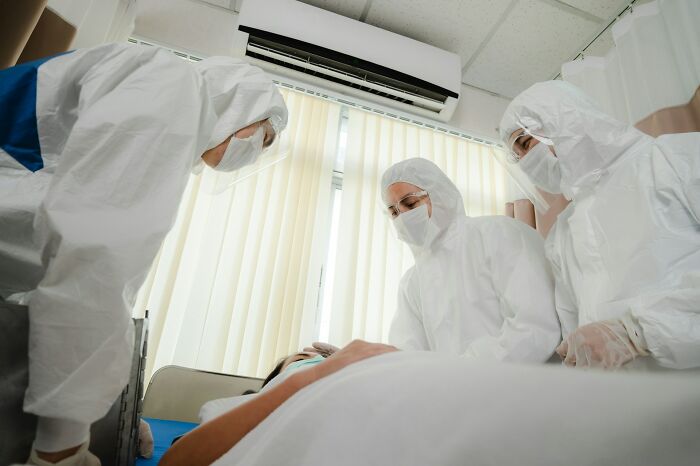
At the height of the Delta wave, hospitals ran out of morgue space and got creative (not in a good way) by stacking smaller bodies on larger ones - all while using outdoor refrigerated trailers too. Not the cheeriest hospital tidbit, but life’s real.

Here’s the ugly truth: hospitals are basically corporations squeezing cash. Nurses end up overworked, underpaid, and stuck between new grads who don’t know everything yet and burnt-out vets. When your loved one’s in the hospital, chances are their nurse is stretched way too thin. It’s bleak, but true.
Seriously, just don’t. Floors in hospitals are basically petri dishes for germs. Keep your butt off the floor, folks.
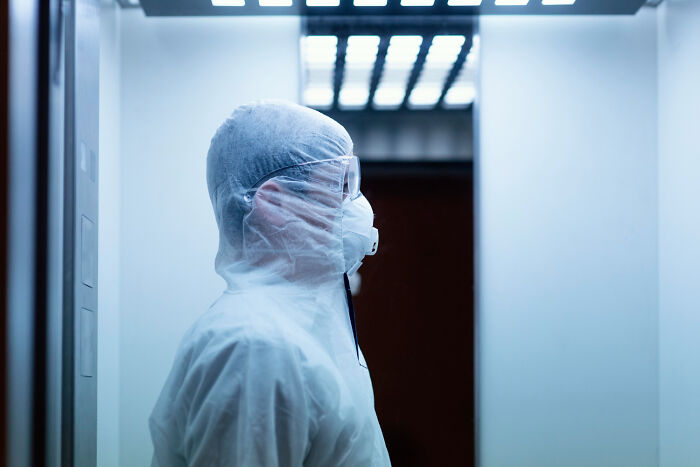
There’s a freezer somewhere in every surgical hospital room literally packed with amputated limbs and big surgery parts. They’re stored there ’til disposal because you can’t just put a giant arm or leg in formalin like the tiny specimens.
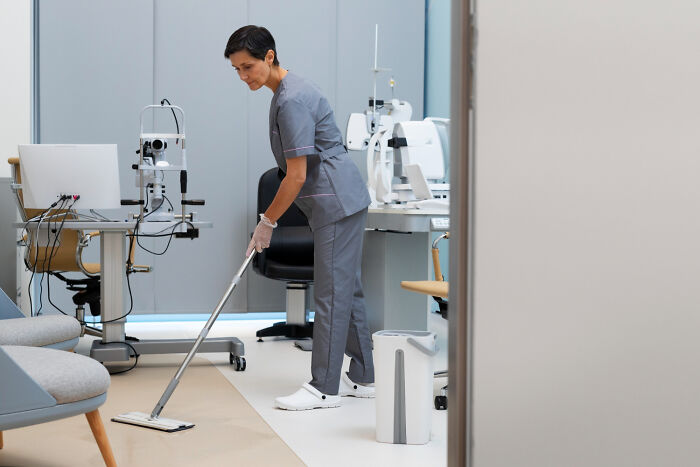
The lowest paid folks are the ones tackling the nastiest mess: MRSA, hepatitis, bed bugs, c-diff - you name it, they scrub it. If you ever smelled c-diff, you know it’s unforgettable (and not in a good way!). Big respect for these unseen heroes.
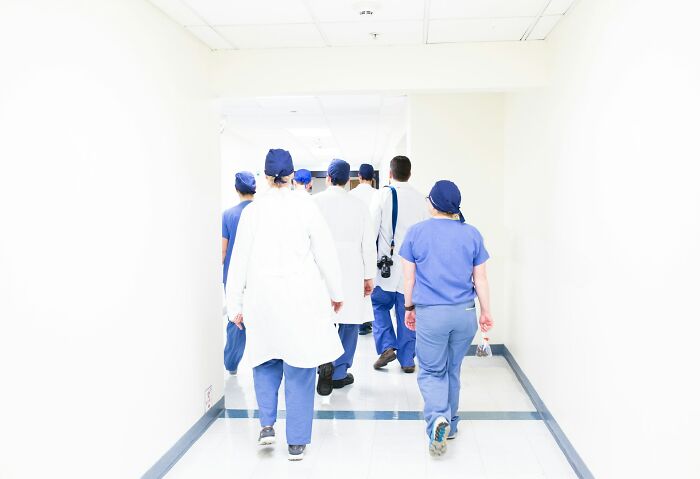
If your hospital isn’t unionized, it’s probably understaffed. Fewer nurses and aides means less comfort and safety for you. All thanks to money-saving moves that make things tougher for everyone.
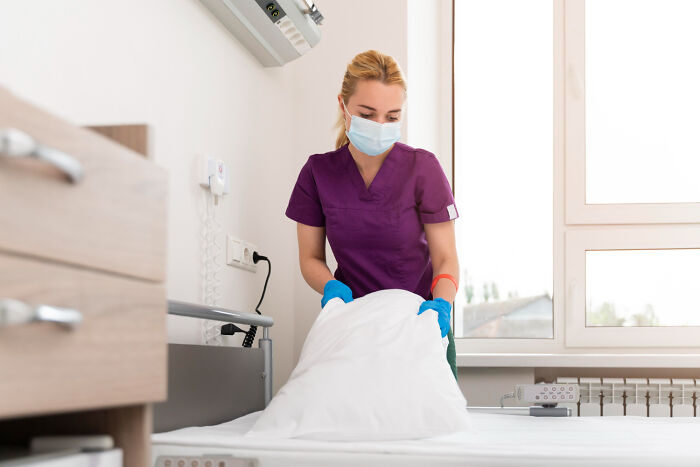
Brace yourself. Psych wards (and sometimes the psych pod in the ER) have everything - furniture, floors, walls - saturated with urine at some point. Staff scrub like mad hoping one day that smell just might vanish!
Walk into a big ER lately? Your most experienced nurse might only have a couple of years on the job. It’s a seriously tough scene out there with staffing struggles everywhere.
Yep, the curtains around your hospital bed probably haven’t been taken down and scrubbed since forever. A retired nurse admits it. So keep that in mind next time you peek behind one!

Surprise! Medical pros are just people. That means you get all kinds: some really caring folks, and some… well, jerks and people with their own problems, just like anywhere else.
Don’t imagine sci-fi laser scalpels in surgery - it’s more like a Home Depot workshop gone wild with sawing, hammering, and lots of 'we need a bigger bolt!' And yes, the patient is basically a screaming building.
Apparently there’s a weird competition where hospital staff snap pics of injuries, surgeries, and accidents on their personal phones. It’s basically the grossest game show happening behind the scenes. Eeek.
There’s always someone trying to slide a task onto someone else’s plate - and sometimes that task is crucial for patient safety. Watch out, because it’s kind of like hot potato but with your health!
Doctors and nurses? Just the tip of the iceberg. Behind them is a crazy crew - cleaners, food service, pharmacy, labs - keeping everything running. Nurses are the superstar organizers who keep things moving, so be nice to them or you’re in for a rough ride!
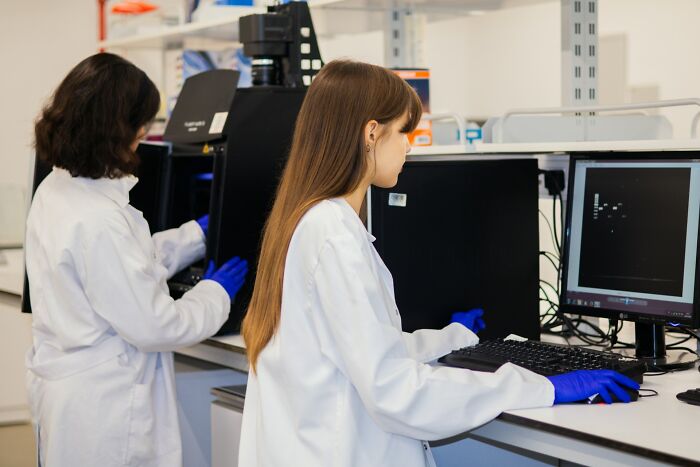
Believe it or not, around half of docs secretly use AI tools not officially approved by their hospitals. And those apps may be sneaking in pharma ads while munching on your private health info. Spooky, huh?
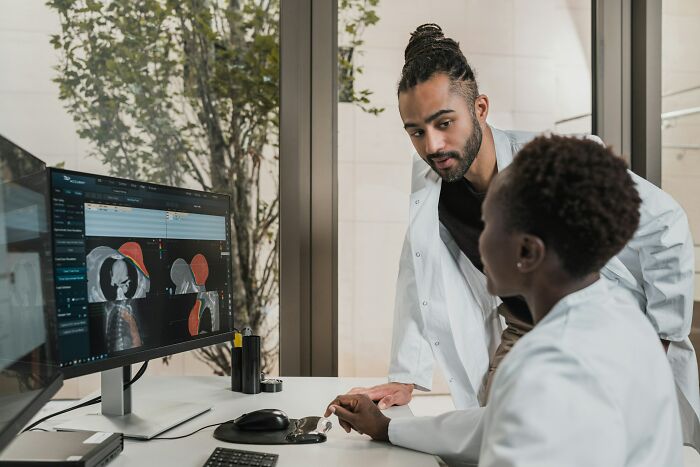
Medical staff can gossip HARD. It’s how they cope with the chaos, but it means your worst moments might be the talk of the break room. Just remember, it’s usually all in good (but kinda savage) fun.
A retired nurse says the hand-washing situation among healthcare workers is shockingly bad. So, your doctor or nurse might just walk in skipping this basic step. Ew!

Your health plan is probably decided by insurance companies obsessed with money, not doctors or science. The system helps the suits more than it helps you.
Drug-resistant infections run wild in hospitals. A leukemia patient got one and, sadly, it was a death sentence. Hospitals sometimes feel like a bug battleground, and not in a good way.
Doctors might want to give you the best care, but hospital bosses and money matters often call the shots. And if you’re hoping for bedside compassion, remember that good outcomes don’t always match with warm fuzzies.
Pro tip: The hospital morgue is never empty. And the meeting room right next door? Staff whisper it gets spooky, with lights turning on and chairs moving by themselves. Security has footage, but they won’t say much.
TB isn’t history. Hospitals often juggle active TB patients, especially around unhoused communities. And with just a couple of special rooms available, sometimes patients have to mask up in a regular space until they get moved.




That washcloth they hand you? Yeah, it’s cleaned up other people’s messes - think poop and vomit on the floor. Perfectly sanitized? Not quite.
Doctors get the glory, but nurses are the real MVPs running your daily care. The catch? Many nurses have less than two years of experience, so they’re still figuring things out. It takes years to be great at this job.
Ever picture your anesthesiologist super focused? Nope, sometimes they’re munching on chips or writing Christmas cards during surgeries. The job is often... well, boring.
Not everyone wearing scrubs knows what they’re doing. Some are just winging it and it shows. Yikes.


One nurse had to watch an NG tube insertion video right before her first time doing it. She winged it and acted like a pro though. Better us watching videos than you feeling the pain!
Behind every surgery, there’s a trainee doing 99% of the work while the big doc watches or only steps in for the tough bits. It’s like a never-ending internship with your body as the classroom.
Don’t mistake a doctor for a mind reader. They’re all just making their best guesses about what’s wrong, based on what they see and know. Medicine is often a wild game of detective work.
Clean hospital beds sometimes have blood smears hiding, especially around those stirrups. Cleaning staff miss spots, and staff have to mop up the mess. Not exactly the fresh sheets vibe you hoped for.



Even nonprofit hospitals slash staff to save cash. That means longer wait times, less care, and nurses juggling way too much. The ones actually at the bedside aren’t the decision-makers - they’re stressed out victims of the system too.
Medicine isn’t an exact science - it’s more like vibes, past experience, occasional research, and a sprinkle of guesswork. If you want the best, sometimes the nurse practitioner with amazing people skills AND a smart attending doc beats the one who only looks good on paper.
If you can avoid hospitals in July and August, do it! That’s when new residents and fellows start, figuring things out while juggling new responsibilities. It’s like the wild west but with your health on the line.
An ER doc friend was stone cold sober at work but off-shift, legal substance use was a thing. Not exactly confidence-inspiring, but hey, coping is hard in the ER biz.


One hospital cleaner got reprimanded just for doing their job too well. It’s wild how often IVs and pumps are covered in dried blood. Techs often don’t clean them properly, which could make you run screaming from the hospital.
A hospital purchasing dept insider says stuff gets marked up crazy amounts using formulas like x2.6 plus some mysterious add-ons. Your bill might be wild thanks to these sneaky tricks.
Insurance companies push hospitals to kick people out ASAP, so hospitalists hustle discharges – sometimes before specialists run all the necessary tests or treatments. Pro tip: avoid insurance-owned private hospitals if you can.
Behind closed doors, some staff turn to meds to cope. It’s a quiet little secret in the hospitals - maybe don’t ask, maybe don’t tell.



Staff wash like crazy, but patients and visitors? Not so much. That means every door handle, elevator button, and chair might hold something nasty. Bring your hand sanitizer!
Obstetrics care often focuses on avoiding lawsuits and doctor preferences rather than what’s medically best or what you want. So if it feels a little rigid, blame the courtroom, not your doctor.
Before big surgeries, you get a urinary catheter inserted while unconscious, which means legs spread, genitals exposed, and about 10 people walking by. Not exactly the modesty parade you’d imagine. Thankfully, things are better than the old days of random pelvic exams without consent!
Hospitals keep things efficient - and sometimes weird - by sharing cooling systems between the morgue and the kitchen. Yum.

In some children’s hospitals, if an elevator breaks with no patients it's a certain code - but if a kid is trapped inside, there’s a totally different secret code. Hospitals have their own secret language everywhere.
PAs and NPs aren’t doctors - even though a lot of people think they are. PAs get a two-year crash course, and many NPs skip bedside nurse experience altogether these days. Your actual doc knows your body on a microscopic level; don’t settle for less when it counts.
A hospital plumber told us the boilers are basically ticking time bombs. Routine maintenance gets shoved aside to save money, and leaks close operating rooms regularly. It's like the Soviet-style cover-up game happening from maintenance up to government reports.
Rural hospitals sometimes have labs staffed by people with zero medical knowledge, handling fancy equipment way over their heads. Your blood tests might be in the hands of someone winging it. Fun times.


Statistics show NPs and PAs often order way more tests and scans than necessary. So, some of your hospital visits might be a little over the top on labs.
Hospitals might give nurses just a half-hour heads-up before a patient shows up - give or take a million other tasks. That patient often lands in a still-warm bed with no info shared, putting safety and care at risk. Nursing burnout? You bet.
It’s scary but true - not all doctors are angels. Some can be flat-out dangerous, which isn’t a comforting thing to know when you’re under the knife.
Lots of hospital notes read like copy-pasted fiction because many staff just document assessments they didn’t fully do. So, that perfect note may be more fiction than fact. Double-check your medical records if you get a chance!
Within moments of meeting you, nurses and docs decide how hard they’ll push for your care. So a good attitude (and being interesting!) might just get you a few extra perks.
Some doctors charm patients with their friendly style but are terrible clinically. They’re often insecure and not great with staff. If you want the best, sometimes go for the cold but capable type.
Yes, the deceased get wheeled around on tables that look like fancy catering trays with white cloth covers. It’s a bit surreal but just hospital life behind the scenes.
If your nurse comes back for more blood, odds are the first sample was lost, unlabeled, or messed up. Lab folks might be minimum wage staff juggling broken equipment while people around them are into astrology and MLMs. Healthcare, am I right?
Those scalpels and tools have plenty of stories to tell - and have probably been reused multiple times cleaned and assembled mostly by people with little formal training. It’s not exactly as sterile as you might imagine.


29
0