
 then open in external browser


 and click "Open in External Browser"
Hey! Ready for some mind-boggling science news? We're diving straight into crazy cool breakthroughs that are shaking up daily life like you wouldn’t believe. Buckle up - it’s gonna be fun!
This post may include affiliate links.
Bringing Dire Wolves Back (Sorta)

Imagine a wolf that walked the Earth 13,000 years ago... now kinda alive again! Scientists took a gray wolf and tweaked its DNA to bring back traits of the extinct dire wolf. The result? Meet Romulus, Remus, and Khaleesi - the world’s first 'neo' dire wolves! Not exactly Jurassic Park but close enough to make you say wow.
They’re not perfect copies, but they prove we can resurrect some long-lost creatures. Next stop: dodos and mammoths. Wild, right?

Skywatching Like a Time Traveler: The Rubin Observatory

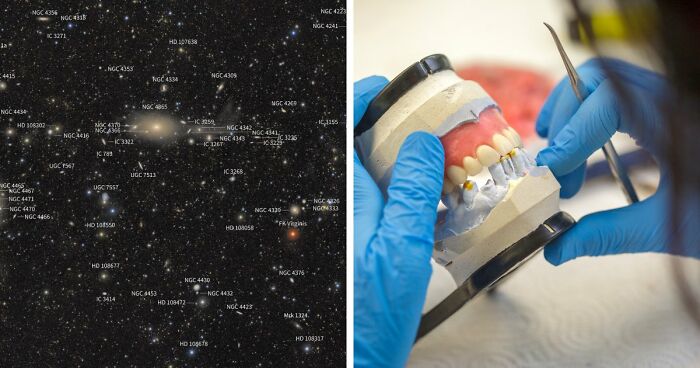
Forget zooming into one star - this beast scans the whole southern sky every few nights! The Vera C. Rubin Observatory is shooting a cosmic time-lapse that'll show the universe in action like never before. It’s like Netflix, but for galaxies and comets.
In one year, it collects more data than any telescope ever, even catching speedy interstellar visitors. Astronomy just went from slow-mo to high-speed thriller.
Yes, Toothpaste Made From... Hair?

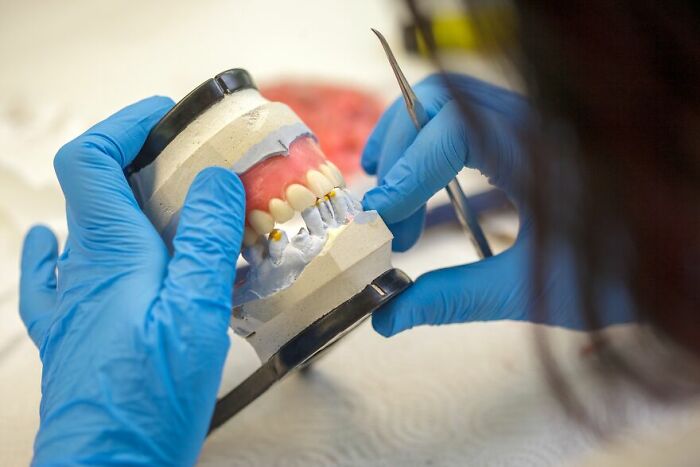
This one sounds nuts, but it’s genius: toothpaste made from keratin - the stuff in hair and wool! It helps your teeth fix little chips like magic. Since enamel usually can’t heal itself, this is a game-changer.
Even better? It’s eco-friendly because it skips the plastic junk found in some dental treatments. Who knew your hair could have such a secret superpower?
Yeast That Turns Pee Into Bone Stuff
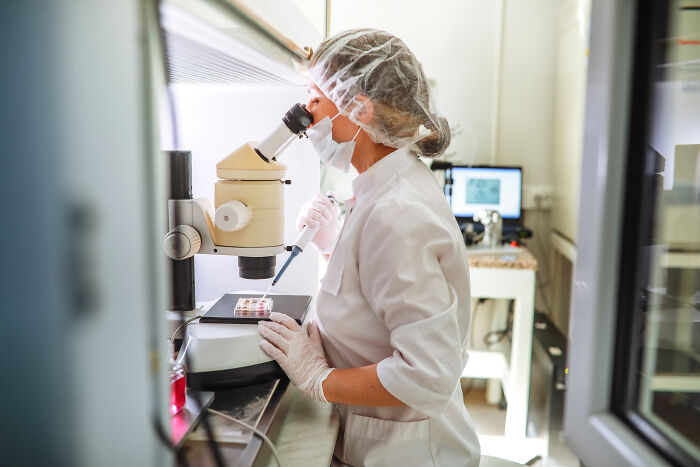
Sounds gross, but it’s ridiculously cool. Scientists engineered yeast that munches on human urine and spits out hydroxyapatite - the stuff bones and teeth are made of.
Why? Because making this material normally costs tons of energy and money. This yeast could recycle waste into bone implants, fertilizer, and even eco-friendly building materials. Talk about turning yuck into yay!
Gene-Editing That Saved a Newborn’s Life
Meet KJ, the baby who got a custom gene-editing therapy right after birth and beat a disease that usually needs a liver transplant.
Scientists designed a CRISPR treatment tailored perfectly to his DNA, fixing a rare enzyme problem that built up toxic ammonia.
Now he’s growing, eating normally, and even walking. This is gene-editing showing off big style!
Pig Kidneys That Lasted 9 Months Inside a Human

Organ transplants from pigs? Not sci-fi anymore! Scientists tweaked a pig kidney’s genes - a whopping 69 edits - and it worked inside a human for 271 days straight.
That’s way longer than before and a big leap toward solving organ shortages. Fingers crossed we get more of these super-kidneys on the transplant list soon!




This AI Diagnoses Rare Diseases in Seconds

Diagnosing rare diseases used to be like finding a needle in a haystack. Now, meet popEVE - an AI model that scans your DNA and says, “Yep, that’s the problem,” super fast.
It’s already helped find new causes for previously mystery diseases and is speeding up medical detective work big time. Finally, some AI that’s useful for real people!
A Robot Vest Helping Stroke Survivors Move Better

After a stroke, moving your arm can be super tough. But Harvard whipped up Reachable - a soft, squishy robot vest that helps your shoulder move smoother and stronger.
It’s got sensors and inflatable parts that support you just right, adjusting as you get better. Plus, it’s comfy and smart enough to predict how you want to move.
Stroke recovery just got a high-tech buddy!



Materials That Fix Themselves (Yep, Really)

Imagine a material that heals cracks just like your skin heals cuts. North Carolina State researchers made it happen! Their new fiber composites can repair themselves over 1,000 times without breaking.
This stuff could make planes, wind turbines, and other big machines last for centuries instead of decades. Less repair, less waste, more awesome!
Scientists Created a Color No One's Ever Seen Before

Think you know every color? Think again! Researchers at UC Berkeley cooked up a new color they call 'Olo' by blasting lasers into their own eyes. This color is supposedly bluer and greener than anything in nature or your imagination.
Not everyone’s convinced it’s a totally new color (maybe super saturated cyan?), but it’s still wild to think human eyes can see something brand-new artificially created.
This could unlock new ways to help people with color blindness and change how we understand seeing colors forever.
These discoveries aren’t just random cool stuff - they’re rewriting what’s possible. From fixing teeth with protein from hair to mapping the universe like a cosmic movie, the future's looking like sci-fi, but it’s real. So, get ready for jaw-dropping science that’s actually happening right now!


40
0