
 then open in external browser


 and click "Open in External Browser"
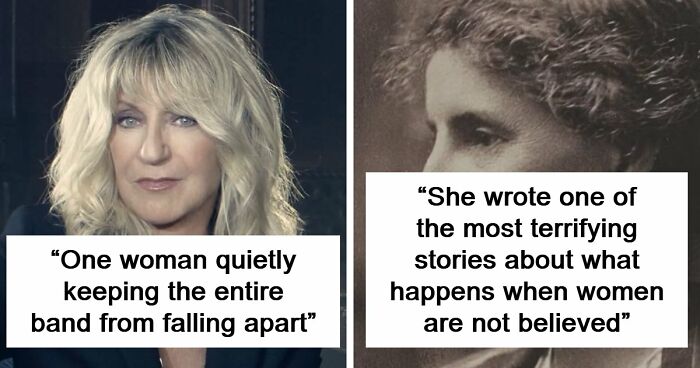
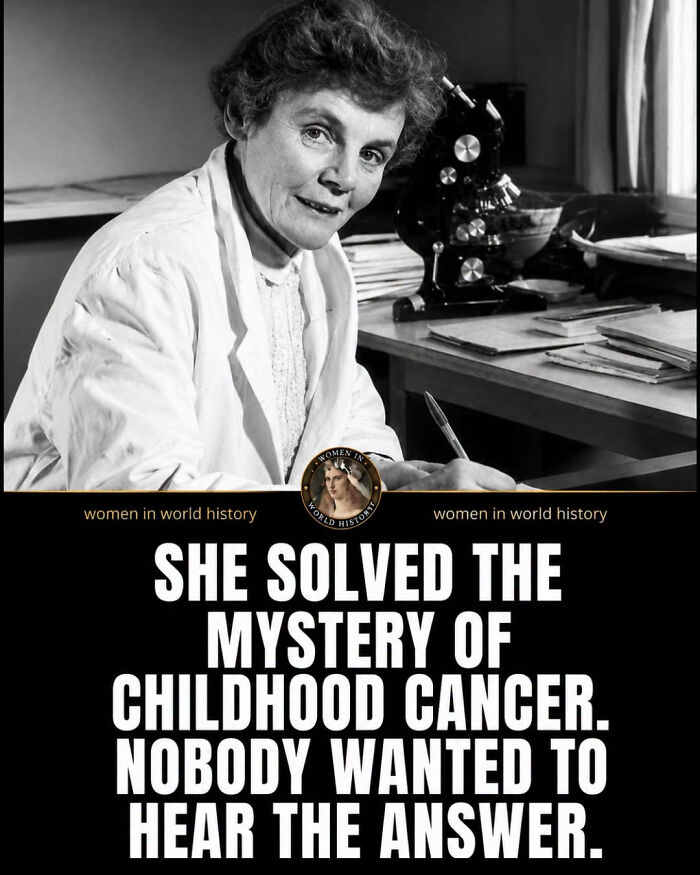
Doctors were scratching their heads over why healthy kids got leukemia. Genes? Nope. Environment? No clue. Most thought it was just bad luck until Alice Stewart, a British doc in the 1950s, started digging deep. She talked to thousands of families and noticed a pattern—many moms had X-rays while pregnant. Back then, X-rays were seen as safe and routine, but Stewart’s research shouted otherwise: even one X-ray could ups the risk of childhood cancers big time. Not everyone bought it at first; hospitals had built entire practices on these X-rays and didn’t want to admit they might be harmful. Stewart stuck to her guns, and as more studies backed her up, doctors changed their tune. Today, ultrasound rules the prenatal check-ups, and X-rays are a no-go during pregnancy.

Rosa Parks, Amelia Earhart, Marie Curie, Gloria Steinem, Joan of Arc—they’re all legendary. But the world’s full of incredible women whose stories haven’t quite gotten the spotlight. You don't always need to climb mountains or save kingdoms to be unforgettable; sometimes just being brave, smart, or downright determined is enough.
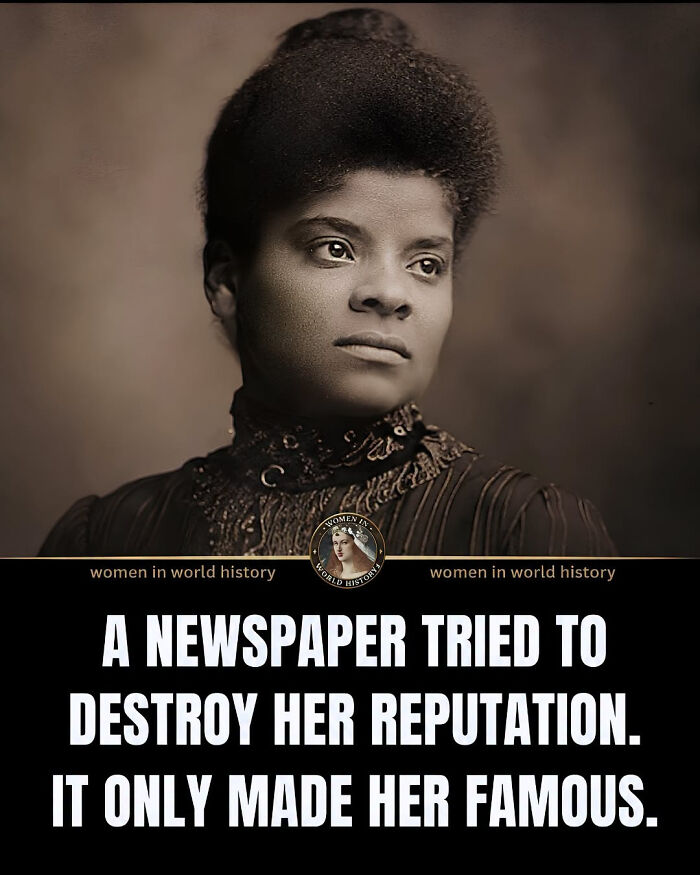
In 1884, Ida B. Wells refused to move to a “colored” train car and she won in court—until a higher court took it away. Later, her friends in Memphis were lynched just for being successful Black businessmen, and newspapers spun lies that it was to "protect white women." Wells dug deep, gathered facts, and called out the nonsense. The backlash? A white mob destroyed her newspaper office, and she fled for her life. But instead of shutting up, Wells hit the road, Europe, and beyond, spreading her fierce, fact-backed crusade against lynching. Her pen was mightier than any mob, and history remembers her for that grit, not the threats.
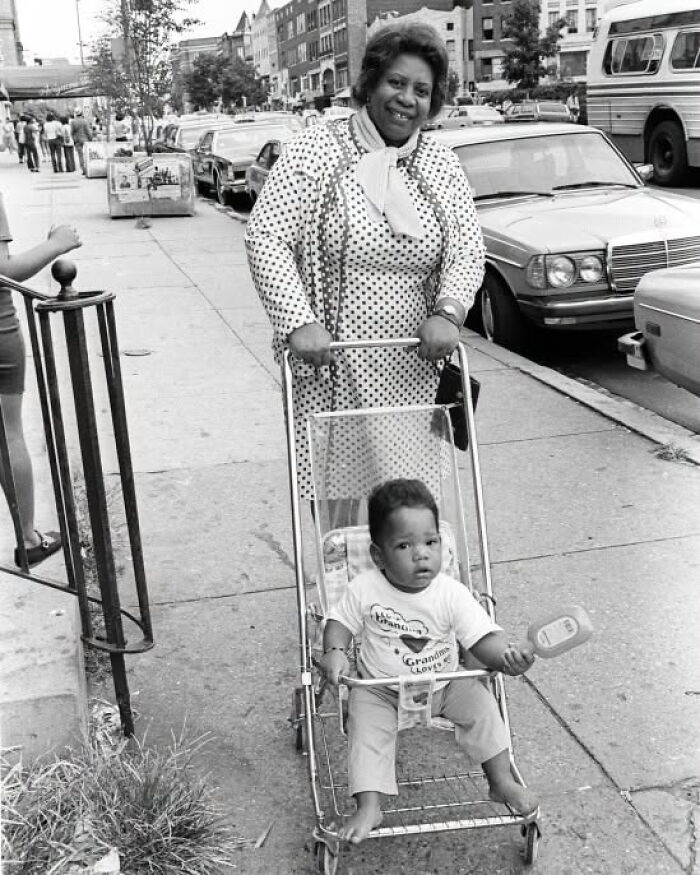
In 1962, Casilda Luna landed in the U.S. from the Dominican Republic with a big goal: build a better life. Starting with cozy meet-ups around her kitchen table, she listened as neighbors shared real struggles—finding affordable homes, caring for elders, and just making sure their voices were heard. Casilda didn’t just listen; she rallied people, brought the Latino community together, and became a champion for fair housing and stronger support for seniors. Her secret? Believing real change starts with neighbors, not speeches. Even at 97, honored for a lifetime of quiet leadership, Casilda showed that sometimes, the best stories are about the everyday heroes who make a place feel like home.
Women make up half the world (surprise!), but their influence isn’t matched by power and pay. Some top ladies listed by Forbes control trillions and sway millions, yet barriers and biases keep many from the spotlight. Weird, right?
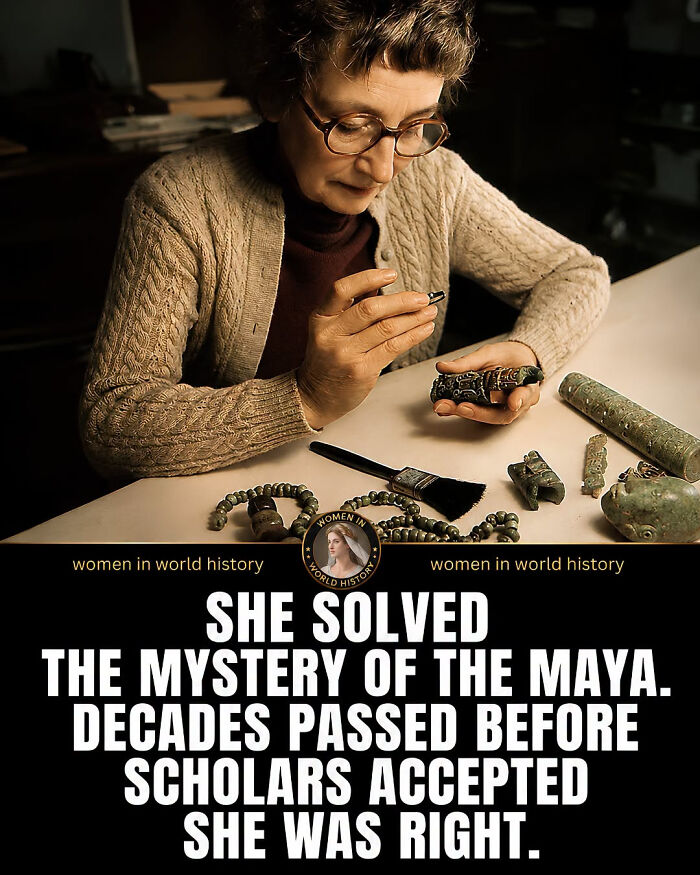
Tatiana Proskouriakoff came to ancient ruins as an architect and artist—not a scholar. Drawing Maya temple ruins in Guatemala, she spotted a pattern others missed: carved inscriptions weren’t just random symbols—they told stories of births, battles, and royal successions. Back in 1960, she published her theory that these inscriptions recorded real people and events. Skeptics doubted her, but time proved her right. Thanks to her vision, the peaceful Maya image flipped to powerful kingdoms full of intrigue, and she earned her spot as a true trailblazer. Sometimes all it takes is the right eye to rewrite ancient history.
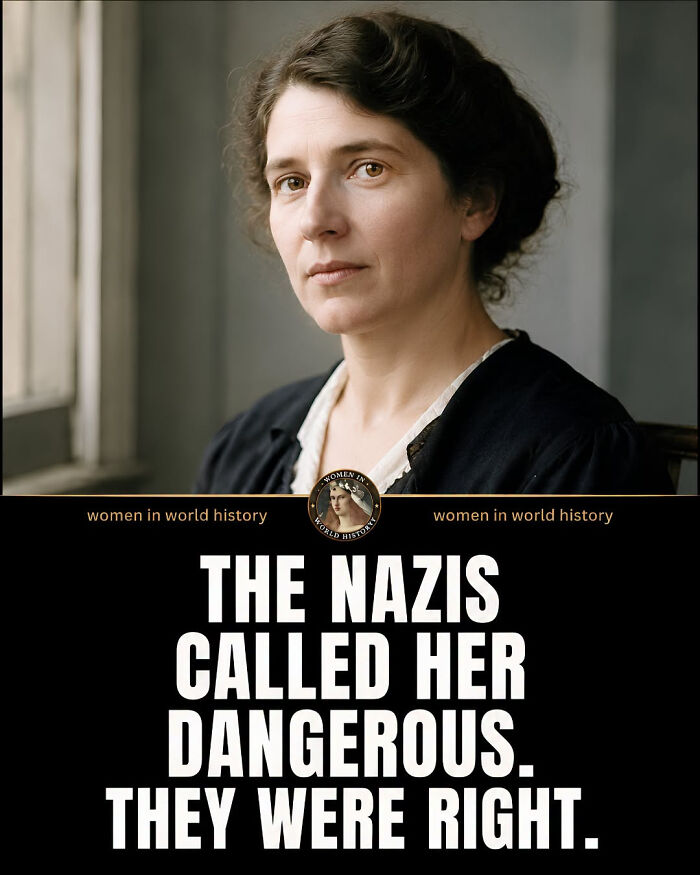
Mildred Harnack was an American who lived in Nazi Germany and wasn’t about to stay quiet. Alongside her husband Arvid, she helped run a secret network that collected intelligence, handed out underground leaflets, and called for Germans to resist Hitler’s terror. The Gestapo caught her, seriously sentenced her to prison, but Hitler had other plans—a death sentence. On February 16, 1943, Mildred was executed. Her last words? "And I have loved Germany so much." She showed that one brave person, even alone, can shake the thrones of dictatorships and be remembered long after they fall.
Karen Silkwood was a nuclear plant worker-turned-whistleblower who uncovered shocking safety lapses at a plutonium plant in Oklahoma. She found faulty equipment, broken safety rules, and radioactive contamination—including herself. On her way to meet a reporter with damning documents, her car crashed mysteriously and those papers vanished forever. Her death raised tough questions: accident or something worse? Her lawsuit led to a landmark case holding companies accountable for radiation injuries. Decades later, Karen’s courage keeps inspiring those who dare to speak up.
Let’s be real: women often face the “no” door in boardrooms, politics, and leadership. Sometimes it's because people underestimate them; other times it's straight-up discrimination. But every door cracked open helps swing the world toward fairness.
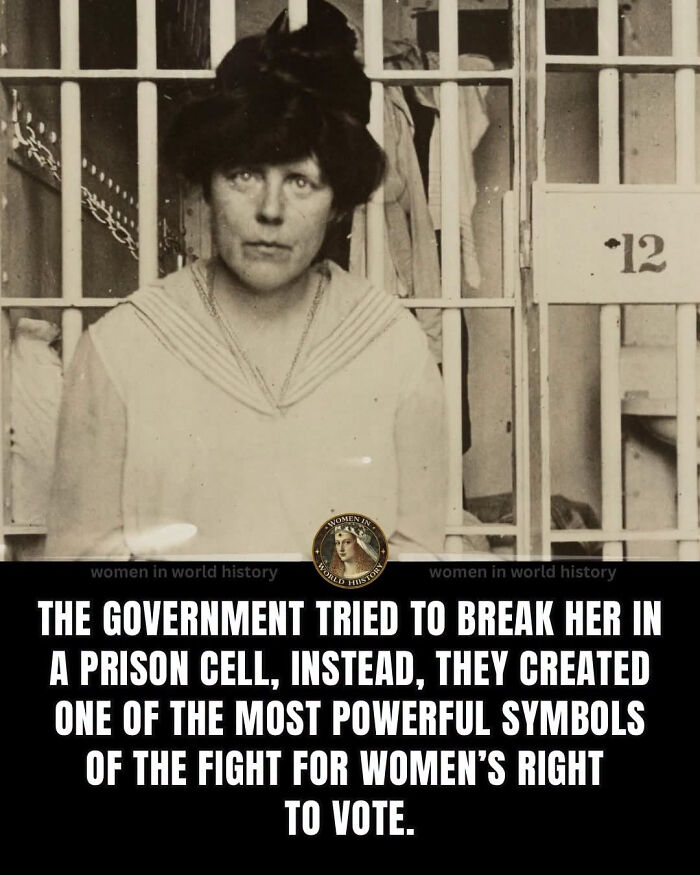
In November 1917, suffragists like Lucy Burns took to the streets outside the White House, marching and holding signs that really rattled politicians. The government threw them in a prison workhouse in Virginia, where the Night of Terror unfolded: guards dragged the women, chained Lucy’s arms above her head so she'd stand for hours, force-fed hunger-striking prisoners, and brutalized them in ways that shocked America once the news got out. Instead of breaking their will, it made the movement stronger. Within three years, women got the vote. Talk about turning pain into power!
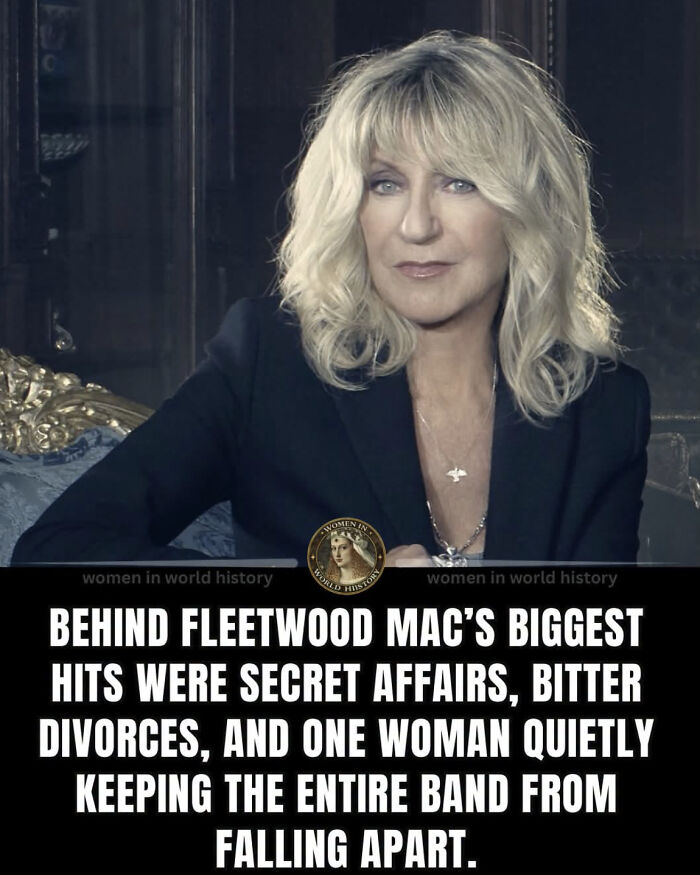
Christine McVie probably looked like the calmest member of the band, but behind those keys was the glue holding together Fleetwood Mac’s crazy rollercoaster. From classical piano to blues, she joined the band and kept them grounded through divorces, breakups, and the wild drama that inspired the legendary Rumours album. Her songs—like “Don’t Stop” and “Songbird”—are still anthems today. She quietly carried the band’s heart, proving sometimes the best diva is the steady one.
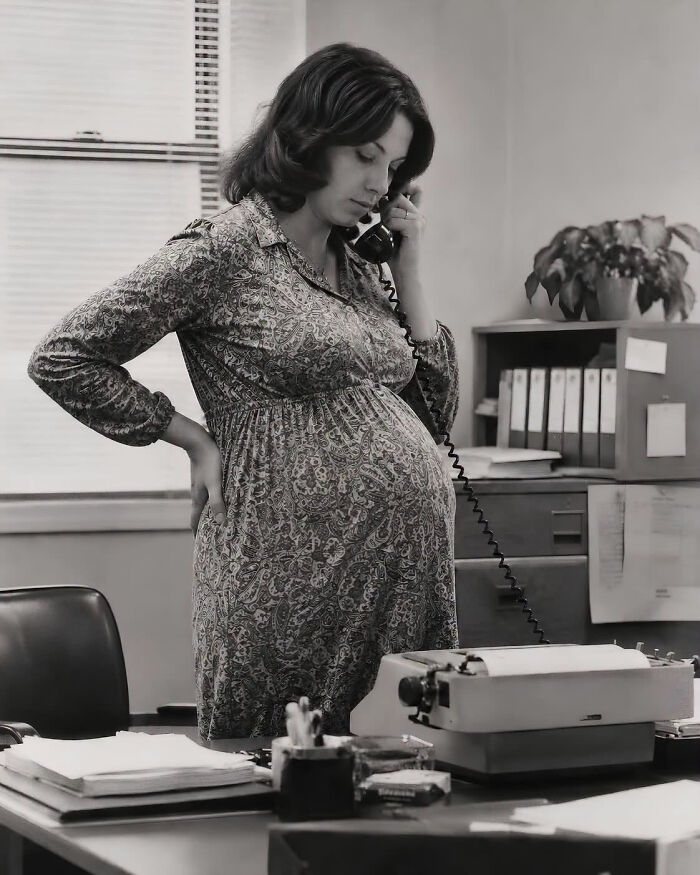
Back in the day, being pregnant was basically a career kiss-off. Schools, banks, airlines—all had unspoken rules kicking women out or forcing them to quit. Jobs that seemed perfect one day vanished the next. Employers called it 'protecting the image' or 'fragility,' but it just felt unfair. Many hid their bumps as long as possible, tense about what the news could cost them. Thankfully, laws like the Pregnancy Discrimination Act started changing that story, making workplaces smarter and fairer—proof that standing up for yourself can flip the script.
Women put in fewer hours for pay and juggle more unpaid work at home. That adds up, making it harder to climb career ladders or snag benefits. And most of it starts with childhood, where the ‘you do this’ and ‘you do that’ messages shape a lifetime.
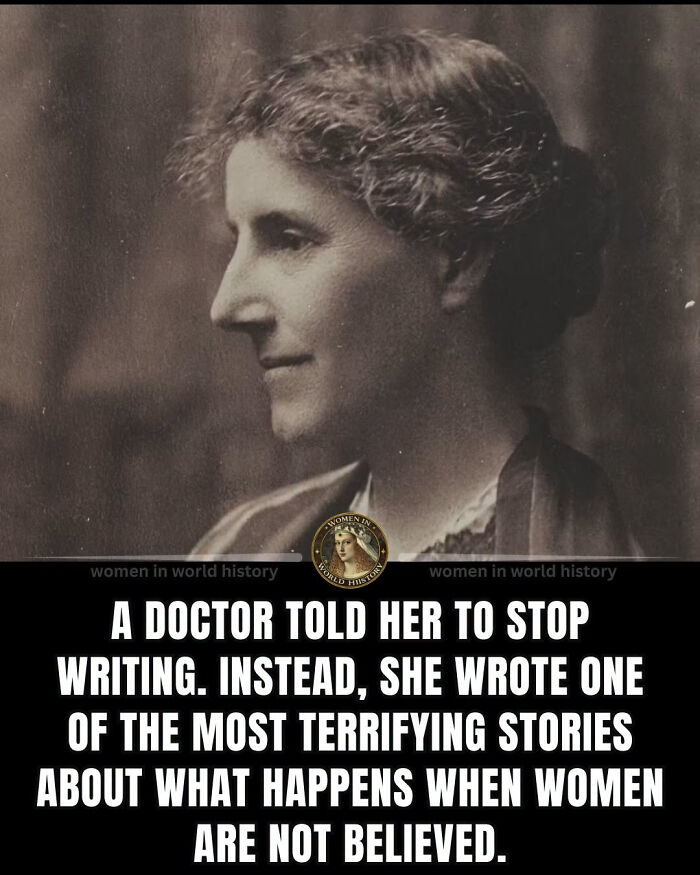
After giving birth, Charlotte Perkins Gilman hit a tough patch—postpartum depression like no one talked about back then. A doctor gave her the 'rest cure': no writing, no thinking hard, just bed rest. Instead of helping, it nearly broke her. Channeling her ordeal into the chilling short story ‘The Yellow Wallpaper,’ she told the world how dangerous ignoring women’s mental health could be. Legend has it her doctor even softened his treatments after reading it. Talk about turning pain into powerful art.
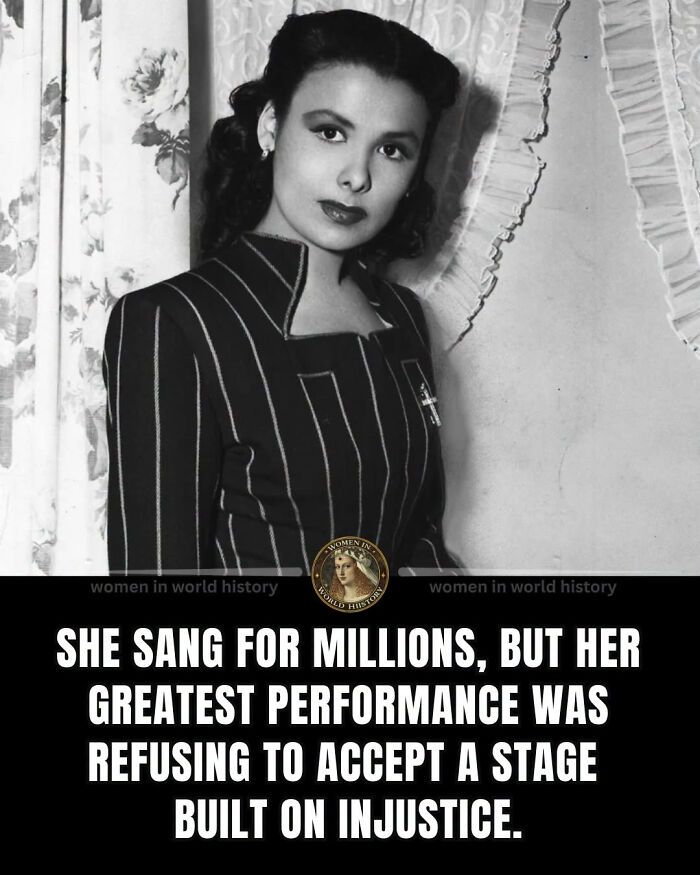
Lena Horne was all glitz, glamour, and a voice that owned every room. Hollywood wanted her beauty and talent—but not her speaking out against racism. During WWII, she refused to perform where Black soldiers were forced to sit behind Nazis and paid her own way to entertain her own community. Facing blacklists and prejudice, she kept shining in clubs and concerts. Decades later, Broadway honored her by naming a theater after her—the very first Black woman to get that honor. Lena proved sometimes the most powerful stage is standing your ground.
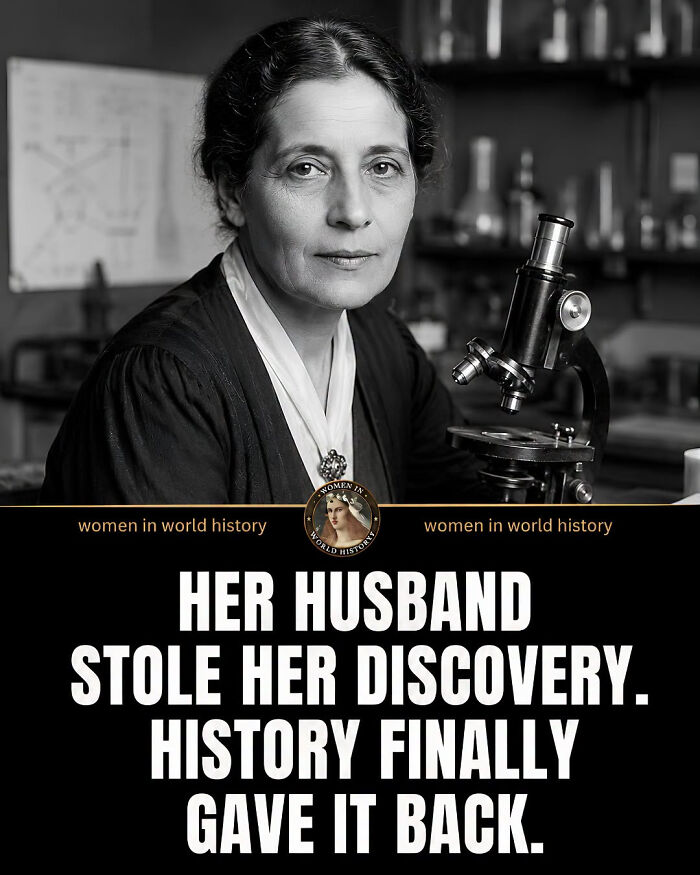
Lise Meitner was a physicist who cracked how atoms split—nuclear fission—a discovery that transformed science and warfare. Forced to escape Nazi Germany, she pieced together answers from her Swedish exile, while her partner stayed behind. When the Nobel Prize was handed out in 1944, only her male collaborator got the nod. Historians now call that one of the biggest oversights ever. Meitner’s legacy lives on in the element named after her and as a symbol that sometimes history takes a while to catch up with brilliance.
Women's entrepreneurs are on the rise but still face hurdles. They work in lower-paying jobs more often and earn less cash, despite their huge contributions to families and communities. Change is long overdue!
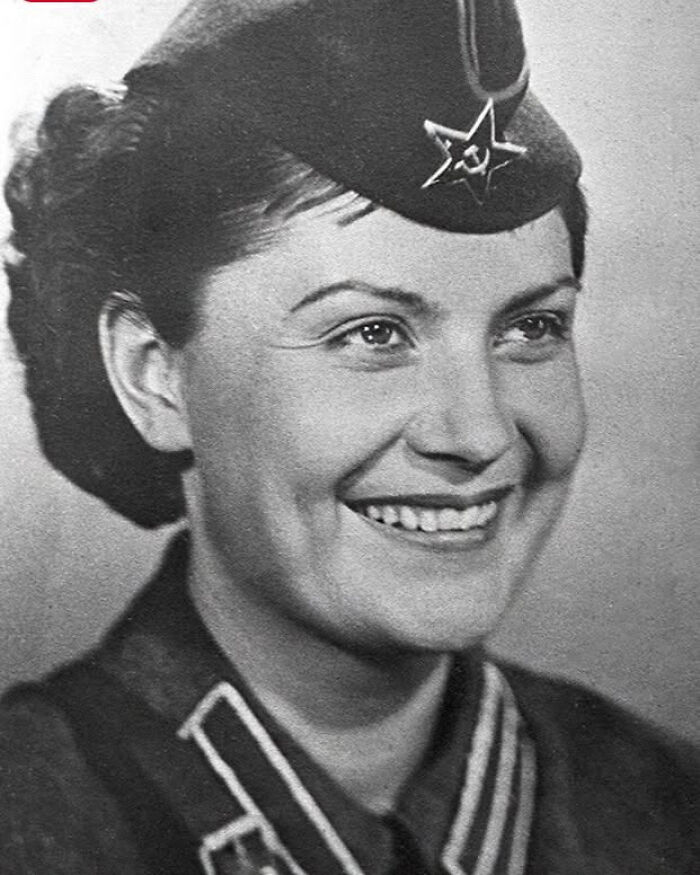
Evgeniya Garkusha was a Soviet actress whose refusal to take dirty advances from Lavrentiy Beria, Stalin’s secret police chief, made her a legend. At a Kremlin party in 1946, she slapped him in front of everyone. Big mistake. Beria retaliated fast—she was arrested, falsely charged, and sent to a brutal labor camp far from her family. She died young and broken, but was later cleared. Her slapping of Beria became a symbol of defiance that echoed through history—proof sometimes a simple “No” can cost everything and still mean everything.
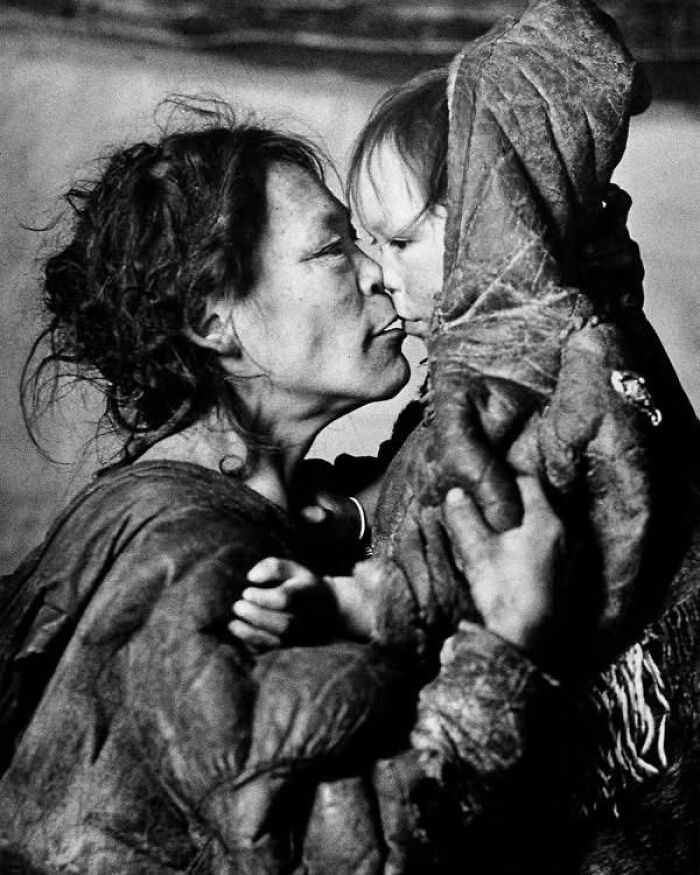
This isn’t just a sweet photo of an Inuit mom and her baby—it’s a window into a world where survival was a daily battle. The Caribou Inuit followed massive migrating herds across frozen tundra, relying on every scrap of the animal. Moms did more than nurture children—they processed hides, sewed parkas, prepared food, and kept their families alive. Then, in the late 1940s, the caribou vanished. Families faced starvation and heartbreaking loss. Mothers ate last, nursed babies while starving themselves, and did whatever it took to keep their children warm. This photo remembers their fierce spirit in a frozen land that demanded everything.
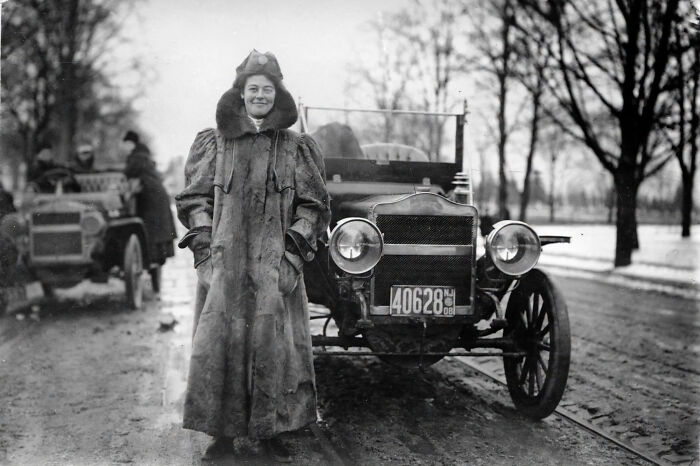
In 1909, most Americans didn’t know what a car was, let alone drive one coast-to-coast. Alice Huyler Ramsey said “hold my steering wheel” and drove from New York to San Francisco with three friends. She faced dirt roads, no signs, crazy muddy stretches, and only a handful of gas stops—not to mention changing 11 tires! The trip took 59 days, and she didn’t do it for fame, just because she could. When they rolled into San Francisco, Alice became the first woman to make the epic solo drive. Adventure? Absolutely. She proved that sometimes breaking records starts with just taking the wheel.
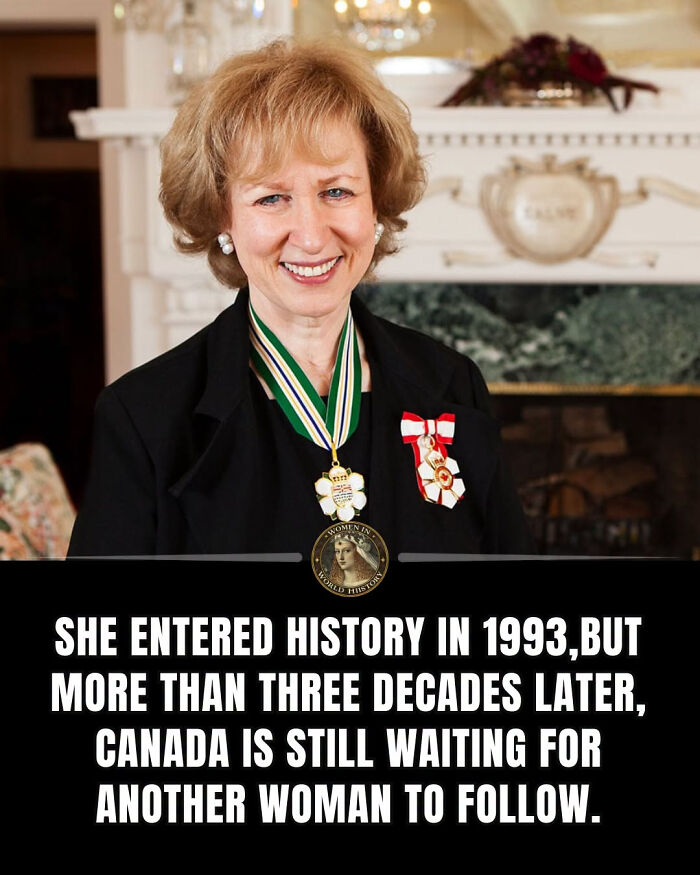
In 1993, Kim Campbell made history as Canada’s first woman prime minister. She was no rookie—she’d led as justice minister and attorney general before stepping into the top job. Trouble was, she inherited a sinking ship: a disliked government, a shaky economy, and angry voters. The election that followed? A total wipeout for her party, going from majority to just two seats. Her term was brief but proved one thing: women can and will run the show, no matter how tough the ride. And guess what? Canada’s still waiting on No. 2.
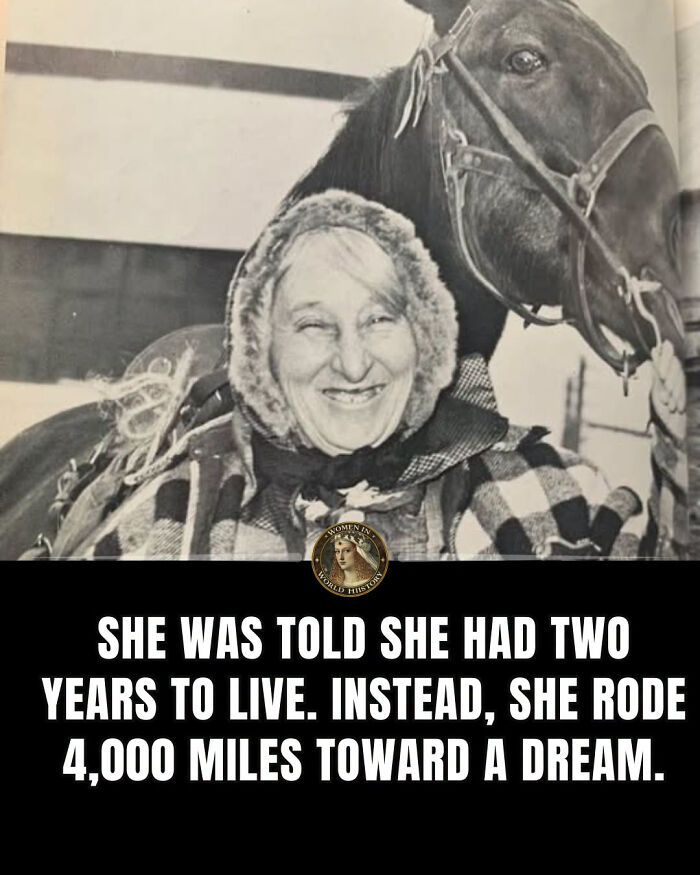
In 1954, 63-year-old Annie Wilkins decided to do something wild: ride her old horse Tarzan all the way from Maine to the Pacific Ocean. No fancy GPS or comfy hotel stays. Snow, rivers, mountains? Bring it on. She, Tarzan, and her dog crossed 4,000 miles, met townsfolk and celebrities (yep, even Groucho Marx), survived blizzards and highway traffic, all while inspiring folks in a fast-changing America. Annie’s journey reminded everyone that sometimes adventure is about grit, hope, and a little bit of stubborn heart.
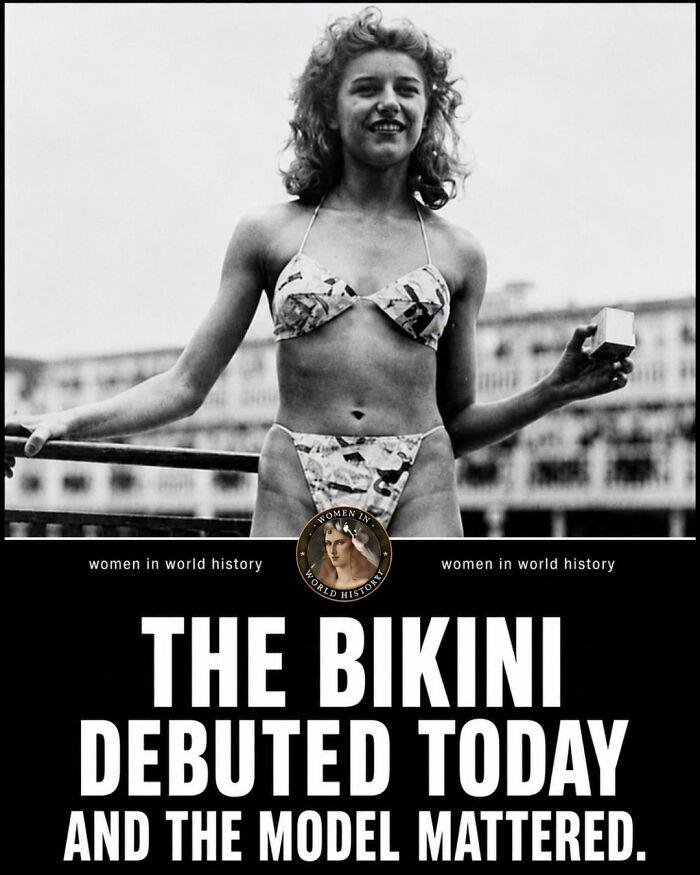
In 1946, Louis Réard created a swimsuit so tiny it barely covered anything—and no model would dare wear it. Enter Micheline Bernardini, a Paris nude dancer cool as a cucumber, who said “sure, I’ll do it.” At a Paris pool, photographers swarmed, and the bikini blew up. Some places banned it outright. She got 50,000 fan letters and became the accidental face of bold, tiny towels we still rock today. Without her, that daring debut might never have happened.
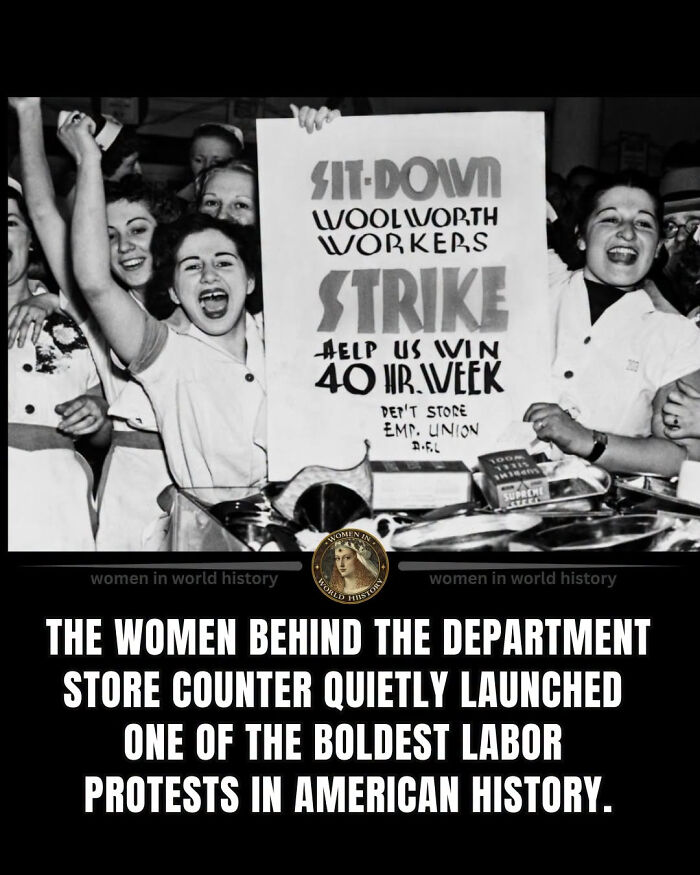
Inspired by big factory sit-down strikes, young women selling goods at Woolworth’s in Detroit decided naps on the job were fair game—except it was a protest! For days, they stayed inside the store, blocking managers from bringing in replacement workers. This quiet, determined occupation grabbed headlines nationwide, showing that women clerks weren’t just shop girls—they were workers demanding respect and better conditions. Their courage helped unions rise in retail and challenged what labor protests looked like.
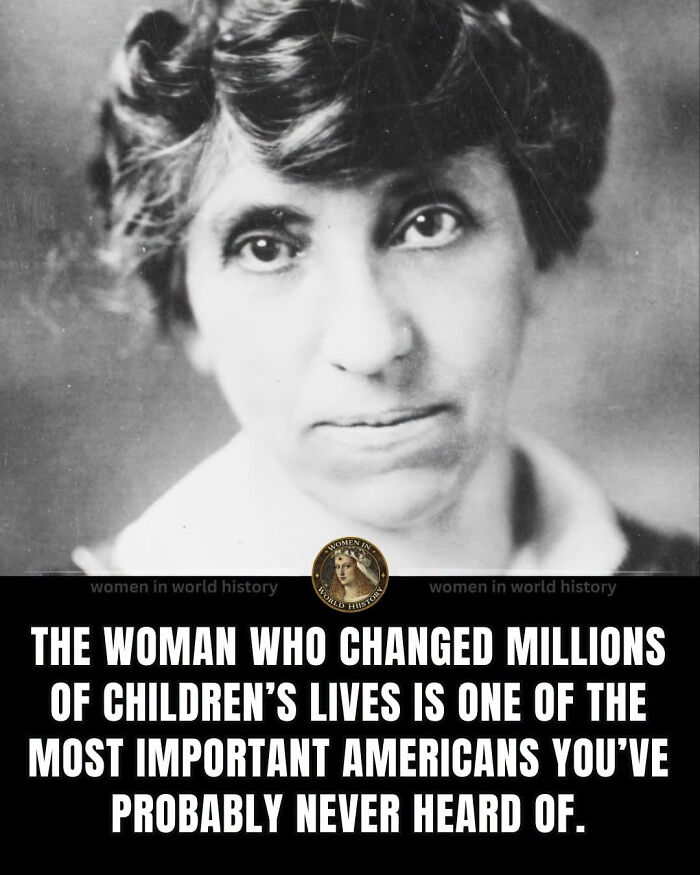
In 1912, Julia Lathrop became the first woman ever to run a U.S. federal agency: the Children’s Bureau. She didn’t just fill a slot; she made waves by insisting on data over guesswork—tracking infant deaths, mom health, and child welfare. Her work pushed huge improvements in sanitation and childbirth safety, showing that numbers could save lives. Critics grumbled, but Julia knew the future belonged to how well a country cared for its littlest citizens. Facts, not folklore, shaped her quiet revolution.
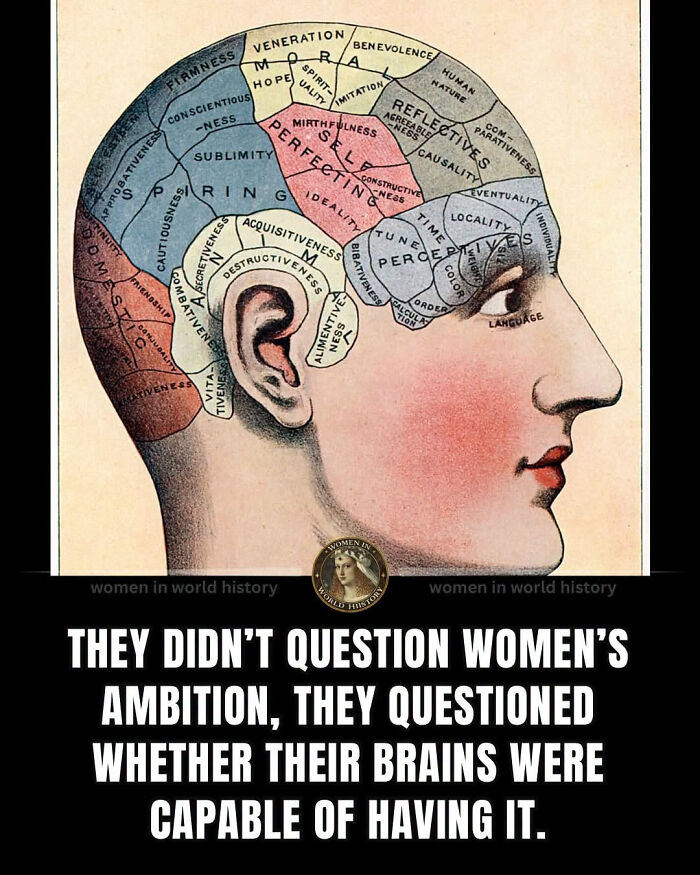
Back in the 1800s, some brainy folks measured skulls and decided—since women’s brains were smaller—they just weren’t as smart. Problem? Brains scale with body size, not IQ. So their “science” was basically nonsense that kept women out of universities and medicine, claiming education would harm their fertility and make them ‘too emotional’ because of...you guessed it, periods. Meanwhile, women like Ada Lovelace programmed the first computer and Marie Curie doubled-down on Nobel wins. Today, that goofy thinking’s a prime example of bias masquerading as “fact.”
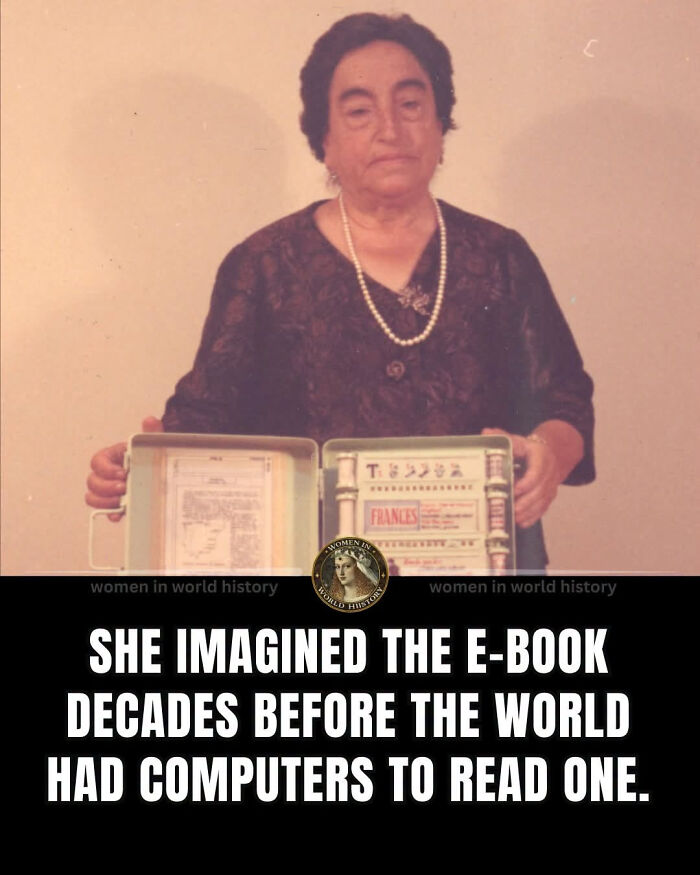
Before iPads and Kindles, Spain’s Ángela Ruiz Robles was dreaming big. Fed up with students lugging tons of heavy textbooks, she built the Mechanical Encyclopedia—a clever gadget using reels, buttons, and lights to swap lessons, zoom in on text, and light up the pages. It was like an app with gears and switches. Unfortunately, funding never came, so her brainchild didn’t hit big. Still, millions of people holding e-readers today owe a little thanks to this savvy teacher who wanted learning to be lighter and more fun.
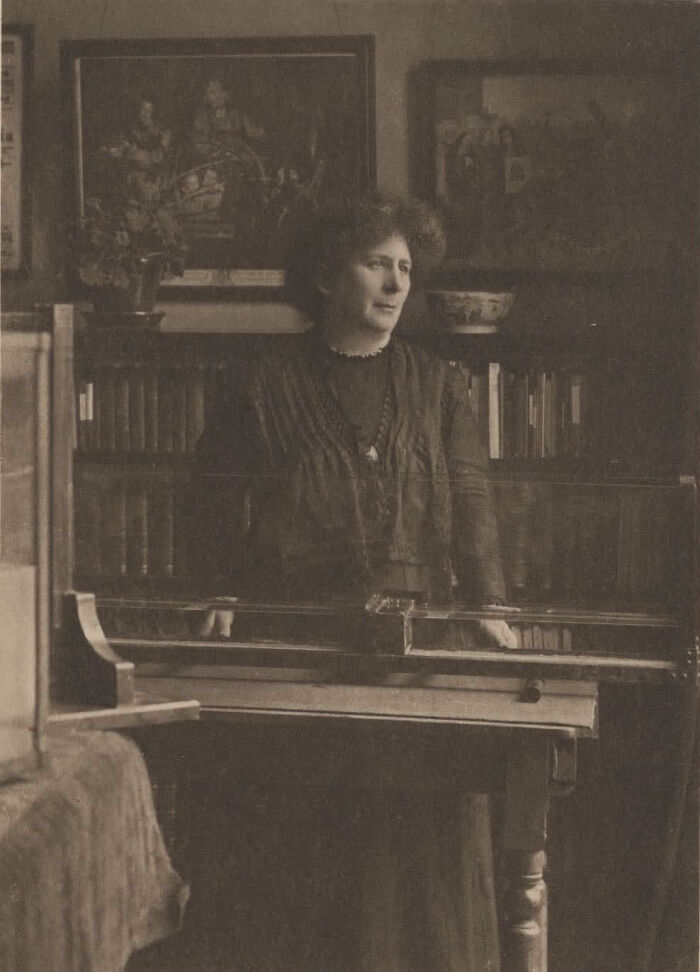
Hertha Ayrton wasn’t just an electrical genius who made flickering, hissing arc lamps way less annoying. She was a pioneer—first woman to join major UK engineering institutions. But politics held her back: married women couldn’t join the Royal Society back then. Then WWI happened, and poison gas became the nightmare weapon. Hertha designed a hand fan that blew the deadly gas out of trenches—think human-powered windshield wipers for soldiers. Hers was a quiet kind of heroism: solving tech puzzles one minute, keeping people alive the next.
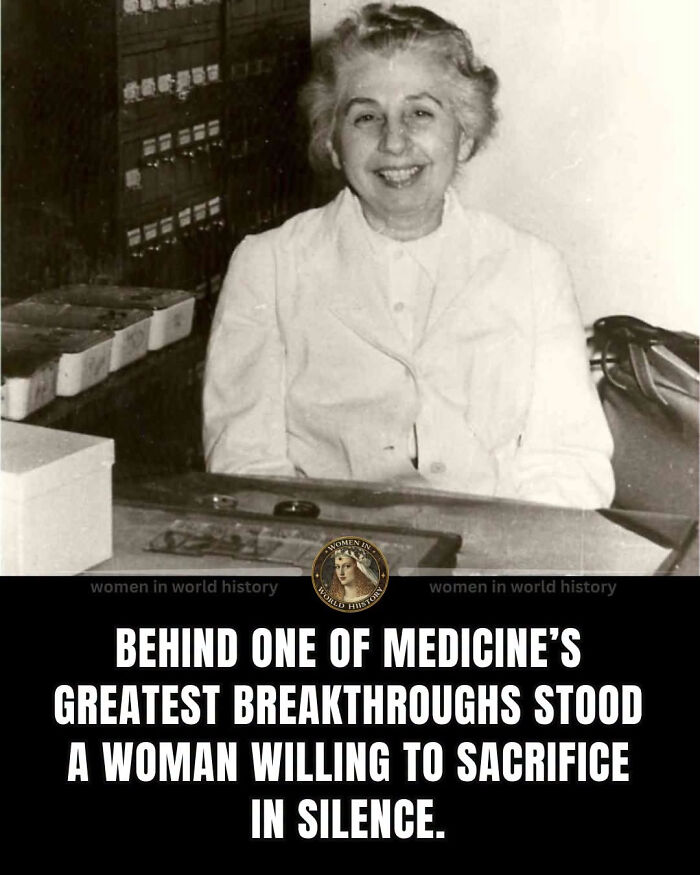
Andromachi Papanikolaou spent more than two decades dedicating herself to her husband’s research—over and over volunteering for uncomfortable cervical smear tests so he could perfect the Pap test. This test catches abnormal cells before cancer strikes, saving millions of women from deadly disease. History often remembers the doctor’s name, but behind one of medicine’s biggest wins was Andromachi’s quiet, persistent support and her own incredible bravery.
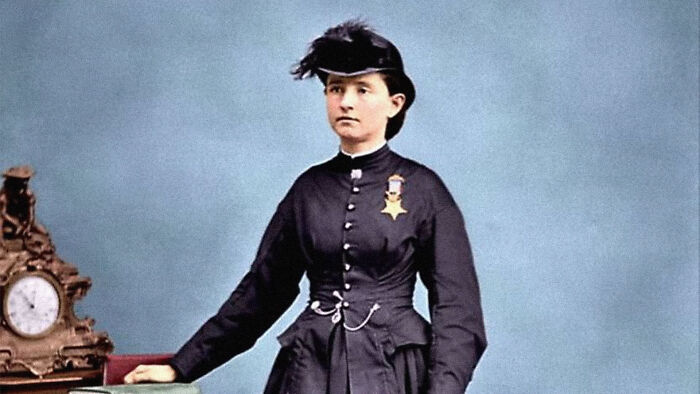
Mary Edwards Walker strapped on her scalpel and marched straight into Civil War battlefields—despite the army’s ‘no woman surgeons’ policy. When she bravely cared for the wounded, President Andrew Johnson gave her the Medal of Honor, the nation’s top military prize. But decades later, officials said, ‘Oops, that’s not valid,’ and demanded it back. Mary said, 'No thanks,' wore it every day, and died still rockin’ that medal. In 1977, the government finally said, 'You were right.' Her story proves courage isn’t about gender—it’s about heart.
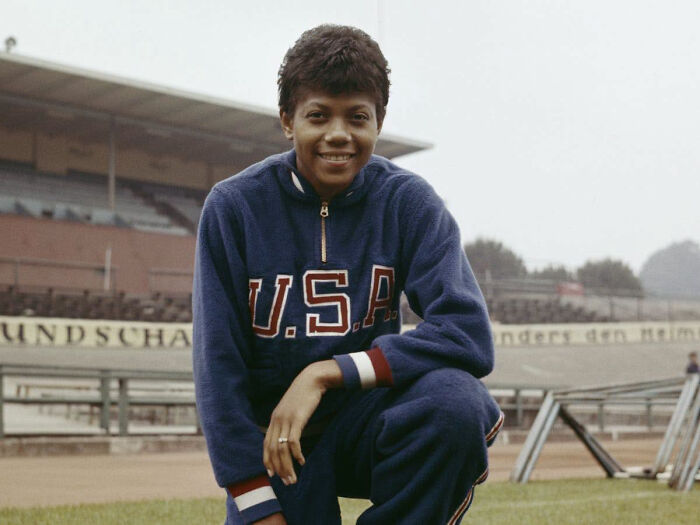
Born with a wobbly leg and odds stacked against her, Wilma Rudolph refused to give up. Polio, pneumonia, scarlet fever? She beat them all. As a kid, she loved basketball and sprinting so much she outran doctors’ doubts. At the 1960 Olympics? Triple gold medals in sprinting events made her the fastest woman on Earth. Back home, she insisted celebrations be integrated, reminding us that speed is nothing without justice. Wilma’s life proves that how you start isn’t how you finish.
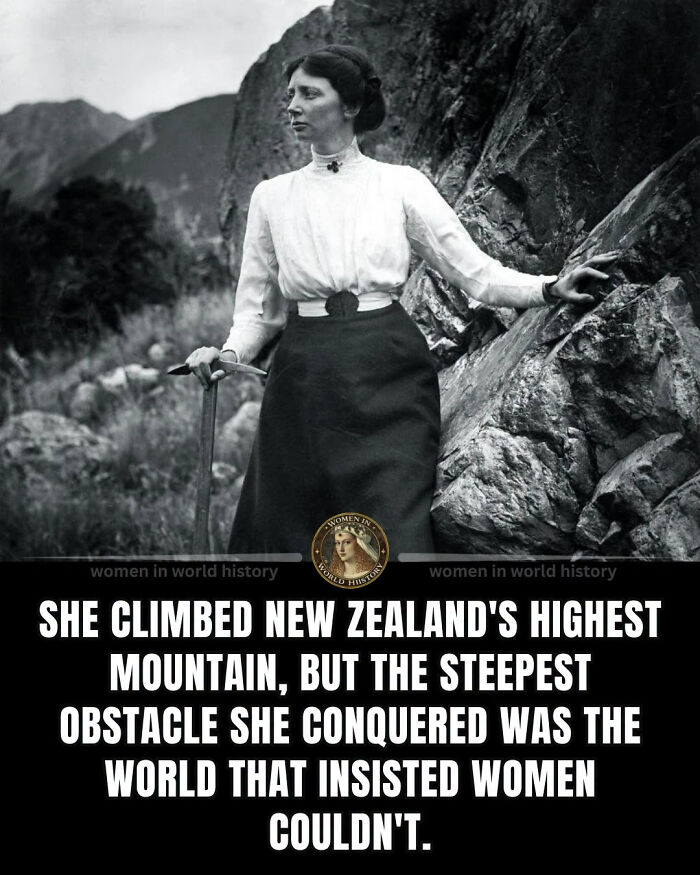
Sydney-born Freda Du Faur wasn’t your typical mountaineer in 1910—she climbed Aoraki/Mt. Cook in knickerbockers, not dresses, and had to bring a chaperone to satisfy society’s rules. With grit and a group of guides, she smashed the speed record to New Zealand’s highest mountain, proving skill beats stereotypes. She went on to scale more peaks and lived openly with her partner, Muriel Cadogan, in a time when love like theirs had to hide. Freda climbed literal mountains and societal ones alike—one step at a time.
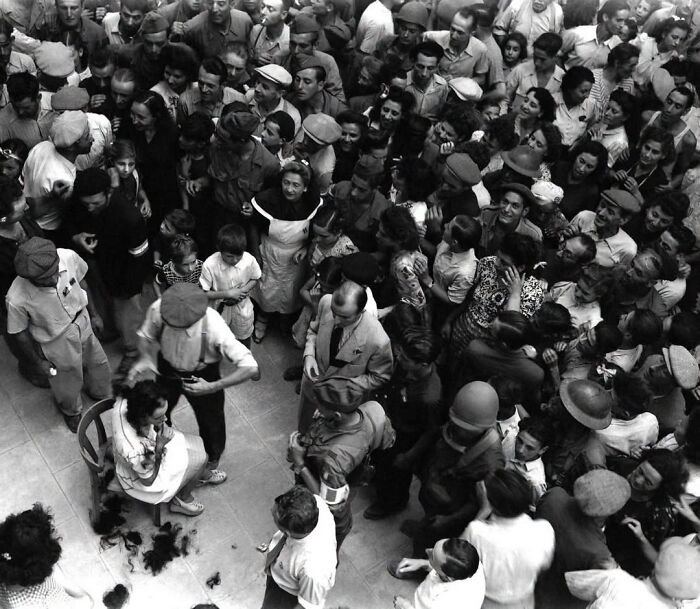
At 15, Anne Perry (then Juliet Hulme) and her obsessed BFF Pauline Parker shocked New Zealand by m*rd*ring Pauline’s mother with a brick. The girls survived prison and, after release, Juliet changed her name and penned bestselling Victorian detective novels exploring justice and m*rder—definitely a career informed by experience. Perry’s past stayed secret for decades until 1994, creating one of the strangest backstories in crime fiction history. From real crime to written crime boss—she’s proof fact can be stranger than fiction.








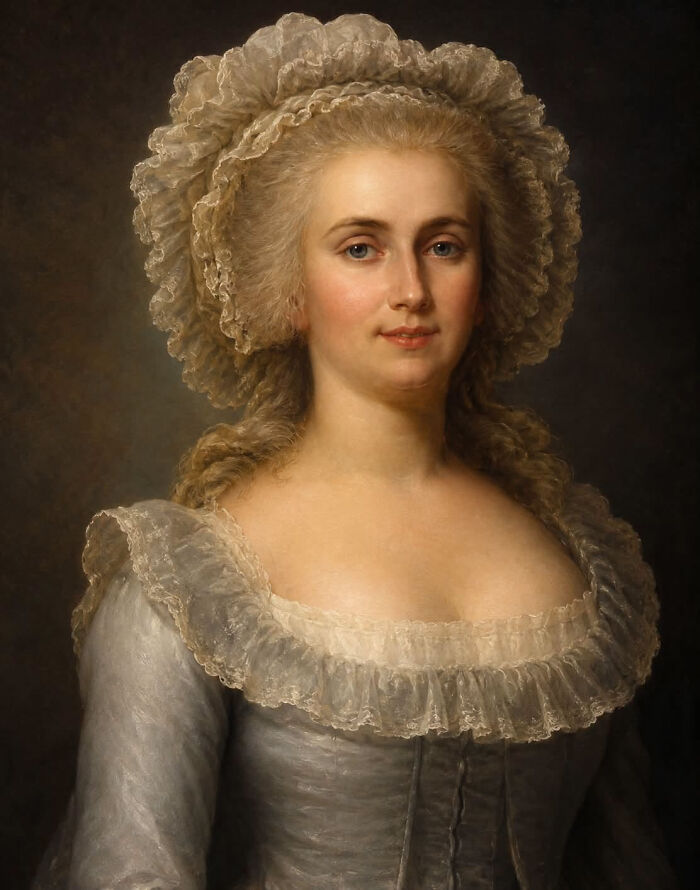
Jeanne de Valois-Saint-Rémy was born poor but knew a royal name could open doors. She tricked Cardinal de Rohan into thinking Queen Marie Antoinette wanted him to buy a super-expensive diamond necklace—using fake letters, fake meetings, and a fake queen lookalike. The cardinal handed over the gems, which vanished fast. When everyone learned of the trick, Antoinette looked guilty despite innocence. Jeanne escaped jail, wrote wild memoirs, and left behind a scandal that helped spark a revolution.
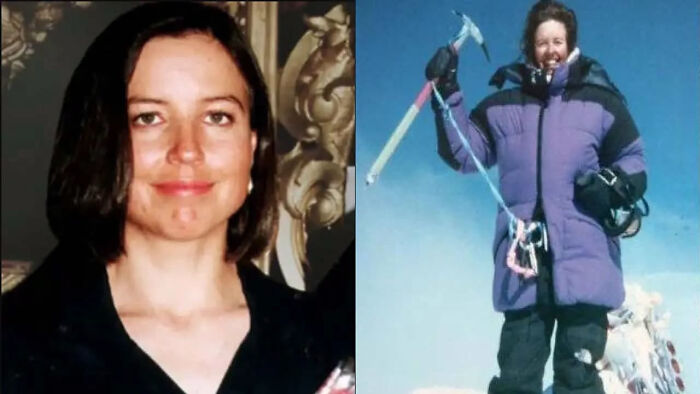
In 1998, Francys Arsentiev became the first American woman to climb Everest alone without extra oxygen. But near the peak, exhaustion and altitude caught up. She collapsed. Her husband tried rescuing her—and vanished, too. Other climbers found her alive but couldn’t carry her down the dangerous slopes. Years later, a team gathered to move her body away from the path and give her peace. Her story is one of grit, love, and heartbreaking choices that the mountain demands.
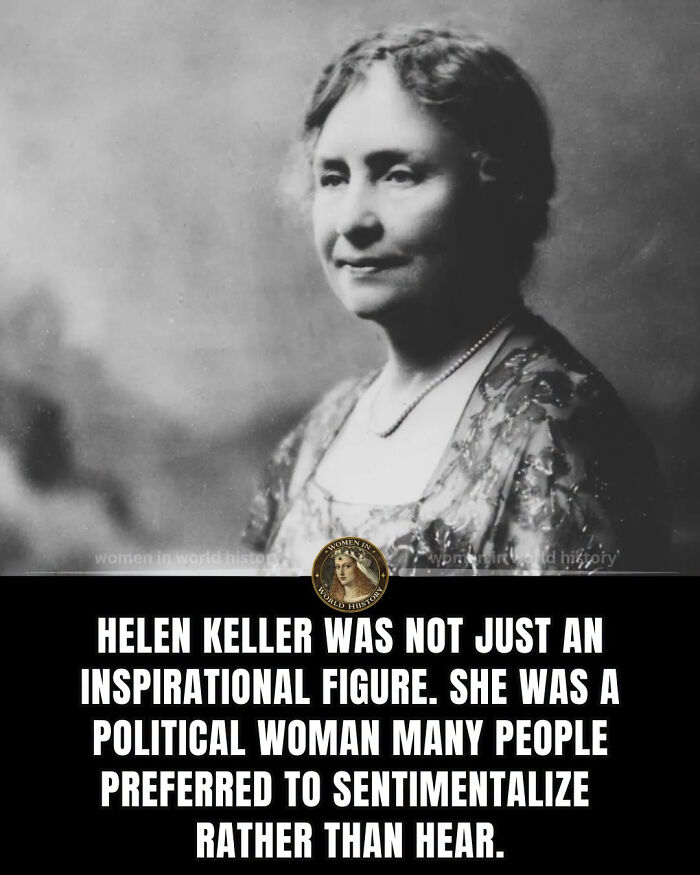
You know Helen Keller as the amazing woman who overcame deafness and blindness. But did you know as an adult, she was a fiery activist? She fought for women’s voting rights, stood with workers on strike, supported disability justice, and openly backed socialism—stuff that ruffled feathers in her day. When people loved her story, they thought she was a genius; when she spoke politics, they questioned her mind. Helen didn’t care. She kept pushing for a fairer world, proving courage comes in many forms.
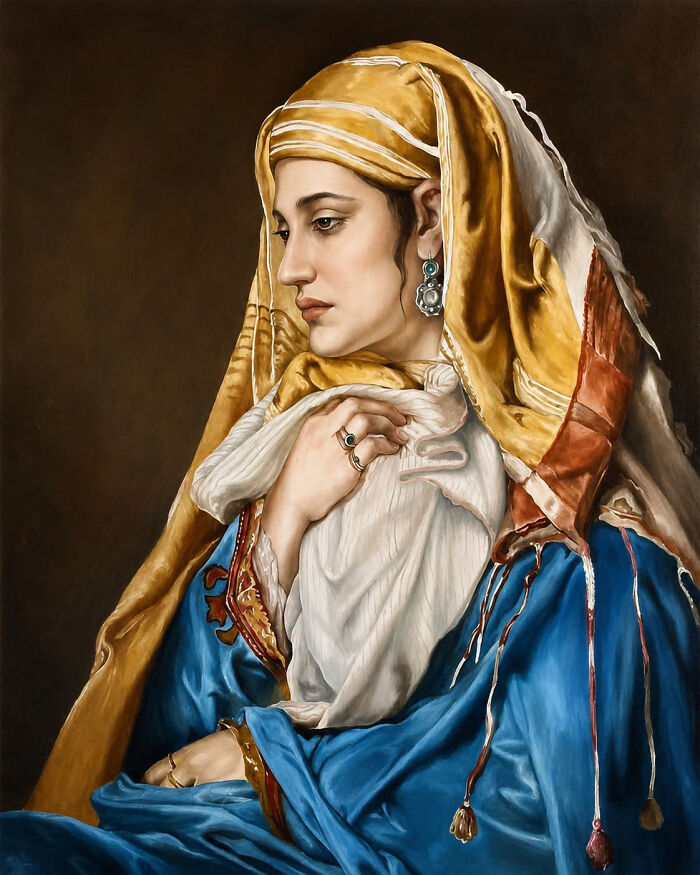
Fatima Al-Fihri, a wealthy and devout woman from 9th-century Tunisia, used her inheritance to build the Al-Qarawiyyin Mosque in Morocco. This wasn’t just a place for prayer—it blossomed into a university offering theology, math, astronomy, medicine, and philosophy. Over centuries, it educated scholars from across the world and preserved knowledge when Europe’s lights dimmed. Today, its library ranks among the oldest in the world, showing that investing in education can truly change the course of history.



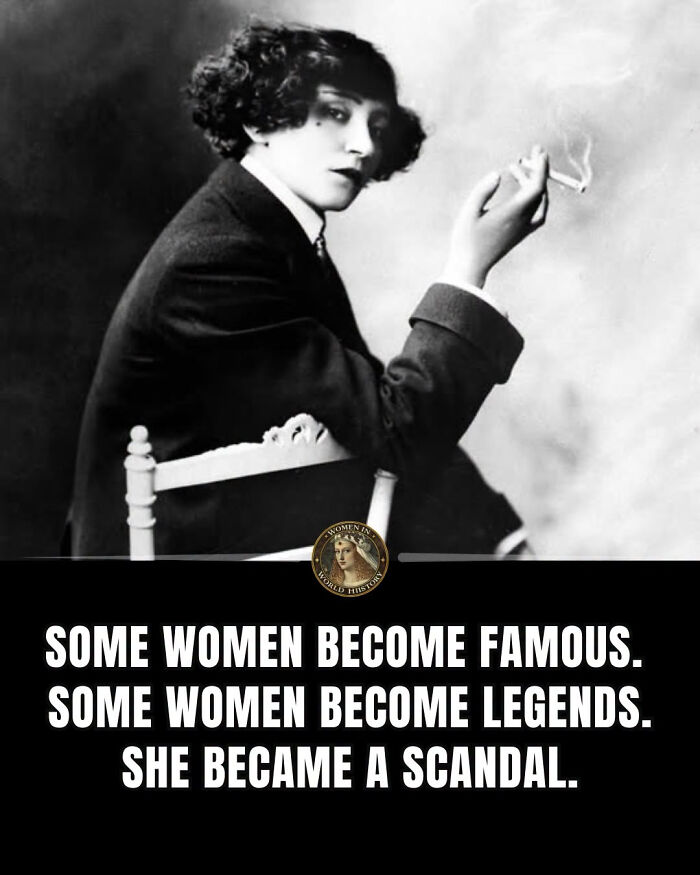
Sidonie-Gabrielle Colette became a French icon known for sharp wit, boundary-breaking novels (like Gigi!), and a fearless personal life. From shedding the shadow of her husband’s name to flap-dancing and romancing both men and women publicly, she was the original ‘rule-breaker.’ But her story isn’t all glam—her scandalous affair with her teenage stepson shows the complex and sometimes messy sides of legends. She died in 1954, leaving behind a legacy of brilliance and bold contradictions that still spark conversation.
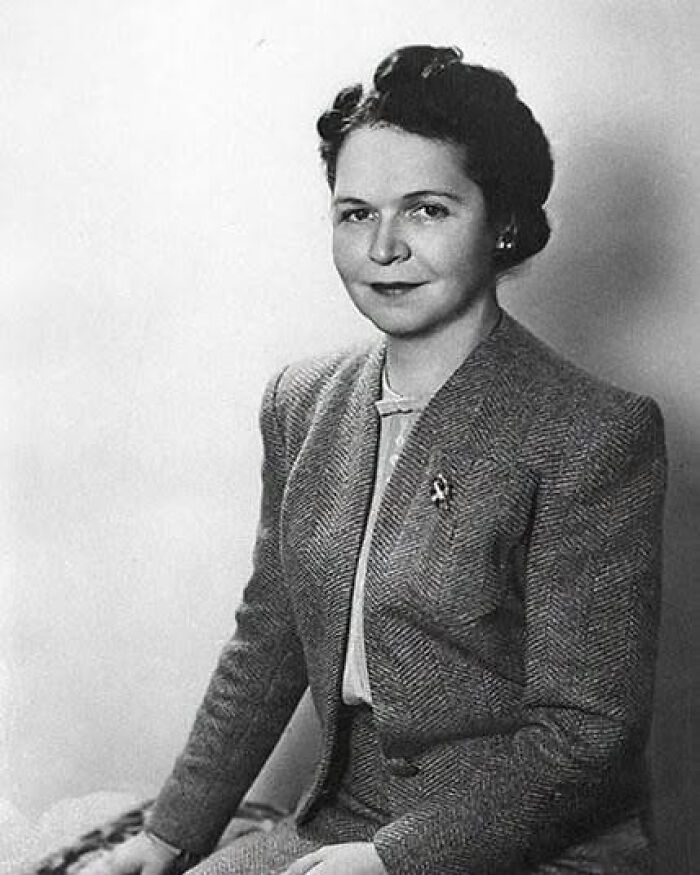
Most people never realized Georgia Neese Clark Gray’s name, because it’s on millions of U.S. banknotes. In 1949, she became the first woman to serve as Treasurer of the United States. A former singer and political lady, she stepped into a role that was high-profile but mostly ceremonial. Still, the fact a woman’s signature circulated in every pocket from city streets to farmlands was quietly revolutionary. It showed that women were taking more visible spots in the nation's money—and changed what leadership could look like.
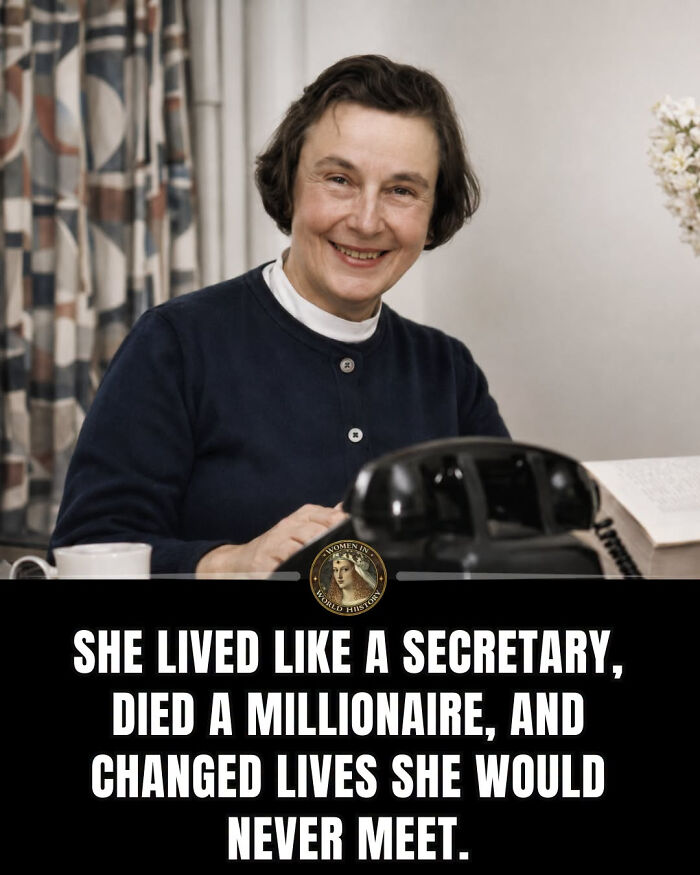
Grace Groner didn’t live large or flash cash. She clipped coupons, drove used cars, and lived simply. But she bought 3 shares of Abbott Labs in 1935—then did something rare: left them alone. Through splits and dividends, her tiny investment blossomed into a $7 million fortune by the time she died at 100. Most surprisingly? She donated it all to Lake Forest College to help students—not for fame or family. Sometimes slow and steady wins the richest prize.
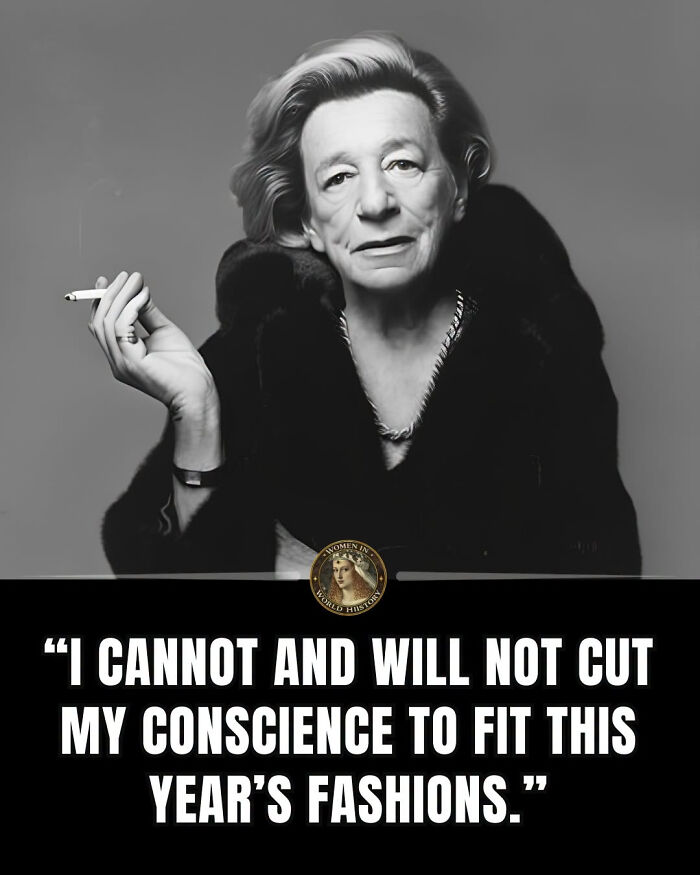
In 2003, social worker Elizabeth Gibson saw a huge, colorful painting tossed out with the garbage in Manhattan. What looked like trash turned out to be ‘Tres Personajes’ by Mexican master Rufino Tamayo—a piece missing for 16 years and worth over a million bucks. She spent years proving it was legit and brought it back into the art world. Her story reminds us that sometimes treasures aren’t behind velvet ropes—they’re waiting on a curb for someone curious enough to notice.










41
0